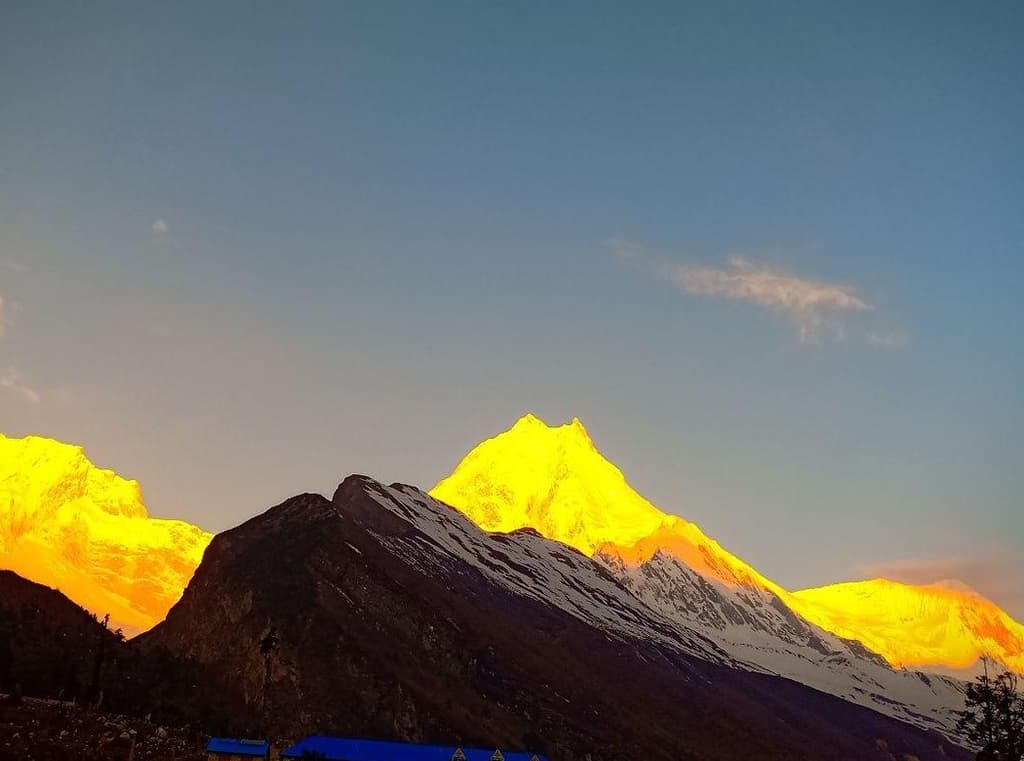

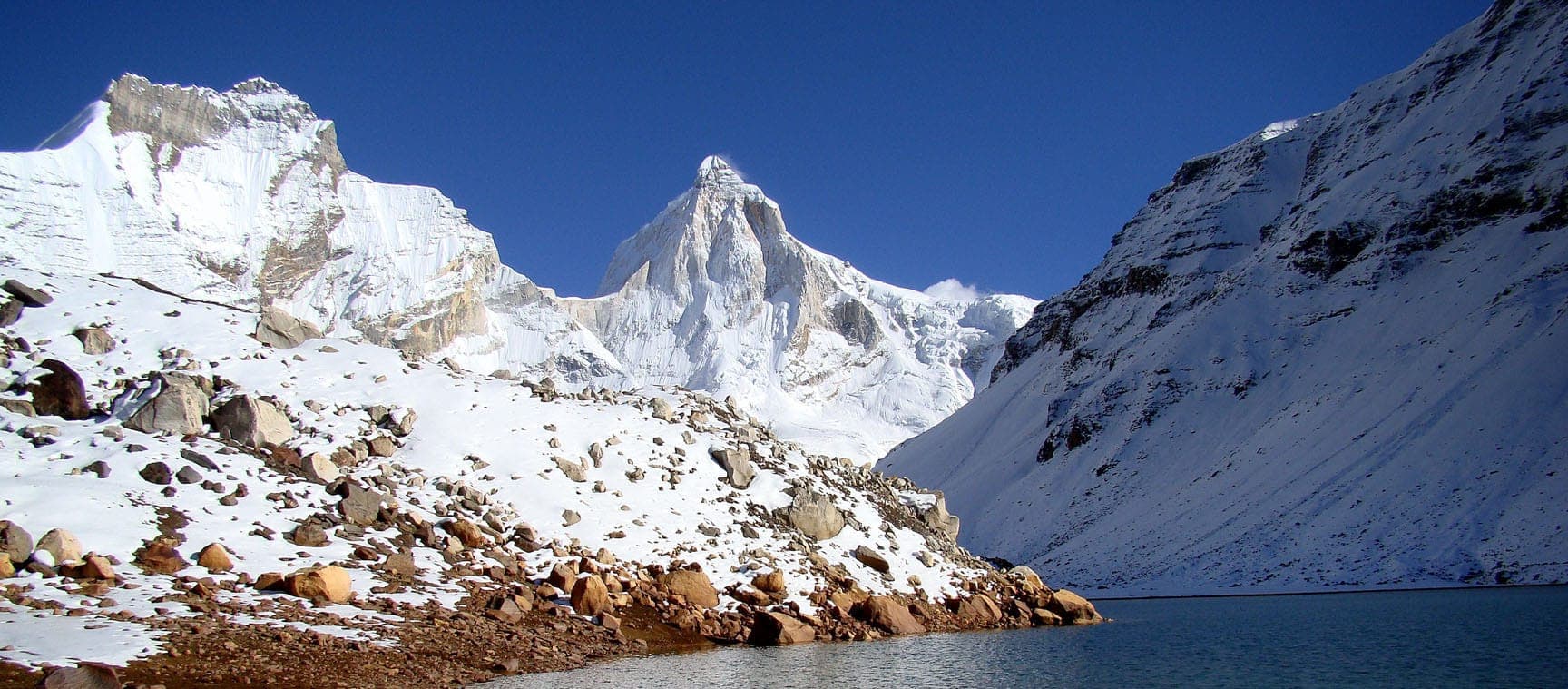
Nepal is undoubtedly one of the best trekking destinations in the world. This beautiful Himalayan nation receives 5,00,000 trekkers annually. Treks like Everest Base Camp, Annapurna Base Camp, Langtang Valley, and Ghorepani Poon Hill attract travellers from all corners of the globe. One of the biggest reasons Nepal is so popular is that trekking here is possible for all types of budgets, from very low-cost trips to high-end luxury experiences.
When planning a trek in Nepal, one common question comes to mind: Should I choose a budget trek or a premium trek? Both options offer amazing mountain scenery and cultural experiences. But the level of comfort, services, food, accommodation, safety support, and overall experience can be very different. A budget trek focuses on keeping costs low by using simple teahouses, basic meals, and local transport. In contrast, a premium trek offers higher comfort, luxury lodges, better meals, private transport, experienced guides, and extra safety support.
Choosing the right type of trek is important because it affects not only your comfort and enjoyment but also your health, safety, and overall travel experience. Some trekkers love the simple life and adventure of budget trekking, while others prefer comfort, privacy, and better service. There is no right or wrong choice; it all depends on your budget, travel style, age, fitness level, and personal comfort needs.
In this blog, we will clearly compare the budget trek vs premium trek in Nepal. You will understand the cost differences, accommodation, food, safety, comfort, and who each type of trek is best for, so you can easily decide which option suits you best.
What Is a Budget Trek in Nepal?
A budget trek in Nepal is a trekking style designed for travellers who want to experience the Himalayas at the lowest possible cost. It focuses on simple accommodation, basic facilities, and local services while still offering breathtaking mountain views and rich cultural experiences. Budget trekking is very popular among students, backpackers, solo travellers, and adventure lovers who enjoy simple travel and close contact with nature.
During a budget trek, trekkers usually stay in local teahouses or small lodges. These rooms are simple, with two single beds, a thin mattress, a blanket, and a shared toilet. Hot showers may cost extra, and electricity is often limited. Heating is usually available only in the dining hall, not inside bedrooms. Even though the rooms are basic, they are clean, safe, and comfortable enough for resting after a long day of walking.
Food during a budget trek is also simple but nutritious and filling. Common meals include dal bhat (rice, lentils, and vegetables), noodles, fried rice, soup, momos, pancakes, and tea. Dal bhat is the most popular meal because it provides high energy and unlimited refills in many places. Meals become more expensive as altitude increases because all supplies must be carried by porters or animals.
Transportation in budget trekking usually involves local buses, shared jeeps, or public transport, which helps to reduce costs. Trekkers often walk or drive longer distances instead of using flights or helicopters. A licensed guide is optional in some areas, but hiring a guide and porter is still highly recommended for safety and local knowledge.
On average, a budget trek in Nepal costs USD 40 to 65 per day, including accommodation, meals, and basic services. This makes Nepal one of the most affordable high-altitude trekking destinations in the world, perfect for travellers seeking adventure without spending too much.
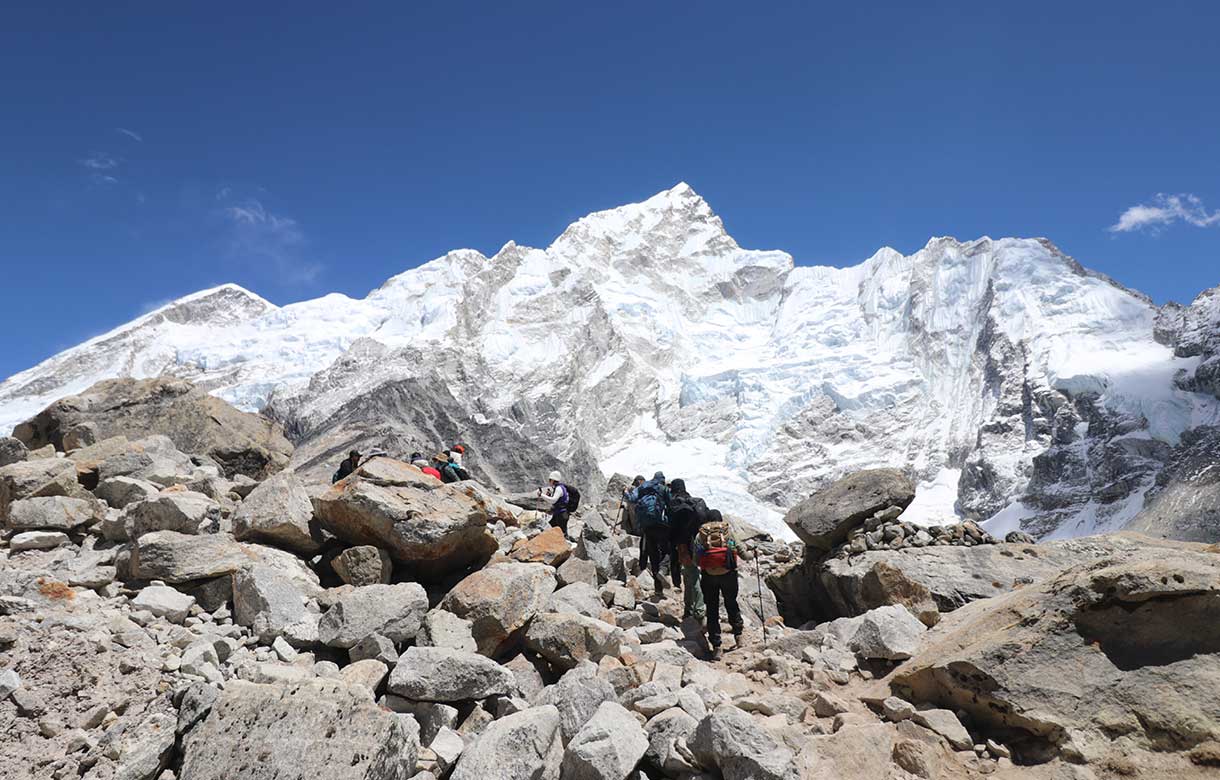
What Is a Premium Trek in Nepal?
A premium trek in Nepal is designed for travellers who want to enjoy the beauty of the Himalayas with maximum comfort, safety, and personalised service. It focuses on providing a high-quality trekking experience using luxury lodges, better food, private transport, professional guides, and extra care for health and safety. Premium trekking is popular among luxury travellers, families, senior trekkers, honeymoon couples, and people who want stress-free travel.
During a premium trek, trekkers stay in high-end mountain lodges, boutique hotels, or the best teahouses available on the trail. These rooms usually have comfortable beds, thick blankets, attached bathrooms, hot showers, heating, and sometimes even electric blankets. In popular regions like Everest and Annapurna, premium lodges also offer heated dining rooms, Wi-Fi, charging points, clean toilets, and cosy interiors, making the stay very comfortable even at high altitude.
Food in a premium trek is another big highlight. Trekkers enjoy freshly prepared meals with multiple choices, including continental, Asian, and local dishes. Menus often include soups, pasta, steak, pizza, bakery items, desserts, fresh coffee, tea, and healthy snacks. Meals are more hygienic, better presented, and nutritionally balanced, which helps to maintain energy and health during long trekking days.
Transportation is mostly private and comfortable. Premium treks include private jeeps, domestic flights, and even helicopter flights to reduce long road journeys and save time. This makes the journey smoother and less tiring.
Guides and porters on premium treks are highly experienced, English-speaking, and professionally trained. Group sizes are small, which allows personal attention, flexible schedules, and better safety care. Many premium packages also include emergency oxygen, first-aid kits, and evacuation insurance support.
A premium trek in Nepal costs USD 180 to 400 per day on average, depending on the region, season, and service level. Though expensive, it offers a comfortable, safe, and unforgettable Himalayan experience.
Accommodation Comparison: Budget vs Premium
Accommodation is one of the biggest differences between a budget trek vs premium trek in Nepal. While both options provide safe places to sleep, the level of comfort, cleanliness, privacy, and facilities can be very different.
In a budget trek, trekkers stay in basic teahouses or local lodges run by village families. Rooms are usually small and simple, with two single beds, thin mattresses, pillows, and blankets. Bathrooms are mostly shared, and hot showers often cost extra, usually USD 2 to 5 per shower. Heating is limited, especially at higher altitudes, and warm areas are mainly in the common dining hall, where trekkers gather to eat and rest. Electricity is sometimes available for charging devices, but it also costs extra. Even though facilities are basic, these teahouses are generally clean, friendly, and safe, offering a true local experience.
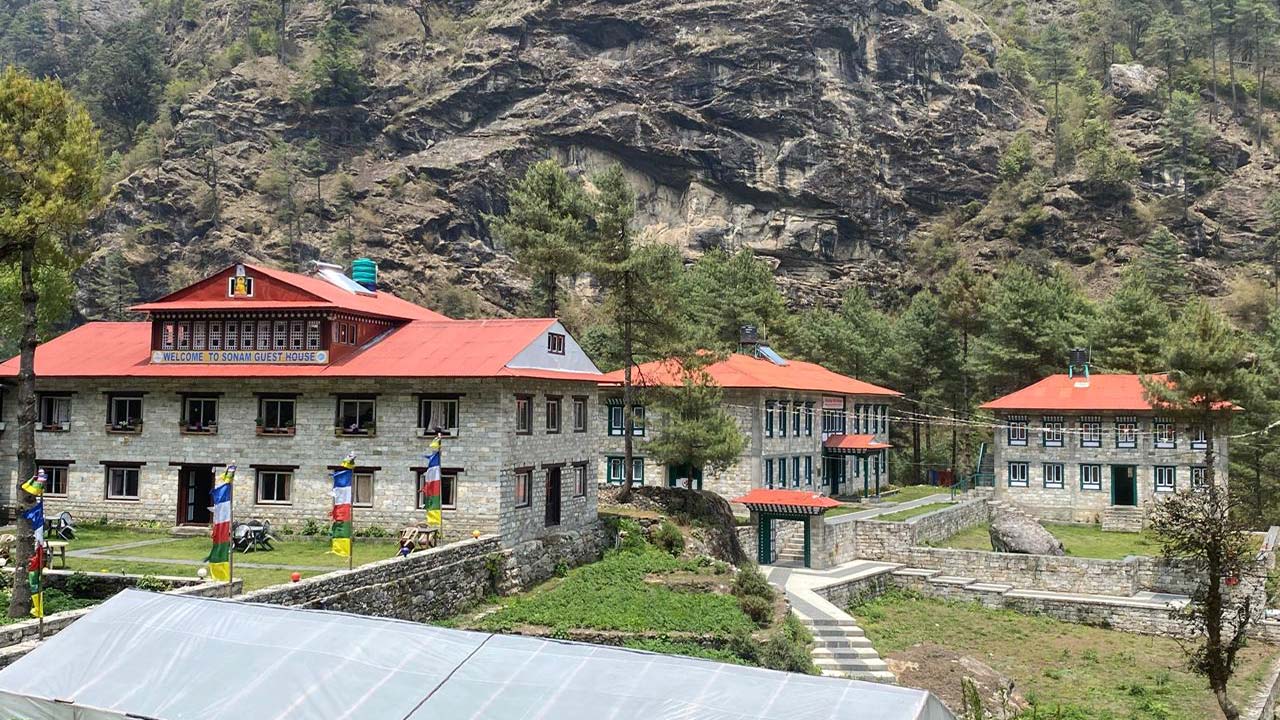
In contrast, a premium trek offers much higher comfort and privacy. Accommodation includes luxury lodges, boutique hotels, and the best available teahouses along the trail. Rooms are larger and warmer, with comfortable beds, thick mattresses, clean bedding, attached bathrooms, and 24-hour hot water in many places. Some premium lodges even provide heated rooms, electric blankets, and western-style toilets, which make a huge difference in cold mountain areas. Common areas are beautifully designed, cosy, and warm, often with fireplaces, soft seating, and elegant interiors.
In popular trekking regions like Everest Base Camp and Annapurna Base Camp, premium lodges such as Namche, Deboche, and Ghorepani luxury lodges offer hotel-like comfort at high altitude, which is rare in the mountain trekking scenario. These places also focus strongly on cleanliness, hygiene, and guest satisfaction.
Overall, budget accommodation focuses on basic comfort and affordability, while premium accommodation focuses on comfort, warmth, privacy, and relaxation, helping trekkers recover better after long walking days.
Food and Dining Experience: Simple Meals vs Luxury Dining
Food plays a very important role during trekking because it provides the energy and strength needed for long walking hours. The difference between budget trek vs premium trek in Nepal becomes very clear when it comes to meal variety, quality, hygiene, and dining comfort.
In a budget trek, meals are simple, filling, and high in energy. The most common dish is Dal Bhat, which includes steamed rice, lentil soup, vegetables, and sometimes pickles. It is popular because it provides strong nutrition and unlimited refills in many teahouses. Other common foods include noodles, fried rice, pasta, soup, eggs, pancakes, momo, chowmein, coffee, and tea. These meals are freshly cooked using local ingredients, but choices are limited, especially at higher altitudes. As you go higher, food becomes more expensive and simpler because all supplies must be carried by porters, yaks, or mules. Hygiene standards are generally good, but kitchens are basic, and dining areas are simple.
As for a premium trek, food becomes a part of the overall luxury experience. Meals are prepared by trained cooks using fresh and high-quality ingredients. Menus offer wide choices, including continental, Asian, and Nepali dishes. You may enjoy soups, grilled meats, fresh salads, pasta, pizza, bakery items, desserts, and high-quality coffee. Breakfast often includes eggs, toast, cereal, fruits, and pancakes, while dinner may include multi-course meals. Special dietary needs like vegetarian, vegan, gluten-free, and allergy-friendly meals are easily managed.
Dining areas in premium lodges are warm, clean, and comfortable, often with heated rooms, soft chairs, table service, and beautiful interior design. This creates a relaxing environment, especially after long trekking days.
In terms of cost, a budget trek meal usually costs USD 4 to 8, while premium trek meals can range from USD 15 to 30 per meal. Budget food focuses on energy and affordability, while premium food focuses on comfort, taste, hygiene, and variety, greatly enhancing the trekking experience.
Cost Breakdown and What You Get for Your Money
Cost is the main difference between a budget trek and a premium trek in Nepal. Both types of trekking take you to the same beautiful mountains, but the comfort, services, safety, food quality, and travel experience change a lot depending on how much you spend. Below is a simple and clear breakdown to help you to understand where your money goes.
Common Costs
These costs are fixed and compulsory for everyone:
Total permit Cost USD 35-55:
- TIMS Card (Trekker's Information Management System): USD 10-20
- National Park/ Conservation Area permit: USD 25-35
Budget Trek Cost Breakdown (per day):
- Accommodations (teahouse): USD 3-7
- Meals (3 times): USD 12-18
- Drinking water: USD 2-4
- Hot shower and charging USD 2-5
- Local transport (bus/jeep): USD 5-15
Average Daily Cost without guide and porter: USD 25-40
Optional Extra:
- Guide: USD 25-30 per day
- Porter : USD 18-25 per day
Daily Cost with Guide and Porter: USD 45-70
Premium Trek Cost Breakdown (per day)
- Luxury lodge/ best teahouses: USD 60-150
- High-quality meals and snacks: USD 40-70
- Professional guide and porter: Included
- Private transport/ domestic flights: Included
- Emergency oxygen, first aid, and evacuation support: Included
- Personal service and trip management: Included
Average Daily Cost: USD 180-400
What You Really Get for Your Money?
Budget Treks Gives You:
- Simple room
- Basic meals
- Local transport
- Limited comfort
- More walking and ok physical effort
- True local experience
Premium Trek Gives You:
- Warm, clean, and comfortable rooms
- High-quality meals and drinks
- Private vehicles and flights
- Highly trained guide and porter
- Extra safety care
- Less physical strain and stress
In summary, Budget Trek saves money but requires more adjustment and effort. Premium Trek costs more but gives comfort, safety, and a relaxed experience. This clear cost difference helps trekkers choose wisely based on budget, comfort needs, and travel goals.
Comfort, Safety, and Service Level Comparison
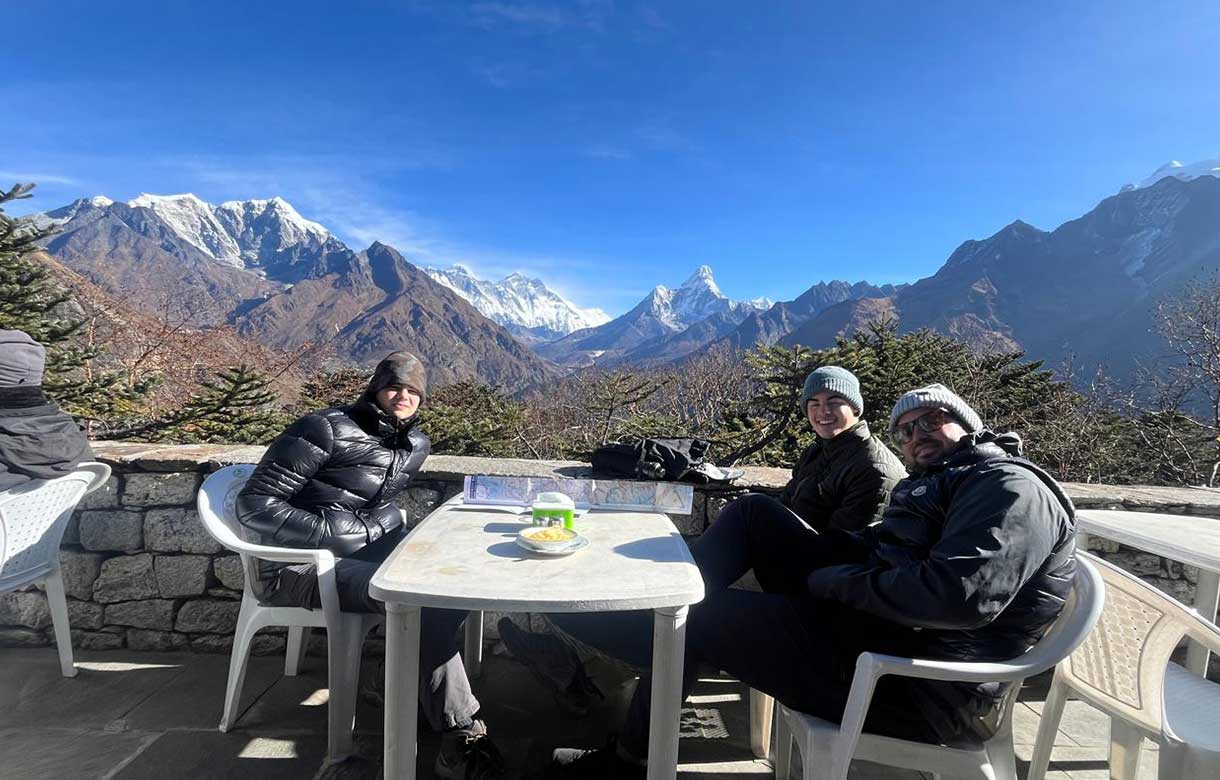
Comfort, safety, and service level play a very important role in making a trekking experience enjoyable and stress-free. This is where the difference between a budget trek vs premium trek in Nepal becomes very clear.
Comfort Level
In a budget trek, comfort is basic. Rooms are small, beds are simple, and heating is limited. Hot showers, Wi-Fi, and charging often cost extra. Dining areas may be cold, especially at higher altitudes. Trekkers need to adjust to simple living, cold nights, and shared facilities. This is perfect for adventure lovers but may feel difficult for beginners, families, or older trekkers.
As for a premium trek, the comfort level is high. Rooms are warm, clean, and cosy, often with attached bathrooms, hot showers, heating, and comfortable beds. Dining halls are heated, and seating is soft and relaxing. Many premium lodges also provide Wi-Fi, charging, and laundry services. This helps trekkers rest, sleep better, and recover faster, which is very helpful in high-altitude areas.
Safety Level
In a budget trek, safety depends mainly on personal awareness and local lodge support. Some trekkers travel without a guide, which increases the risk of altitude sickness, wrong routes, and emergency delays. Emergency help is available, but response time may be slower, especially in remote areas.
In a premium trek, safety is top priority. Trekkers are supported by highly trained guides, first-aid kits, emergency oxygen, and satellite communication in remote regions. Many premium packages include 24-hour emergency support and helicopter evacuation arrangements, which can be life-saving in serious situations. Health checks and altitude monitoring are also more carefully managed.
Service Level
In a budget trek, service is simple and limited. Guides and Porters may be shared, the group size is larger, and personal attention is less. Daily plans are fixed, and flexibility is low. On the contrary, in a premium trek, service is personalised and flexible. Groups are small, guides provide full attention, walking pace is adjusted, and daily plans can change based on weather and health conditions. This creates a smooth, relaxed, and enjoyable trekking experience.
So to summarise it, budget trek offers basic comfort and standard safety. Premium trek offers high comfort, strong safety support, and excellent personal service.
Who Should Choose Budget Trek and Who Should Choose Premium Trek?
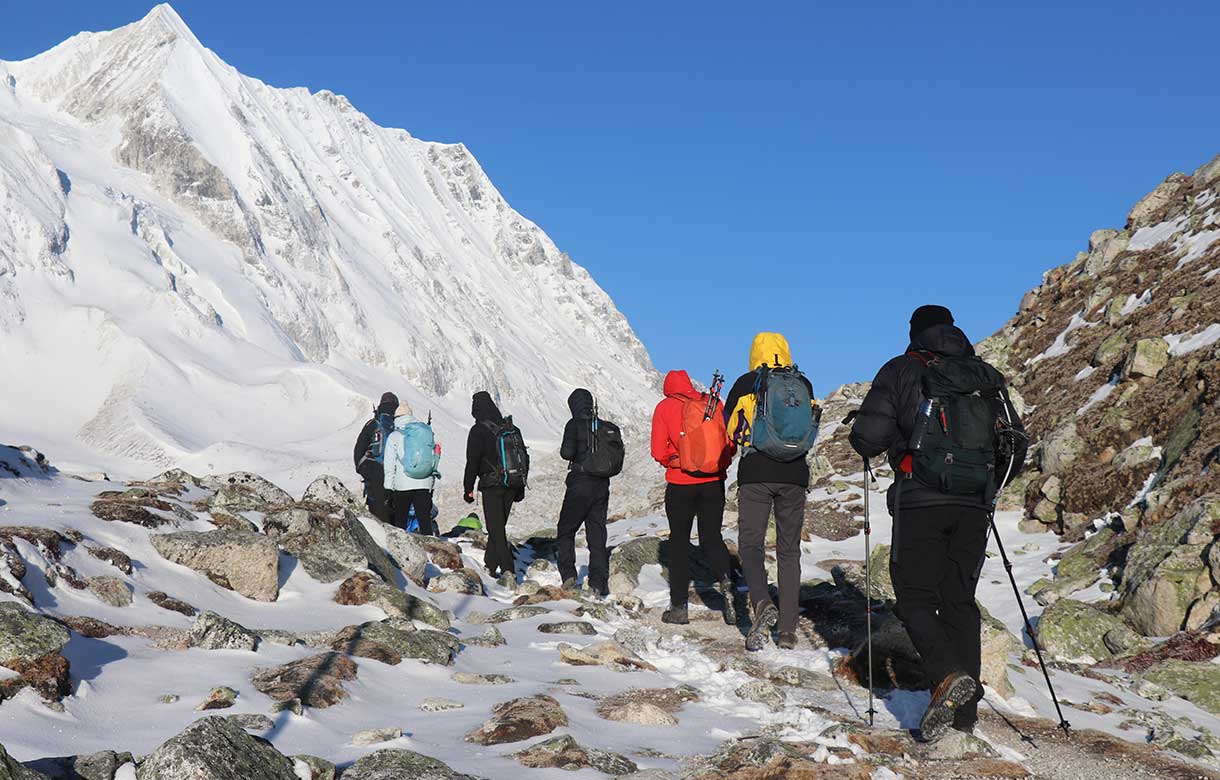
Choosing between a budget trek vs premium trek in Nepal depends on your budget, comfort level, age, fitness, travel style, and personal expectations. Both trekking styles are great, but they suit different types of travellers.
Who Should Choose a Budget Trek?
A budget trek is best for people who:
- Are students or backpackers with a limited travel budget
- Enjoy simple living and adventure
- Are physically fit and mentally prepared for basic conditions
- Like meeting local people and experiencing village life
- Are comfortable with shared rooms, simple food, and cold nights
- Prefer long walks instead of flights or luxury transport.
Best for:
- College students
- Solo travelers
- Young adventure lovers
- Budget travelers
Budget trekking offers a real mountain life experience and a strong adventure feeling at a low cost.
Who Should Choose a Premium Trek?
A premium trek is best for people who :
- Want maximum comfort and safety
- Are you travelling with family or a partner
- Are senior trekkers (40+years)
- Want private rooms, hot showers, warm beds, and quality meals
- Prefer shorter travel time and less physical stress
- Want professional guide service and emergency support
Best for:
- Families
- Couples and honeymoon travellers
- Senior citizens
- Luxury travellers
- Business professionals with limited time
Premium trekking offers a relaxed, safe, and comfortable journey, making trekking enjoyable for everyone.
Simple Decision Guide
- If your budget is low and your adventure spirit is high, then you can choose the budget trek.
- If your budget allows and comfort matters most, then choose a premium trek.
- If you love simple travel and a local lifestyle, then choose a budget trek
- If you want luxury, safety, and stress-free travel, then choose a premium trek.
Thus, the budget trek is for adventure lovers, and the premium trek is for comfort seekers. Both lead you to the same beautiful Himalayas, only the journey style is different.
Final Comparison: Budget Trek vs Premium Trek in Nepal
Both budget trekking and premium trekking in Nepal offer unforgettable experiences in the beautiful Himalayan mountains. The views, trails, culture, and natural beauty remain the same, but the level of comfort, service, safety, and overall experience changes based on the trekking style you choose.
A budget trek is all about simplicity and adventure. It allows travellers to explore the mountains at a very low cost, making Nepal one of the most affordable trekking destinations in the world. Budget trekking includes basic teahouse accommodation, simple meals, local transport, and limited services. It suits students, backpackers, solo travellers, and adventure lovers who enjoy simple living and physical challenges. While comfort is limited, the experience feels more natural, local, and adventurous.
On the other hand, a premium trek focuses on comfort, safety, and luxury. It provides high-quality accommodation, warm rooms, attached bathrooms, better food, private transport, experienced guides, and strong safety support. This trekking style is ideal for families, senior travellers, couples, and anyone who prefers stress-free travel. Though expensive, premium trekking offers peace of mind, comfort, and personalised service, making the Journey smoother and more enjoyable.
There is no right or wrong choice. If you love adventure and want to save money, budget trekking is perfect. If you want comfort, safety, and ease, premium trekking is the best option. Choose what fits your budget, health comfort level, travel dreams, and enjoy the magical beauty of Nepal's Himalayas.