
Mount Everest is the tallest mountain in the world. Climbing it is a big dream for many people. Many travelers fulfill that dream safely by joining a guided Everest Base Camp Trek rather than attempting the summit itself. But the biggest problem on Everest is not the cold or the long walk. The real issue is the thin air. As you climb higher, there is less oxygen to breathe. Your body becomes tired very quickly, and even taking one step can feel very hard.
Because of this, most of the climbers use extra oxygen cylinders. These cylinders help them breathe better and push for the summit strongly. But many people want to know, can you summit Everest without supplemental oxygen? Is it possible to reach the top of the world without using extra oxygen? And how are people able to climb Everest without oxygen? These questions are important because climbing without oxygen is extremely difficult and dangerous.
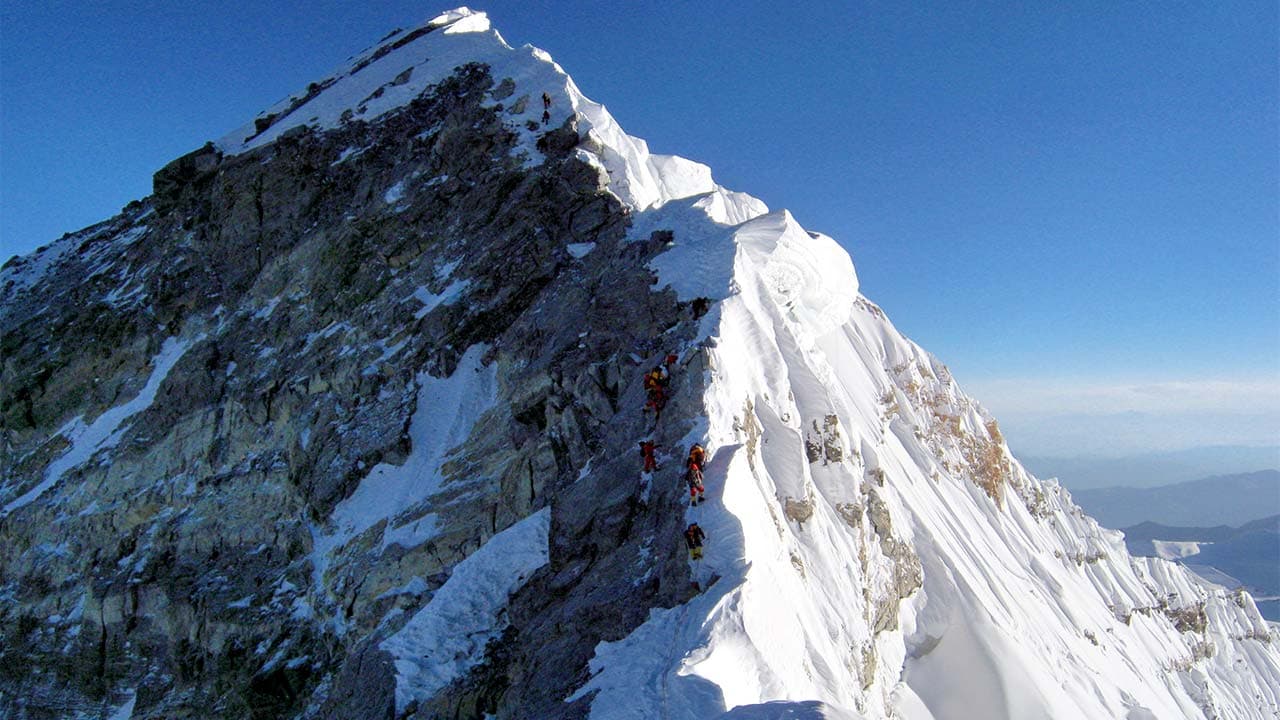
Above 8,000 meters, there is an area called the “Death Zone”. In this zone, the air is so thin that your body can not work properly. Your brain becomes slow, your muscles feel weak, and you lose energy fast. Climbers say breathing in the Death Zone feels like breathing through a small straw. It is very excruciating and scary.
People also wonder about how long can you survive on Mount Everest without oxygen? The answer is not very long. Even strong climbers can only stay for a short time. If they stop too long, they can succumb to fatigue and altitude sickness or even die.
Today, in this blog, we will learn why climbing without oxygen is so hard, how a few people still manage to do it, what dangers they face, and why most climbers choose to use supplemental oxygen for safety.
What Happens to the Human Body Above 8,000 Meters?
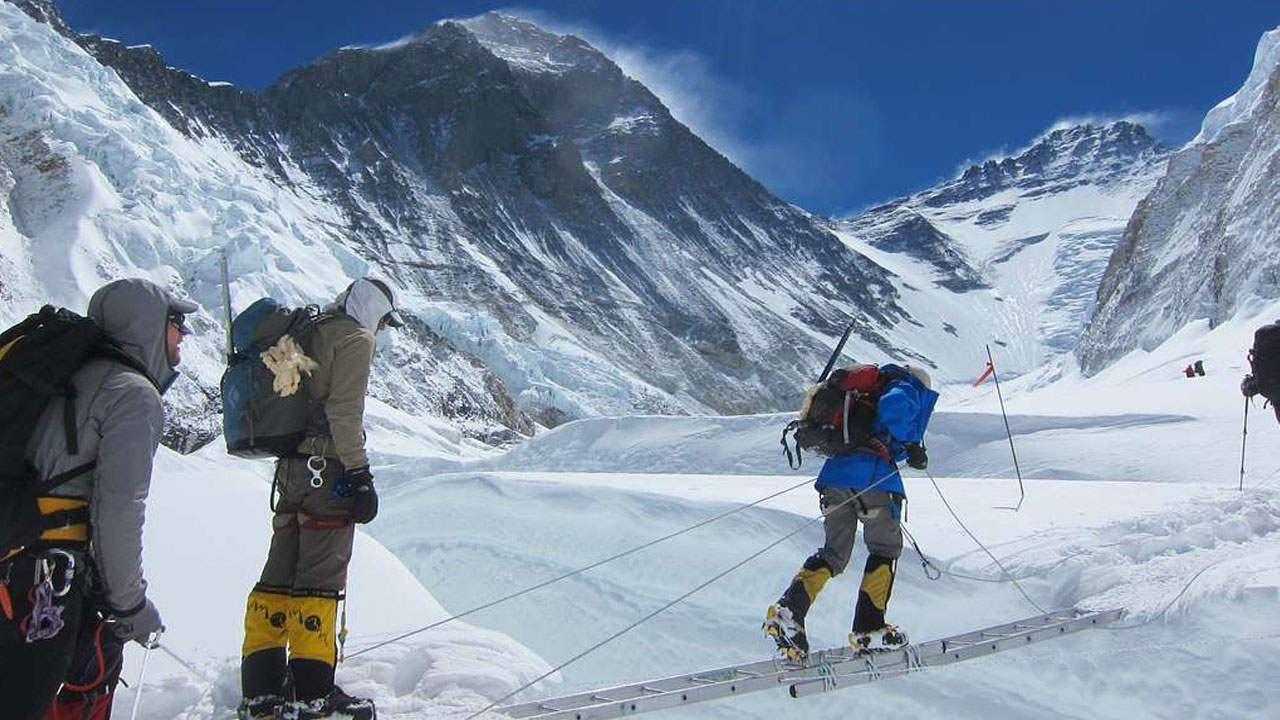
Above 8,000 meters on Mount Everest, the air becomes extremely thin. This area is called the Death Zone. The name is very true because the human body cannot live for long at this height. There is not enough oxygen for the body and brain to work properly.
At sea level, your body gets plenty of oxygen from every breath. But in the Death Zone, the oxygen level is only about one-third of normal. This means that even small tasks feel very hard. Simple things like walking, talking, or thinking take a lot of effort. Climbers need to stop often just to breathe.
When the body gets little oxygen, many dangerous things happen. The brain becomes slow, and you can not think clearly. You may forget where you are or make wrong decisions. The heart works extra hard . It beats very fast to push more oxygen to your organs. Muscles become weak, and even lifting legs feels heavy. You lose body heat quickly, which increases the risk of frostbite. Your energy drops suddenly, and some climbers collapse without warning. These same low-oxygen effects, in a milder form, are why altitude sickness is a serious concern even for trekkers heading to Everest Base Camp, not just summit climbers.
People often ask: How long can you survive on Mount Everest without oxygen? In the Death Zone, survival time is very short. Most climbers can only stay safely for a few hours. Climbers who attempt the summit without oxygen know they must move slowly but steadily. They can not spend much time resting. Long breaks can be deadly because the body continues to lose strength with every minute.
This is why climbing without oxygen is so dangerous. The human body simply can not live comfortably at this height. It is always fighting to stay alive.
History of Climbing Everest Without Oxygen
Climbing Mount Everest without using extra oxygen is one of the hardest things a human can do. In the early years of Everest climbing, people believed that it was impossible to reach the top without oxygen. Even strong climbers, though the human body could not survive that high.
In 1963, Sir Edmund Hillary and Tenzing Norgay Sherpa became the first people to reach the summit of Everest. They used oxygen cylinders because the air was too thin to breathe normally. For many years after that, most climbers continued using oxygen.
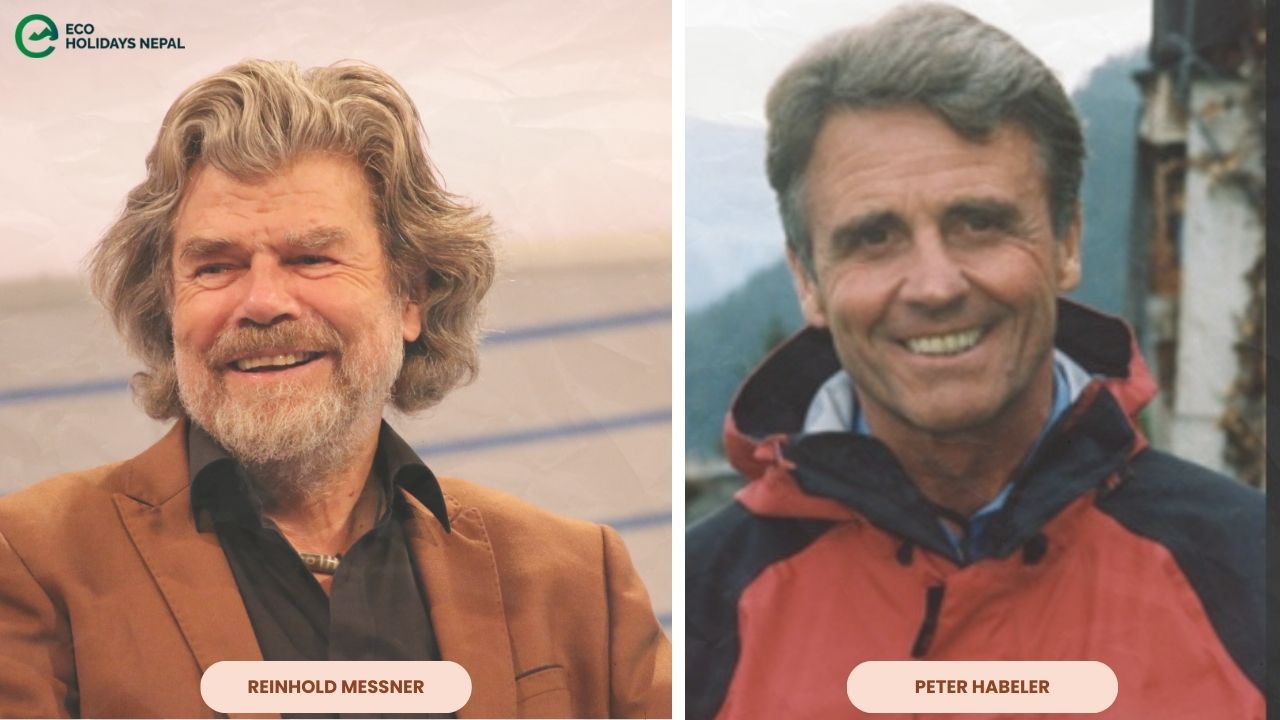
Then, in 1978, two brave and skilled climbers, Reinhold Messner from Italy and Peter Habeler from Austria, changed history. They became the first people to reach the summit of Everest without any supplemental oxygen. Many people thought they would die, but they proved it was possible. Their climb shocked the world and showed how strong and determined humans can be.
After that, only a small number of climbers tried the same challenge. Climbing Everest without oxygen is rare because it is extremely dangerous. It requires a strong body, years of training, and perfect weather.
In 1980, Reinhold Messner climbed alone without oxygen, which was another amazing achievement. Since then, more climbers have done it, but the number is still very small compared to the total number of Everest summits.
The history of climbing without oxygen shows it is possible, but only for a few elite climbers. Most people still choose oxygen because it makes the climb safer and increases the chance of survival.
How Are People Able to Climb Everest Without Oxygen?
Many people wonder how people can climb Everest without oxygen. The truth is that only a very small number of climbers can do this. It requires a very strong body, a strong mind, and many years of training.
First, these climbers have excellent lungs and hearts. Their lungs can take in more air with each breath, and their heart can pump blood very strongly. This helps their body use the small amount of oxygen available at high altitude.
Second, they do a lot of acclimatization. This means they slowly let their body get used to thin air. They climb up and down many times between camps so their body can produce more red blood cells. These cells carry oxygen to all parts of the body. The more red blood cells you have, the better you can survive in the Death Zone.
Another important reason is that many no-oxygen climbers have good genetics. Some people are naturally better at using smaller amounts of oxygen. For example, Sherpas have bodies built for mountains. Their lungs are larger, their blood flows better, and they can stay stronger at high altitude.
Also, these climbers move very slowly and carefully during their ascent. They try to save every bit of energy. They do not rush, because rushing uses more oxygen. They take small steps to breathe deeply and stay focused.
Moreover, these climbers also have many years of high-altitude experience. They have climbed other big mountains like K2, Makalu, Annapurna, or Lhotse before trying to summit without oxygen. Their bodies understand how to handle thin air.
Finally, they chose perfect weather. No oxygen climbs require calm wind, clear skies, and stable conditions. Even a small weather problem can become life-threatening.
So climbing Everest without oxygen is possible, but only for people who have very special skills, very strong training, and the right body for high altitude.
**Also Read: Trekking Guide and Porter — Why an experienced guide and porter make all the difference for safety and acclimatization on high-altitude treks.**
Climbing Everest without oxygen is extremely dangerous. Even the strongest climbers face many risks because the body is not designed to live in the Death Zone. Here are the main dangers :
- Lack of Oxygen to the Brain: When the brain doesn't get enough oxygen, you can not think clearly. You may become confused, forget your path, or make bad decisions.
- Fatigue: The body becomes very weak. Without oxygen, muscles lose power quickly. Climbers often feel like they have no strength left. Even lifting a foot can feel very heavy. Many climbers collapse because their bodies cannot continue.
- HAPE (High Altitude Pulmonary Edema): This is a serious lung problem. Fluid fills the lungs, making it very hard to breathe. If this happens, the climber must go down immediately, or they may die within hours.
- HACE (High Altitude Cerebral Edema): This is swelling in the brain caused by a lack of oxygen. It can cause confusion, headaches, stumbling, and eventually unconsciousness. HACE is extremely dangerous.
- Frostbite: Without oxygen, the body sends less warm blood to the hands, feet, and face. This causes frostbite, and toes and nose can freeze and turn black.
- Slow Movement Leads to Longer Exposure: Climbers without oxygen move very slowly. This means they stay longer in the Death Zone. The longer they stay, the higher the chances of cold, exhaustion, and life-threatening problems.
- Higher Chance of Death: The death rate for no-oxygen climbers is much higher than for climbers who use oxygen. Many famous climbers have died while trying to reach the summit without supplemental oxygen.
Because of these dangers, most people use oxygen to stay safe. Only a few very experienced climbers attempt the summit without it.
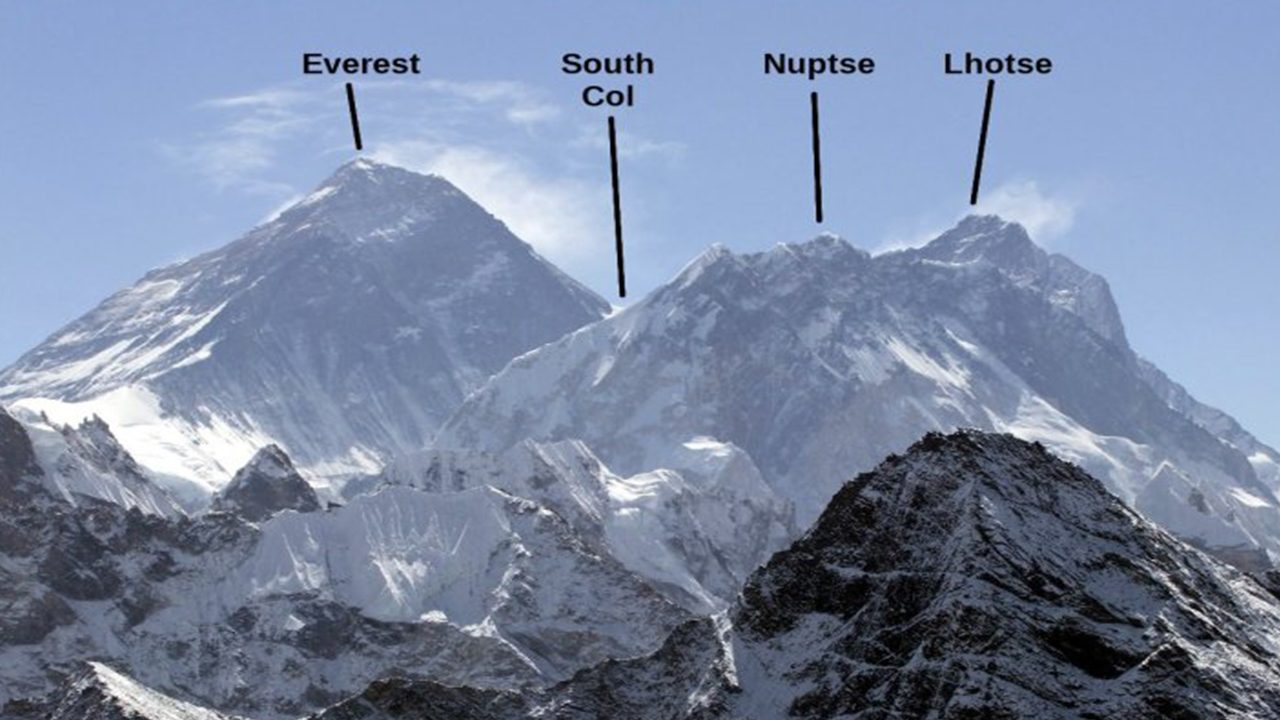
How Long Can You Survive on Mount Everest Without Oxygen?
Many people ask: How long can you survive on Mount Everest without oxygen? The answer is: not very long, especially above 8,000 meters in the Death Zone. The human body is not made to live at this height. There is very little oxygen and every minute the body becomes weaker.
At lower camps, like Camp 2 or Camp 3, you can survive without oxygen for many hours because the air is thin but not extremely dangerous. But once you enter the Death Zone, the situation changes completely.
Above 8,000 meters, most climbers can only stay for a few hours before their body starts shutting down. The lack of oxygen slowly damages the brain, heart, and lungs. If a person stays too long without moving, they may lose consciousness.
The most dangerous place is near the summit, 8,848 meters. The air has only about one-third of the oxygen found at sea level. Without oxygen, even strong climbers can only stop for short breaks, maybe 10 to 20 minutes. Longer stops can be deadly because the body cools down fast, and the brain gets even less oxygen. The weather also affects survival. Strong winds make breathing harder. Cold temperatures freeze the body quickly. Exhaustion reduces the body's ability to fight the thin air.
Experienced climbers plan very carefully. Those who are climbing without oxygen know they must keep moving slowly. They avoid sitting down for too long. They choose the best weather day and start their summit push very early to avoid being trapped in the Death Zone at night.
So in summary, you can survive only for a short time on Everest without oxygen. Your body gets weaker every minute, and staying too long can be fatal. This is why climbing without oxygen is so dangerous.
Why Most Climbers Still Use Supplemental Oxygen?
Even though a few strong climbers can reach the top of Everest without oxygen, most people still use supplemental oxygen. This is because using oxygen makes the climb much safer and gives a much better chance of success.
Oxygen helps you to think clearly. In the Death Zone, the brain becomes slow because it doesn't get enough oxygen. Supplemental oxygen keeps the brain active so climbers can make good decisions and avoid mistakes. It gives good strength with extra oxygen and the muscle gets more energy. Climbers can walk faster and with more power. This reduces the time they spend in dangerous areas. Supplemental oxygen reduces the risk of altitude sickness and lowers the chance of getting HAPE or HACE. These are two dangerous altitude illnesses that can cause death quickly.
Supplemental oxygen increases the success rate. Almost 97 to 98% of people who reach the summit of Everest use supplemental oxygen. Only a very small group climbed without it. Oxygen helps more climbers reach the top safely. Supplemental Oxygen is required for most guided climbs. Commercial expeditions do not allow clients without oxygen because it is too risky. Guides want everyone to be safe, and they know oxygen is the best support.
It shortens the time in the Death Zone. With oxygen, climbers move faster, spend less time in the Death Zone, and avoid getting too tired or too cold. Because of all these reasons, most climbers use supplemental oxygen. It is not a weakness, but it is a smart safety tool that helps to save lives on the tallest mountain in the world.
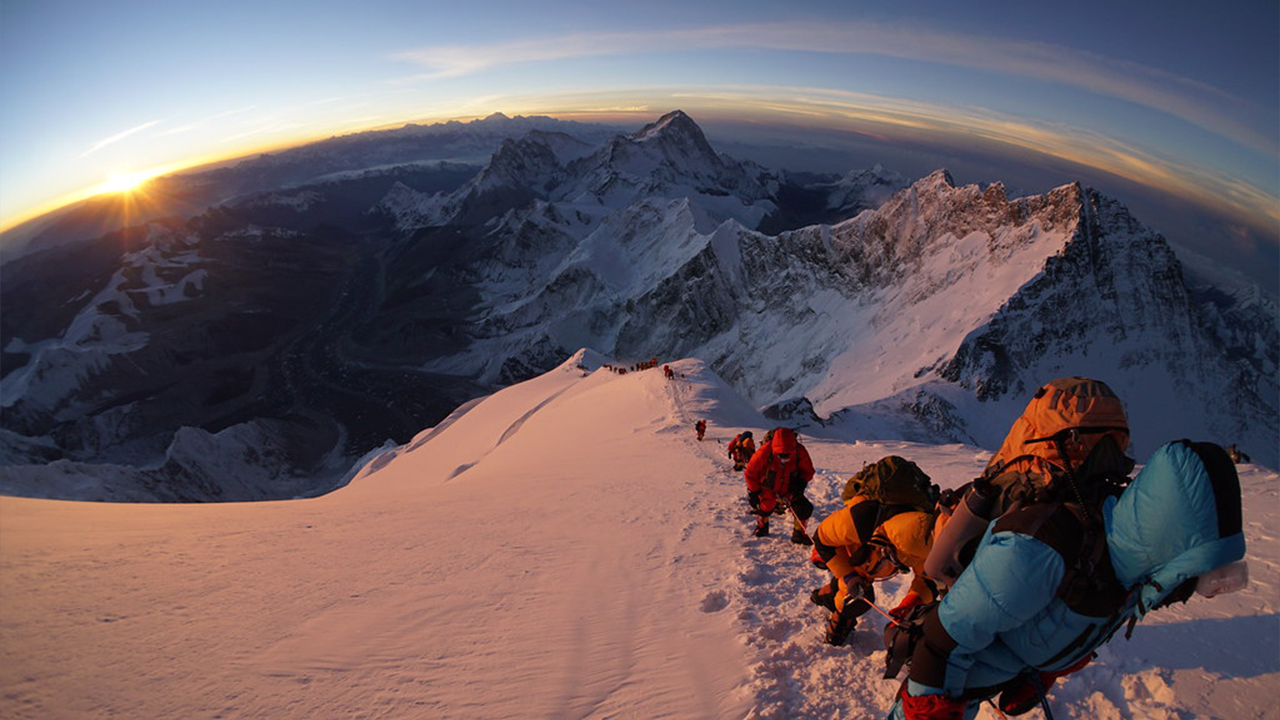
**You May Also Like: Trekking Equipment — A complete gear checklist to stay warm and safe on high-altitude Everest treks.**
Conclusion: Is Summiting Everest Without Oxygen Worth it?
Climbing Mount Everest without oxygen is possible, but it is extremely hard and very risky. Only a small number of very strong and experienced climbers have done it. For most people, using oxygen is the safest choice. As we know that the air in the Death Zone is too thin for the human body. The brain becomes slow, the body becomes weak, and every step feels very heavy. If you are still wondering about can you summit Everest without supplemental oxygen? The answer is yes, only if they have special training, strong lungs, and many years of practice.
Your body loses strength every minute, and you can not stay safely at the top of Everest for more than a short time. Most climbers choose to use supplemental oxygen because it protects them and gives more energy. Supplemental Oxygen helps climbers to think clearly. It also increases their chances of reaching the summit and coming back safely.
In the end, climbing Mount Everest is not just about reaching the top, but it is also about staying alive. So using oxygen is the smart and safe way for most climbers. Only a few elite climbers should try climbing without it.
You May Also Like: