
The Everest Base Camp Trek is one of the most iconic adventures in the world that draws thousands of trekkers to Nepal every year. Trekking enthusiasts seek this route for the breathtaking Himalayan scenery, authentic Sherpa culture, and unforgettable experience of standing beneath the world’s highest mountain, Mt. Everest (8,848.86m/ 29,031ft). From the lush forest decorated with rhododendron and wild flowers, and traditional mountain villages to the dramatic glaciers and sky-pericing peaks, this journey is as rewarding as it is challenging. However, Everest Base Camp Trek altitude sickness is one of the major challenging aspects of this high-Himalayan route that trekkers need to overcome.
As the trail gradually climbs over 3,000 meters and crosses the 5,500 meters threshold at Kala Patthar, the decreasing oxygen levels start to place significant stress on the body. Many trekkers experience symptoms such as headaches, fatigue, dizziness, nausea, and shortness of breath, especially if they ascend too fast. Acute Mountain Sickness (AMS) or altitude sickness can affect anyone, regardless of fitness level, afe and prior trekking experience. Thus, making proper preparation and being aware of it is crucial to enjoy a safe and memorable journey.
Without the right acclimatization strategy, proper hydration, nutirion and pacing, altitude sickness can quickly turn an extraordinary adventure into a dangerous and uncomfortable experience. That's why it is important to learn about the Everest Base Camp Trek altitude sickness; how it affects your body, how to prevent it, and how to manage its symptoms. In this detailed guide, we will explain everything about altitude sickness, which will help you not only on the EBC route but also on other high-altitude treks in Nepal.
With the right knowledge and preparation, you can minimize the risk of AMS, trek confidently and fully enjoy one of the most spectacular journeys on Earth.
What Is Altitude Sickness?
Altitude sickness, which is also known as Acute Mountain Sickness (AMS), happens when your body struggles to adapt to an atmosphere with low oxygen levels at higher altitudes. During the Everest Base Camp Trek or any high-altitude adventure, when you climb higher, the amount of oxygen in the air gradually decreases. If you don’t know the amount of oxygen in the atmosphere at the Everest Base Camp, which is at an altitude of 5,364 meters (17,598 feet), is roughly about 50% of what it is at the normal sea level.
So, the higher you climb, the more your body struggles to adapt to low oxygen levels. That’s why acclimatization and well-managed pace are a crucial component of high-altitude trekking in Nepal. When the adjustment doesn’t happen fast enough, symptoms of altitude sickness, such as headache, nausea, dizziness, loss of appetite, and unusual fatigue, can start to appear. This is altitude sickness, a.k.a Acute Mountain Sickness, not an illness you catch, but rather a physiological response to gaining altitude too quickly.
One of the most misunderstood aspects of altitude sickness is that if you have good physical fitness, you will be immune to it. Yes, fitness does help you to walk longer and recover faster after every day’s adventure. However, it does not speed up how your body adapts to rising altitude. This is where the key difference needs to be understood: altitude sickness is about altitude exposure, not your physical strength. Your lungs, blood, and brain need time to adjust to thinner air conditions. And, the process follows its own pace, which can be different from trekker to trekker.
You need to understand that no amount of gym training can force your body to acclimatize faster than it naturally can. Everest Base Camp Trek altitude sickness typically becomes noticeable after crossing Namche Bazaar (3,440m/ 11,286ft). From this point onward, you will traverse the high elevation stops, gradually reaching an altitude of over 5,300 meters. Thus, it is very important to give your body enough time to adapt while continuing to gain altitude safely.
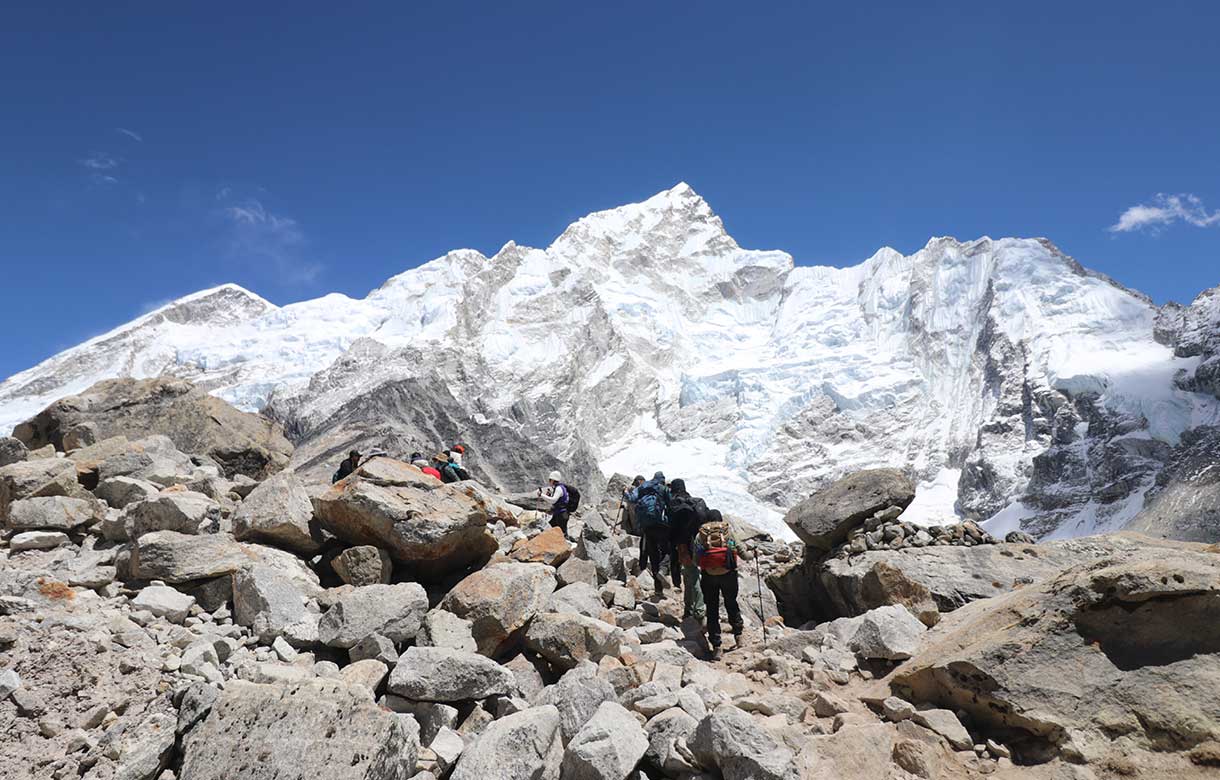
**Note: Understanding altitude sickness helps you to slow down, respect acclimatization, and recognize symptoms early before they become serious**
Types of Altitude Sickness Trekkers Face
Not all altitude sickness is of the same caliber. The Everest Base Camp Trek altitude sickness experienced by most trekkers is generally of mild-level, Acute Mountain Sickness (AMS). However, in rare conditions, it can transform into other serious conditions such as High Altitude Pulmonary Edema (HAPE) and High Altitude Cerebral Edema (HACE). Normally, only climbers on high-altitude expeditions have to be careful about HAPE and HACE as their symptoms appear in complete alpine conditions.
Still, understanding the different types of altitude sickness and their symptoms will come in handy, and you can take the right measures to avoid risking your health. So, let’s dive deep to understand every type of altitude sickness.
Acute Mountain Sickness (AMS)
Acute Mountain Sickness (AMS) is the general form of altitude sickness that trekkers suffer from while ascending to an altitude of 3,000 meters without proper acclimatization. This condition happens when your body struggles to adapt quickly to the reduced oxygen pressure at higher altitudes. On the Everest Base Camp Trek route, altitude sickness often begins around Namche Bazaar (3,440m/ 11,286ft). It becomes more noticeable near Dingboche (4,410m/ 14,468ft) and Lobuche (4,910m/ 16,108ft).
These altitude zones mark major changes in elevation, which make proper acclimatization very crucial. Here are the symptoms of AMS that you need to be careful about:
Common Symptoms of Acute Mountain Sickness (AMS)
- Persistent headache
- Fatigue or weakness
- Dizziness
- Lightheadedness
- Loss of appetite
- Nausea
- Insomania
- Shortness of breath
- Vomiting
**Note: Most cases of AMS are mild and improve with rest, hydration, and well-managed acclimatization days. However, if you ignore the symptoms and continue to ascend, it can worsen your AMS and turn into more serious conditions**
High Altitude Pulmonary Edema (HAPE)
This is a more dangerous form of altitude sickness where fluid builds up in the lungs. High Altitude Pulmonary Edema (HAPE) is far less common than AMS, but it is extremely dangerous and can become life-threatening if not treated quickly. It typically develops after rapid ascent and poor acclimatization during mountain expeditions. HAPE reduces lung’s ability to absorb oxygen, making breathing increasingly difficult.
As the oxygen levels in the blood drop, the body becomes severely strained, even while doing simple movements. Here are some key warning signs of HAPE:
Symptoms of High Altitude Pulmonary Edema (HAPE)
- Shortness of breath, even while resting
- Tightness in the chest
- Persistent cough which produces pink, frothy, or blood-tinged sputum
- Rapid heartbeat
- Extreme fatigue
- Cyanosis
- Confusion or altered mental status
High Altitude Cerebral Edema (HACE)
High Altitude Cerebral Edema (HACE) is the most severe form of altitude sickness, and it represents a medical emergency. Although it is rare, it can develop rapidly, often from progression of untreated or worsening AMS. In this condition brain swells significantly due to low oxygen (hypoxia) at high altitudes, and fluid leaks into the brain tissues. This is also the end-stage of AMS and can result in coma or death if not treated immediately.
As HACE can progress very quickly, immediate descent and emergency care are crucial. With fast response, full recovery is possible, but delays can significantly increase the risk of serious complications.
Symptoms of High Altitude Cerebral Edema (HACE)
- Severe headache
- Loss of coordination or balance
- Confusion or disorientation
- Slurred speech
- Unusual behaviour
- Extreme fatigue
Why Everest Base Camp Trek Is Prone to Altitude Sickness?
The Everest Base Camp Trek unfolds in a vertical world, where every day pulls you higher into thinner air. Unlike many high-altitude treks that build up slowly from lower elevations, the Everest region starts high and climbs further gradually. From the moment you land in Lukla, your body is already operating with significantly reduced oxygen. As your trek progresses, smll decision such as walking fast, skipping acclimatization, and not eating a balanced diet can make you susceptible to altitude sickness.
Everest Base Camp Trek altitude sickness remains one of the biggest challenges in this mainstream route. Here are some key reasons why the Everest Base Camp Trek causes altitude sickness is quite real:
High Starting Altitude with No Gentle Warm-Up
The Everest Base Camp Trek begins directly at Lukla, which is at an elevation of 2,860 meters (9,383 feet). Even at this starting altitude, some trekkers already start to feel mild altitude effects. This is a critical factor that many first-time Himalayan trekkers underestimate. There is no gradual ascent from lowland terrain; instead, your body is immediately placed in a high-altitude environment.
The physiological process of acclimatization, producing more red blood cells and improving oxygen efficiency, takes time. On the EBC route that directly starts from Lukla, there is no such luxury. For many trekkers, the body is still adjusting when the ascent towards Namche Bazaar (3,440m/ 11,286ft) begins the very next day.
Rapid Elevation Gain Over Consecutive Days
One of the defining features of the Everest Base Camp Trek route is how consistently it gains altitude day after day. After Namche Bazaar, the trail moves quickly through villages like Tengboche (3,867m/ 12,687ft), Dingboche (4,410m/ 14,468ft), Lobuche (4,910m/ 16,108ft), and Gorak Shep (5,164m/ 16,942ft)/
Each of these villages is positioned significantly higher than the last. While the daily distance may not seem excessive, the vertical gain adds up fast. Your sleeping altitude increases almost every night, which is a known risk factor for Acute Mountain Sickness (AMS). Even well-designed itineraries can feel aggressive if your body does not adapt at the expected rate.
Prolonged Exposure Above 4,000 Meters
Once you cross Dingboche, you will enter the alpine zone where oxygen levels are dramatically lower, and recovery becomes slower. Unlike treks that briefly touch high altitude and descend, the Everest Base Camp route keeps you above 4,000 meters for several days in a row. This prolonged exposure can increase fatigue and increase the likelihood of symptoms of altitude sickness appearing gradually rather than suddenly.
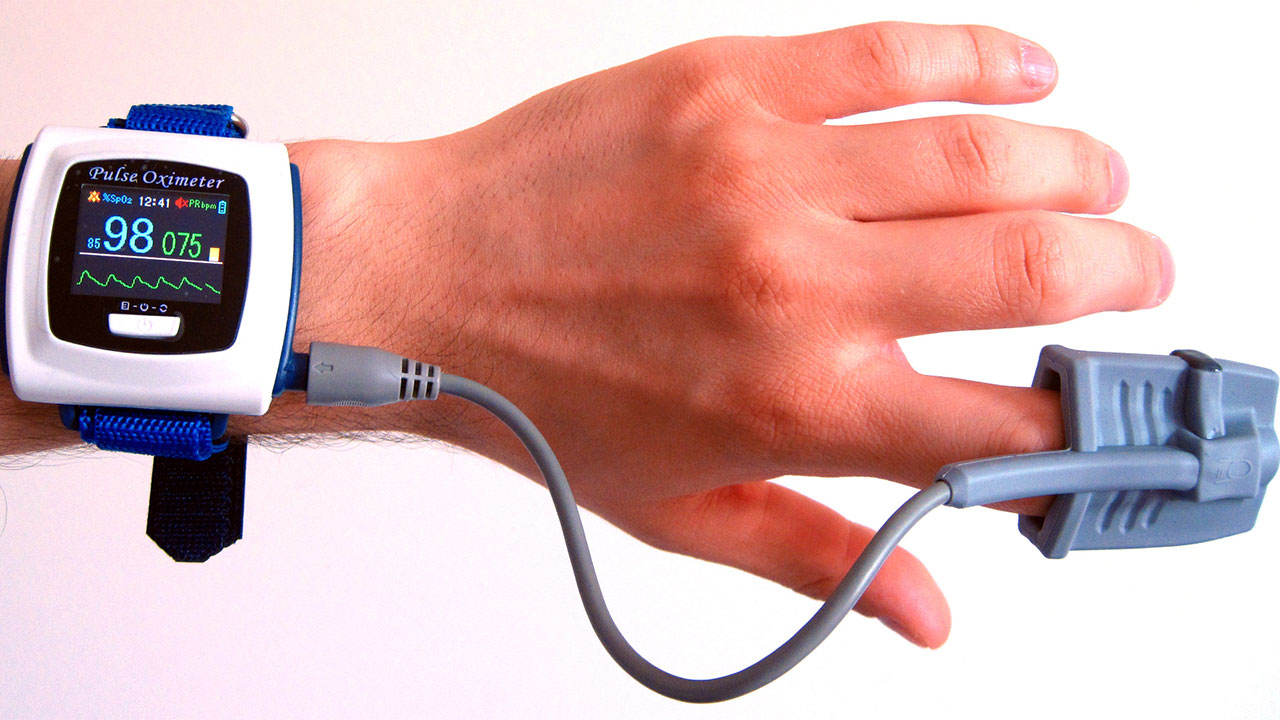
You may experience the mild symptoms of AMS, such as headaches, disturbed sleep, appetite loss, and unusual exhaustion, in this zone. It does not depend on the fitness of the trekkers. The reason behind this is that your body is operating close to its limit for an extended period of time.
Physical Exertion
The Everest Base Camp Trekking route involves long walking hours, uneven terrain, and frequent ascents. These terrain conditions are prominent, especially on sections like Namche to Tengboche or Lobuche to Gorak Shep. In cold, dry conditions, dehydration and calorie deficits are common. The problem is that early symptoms of altitude sickness, fatigue, mild nausea, and dizziness are easily mistaken for normal trekking strain. Many trekkers push through these signs, assuming they will disappear with rest, which can allow AMS to worsen unnoticed.
Cold Climate and Reduced Oxygen Level
Cold temperatures at high altitude can cause the body to work harder just to stay warm, increasing oxygen demand when its supply is limited. At the same time, the air becomes drier, leading to faster fluid loss through breathing. Dehydration thickens the blood, making oxygen delivery less efficient. This combination of cold stress, dehydration, and thin air creates ideal conditions for altitude sickness to thrive, especially during early mornings and nights when temperatures drop sharply at the higher altitudes.
Psychological Pressure to “Keep Going”
Because Everest Base Camp is a bucket-list trek, many trekkers feel a strong mental push to continue, often neglecting their body language. The group dynamics, fixed itineraries, limited buffer days, and the emotional weight of being “so close” to Everest Base Camp often override caution. This mindset leads trekkers to ignore symptoms they would normally take seriously at lower altitudes, increasing the risk of AMS progression.
How to Avoid Altitude Sickness During Everest Base Camp Trek and Other Treks in Nepal?
Avoiding altitude sickness in the Himalayas is less about strength and more about respect for altitude, for pace, and for your own limits. Nepal’s trekking routes, whether in the Everest, Annapurna, Manaslu, or Langtang regions, follow ancient mountain routes that rise steadily into environments where the human body in order to survive. Those who respect these principles often complete their trek comfortably. And those who rush usually pay the price.
The good news is that altitude sickness is preventable. Most cases occur not because trekkers are unfit, but because acclimatization is rushed, hydration is ignored, or early symptoms are ignored. Here are the most effective and proven ways to reduce your risk of catching AMS, not just on the Everest Base Camp Trek, but on any high-altitude trek in Nepal.
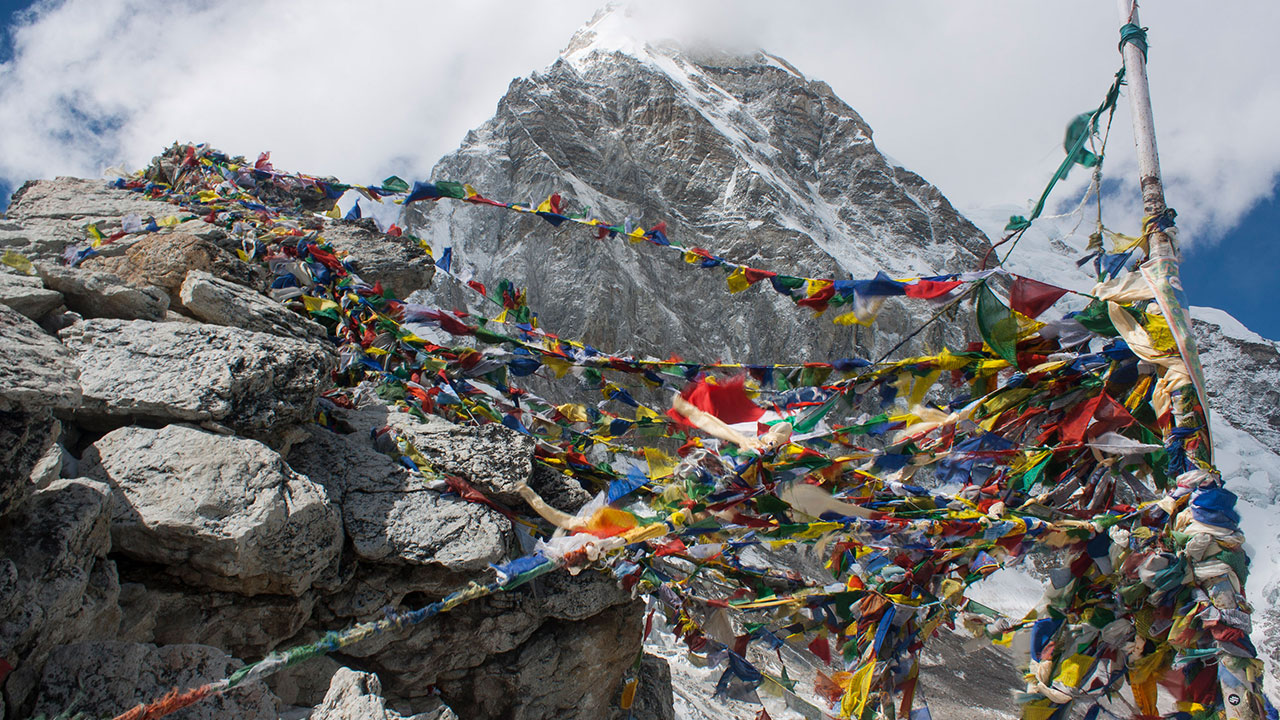
Follow a Proper Itinerary With Sufficient Acclimatization Days
A well-designed itinerary is the single most important factor to prevent the Everest Base Camp Trek altitude sickness. On the EBC trek, acclimatization days in places like Namche Bazaar and Dingboche are not rest days in the traditional sense. They are crucial points to let your body adapt to high-altitude conditions. These pauses allow your body to adjust to reduced oxygen levels before gaining more altitude.
Across Nepal, the same principle applies. Whether you are trekking in Manaslu, Annapurna Circuit, or Upper Mustang, itineraries that include gradual altitude gain and strategic acclimatization stops significantly reduce the risk of AMS. So, cutting days from a well-paced itinerary to save time almost always increases the chance of altitude-related problems.
Adhere to Climb High and Sleep Low Policy
One of the most effective acclimatization techniques is the “climb high, sleep low” policy. During acclimatization days, short hikes to higher elevations such as the Everest View Hotel from Namche or Nagarjun Hill from Dingboche, stimulate the body to adapt to higher altitudes. This aids in better recoveries and sleep as you return to lower altitudes.
This method works across all trekking routes in Nepal. This short hike helps trigger physiological adaptation without overwhelming the body. Trekkers who skip these acclimatization hikes often miss out on a crucial adaptation opportunity.
Maintain a Slow and Consistent Walking Pace
In the Himalayas, speed is the enemy of acclimatization. Walking too fast increases the oxygen demand and masks early signs of altitude sickness. A slow and steady pace allows your body to function efficiently in low-oxygen conditions. You will also be able to keep your breathing and heart rate under control if you follow well-manged pace.
This is especially important on popular routes like Everest Base Camp, where well-maintained trails can tempt you to move faster than your body can adapt. The same applies to less crowded treks; altitude affects everyone equally, regardless of terrain, experience, or fitness levels.
Stay Well Hydrated and Eat Enough Calories
Dehydration is one of the most underestimated contributors to altitude sickness. At high altitude, your body loses fluids rapidly through respiration and sweating while you traverse in dry air conditions. So, even if you don’t feel thirsty, you will be losing water from your body. Drinking enough water helps maintain proper blood flow and improves oxygen delivery.
Likewise, it is equally important to eat nutritious and balanced meals. High-altitude trekking burns more calories, and loss of appetite is common. Forcing yourself to eat carbohydrate-rich meals provides the energy you need for recovery and acclimatization. Skipping meals or under-eating weakens your body’s ability to adapt and recover.
Avoid Alcohol and Sleeping Pills at High Altitude
Alcohol and sedatives suppress your breathing and interfere with oxygen absorption, especially during sleep. On treks like Everest Base Camp, where nights are spent at higher elevations, this can significantly increase the risk of AMS.
Across Nepal’s trekking regions, experienced guides recommend avoiding alcohol, caffeine, and cigarettes entirely above 3,000 meters. Don’t go taking sleeping pills; the sleep disturbances are normal at altitude and usually improve with acclimatization. Taking sleeping pills or consuming alcohol can worsen oxygen deprivation rather than help.
Listen to Your Body and Don’t Neglect Early Symptoms
During your trek, if you start to show symptoms such as mild headaches, nausea, fatigue, and dizziness, don’t take them as signs of weakness; they are warning signals. The biggest mistake trekkers make is ignoring these symptoms and continuing upward. Early intervention, such as resting an extra day or descending slightly, can prevent serious complications.
This applies universally across Nepal’s high-altitude treks. The mountains will always be there. Pushing through symptoms never ends well. Timely decisions often make the difference between completing the trek safely and turning back due to severe illness.
Consider Preventive Medication (Consult Doctor First)
Medications like Diamox can help with acclimatization, but they are not a substitute for a proper itinerary and responsible trekking behavior. It is best to use them as a preventive measure in consultation with a medical professional, especially for trekkers with prior altitude issues.
Relying solely on medication while ignoring pacing, hydration, and acclimatization is a common mistake that trekkers make. In Nepal’s trekking regions, medication should support the good decision, not replace them entirely.
Role of Acclimatization Days on the Everest Base Camp Trek
Acclimatization days are what make the Everest Base Camp Trek physiologically possible; they are not just about comfort. In a landscape where altitude increases faster than the human body can naturally adapt, these pauses allow your internal systems to catch up with external elevation. Without acclimatization days, not just Everest Base Camp but other high-altitude treks also turn into a slow accumulation of stress that often reveals itself only when it’s too late.
The key purpose of acclimatization is adjusting to the sleeping altitude. While daily hikes expose your body to higher elevations, it is the altitude at which you sleep that determines whether your adaptation occurs or breaks down. By staying an extra night at critical elevations like Namche Bazaar and Dingboche, your body will get enough time to improve oxygen intake, regulate breathing at low pressure, and stabilize circulation before pushing higher. You cannot rush this process, no matter how fit you are.
What makes these days especially effective on the Everest Base Camp route is controlled exposure. Short hikes to higher ground during the day gently stimulate adaptation, while returning to the same elevation to sleep allows your body a chance to recover and get used to the new elevation. This balance reduces the strain that causes headaches, exhaustion, and breathlessness later in the trek, particularly above 4,000 meters, where the recovery process is significantly slower.
Acclimatization days also prevent cumulative fatigue. Trekkers who skip acclimatization days often feel fine initially but struggle severely in the final stretch of the trek. Those who respect them tend to move more steadily, sleep better, and maintain appetite and mental clarity at high altitude. On a trek where descent options are limited and evacuation is not simple, acclimatization days act as a built-in safety margin. They are not spare days, rest days, or buffer days; they are the structural support that allows you to move safely through thin air.
**Note: If you respect acclimatization days, your trek will unfold in the way it is supposed to. If you ignore them, the mountain will eventually force you to stop**
What to Do If You Feel Altitude Sickness Symptoms?
Everest Base Camp Trek altitude sickness does not announce itself dramatically at first. It usually creeps in quietly through a dull headache that refuses to go away, a strange heaviness in the body, or loss of appetite. On the Everest Base Camp Trek, this moment often arrives in otherwise beautiful places, where the scenery looks calm, but the air feels thin and unforgiving. The danger doesn’t lie in the symptoms of AMS themselves, but in how easily they are ignored or mistaken for normal trekking fatigue.
What feels manageable at Namche or Dingboche can escalate quickly if the same symptoms are carried higher without any tending. The key is to act early, stay honest with how you feel, and prioritize recovery over progress. When altitude sickness symptoms appear, the following steps can help to guide your decisions on the trail.
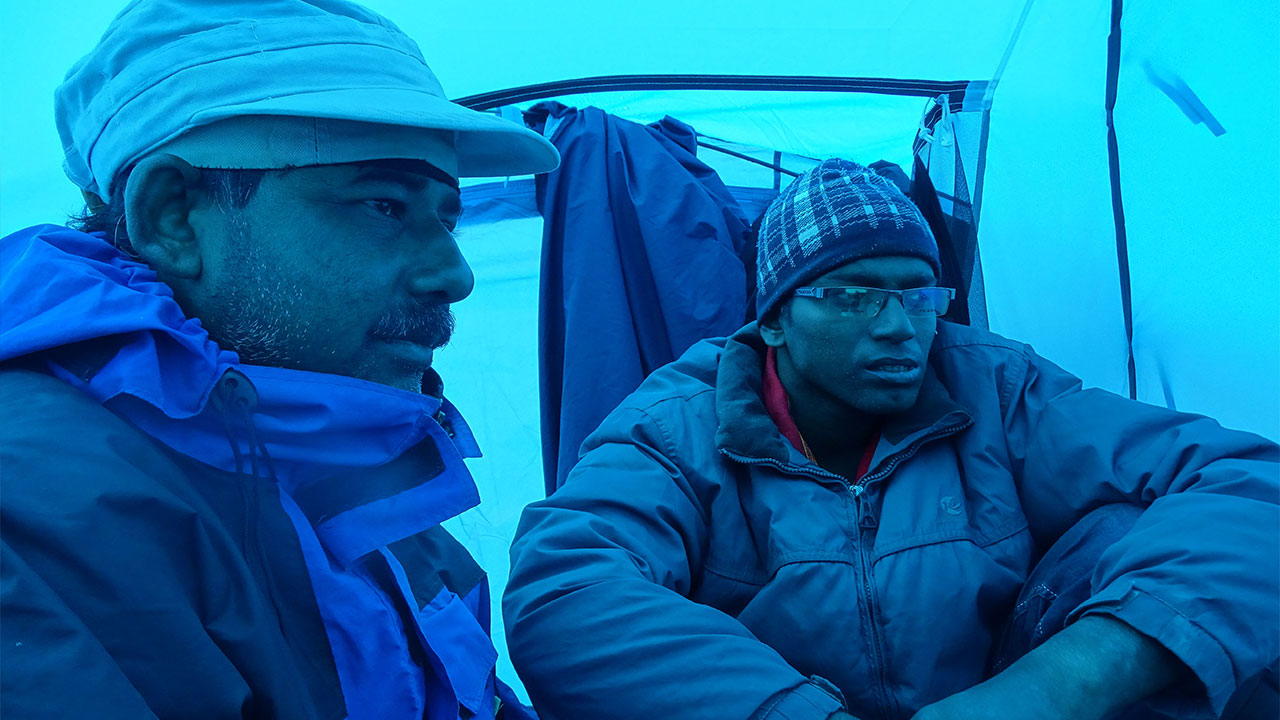
- If you start to show any kind of symptoms, stop ascending immediately and avoid gaining any more altitude that day
- Inform your guide or trekking partner as soon as symptoms appear
- Rest at the same altitude and monitor whether symptoms improve or worsen before pushing higher
- Hydrate yourself consistently, even if you don’t feel thirsty (minimum recommendation during trek is 3 to 4 liters per day)
- Eat light, carbohydrate-rich, and well-balanced meals to maintain energy levels and aid your recovery
- Avoid alcohol, smoking, caffeine, and sleeping pills during the trek (especially above 3,000 meters)
- Do not ignore persistent headaches, nausea, dizziness, or extreme fatigue; your AMS can progress into a more severe form this way
- Use prescribed altitude medication only if advised by your doctor and if you are already familiar with it
- Descend immediately if symptoms worsen or do not improve with rest
- Never attempt to ‘push through’ symptoms to reach the next point, respect the mountains, and acknowledge your limitations
Final Thoughts: Trek Smart, Respect the Mountain
The Everest Base Camp Trek is not just a physical journey through the Himalayas; it is also a negotiation between your ambition and awareness. The mountains do not test how fast you can walk or how strong you think you are. They test how well you listen to your body and how willing you are to adapt. Altitude sickness is not a sign of weakness or poor preparation; it is a natural response to an extreme environment that demands patience and respect.
If you move thoughtfully, follow proper itineraries, and take acclimatization seriously, you will discover that the trek becomes more enjoyable as it gets higher, not harder. If you rush, ignoring early warning signs, or treat altitude as an obstacle to conquer, you will learn the mountain’s limits the difficult way. In the Himalayas, progress is earned through restraint, not by force; that’s how you can carefully tackle the Everest Base Camp Trek altitude sickness.
Trekking smart means accepting that turning back is sometimes the strongest decision you can make. It means valuing health over milestones and understanding that Everest Base Camp will always be there, long after a single trekking season has passed. When you approach the Himalayan routes with humility, preparation, and respect for altitude, the trek not only offers breathtaking views but also a deeply rewarding experience that stays with you long after you leave the trail.
Respect the mountain, trust the process, and let the journey unfold at the pace your body allows. That is how the Everest Base Camp Trek is meant to be experienced.