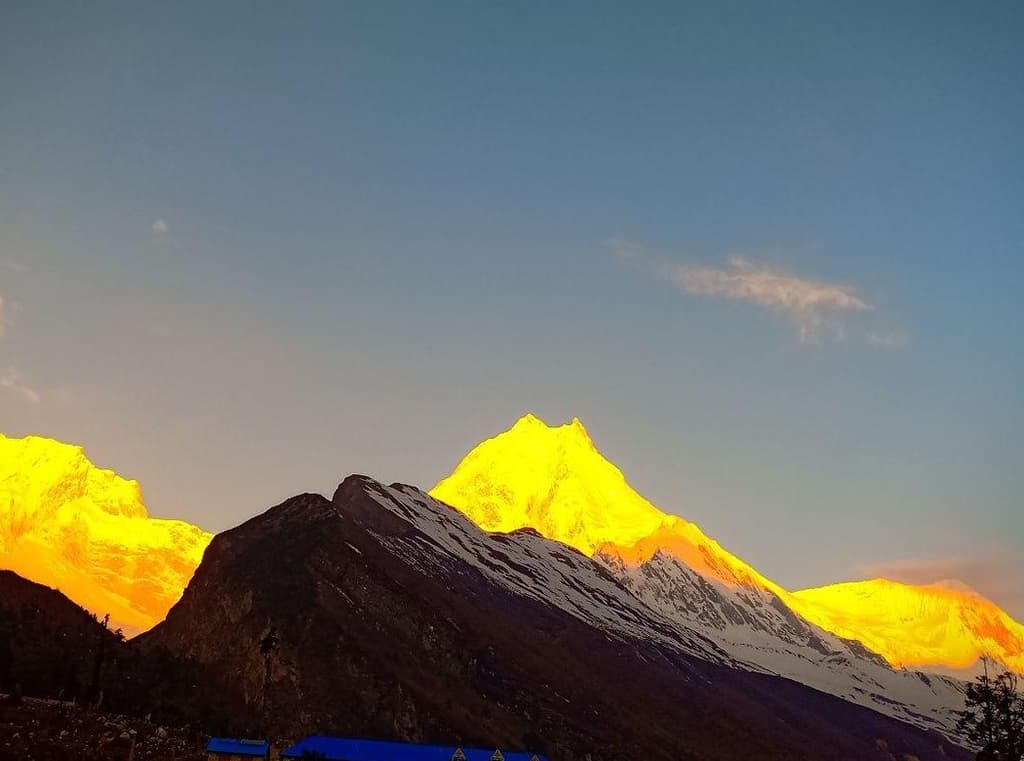

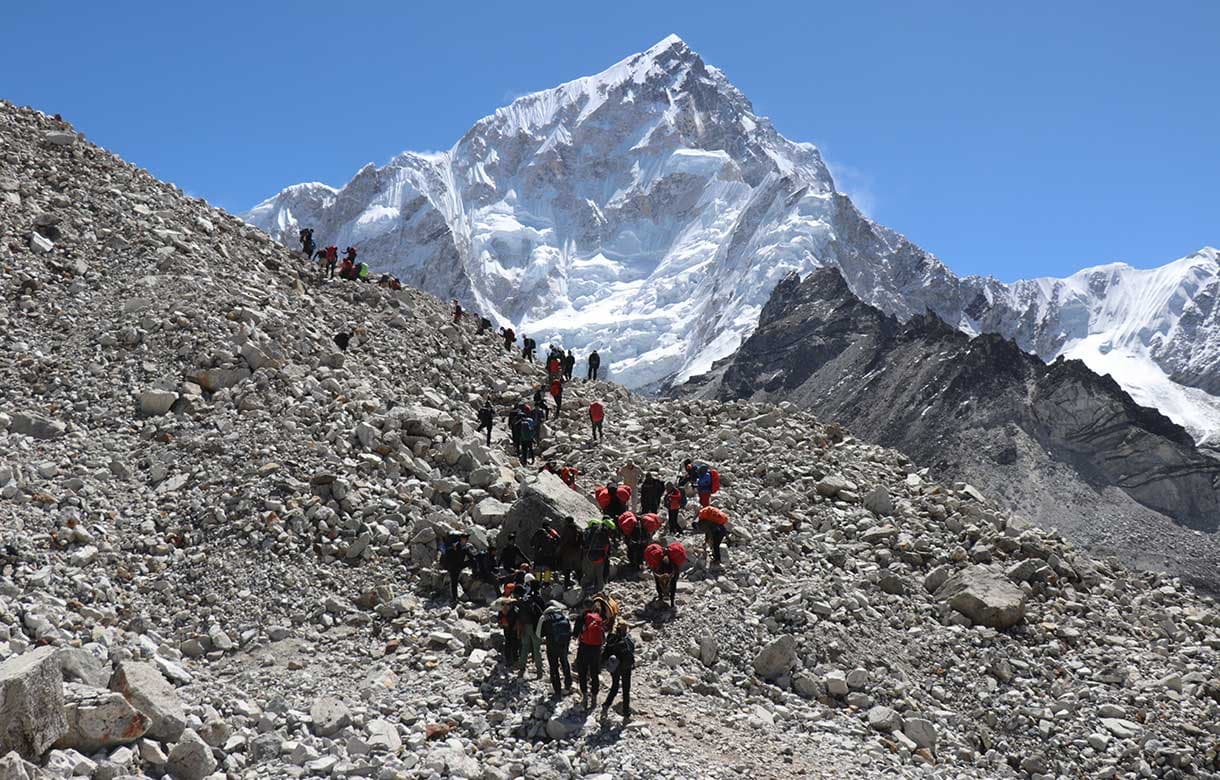
When people think about the Everest Base Camp trek, the first thing that comes to mind is the flight to Lukla. It almost feels like a rule: no Lukla flight, no Everest Base Camp. But here is the truth: it is not like that at all. The Everest Base Camp Trek without Lukla flight is not only possible, but it is also actually the original way people used to reach Everest before Lukla airport even existed.
Long before these small planes landed on that short runway, climbers, trekkers, and local traders walked from lower hills all the way into the Everest region. Even today, many trekkers choose this route for very practical reasons. Lukla flights are famous for delays and cancellations due to weather. Some travellers also feel nervous about flying in small aircraft, while others want to avoid the rush and stress of airport waiting.
Many trekkers simply want a slower, more natural journey where the mountain rises gradually, and the body gets more time to adjust. That is where the Everest Base Camp Trek without Lukla flight comes in. Instead of flying, you start your journey by road, usually from Salleri or Jiri, and slowly walk your way into the heart of the Khumbu region. The trek takes a few extra days, but in return, you get quieter trails, a deeper cultural experience, and better acclimatization.
Trekking companies like Eco Holidays Nepal actively offer this overland option for trekkers who want a safer, calmer, and more traditional route to Everest Base Camp. It is not about skipping Lukla; it is about choosing a journey that suits your time, comfort, and travel style. So, if you are wondering whether reaching the Everest Base Camp without flying to Lukla is realistic or not, the answer is simple: yes, it is absolutely, and for many trekkers it is a more memorable and immersive experience.
Why Do Trekkers Choose the Everest Base Camp Trek Without Lukla Flight?
Many people think skipping the Lukla flight is risky or complicated, but in reality, trekkers choose the Everest Base Camp Trek without Lukla flight for very sensible reasons. It is not about adventure alone; it is about comfort, safety, and travel style. One of the biggest reasons is flight uncertainty. Lukla airport depends heavily on the weather. During peak trekking seasons, flights are often delayed or canceled due to clouds, wind, or poor visibility.
Trekkers can end up waiting one or even two days in Kathmandu or Ramechhap. By going overland, you can remove this stress completely and follow a fixed plan from day one. Another reason is fear of flying. Lukla is known for its short runway and small aircraft. While flights are generally safe, not everyone feels comfortable on them. Many people feel more relaxed knowing they can reach Everest Base Camp without stepping on a plane.
Better acclimatization is more beneficial. When you fly to Lukla, you land at around 2,860 meters in less than an hour. When you trek from Salleri or Jiri, the altitude increases slowly over many days. This gradual rise gives your body more time to adapt, which lowers the risk of altitude sickness.
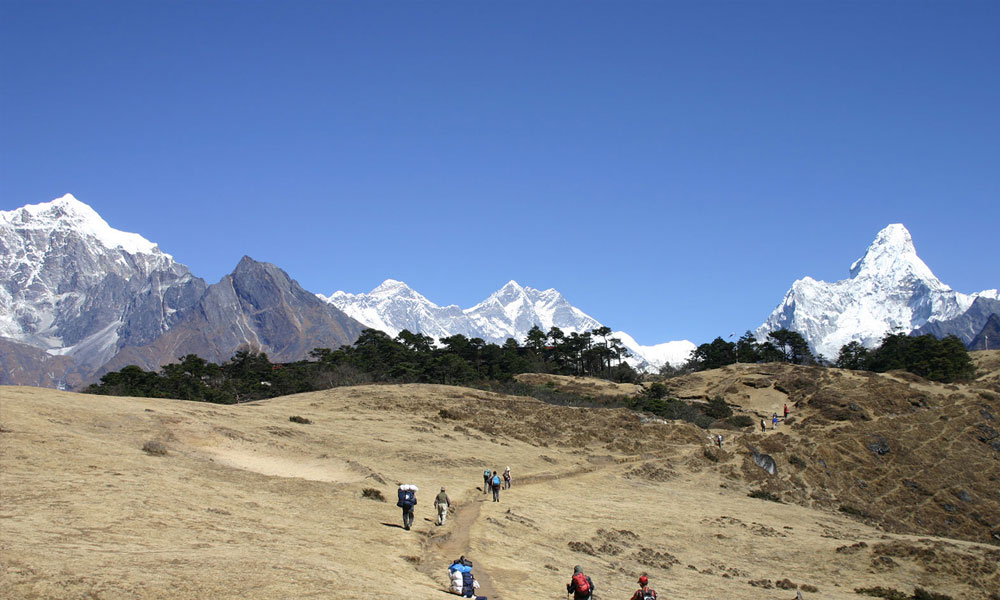
Some trekkers also want a more authentic experience. The low trail passes through quiet villages, farmland, rivers, and forests where few tourists go. You meet local families, stay in simple teahouses, and see how people really live in the hills.
Finally, for many travellers, it is about peace and flexibility. No flight schedules, no airport crowds, just walking, breathing, and enjoying the journey. For these reasons, the Everest Base Camp Trek without the Lukla flight is becoming a preferred choice for many thoughtful trekkers.
Main Overland Routes for Everest Base Camp Trek Without Lukla Flight
If you are deciding on the Everest Base Camp Trek without Lukla flight, you have two main overland routes to choose from. Both routes are safe, well-used, and follow the old Himalayan foot trails. The difference is mainly in time, starting point, and trekking style.
Classic Route: Jiri to Everest Base Camp Route
The Jiri route is the oldest and most traditional way to reach the Everest Base Camp. This is the path used by early Everest expeditions before Lukla airport existed. In Jiri to Everest Base Camp Trekking, the starting point is Jiri, which requires an 8-9-hour drive from Kathmandu. The total trekking time is around 20-22 days. The trek difficulty is moderate to challenging, and it requires longer and more ups and downs.
This route passes through many mid-hill villages, terraced farms, rivers, and forests. You have to cross several passes and walk up and down many times before reaching Namche Bazaar. It is physically demanding but very rewarding. This route is best for trekkers who have enough time and those who want a deep cultural and historical experience.
Most Popular: Salleri (Phaplu) to Everest Base Camp Route
The Salleri or Phaplu are the most common options for trekkers avoiding the Lukla flight. In the Everest Base Camp Trek by Road route, the starting point is Salleri, Phaplu, or Thamdanda. You can drive or take a short flight from Kathmandu. The total trekking time is around 16-18 days. The trek difficulty is moderate and more gradual.
This route joins the main Everest trail at Phakding or Monjo, below Namche Bazaar. Compared to Jiri, it is shorter, less exhausting, and has better road access. That's why trekking companies like Eco Holidays Nepal often recommend this route.
To put it simply, both of these routes allow you to reach Everest Base Camp without flying to Lukla. If you want the shortest and most practical overland option, Salleri is the better choice.
Itinerary for Everest Base Camp Trek Without Lukla Flight
For trekkers who want a smooth and realistic journey, many trekking companies usually recommend the Salleri route for the Everest Base Camp Trek without Lukla flight. This itinerary is designed to give enough time for walking, rest, and proper acclimatization without rushing the body.
Below is a simple and practical itinerary suitable for both first-time and experienced trekkers.
Day 1: Drive from Kathmandu to Salleri
Altitude: ~2,360 m
Duration: ~8-10 hours (by jeep/ vehicle)
This journey takes around 9-10 hours by road. It is long but scenic, passing hills, rivers, and rural towns.
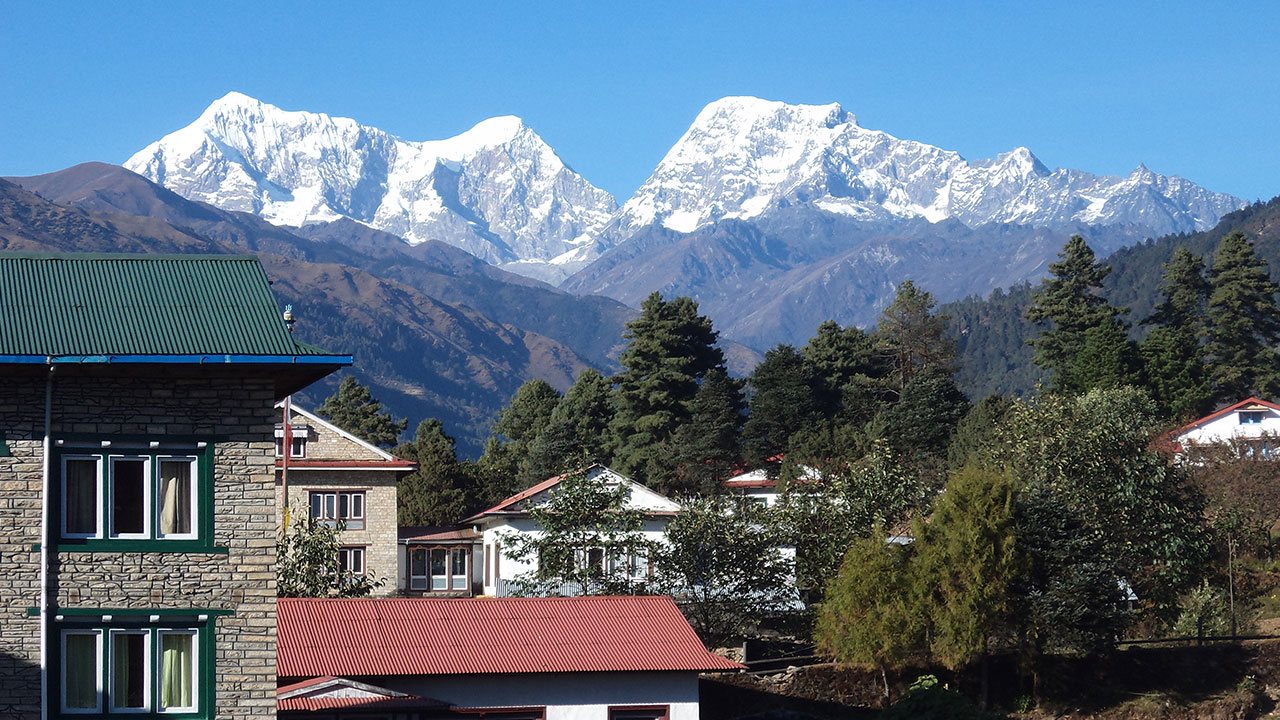
Day 2: Salleri to Ringmo
Altitude: ~2,420 m
Duration: ~5-6 hrs trek
You will be trekking through small villages and forest trails. This is an easy first walking day.
Day 3: Ringmo to Nunthala
Altitude: ~2,600 m
Duration: ~5hrs trek
Trails continue through terraced farmland and rivers. Nunthala has comfortable teahouses.
Day 4: Nunthala to Bupsa
Altitude: ~2,900 m
Duration: ~5 hrs trek
This day includes some uphill walking but remains manageable.
Day 5: Bupsa to Phakding
Altitude: ~2,610 m
Duration: ~5 hrs trek
This is an important day because the trail joins the main Everest route. Here you will meet trekkers who flew to Lukla.
Day 6: Phakding to Namche Bazaar
Altitude: ~3,440 m
Duration: ~5 hrs trek
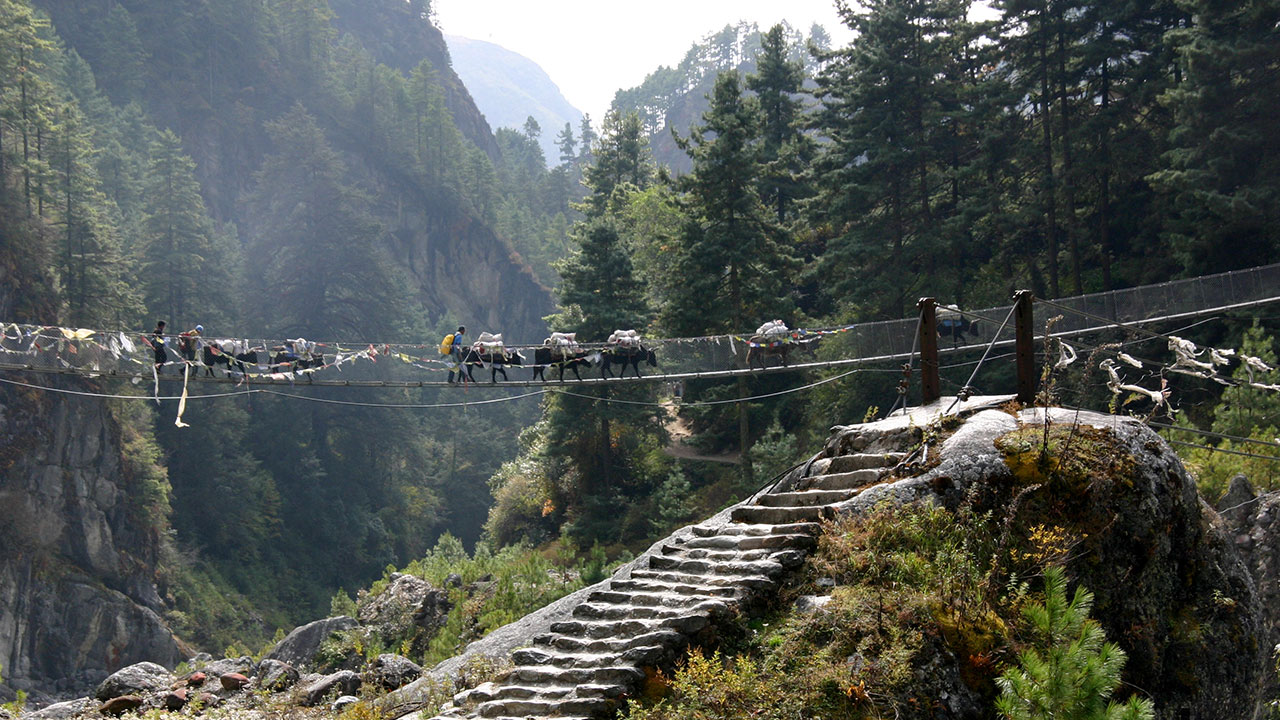
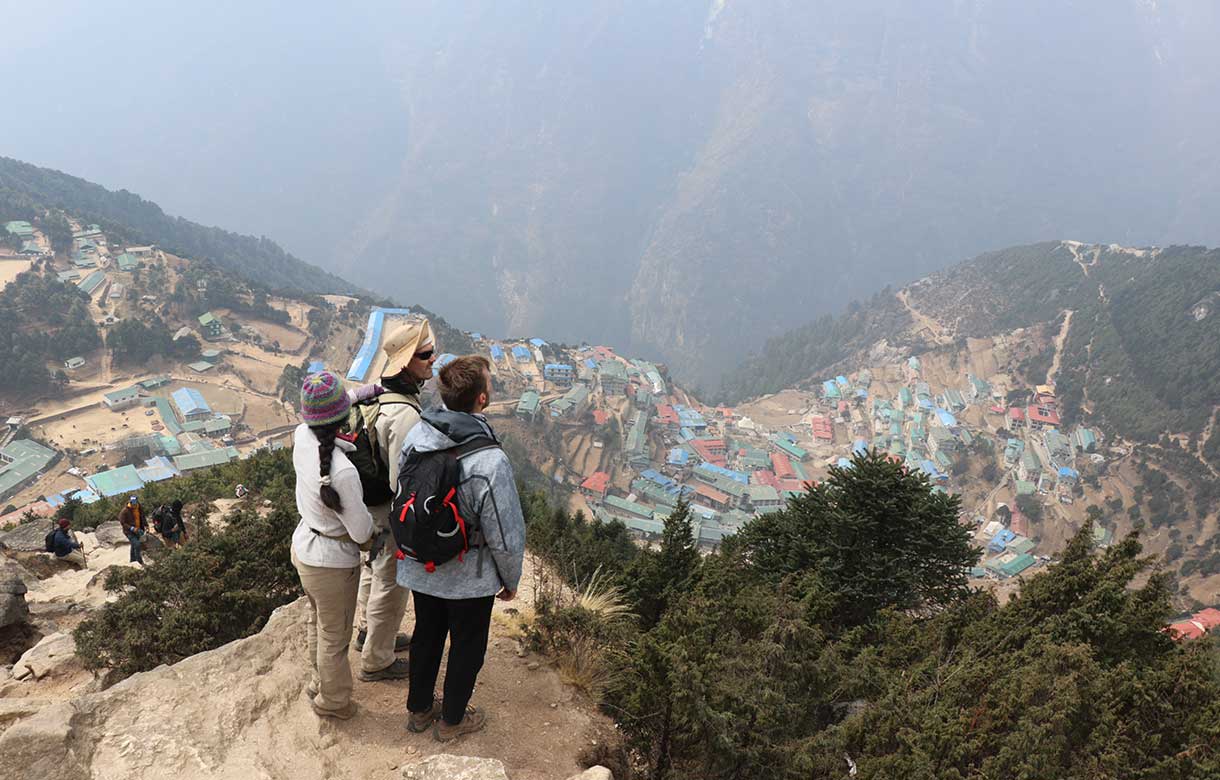
A classic Everest trekking day. Crossing suspension bridges and entering Sagarmatha National Park before reaching Namche.
Day 7: Acclimatization Day at Namche Bazaar
Altitude: ~3,440m
Duration: Optional short hikes (3-4hrs)
You can rest, do a short hike,s and local exploration to help your body acclimate to the altitude.
Day 8: Namche Bazaar to Tengboche
Altitude:~3,867 m
Duration: ~5 hrs trek
You will walk through forests to reach the famous Tengboche Monastery with stunning mountain views.
Day 9: Tengboche to Dingboche
Altitude: ~4,410 m
Duration: ~5 hrs trek
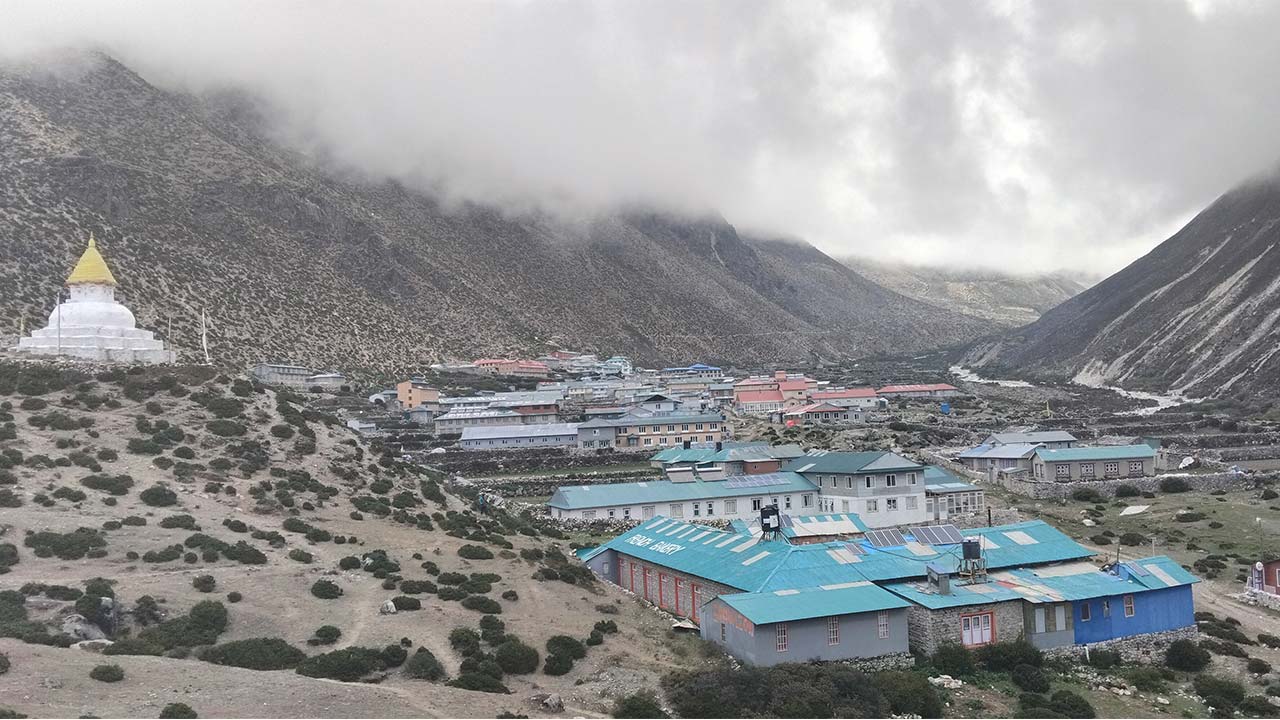
The landscape becomes open and alpine. Dingboche is a key acclimatization stop.
Day 10: Acclimatization Day at Dingboche
Altitude:~4,410 m
Duration: Optional short hikes (~3-4hrs)
You can do short hikes and rest. Prepare for a higher altitude.
Day 11: Dingboche to Lobuche
Altitude: ~4,940 m
Duration: ~5 hrs trek
A steady climb through glacial valleys.
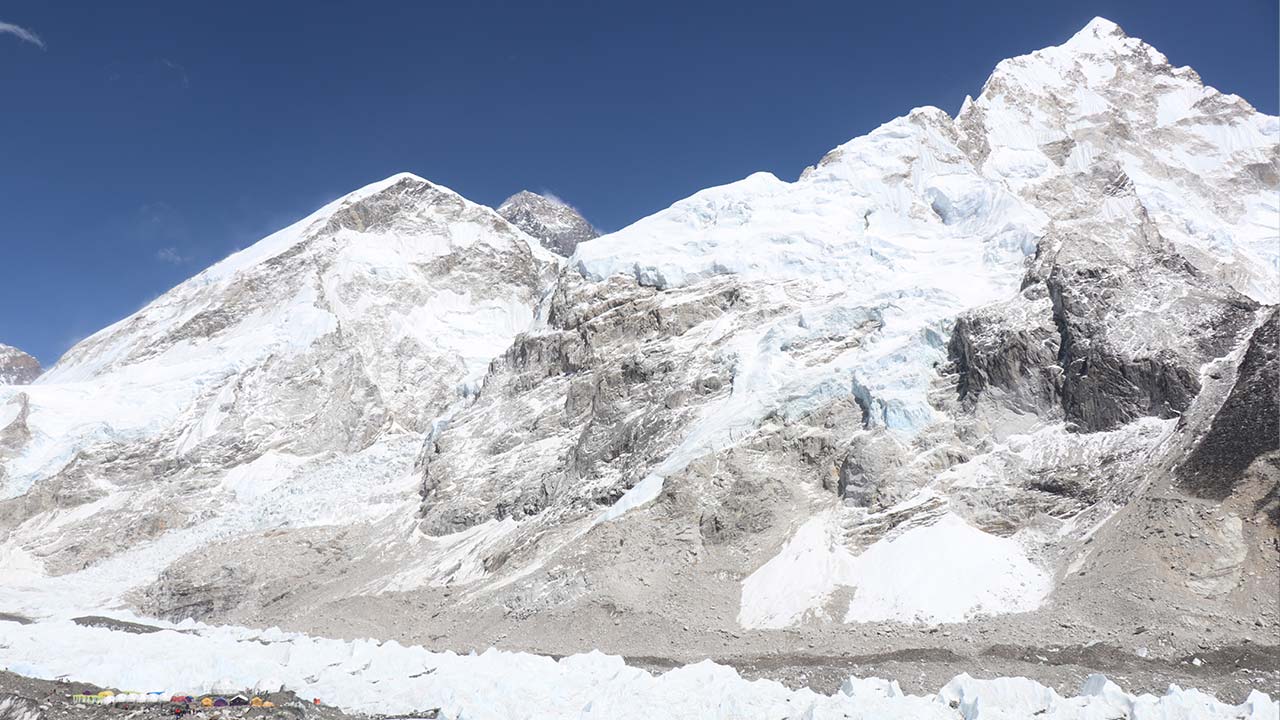
Day 12 Lobuche to Gorakshep – Everest Base Camp
Altitude:
-
Gorakshep:~5,190m
-
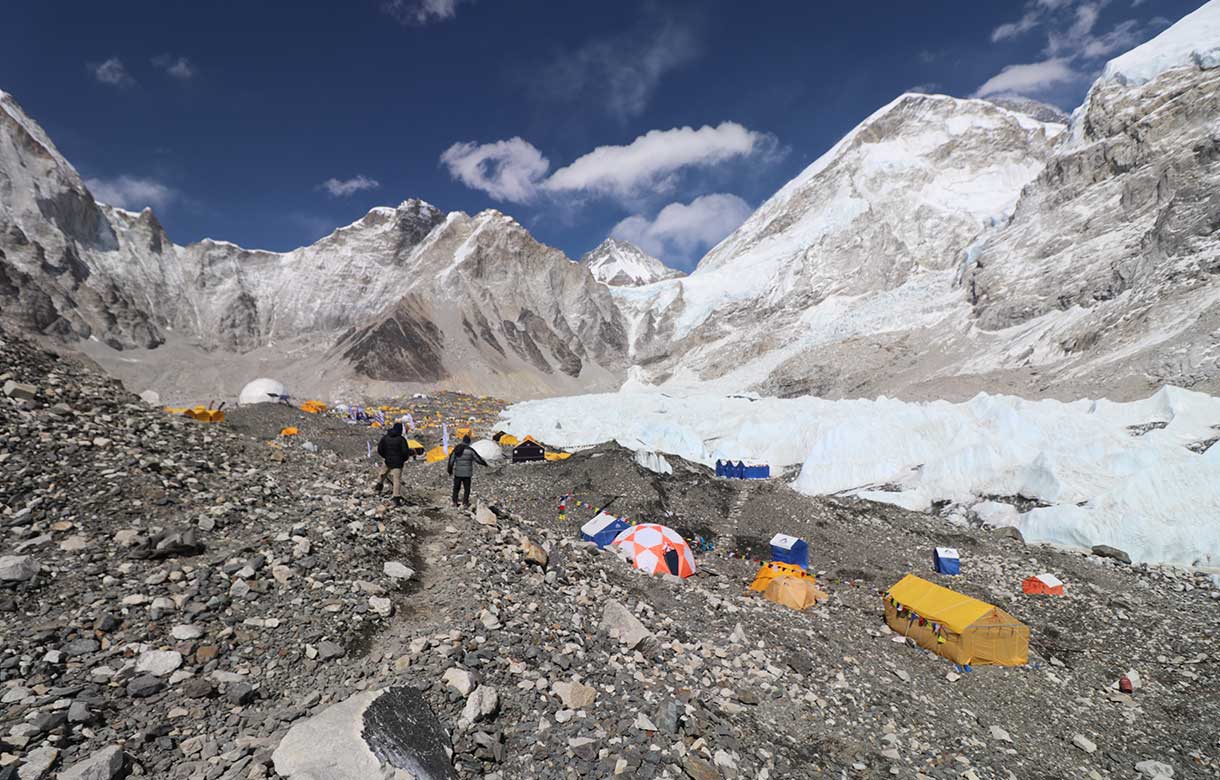
Everest Base Camp: ~5,364 m
Duration: ~7 hrs trek
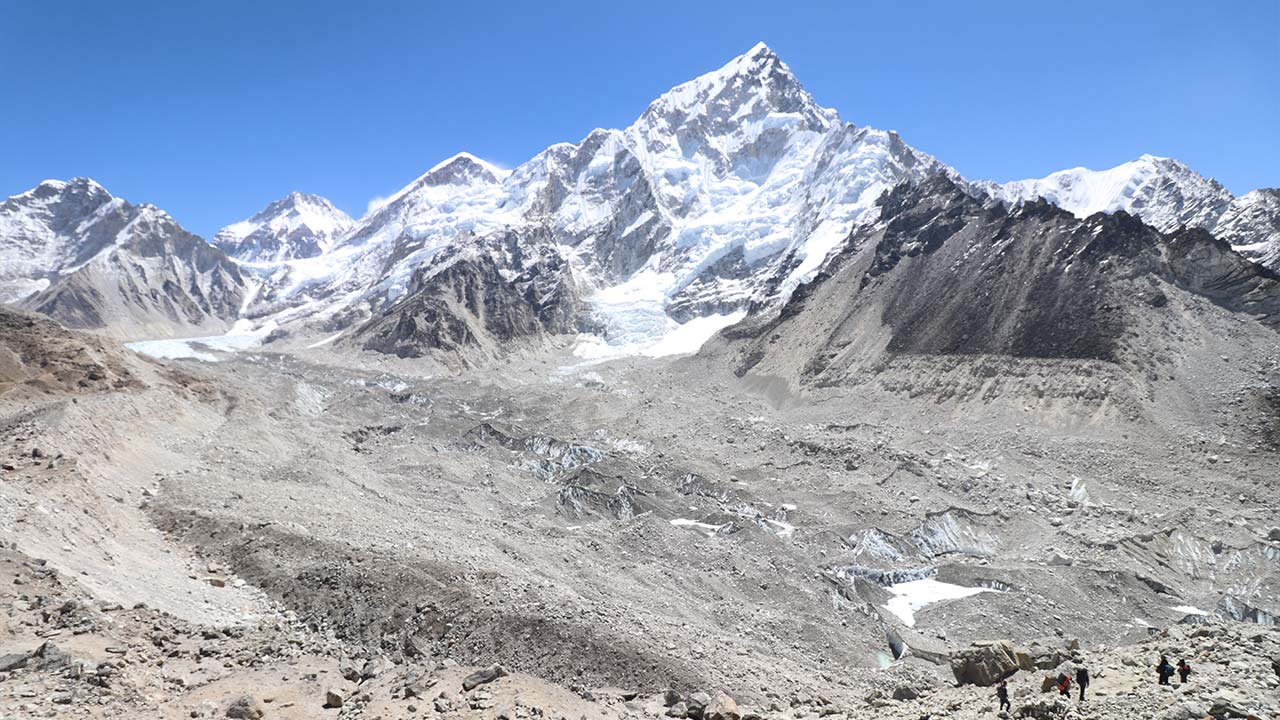
Reach Everest Base Camp and return to Gorakshep.
Day 13: Kala Patthar hike and descend to Pheriche
Altitude:
-
Kala Patthar: ~5,545 m
-
Pheriche: ~4,200 m
Duration : ~8hrs trek
Early morning hike for sunrise views, then descend.
Day 14-18: Trek back to Salleri ang and drive to Kathmandu
Altitude: Salleri ~2,360 m – Kathmandu ~1,338 m
Duration: ~6–8 hrs drive from Salleri+ ~8 hrs drive to Kathmandu
Return via the same route at a comfortable pace.
This itinerary makes the Everest Base Camp Trek without Lukla flight safer, calmer, and more enjoyable, especially for trekkers who value gradual ascent and real mountain life.
How Difficult Is the Everest Base Camp Trek Without the Lukla Flight?
Many trekkers worry that the Everest Base Camp Trek without Lukla flight might be too hard. In reality, it is longer but not necessarily harder than the regular Everest Base Camp trek. The main challenge is time and endurance. Because you start from a lower point like Salleri or Jiri, the trek adds extra days. On average, you will walk 5 to 7 hours a day, which is similar to the normal Everest Base Camp trek. The difference is that you do this for more days.
The good part is that the altitude gain is slow and natural. Your body has more time to adjust, which makes breathing easier and reduces the risks of altitude sickness. Many trekkers actually find this version more comfortable than flying straight to Lukla.
The trails themselves are safe and well-used. There is no technical climbing, no rope,s and no special mountaineering skills required. You just need to be able to walk steadily, take breaks, and listen to your body.
This trek is suitable for:
- Fit beginners with enough time
- Trekkers who prefer slow travel
- People who want better acclimatization
- Anyone nervous about Lukla flights
It may feel tiring on some days, especially in the lower section, where there are ups and downs. But with the proper pacing, rest days, and guidance from experienced companies, the Everest Base Camp Trek without Lukla flight is manageable, safe, and rewarding.
Cost, Time, and Best Seasons for Everest Base Camp Trek Without Lukla Flight
Before choosing the Everest Base Camp Trek without Lukla flight, most trekkers want clear answers about cost, time, and when to go. Let's break it down in very simple terms.
Time Required
A normal Everest Base Camp trek with a Lukla flight usually takes 12-14 days. When you avoid the flight and go by road, the trek becomes longer.
- Via Salleri route 16-18 days
- Via Jiri route: 20-22 days
The extra days are mainly in the lower region. These days help your body to adjust slowly to altitude, which many trekkers see as a bigger advantage than a problem.
Cost Comparison
Many people think trekking without the Lukla flight is more expensive, but that is not always true. You will save on the Lukla flight cost but spend more on food and accommodation due to extra days. Overwhelmed cost is usually similar or slightly lower than the standard trek.
With companies like Eco Holidays Nepal, costs are well managed because road transport is cheaper and itineraries are flexible.
Best Season to Go
The best time for the Everest Base Camp Trek without the Lukla flight is the same as the regular trek. Spring seasons (March to May) are ideal because they offer clear skies and stable weather conditions. Another autumn season (September to November) is also suitable, and it offers the best mountain views.
This overland option is especially useful during peak season when Lukla flights face frequent delays. When a plane can not fly, walking continues. Thus, if you have a few extra days and want a smoother experience, this trek offers great value in both time and cost.
Who Should Choose and Avoid the Everest Base Camp Trek Without Lukla Flight?
The Everest Base Camp Trek without Lukla flight is a great option, but it is not for everyone. Knowing whether this trek suits you or not will help you to enjoy the journey more and avoid disappointment.
This Trek Is Best For:
- Trekkers who have flexible schedules and can spare extra days
- People who want better acclimatization and fewer altitude problems
- Travelers who dislike or fear small aircraft flights
- Budget-conscious trekkers who want to avoid the Lukla flight cost
- Those who love to enjoy quiet trails, village life, and slow travel
If you like walking at a relaxed pace, stopping in small villages, and understanding local life, this route feels very rewarding. Many first-time trekkers also find this option easier on the body because the altitude increases slowly.
This Trek May Not Be Ideal For:
- Trekkers with very limited time
- If you want a short and fast itinerary
- People who prefer luxury comfort every night
- Those who are not ready for long walking days
Eco Holidays Nepal usually suggests this route only after understanding a trekker's time, fitness level, and expectations. When chosen for the right season, the Everest Base Camp Trek without Lukla flight becomes a calm, safe, and deeply satisfying way to reach the basin of the tallest mountain in the world.
Should You Choose the Everest Base Camp Trek Without the Lukla Flight?
So, is the Everest Base Camp Trek without Lukla flight worth it? For many trekkers, the answer is a clear yes if the journey matters as much as the destination. Walking from Salleri or Jiri allows you to see how the landscape slowly changes from green hills and farms to rocky alpine valleys. You meet fewer tourists in the lower sections and experience a quieter side of Nepal that many people miss.
However, this trek is not ideal for everyone. If you have very limited time or you only want to focus on Everest Base Camp itself, the Lukla flight may still be the better option. The overland route needs patience and a bit more endurance. Trekking companies like Eco Holidays Nepal recommend this route for travellers who want a safer, calmer, and more natural approach to Everest Base Camp.
With proper planning, good pacing, and rest days, the experience becomes deeply rewarding. In summary, the Everest Base Camp Trek without Lukla flight is not a shortcut or a compromise. It is a thoughtful choice for trekkers who value comfort, culture, and a meaningful journey to the foot of the world's highest mountain.