
The Everest Base Camp (EBC) trek is one of the most famous trekking journeys in the world. Every year, thousands of people travel to Nepal with a big dream to walk to the base of Mount Everest (8,848.86 meters), the highest mountain on Earth. The idea of standing close to such a legendary peak is exciting, inspiring, and emotional for many trekkers.
But along with this excitement comes a common question: How difficult is the Everest Base Camp trek really? Some people imagine it as extremely dangerous and only for expert climbers, while others think it is just a long walk in the mountains. The truth lies somewhere in between.
The Everest Base Camp trek is not a technical climb. You do not need ropes, an ice axe, or mountaineering skills. However, it is also not an easy hike like in your backyard. The trek involves walking for many days at high altitude, where oxygen levels are much lower than at sea level. This alone makes the trek challenging for many people.
What makes the EBC trek special is the mixture of natural beauty, cultural experience, and personal challenge. You walk through Sherpa villages, cross suspension bridges, visit ancient monasteries, and see some of the world's highest mountains up close. At the same time, your body and mind are tested by long walking days, cold temperatures and thin air.
It is very important to understand the real Everest Base Camp Trek difficulty before planning the journey. When you know all the physical, mental, and environmental challenges, it can help you to prepare properly and enjoy the experience much more. In this blog, we have broken down the difficulties clearly and honestly, so you can decide whether her Everest Base Camp trek is right for you or not.
Trek Overview: Distance, Route, and Daily Walking
To understand how difficult the Everest Base Camp trek really is, it is important for you to understand the route and how the trek is structured. Knowing the distance, number of days, and daily walking hours helps you to set realistic expectations.
The classic Everest Base Camp trek usually takes 12 to 14 days, starting and ending in Lukla. The trek begins with a short but thrilling flight from Kathmandu to Lukla. It has an altitude of about 2,860 meters (9,383 feet). From there, trekkers walk through famous villages like Phakding, Namche Bazaar, Tengboche, Dingboche, and Lobuche before finally reaching Everest Base Camp at 5,364 meters (17,598 feet ).
In total, the trek covers roughly 130 kilometers (about 80 miles) round-trip. On average, trekkers walk 6 to 8 hours per day, which depends on the trail and altitude. The distance per day may not seem very long, but the slow pace is necessary because of steep trails and thin air.
The route includes many ups and downs. Some days involve climbing long stone staircases, while others require walking downhill, which can be hard on the knees. Two acclimatization days, usually in Namche Bazaar and Dingboche, are built into the itinerary. These rest days are essential to help your body adjust to higher altitudes and reduce the risk of altitude sickness.
Overall, the trek is well-marked and popular, with tea houses available along the way. While the route itself is not complicated, the combination of distance, altitude, and daily walking makes the Mount Everest Base Camp Trek difficulty at a moderate to challenging journey rather than an easy walk.
Altitude: The Biggest Challenge of the Everest Base Camp Trek Difficulty
Altitude is the most important factor that determines how difficult the Everest Base Camp trek feels. Unlike normal trekking at lower elevations, the EBC trek takes you above 5,000 meters where the air contains much less oxygen. This makes even simple activities like walking, eating, or sleeping more tiring.
As you gain altitude each day, oxygen levels drop steadily. For example, Namche Bazaar sits at 3,440 meters, Tengboche at 3,860 meters, Dingboche at 4,410 meters, and Everest Base Camp at 5,364 meters. At these heights, the body must work harder to get the oxygen it needs, which slows down your pace and increases fatigue.
One of the biggest risks at high altitude is Acute Mountain Sickness (AMS). Common symptoms include headache, dizziness, nausea, loss of appetite, and difficulty sleeping. Almost everyone feels some effects of altitude, but serious problems can be avoided by proper acclimatization. That is why the EBC itinerary includes rest days and follows a gradual ascent.
It is important to understand that trekking to Everest Base Camp is very different from climbing Mount Everest. You are not climbing steep ice walks or using technical farms. However, the altitude alone makes the trek challenging even for fit people. Many trekkers say that the hardest part is not the walking distance but the feeling of moving slowly, and breathing becomes harder with every step.
With a slow pace, enough rest, proper hydration, and awareness of your body, most people can manage the altitude well. Still, the altitude remains the main reason why the Everest Base Camp Trek feels difficult and why good preparation is essential.
Terrain, Trails, and Daily Effort: Physical Difficulty
The physical aspect of Everest Base Camp Trek difficulty comes mainly from the terrain and the long hours of walking day after day. While the trail does not require climbing skills, it demands steady endurance and good physical fitness.
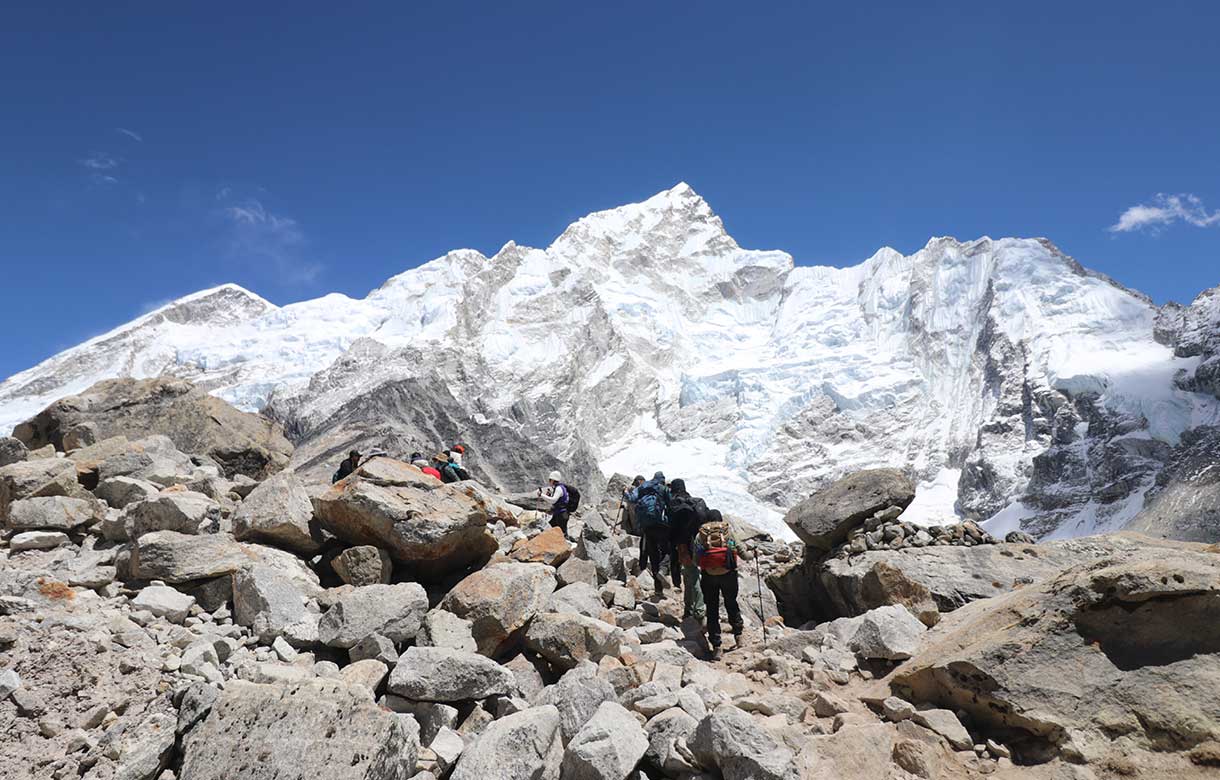
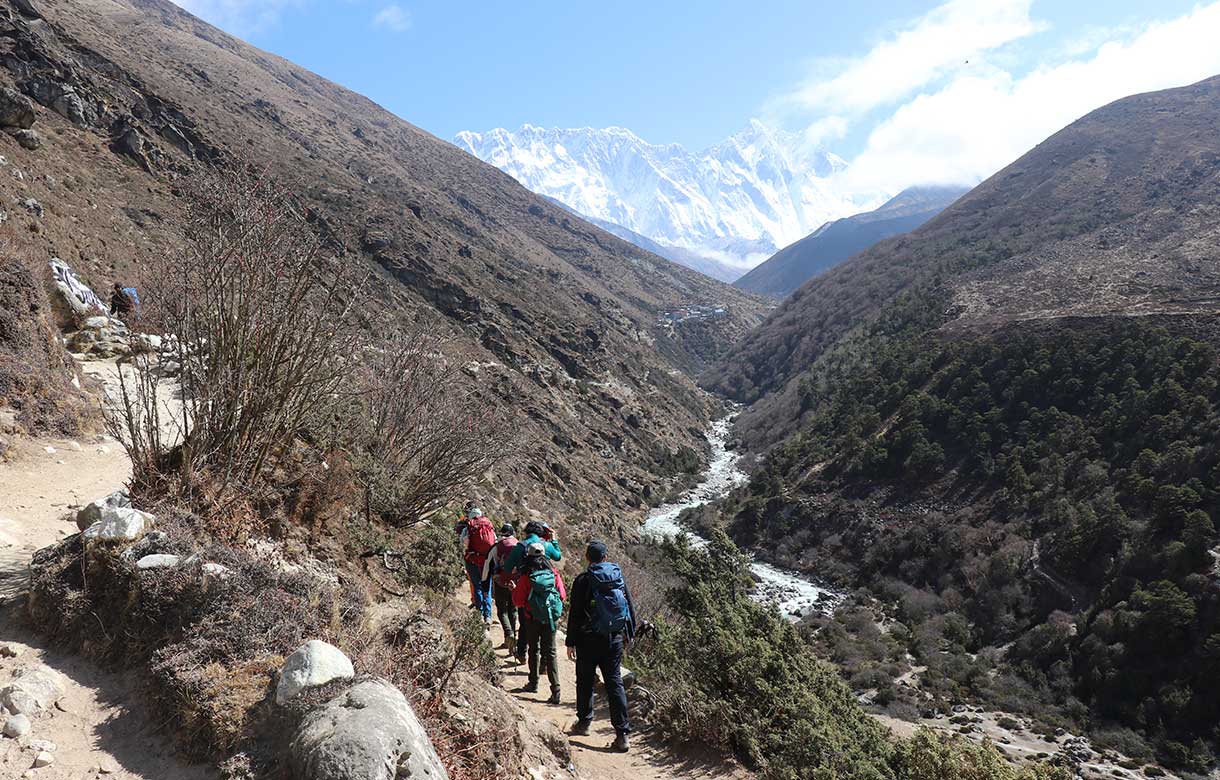
Most of the path is made up of rocky trails, uneven stone steps, and narrow mountain paths. In the lower sections, the trail passes through forests and river valleys with many suspension bridges to cross. As you go higher, the landscape becomes more open and dry with fewer trees and more exposed rocky ground. Walking on such even terrain for several hours can be tiring, especially for the legs and knees.
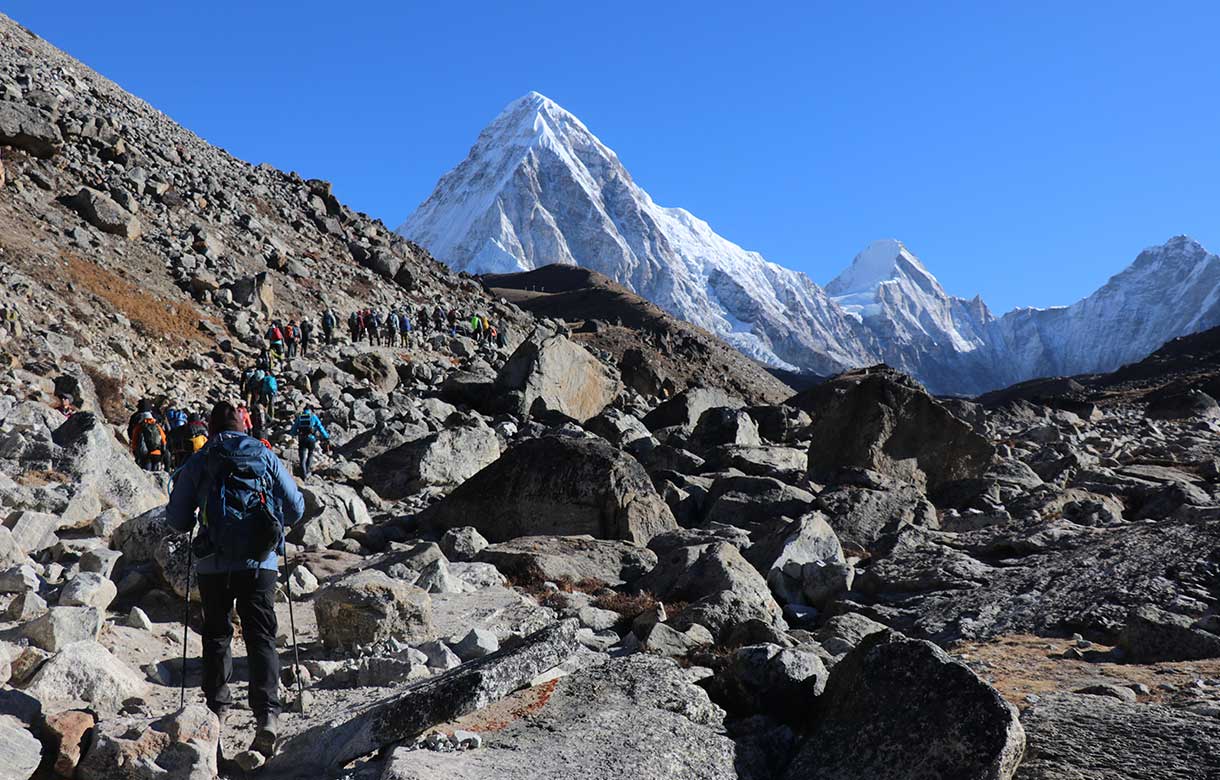
Daily walking time usually ranges from 6 to 8 hours, and some days include long uphill climbs followed by steep descents. One of the most physically demanding parts is the climb to Namche Bazaar, which involves a long uphill stretch with stone stairs. Higher up, the trails from Dingboche to Lobuche, and then to Gorak Shep, can feel especially hard due to altitude and cold conditions.
Another challenge is carrying weight. Even if you hire a porter, you will carry a daypack with water, warm clothes, and personal items. Trekking at high altitude makes even a light backpack feel heavier than usual.
Overall, the Everest Base Camp Trek is physically moderate to challenging. It is not because of extreme terrain, but because of the combination of long walking days, constant elevation change, and reduced oxygen. With proper training before the trek, good footwear, earplugs, and a steady pace, most healthy people can handle the physical demands successfully.
Weather and Seasonal Challenges
Weather plays a big role in how difficult the Everest Base Camp trek really feels. Conditions in the mountains can change quickly, and temperatures drop sharply as you gain altitude. Even strong and fit trekkers can struggle if they are not prepared for cold or bad weather.
The two best seasons for the Everest Base Camp trek are spring (March to May) and autumn (September to November). During these months, the weather is more stable, the skies are clearer and temperatures are manageable. Daytime temperatures in spring and autumn usually range from 10 °C to 15°C at lower altitudes, but at higher points like Gorak Shep and Base Camp, daytime temperatures often stay close to 5°C to 0°C.
Nights are much cooler. At higher elevations, nighttime temperatures can drop to -10°C or even look lower, especially in Autumn. Cold nights can make sleeping difficult and add to physical fatigue. Strong winds are also common above 4,000 meters, which can make walking harder and increase the risk of feeling cold.
During the monsoon season (June to August), heavy rain makes trails muddy and slippery, and flights to Lukla are often delayed or canceled. In winter (December to February), extreme cold and snowfall can make treks much harder and sometimes unsafe.
Choosing the right season greatly reduces the Mount Everest Base Camp Trek difficulty. Good clothing, proper layering, and awareness of weather conditions can turn a challenging trek into a safe and enjoyable experience.
How Hard is Everest Base Camp Trek? Mental and Emotional Challenges of the Trek
The difficulty of the Everest Base Camp Trek is not only physical, but it is also mental and emotional. Many trekkers are surprised to find that staying motivated and positive can be just as challenging as walking the trail itself.
One major mental challenge is long trekking days. Walking for several hours every day, often at a slow pace, can feel repetitive and tiring. As altitude increases, simple tasks require more effort, which can lead to frustration. Progress feels slow, especially above 4,000 meters, where even short distances take a long time to cover.
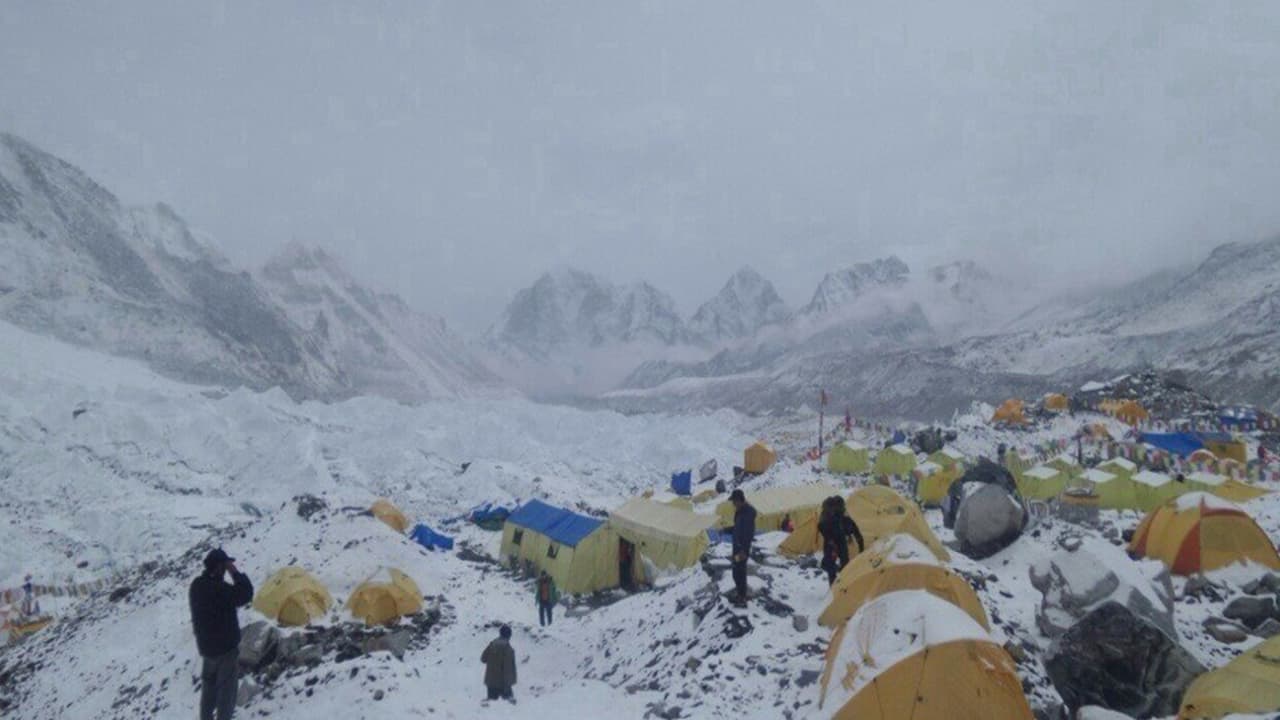
Another factor is the simple lifestyle on the trail. Tea houses are basic, with limited food choices, shared bathrooms, cold rooms, and occasional lack of hot water and electricity. Internet access becomes weak or expensive as you go higher. For many people, being disconnected from modern comforts can feel uncomfortable and mentally draining.
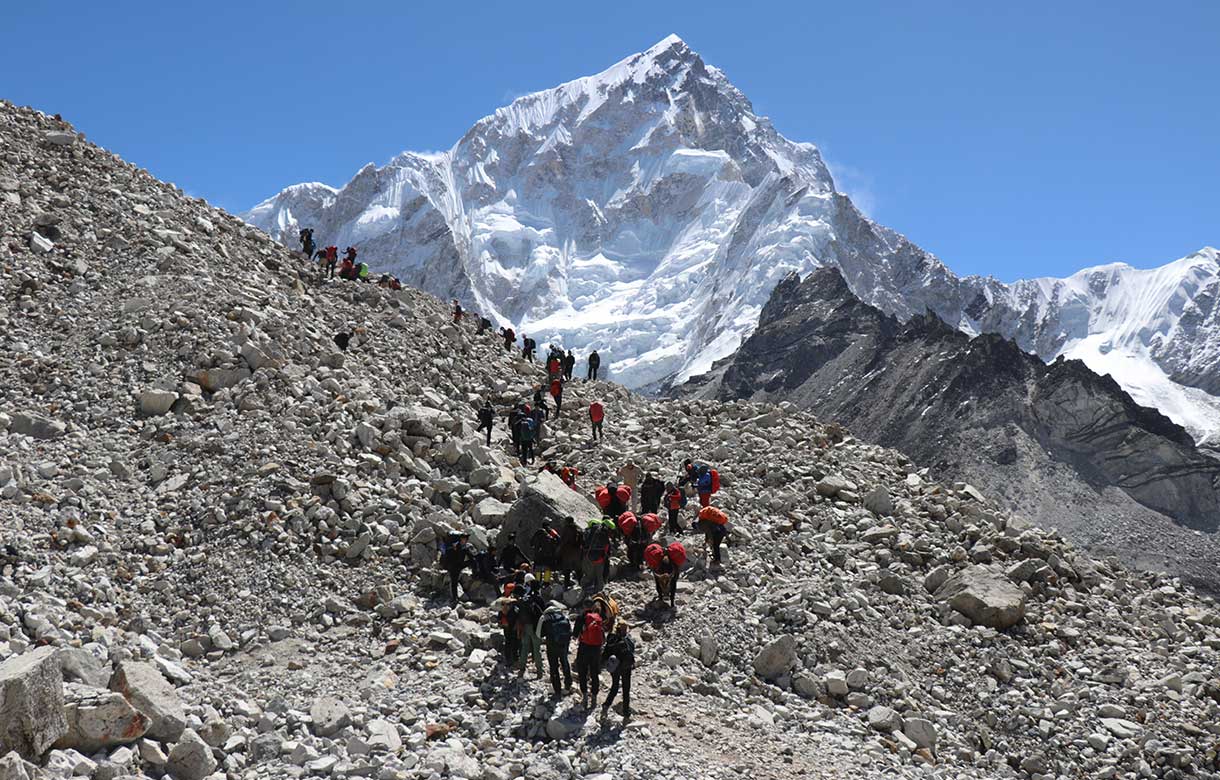
Homesickness, self-doubt, and fear of altitude sickness can also affect the mind. Cold weather, changing plans due to flights or weather and physical exhaustion can test emotional strength. However, this mental challenge is also what makes the trek rewarding.
Trekkers who succeed often say that a positive mindset, patience, and flexibility make the journey easier. Taking each day slowly, enjoying achievements, and supporting fellow trekkers helps to overcome the mental barriers. In many ways, mental strength is a key factor in determining how difficult the Everest Base Camp Trek feels.
Who Can Do the Everest Base Camp Trek?
By now, you have clear idea on how difficult is the Everest Base Camp Trek really. So, another common question people ask is whether the Everest Base Camp Trek is only for athletes or experienced trekkers. The simple answer is no. The trek is challenging, but it is achievable for many people with the right preparation.
You do not need technical climbing skills or previous high altitude experience. However, a basic level of fitness is very important. Trekkers should be comfortable walking for 5 to 8 hours a day on uneven terrain. Activities like regular walking, hiking, star climbing, cycling, or jogging before the trek help to build the needed endurance.
Age is not a strict limit. People in their teens to their 60s and even 70s have successfully completed the Everest Base Camp trek. What matters more than age is overall health. Anyone with heart problems, lung issues, or other serious medical conditions should consult a doctor before planning the trek.
Beginners can do the EBC trek, but mental preparation is just as important as physical training. Going slow, listening to your body and respecting acclimatization days are key. Hiring a guide also makes the trek safer and easier, especially for first-time trekkers.
In short, the Everest Base Camp trek is suitable for healthy, motivated people who are willing to prepare properly and take the challenge seriously. With realistic expectations, many ordinary people can reach base camp successfully.
Support, Logistics, and How They Affect Difficulty?
Good support and proper planning can greatly reduce the Everest Base Camp Trek difficulty. Many challenges become easier when logistics are handled well.
To do the trek legally, you need two main permits: the Sagarmatha National Park Permit and the Khumbu Pasang Lhamu Rural Municipality Permit. These are easy to obtain in Kathmandu or Lukla and do not add much difficulty if arranged in advance or through a trekking agency.
Hiring a guide and porter makes a big difference. A guide helps with navigation, altitude awareness, daily planning and communication with tea house owners. Porters carry most of the heavy luggage, allowing you to walk with a light daypack. This reduces physical strain and helps to conserve energy at high altitude.
Accommodation on the trek is in tea houses, which are simple but comfortable. Meals are basic yet filling, with common options like Dal bhat, noodles, soup, potatoes, and rice. As altitude increases, food choices become limited, and prices rise, but regular meals help to maintain energy levels.
The overall cost of Everest Base Camp Trek will vary depending on travel style, guide services, and season. While the trek is not cheap, proper logistics improve safety, comfort, and overall success. When support is well organized, the Everest Base Camp trek feels more manageable and enjoyable even for first-time trekkers.
Practical Tips to Make the Everest Base Camp Trek Easier
There are several simple but effective ways to reduce the difficulty of the Everest Base Camp trek. Proper preparation and smart choices can make a big difference in how your body and mind handle the journey.
- Start with physical training at least 6 to 8 weeks before the trek. Focus on walking, hiking uphill, climbing stairs, and light strength training for legs and core. Cardiovascular fitness helps you feel less tired at high altitude.
- Take altitude seriously. Walk slowly, follow acclimatization days, drink plenty of water, and avoid alcohol during the trek. Learn the early signs of altitude sickness and never ignore symptoms. It is always better to rest or descend than to push too hard.
- Pack smart. Wear layered clothing so you can adjust easily to changing temperatures. Good trekking boots, warm socks, a quality sleeping bag, and trekking poles help to reduce fatigue and joint stress.
- Mentally, stay flexible. Weather delays, cold nights, or plan changes are common. Focus on one day at a time and enjoy the scenery, culture, and small victories along the way.
With the right preparation and altitude, the Everest Base Camp Trek becomes a challenging but deeply rewarding experience rather than an overwhelming one.
Final Verdict: How Difficult Is the Everest Base Camp Trek Really?
So, how difficult is the Everest Base Camp trek really? The honest answer is that it is challenging but achievable for most healthy people. It is not an easy walk, but it is not an extreme or technical adventure meant only for elite mountaineers.
The main difficulty comes from high altitude, but not from dangerous trails or climbing skills. Walking for many days above 4,000 meters, where oxygen levels are low, makes the body work harder and slows everything down. Long trekking days, cold temperatures, and basic living conditions add to the challenge both physically and mentally.
However, the trek becomes much easier when it is done at a slow pace with proper acclimatization. Good preparation, the right season, suitable clothing, and mental readiness make a huge difference. Thousands of ordinary people, first-time trekkers, older travelers and non-athletes successfully reach Everest Base Camp every year.
In the end, the Everest Base Camp trek is less about strength and more about patience, consistency, and mindset. If you are reasonably fit, willing to prepare, and ready to respect mountains, then the difficulty becomes manageable. The reward of standing at the base of the world's highest mountain makes every challenge along the way truly worth it.