

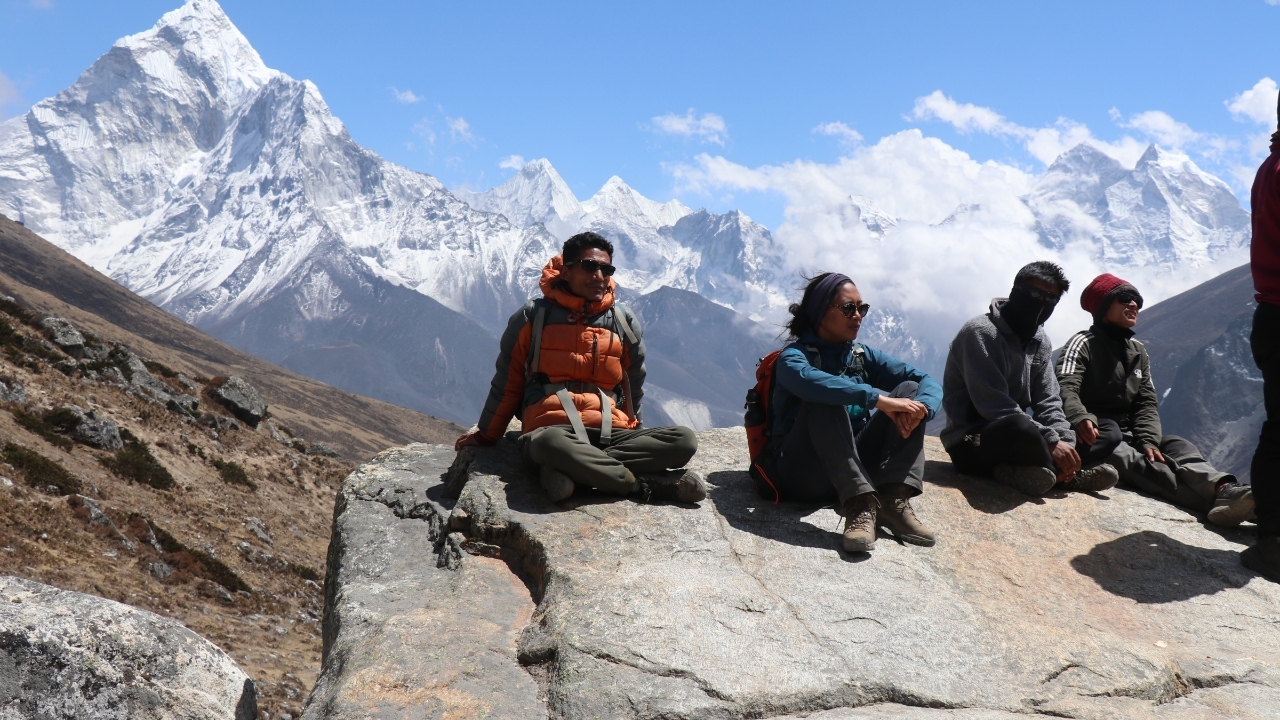
Most of us dream about visiting Everest Base Camp at least once in our lives. It is one of the world's most famous trekking destinations. Each year it welcomes thousands of trekkers. Most people ask a question before starting their journey: How high is Everest Base Camp? The answer is 5,364 meters (17,598 feet) above sea level. This altitude is much higher than most places where people live. This high altitude makes the trek exciting, beautiful, and challenging at the same time. This trek is not just about reaching a famous place, but it is about enjoying snowy mountains, friendly Sherpa villages, colorful prayer flags, peaceful monasteries, and unforgettable views that stay in your heart for many years.
The Everest Base Camp altitude is one of the biggest reasons why most people prepare carefully before the trek. The air becomes thinner, and there will be less oxygen as you climb to higher altitudes every day. Our body needs some time to get used to the changing height. For this reason, many trekkers walk slowly instead of rushing. Most itineraries include rest days in Namche Bazaar and Dingboche to help the body adjust safely. Eco Holidays Nepal also recommends that you take enough time for acclimatization because it helps to lower the risk of altitude sickness. It also makes the journey safer and enjoyable.
Most of us may think reaching Everest Base Camp is possible only for expert climbers, which is not true. You do not need climbing ropes or special mountain skills to reach Base Camp. You only need to have good health, basic fitness, and patience. The trail passes through forests, rivers, suspension bridges, and mountain villages before reaching Everest Base Camp. You should walk slowly, drink plenty of water, eat healthy food, and listen to your guide because these are some of the best ways to enjoy the trek.
Understanding the Everest Base Camp elevation before starting your trip helps you to know why this trek feels different from other hikes. The Everest Base Camp height is not just a number on the map; in actuality, it is an adventure that teaches you patience, courage, and respect for nature. You can enjoy every moment of this once-in-a-lifetime journey and create memories that will last forever by preparing well and giving your body enough time to adjust.
What Is the Exact Height of Everest Base Camp?
Most people search online to find the exact height of Everest Base Camp but they often see different numbers. This can be very confusing. The official Everest Base Camp altitude in Nepal is 5,364 meters (17,598 feet) above sea level. This is the height used by most trekking companies, maps, and tourism sources in Nepal. Everest Base Camp is the starting point for climbers who want to climb Mount Everest but many visitors come here only to enjoy the amazing views and complete the famous trek. Reaching this height is a big achievement because the air is much thinner than at lower places.
You may wonder why some of the websites show 5,380 meters or another number. This happens because GPS devices, maps, and measuring methods can give small differences. The glacier under the Everest Base Camp moves a little every year, so the camping area is never in the same place. Even with these changes, the official height is still 5,364 meters. Trekking companies like Nepal Recreation also use this elevation while sharing information about the Everest Base Camp trek. So if you only remember one number, then remember 5,364 meters or 17,598 feet.
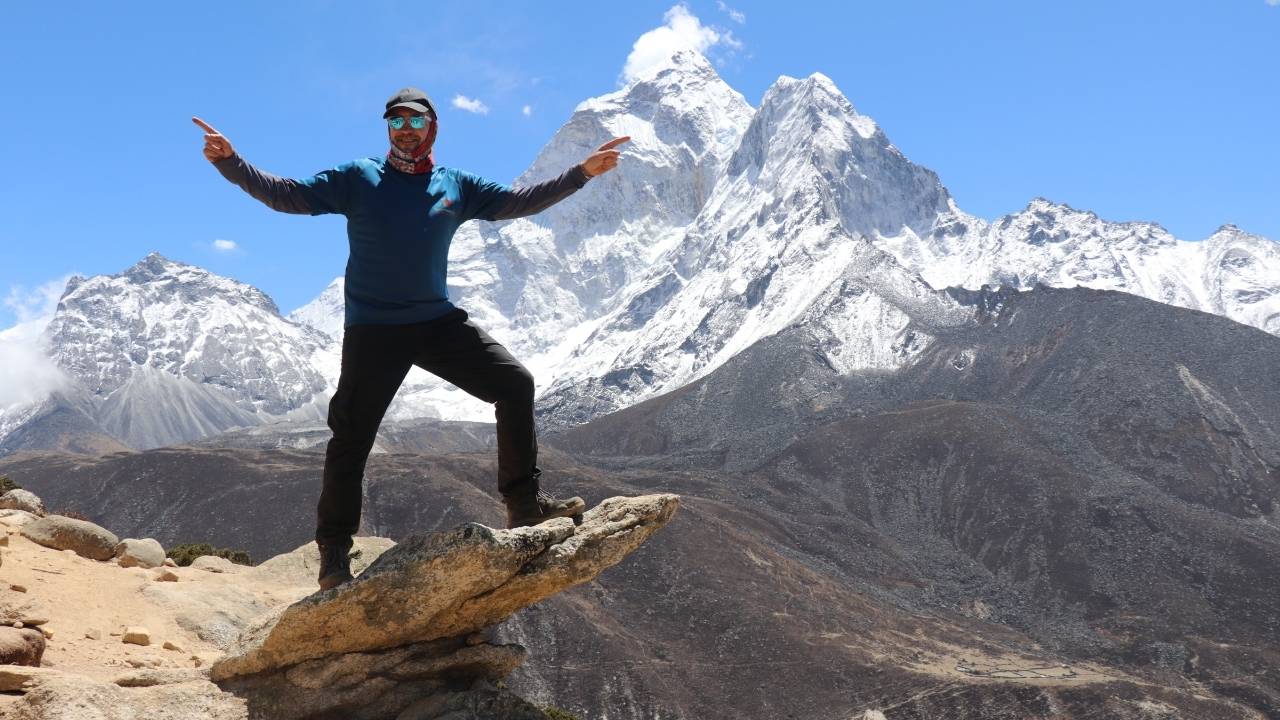
Many people confuse Everest Base Camp with the top of Mount Everest, but they are very different places. The summit of Mount Everest stands at 8,848.86 meters (29,031.7 feet) above sea level. This means the summit is about 3,485 meters higher than the Base Camp. An experienced, trained climber with special equipment can climb to the summit. However, many healthy people can walk to Everest Base Camp if they prepare well, walk slowly, and give their bodies enough time to adjust to the high altitude.
Understanding the Everest Base Camp elevation helps you to plan your trek better. It reminds you that this is a high mountain journey where safety comes first. The number is not just a fact to remember; it tells you why you need acclimatization, drinking enough water, and taking rest days are so important. You will understand that reaching 5,364 meters is not about height once you finally stand at Everest Base Camp. It is about enjoying the journey, learning patience, and making memories that stay with you forever.
How Does the Height Change During the Everest Base Camp Trek?
The Everest Base Camp Trek is not a climb where you go straight to the highest point in one day. Instead, you slowly walk higher every day. This helps your body to get used to the changing altitude. The journey usually starts with a flight to Lukla, which sits at an altitude of 2,860 meters (9,383 feet) above sea level. After reaching here, you will walk through beautiful villages, forests, rivers, and mountain trails. Each day you gain more height until you finally reach Everest Base Camp at 5,364 meters (17,598 feet). This slow climb is one of the most important parts of the trek because it helps to keep you safe and healthy.
Let's look at the usual trekking route and the altitude of each place. Lukla is at 2,860 meters, Phakding is at 2,610 meters, Namche Bazaar is at 3,440 meters, Tengboche is at 3,867 meters, Dingboche is at 4,410 meters, Gorakshep is at 5,164 meters and Everest Base Camp is at 5,364 meters. You may notice that Phakding is lower than Lukla. This small drop helps your body start adjusting before you climb higher again. Trekking companies like Nepal Recreation also follow this route because it gives trekkers enough time to acclimatize.
As you move higher, the air becomes thinner, and your body gets less oxygen. Due to less oxygen, the trek feels harder even when the trail is not very steep. Many trekkers notice that they breathe faster and need more breaks. It is better to walk slowly than try to walk fast. Most itineraries include two acclimatization days, usually in Namche Bazaar and Dingboche. These rest days help your body to adjust before you continue climbing to higher places.
Watching the altitude change every day is exciting because it shows how close you are getting to Everest Base Camp. Every village feels different and every day brings new mountain views. This slow climb also teaches you patience and respect for the mountains. Following the planned route, taking rest days, drinking plenty of water, and listening to your guide can give you the best chance to enjoy the Everest Base Camp trek safely and reach your goal with a smile.
Why Is Everest Base Camp So Difficult at This Altitude?
Most people think the Everest Base Camp Trek is difficult because of steep hills or long walking hours. Those things don't make the trek harder, but the biggest challenge is altitude sickness. Everest Base Camp stands at an altitude of 5,364 meters (17,698 feet) above sea level. At this high altitude, the air is much thinner than it is in cities and villages, which means less oxygen for the body to use. Simple activities like walking, talking, or climbing a few steps can also make you feel tired. This is the reason why many trekkers walk slowly and take short breaks along the way instead of trying to hurry.
As you climb higher every day, your body needs some time to adjust to the thinner air. This process is known as acclimatization. If you climb too fast, then your body may not have enough time to adapt. You may get a headache, feel dizzy, lose your appetite, or have trouble sleeping, which are the common signs of altitude sickness. Trekking companies like Eco Holidays Nepal recommend following a slow itinerary with acclimatization days, especially in Namche Bazaar and Dingboche. These extra days help your body to become stronger before you continue to higher places. They may seem like rest days, but they are one of the most important parts of the trek.
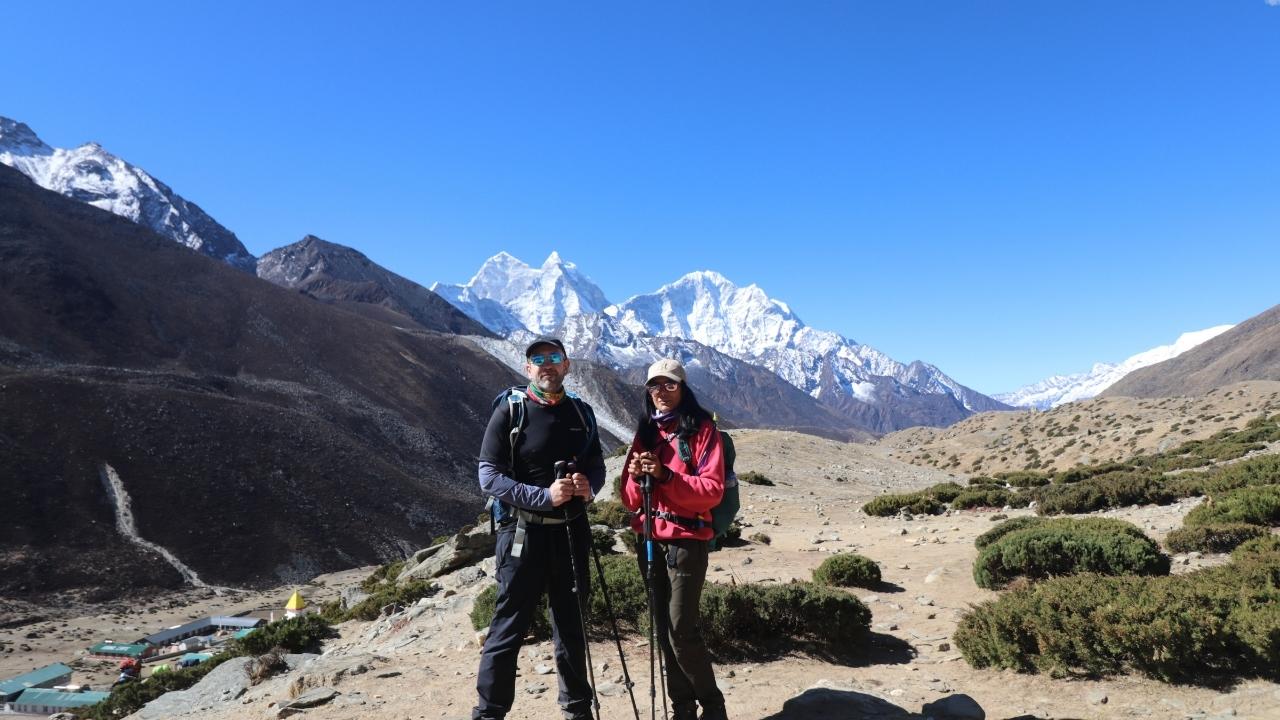
You can assume your body is like a car climbing a very high mountain road. The higher the car goes, the harder the engine works. Your body works the same way. Your heart and lungs have to work harder because there is less oxygen in the air. That's why drinking plenty of water, eating healthy meals, sleeping well, and walking at a steady pace are so important. It is never a good idea to race to Base Camp.
Thousands of people every year reach Everest Base Camp safely, even though the altitude makes the trek more challenging. The secret behind this is not being the fastest; it is being patient and listening to your body. When you respect the mountain and give your body enough time to adjust, then reaching Everest Base Camp becomes a safe, enjoyable, and unforgettable adventure.
How to Stay Safe at Everest Base Camp Altitude?
Everest Base Camp is at 5,364 meters (17,598 feet) above sea level. The air has less oxygen at this height, so your body needs more to adjust. The good news is that you can stay safe by following a few simple habits every day. These easy tips will help you to lower the risk of altitude sickness and make your trek more comfortable, enjoyable, and successful.
-
Walk Slowly and Keep a Steady Pace: Do not rush to reach the next village. Walk slowly and take small and steady steps. If you walk too fast, you may become tired very quickly because there is less oxygen in the air. A slow pace helps your body to adjust naturally and gives you enough energy to enjoy the beautiful mountain views throughout the journey.
-
Drink Plenty of Water Every Day: You should drink clean water often, even if you don't feel thirsty. Your body loses water faster at higher altitudes because of dry air and long walking hours. Staying hydrated helps your body to work better and helps to reduce headaches, tiredness, and other problems caused by high altitude.
-
Take Acclimatization Days Seriously: Rest days are an important part of the trek; they are not a waste of time. Most of the Everest Base Camp itineraries include acclimatization days in Namche Bazaar and Dingboche. Many trekking agencies like Nepal Recreation also recommend these stops because they give your body enough time to get used to the higher altitude before you continue climbing.
-
Eat Healthy Food and Get Enough Sleep: You should eat healthy meals every day because your body needs energy for long walks. Even if you don't feel very hungry, try to eat enough food. You should sleep well each night and keep yourself warm. Good rest helps your body to recover and prepares you for the next day's trek.
-
Learn the Signs of Altitude Sickness: You should know the early signs of altitude sickness, such as headache, dizziness, feeling very tired, trouble sleeping, or losing your appetite. You should tell your guide as soon as possible when you notice these signs. You shouldn't ignore them or try to climb higher. Sometimes taking a rest day or walking to a lower place is the safest decision.
Reaching Everest Base Camp is a wonderful achievement, but it is more important to stay healthy. You should walk slowly, drink enough water, eat healthy food, take acclimatization days, and always listen to your guide. By following these simple safety tips, you can enjoy the journey, protect your health, return safely, and share wonderful memories with your family and friends forever.
Everest Base Camp Altitude Compared with Other Famous Places
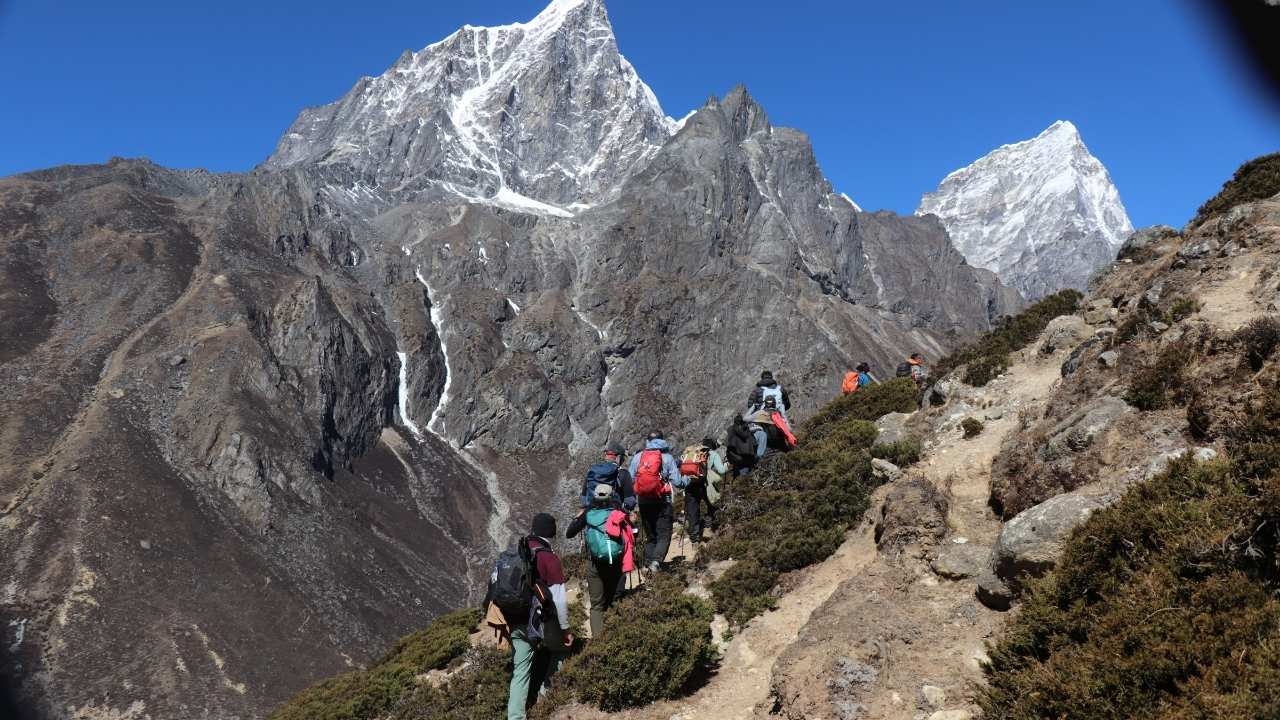
Understanding the Everest Base Camp altitude becomes much easier when you compare it with other well-known places. Everest Base Camp is at 5,364 meters (17,598 feet) above sea level. That number may sound very big, but many people can not imagine how high it really is. You can understand the difference by comparing it with places you may already know. It also shows why trekkers need to walk slowly and give their bodies enough time to adjust before reaching Base Camp.
-
Kathmandu: Kathmandu is the capital city of Nepal. It sits at about 1,400 meters (4,593 feet) above sea level. This means Everest Base Camp is almost 4,009 meters higher than Kathmandu. Most trekkers spend one or two days in Kathmandu before flying to Lukla. The air in Kathmandu feels normal but the air becomes much thinner as you climb higher on the trek.
-
Namche Bazaar: Namche Bazaar stands at 3,440 meters (11,286 feet). It is one of the most important stops on the journey. It is much lower than Everest Base Camp but still high enough for your body to begin adjusting. Many trekking companies recommend spending an acclimatization day here because it helps to lower the risk of altitude sickness before climbing higher.
-
Kala Patthar: Kala Patthar is about 5,550 meters (18,208 feet) above sea level. It is around 186 meters higher than Everest Base Camp. Many trekkers hike to Kala Patthar early in the morning because it offers one of the best close-up views of Mount Everest and the surrounding Himalayan peaks.
-
Mount Kilimanjaro and Mont Blanc: Mount Kilimanjaro in Africa is at 5,895 meters (19,341 feet), while Mont Blanc in Europe is at 4,805 meters (15,764 feet). This means Everest Base Camp is lower than Kilimanjaro but higher than Mont Blanc. These comparisons help you to understand that Base Camp is already at an amazing height, even though it is far below the summit of Mount Everest.
Comparing Everest Base Camp with other famous places makes its height easier to understand. The journey takes you from the lower valleys to one of the highest trekking destinations in the world. Every step brings you closer to breathtaking mountain views and an unforgettable adventure that you will remember for the rest of your life.
Is Everest Base Camp Height Worth the Journey?
Many people ask if reaching Everest Base Camp is really worth the long walk and the high altitude. The answer for most trekkers is yes. Standing at 5,364 meters (17,598 feet) is a special feeling that is hard to describe. The journey is not about reaching a famous place. It is also about enjoying nature, learning about mountain life, and proving to yourself that you can achieve something amazing. Every step on the trail teaches you patience, confidence, and respect for the Himalayas.
The Everest Base Camp altitude may sound scary at first, but thousands of people complete the trek safely each year. You do not have to be a mountain climber to reach Base Camp. You only need good preparation, basic fitness, and enough time to adjust to the high altitude. Walking slowly, drinking plenty of water, eating healthy food, and taking acclimatization days are the best ways to stay safe. Many trekking companies also recommend following a well-planned itinerary because rushing can increase the risk of altitude sickness. A slow journey is always better than a fast one in the mountains. When you respect the altitude and listen to your body, the trek becomes much safer and more enjoyable.
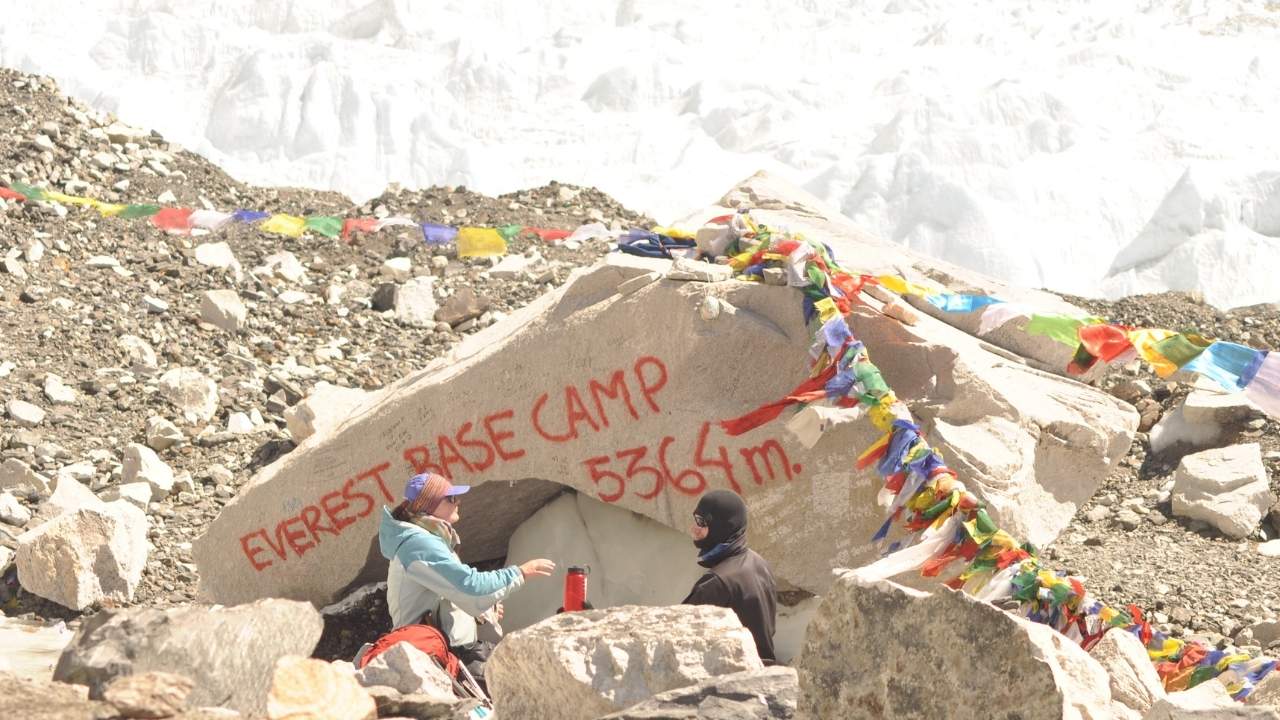
The trek also gives you many wonderful memories before you even reach Base Camp. You will cross exciting suspension bridges, visit beautiful Sherpa villages, see colorful prayer flags, and explore peaceful Buddhist monasteries. Every day brings you new mountain views, fresh air, and friendly local people. You can also see yaks carrying supplies, smiling children walking to school, and small teahouses where trekkers rest and share stories. Many trekkers say the journey itself is just as special as reaching the final destination. When you finally arrive at Everest Base Camp, you will understand why so many people dream of visiting this famous place.
If you are planning your first Himalayan adventure, then Everest Base Camp is a great choice. The height may be challenging, but the rewards are even greater. With the right preparation and positive attitude, you can enjoy every part of the journey safely. The breathtaking views of the world's highest mountain, the warm Sherpa hospitality, and the feeling of reaching one of the world's most famous trekking destinations will stay with you forever. The experience will teach you patience, courage, and respect for nature. It is not simply a trek to a high place. It is a life experience that fills your heart with happiness and gives you memories that you will treasure forever.