
Mount Everest is the tallest mountain on Earth. Due to this altitude, climbing on Mount Everest takes a lot of time. People can not just walk straight to the top. They must move slowly, rest many times, and wait for the right weather. This is why an Everest climb is not done in a few days. It usually takes 6 to 9 weeks.
The main reason Everest takes so long is because of the thin air. As you go higher, the amount of oxygen becomes less. When your body does not get enough oxygen, you feel weak and can get very sick. This sickness is called altitude sickness, which can be very dangerous. To avoid this, climbers go up slowly and stop often. This helps their body adjust to the height.
The weather is another reason. Everest has very strong winds and sudden snowstorms. If the weather becomes bad, you can not move. Sometimes you have to stay inside your tents for many days. Climbers wait until the wind becomes calm and the sky becomes clear. This waiting time adds more days to the whole journey.
As we all know, Everest is the tallest mountain. The path to the top is long and full of challenges. You have to face icefall, deep snow, high cliffs, and freezing temperatures. Climbers need to practice on the mountain before the final climb. They go up a little and then come back down to rest. This practice also takes many days.
Because of all these factors, like thin air, bad weather, and the long route make climbing Everest is a slow and careful process. It needs patience, time, and a strong plan. That is why reaching the top of Everest is a huge achievement.
Reaching the Everest Base Camp
Before climbers even start climbing the mountain, they must first reach Everest Base Camp. This camp is the beginning place for all Everest Climbs. Reaching Base Camp takes about 8 to 12 days because the path is long and the altitude increases slowly.
The journey begins with a short and exciting flight to Lukla. It is a small mountain town. From Lukla, climbers do not use vehicles. They walk on foot through beautiful villages, forests and valleys. The first stop is usually Phakding, where you can rest for the night.
After that, you have to walk to Namche Bazaar. It is the biggest town on the trail. This is an important place because climbers can get one extra rest day here. The air is already thinner, so your body needs time to adjust. During the rest day, you can explore the town, drink warm tea, and enjoy mountain views.
From Namche, the trail continues to Tengboche. It is a place with a famous monastery. The path is peaceful but a bit steep. After another night of rest, climbers move to Dingboche. In Dingboche,you should take another rest day because the altitude is now much higher.
Then the journey goes through Lobuche and Gorakshep. These are the final stops before Base Camp. The air here is very thin, so you need to walk slowly and take deep breaths.
Finally, after many days of walking, you finally arrive at Everest Base Camp. There is no climbing yet; this is just a place where the real climb begins. It is important to reach Everest Base Camp slowly because it helps the body to prepare for the high altitude ahead.
Staying at Base Camp
After reaching Everest Base Camp, climbers do not start climbing right away. They stay here for 5 to 10 days. This rest time is very important because the air at Base Camp is thin. The body needs time to adjust before moving to higher altitudes.
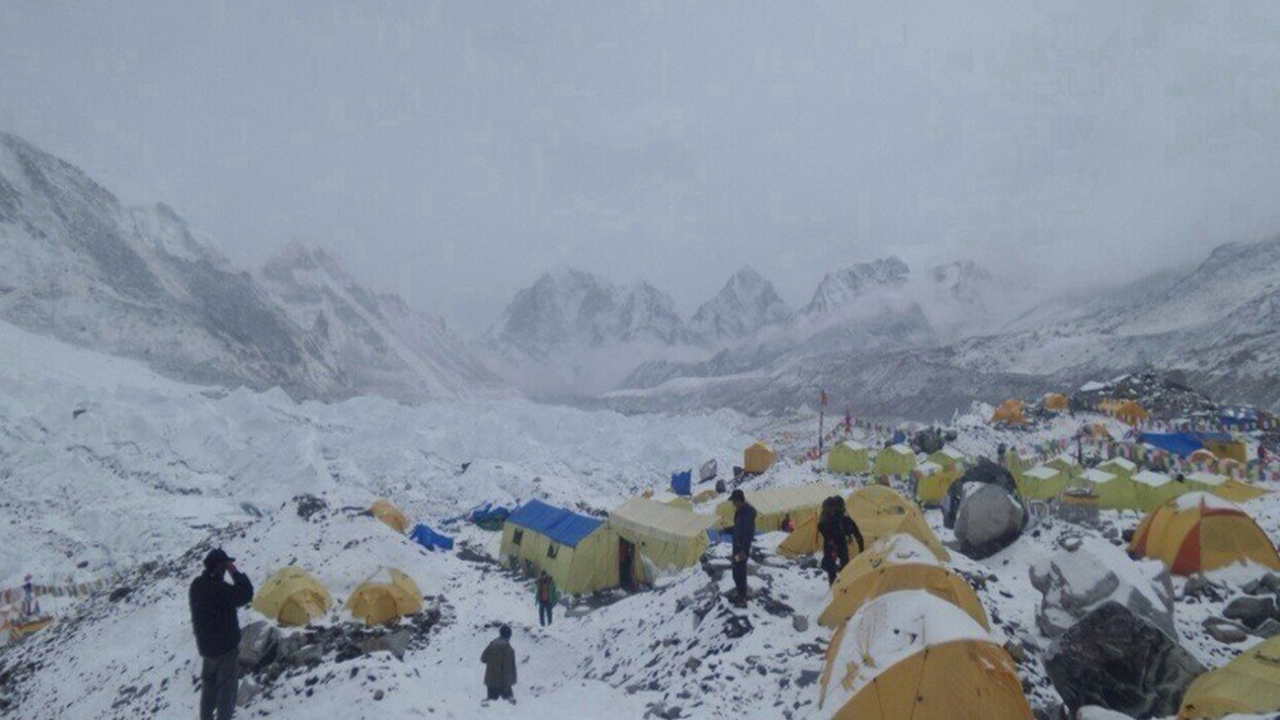
Base camp is like a small village made of colourful tents. Climbers sleep, eat, and prepare here. During these days, climbers let their bodies get used to low oxygen. If they rush to higher camps, they can get altitude sickness. So resting is a key part of climbing Everest safely.
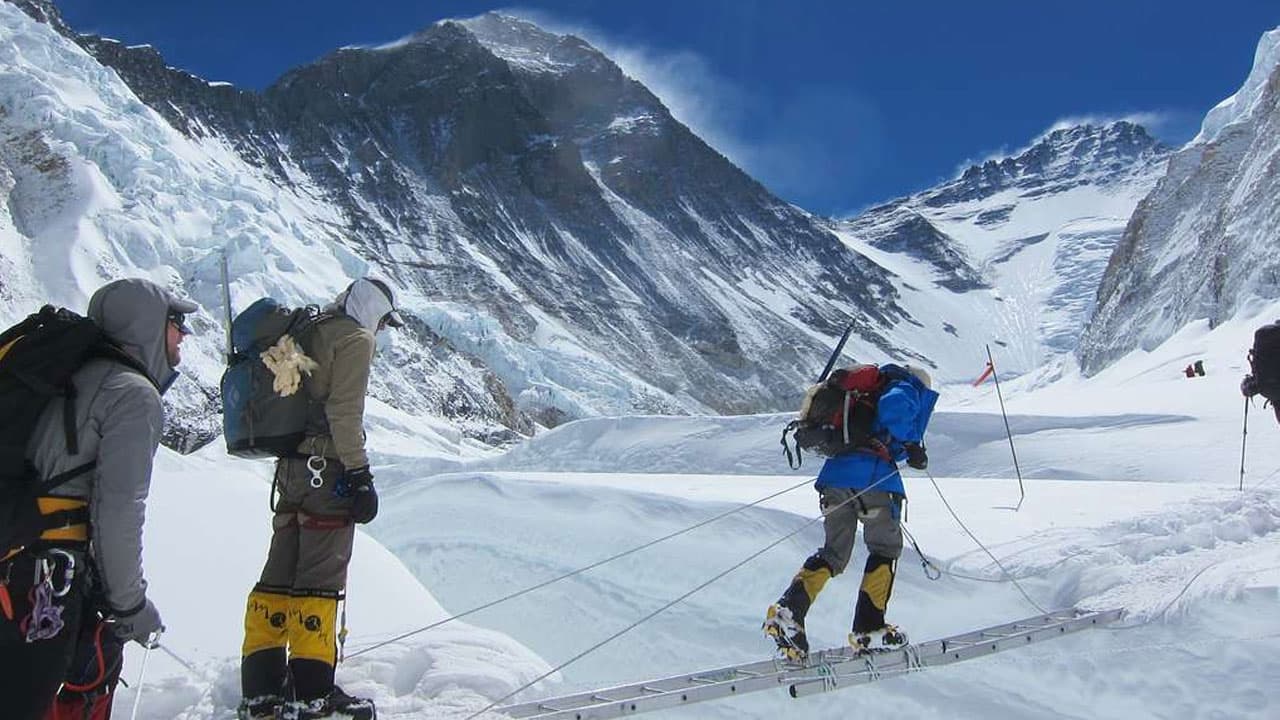
At Base Camp, climbers also practice training to climb. They learn how to use ropes, ice axes, ladders, and crampons. The Khumbu Icefall is the next destination, which is full of deep cracks and moving ice, so they must know how to cross ladders safely. This practice helps them to stay confident and ready for the difficult parts of the climb.
Climbers also eat a lot of warm food at base camp because they need energy. The weather is very cold, and the body uses more energy just to stay warm. Eating well helps them to stay strong.
Another reason climbers study at Base Camp is weather planning. Guides and Sherpas check weather reports every day. If the weather is not favorable, they wait. If the weather looks good, they prepare to move up.
During this time, climbers meet other teams, talk, relax, and get mentally ready. Even though they are not climbing yet, these days at Base Camp are very important for a safe and successful expedition.
First Climbing Practice: Going to Camp 1 and Camp 2
After resting at Base Camp, climbers begin their first practice climb, which is also called a rotation. This practice is very important because it helps the body get used to higher places slowly. The first rotation usually takes 1 to 2 weeks. It depends on the weather and the climber's health.
The first challenge is the Khumbu Icefall. This is one of the most dangerous parts of the climb. The ice is always moving, and there are deep cracks called crevasses. Climbers use ladders and ropes to cross these cracks. They start this part early in the morning, when the ice is harder and safer.
After crossing the icefall, they reach Camp 1. Climbers sleep here for one night. The air is thinner, so they move slowly and stay hydrated. They rest, eat, and then stay warm.
Next, they move to Camp 2, which is located in the Western Cwm. This area is like a big, wide valley of snow. Even though it looks flat, the sun makes it hot during the day. Climbers walk slowly through this snowy valley and reach Camp 2, where they usually sleep for 1 to 2 nights.
Once they finish staying at Camp 2, they do something very important that they go back down to Base Camp. Going back down helps the body to recover and become stronger. This up-and-down process is the safest way to prepare for very high altitudes.
By the end of this rotation, climbers have seen be route, practiced with their gear, and allowed their bodies to slowly adapt to the thin air. This practice makes the next steps much safer and easier.
Second Practice: Going Higher to Camp 3
After resting at Base Camp again, climbers begin their second Practice climb. It is also known as the second rotation. This time, the goal is to go even higher to Camp. This practice usually takes 3 to 7 days.
First, climbers move from Base Camp to Camp 2 again. They already know this path from the first rotation, so it feels a little easier. They take their time, drink water and walk slowly because the air is thinner than before.
From Camp 2, they climb to Camp 3, which is on the side of a very steep wall called Lhotse Face. This is a shiny wall of ice that goes straight up. Climbers use ropes fixed by Sherpas to pull themselves up safely. This part is hard because the slope is steep, the wind is strong, and it is difficult to breathe.
Reaching Camp 3 is a big achievement. Here, climbers usually stay for only one night. The air is extremely thin, so sleeping will be uncomfortable. They eat simple food, drink warm water, and try to rest. Even a few hours at this height helps their body to prepare for the final summit push later.
After resting at Camp 3, climbers go all the way back down to the lower camp. Going down gives their bodies a chance to heal, gain strength, and recover. This is important because the next time they go up, they will aim for the most challenging portion of the climb.
This second rotation makes the climber's body stronger and more prepared for the extreme heights above Camp 3. It also gives climbers confidence because they have now practiced on almost all the major parts of the mountain.
Waiting for the Best Weather
After finishing the practice climbs and returning to Base Camp, climbers must wait for the best weather. The waiting period can take 5 to 14 days. Sometimes it is short, and sometimes it becomes very long. The weather decides everything on Mount Everest.
At the top of Everest, the winds can be so strong that they can blow climbers off the mountain. Because of this, climbers wait for a special time, which is called the weather window. A weather window is a short period when the wind becomes calm and the sky becomes clear. Only during this time can climbers safely try to reach the summit.
During the waiting days, climbers stay inside their tents at Base Camp. They eat warm food, drink plenty of water, and rest their bodies. They also check their gear, oxygen bottles, boots, gloves, and safe equipment. Everything must work perfectly for the final climax.
Sherpas and weather experts study the weather report every day. They look at wind speeds, storms, snowfall, and temperature. When they see the weather window coming, they tell the team to prepare for the summit push.
This waiting time can be boring and stressful because climbers are excited to go up. But they must stay patient. If they rush and try to climb during the bad weather, it can be very dangerous. Many accidents on Everest happen when the weather suddenly changes.
So waiting for the best weather is not a waste of time. It is actually one of the most important steps in the whole expedition. Good weather can make the difference between a safe climb and a dangerous climb.
Summit Push The Final Climb
When the weather becomes good, climbers start the summit push, which is the final and most important part of the climb. This part usually takes 5 to 7 days. It is slow, tiring, and very difficult, but it is also the most exciting moment of the journey.
First, climbers move from Base Camp to Camp 2. Climbers know this route well from their practice climbs. After resting at Camp 2, climbers continue to Camp 3 on the steep Lhotse Face. During this climb, breathing becomes hard, and every step feels heavy.
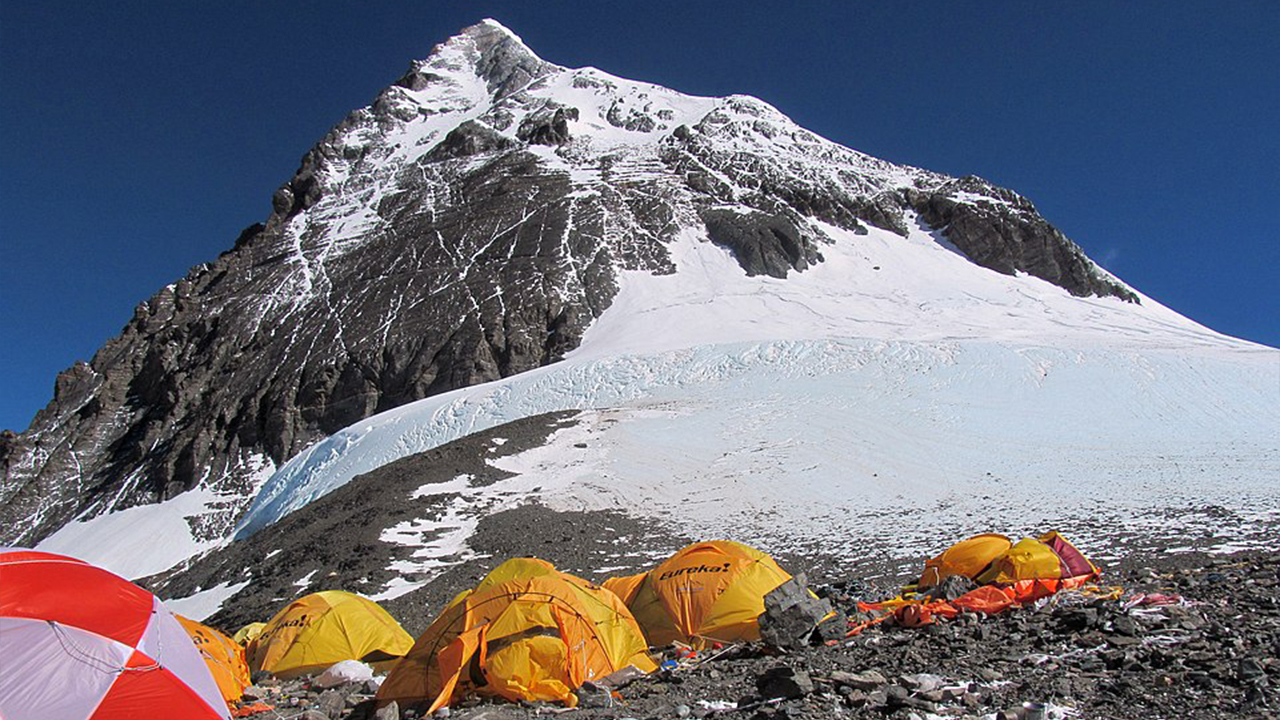
From Camp 3, climbers climb to Camp 4. It is also called the South Col. Camp 4 is at a very extreme height. It is close to the Death Zone, which has very low oxygen. Climbers use bottled oxygen here to stay safe. They rest for a few hours, eat light food and prepare for the final climb.
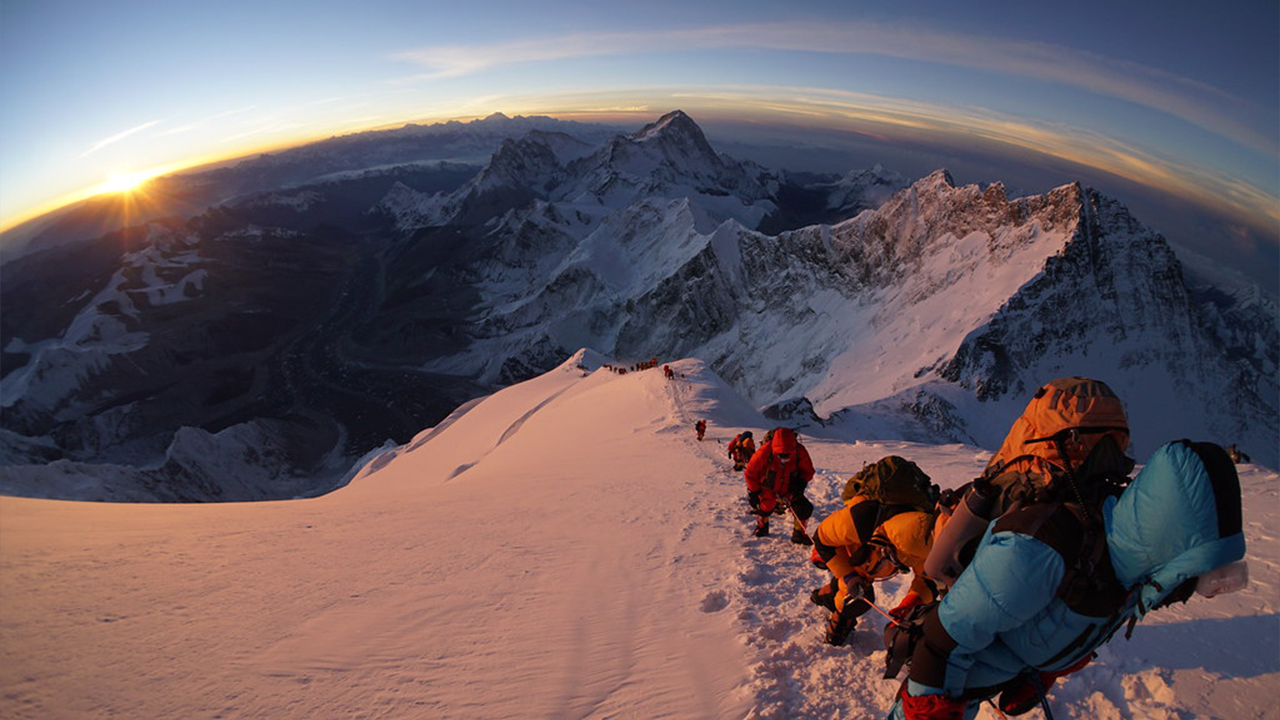
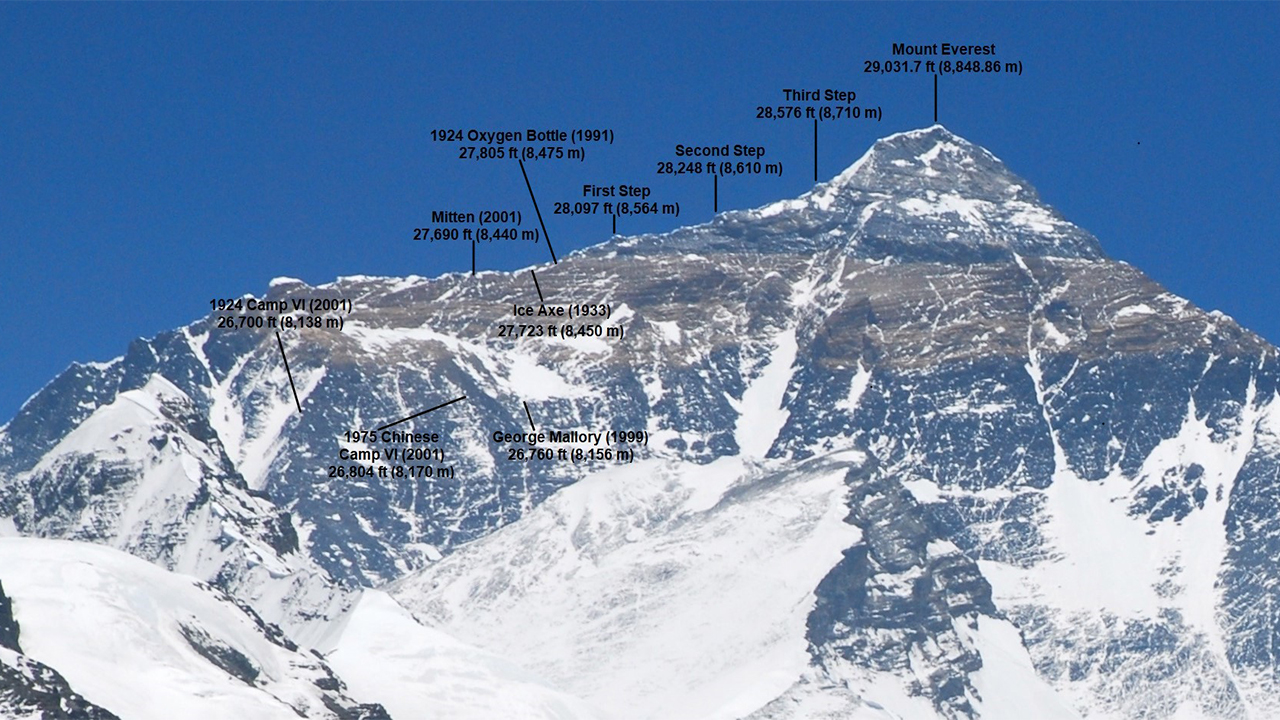
The summit climb usually starts at night, around 9 pm to midnight. Climbers walk slowly in the dark with headlamps. They cross important points like the Balcony, the south summit, and the Hillary step. The path is narrow, steep, and cold. The wind here is freezing, and every breath feels short.
After many hours of continuous climbing, climbers finally reach the summit of Mount Everest. The view from the top of Everest is amazing, and the feeling is unforgettable. Climbers take a few photos and enjoy the movement. They can not stay long because it is too dangerous.
The hardest part is not going up, but it is coming down safely. Climbers must return to Camp 4 or Camp 3 slowly and carefully because they are tired and the air is very thin. The summit push is the most challenging and most rewarding part of the Everest journey.
Coming Down and Total Time
After reaching the summit, climbers must come down safely. This part takes 2 to 4 days. Even though going down is faster, it is still dangerous because climbers are tired and the air is thin, and the weather can change quickly.
From the summit, climbers return to Camp 4 to rest for a short time. Many climbers get fully exhausted, so they slowly move down. After Camp 4, they continue to Camp 2. Some climbers may stop at Camp 3 when they are too tired. The steep walls and icy paths make the descent difficult, so climbers must be very careful in these areas.
Finally, they cross the Khumbu Icefall again in the early morning when the ice is harder and safer. After passing the icefall, they reach Base Camp. This moment feels like a huge relief because the most dangerous parts of the climb are over.
If someone is weak or sick, helicopters rescue them from Camp 2 or Base Camp to the lower villages. This helps climbers to recover faster and avoid more risk.
Total Time to climb Everest
When we add all steps together, the full Everest journey usually takes:
- Trek to Base Camp takes 8 to 12 days.
- Rest at Base Camp, it takes 5 to 10 days.
- First practice climbing takes 1 to 2 weeks.
- The second limb practice takes 3 to 7 days.
- It will take 5 to 14 days for the climbers to wait for the weather window.
- For summit push and descent, it takes 7 to 10 days.
- In total, the time is usually 6 to 9 weeks.
Climbing Everest is a long and slow journey. Climbers move step by step, rest many times, and wait for good weather. They train, practice, and prepare their bodies for the thin air. It requires patience, strength, and careful planning. Reaching the top of Mount Everest is a great achievement, but staying safe is the most important part of the journey.