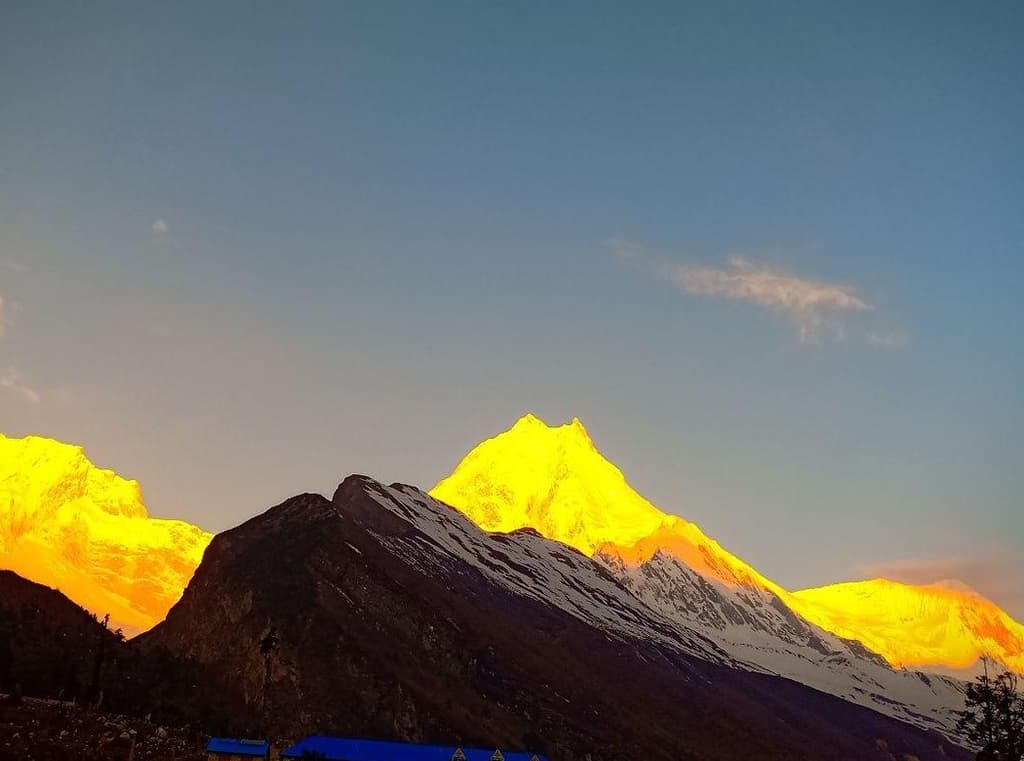

The Annapurna Circuit Trek is one of the most famous long-distance treks in Nepal. It circumnavigates the Annapurna mountain range and passes through beautiful villages, forests, rivers, and high mountain passes. For many years, this trek was seen as something only young and very fit people could do. But times have changed. Today, many seniors are travelling more, staying active, and looking for meaningful adventures rather than easy holidays. This has raised an important and very practical question: Is Annapurna Circuit Trek suitable for seniors?
This question is not only about age. It is about health, fitness, preparation, safety, and pace. Many people, even in their 60s, are physically stronger and mentally tougher than many young trekkers. At the same time, the Annapurna Circuit is a long trek with high altitude, cold weather, and some challenging days. Ignoring these facts can be risky, especially for old trekkers.
In this blog, we will look at the real factors like altitude, daily walking hours, health risks, fitness, and available support on other trails. The goal is not to encourage or discourage blindly but to help seniors and their families to make smart and safe decisions. With the right planning and realistic expectations, this trek can be either a rewarding lifetime experience or a trek better replaced by an easier alternative.
The Annapurna Circuit Trek
The Annapurna Circuit Trek is a long mountain trek that goes around the Annapurna Massif in central Nepal. It usually starts from the lower valleys of Besisahar or Dharapani and ends in Jomsom or Pokhara. The full trek covers around 160 to 200 kilometers, depending on the route and road access used. Most trekkers take 14 to 21 days to complete the circuit, walking for many days in a row.
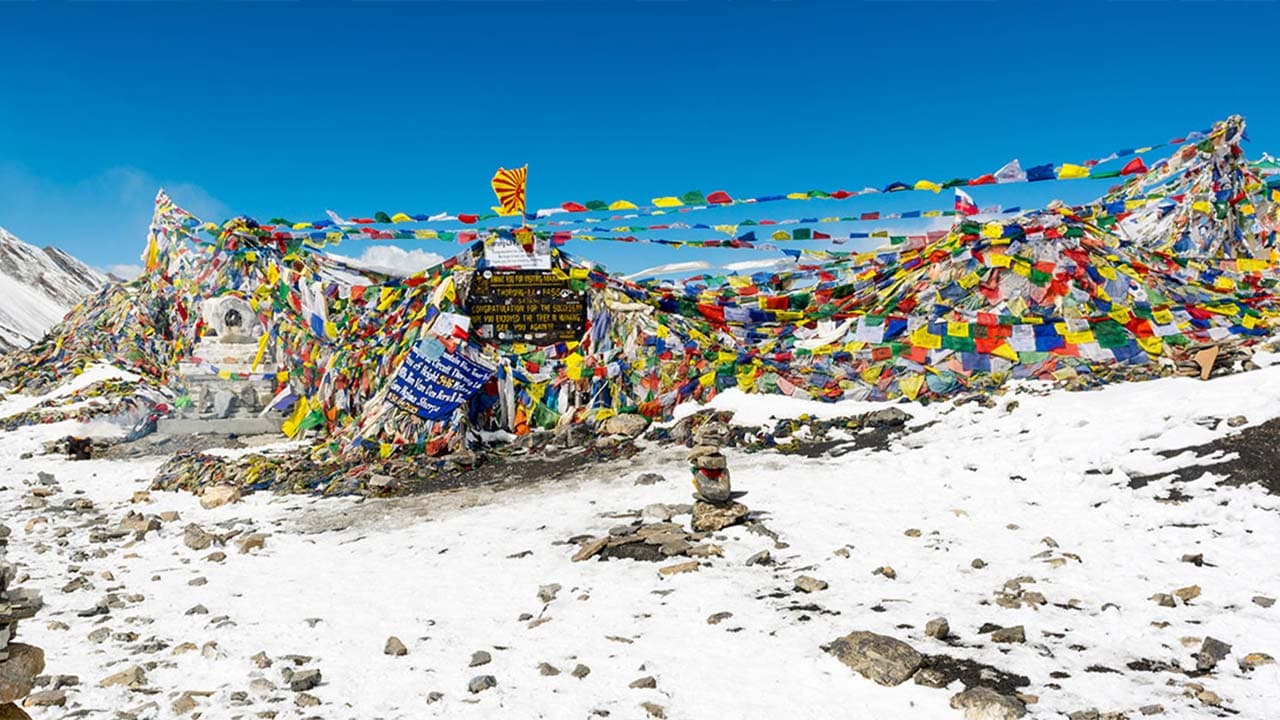
One of the most notable factors about this trek is its high altitude. The highest point is Thorong La Pass, which stands at an altitude of about 5,416 meters (17,769 feet). At this height, the air has much less oxygen, and walking becomes harder, especially for seniors. On normal trekking days, people walk 4 to 7 hours on average, but on difficult days, especially the pass crossing day, walking time can reach 8 to 9 hours at a slow pace.
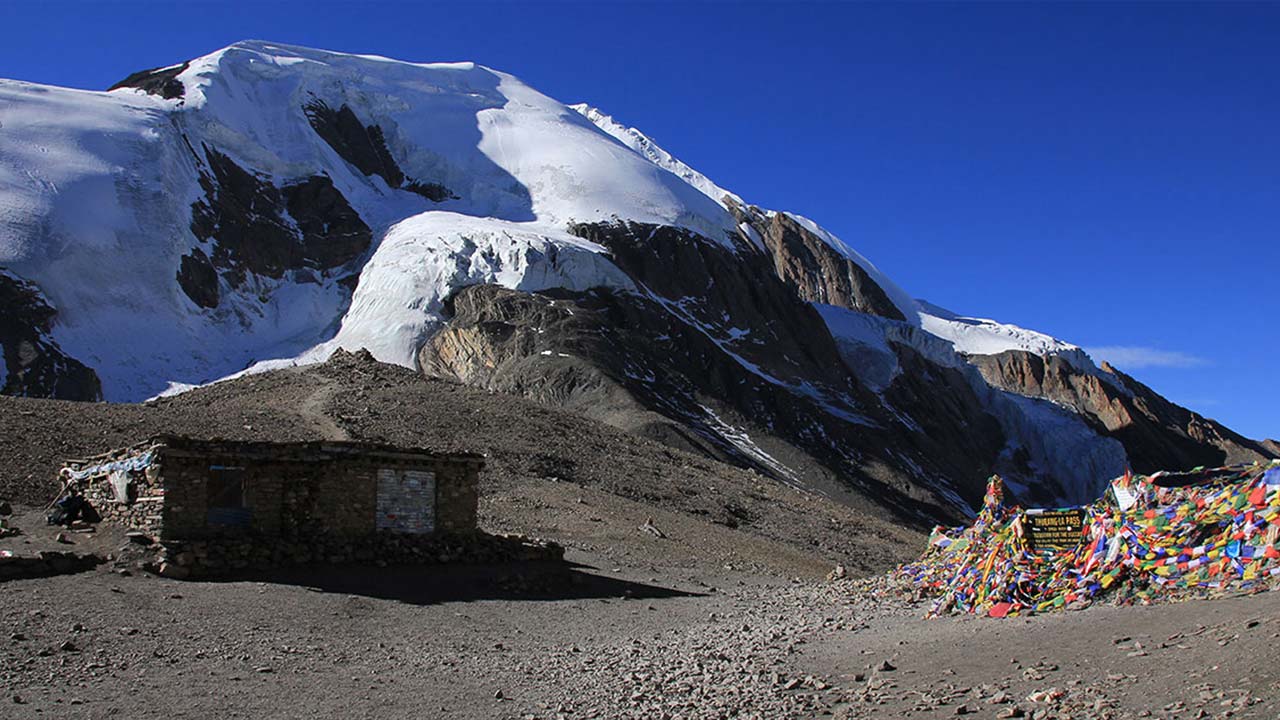
The trail itself is mostly well-marked and safe, with many villages along the way. Trekkers stay in tea houses that provide beds, meals, and basic comfort. Some days are gentle and flat, while others involve steep climbs, rocky paths, or long downhill sections that can be hard on knees and joints.
Overall, the Annapurna Circuit is considered a moderate to challenging trek. It is not technical, but it demands endurance, patience, and good health. These factors are especially important when seniors are thinking about doing this trek.
Who Is Considered a Senior Trekker?
In trekking terms, a senior trekker is usually someone who is 60 years old or above. However, age alone does not truly define a senior trekker's ability. Some people in their 60s and 70s are very active, walk daily, exercise regularly, and have strong mental discipline. On the other hand, some younger people may struggle more due to poor fitness or health issues. This is why chronological age is less important than physical condition, medical history, and mindset.
For seniors, trekking is not about speed. It is about maintaining a steady pace, managing energy, and allowing enough time for rest and recovery. Many old trekkers are patient, careful, and disciplined, which actually helps them in long treks like the Annapurna Circuit. They are more likely to listen to their bodies and avoid risky decisions.
That said, seniors often face natural age-related changes. Muscle strength may be reduced, joints may be more sensitive, and recovery after long walking days can take more time. Breathing at high altitude can also feel more difficult. These factors do not mean seniors cannot do a trek, but they do mean the trek must be approached differently.
In short, a senior trekker is not defined only by age. A healthy, well-prepared senior with realistic expectations may be better suited for the Annapurna Circuit than an unprepared younger trekker.
Health and Physical Factors Seniors Must Consider
Health is the most important factor for seniors thinking about the Annapurna Circuit Trek. The biggest challenge is high altitude. As the trail climbs above 3,000 meters, oxygen levels drop, and the body has to work harder. Seniors may feel shortness of breath, headache, or fatigue more quickly. While age itself does not directly cause altitude sickness, slower adaptation and existing health conditions can increase the risk if proper acclimatization is not followed.
The heart and lungs play a major role at altitude. Trekking uphill for several hours each day puts extra pressure on the cardiovascular system. Seniors with heart problems, high blood pressure, or breathing conditions must be especially careful. A full medical checkup before the trek is strongly recommended, including a heart and lung evaluation.
Joint and muscle health is another key concern. Long walking days, steep downhill sections, and uneven trails can strain knees, hips, and ankles. Arthritis or past joint injuries may become more noticeable during the test. Using trekking poles, walking slowly, and taking rest days can reduce stress on the body.
Common conditions like diabetes, blood pressure issues, or mild asthma do not automatically disqualify seniors from the trek, but they must be well-controlled. Medication management, hydration, proper meals, and enough rest are essential. Seniors also need more time to recover each day. Ignoring early signs of exhaustion or illness can turn small problems into serious risks.
Fitness and Preparation Needed for Seniors
Good preparation can make a big difference for seniors on the Annapurna Circuit Trek. Unlike younger trekkers who may rely on natural strength, seniors need planned and gradual training. Ideally, preparation should start at least 2 to 3 months before the trek. The goal is not speed, but endurance, balance, and joint strength.
The most important exercise is regular walking. Seniors should practice walking for 1 to 2 hours a day, slowly increasing distance and time. Walking uphill, downhill, and on uneven paths helps the body adjust to real trekking conditions. Stair climbing is also very useful because it strengthens legs and improves breathing capacity.
Strength training is equally important. Simple exercises like squats, leg raises, and core exercises help to protect knees and improve stability. Balance exercises reduce the risk of slipping on rocky trails. Stretching before and after training helps to prevent muscle stiffness and injuries.
Carrying a light backpack during practice walks prepares the body for trekking days. Seniors should also focus on breathing exercises to improve lung efficiency. Before finalizing the trek, a full medical checkup is essential. Doctors may suggest heart tests, fitness assessments, or medication adjustments.
With steady training, proper medical clearance, and a realistic mindset, many seniors find that the trek feels demanding but manageable rather than exhausting.
Trek Difficulty and Route Challenges for Seniors
The Annapurna Circuit Trek is not technically difficult, but it is physically demanding, especially for seniors. One of the main challenges is the length of the trek; walking for many days in a row can slowly build fatigue in the body. Even if daily walking hours are reasonable, the continuous effort can be tiring for older trekkers if rest days are not planned well.
Similarly, the trail includes long uphill and downhill sections. Uphill walks can strain the heart and lungs, while downhill paths put pressure on knees and joints. For seniors, downhill sections are often harder than uphill ones. Uneven stones, loose gravel, and occasional icy paths increase the risk of slips, especially in colder months.
The weather is another factor. As the trek goes higher, temperatures drop, especially in the mornings and evenings. Cold air can affect breathing and joint comfort. Wind and snow near high passes can make walking slower and more difficult.
As for the toughest part of the trek, it is usually the Thorong La Pass crossing. It involves starting very early, walking for 8 to 9 hours at high altitude, and facing cold and wind. Seniors who are well acclimatized, move slowly, and have guide support often manage this day safely. Understanding these challenges in advance helps seniors to prepare mentally and physically, which is key to a successful trek.
Making the Annapurna Circuit Senior-Friendly
The Annapurna Circuit can be made much safer and more comfortable for seniors with the right planning. One of the most important steps is choosing a longer and slower itinerary. Adding extra rest and acclimatization days allows the body to adjust and reduces exhaustion. Walking fewer hours each day greatly lowers health risks.
Hiring a professional guide and porter is highly recommended for seniors. A guide makes decisions with pacing, route planning, and health monitoring, while a porter carries the heavy backpack. This reduces physical strain and allows seniors to enjoy the trek without unnecessary stress. Trekking poles also help to protect knees and improve balance on uneven trails.
Road access and jeep services in some sections of the Annapurna Circuit can be used wisely. Seniors may skip long or difficult walking sections without missing the overall experience. Tea houses along the route provide basic but comfortable beds, warm meals, and shelter, which is helpful for recovery each day.
Emergency support is another key factor. Mobile networks work in many areas, and helicopter evacuation is available if needed. With proper insurance and planning, these safety options give seniors and their families extra peace of mind. Good support turns a challenging trek into a manageable and enjoyable journey.
Real Experience of Seniors Trekkers
Many seniors from different countries have completed the Annapurna Circuit Trek, proving that age alone is not a barrier. Trekking agencies in Nepal regularly guide trekkers aged 60 years and above, especially those who prepare well and choose slower itineraries. Most senior trekkers say the key to success is patience, steady pacing, and listening to the body.
Old trekkers often share that the first few days feel manageable while higher sections require more focus and rest. Many seniors mention that using a porter made a huge difference, as walking without a heavy backpack reduces knee pain and fatigue. Guides also helped by checking oxygen levels and adjusting walking speed when needed.
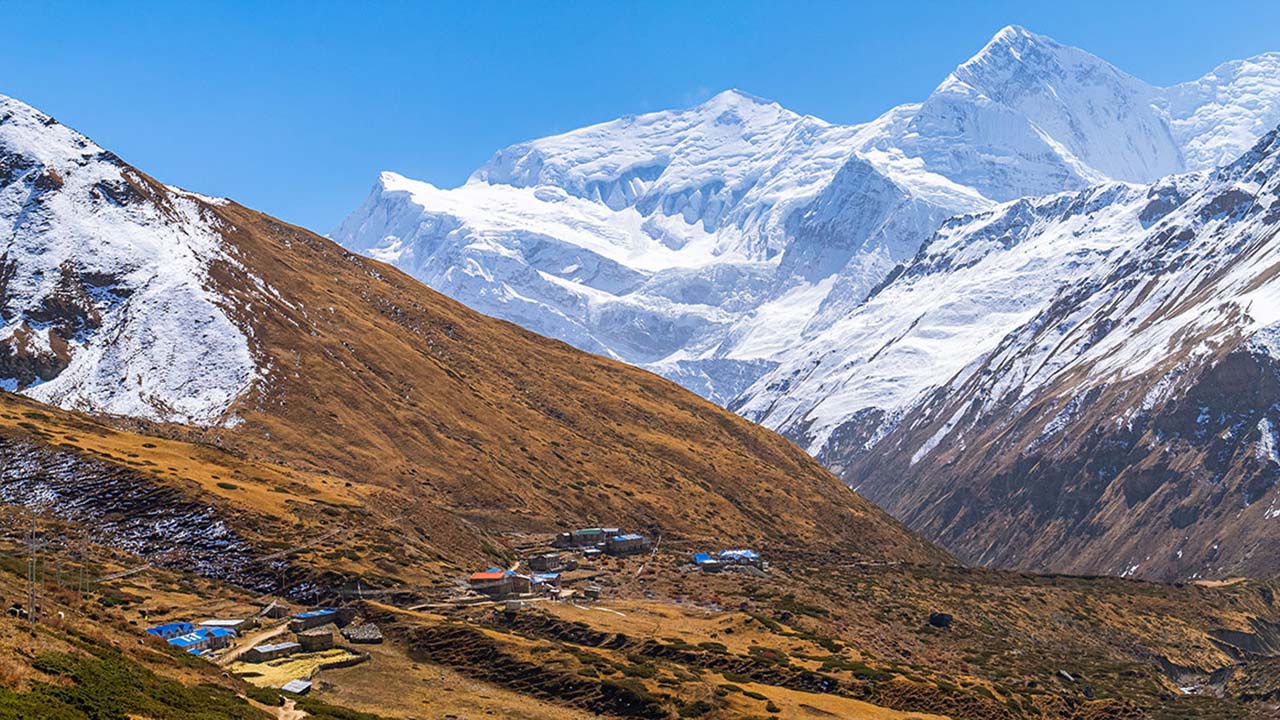
The Thorong La Pass day is commonly described as the hardest but also the most rewarding. Seniors who crossed the pass safely usually started early, walked slowly, took frequent breaks, and stayed well hydrated. They also emphasized the importance of mental strength and staying positive even when the trail feels long.
Most senior trekkers say the scenery, local culture, and personal sense of achievement made the effort worthwhile. At the same time, they honestly admit that proper training, good health, and strong support were essential. These real experiences show that the trek is possible for seniors, but only when done wisely and responsibly.
Cost, Time, and Practical Planning for Senior Trekkers
For seniors, planning time and budget properly is just as important as physical preparation. The Annapurna Circuit usually takes 14 to 21 days, but seniors are advised to choose 18 to 22 days to allow slower walking and extra rest days. A longer itinerary reduces pressure on the body and lowers the risk of altitude-related problems.
In terms of cost, seniors often spend slightly more than young trekkers because of additional support. Hiring a guide and a porter is highly recommended. A guide helps with safety and pacing, while a porter carries the heavy bag, which protects knees and reduces fatigue. This extra support greatly improved comfort and success rate.
Other practical planning includes choosing the right season. Spring (March to May) and autumn (September to November) are best because the weather is stable and trails are safer. Seniors should also need to invest in good trekking insurance, which covers high altitude helicopter evacuation.
Simple planning choices like better accommodations, warm clothing, proper nutrition, and rest days can make a big difference. When time, cost, and safety are planned wisely, the Annapurna Circuit becomes far more manageable for senior trekkers.
Safety Tips and Risk Management for Senior Trekkers
Safety should be the top priority for seniors on the Annapurna Circuit Trek. The most important rule is to walk slowly and never rush, especially at higher altitudes. Seniors should take regular breaks, drink plenty of water, and eat properly, even if their appetite feels low. These small habits help prevent altitude sickness and extreme fatigue.
Daily health monitoring is very helpful. Checking oxygen levels with a pulse oximeter, watching for headaches, dizziness, or unusual tiredness, and informing the guide early can prevent seniors' problems. Seniors should never hide discomfort to keep going.
Proper gear also plays a big role in safety. Good trekking shoes, warm-layered clothing, trekking poles, and sun protection reduce injury and weather-related risks. The weather can change quickly in the mountains, so flexibility in the itinerary is important.
Lastly, seniors must have travel insurance that covers high-altitude trekking and emergency evacuation. Knowing that help is available in emergencies provides peace of mind and allows seniors to enjoy the trek with confidence and calmness.
Final Verdict: Is Annapurna Circuit Trek Suitable for Seniors?
The Annapurna Circuit Trek can be suitable for seniors, but it is not for everyone. Age alone should not decide the answer. Seniors who are in good health, stay active, and prepare properly have a realistic chance of completing the trek safely. The key factors are physical fitness, medical clearance, slow pacing, proper acclimatization, and strong support on the trail.
For seniors with heart problems, uncontrolled blood pressure, severe joint issues, or very limited fitness, the Annapurna Circuit may be too demanding. In such cases, shorter and lower altitude treks in Nepal are safer and more enjoyable options. There is no shame in choosing a trek that matches one's comfort level.
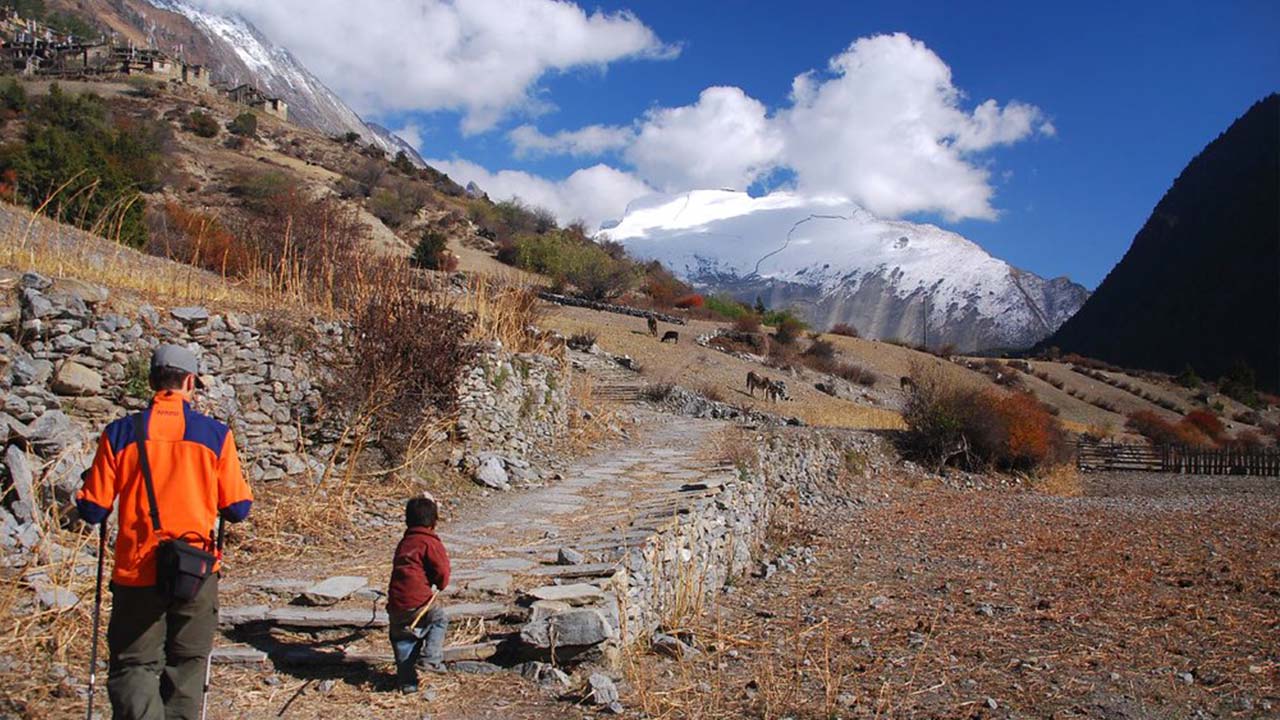
For well-prepared seniors, the Annapurna Circuit offers incredible rewards. The changing landscapes, mountain views, village life, and personal achievement create a deeply meaningful experience. With a longer itinerary, a guide and porter, and careful attention to health, many seniors complete the trek with confidence and pride.
In conclusion, the Annapurna Circuit is not an easy trek, but for the right senior trekker, it can be a safe, rewarding, and life-enriching journey when approached with respect, preparation, and realistic expectations.