

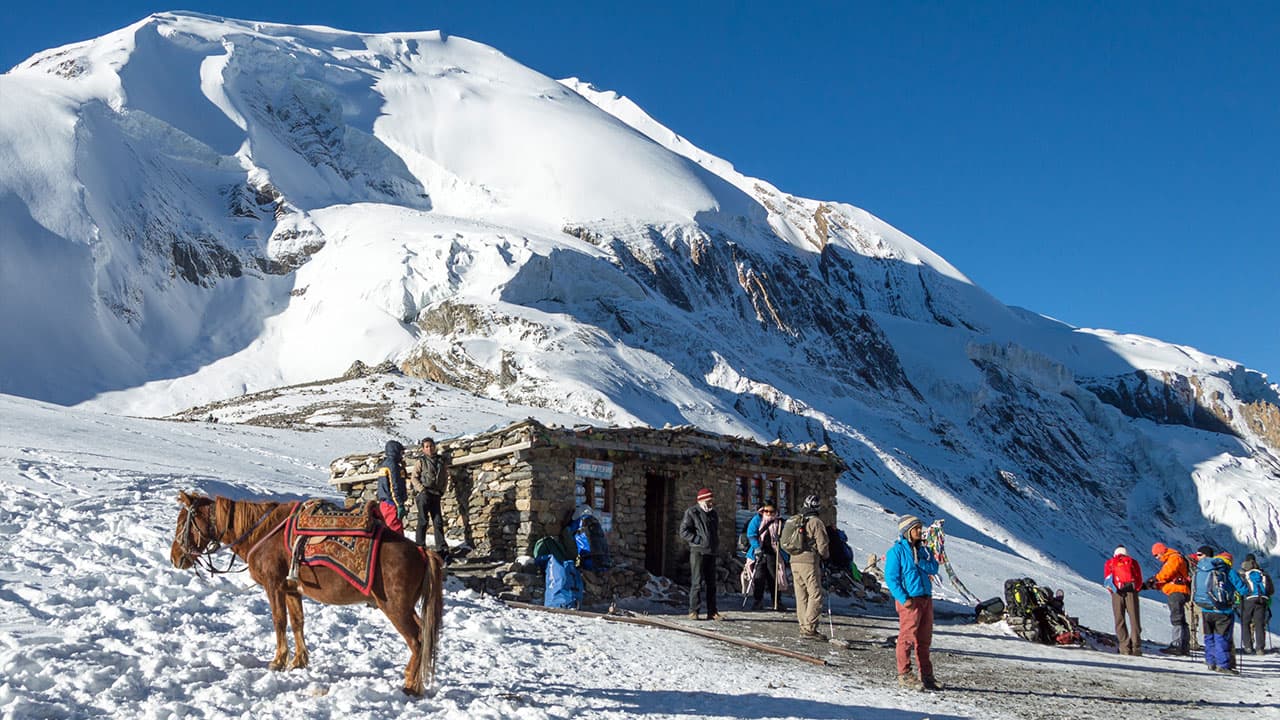
Crossing Thorong La Pass is one of the most famous and challenging parts of trekking in Nepal. It is located in the Annapurna region. Thorong La is the highest point on the Annapurna Circuit Trek, which is standing at 5,416 meters (17,769 feet) above sea level. Many people dream of crossing it, but they also wonder, “Is It Hard to Cross Thorong La Pass?” The honest answer is: it can be hard, but with proper preparation and guidance, it is achievable for most trekkers.
The day of crossing the pass is long and physically demanding. Trekkers often start before sunrise, walking uphill for several hours in cold temperatures, strong winds, and thin air. The reduced oxygen at high altitude can make breathing harder, and many people feel tired or dizzy. Weather conditions in the Himalayas are unpredictable, and snow or storms can appear suddenly. All these factors together make Thorong La Pass a real test of endurance, mental strength, and planning.
However, the pass is not a technical climb. You do not need ropes, ice axes, or special climbing skills. The trail is a walking route, and with good physical fitness, proper acclimatization, and the support of guides or trekking companies like Eco Holidays Nepal, most trekkers can cross it safely.
In this blog, we will explain the challenges, risks, preparation tips, and rewards of Thorong La Pass. You will understand why it is considered tough, still achievable, and how crossing it becomes one of the most memorable and rewarding experiences of a lifetime in the Himalayas.
What Is Thorong La Pass?
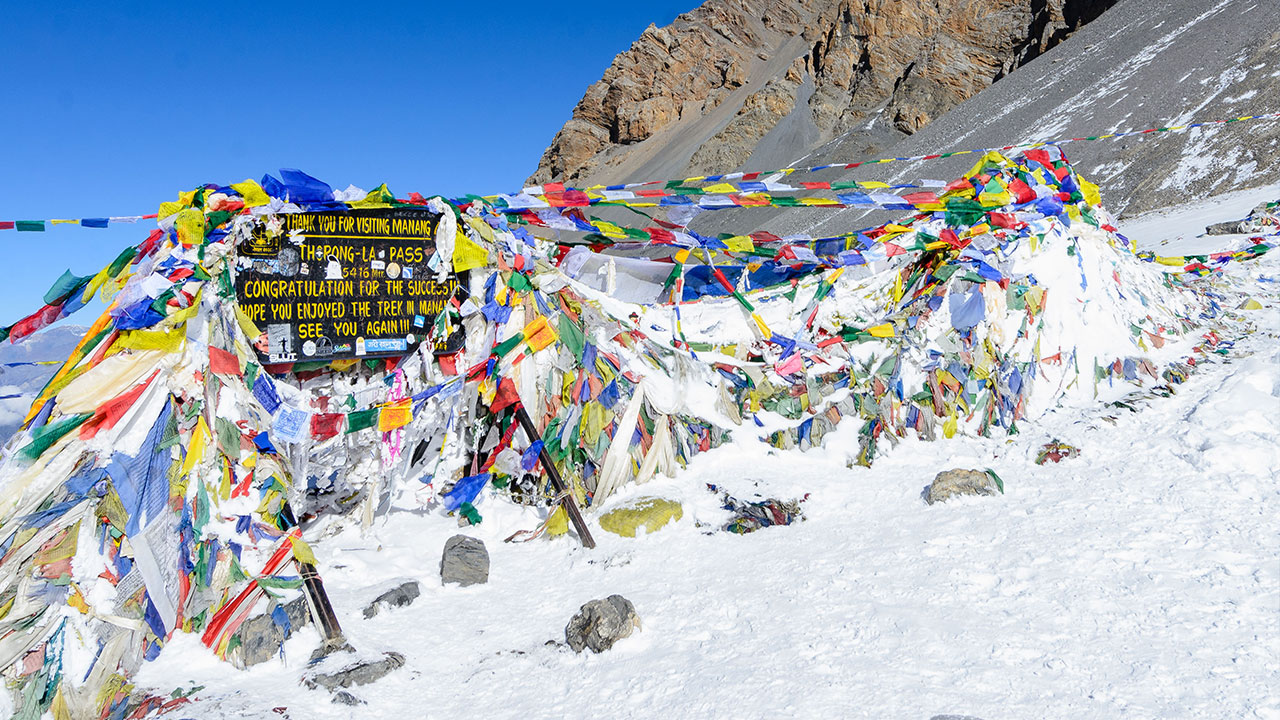
Thorong La Pass is a high mountain pass in the Himalayas of Nepal, which is located on the famous Annapurna Circuit Trek. It connects the Manang Valley on the east side to the Muktinath Valley in Mustang on the west. At an altitude of 5,416 meters (17,769 feet), it is the highest point of the trek. Crossing it is often considered the most challenging day, but it is also the most rewarding, offering breathtaking Himalayan views.
The pass itself is a walking trail, not a climbing route. Trekkers follow steep zig-zag paths through rocky terrain, snow patches, and windy high-altitude areas. While it does not require technical mountaineering skills, the thin air, long walking hours, and cold temperatures make it physically demanding. Many trekkers begin their journey to the pass very early in the morning, sometimes before sunrise, to reach the top safely and descend while the weather is stable.
Thorong La is surrounded by majestic peaks such as Annapurna I, Nilgiri, and Tilicho, creating a panoramic view that is unforgettable. The scenery changes dramatically along the trek, starting from green valleys and rivers at lower altitudes to rocky, snow-covered landscapes at the pass. These contracting landscapes make the trek visually rewarding and help trekkers to experience the variety of Nepal's natural beauty.
Along the trail, small teahouses and lodges provide accommodation and meals for trekkers. Some trekkers also hire guides and porters to help with logistics, carry luggage, and ensure safety. Companies like Eco Holidays Nepal organize this trek carefully, arranging proper acclimatization days to help trekkers adapt to high altitude.
So, Thorong La Pass is not just a trail; it is a symbol of achievement for trekkers. It combines physical challenge, natural beauty, and cultural experience. While it is demanding, with preparation, guidance, and careful planning, most trekkers can cross it successfully and enjoy one of the most memorable experiences of their Himalayan journey.
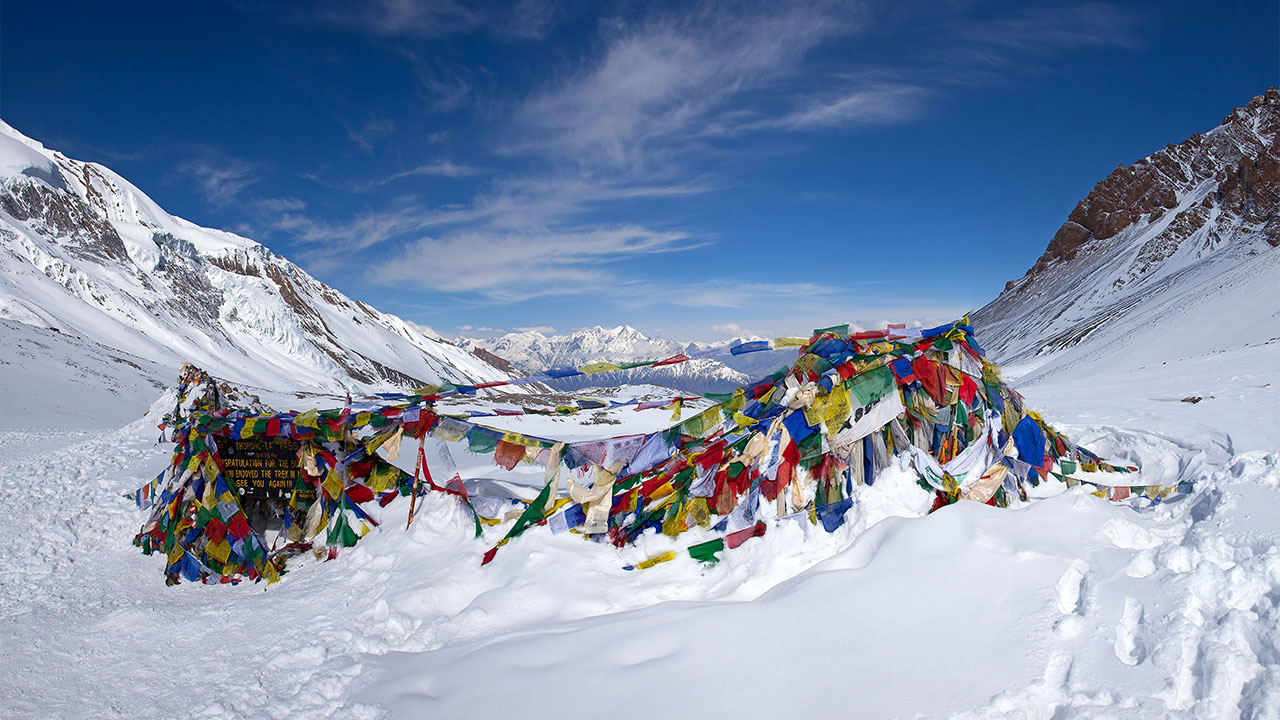
How Hard is Thorong La Pass?
Crossing Thorong La Pass is often considered the most challenging part of the Annapurna Circuit Trek. The difficulty mainly comes from three factors: high altitude, long walking hours, and cold, unpredictable weather. Understanding these challenges can help trekkers prepare properly and avoid serious problems.
High Altitude
The pass sits at 5,416 meters (17,769 feet), where the air has much less oxygen than at sea level. Breathing becomes hard, and your body has to work extra hard to get enough air. Many trekkers feel tired, dizzy, or short of breath. These are common signs of altitude sickness, also called Acute Mountain Sickness ( AMS). Proper acclimatization, by resting a day or two in Manang or Thorong Phedi, reduces the risks and makes the climb easier. High altitude can also affect your sleep, appetite, and mood, so taking it slow and listening to your body is very important.
Long Trekking Day
The day to cross the pass is long, often taking 8-12 hours. Trekkers usually start before sunrise, walking uphill for hours on switchback trails. After reaching the top, there is still a long downhill walk to Muktinath Valley. Even fit trekkers can feel exhausted because of the combination of steep paths and high altitude. Carrying light backpacks, pacing yourself, and taking short breaks along the way can make this long day more manageable and less tiring.
Cold and Unpredictable Weather
At high elevation, temperatures are very low even in spring or autumn. Strong winds, snow, or sudden storms can slow down walking and make the trail slippery. Good clothing, a trekking pole, and early starts help to manage these conditions safely. Layered clothing, gloves, hats, and proper boots protect against frostbite and help trekkers stay warm during cold, windy, or strong conditions.
Mental Challenge
Apart from physical difficulty, crossing the pass requires mental strength. Walking in cold, thin air for hours, sometimes in darkness, can be exhausting. Staying calm, pacing yourself, and trusting your guide are important. Positive thinking, focusing on the next small goal, and enjoying the stunning scenery can help trekkers to overcome fear and fatigue during the climb.
In overall, Thorong La Pass is hard, but it is not impossible. With proper preparation, support from guides or trekking companies like Eco Holidays Nepal, and careful planning, most trekkers can complete the crossing safely and enjoy the stunning Himalayan scenery that makes all the effort worthwhile.
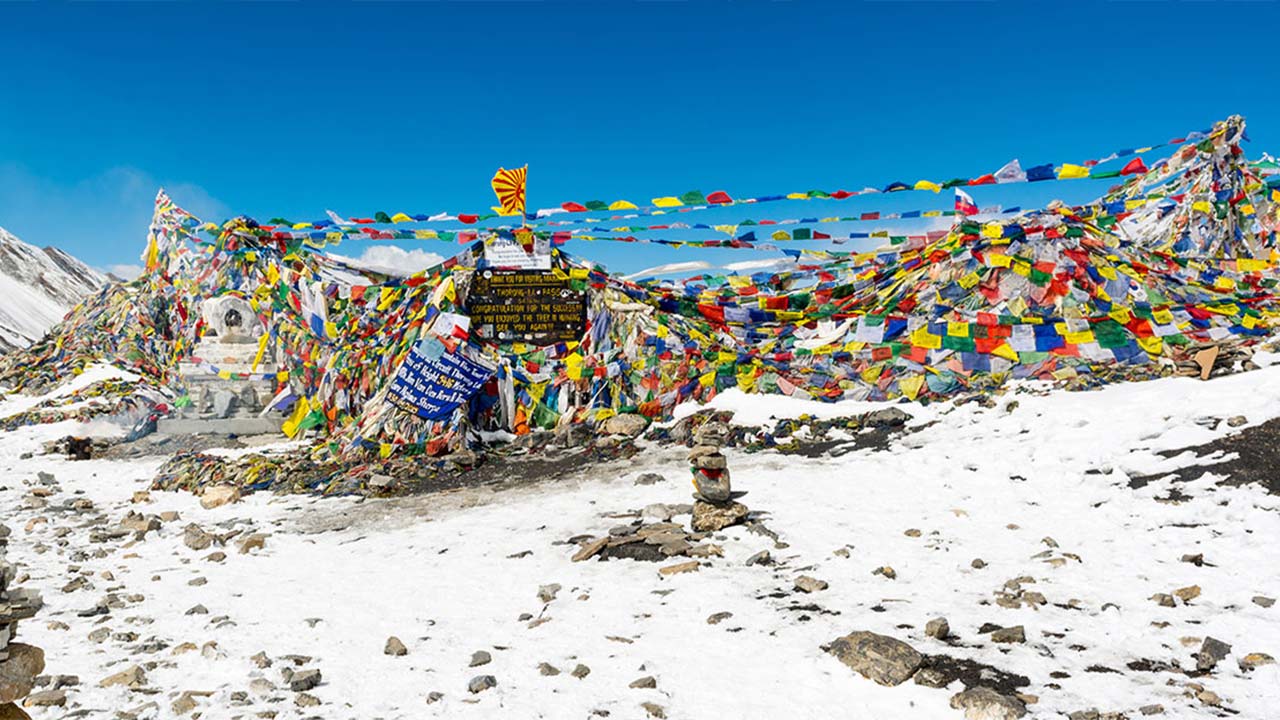
Why People Think Crossing Thorong La Pass is Hard?
Many trekkers feel that crossing Thorong La Pass is the hardest part of the Annapurna Circuit Trek. While it is achievable, several challenges make it mentally and physically demanding. Here are the main reasons:
- Breathing is Hard at High Altitude: At 5,416 meters (17,769 feet), your body is not able to take in enough oxygen like in lower valleys. This makes breathing harder, and your body works harder even while walking slowly. Trekkers may feel dizzy, tired, or short of breath. Proper acclimatization is essential to reduce these effects.
- Very Early Start: Most trekkers begin their climb before sunrise to reach the top safely. Walking in the dark, in cold conditions, and at high altitude can be mentally challenging. The early start is necessary to avoid afternoon snowstorms and strong winds that may occur at higher elevations.
- Long Uphill and Downhill Trail: The day includes many hours of walking uphill and then descending steep paths into Muktinath Valley. Even physically fit trekkers feel exhausted because of the combination of steep paths, thin air, and long hours of walking. Pacing yourself and taking a break is important.
- Unpredictable Weather: The weather in the high Himalayas can change suddenly. A clear morning can turn into snow, rain, or strong winds within minutes. Trekkers must be prepared for cold, slippery trails, and reduced visibility. Carrying proper gear and layers is essential for safety.
- Risk of Altitude Sickness: Even well-prepared trekkers can experience headaches, nausea, or dizziness due to altitude. Recognizing symptoms early and descending if necessary is critical. Guides and trekking companies like Eco Holidays Nepal help to monitor trekkers to avoid serious health problems.
In summary, Thorong La Pass is not just physically tough because it challenges your body, mind, and planning skills. Understanding these reasons helps trekkers prepare, stay safe, and enjoy the stunning views along this remarkable Himalayan trail.
Good News, It is Hard but Doable
While Thorong La Pass is challenging, the good news is that it is doable for most trekkers. Many people successfully cross it every year, and with proper preparation, the experience can be safe, enjoyable, and extremely rewarding.
- Non-Technical Trek: The pass is a walking trail, not a technical climb. You do not need ropes, ice axes, or special mountaineering skills. The main challenges are altitude, long walking hours, and weather, which can be managed with planning and pacing. This makes it possible for people with reasonable fitness to complete the crossing successfully.
- Support Along the Way: Along the Annapurna Circuit, there are teahouses and lodges where trekkers can rest, eat, and sleep. Many trekkers also hire guides and porters to carry luggage, monitor health, and provide advice. Companies like Eco Holidays Nepal carefully plan treks, arrange accommodations, and ensure proper acclimatization by making the journey safer and more comfortable.
- Proper Acclimatization Helps: Spending extra days at Manang, Thorong Phedi, or nearby villages allows your body to adjust to high altitude. This reduces the risk of altitude sickness and makes walking uphill easier. Even a slow pace with short breaks is effective when combined with acclimatization.
- Mental Preparation Matters: Crossing the pass is as much a mental challenge as a physical one. Trekkers who stay calm, focus on one step at a time, and enjoy the surrounding Himalayan scenery often find the day easier and more rewarding. Positive thinking and support from guides or fellow trekkers make a big difference.
To sum it up, while Thorong La Pass is hard, it is not impossible. With fitness, planning, acclimatization, and support, most trekkers can safely cross the pass. The breathtaking views, sense of achievement, and Himalayan adventure make all the effort worthwhile, turning the challenge into a lifetime memory.
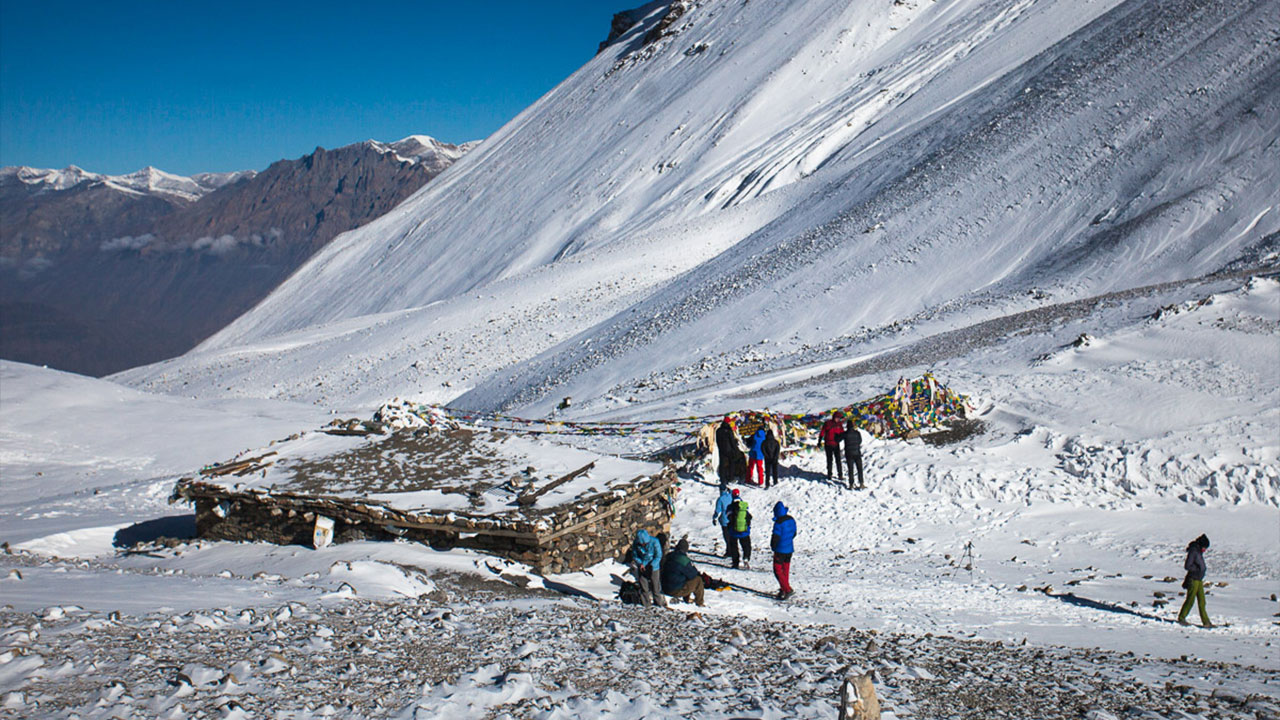
How to Prepare for Choosing Thorong La?
Proper preparation is the key to successfully crossing Thorong La Pass. While the trail itself does not require climbing skills, physical fitness, mental readiness, and careful planning are essential.
- Build Physical Fitness: Before the trek, practice walking, jogging, stair climbing, and hill hikes. Strengthening your legs, core, and lungs helps you handle long hours of walking at high altitude. Even simple daily walks with a light backpack can improve stamina.
- Acclimatize Properly: High altitude is the main challenge. Spending extra days at Manang or Thorong Phedi allows your body to adjust gradually. This reduces the risk of altitude sickness and makes the uphill walk easier. Never rush the climb because slow steps are safer.
- Stay Hydrated and Eat Well: Drink plenty of water and eat high-energy foods during the trek. Hydration helps your body adapt to thin air, while nutritious meals provide energy for long trekking hours. Avoid alcohol, which can worsen altitude sickness.
- Pack the Right Gear: Bring warm layered clothing, gloves, hats, windproof jackets, trekking boots, and trekking poles. A good sleeping bag is essential for cold nights. Picking light but smart makes walking easier and safer.
- Trek in the Right Season: The best time to cross Thorong La Pass is Spring (March -May) or Autumn (September- November). The weather is more stable, trails are clear, and temperatures are manageable. Avoid winter unless you are highly experienced with snow trekking.
- Go with Guide or Trek Company: Experienced guides help with pacing, spotting, altitude sickness, and handling emergencies. Companies like Eco Holidays Nepal organize permits, accommodation, meals, and safety measures by making the trek easier and more enjoyable.
By following these steps, fitness, acclimatization, hydration, proper gear, the right season, and reliable guidance, most trekkers can prepare well for Thorong La Pass. Preparation reduces risk, boosts confidence, and makes crossing the pass a memorable Himalayan achievement.
Safety and Risks
While Thorong La Pass is achievable, it is a high-altitude trek. It comes with certain risks. Being aware of them and preparing well ensures a safer and more enjoyable crossing. Here are the main safety points:
- Watch for Altitude Sickness: At 5,416 meters (17,769 feet), the air has less oxygen. You may feel headache, dizziness, nausea, or tiredness. Even strong walkers can get sick. As a tip for you, walk slowly, drink plenty of water, rest often, and go down immediately if you feel very unwell.
- Be Ready for Weather Changes: The mountains can change quickly. A sunny morning can suddenly become snowy, windy, or rainy. As a tip, check the weather before starting, wear warm and waterproof clothes, and start early to avoid bad weather.
- Pace Yourself on Long walks: The trail goes uphill and downhill for many hours. Legs can get tired, and it can be hard to keep going. As a tip, use trekking poles, wear good boots, take short rest, and keep a steady pace.
- Keep Yourself Warm in Cold Temperatures: Even in spring or autumn, it can be very cold at the pass. Frostbite or hypothermia is possible if you are not prepared. As a tip, wear layers, gloves, hats, and carry a good sleeping bag for cold nights.
- Know Emergency Help is Far: Medical help is not nearby. If someone becomes very sick, a helicopter may be needed, but they cannot fly in bad weather. As a tip, trek with experienced guides or a trusted company like Eco Holidays Nepal.
- Take Care of Your Mind and Body: Long walks in cold air can make you tired and stressed. As a tip, stay calm, focus on one step at a time, and think positively.
- Watch Your Steps on Slippery Trails: Snow, ice, and loose rocks make walking tricky. As a tip, walk carefully, use trekking poles, and wear boots with good grip.
By following these tips, you can stay safe, enjoy the trek, and make crossing Thorong La Pass a happy and memorable experience.
Final Verdict: Is It Hard to Cross Thorong La Pass or Not?
So, is Thorong La Pass hard? The answer is both yes and no. It is physically challenging because of the high altitude, long walking hours, cold temperatures, and unpredictable weather. Many trekkers say it is the hardest day of the Annapurna Circuit Trek. Breathing becomes harder, your legs feel tired, and mental strength is tested. Even experienced trekkers feel the challenge.
But at the same time, it is achievable for most people. The trail is not a technical climb; you do not need ropes, ice axes, or special climbing skills. With good preparation, proper pacing, and guidance from experienced guides or trekking companies like Eco Holidays Nepal, most trekkers can cross the pass safely. The key is fitness, acclimatization, mental readiness, and the right gear.
The rewards of crossing Thorong La Pass make all the effort worthwhile. From the top, trekkers see breathtaking Himalayan views, snow-covered peaks, and valleys stretching far below. The sense of achievement is enormous, knowing that helps you overcome altitude, cold, and fatigue, which gives confidence and pride that lasts a lifetime.
Preparation and caution make the difference. Following a planned itinerary, taking acclimatization days, walking slowly, staying hydrated, and listening to your body reduces risks. Mental focus, positivity, and support from guides can help to overcome exhaustion and fear during the long uphill climb.
In summary, Thorong La Pass is hard but doable. It tests your endurance, patience, and determination, but it also rewards you with unforgettable views, a sense of achievement, and a once-in-a-lifetime experience. With proper planning and the right mindset, crossing the pass will turn into a memorable adventure that you will never forget.