

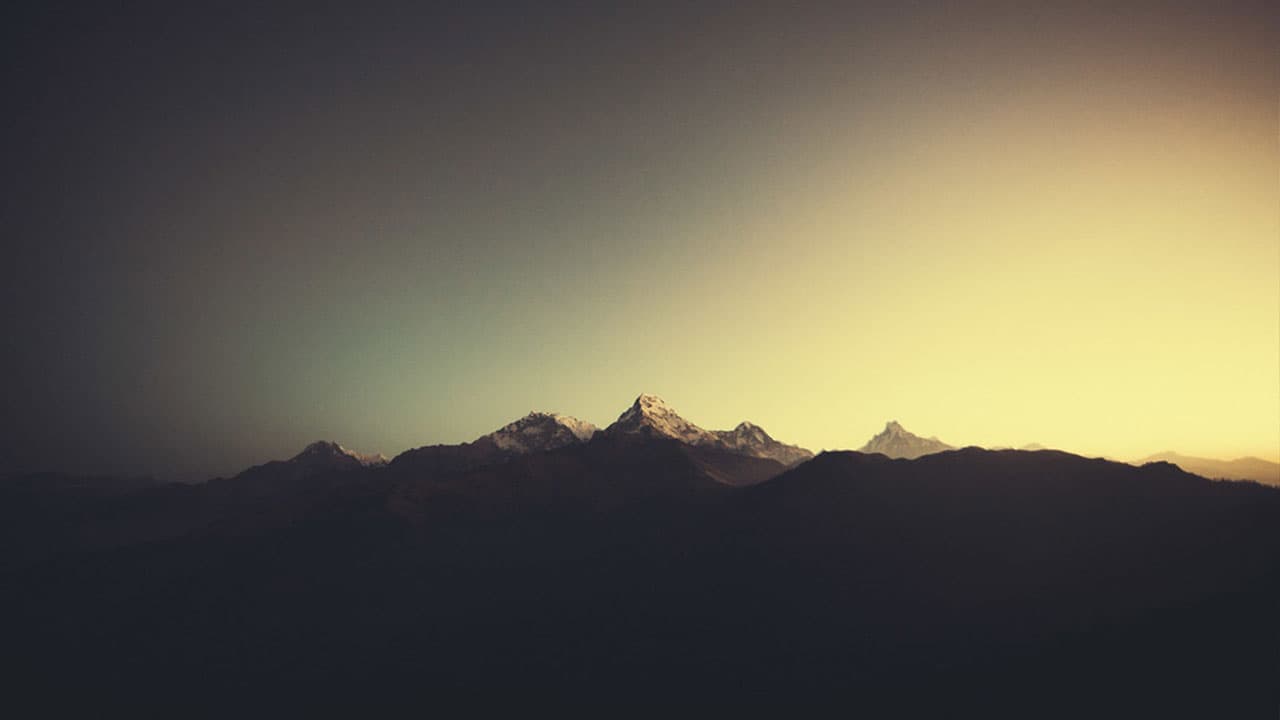
The Annapurna Circuit is one of the most famous trekking routes in Nepal. It circles the Annapurna massif and passes through a wide range of landscapes, cultures, and climates. The trek usually takes 12 to 18 days, depending on the route and acclimatization days. The total trekking distance is around 160 to 180 kilometers. The highest point of the trek is Thorong La Pass, which stands at 5,416 meters above sea level. Trekkers gradually gain altitude as they travel from the green Marsyangdi Valley to the dry Himalayan desert of Mustang. Because of this elevation change, the scenery and sunrise views vary greatly along the trail.
Watching the sunrise in the Himalayas is an unforgettable experience during the Annapurna Circuit Trek. When the first rays of sunlight reach the high mountains, the snow-covered peaks slowly change colors. They shift from dark blue to pink, then to orange and golden shades. This happens because the highest mountains receive sunlight earlier than the valleys below. The effect is known as alpenglow, and it is especially dramatic on the Annapurna range. Early morning light also creates sharp shadows and bright reflections on glaciers and snow slopes, making the mountains appear clearer and more dramatic than at any other time of the day.
Why Early Morning Offers the Best Mountain Views?
Sunrise is usually the clearest time of the day in the mountains. During the morning hours, winds are calm, and the sky is often free from clouds. As the day progresses, clouds can develop and hide the peaks. That is why many trekkers wake up before 5:00 AM to reach viewpoints before sunrise. From places like Upper Pisang, Manang, Ice Lake, and Muktinath, trekkers can witness the breathtaking views of peaks such as Annapurna II (7,937 m), Annapurna III (7,555 m, Gangapurna (7,455m), Tilicho Peak (7,134 m), and Dhaulagiri (8,167 m. These sunrise moments are often the highlight of the entire Annapurna Circuit journey.
Upper Pisang: First Great Sunrise Viewpoint on the Annapurna Circuit
Upper Pisang is one of the first places on the Annapurna Circuit where trekkers experience dramatic sunrise views of the Himalayas. The village lies at an altitude of around 3,300 meters above sea level, high above the Marsyangdi River valley. Trekkers usually reach Upper Pisang after leaving Chame, the administrative center of the Manang district. This section of the trek typically comes on Day 4 or Day 5 of the journey, depending on the itinerary. Many trekking guides and operators, including Eco Holidays Nepal, recommend trekking the Upper Pisang trail instead of the lower valley route because the higher path provides far better mountain views and a more scenic trekking experience.
Sunrise Experience from the Village Ridge
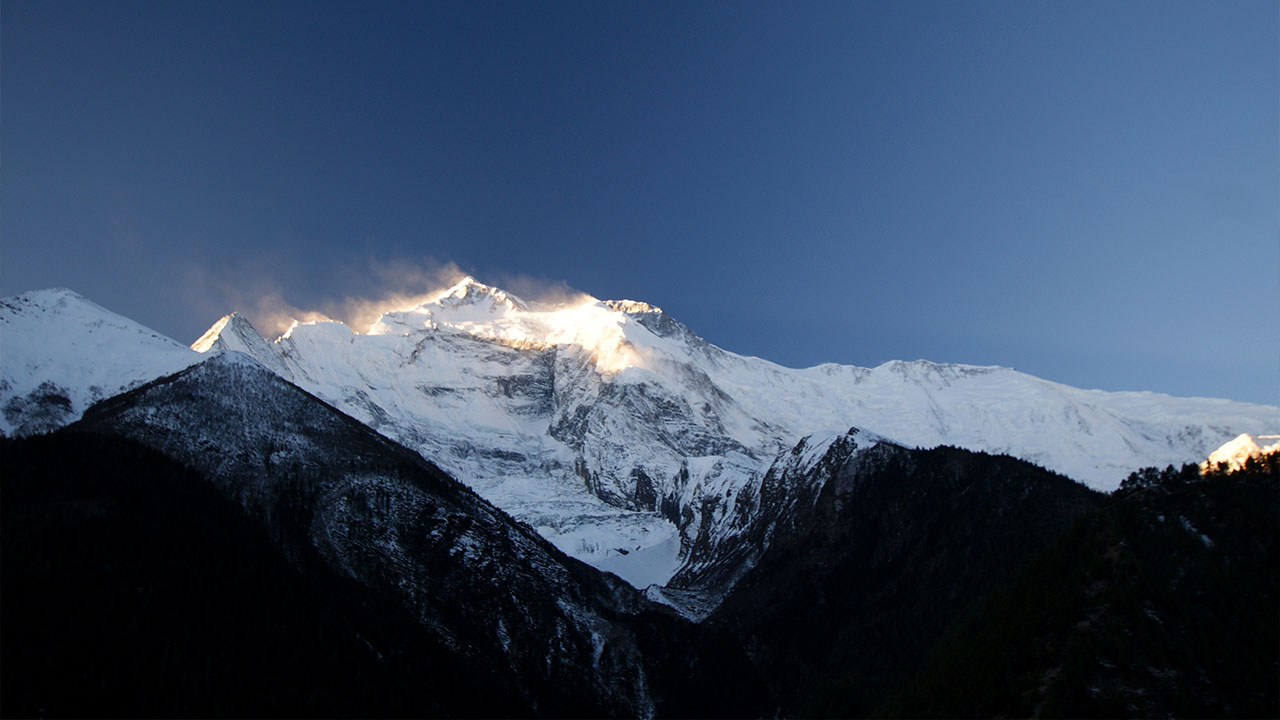
Upper Pisang sits on a hillside ridge facing the eastern Himalayan peaks. Because of this position, the village offers an excellent angle of sunrise. Before sunrise, the surrounding mountains appear dark blue against the early morning sky. As the sun rises, the peaks slowly turn pink and then bright orange. The light first touches the upper snow slopes while the deep valley below remains in shadow. This contrast creates a beautiful layered landscape that is perfect for photography and peaceful morning views.
From Upper Pisang, trekkers can enjoy a wide panorama of several major peaks in the Annapurna region. These include:
- Annapurna II (7,937 m)
- Annapurna IV (7,525 m)
- Pisang Peak (6,091 m)
- Gangapurna (7,455 m)
- Tilicho Peak (7,134 m)
- Pisang Peak (6,091 m)
Cultural Beauty During Sunrise
Sunrise in Upper Pisang is not only about the mountains. The view also includes traditional stone houses, Buddhist monasteries, and colorful prayer flags moving in the morning wind. This mix of Himalayan culture and glowing mountain scenery makes Upper Pisang one of the most memorable sunrise viewpoints on the Annapurna Circuit.
Manang Viewpoint and Gangapurna Lake Sunrise
Manang is one of the most important villages on the Annapurna Circuit. The settlement lies at an altitude of about 3,540 meters. It serves as the main acclimatization stop before trekkers move towards higher elevations. Most trekking itineraries include one rest or acclimatization day in Manang to help the body adjust to thinner air. During this day, trekkers usually hike to higher viewpoints above the village early in the morning. These viewpoints offer some of the best Sunrise views in the central Annapurna region. Because Manang sits in a wide alpine valley surrounded by massive peaks, sunrise here feels open, calm, and incredibly scenic.
Sunrise Hike to Gangapurna Lake Viewpoint
One of the most popular sunrise hikes from Manang leads to the viewpoint above Gangapurna Lake. This glacial lake sits at the base of the Gangapurna glacier. It can be reached in about 1 to 2 hours of uphill walking from the village. Trekkers often start the hike early in the morning and reach the ridge before the sun appears. As the sunlight slowly reaches the mountains, the frozen lake below begins to reflect soft golden colors. The quiet atmosphere, cool air, and wide mountain scenery make this sunrise moment very peaceful and memorable for many trekkers.
From the viewpoint above Manang, trekkers can see several impressive peaks of the Annapurna range. These include:
- Annapurna III (7,555 m)
- Annapurna IV (7,525 m)
- Gangapurna (7,455 m)
- Tilicho Peak (7,134 m)
- Khangsar Kang (7,485 m)
- Chulu East (6,155 m)
- Chulu West (6,419 m)
- Pisang Peak (6,091 m)
Why Manang Sunrise Is Special?
The combination of a glacial lake, a snow peak, and traditional village life creates a unique sunrise scene. Many trekkers consider the sunrise above Manang to be one of the most beautiful and relaxing moments on the Annapurna Circuit.
Ice Lake (Kicho Tal): High Altitude Sunrise Viewpoint
Ice Lake (Tal) is one of the highest and most impressive sunrise viewpoints on the Annapurna Circuit. The lake lies at an altitude of about 4,600 meters, high above the village of Manang. Trekkers usually visit Ice Lake during their acclimatization day in Manang. The round hike takes around 5 to 6 hours, depending on walking speed and weather conditions. Because of its elevation, Ice Lake provides much wider and clearer views of the Annapurna mountains compared to lower viewpoints. Many trekking guides consider this hike to be one of the best acclimatization activities before crossing higher sections of the circuit.
Sunrise Experience at Ice Lake
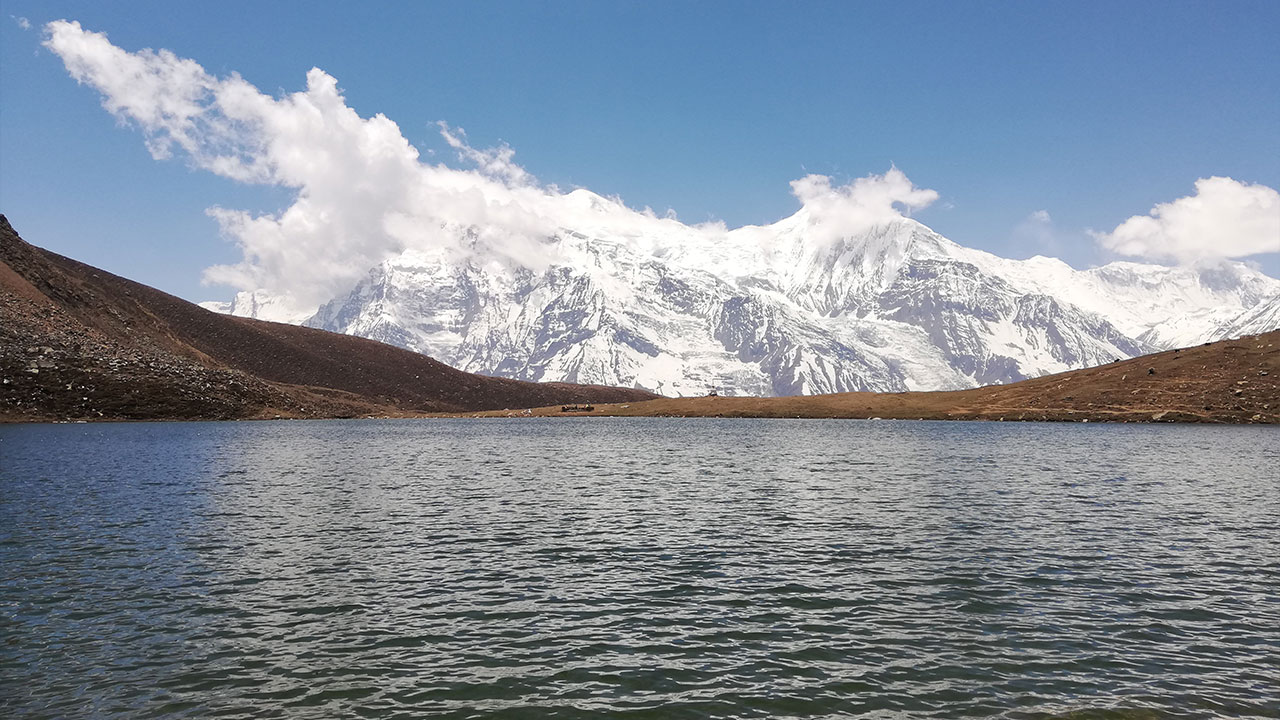
Sunrise at Ice Lake feels very different from lower viewpoints on the trek. The air is thinner, and the sky appears deeper blue. As the first sunlight appears above the eastern horizon, the surrounding snow peaks begin to glow bright orange and gold. The frozen surface of the lake reflects these colors, creating a dramatic alpine scene. Because the lake is located far from villages and busy trekking trails, the atmosphere here is extremely quiet and peaceful during early morning hours.
From Ice Lake, trekkers can enjoy panoramic views of several high Himalayan peaks. These include :
- Annapurna II (7,937 m)
- Annapurna III (7,555 m)
- Annapurna IV (7,525 m)
- Gangapurna (7,455 m)
- Tilicho Peak (7,134 m)
- Chulu East (6,155 m)
Why Ice Lake Is a Special Sunrise Spot?
Ice Lake is often called a hidden gem of the Annapurna Circuit. Its high elevation, peaceful surroundings, and wide Himalayan panorama make it one of the most rewarding sunrise viewpoints on the entire trek.
Thorong La Pass: The Highest Sunrise on the Annapurna Circuit
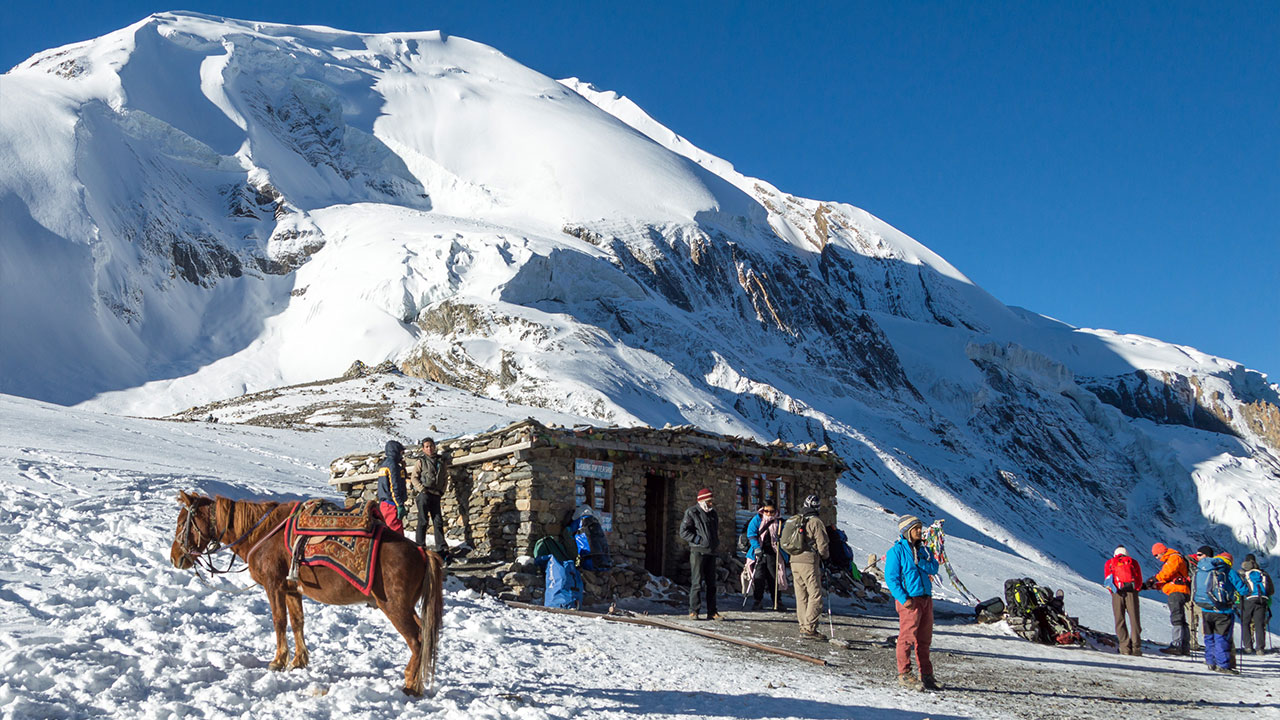
Thorong La Pass is the highest point of the Annapurna Circuit. It is one of the most famous mountain passes in Nepal. The pass stands at an altitude of 5,416 meters (17,769 ft). It connects the Manang Valley with the Mustang region. Reaching this pass is the main goal for most trekkers on the circuit. The climb usually happens after spending nights at Thorong Phedi (4,540 m) or High Camp (4,925 m). According to trekking itineraries used by operators like Eco Holidays Nepal, trekkers begin the ascent very early, usually between 4:00 and 5:00 AM, to avoid strong winds and unstable weather that often develops later in the day. The climb to the pass takes 3 to 5 hours, depending on fitness and acclimatization.
Sunrise Experience Above 5,000 Meters
Sunrise at Thorong La is one of the most dramatic moments on the Annapurna Circuit. At this altitude, the air is extremely clear. The sky appears darker blue than at lower elevations. As the sun rises, the snow-covered mountains slowly change colors from deep purple to bright orange and gold. Because the pass is higher than most surrounding ridges, trekkers can watch sunlight spreading across multiple Himalayan ranges at the same time. The vast open landscapes and quiet early morning atmosphere make the experience unforgettable.
From the top of Thorong La, trekkers can enjoy a wide Himalayan panorama. On a clear morning, the view includes:
- Dhaulagiri (8,167 m)
- Manaslu (8,163 m)
- Annapurna Range
- Nilgiri Himal (North, Central, and South)
- Gangapurna (7,455 m)
- Tilicho Peak (7,134 m)
- Chulu Peak (East and West)
- The vast Kali Gandaki Valley is one of the deepest valleys in the world.
Why This Sunrise Is One of the Best in the Himalayas?
Watching the sunrise from Thorong La is not only about the scenery. It also represents the most important milestones of the Annapurna Circuit trek. Standing above 5,000 meters with panoramic Himalayan views makes this sunrise one of the most rewarding experiences of the entire journey.
Muktinath: Sunrise in the Himalayan Desert Landscape
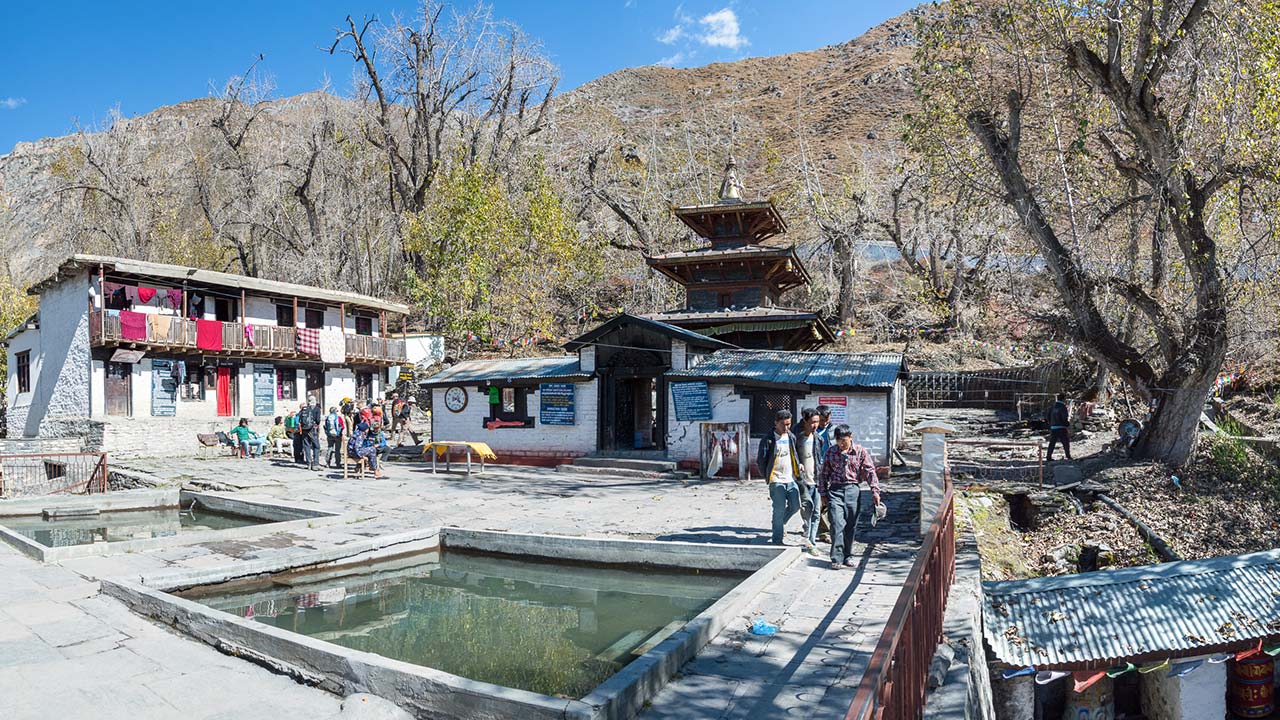
Muktinath Temple is one of the most important destinations reached after crossing Thorong La Pass. The temple area lies at an altitude of about 3,710 meters (12,172 ft) in the Mustang region of Nepal. After completing the long descent from Thorong La, most trekkers spend the night in the village of Muktinath or nearby Ranipauwa. This region marks a dramatic geographical transition from the green valleys of Manang to the dry Trans-Himalayan landscape of Upper Mustang. Because the village sits on an open hillside facing large mountain ranges, it provides excellent sunrise views across the Kali Gandaki Valley.
Sunrise Over the Mustang Landscape
Sunrise at Muktinath looks very different from the sunrise views earlier in the Annapurna Circuit. The landscape here is dry and desert-like, with red and brown hills stretching across the valley. As the sun rises, these hills glow orange while the snowy peaks behind them shine bright white. The contrast between the desert terrain and the high Himalayan mountains creates a very unique morning scene. Because the sky in Mustang is usually clear and dry, sunrise views are often sharp and colorful, making this location a favourite for photographers and trekkers.
From Muktinath, trekkers can see several major peaks and landscapes in the region, including:
- Nilgiri Himal (6,940 m)
- Dhaulagiri (8,167 m)
- Annapurna I (8,091 m)
- Tukuche Peak (6,920 m)
- Damodar Himal (6,244 m)
- Yakawa Kang (6,482 m)
- Purpung Himal (6,500 m)
- Kali Gandaki Gorge, which is the world's deepest river gorge between Dhaulagiri and Annapurna
Spiritual Sunrise Experience
Muktinath is sacred to both Hindus and Buddhists. The temple complex contains 108 holy water spouts and an eternal natural flame, attracting thousands of pilgrims every year. Watching sunrise near this sacred place brings a peaceful and spiritual feeling, making it one of the most meaningful moments on the Annapurna Circuit trek.
Best Season for Sunrise on the Annapurna Circuit
Sunrise views on the Annapurna Circuit depend greatly on the season and weather conditions. Clear skies and stable mountain weather allow trekkers to see the Himalayan peaks glowing in the golden light. Choosing the right trekking season helps to ensure better visibility, safer trails, and more memorable sunrise experiences along the route.
Autumn: The clearest Sunrise Season
Autumn is widely considered the best season to see sunrise views on the Annapurna Circuit. This season runs from late September to November. During autumn, the weather in the Himalayas becomes very stable after the monsoon rains end. The sky is usually clear, the humidity is low, and the mountain visibility is excellent. Because of these conditions, sunrise views from places like Upper Pisang, Manang, and Thorong La Pass are often extremely sharp and colorful. Temperatures are also comfortable for trekking during the day, usually ranging from 10°C to 20°C at mid-altitudes, although early mornings at high elevations can still drop below freezing.
Spring: Colorful Landscapes and Clear Mornings
Spring, which lasts from March to May, is another excellent time for sunrise trekking on the Annapurna Circuit. During this season, forests along the lower parts of the trail bloom with rhododendron flowers, adding vibrant color to the landscape. Morning skies are often clear, which allows trekkers to enjoy bright sunrise views of peaks such as Annapurna II and Gangapurna. Daytime temperatures are slightly warmer than in autumn, which makes trekking comfortable, especially in the lower valleys.
Winter and Monsoon Considerations
Winter (December to February) can also provide beautiful sunrise views because the air is very clear. However, temperatures at high altitudes like Thorong La can fall below -29°C, and heavy snow may close the pass. The monsoon season from June to August is generally the least favourable time for Sunrise views because clouds and rainfall often hide the mountains. For the best experience, most trekking companies recommend planning the Annapurna Circuit during spring or autumn when sunrise conditions are most reliable.
Best Time of Day for Sunrise Views
Regardless of the season, trekkers usually wake up around 4:30 to 5:00 AM to reach viewpoints before the sun rises. Early morning light provides the clearest mountain views and the most beautiful colors in the Himalayan peaks.
Why Sunrise Views Change with Altitude on the Annapurna Circuit?
Sunrise views on the Annapurna Circuit change dramatically with altitude. Higher elevations offer sharp, vibrant light and panoramic mountain vistas, while lower viewpoints provide softer, intimate views of villages and valleys.
How Altitude Affects Light and Colors?
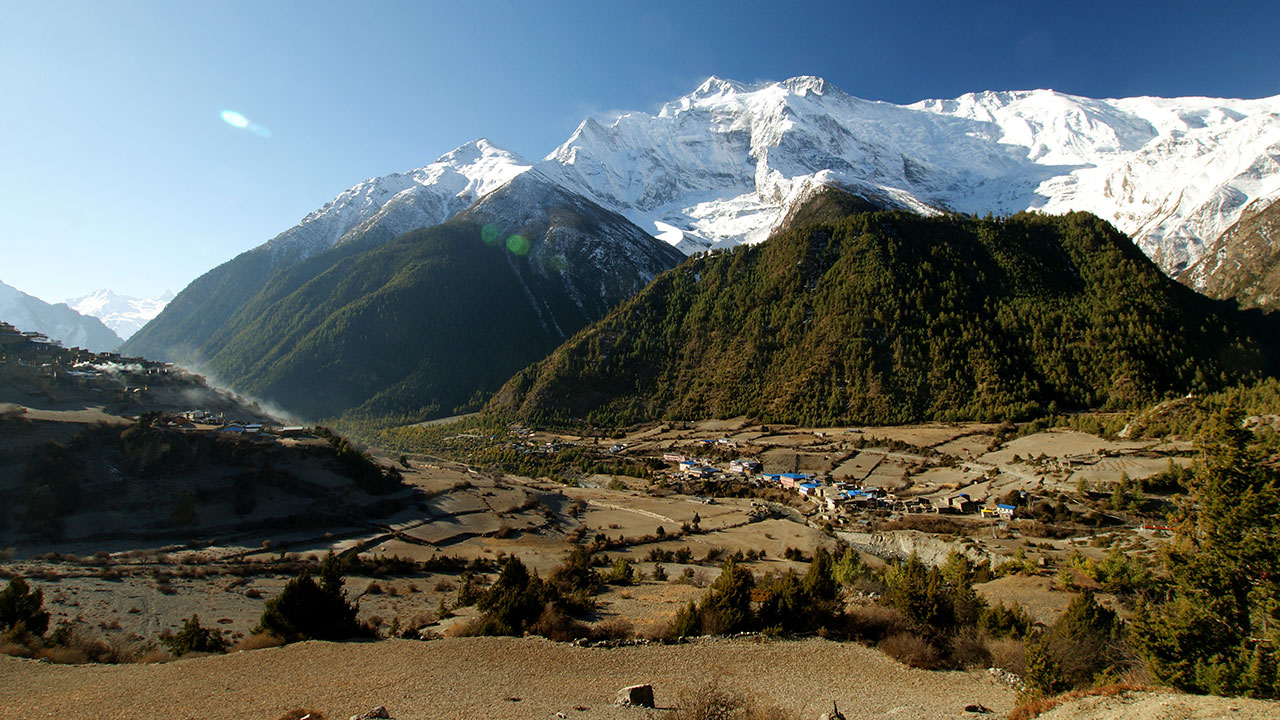
Sunrise looks very different at various altitudes along the Annapurna Circuit. At lower elevations, such as Upper Pisang (3,300 m), sunlight first touches nearby hills, creating soft and warm tones. As trekkers ascend to higher points like Ice Lake (4,600 m) or Thorong La Pass (5,426 m), the light becomes sharper, and mountain peaks glow more intensely, producing vivid oranges, golds, and pinks.
Atmospheric Clarity at Higher Elevations
At higher altitudes, the air is thinner and contains less dust and humidity. This means the colors during sunrise appear crisper and more vibrant, and the visibility of distant peaks is greatly improved. Conversely, lower altitude viewpoints may have some haze or clouds lingering in the valleys, softening the light and colors. These differences create a variety of sunrise experiences along the trek.
Perspective Differences from Various Viewpoints
-
Lower viewpoints (Upper Pisang, Manang) offer closer, detailed views of individual peaks, villages, and prayer flags.
-
Higher Viewpoints (Ice Lake, Thorong La, Muktinath): They provide wide panoramic vistas of multiple Himalayan ranges simultaneously, often stretching for tens of Kilometers.
Why Understanding Altitude Effect Matters?
Trekkers and photographers can plan their mornings based on altitude to capture the best sunrise moments. Early hikes to high viewpoints reward trekkers with dramatic panoramic Himalayan scenery, while lower viewpoints offer softer, more intimate lighting over villages and valleys. This variation makes the Annapurna Circuit a unique and diverse sunrise trekking experience.
Sunrise along the Annapurna Circuit is not just about the sun; it is about how elevation, light, and landscape interact while creating unforgettable mountain memories.