
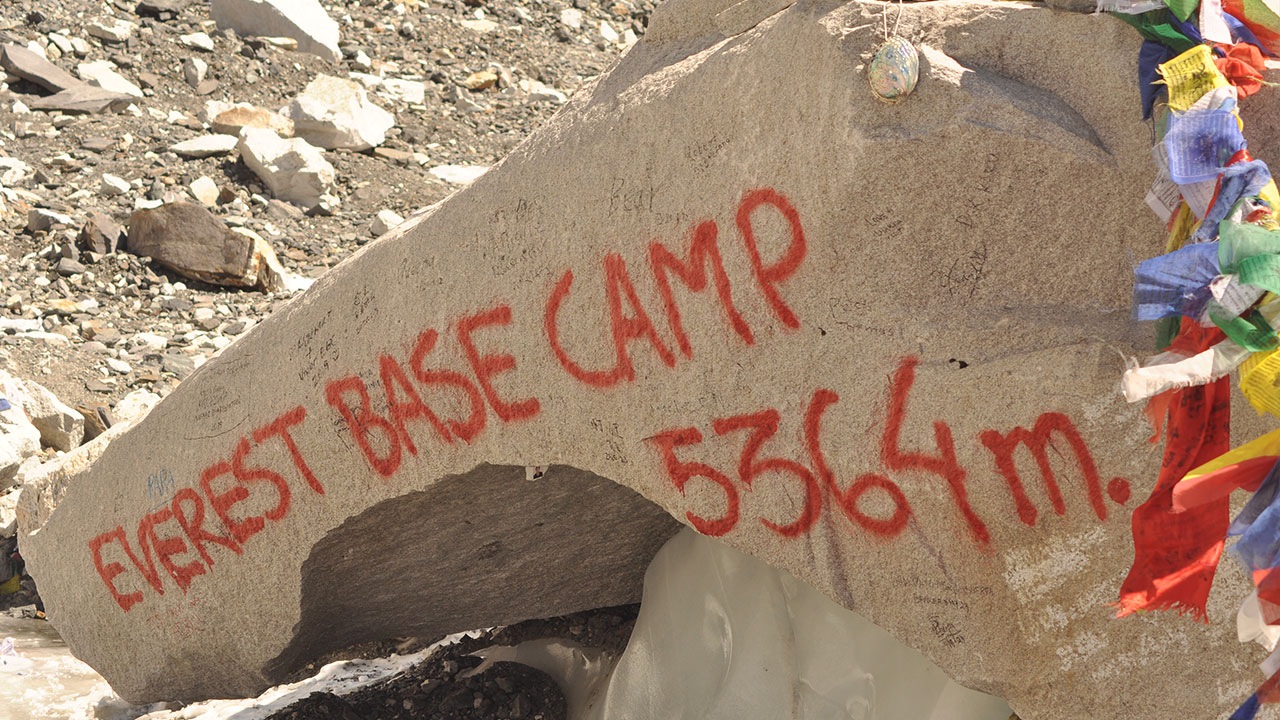
The Everest Base Camp trek is one of the most famous trekking journeys in the world. Every year, thousands of trekkers from all around the world walk through the beautiful Khumbu region and reach the base of the world's highest mountain, Mount Everest. The final destination, Everest Base Camp, is at an altitude of 5,364 meters (17,598 feet). At this height, the air contains much less oxygen than at sea level. Because of this, acclimatization becomes one of the most important parts of the trek.
Most trekkers begin their journey after flying to Tenzing-Hillary Airport in the small mountain town of Lukla, which lies at 2,860 meters above sea level. From there, the trail gradually climbs through famous Sherpa villages like Namche Bazaar, Tengboche, and Dingboche. As trekkers move higher each day, the oxygen level decreases, and the body needs time to adjust to the new altitude.
This process of adjustment is called acclimatization. Without proper acclimatization, trekkers may suffer from Acute Mountain Sickness (AMS), which can cause headaches, dizziness, nausea, and extreme fatigue. In serious cases, altitude sickness can become dangerous if it is ignored. That is why experienced trekking companies, including Eco Holidays Nepal, design their Everest trekking itineraries with special acclimatization days to help trekkers adapt safely.
Good acclimatization is not about rushing to the destination. Instead, it is about walking slowly, resting at the right place, and allowing the body to adjust step by step. Trekkers who follow proper acclimatization methods often feel stronger, enjoy the mountain views more, and have a much higher chance of successfully reaching Everest Base Camp.
In this blog, we will explore the best way to acclimatize on the Everest trek, including smart trekking strategies, key rest stops, and simple tips that help your body adapt to high altitude safely.
Understanding Altitude and Oxygen Levels on the Everest Trek
One of the biggest challenges of the Everest trek is the rapid change in altitude. As trekkers move higher into the Himalayas, the air becomes thinner, and the amount of oxygen available to the body decreases. This change is gradual but very noticeable during the journey to Everest Base Camp.
At sea level, the air contains plenty of oxygen, and our bodies are fully comfortable. But as altitude increases, the air pressure drops, which means every breath brings in less oxygen. By the time trekkers reach around 5,000 meters, the body receives about 50 percent less oxygen compared to sea level. Because of this, the body must work harder to function normally.
The Everest trek begins with a flight to Tenzing-Hillary Airport in Lukla at 2,860 meters. From there, the trail climbs gradually through the Khumbu region. Important altitude points along the trek include:
-
Namche Bazaar- 3,440 m
-
Tengboche- 3,860 m
-
Dingboche- 4,410 m
-
Lobuche- 4,910 m
-
Everest Base Camp- 5,364m
As trekkers reach these higher elevations, the body begins to react in different ways. People often breathe faster, feel more tired than usual, or experience difficulty sleeping. These reactions are normal signs that the body is trying to adapt to the lower oxygen level.
Most Everest Base Camp itineraries take 10 to 14 days to complete the trek. This longer duration is just not for sightseeing. It is designed to give the body enough time to adjust safely to high altitude. Trekking companies like Eco Holidays Nepal carefully plan the route and add rest days so trekkers can acclimatize properly.
Understanding how altitude affects the body helps trekkers to prepare better and follow a safe pace during this incredible Himalayan journey.
The “Climb High, Sleep Low” Rule
One of the most effective best way to acclimatize on the Everest Trek is by following the famous “Climb High, Sleep Low” rule. This method is widely used by experienced trekking guides and mountaineers in the Himalayas, especially on the journey to Everest Base Camp.
The idea is simple. During the day, trekkers hike to a higher altitude to allow their bodies to experience thinner air. Later, they return to a slightly lower altitude to sleep. This process helps the body slowly adapt to lower oxygen levels without putting too much stress on it.
When the body briefly reaches a higher altitude, it begins producing more red blood cells and adjusts breathing patterns to use oxygen more efficiently. Returning to a lower altitude at night allows the body to recover while continuing the acclimatization process. Over several days, this gradual exposure helps trekkers adapt safely to the mountain environment.
A good example of this practice can be seen in Namche Bazaar, the first major acclimatization stop on the Everest trail. On the rest day in Namche, trekkers often hike up to the famous Everest View Hotel at about 3,880 meters. From this viewpoint, trekkers can enjoy stunning views of Mount Everest and other Himalayan peaks before returning to Namche to sleep at a lower altitude.
Another common acclimatization hike happens in Dingboche. Trekkers usually hike up to Nangkartshang Peak, which rises nearly 5,000 meters. After spending some time at this higher elevation, they descend back to Dingboche for the night.
Professional trekking companies such as Eco Holidays Nepal carefully include these acclimatization hikes in their itineraries. These short climbs may feel challenging, but they greatly increase the chances of a safe and successful trek.
Following the “Climb High, Sleep Low” rule allows trekkers to adapt naturally, reduce the risk of altitude sickness, and enjoy the Everest journey with greater confidence.
Best Acclimatization Stops on the Everest Base Camp Trek
Acclimatization does not happen randomly during the Everest trek. There are specific villages where trekkers spend extra time so their bodies can adjust to the higher altitude. These stops are carefully planned in most itineraries to make the journey safer and more comfortable on the way to Everest Base Camp.
The first important acclimatization stop is Namche Bazaar at 3,440 meters. This lively Sherpa town is called the gateway to Everest. Most trekkers spend one extra day here to help their bodies adjust to the altitude. Instead of complete rest, trekkers take short hikes around the area. A popular hike is to the famous Everest View Hotel, one of the highest hotels in the world. From this viewpoint, trekkers can see beautiful Himalayan peaks, including Mount Everest, on clear days. After the hike, they return to Namche to sleep at a lower altitude.
The second key acclimatization stop is Dingboche at 4,410 meters. At this altitude, the air becomes much thinner, so the body needs more time to adapt. Trekkers usually spend another rest day here. During this time, many people hike to nearby viewpoints like Nangkartshang Hill, which rises to almost 5,000 meters. These short climbs help the body to adjust before continuing toward higher places like Lobuche and eventually Everest Base Camp.
Acclimatization days are not meant for complete rest in bed. Light walking, short hikes, and gentle activity help the body to adapt more effectively. That is why professional trekking companies such as Eco Holidays Nepal include these planned stops in their itineraries.
Spending time in these strategic villages allows trekkers to adjust slowly, enjoy local culture, and prepare their bodies for the higher altitude that lies ahead on the Everest trail.
Signs of Altitude Sickness Every Trekker Should Know
Altitude sickness is one of the most important things trekkers need to understand before going to Everest Base Camp. When people climb too high without proper acclimatization, the body may struggle to adjust to the lower oxygen levels. This condition is commonly known as Acute Mountain Sickness (AMS).
AMS can affect anyone, even strong and experienced trekkers. It usually begins when people reach altitudes above 2,500 meters; trekkers doing the Everest Base Camp Trek cross this threshold at the starting point, Lukla. As trekkers continue climbing through places like Namche Bazaar and Dingboche, the risk of altitude sickness becomes higher.
The most common symptoms of AMS include:
- Headache
- Dizziness
- Loss of appetite
- Nausea or Vomiting
- Trouble sleeping
- Extreme tiredness
- Shortness of breath while resting
These symptoms usually appear slowly and may feel similar to the flu and dehydration. Many trekkers experience mild symptoms during the first few days at a higher altitude, which is normal while the body is adjusting.
However, in some cases, the conditions can become more serious. Severe symptoms may include confusion, difficulty walking straight, chest tightness, or extreme breathing problems. If these symptoms appear, the most important action is to descend to a lower altitude immediately.
Professional trekking guides carefully watch for these warning signs during the trek. Experienced trekking companies like Eco Holidays Nepal train their guides to check trekkers regularly and make sure everyone is adapting safely to the altitude.
The most important rule on the Everest trek is simple: never ignore altitude sickness symptoms. Listening to your body and taking action early can prevent serious problems and help to ensure a safe journey in the high Himalayas.
Simple Tips to Help Your Body Acclimatize Faster
Proper acclimatization is the key to a safe and successful journey to Everest Base Camp. While the trekking itinerary already includes acclimatization days, trekkers can also follow several simple habits to help their bodies adjust better to the high altitude. These small but important steps make the trek easier and reduce the risk of altitude sickness.
-
Walk Slowly and Keep a Steady Pace: High-altitude trekking is not about speed. Walking slowly allows the body to adjust to the thinner air. A steady pace helps the lungs and heart work more efficiently as you move through places like Namche Bazaar and higher villages.
-
Drink Plenty of Water: Hydration is very important at high altitude. You should drink around 3-4 liters of water every day. Water helps the body transport oxygen and prevents dehydration, which can make altitude sickness symptoms worse.
-
Eat Nutritious and Regular Meal: The body needs more energy while trekking in the mountains. Foods rich in carbohydrates, such as rice, potatoes, pasta, and soups, provide steady energy during long trekking days.
-
Avoid Alcohol and Smoking: Alcohol and cigarettes reduce oxygen levels in the blood and make acclimatization harder. Most guides strongly recommend avoiding them until the trek is completed.
-
Get Enough Rest and Sleep: The body adapts to altitude during rest. Sleeping well and taking short breaks during the day help the body to recover and adjust to higher elevations.
-
Follow the Recommended Altitude Gain: Experienced trekking companies like Eco Holidays Nepal usually recommend increasing sleeping altitude by close to 500 meters per day once you reach higher elevations.
-
Listen to Your Body: If you feel headaches, dizziness, or unusual fatigue, it is important to inform your guide immediately. Paying attention to early symptoms helps to prevent serious altitude sickness.
-
Take Short Daily Hikes on Acclimatization Days: You should take gentle hikes during the rest days. These hikes help the body to adjust without overexertion.
-
Practice Deep Breathing Exercises: Breathing deeply increases oxygen intake. It also helps the lungs adapt to thinner air.
-
Dress in Layers and Stay Warm: Cold conditions force the body to use extra energy by making acclimatization harder. Keep yourself warm to conserve energy.
Following these simple tips can make acclimatization smoother and allow trekkers to enjoy the incredible Himalayan Scenery safely.
Role of Trekking Guides and Proper Itinerary
The best way to acclimatize on the Everest Trek is not only about personal preparation. A well-planned itinerary and experienced trekking guides play a major role in helping trekkers to adjust to high altitude. Reaching Everest Base Camp is much easier and safer when the trek is organized with proper planning.
Professional trekking guides understand how the body reacts to altitude. They carefully monitor trekkers during the journey and watch for any signs of altitude sickness. Guides often check how trekkers are feeling each day and adjust the trekking pace if necessary. If someone shows symptoms such as headaches, dizziness, or extreme fatigue, the guide may recommend resting longer or descending to a lower altitude.
A well-designed trekking itinerary is another important factor in successful acclimatization. Most Safe Everest trekking plans follow a gradual ascent through villages like Namche Bazaar and Dingboche, where trekkers spend extra time adjusting to the altitude. These acclimatization days allow the body to slowly adapt before moving to higher places such as Lobuche and eventually Everest Base Camp.
Experienced trekking companies such as Eco Holidays Nepal design their itineraries carefully to balance trekking distance, altitude gain, and rest days. Their guides are trained in altitude safety and first aid, which adds an extra layer of security during the trek.
In addition, organized trekking teams often carry essential safety equipment and have access to communication tools in case of emergencies. If altitude sickness becomes serious, guides can quickly arrange evacuation to guide trekkers to descend safely.
For this reason, many experts recommend trekking with a reliable guide rather than attempting the Everest trek alone. A knowledgeable guide not only ensures safety but also helps trekkers maintain the right pace and follow proper acclimatization practices throughout the journey.
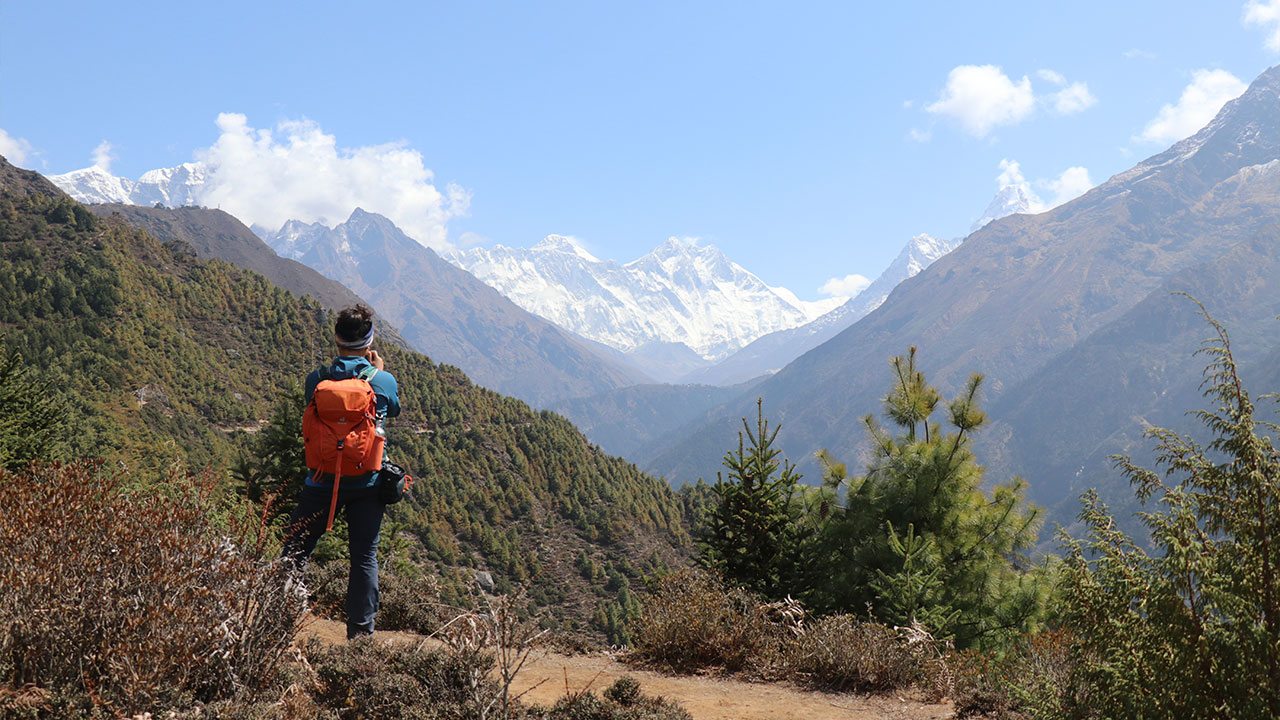
The Smart Way to Acclimatize on the Everest Trek
Acclimatization is the most important factor for completing the trek to Everest Base Camp safely. Many trekkers focus mainly on physical fitness before the journey, but the real challenge of the Everest trek is adapting to high altitude. As the trail climbs higher into the Himalayas, the oxygen level in the air becomes lower, and the body needs time to adjust to these conditions.
The journey begins in Lukla and gradually passes through famous Sherpa villages like Namche Bazaar, Tengboche, and Dingboche before reaching Everest Base Camp. Each step of the trek brings trekkers closer to higher elevations, which is why proper acclimatization practices must be followed throughout the journey.
Successful trekkers usually follow a few simple rules. Walking slowly, staying well hydrated, eating enough food, and taking scheduled rest days help the body adjust naturally to high altitude. The “climb high, sleep low” method also plays an important role in helping the body adapt to thinner air. These strategies allow tekkers to gain altitude safely without putting too much stress on their bodies.
A carefully planned itinerary also makes a huge difference. Professional trekking companies such as Eco Holidays Nepal include important acclimatization stops and rest days in their Everest trekking programs. Experienced guides monitor trekkers closely, check for symptoms of altitude sickness, and adjust the pace when necessary. This kind of support greatly increases the chances of reaching Everest Base Camp safely.
In the end, best way to acclimatize on the Everest Trek is about patience and listening to your body. The Everest trek is not a race to a destination but a journey through one of the most beautiful mountain regions in the world. By respecting the altitude and following smart acclimatization practices, trekkers can enjoy the experience fully and make their Everest adventure safe, successful, and unforgettable.