

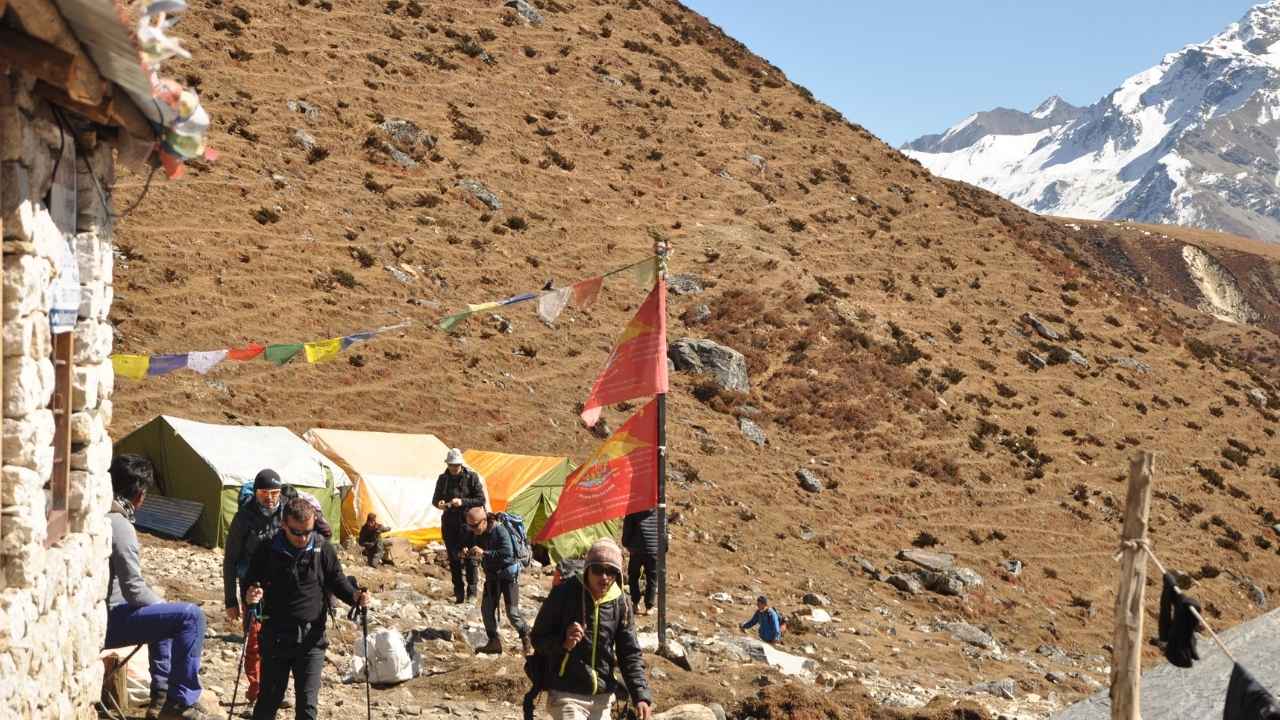
Somewhere between Namrung and Samagaon, the Budhi Gandaki valley stops feeling like Nepal's mid-hills and starts feeling like Tibet. The pines thin out, the river turns the color of ground slate, and the air, thinner than it looks on a map, starts doing something most trekkers don't notice until it's already a problem. It’s holding roughly 40% less oxygen per breath than it did in Kathmandu, a drop that happens gradually enough to feel like nothing and steeply enough to matter.
That's the physiological reality hiding inside a question that sounds almost administrative, "how do I acclimatize?" as if it's a checklist item next to visa fees and permit stamps. It isn't. Altitude acclimatization is the actual engine of whether the Manaslu Circuit goes well or goes badly, and unlike most risks on a trek, it's one you get to control almost entirely through pacing, not luck or gear.
Here's the number that frames everything else in this guide: over roughly seven trekking days, the Manaslu Circuit takes you from about 730 m at Soti Khola to 5,106 m at Larke La, a gain of more than 4,376 vertical meters, compressed into a route with exactly one mandatory rest day built in. Compare that to a casual hike up a 3,000 m peak back home over a single weekend, and the scale of what your body is being asked to do starts to look less like exercise and more like negotiation.
Acclimatize on the Manaslu Circuit by gaining altitude slowly, taking that one built-in rest day at Samagaon (3,530 m) seriously, drinking 3-4 liters of water a day, and treating Larke La (5,106 m) as the day the entire trip has been quietly building toward. Most operators already structure the itinerary around exactly this logic. Trekkers who run into trouble are almost always the ones who quietly compress it, skipping the rest day to "make up time" after a late start, or pushing on to a higher village than planned because the weather looked good and nobody wanted to stop early.
The rest of this guide is that logic broken down day by day, village by village, not generic altitude advice bolted onto a Manaslu itinerary, but the specific shape this particular trek's risk actually takes.
How Many Acclimatization Days Does the Manaslu Circuit Need?
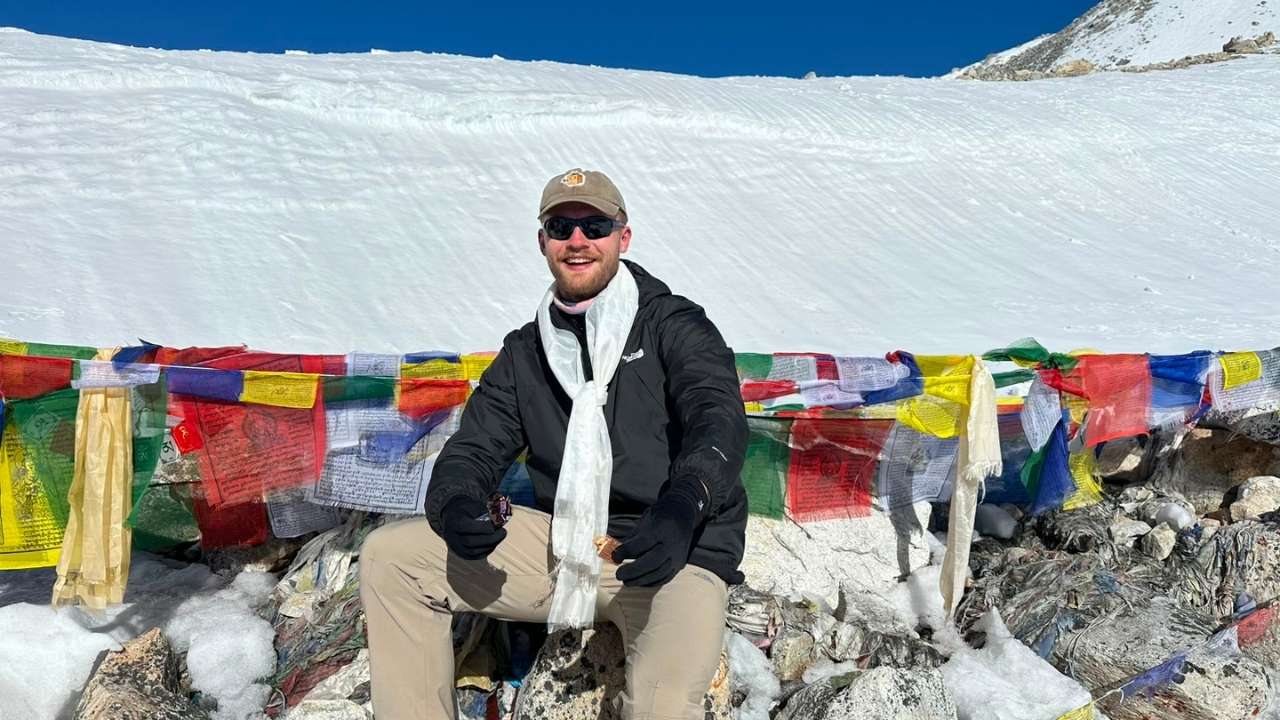
One dedicated rest day, sometimes two if your guide reads the group's condition and adds a buffer before Samdo. On a standard 14-16 day itinerary, that single rest day at Samagaon is non-negotiable; it's the only full stop between roughly 2,700 m at Deng and 5,106 m at the pass.
|
Day |
Location |
Altitude |
Purpose |
|
6 |
Namrung |
2,660 m |
Gradual ascent, valley narrows |
|
8 |
Samagaon |
3,530 m |
Arrival, no rest yet, this is the ascent day |
|
9 |
Samagaon |
3,530 m |
Acclimatization day, day hike, no altitude gain overnight |
|
10 |
Samdo |
3,875 m |
Short ascent, final village before the high camps |
|
11 |
Dharamsala (Larke Phedi) |
4,460 m |
Staging point for the pass |
|
12 |
Larke La → Bimthang |
5,106 m → 3,590 m |
Cross and descend same day |
Notice the shape of that table: altitude gain is steady and forgiving until Samagaon, flat for exactly one day, then it climbs almost 1,600 meters over three days to the pass, nearly 40% of the entire trek's elevation gain packed into its final quarter. That's not a coincidence of geography; it's the reason experienced Manaslu guides talk about the trek in two distinct halves.
The first is a river-valley walk through Gurung and Tibetan villages, warm enough most afternoons to trek in a t-shirt. The second, starting roughly at Samagaon, is a different trip entirely, colder, thinner air, and every day a small referendum on whether yesterday's pacing was cautious enough.
**Related Article: Manaslu Circuit Trekking– Journey Beyond the Crowds to Nepal's Hidden Himalayan Masterpiece**
What Is the Samagaon Acclimatization Day Actually For?
Samagaon is a Tibetan-influenced village sitting almost directly under Manaslu's south face, and it's the last point on the circuit with enough infrastructure to comfortably absorb a full rest day, proper lodges, a monastery, and two credible day-hike options. The point of the day isn't to sit still. It's "climb high, sleep low": you gain altitude during the day, then return to sleep at the same elevation you started at.
Your body responds to the stress of altitude and starts adapting, without you actually committing to sleeping at that height yet. Two realistic options for the day:
-
Manaslu Base Camp (around 4,800 m): A demanding out-and-back, roughly 6–7 hours round trip, that puts you closer to the mountain than most trekkers on this route ever get.
-
Pungyen Gompa: A shorter, gentler hike to a monastery with a long-standing connection to the mountain; better suited if the group is already feeling the altitude and doesn't need a hard push that day.
Either choice satisfies the same physiological goal. Guides typically read the group's energy that morning and pick accordingly, this is one of the moments where a good guide earns their fee, because pushing a tired group to Base Camp viewpoint "for the views" is exactly the kind of decision that causes trouble two days later at the pass.
Spend the rest of that day the way Samagaon itself seems built for it: slow. The village runs on yak-herding and monastery rhythms rather than trekker traffic, and it's one of the few places on the circuit where you will hear as much Tibetan spoken as Nepali. Sit somewhere with a view of Manaslu's south face, at 8,163 m, it's the world's eighth-highest mountain, and from Samagaon it doesn't look distant the way Everest does from Kala Patthar; it looks close enough to change the temperature of the air around you.
That stillness isn't just atmosphere for its own sake. Rest days that involve actual rest, not just a change of scenery, are the ones that show up as fewer symptoms three days later at Dharamsala.
What Are the Symptoms of Altitude Sickness on This Trek?
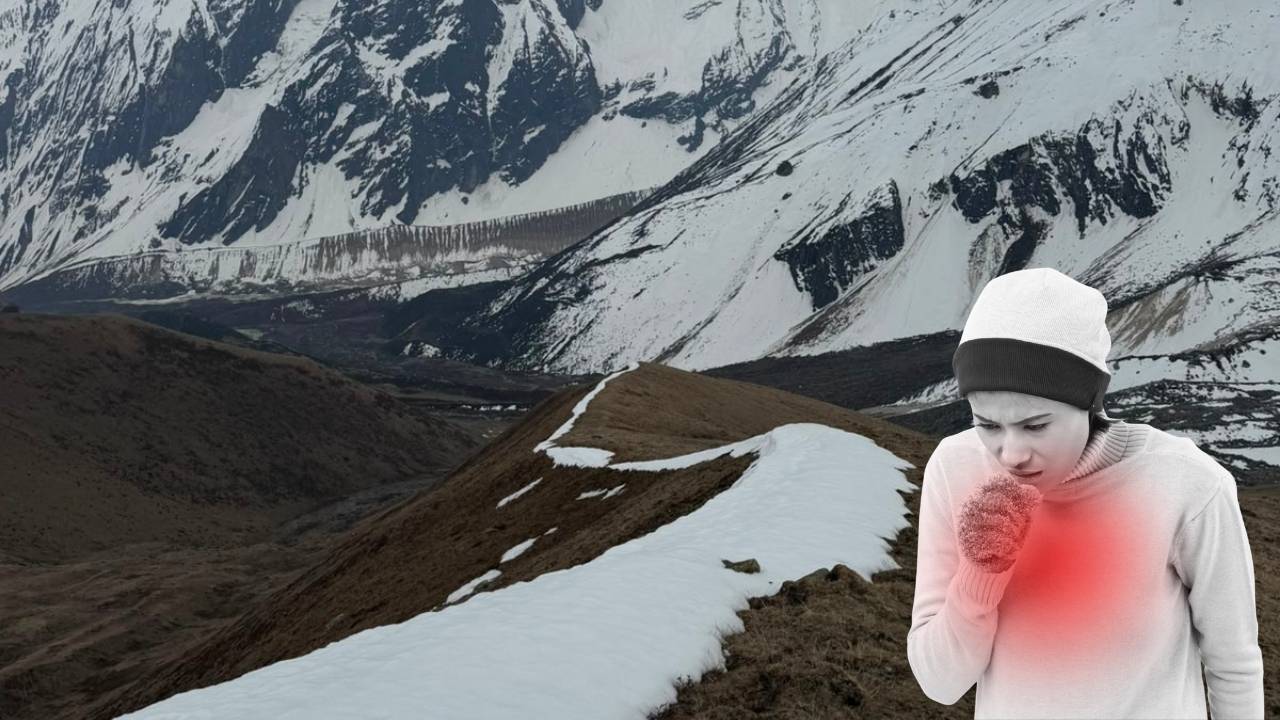
Every symptom below traces back to the same root cause: at 3,500 m, your blood is carrying roughly 30% less oxygen per breath than it does at sea level, and your body starts making rapid, sometimes uncomfortable adjustments to compensate, breathing faster, producing more red blood cells, shifting fluid around, working the heart harder.
Almost everything trekkers call "altitude sickness" is really that adjustment process making itself felt, and it doesn't arrive as a single switch flipping from fine to not-fine, it escalates in a fairly recognizable sequence. Knowing what tier you're in matters more than knowing the name of any individual symptom. Tier one, expected, and not a reason to stop. Most trekkers experience at least a couple of these somewhere above 3,000–3,500 m, usually within the first day or two at a new altitude, and they typically ease as the body adjusts:
-
Headache: Usually the first sign, and often dismissed as dehydration or a bad night's sleep. It's frequently both at once.
-
Fatigue and General Heaviness: Moving feels like more effort than it should, even on flat ground.
-
Loss of Appetite: Genuinely physiological, not psychological. Digestion is one of the first systems the body deprioritizes at altitude.
-
Disturbed or Lighter Sleep: Walking more often, or a strange sensation of "forgetting" to breathe for a few seconds before catching a breath.
-
Shortness of Breath on Exertion: Expected at this elevation. The distinction that matters is whether it eases with rest.
-
Mild Dizziness on Standing: A sign circulation is still catching up to the thinner air.
**Also Read: Manaslu Circuit with Tsum Valley Trek– Two Legendary Trails, One Extraordinary Himalayan Adventure**
How Should I Pace Myself Before Larke La Pass?
If the Manaslu Circuit has a single stretch where acclimatization stops being a background concern and becomes the entire point of the day, it's the three-village sequence from Samdo to Dharamsala to Larke La. Samdo sits at 3,875 m, already higher than most trekkers have ever slept. The next stop, Dharamsala (sometimes called Larke Phedi), is only a short walk further but climbs to 4,460 m, nearly 600 vertical meters in a single push. Then comes the pass itself at 5,106 m, a further over 600 meters of gain, tackled in one long day with no village, teahouse, or realistic bailout point in between.
That's roughly 1,200 meters of elevation gain across three days, at exactly the altitude range where the body's margin for error is thinnest. The reason this stretch carries more risk than the rest of the trek isn't just the altitude number; it's the stacking. By Samdo, you're several days into accumulated fatigue, sleeping worse than you did lower down, eating less than you were a week earlier, and about to spend a night at 4,460 m with no rest day to buffer it. None of those factors alone is dangerous.
Together, on the days leading into a 5,106 m pass, they're exactly the conditions under which mild symptoms tip into serious ones. Once you leave Dharamsala, there's no lateral exit either; the only ways out are forward over the pass to Bimthang or back the way you came. That single fact should shape almost every decision you make in the two days before it. Here's the fuller set of pacing habits that actually change how that day goes, not just the highlights:
-
Start early, without exception. Guides typically have groups moving by 3 or 4 a.m. on pass day. This isn't about beating anyone to the top; it's about crossing and descending before the afternoon cloud that regularly builds over Larke La by early-to-mid afternoon, and before the wind picks up on the exposed sections near the top.
-
Adopt a slow, steady rest-step pace rather than your normal hiking rhythm. At this altitude, an efficient pace is a deliberately unhurried one, a short pause built into each step, weight settling fully before the next. It looks slower. It isn't, over the length of the day.
-
Sync your breathing to your steps, not the other way around. A simple two-step inhale, two-step exhale rhythm: some guides teach a sharper "pressure breathing" exhale, pursed lips, to keep oxygen exchange efficient, keeps you from unconsciously speeding up and then gasping to recover.
-
Layer for a 25–30°C swing in a single day. Pre-dawn at Dharamsala can be brutally cold; midday on the pass in direct sun, even at 5,106 m, can feel surprisingly warm. Trekkers who dress only for the cold start end up overheating and sweating out fluid they can't easily replace, which quietly undermines hydration right when it matters most.
-
Eat a real breakfast even without appetite, and carry calorie-dense snacks you'll actually want at altitude. Cold, thin air blunts appetite for heavy food; something like dried fruit, chocolate, or biscuits often goes down easier than a full plate and keeps blood sugar steady across a 6–8 hour day.
-
Stay within sight of your slowest group member, and ask your guide to set the pace around them, not the fastest walker. Splitting a group on pass day, fast trekkers pulling ahead, slower ones falling behind, is one of the more common and preventable ways things go wrong, simply because it delays anyone noticing a problem.
-
Agree on turnaround criteria with your guide the night before, not in the moment. Knowing in advance roughly what wind, weather, or symptom severity would trigger a decision to wait or retreat removes the pressure to make that call under stress, tired, at altitude, with summit fever clouding the judgment.
-
Use trekking poles on the descent to Bimthang, not just the ascent. The drop from Larke La to Bimthang loses over 1,400 meters the same day, on tired legs, that descent is where knees and ankles usually take the damage, not the climb.
-
Treat "pass day" as starting the night before at Dharamsala, not at 3 a.m. Pack your bag, lay out your layers, and settle any gear questions before sleep, decision fatigue at 4,460 m in the dark is a real thing, and it's avoidable.
What Can I Do to Acclimatize Better– Hydration, Diet, and Altitude Medication?
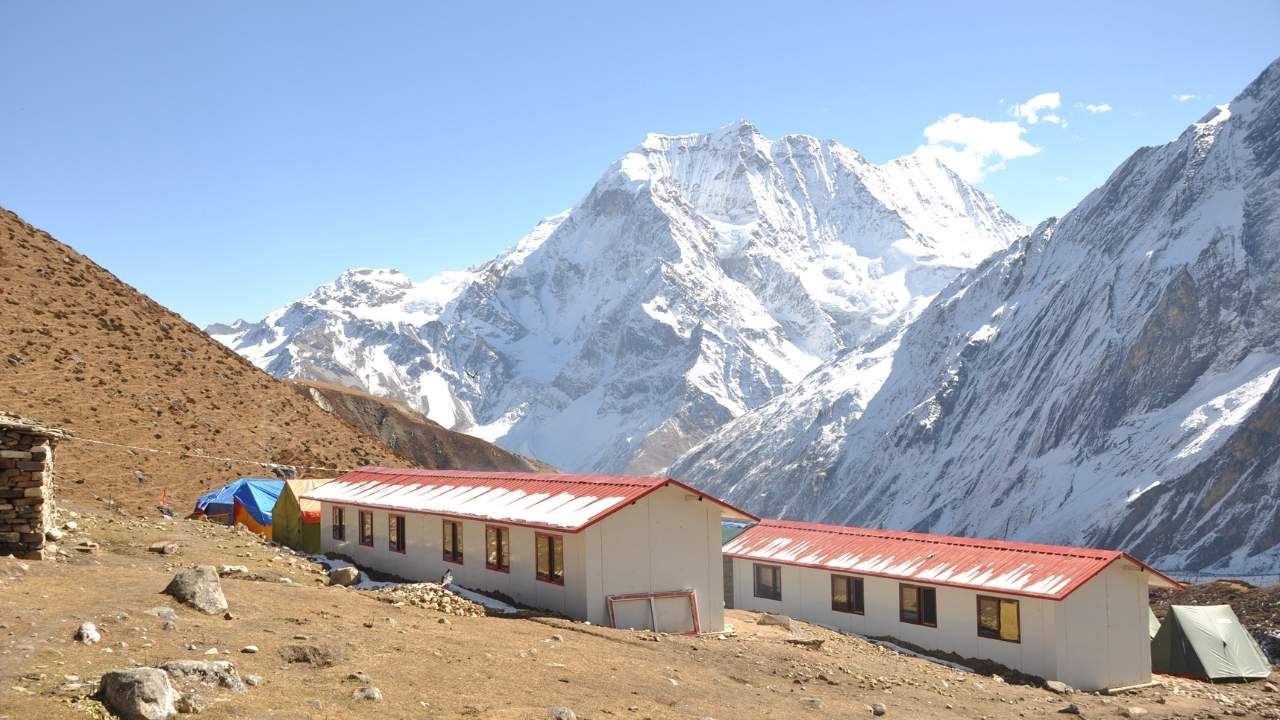
Pacing and rest days do the heaviest lifting, but there's a longer list of smaller, controllable habits that meaningfully change how the trek feels day to day, and most guides on this route will tell you they matter more cumulatively than any single one does alone.
-
Hydration
The working target most guides give trekkers is 3 to 4 liters of water a day, rising on pass day itself. The reason isn't arbitrary: altitude increases how much fluid you lose through faster breathing and more frequent urination, and dehydration produces symptoms- headache, fatigue, dizziness- that are nearly identical to mild altitude sickness and make it genuinely harder to tell the two apart.
Staying ahead of thirst, rather than drinking in response to it, removes one entire category of confusion from how you and your guide assess how you are doing. Adding electrolytes on the higher days- a small pack of tablets or powder weighs nothing and is easy to carry- helps with the plain water fatigue that sets in after ten days of drinking that much.
-
Diet
Appetite drops reliably at altitude, and the instinct to eat less because nothing sounds appealing is exactly the wrong response; your body needs more fuel here, not less, to support the extra work of breathing harder and producing more red blood cells. Favor carbohydrate-heavy meals over fatty or heavy ones; digestion itself is slower at altitude, and a greasy dinner sits far less comfortably at 4,000 m than it would at home.
This is where garlic soup earns its reputation on this route rather than as a trekking-guide cliché: it's a genuine Sherpa and Tibetan mountain tradition, used for generations partly because it's warm and palatable when appetite is blunted, and partly for a long-held belief in its digestive and circulatory benefits. You will find it on nearly every teahouse menu above 3,000 m, and it's worth ordering on the merits, not just the folklore.
-
Sleep
Sleep quality genuinely deteriorates at altitude, a mix of thinner air and a phenomenon called periodic breathing, where breathing pattern becomes irregular overnight and can wake you gasping. A sleeping bag rated well below the expected overnight temperature (down to -15°C or colder for the higher camps) makes a bigger difference to how rested you feel than most trekkers expect, since being cold at night fragments sleep on top of the altitude already doing that.
-
Alcohol and Sedatives
Both are worth avoiding above 3,000 m, and for a more specific reason than "it's not a great idea": alcohol dehydrates and masks early symptoms, while sedatives and sleeping pills can suppress the very increase in breathing rate your body needs at night to stay adequately oxygenated. A rough night's sleep from altitude alone is a much safer problem to have than a rough night's sleep chemically dulled on top of it.
-
Diamox (Acetazolamide)
Widely used among trekkers on this route as a preventive aid, often started a day or two before significant altitude gain and continued through the highest stretch of the trek. It works by nudging your body's acid-base balance in a direction that encourages faster, deeper breathing, effectively speeding up a version of the same adjustment your body would make on its own, just less gradually. It is not a substitute for the itinerary's pacing, and it doesn't make rapid ascent safe.
Talk to your guide daily, even when you feel fine. The single habit that ties all of the above together is the least technical one: a short, honest check-in each morning and evening about appetite, sleep, and how you are feeling gives your guide the pattern they need to catch a problem trending in the wrong direction, long before it becomes the kind of problem covered in the section above.
**Keep Reading: Manaslu Helicopter Tour– Soar Above Nepal's Untouched Himalayan Wilderness**
Can I Shorten the Trek by Skipping a Rest Day?
Not on this route, and the honest, useful answer is why the "no" here is firmer than the same question gets on Everest Base Camp or Annapurna Circuit, because the reasons are specific rather than generic caution. Manaslu is a restricted area under Nepal's regulations, which means you are required to trek with a licensed guide and, in most cases, as part of a minimum group arranged through a permitted agency.
That single fact changes the whole calculus: an independent Everest Base Camp trekker who feels strong can sometimes adjust their own pace mid-trek, for better or worse. On Manaslu, the itinerary is set with the permit and the group, and it isn't something you can casually renegotiate three days in because you are ahead of schedule and feeling good.
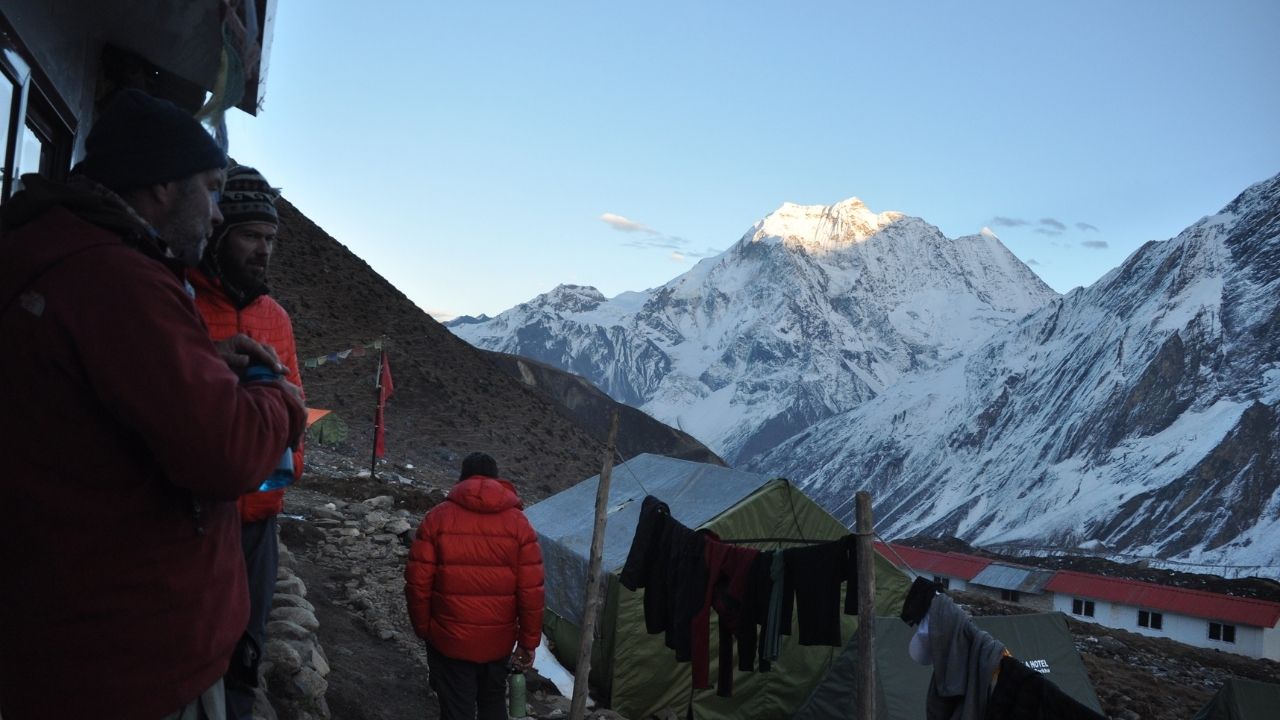
There's also the infrastructure gap covered earlier, no realistic helicopter access once you are past Samdo, and no lateral escape route once you are between Dharamsala and the far side of the pass.
Compressing the one built-in buffer day at Samagaon doesn't just remove a nice-to-have; it removes the only slack in a system that has almost none to begin with, at exactly the point where the consequences of getting it wrong are largest. That said, if time genuinely is the constraint, there are better levers to pull than cutting the rest day:
-
Talk to your agency about trimming days at the start of the trek, not the end. Some itineraries include a slower approach through the lower Budhi Gandaki valley that can occasionally be tightened by a day without touching anything above 3,000 m, where the real risk begins.
-
Arrive in Kathmandu a day or two early and do a genuinely useful acclimatization hike beforehand, something like Nagarkot or Chisapani, both a few hours from the city and pushing past 2,000 m. It won't replace the Samagaon rest day, but it means your body isn't starting from zero when the trek does.
-
Ask directly whether your specific operator's itinerary already has any built-in flexibility for a stronger group, rather than assuming and deciding for yourself. Some operators plan a slightly longer default itinerary precisely so a fit, well-acclimatizing group has a day of slack to spend, without it depending on skipping anything.
Trekkers who have done both Manaslu and more touristed routes tend to describe this one the same way: here, the itinerary itself functions as the safety plan, not something layered on top of one. Time pressure is real, and worth solving for, just not at the expense of the one day the whole route is quietly built around.