

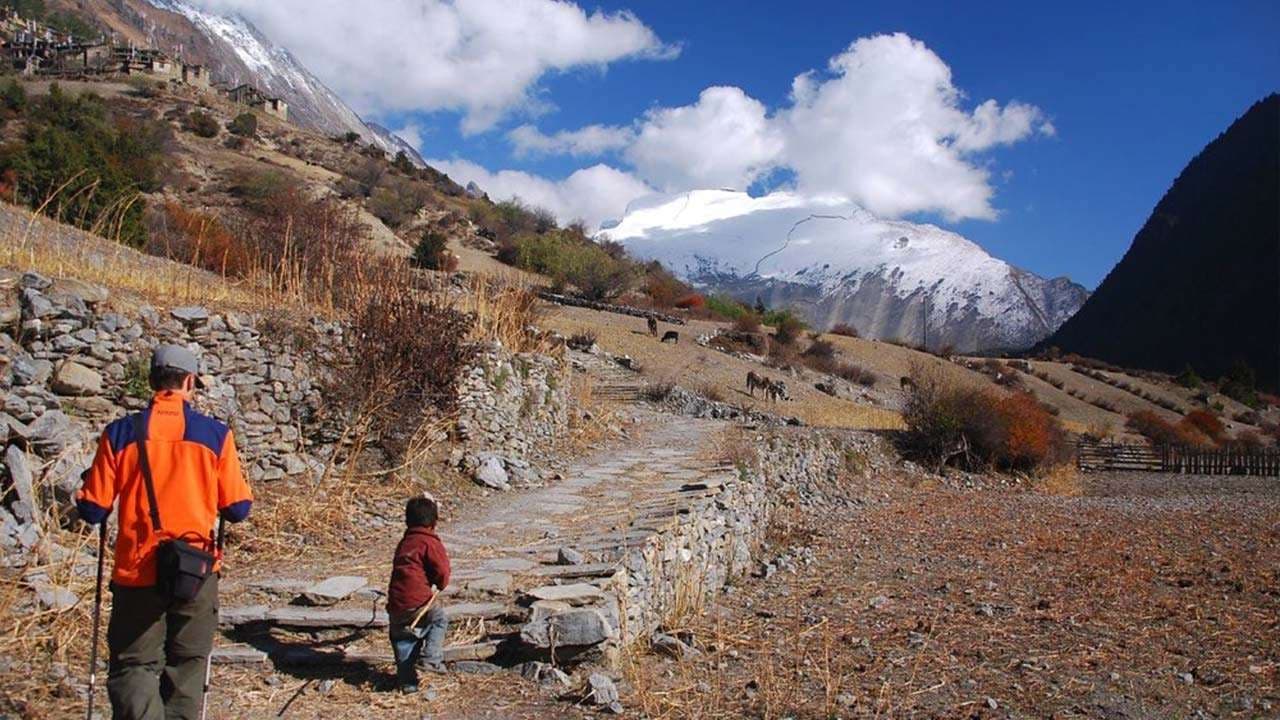
If you have 12 days in Nepal, the best trek depends on your priorities. For first-time visitors wanting the world's most famous Himalayan experience, the Everest Base Camp Trek (12 Days) is the top choice. If you prefer diverse scenery and lower altitude, the Annapurna Base Camp Trek offers excellent value. For quieter trails and rich Tamang culture, the Langtang Valley Trek is an outstanding alternative.
Twelve days is a sweet spot for trekking in Nepal. It is long enough to reach world-famous destinations like Everest Base Camp, Annapurna Base Camp, and Langtang Valley without turning your vacation into a month-long expedition. At the same time, it is short enough that every day on the trail counts, making the right choice more important than ever.
Many travelers assume there is a single "best" 12-day trek, but the reality is that each route delivers a completely different Himalayan experience. Some lead you into the shadow of Mount Everest, others wind through lush rhododendron forests before opening into dramatic alpine landscapes, while quieter trails introduce you to centuries-old mountain communities where local culture is just as memorable as the scenery.
This guide compares Nepal's best treks that fit within a 12-day itinerary, highlighting their scenery, difficulty, altitude, crowd levels, and the type of traveler each route suits best. By the end, you will have a clear idea of which trek matches your time, fitness level, and travel goals.
|
Trek |
Best For |
Highest Point |
Difficulty |
Scenic Rating |
Crowds |
|
Everest Base Camp Trek |
Bucket-list adventure, iconic Himalayan experience |
5,550m (Kala Patthar) |
Moderate |
⭐⭐⭐⭐⭐ |
High |
|
Annapurna Base Camp Trek |
Diverse landscapes and lower altitude |
4,130m |
Moderate |
⭐⭐⭐⭐⭐ |
Medium |
|
Langtang Valley Trek |
Culture, glaciers, and peaceful trails |
4,984 m (Tserko Ri) |
Moderate |
⭐⭐⭐⭐☆ |
Low |
|
Mardi Himal Trek |
Short adventure with spectacular mountain views |
4,500 m (Mardi Himal Viewpoint) |
Moderate |
⭐⭐⭐⭐☆ |
Medium |
How Much Can You Actually Experience in 12 Days?
Twelve days is one of the most practical timeframes for trekking in Nepal. It is long enough to complete several iconic Himalayan routes without rushing through the experience, yet short enough to fit comfortably into most international vacations. With careful planning, you can reach legendary destinations, enjoy gradual changes in landscape, experience local mountain culture, and return to Kathmandu without feeling like every day is a race against the clock.
At the same time, not every trek in Nepal is designed for a 12-day itinerary. Longer adventures such as the Manaslu Circuit Trek, Upper Mustang Trek, and Everest Three Passes Trek typically require 14 to 18 days or more. These routes involve longer approaches, higher mountain passes, restricted-area logistics, or additional acclimatization days that should not be compressed simply to fit a tighter schedule.
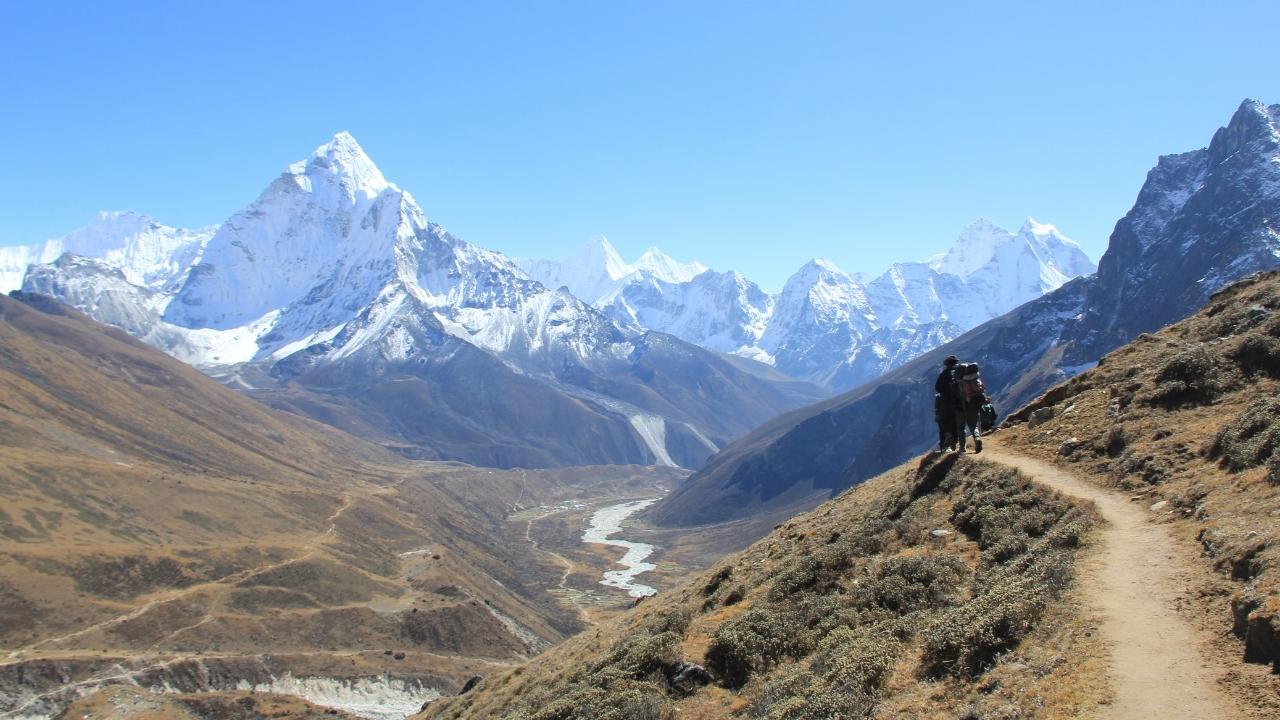
Trying to squeeze a longer trek into 12 days often means skipping acclimatization, increasing daily walking hours, or relying on expensive transportation to save time. While that might look appealing on paper, it can reduce your overall experience and, on high-altitude routes, increase the likelihood of fatigue or altitude-related issues.
Instead of asking, "What is the longest trek I can fit into 12 days?", ask a better question: "Which trek gives me the best experience in the time I have?" That shift in mindset opens the door to some of Nepal's most rewarding adventures. Routes like the Everest Base Camp Trek, Annapurna Base Camp Trek, Langtang Valley Trek, and Mardi Himal Trek were all designed to deliver an unforgettable Himalayan experience within a realistic timeframe, allowing you to enjoy the journey rather than simply rushing to the finish.
Best Treks You Can Complete in 12 Days
A 12-day itinerary gives you access to some of Nepal's most rewarding trekking experiences, but not every route offers the same adventure. Some trails are famous for reaching iconic destinations like Everest Base Camp, while others stand out for their diverse landscapes, peaceful mountain valleys, rich local culture, or outstanding value. Instead of asking which trek is the most popular, it is more helpful to ask which one best matches your fitness level, travel style, budget, and expectations.
Below, we have compared the best 12-day treks in Nepal, highlighting who each trek is best suited for, what makes it unique, the level of difficulty, approximate costs, and the advantages and trade-offs to help you choose with confidence.
Everest Base Camp Trek (12 Days)
For many travelers, trekking to Everest Base Camp is the reason they visit Nepal in the first place. Few adventures combine legendary mountain scenery, Sherpa culture, suspension bridges draped with prayer flags, ancient monasteries, and the opportunity to stand beneath the world's highest mountain. If your dream has always been to experience the Everest region and your schedule is limited to 12 days, this itinerary makes that possible.
Unlike shorter express itineraries that compress the trek into 9 or 10 days, a well-planned 12-day Everest Base Camp Trek still includes essential acclimatization while allowing you to reach both Everest Base Camp (5,364 m) and Kala Patthar (5,545 m), the trek's most famous viewpoint.
Who Should Choose This Trek?
The 12-day Everest Base Camp Trek is ideal for travelers who:
-
Have Mount Everest at the top of their bucket list.
-
Are reasonably fit and comfortable walking 5–7 hours per day.
-
Want Nepal's most iconic trekking experience.
-
Have limited annual leave but do not want to miss the Everest region.
What Makes It Special?
No other trek in Nepal carries the same global reputation. The journey takes you through Lukla, Namche Bazaar, Tengboche Monastery, Dingboche, Lobuche, Gorak Shep, and finally Everest Base Camp itself. Every day reveals another dramatic Himalayan panorama, with towering peaks such as Everest, Lhotse, Nuptse, Ama Dablam, Pumori, and Thamserku dominating the skyline.
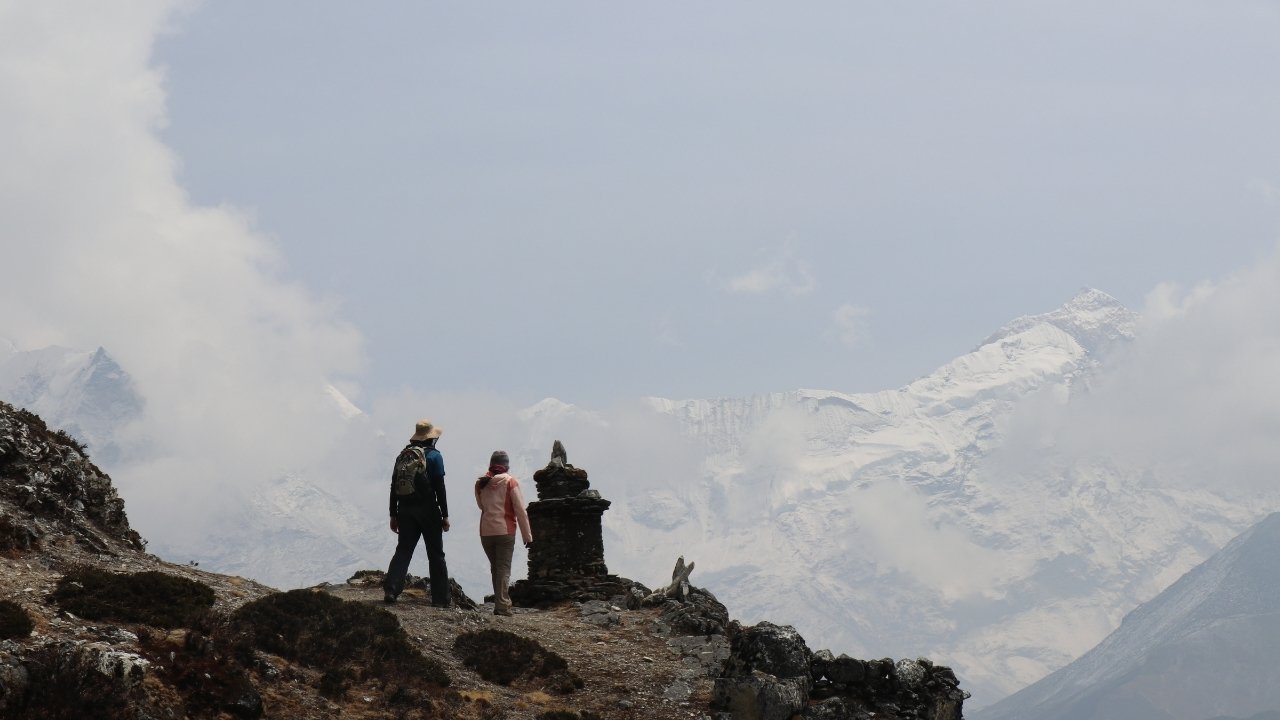
Beyond the mountains, the Sherpa communities, Buddhist monasteries, colorful prayer flags, and centuries-old trading villages create an experience that feels as culturally rewarding as it is visually spectacular.
Trek at a Glance
|
Feature |
Details |
|
Duration |
12 Days |
|
Highest Point |
Kala Patthar (5,550 m) |
|
Maximum Sleeping Altitude |
Gorak Shep (5,164 m) |
|
Average Walking Time |
5–6 hours per day |
|
Difficulty |
Moderate |
|
Best Seasons |
March–May and September–November |
|
Typical Cost |
US$1,100–1,500 |
What Are Your Chances of Completing It?
A properly designed 12-day itinerary has a high success rate for trekkers who arrive reasonably fit and follow acclimatization guidelines. However, it still offers slightly less flexibility than a classic 14-day itinerary, particularly if weather delays or mild altitude symptoms require adjustments.
Pros
-
Nepal's most iconic trekking experience.
-
Incredible views of the world's highest mountains.
-
Rich Sherpa culture and historic monasteries.
-
Excellent tea house infrastructure.
-
A true once-in-a-lifetime achievement.
Cons
-
Higher altitude increases the risk of Acute Mountain Sickness (AMS).
-
Lukla flights can occasionally be delayed by weather.
-
One of Nepal's busiest trekking routes during peak seasons.
-
Less recovery time than a 14-day itinerary.
Is 12 Days Enough?
Yes, but it is close to the minimum recommended duration for reaching Everest Base Camp safely. If your schedule allows, adding two extra days makes a noticeable difference. A 14-day Everest Base Camp Trek provides more gradual acclimatization, shorter walking days in key sections, additional time to enjoy villages like Namche Bazaar and Dingboche, and generally offers a higher completion rate with a lower likelihood of altitude-related issues. If you can spare the extra time, it is the itinerary we would recommend.
**Explore More: Everest Base Camp Trek with Helicopter Return– Less Time Descending. More Time Enjoying Everest**
Annapurna Base Camp Trek
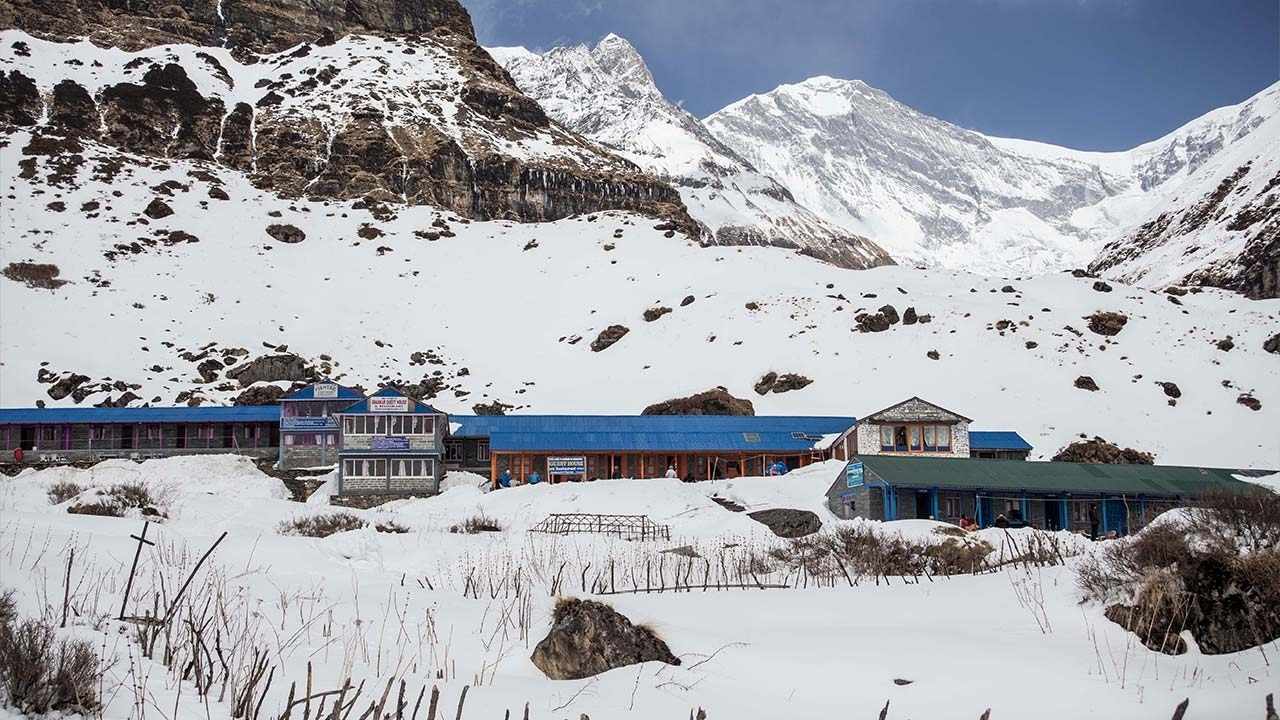
If Everest is Nepal's most iconic trek, Annapurna Base Camp is arguably its most diverse. Instead of spending much of the journey above the tree line, you will walk through lush rhododendron forests, terraced farmland, bamboo groves, cascading waterfalls, and welcoming Gurung and Magar villages before emerging into the breathtaking Annapurna Sanctuary, where massive Himalayan peaks rise almost vertically around you.
For many trekkers, this constant change in scenery makes the experience feel more dynamic than Everest.
Who Should Choose This Trek?
The Annapurna Base Camp Trek is perfect for travelers who:
-
Prefer changing landscapes over high-altitude wilderness.
-
Want spectacular mountain views with a lower maximum altitude.
-
Enjoy traditional villages and local hospitality.
-
Are looking for excellent value for money.
Trek at a Glance
|
Feature |
Details |
|
Duration |
10–12 Days |
|
Highest Point |
Annapurna Base Camp (4,130 m) |
|
Average Walking Time |
5–6 hours per day |
|
Difficulty |
Moderate |
|
Best Seasons |
March–May and September–November |
|
Typical Cost |
US$600–900 |
Why Many Travelers Choose ABC Over Everest?
While Everest delivers unmatched prestige, Annapurna offers greater landscape diversity. One day you may be crossing suspension bridges above rushing rivers, the next climbing stone staircases through traditional villages, and later walking into a glacial basin surrounded by Annapurna I, Machhapuchhre, Hiunchuli, and Annapurna South. The lower altitude also reduces the likelihood of altitude-related problems, making the trek accessible to a wider range of hikers.
Pros
-
Constantly changing scenery.
-
Lower altitude than Everest.
-
Rich Gurung and Magar culture.
-
Better value for most budgets.
-
Relaxing hot springs at Jhinu Danda on many itineraries.
Cons
-
Long sections of stone staircases.
-
Weather can be humid during the monsoon.
-
Less of a "bucket-list" name internationally than Everest.
Langtang Valley Trek
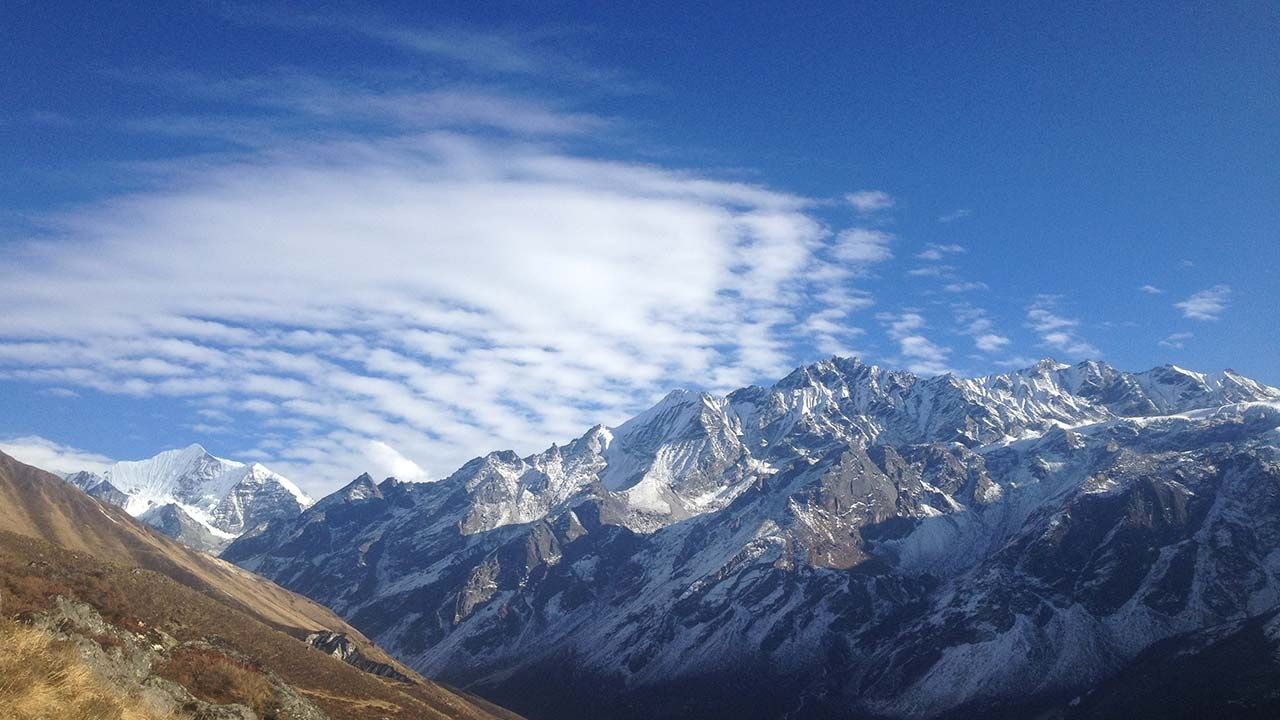
Often called Nepal's hidden gem, the Langtang Valley Trek offers an experience that feels quieter, more personal, and deeply connected to local mountain life. Located just north of Kathmandu, the trail passes through forests filled with rhododendron and pine before entering a broad glacial valley surrounded by snow-covered peaks.
Along the way, you will visit traditional Tamang villages, explore the rebuilt community of Langtang, spend time at Kyanjin Gompa, sample locally made yak cheese at the famous cheese factory, and hike to panoramic viewpoints such as Tserko Ri (4,984 m), where sunrise reveals an unforgettable sweep of Himalayan summits.
Who Should Choose This Trek?
Choose Langtang if you:
-
Prefer peaceful trails over busy trekking routes.
-
Enjoy learning about local culture.
-
Want glacier scenery without flying to Lukla.
-
Have a moderate budget and limited time.
Trek at a Glance
|
Feature |
Details |
|
Duration |
10–12 Days |
|
Highest Point |
Tserko Ri (4,984 m) |
|
Average Walking Time |
5–6 hours per day |
|
Difficulty |
Moderate |
|
Best Seasons |
March–May and September–November |
|
Typical Cost |
US$700–1,000 |
Pros
-
Fewer crowds than Everest and Annapurna.
-
Authentic Tamang culture.
-
Impressive glaciers and alpine scenery.
-
Easy road access from Kathmandu.
-
Excellent value.
Cons
-
Fewer tea houses than Everest.
-
Less internationally recognized than EBC or ABC.
-
Weather can occasionally affect mountain views in the lower valley.
**Read Next: Short Manaslu Circuit Trek– Shorter Journey. Same Legendary Adventure**
Mardi Himal Trek
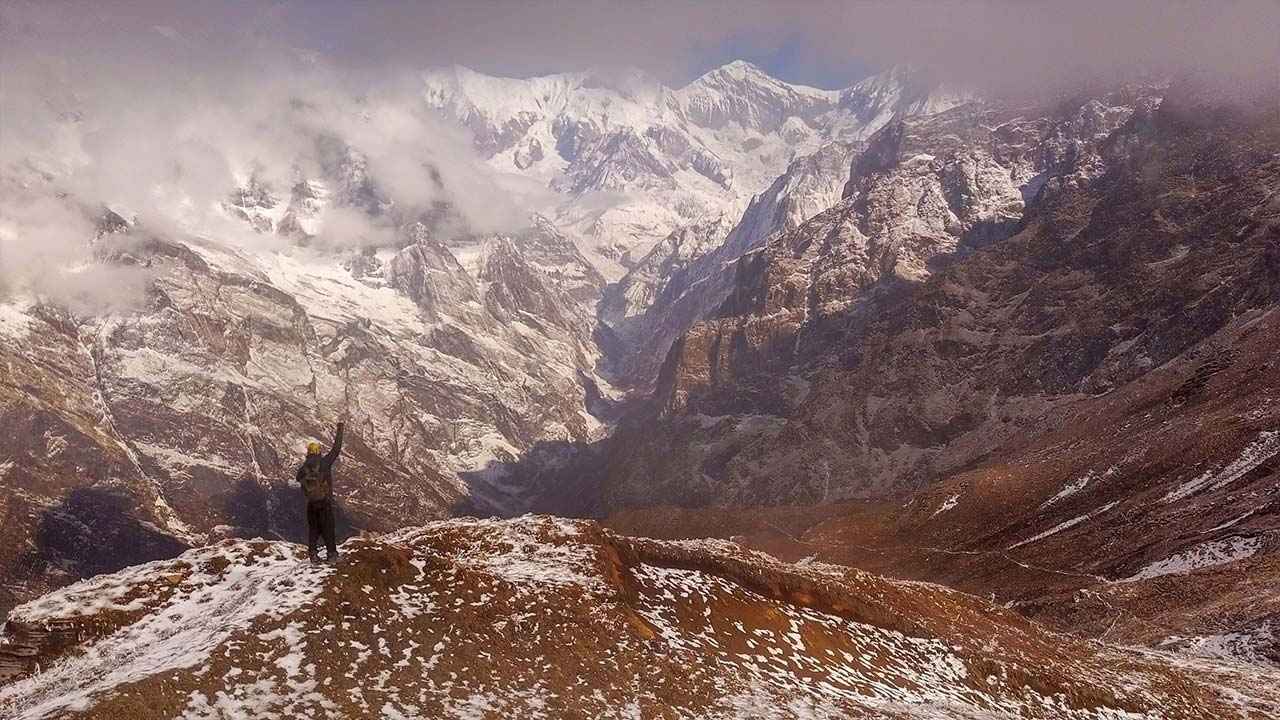
For travelers who want maximum mountain views without committing to a long expedition, the Mardi Himal Trek is one of Nepal's best-kept secrets. The route follows a scenic ridgeline through forests and alpine meadows before reaching Mardi Himal Viewpoint (around 4,500 m), where Machhapuchhre (Fishtail) feels astonishingly close.
Unlike many longer Himalayan treks, the walking days are generally shorter, making it an excellent choice for beginners or anyone who wants a rewarding mountain adventure without spending two weeks at high altitude.
Who Should Choose This Trek?
The Mardi Himal Trek is ideal if you:
-
Are new to trekking in Nepal.
-
Want dramatic Himalayan panoramas.
-
Prefer shorter daily hikes.
-
Like quieter trails near the Annapurna region.
Trek at a Glance
|
Feature |
Details |
|
Duration |
5–7 Days (often combined with sightseeing for a 12-day Nepal trip) |
|
Highest Point |
Mardi Himal Viewpoint (4,500 m) |
|
Average Walking Time |
4–6 hours per day |
|
Difficulty |
Moderate |
|
Best Seasons |
March–May and September–November |
|
Typical Cost |
US$500–800 |
Pros
-
Close-up views of Machhapuchhre.
-
Shorter walking days.
-
Great introduction to Himalayan trekking.
-
Less crowded than many Annapurna routes.
Cons
-
Shorter overall journey than EBC or ABC.
-
Fewer cultural villages along the route.
-
Does not offer the same sense of expedition as longer Himalayan treks.
Gokyo Lakes Trek
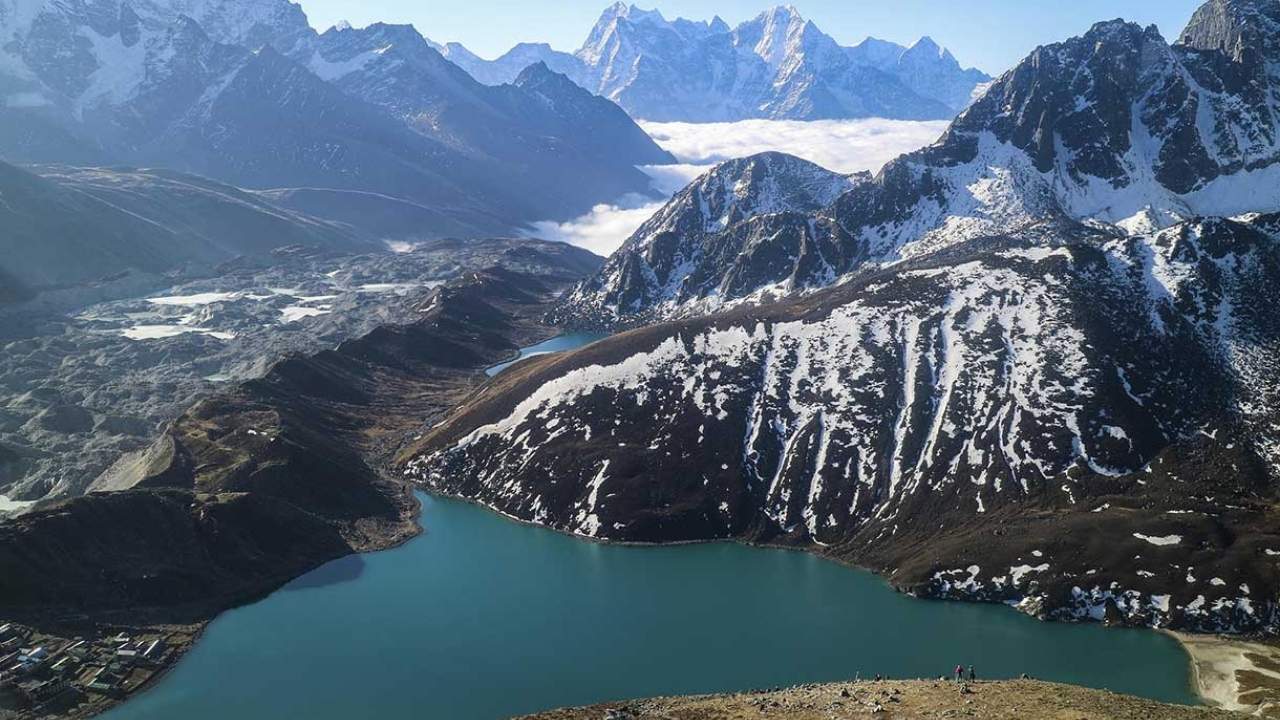
Not everyone visiting the Everest region dreams of reaching Everest Base Camp. Many experienced trekkers consider the Gokyo Lakes Trek an even more rewarding journey thanks to its peaceful trails, shimmering turquoise lakes, and one of the finest panoramic viewpoints in the Himalayas.
Instead of following the busier route toward Base Camp, the trail branches into the Gokyo Valley, passing glacial rivers, yak pastures, and a chain of six pristine alpine lakes before climbing Gokyo Ri (5,357 m). From the summit, you will enjoy a breathtaking panorama that includes Everest, Lhotse, Makalu, and Cho Oyu, four of the world's fourteen highest mountains.
Who Should Choose This Trek?
The Gokyo Lakes Trek is perfect for travelers who:
-
Want Everest-region scenery without the busiest trails.
-
Love alpine lakes and glacier landscapes.
-
Prefer photography and panoramic viewpoints.
-
Have previous trekking experience or a good fitness level.
Trek at a Glance
|
Feature |
Details |
|
Duration |
12 Days |
|
Highest Point |
Gokyo Ri (5,357 m) |
|
Average Walking Time |
5–6 hours per day |
|
Difficulty |
Moderate |
|
Best Seasons |
March–May and September–November |
|
Typical Cost |
US$1,200–1,500 |
Pros
-
Spectacular turquoise glacial lakes.
-
Fewer crowds than the Everest Base Camp route.
-
Outstanding Everest panorama from Gokyo Ri.
-
Diverse glacier landscapes.
Cons
-
Similar altitude challenges to Everest Base Camp.
-
Lukla flights remain weather-dependent.
-
Slightly fewer tea houses than the main Everest trail.
Mohare Danda Trek
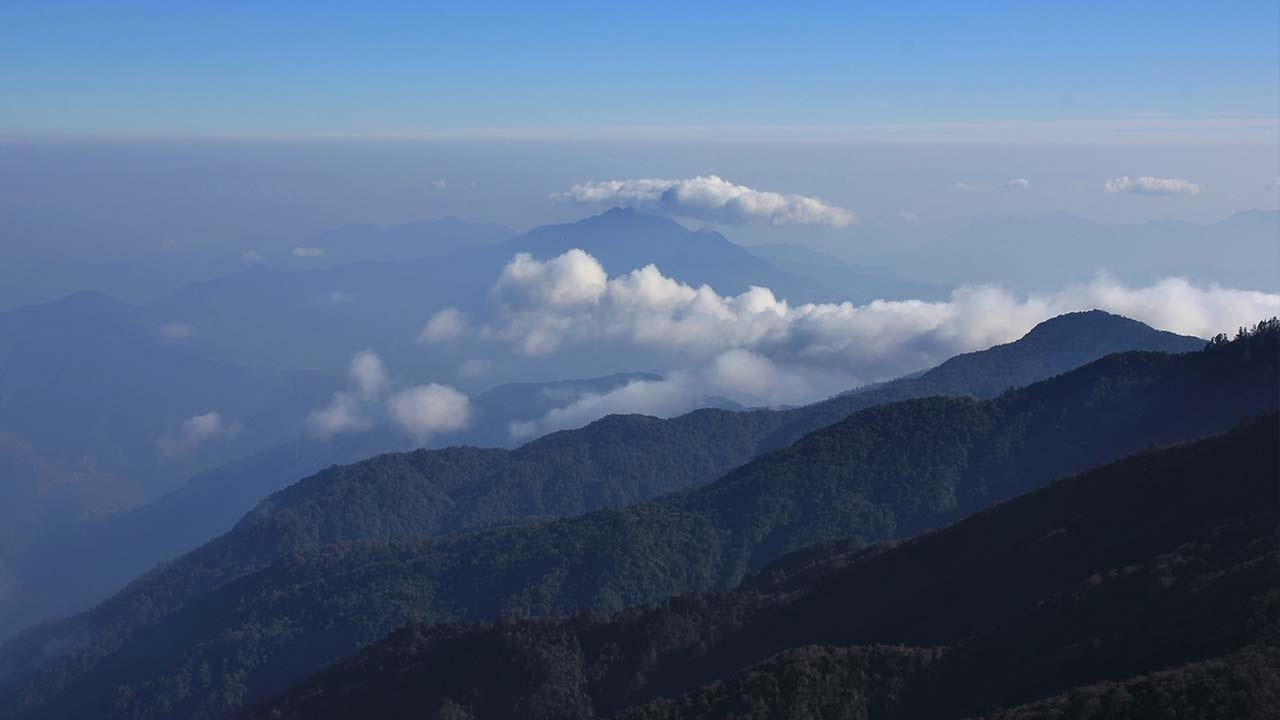
If you are searching for a quieter Himalayan experience that combines beautiful mountain views with meaningful community tourism, the Mohare Danda Trek is one of Nepal's most underrated adventures. Rather than following crowded commercial trekking routes, this trail passes through peaceful Magar villages, dense forests, and traditional farming communities.
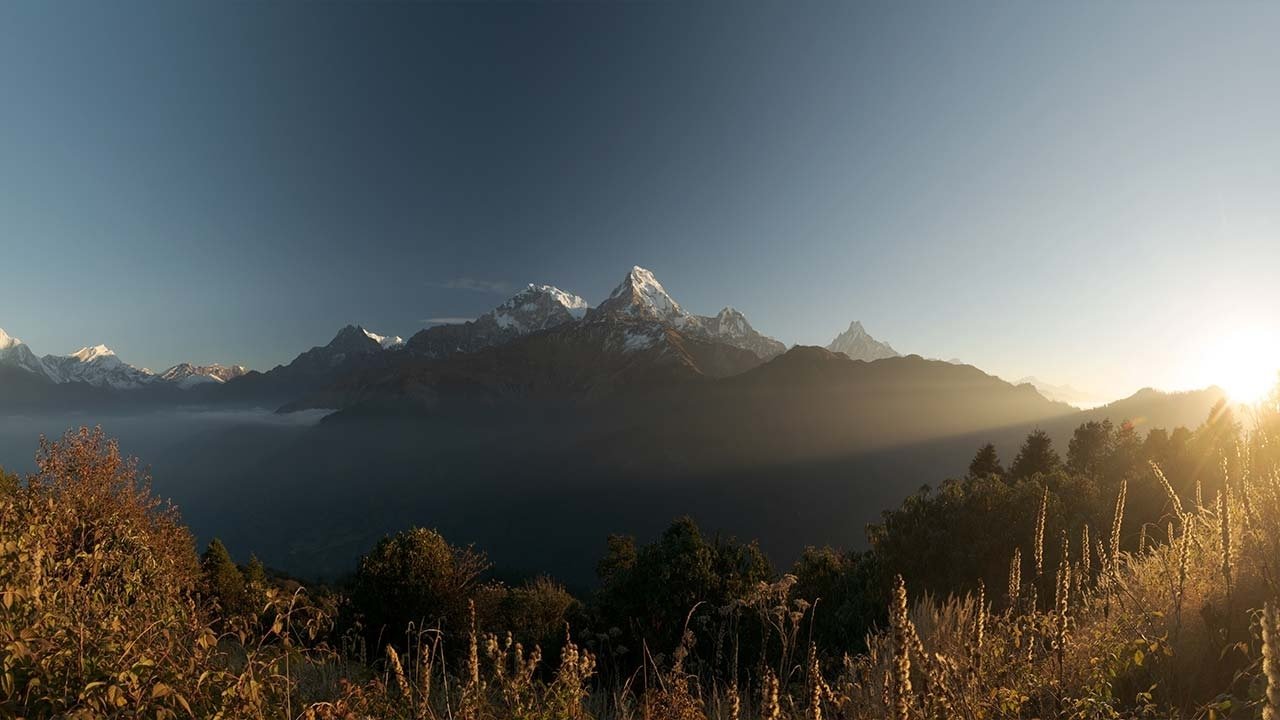
Community-managed lodges help support local families, making the trek an excellent choice for travelers who want their visit to have a positive impact. Sunrise from Mohare Danda (around 3,300 m) reveals sweeping views of Dhaulagiri, Annapurna South, Nilgiri, Machhapuchhre, and Hiunchuli.
Who Should Choose This Trek?
Choose Mohare Danda if you:
-
Prefer peaceful trails.
-
Value sustainable and community-based tourism.
-
Enjoy forests, wildlife, and local villages.
-
Want excellent mountain views without high altitude.
Trek at a Glance
|
Feature |
Details |
|
Duration |
8–10 Days (fits comfortably within a 12-day Nepal itinerary) |
|
Highest Point |
Mohare Danda (3,300 m) |
|
Average Walking Time |
4–5 hours per day |
|
Difficulty |
Easy to Moderate |
|
Best Seasons |
March–May and September–November |
|
Typical Cost |
US$500–800 |
Pros
-
Community-based tourism.
-
Lower altitude.
-
Beautiful rhododendron forests.
-
Excellent Annapurna and Dhaulagiri views.
Cons
-
Less dramatic alpine scenery than Everest.
-
Limited tea house options compared to major routes.
-
Less internationally known.
**Discover More: Annapurna Base Camp Heli Trek– A Journey Through Nature, A Flight Above the Peaks**
Gurung Heritage Trek
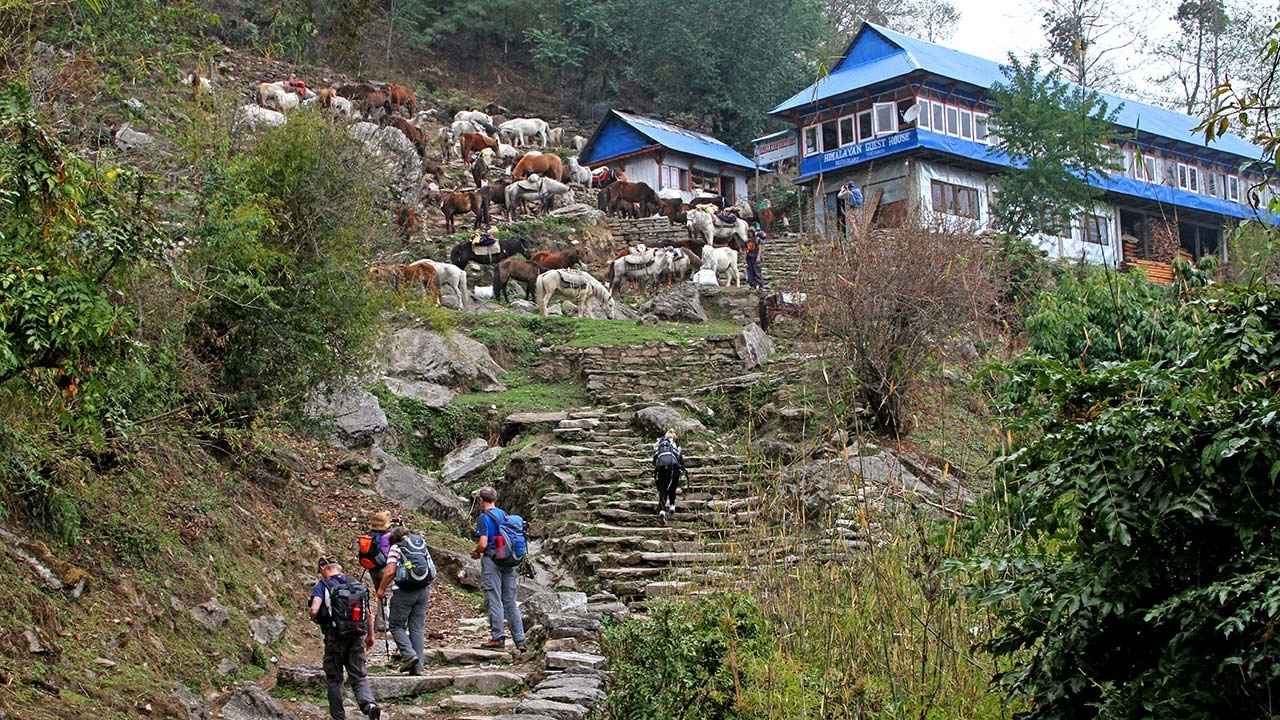
For travelers who believe a journey is measured by the people they meet as much as the mountains they see, the Gurung Heritage Trek offers one of Nepal's richest cultural experiences. Instead of aiming for a famous base camp or high mountain pass, this route connects traditional Gurung villages where stone houses, terraced farms, ancient customs, and warm hospitality remain part of everyday life.
Along the way, you will enjoy panoramic views of Annapurna, Lamjung Himal, Machhapuchhre, and Manaslu while gaining a deeper understanding of one of Nepal's most respected mountain communities. It is an ideal trek for those who enjoy slow travel and authentic cultural encounters.
Who Should Choose This Trek?
This trek is ideal for travelers who:
-
Want to experience authentic Gurung culture.
-
Prefer villages and local traditions over extreme altitude.
-
Are interested in photography and cultural immersion.
-
Want a comfortable trek suitable for most fitness levels.
Trek at a Glance
|
Feature |
Details |
|
Duration |
8–10 Days (ideal within a 12-day Nepal trip) |
|
Highest Point |
Around 2,100–2,200 m |
|
Average Walking Time |
4–5 hours per day |
|
Difficulty |
Easy to Moderate |
|
Best Seasons |
March–May and September–November |
|
Typical Cost |
US$500–700 |
Pros
-
Rich cultural immersion.
-
Comfortable altitude.
-
Traditional villages and homestays.
-
Beautiful Himalayan panoramas.
Cons
-
Less challenging for experienced trekkers.
-
Fewer alpine landscapes.
-
Better suited to culture-focused travelers than adventure seekers.
Quick Verdict
Now this becomes much more useful because it covers almost every type of traveler.
|
If Your Priority Is... |
Choose… |
|
The world's most iconic Himalayan trek |
Everest Base Camp Trek |
|
The best balance of scenery, culture, and value |
Annapurna Base Camp Trek |
|
Peaceful trails with glaciers and Tamang culture |
Langtang Valley Trek |
|
Alpine lakes and Everest panoramas |
Gokyo Lakes Trek |
|
A short trek with dramatic mountain viewpoints |
Mardi Himal Trek |
|
Sustainable trekking and community tourism |
Mohare Danda Trek |
|
Authentic village life and Gurung culture |
Gurung Heritage Trek |
Which 12-Day Trek Offers the Best Overall Value?
The "best" trek is not always the most famous one. Some travelers dream of reaching Everest Base Camp, while others care more about diverse scenery, cultural immersion, or getting the most out of their budget. Comparing the overall experience, not just the destination, makes it much easier to choose the right adventure.
|
Trek |
Typical Cost |
Highest Point |
Cultural Experience |
Physical Challenge |
Best For |
|
Everest Base Camp |
US$1,100–1,500 |
5,550 m |
Sherpa culture |
Moderate |
Bucket-list adventure |
|
Annapurna Base Camp |
US$600–900 |
4,130 m |
Gurung & Magar culture |
Moderate |
Best overall value |
|
Langtang Valley |
US$700–1,000 |
4,984 m |
Tamang culture |
Moderate |
Peaceful mountain |
|
Gokyo Lakes |
US$1,200–1,500 |
5,357 m |
Sherpa culture |
Moderate |
Lakes and panoramic views |
|
Mardi Himal |
US$500–800 |
4,500 m |
Gurung & Magar culture |
Moderate |
Short Himalayan adventure |
|
Mohare Danda |
US$500–800 |
3,300 m |
Community tourism |
Easy to Moderate |
Sustainable trekking |
|
Gurung Heritage |
US$500–700 |
2,200 m |
Gurung villages |
Easy to Moderate |
Cultural immersion |
Looking purely at value, the Annapurna Base Camp Trek stands out as the most balanced option. It combines spectacular Himalayan scenery, diverse landscapes, welcoming mountain villages, comfortable tea houses, and a lower overall cost than Everest, all while staying at a more manageable altitude. For many travelers, it delivers the greatest variety within a 12-day itinerary.
That does not mean it is the best choice for everyone. If standing beneath the world's highest mountain has been your lifelong dream, no other trek can replace the experience of Everest Base Camp. Likewise, if you prefer quieter trails, glacier scenery, or meaningful cultural encounters, routes like Langtang Valley, Gokyo Lakes, Mohare Danda, or the Gurung Heritage Trek may leave a stronger impression than Nepal's busiest trekking destinations.
Which Trek Is Best for First-Time Trekkers?
If this is your first trekking adventure in Nepal, Annapurna Base Camp is often the easiest recommendation. The trail offers an excellent balance of mountain scenery, cultural experiences, and comfortable infrastructure while reaching a lower maximum altitude than the Everest region. That combination makes it more forgiving for beginners without sacrificing the feeling of a true Himalayan adventure.
The Langtang Valley Trek is another outstanding introduction. It is less crowded, easily accessible by road from Kathmandu, and provides a rich mix of Tamang culture, alpine landscapes, glaciers, and panoramic viewpoints. Many first-time trekkers appreciate its relaxed atmosphere and slower pace compared with Nepal's more famous routes.
The Everest Base Camp Trek remains the ultimate bucket-list journey, but it asks more from you. Higher elevations, longer days, and the effects of altitude make proper preparation and acclimatization far more important. A good level of fitness, realistic expectations, and a well-planned itinerary significantly improve your chances of completing the trek safely and comfortably.
At the end of the day, there is no wrong choice, only the trek that best matches your expectations. If you are chasing the world's most iconic trekking experience, choose Everest Base Camp. If you want the best all-round adventure, Annapurna Base Camp is difficult to beat. For quieter trails, authentic mountain culture, and a more relaxed pace, Langtang Valley, Mohare Danda, or the Gurung Heritage Trek are excellent alternatives. The best 12-day trek is not necessarily the most famous one, it is the one you will remember long after you have returned home.