
Nepal is a dream destination for trekkers from around the world. With its towering mountains, lush valleys, and vibrant culture, trekking here offers an experience like no other. However, one of the most important factors that can make or break your trek is timing. The weather, landscape, and overall trekking experience change drastically with each season. If you have searched the web for the most ideal time to trek in Nepal, you may have come across the spring recommendation. But, is spring the best time trek in Nepal, really?
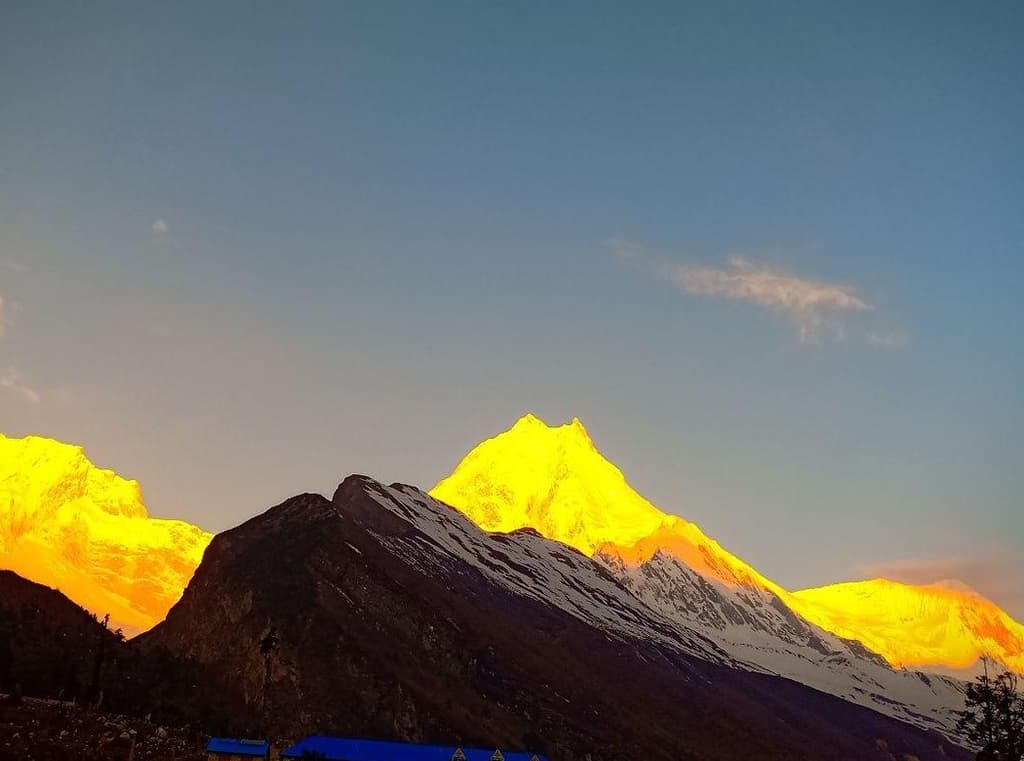
Spring, which falls between March and May, is often considered one of the best times to explore Nepal's trails. During this season, the mountains are usually visible with clear skies, and the temperatures are mild. Similarly, rhododendrons bloom in vibrant colors, painting the hillsides in shades of red, pink, and orange. This combination of pleasant weather and beautiful scenery makes trekking in spring both enjoyable and visually stunning.
From popular routes like the Everest Base Camp and Annapurna Base Camp to less crowded trails like Langtang Valley and Ghorepani Poon Hill, the spring season provides ideal conditions for trekkers of all levels. In this blog, we will explore why spring is considered the best time to trek in Nepal, discuss its advantages and challenges, and offer practical tips for planning your perfect spring adventure. Whether you are a first-time trekker or an experienced hiker, spring in Nepal promises memories that last for a lifetime.
Why Timing Matters for Trekking in Nepal?
Choosing the right time to trek in Nepal is just as important as choosing the right route. Nepal has a very diverse geography, from low hills to the world's highest mountain. The weather changes quickly with altitude and season. A trek that feels comfortable and safe in one season can become difficult or even risky in another.
Nepal experiences four main reasons:
- Spring Season (March to May)
- Summer/Monsoon Season (June to August)
- Autumn Season (September to November)
- Winter Season (December to February)
During the monsoon, heavy rainfall makes trails muddy and slippery, which increases the risk of landslides and often blocks mountain views with clouds. In winter, higher trekking routes receive heavy snow, making some passes difficult or impossible to cross.
This is why timing matters so much. Good weather means clearer views of the mountains, safer trails, and a more enjoyable trekking experience. It also affects accommodation availability, flight schedules to mountain regions, and overall travel costs. For example, routes like Everest Base Camp or the Annapurna Circuit are much easier and safer when the weather is stable.
By trekking in the right season, you not only reduce risk but also get the best scenery, better comfort, and a smoother journey. This factor alone answers the question is spring the best time to trek in Nepal or not. This nature’s peak season stands out as a balanced and reliable season for trekking in Nepal.
Spring Weather and Landscapes in Nepal
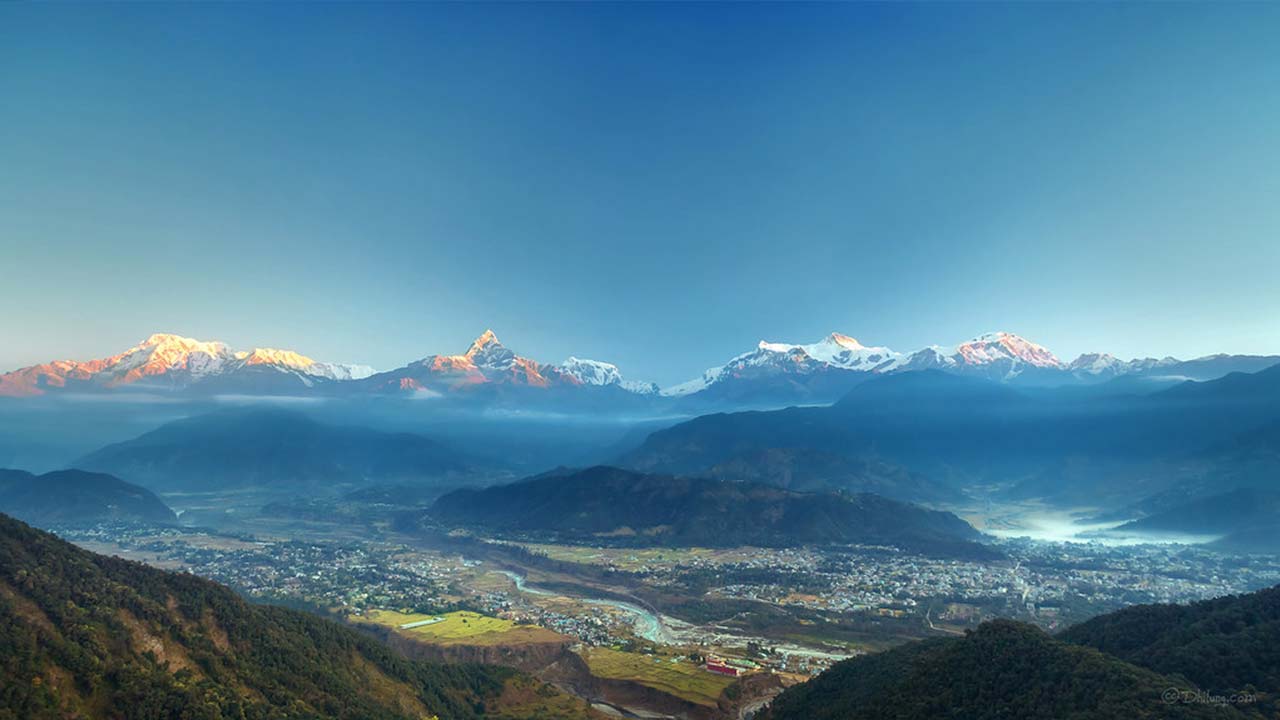
Spring in Nepal lasts from March to May, and it is known for its stable weather and beautiful landscapes. This season offers a perfect balance between not too cold like winter and not too wet like the monsoon. For trekkers, this means comfortable walking conditions and better chances of clear mountain views.
During Spring, daytime temperatures in popular trekking regions are generally mild. In lower trekking areas like Annapurna and Langtang, daytime temperatures range between 10°C. In
higher regions such as Everest Base Camp, temperatures usually stay between 5°C and 12°C during the day, while nights can still drop below freezing. The skies are mostly clear, especially in April and early May, which makes it one of the best times for mountain photography.
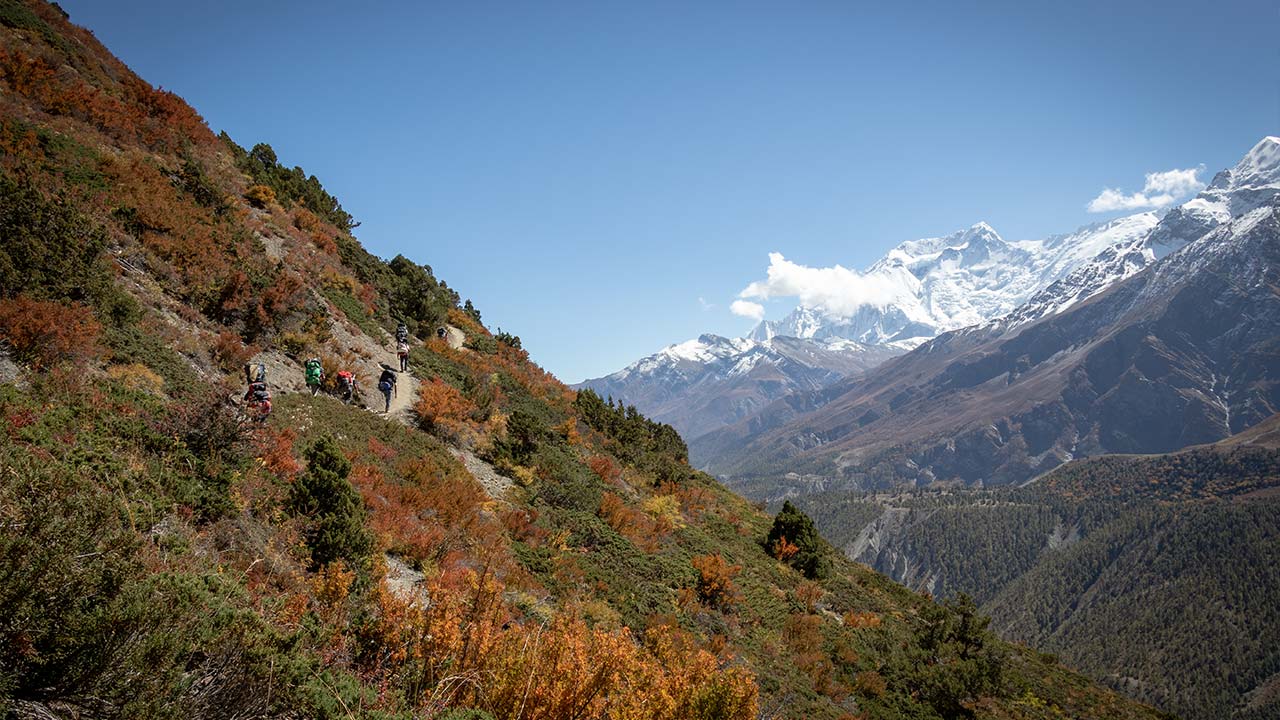
One of the biggest highlights of spring trekking in Nepal is the natural beauty. The forests along the trails come alive with blooming rhododendrons, the Nepali national flower. Hillsides turn red, pink, and white, which creates colorful paths that feel almost magical. Snow remains on the high peaks, offering a stunning contrast against the green valleys below.
Rainfall is low compared to summer, and strong winds are rare, especially in the mornings. Overall, spring weather provides safe trails, fresh scenery, and excellent visibility. These are the key reasons why many trekkers choose this season to explore Nepal.
Popular Spring Treks in Nepal
Spring is one of the most popular trekking seasons to explore Nepal's most famous trekking routes. From March to May, stable weather, clear skies, and blooming forests make trekking comfortable and scenic. During this time, most high altitude trails are accessible, teahouses are fully open, and mountain views are at their best. Below are some of the most popular spring treks in Nepal with key details on altitude, duration, and why they are ideal in spring.
Everest Base Camp Trek
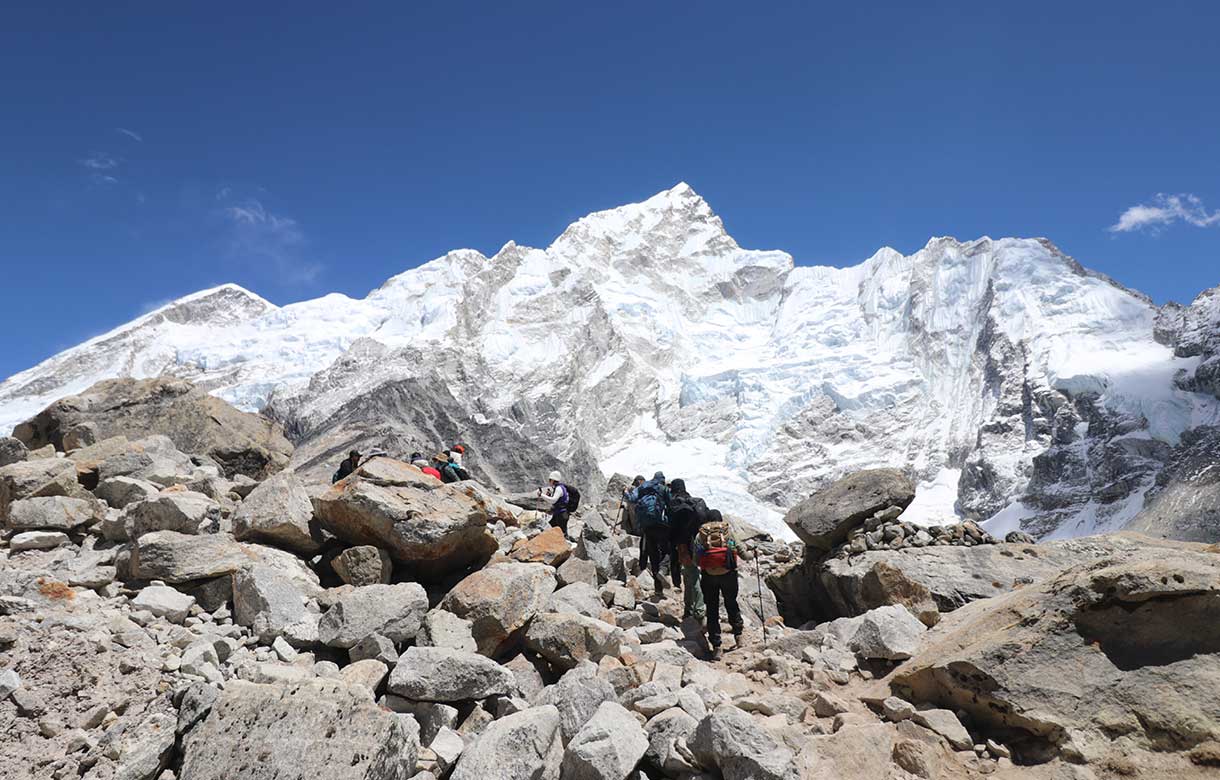
A classic high altitude trek through Sherpa villages and glacial valleys. This trek leads you to the base of the world's highest mountain with dramatic scenery and strong cultural experiences.
- Maximum Altitude: 5,364 m (EBC), Kala Patthar 5,545 m
- Trek Duration: 12-14 days
- Best visibility of Everest and surrounding peaks in spring
- Suitable for the trekkers with good fitness and acclimatization
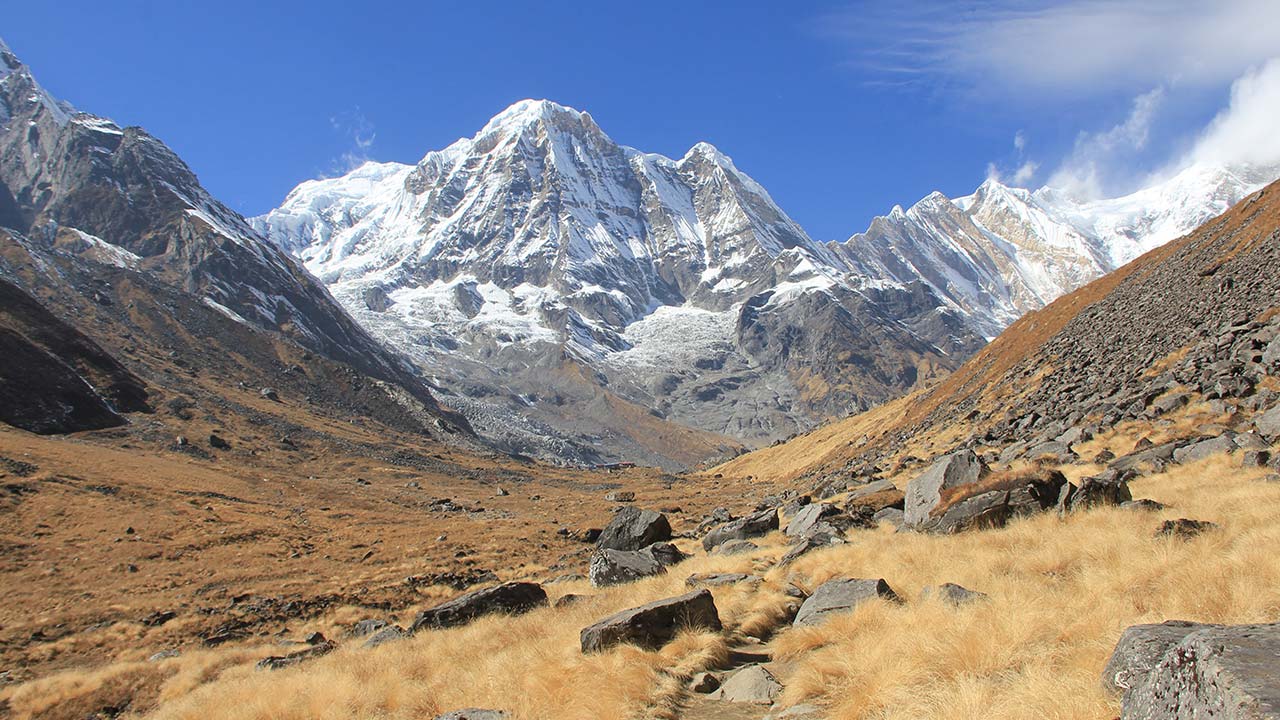
Annapurna Base Camp Trek
A diverse trek passing through terraced farms, dense rhododendron forests, and alpine landscapes. It ends in a natural amphitheater surrounded by towering Himalayan peaks.
- Maximum Altitude: 4,130 m
- Trek Duration: 7-10 days
- Colourful rhododendron forests during spring
- Trek is of moderate difficulty and rich in mountain scenery.
Ghorepani Poon Hill Trek
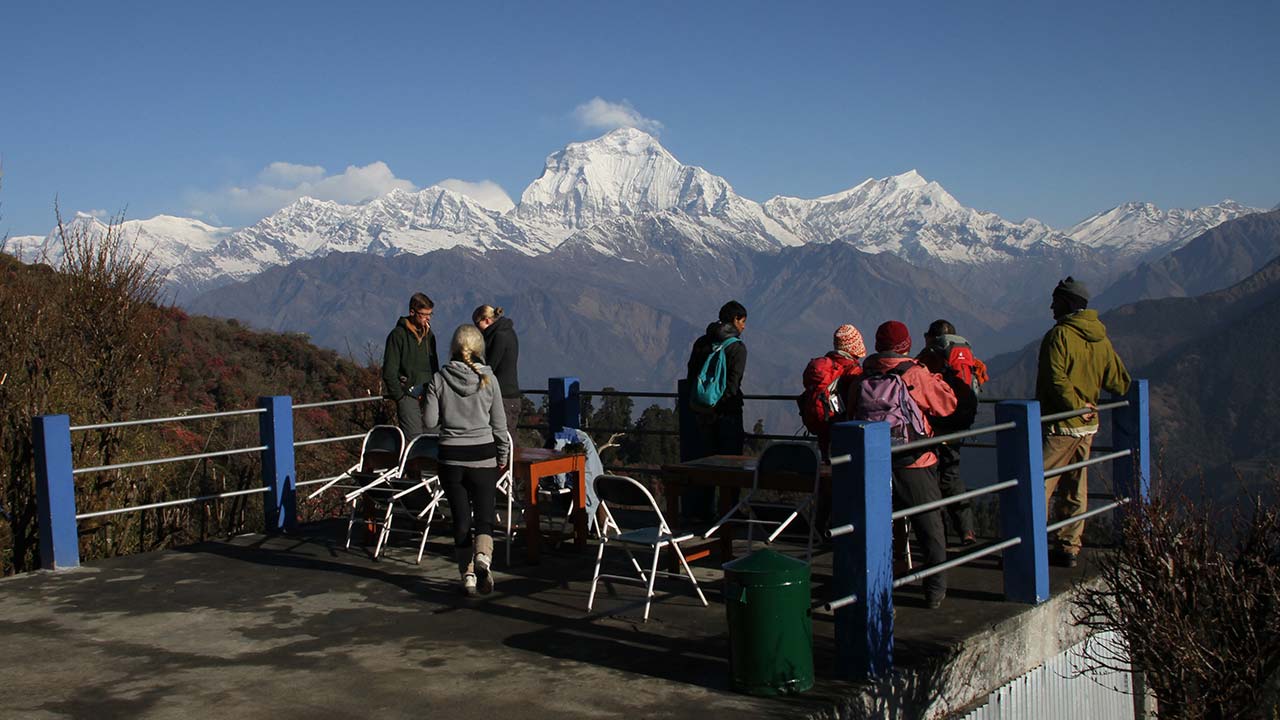
A short and scenic trek popular for sunrise views, colorful spring forest, and easy trails. This trek is ideal for beginners and trekkers with limited time.
- Maximum Altitude: 3,210 m
- Trek Duration: 4-5 days
- Ideal for beginners and short holidays
- Famous for sunrise views and spring flowers
Langtang Valley Trek
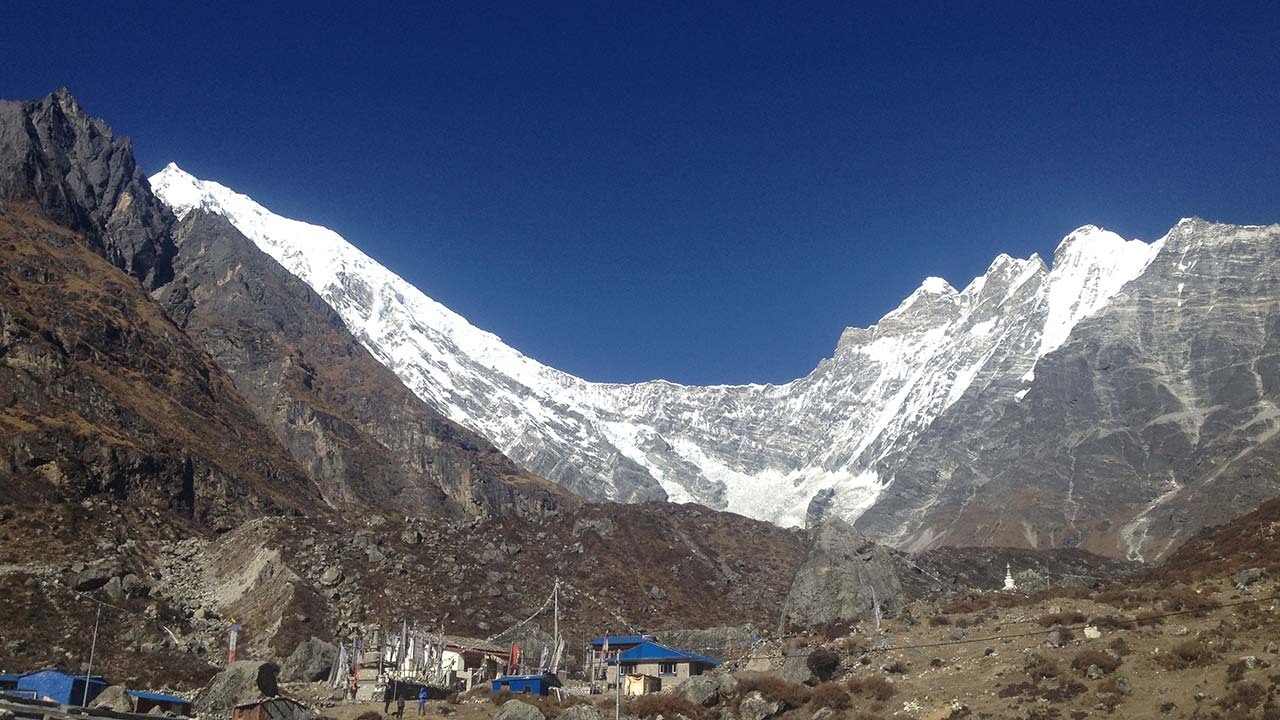
A peaceful trek close to Kathmandu. This trek offers alpine scenery, glaciers,s and strong Tamang Culture. It is perfect for those who are seeking quieter trails in spring.
- Maximum Altitue: 4,984 m (Tserko Ri)
- Trek Duration: 7-9 days
- Less crowded in comparison to Everest and Annapurna
- Trek combines mountain views with the Tamang Culture
Mardi Himal Trek
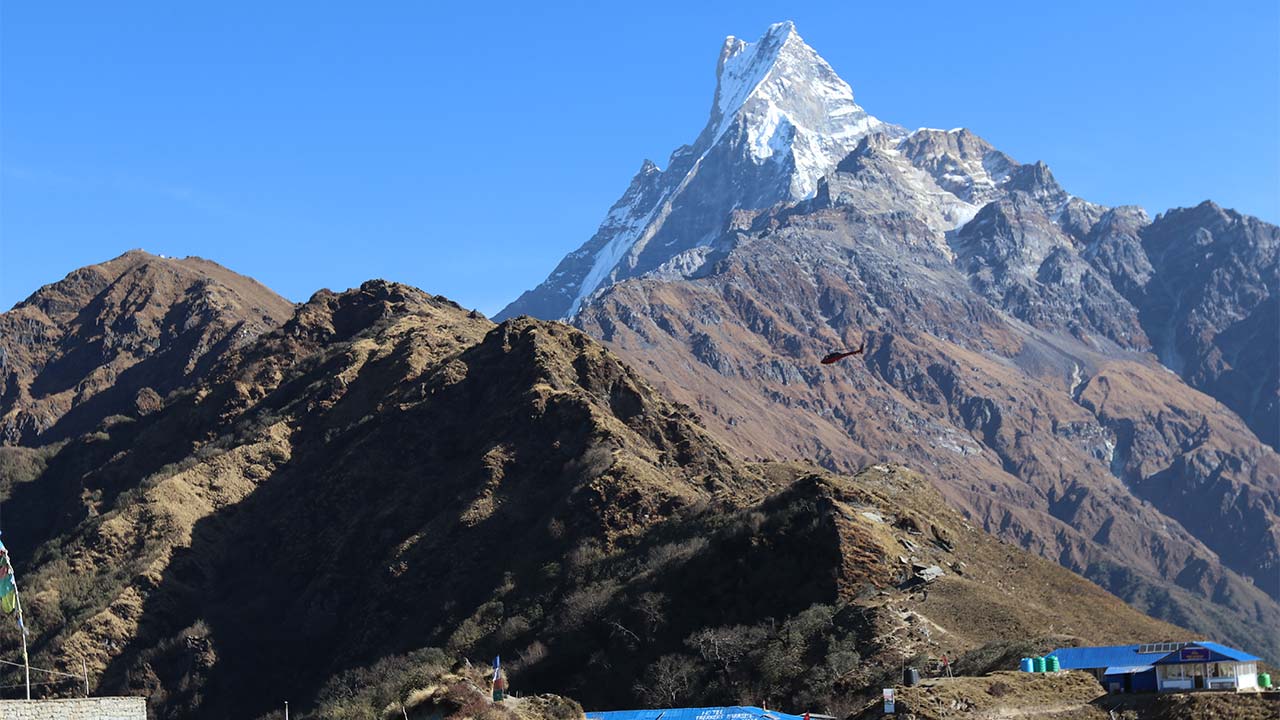
A less crowded ridge trek with close mountain views, dramatic landscapes, and calm trails. This trek is ideal for trekkers wanting solitude and scenery in spring.
- Maximum Altitude: 4,500 m
- Trek Duration: 6-8 days
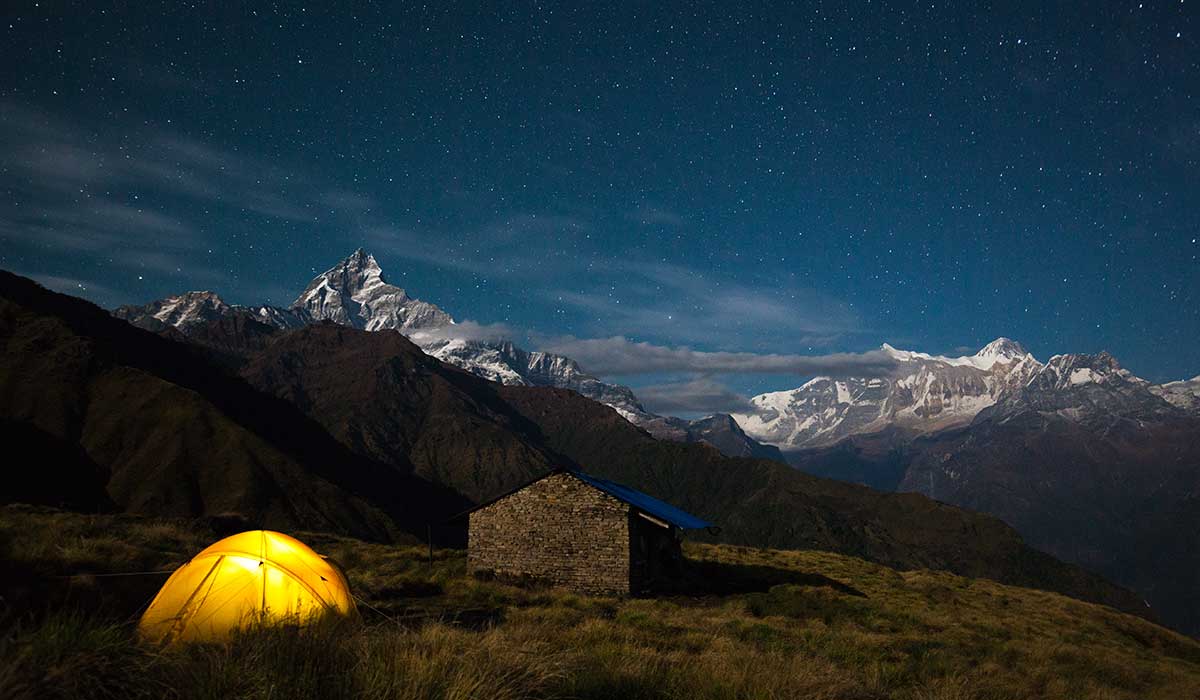
- Offers quiet trails and close-up views of Machhapuchhre
- Trek is perfect for trekkers seeking peaceful spring routes
These popular spring treks highlight why this season is ideal for trekking in Nepal. Comfortable temperatures, clear mountain views, and blooming landscapes create the perfect trekking environment. Whether you choose a classic route like Everest Base Camp or a quieter trail like Mardi Himal, Spring offers a safe, scenic, and memorable Himalayan experience for all types of trekkers.
Spring vs Other Seasons for Trekking in Nepal
Spring is often compared with other trekking seasons in Nepal, especially autumn, winter,r and the monsoon. Each season has its own character, but spring stands out for its balance of weather, scenery, and accessibility.
When compared to Autumn (September to November), Spring is slightly warmer and more colorful due to blooming flowers. Autumn is very popular because of clear skies, but trails can feel crowded, especially in October. Spring usually has fewer trekkers than peak Autumn, offering a more relaxed experience while still providing excellent mountain views.
In contrast to winter(December to February), spring is much more comfortable. Winter brings very cold temperatures and heavy snowfall at higher altitudes, which can close high passes and make trekking challenging. Spring reduces these risks as snow gradually melts and temperatures rise, which allows safer access to high altitude routes.
Compared to the monsoon season (June to August), Spring is far more suitable for trekking. Monsoon rains make trails slippery and increase the risk of landslides, while clouds often block mountain views. Spring has low rainfall, stable weather, and better visibility.
Overall, while each season has its pros and cons, spring offers the best mix of pleasant weather, beautiful landscapes, and safer trekking conditions in Nepal.
Advantages of Spring Trekking in Nepal
Spring is one of the most preferred seasons for trekking in Nepal, and for good reason. From March to May, the weather becomes stable, the landscapes turn colorful, and trekking routes are fully accessible. This season offers a perfect balance of comfort, safety, and natural beauty, making it suitable for both first-time trekkers and experienced hikers.
Key Advantages
- Pleasant Weather: Daytime temperatures are mild and comfortable. They are ideal for long walking hours.
- Clear Mountain Views: Skies are mostly clear, especially in the mornings, offering stunning Himalayan views.
- Blooming Rhododendrons: Trails pass through forests filled with colourful flowers, which enhance the trekking experience.
- Stable Trail Conditions: Low rainfall and manageable snow levels make trails safer and easier to walk on.
- Great for Photography: Bright skies, sharp mountain outlines, and colourful landscapes create perfect photo moments.
- Wide Trek Choices: High altitude and short scenic treks are both possible during the spring.
- Cultural Highlights: Local festivals add cultural richness to the journey.
- Smooth Travel Services: Flights, lodges, and guide services operate reliably during this season.
To sum it up, spring provides ideal trekking conditions in Nepal. With comfortable weather, beautiful scenery, and well-managed trekking facilities, it stands out as one of the best times to explore the Himalayas safely and enjoyably.
Challenges of Spring Trekking in Nepal
Although spring is one of the best seasons for trekking in Nepal, it is not completely free of challenges. Being a popular trekking period, spring brings more visitors to the trails, and weather conditions can still change at higher altitudes. Knowing these challenges in advance helps trekkers to prepare better and enjoy a smoother journey.
Key Challenges
- Crowded Trails: Popular routes like Everest Base Camp and Annapurna Base Camp can be busy, especially in April.
- Limited Accommodation: Teahouses may fill quickly during peak weeks, so booking is required.
- Early Spring Snowfall: March can still bring snow at higher altitudes, which can affect some trails and passes.
- Cold Nights: Temperatures drop sharply after sunset, particularly above 3,500 meters.
- Season Allergies: Blooming flowers may cause pollen allergies for some trekkers.
- Higher Costs: Flights, guides, and accommodation prices can be slightly higher due to high demand.
- Flight Delays: Mountain flights, especially to Lukla, may still face weather-related delays.
While these challenges exist, they are manageable with proper planning and flexibility. Choosing the right trekking route, booking early, and packing suitable gear can help you to overcome most spring trekking difficulties and fully enjoy your adventure in Nepal.
Trekking Gear and Preparation for Spring in Nepal
Proper gear and preparation play a big role in making your spring trek in Nepal safe and comfortable. Although spring offers mild weather, temperatures can still change quickly, especially at higher altitudes. Packing smart and preparing well helps you to enjoy the trek without unnecessary discomfort.
Essential Gear and Preparation
- Layered clothing: packing light base layers for daytime and warm layers for cold mornings and nights is ideal.
- Warm Jacket: A down or insulated jacket is necessary for evenings and higher altitudes.
- Good Trekking Shoes: sturdy, waterproof trekking boots provide comfort, and they prevent injuries on uneven trails.
- Rain Protection: For rain protection, packing a light rain jacket or poncho is useful for occasional spring showers.
- Sun protection: Carry sunglasses, sunscreen, and a hat; they protect you against strong mountain sun.
- Trekking Poles: You should carry trekking poles. They are helpful for balance, especially on downhill sections.
- Basic First-aid Kit: You should include personal medicines, pain relief, and altitude-related medication.
- Physical Preparation: You should prepare regular walking, light Cardio and leg exercises before the trek to improve stamina.
Spring trekking in Nepal does not require extreme gear, but smart packing and basic fitness are essential. With the right clothing, equipment,t and preparation, you can trek comfortably by handling changing weather and fully enjoy Nepal's beautiful spring landscapes.
Festivals and Cultural Experiences During Spring
Spring in Nepal is not only about beautiful landscapes but also a lively season for local culture and festivals. Trekking during this time gives you a chance to witness Nepal's vibrant traditions by making your journey more memorable.
Key Festivals and Experiences
- Holi (March): The famous festival of colors, celebrated with water, powder, music, and dancing across villages and towns.
- Bisket Jatra (April, Bhaktapur): It is a unique New Year festival in Bhaktapur featuring chariot processions, rituals, and cultural performances.
- Local Spring Celebration: Many mountain villages celebrate planting and harvest festivals, which give trekkers insight into rural life.
- Interactions with Locals: Spring is an active season for trekking communities. This offers trekkers an opportunity to experience traditional hospitality.
- Cultural Photography: Festivals and local celebrations provide vibrant photography opportunities alongside natural landscapes.
Trekking in spring allows you to combine adventure with cultural exploration. Experiencing local festivals adds depth and enjoyment to your trek, which makes your Spring journey in Nepal truly unforgettable.
Safety Tips for Spring Trekking in Nepal
Spring is one of the safest seasons for trekking in Nepal, but mountain conditions can still be unpredictable. Being aware of potential risks and taking preventive measures ensures a smooth and enjoyable trek. Proper preparation, attention to health, and awareness of trail conditions can make a big difference in safety.
Key Safety Tips
- Acclimatize Properly: Take rest days and climb gradually to prevent altitude sickness.
- Stay Hydrated: Drink plenty of water to maintain energy and reduce health risks.
- Pack Layers: Weather can change quickly, so it is better to carry warm and waterproof clothing.
- Wear Sturdy Footwear: Trekking boots with good grip help to prevent slips and injuries.
- Carry a First-aid Kit: Include personal medication, altitude sickness medicine, and basic supplies.
- Use a Guide or Map: Especially on less-traveled trails, guidance ensures you stay on the right path.
- Inform Someone: Let guides, lodges, or family know your route and schedule.
- Check Weather Updates: Mountain weather can change fast, so plan daily hikes accordingly.
Following these safety tips ensures that your spring trek in Nepal is both secure and enjoyable. With proper preparation, you can focus on the stunning scenery, cultural experiences, and unforgettable adventures that make spring trekking truly special.
Final Say: Is Spring the Best Time to Trek in Nepal?
Spring truly stands out as one of the best times to trek in Nepal. From March to May, trekkers can enjoy pleasant weather, clear skies, and breathtaking views of Himalayan peaks. The season brings colorful rhododendron blooms, lush green valleys, and vibrant landscapes, making every step along the trail a visual delight. Compared to other seasons, spring offers a perfect balance. It provides warmer temperatures than winter, fewer landslides than monsoon, and slightly less crowded trails than autumn.
Spring trekking allows you to experience Nepal's rich culture and festivals, such as Holi and Bisket Jatra, which add a unique local flavor to your journey. While challenges like crowded trails, early spring snow, or slightly higher cost exist, they are manageable with proper planning, suitable gear, and basic safety measures. Trekking with a local guide, carrying layered clothing, and allowing time for acclimatization can make your experience smoother and safer.
Ultimately, spring combines the best of nature, culture, and trekking convenience, which makes it ideal for both first-time trekkers and seasoned hikers. Whether you are aiming for iconic routes like Everest Base Camp and Annapurna Base Camp or exploring quieter trails like Langtang and Ghorepani Poon Hill, spring ensures memorable experiences, stunning landscapes, and enjoyable treks.
For anyone who is planning a Himalayan adventure in Nepal, the spring season is not just a good choice; it is often the best choice.