

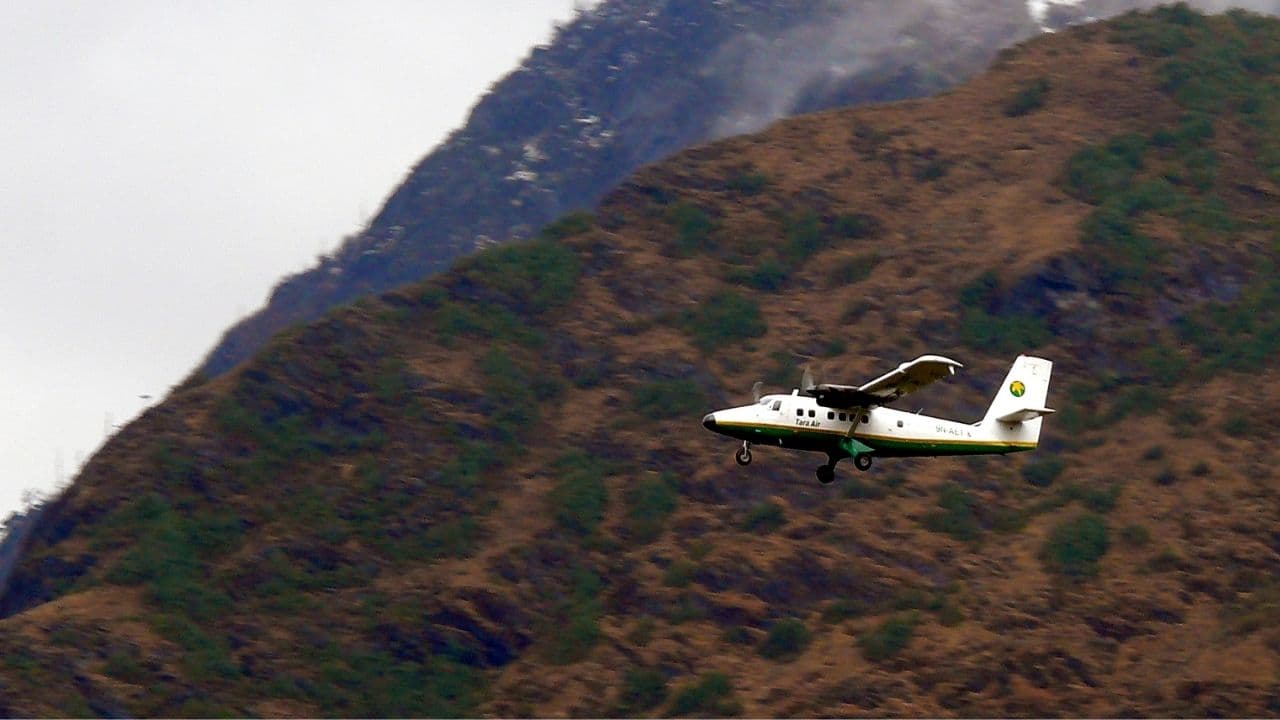
If you are familiar with the trekking routes in Nepal, then you understand that the Lukla Flight marks that your adventure in the Everest region has truly begun. Long before you cross the first suspension bridge or admire the stunning views of the snow-covered peaks, there is anticipation for boarding a small aircraft that takes you to the mountains. The Kathmandu to Lukla flight has earned a reputation for being one of the most iconic parts of the adventures in the Everest region, with equal parts excitement, scenery, and unpredictability.
What catches most trekkers off guard is the discovery that their Kathmandu to Lukla flight may not depart from Kathmandu at all. During the busiest trekking seasons in Nepal, these flights are frequently rerouted from Mathlai Airport in Ramechhap. Instead of heading straight to the Tribhuvan International Airport (TIA) for the Lukla flights, trekkers often have to set alarms in the middle of the night for a pre-dawn drive to Ramechhap to take the flight to Lukla.
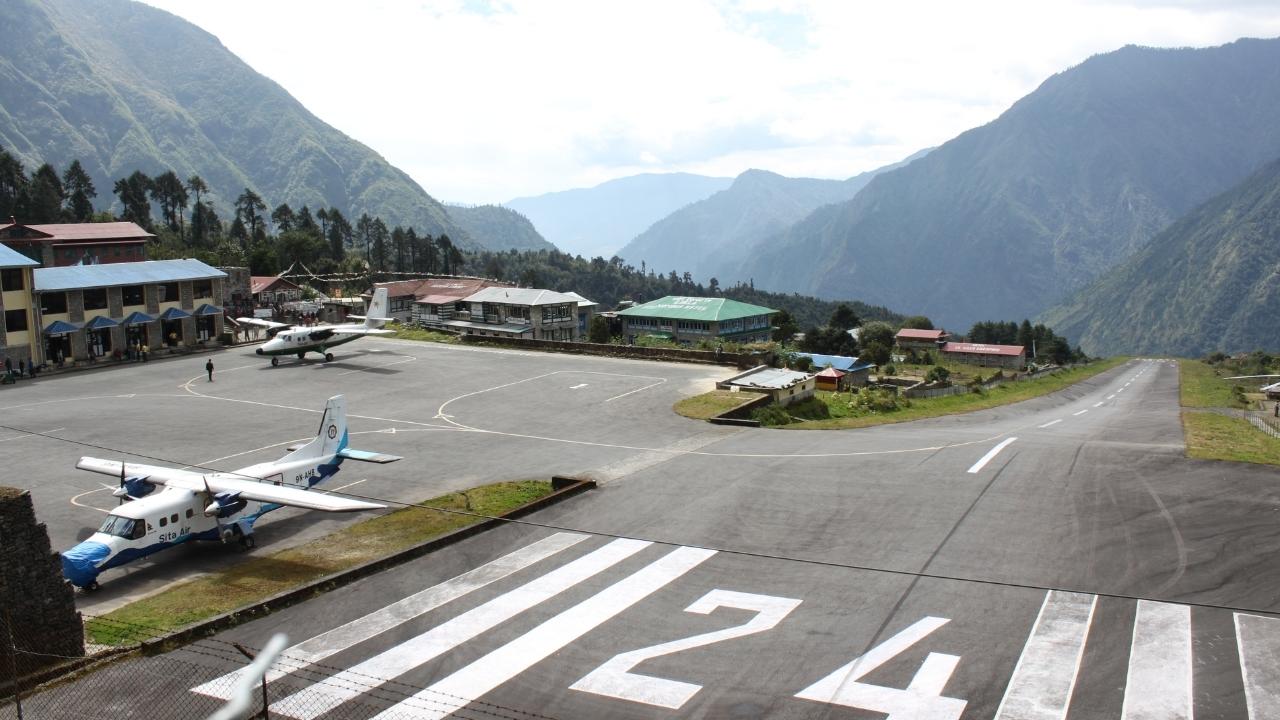
If you are hearing about this arrangement for the first time, you are certainly not alone. The re-routing system of Lukla flight from Ramechhap often raises questions, concerns, and plenty of confusion among first-time Everest trekkers. Thus, understanding how it works before you travel can help you plan your journey realistically, avoid unnecessary stress, budget for additional logistics, and make informed decisions.
Why Are Kathmandu to Lukla Flights Re-reouted to Ramechhap?
Many trekkers assume that trekking agencies decide whether the Lukla flight departs from Kathmandu or Ramechhap. However, that is not the case. The re-routing of the Lukla flight is determined by the Nepal aviation authorities in coordination with the airlines operating the route. The trekking agencies just simply arrange the tickets based on the system in place at the time. So, why was this rerouting introduced in the first place?
-
Congestion at Kathmandu Airport
Tribhuvan International Airport (TIA) is the only active international airport in the country and one of the busiest aviation hubs. During peak trekking seasons, it must handle international flights, domestic connections, cargo operations, and dozens of Everest-bound departures within a limited operational window. Unlike the many major airports around the world that operate with multiple runways and larger domestic terminals, TIA has limited infrastructure. When dozens of flights are competing for takeoff and landing slots, the delays can quickly spread throughout the system.
Even a minor disruption early in the morning can create a chain of reactions that affects the flight for the rest of the day. As the popularity of the Everest trek continued to grow, managing large numbers of Lukla departures from Kathmandu became increasingly challenging, especially during the busiest months of the year.
-
Surge in Everest-bound Travellers
The Everest region attracts thousands of trekkers, climbers, guides, and support staff every year. The majority of these travellers arrive during two relatively short trekking windows: spring (March to May) and autumn (September to November). During these popular seasons, the demand for Lulka flights reaches its annual peak point. And, the thing is, unlike other domestic routes that are operational throughout the day, the Lukla flights are heavily concentrated for the early morning hours. Lukla flights are scheduled for early morning because of the stability aspects; mornings offer the best conditions for safe flight operations.
As a result, the airlines need to move a large volume of passengers within a limited weather window that is operational for just a few hours. On busy days, aircraft must operate repeated rotations between Kathmandu and Lukla. This creates congestion not only in the air but also at airport terminals, check-in counters, baggage handling areas, and aircraft parking bays. Without an alternative departure point, the system can quickly get overwhelmed, which leads to longer waiting times and operational inefficiencies. That's why Lukla flight rerouting from Manthali Airport is a norm during the peak trekking points.
-
Operational Limitations
Another major reason behind the Kathmandu Lukla Flight rerouting is the operational limitation of the TIA itself. This airport operates with a single runway that must accommodate both domestic and international flights. Every arriving and departing aircraft, regardless of the destination, depends on the same runway. So, it creates a complex scheduling environment, especially during the busy morning periods when the demand for this route is at its highest. Lukla flights are highly weather-dependent, so airlines aim to dispatch as many flights as possible during the early morning hours.
Coordinating dozens of weather-sensitive mountain flights alongside domestic and international traffic can be difficult for the airport. Also, delays in one area often impact the entire schedule. When an aircraft destined for Lukla spends valuable time waiting for runway clearance, the weather conditions in the mountains continue to change. Thus, by shifting a significant portion of Lukla operations to Manthali Airport in Ramechhap, TIA gains greater flexibility and is able to reduce its dependency on already congested aviation infrastructure.
**Handpicked For You: Everest Base Camp Trek with Helicopter Return– Every Step to Base Camp, Every View from the Sky**
Is the Kathmandu to Lukla Flight Always Operated From Ramechhap?
No, the Kathmandu to Lukla flights are not always operated from Ramechhap. This rerouting system is primarily used during the peak trekking seasons in Nepal when the demand for the Lukla flights is at its highest. During the busy spring season (months of March, April, and May), as well as autumn (September, October, and November), there is a high possibility that the flights to Lukla will depart from Manthali Airport in Ramechhap instead of Kathmandu. However, during the quieter months of the year, particularly in winter and monsoon, when the number of visitors is lower, Lukla flights often operate directly from Kathmandu.
During the low season, few trekkers travel to the Everest region, so the pressure on Tribhuvan International Airport (TIA) decreases. It gets easier to manage Lukla departures from the capital that way. That said, there is no permanent rule that guarantees where your flight will depart from. The aviation authorities and airlines continuously assess the traffic volume, airport operations, weather conditions, and seasonal demand before determining flight arrangements. Thus, operational plans can change from one season to another.
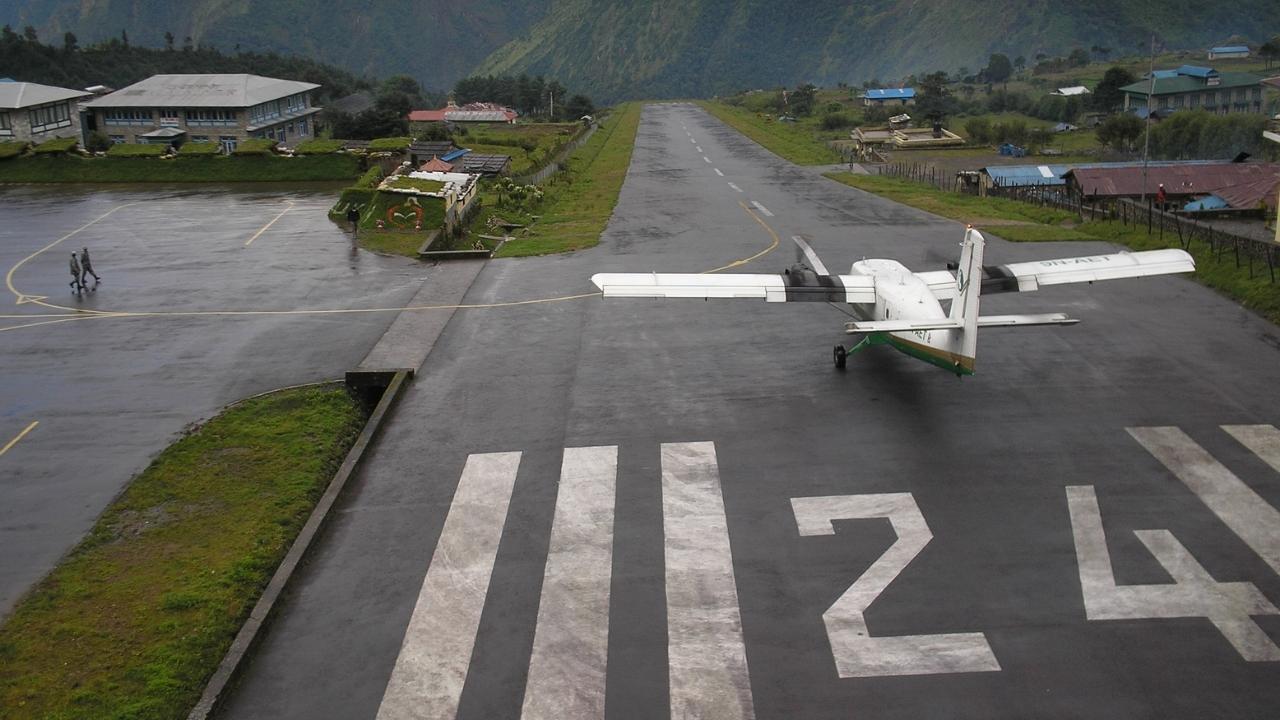
So, for this reason, you should avoid assuming that the flight will definitely depart from either Kathmandu or Ramechhap. The most reliable approach is to confirm your flight arrangement with the trekking operator or airline you are booking with before your arrival in Nepal. It is best to stay updated on any changes as your departure date approaches. Understanding this flexibility beforehand can save a great deal of confusion and help you plan your travel more effectively.
When Is Lukla Flight Rerouting From Manthali Airport Most Common?
The likelihood of your Lukla flight departure from Ramechhap largely depends on when you plan to trek. While the flight operations can change from year to year, rerouting is mostly common during the busy trekking seasons. During these periods, demand for the Everest region reaches its peak.
Spring (March to May)
Spring is one of the busiest periods in the Everest region. Alongside thousands of trekkers heading toward the Everest Base Camp, spring also attracts mountaineering expeditions attempting to climb Everest and other eastern Himalayan peaks. With a large influx of visitors, the demand for the Lukla flight increases significantly. Airlines have to operate numerous flights within a limited compatible morning window. This puts additional pressure on the Tribhuvan International Airport (TIA). As a result, spring is one of the periods when departures from Ramechhap are most commonly implemented.
Autumn (September to November)
Autumn is generally regarded as Nepal’s most popular trekking season. This season offers stable weather, clear mountain views, and comfortable trekking conditions, attracting a large number of visitors to the Everest region. Because of this high demand, autumn seasons often see similar flight arrangements to peak springtime. During the autumn season, the Ramechhap departures become common as airlines work to manage the heavy flow of trekkers flying to Lukla each day. If you are planning your adventures in the Everest region during the months of September, October, or November, there is a strong chance of your flight being rerouted from Manthali Airport in Ramechhap.
**Suggested Read: Everest Base Camp Luxury Trek: Experience Everest Without Compromising Comfort**
Winter and Monsoon Seasons
If you have planned your trek for the off-season, the flight rerouting is often different. During winter (December to February) and monsoon (June to August), there are fewer trekkers travelling to the Everest region. So, the demand for the Lukla flights is low. As there is less pressure on airport operations, the flights are more commonly operated directly from Kathmandu. This eliminates the need for an overnight or pre-dawn journey to Ramechhap that many peak-season trekkers have to take. However, it is important to note that the flight operations are determined by airlines and aviation authorities based on prevailing conditions. Even during these off-season, operational adjustments can occur if circumstances require them.
**Note: As a general rule, spring and autumn trekkers should prepare for the possibility of Ramechhap departures; meanwhile, winter and monsoon travellers are more likely to fly directly from Kathmandu. It is always best to confirm your flight arrangements before departure rather than solely relying on the historical trends**
Where Is Ramechhap (Manthali Airport)?
For many first-time trekkers, Ramechhap is a place they have never heard of until they receive their Lukla flight details. Yet during Nepal’s busiest trekking seasons, this small airport becomes the starting point for thousands of adventurers heading to the Everest region. Manthali Airport is located in Manthali, the district headquarters of Ramechhap in eastern Nepal. The Manthtali Airport sits at an altitude of 474 meters (1,555 feet) above sea level in the Tamakoshi River Valley. Despite its modest size and basic facilities, it plays a crucial role in supporting Everest tourism during peak seasons.
Manthali airport lies roughly around 132 to 140km (82 to 86 miles) east of Kathmandu. Although the distance may not sound significant, the mountainous terrain means that the journey is measured more in hours than kilometers. You should expect a road travel of 4 to 5 hours under normal conditions. However, traffic conditions, road works, and weather can occasionally extend the travel time. The driving route follows scenic BP Highway winding through hillsides, river valleys, terraced farmland, and rural settlements. Much of the road is paved and is regularly used by tourist vehicles. But, you should still expect a typical Nepali hill-road experience with bends, elevation changes, and occasional rough sections, particularly after the monsoon season.
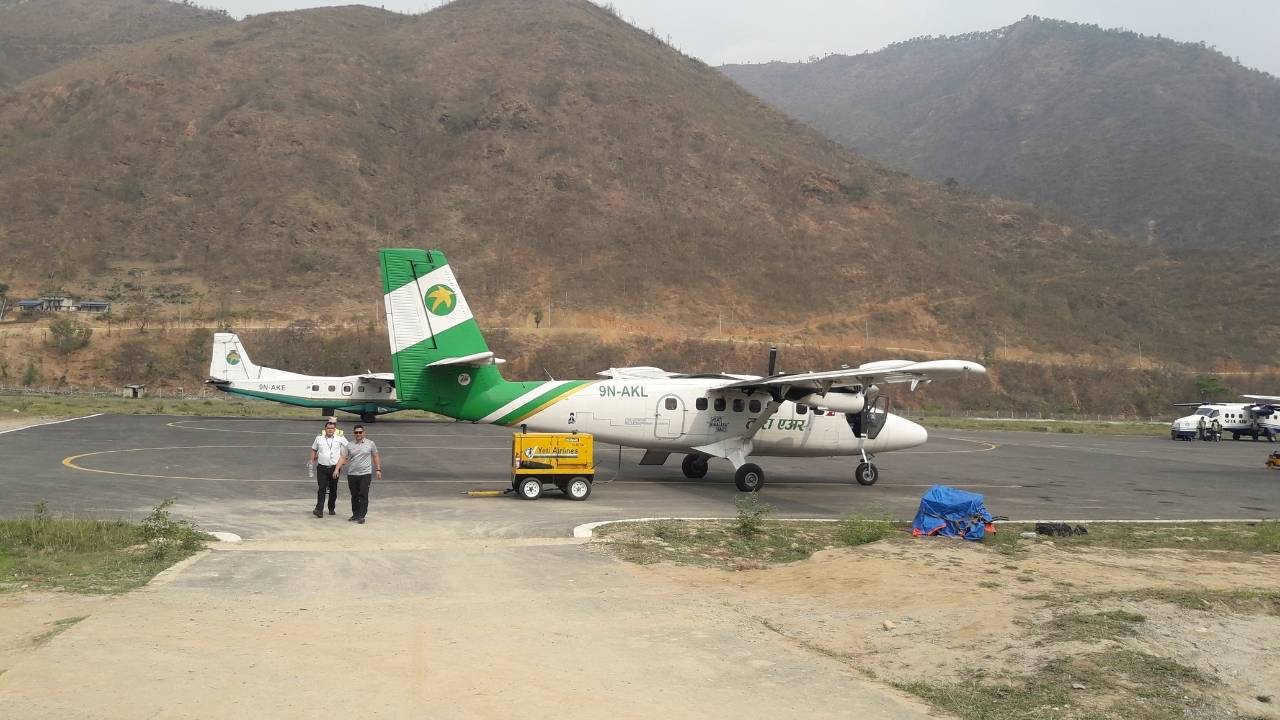
One of the biggest adjustments trekkers have to make for this Lukla flight rerouting is the departure schedule. The Lukla flight operates early in the morning, so to catch the morning flight from Manthali Airport, you will have to drive from around 2:00 to 3:00 AM in the morning from Kathmandu. If you don’t want to wake up in the middle of the night for the drive, you can travel to Ramechhap a day before the flight. Although the additional road journey may seem inconvenient initially, the Manthali Airport has been an important part of the Everest travel experience for many trekkers.
During peak seasons, Manthali Airport serves as the bridge between the busy streets of Kathmandu and the mountain airtrips that open the door to the Khumbu region.
Kathmandu to Ramechhap Transportation Options
Once your Lukla flight is confirmed to depart from Manthali Airport, the next step is reaching Ramechhap from Kathmandu. Since most Lukla flights leave shortly after sunrise to take advantage of the best mountain weather, the road journey begins in the middle of the morning, 2:00 to 3:00 AM. Fortunately, there are several transportation options available, each suited to different needs, travel styles, and levels of comfort.
Shared Tourist Vehicles
Shared tourist vans and minibuses are the most common way for trekkers to travel from Kathmandu to Ramechhap. These are an economical option and are widely used by travellers joining group treks or looking to keep the transportation cost low. If you are going for this option, you will have to depart from Kathmandu between 2:00 to 3:00 AM. The schedule needs to be carefully planned to ensure passengers arrive at Manthali Airport before the morning flight. Although the journey can feel long due to early departure, travelling with fellow trekkers creates an atmosphere of shared excitement.
So, if you are travelling on a budget or don’t mind sharing the ride with other passengers, this is the most practical and cost-effective option. You will be able to traverse from Kathmandu to Ramechhap comfortably with fellow trekkers to catch the morning flight to Lukla.
Private Jeep Transfers
Private jeep transfer is a greater comfort and flexibility option for this driving route. Although this option is more expensive than a shared vehicle, it offers several advantages. Jeep transfers offer door-to-door pickup, additional luggage space, and freedom to travel at your own pace. The private jeep transfers are popular with families, small groups, older travellers, or anyone who prefers a quieter and more comfortable journey. This option also offers greater flexibility, making it easier to adjust departure times or include short breaks along the way if needed.
If you are someone who values convenience over cost, a private jeep transfer can make an overnight journey considerably more relaxed. You can travel at your own pace and enjoy the flexibility for this flight rerouting from Manthali Airport.
**Don't Miss: Gokyo Lakes Trek– Discover Everest's Hidden Blue Paradise**
Transportation Arranged by Trekking Agencies
If you have booked for your Everest trek with a trekking company like Eco Holidays Nepal, in most cases, the company will handle the Ramechhap transfer for your Lukla flight. This is often the most convenient option as the agency will coordinate your road transfer with the scheduled flight and keep track of any operational changes. If there is a need to adjust flight timings or the rerouting arrangement changes, the operator will update you about the departure time accordingly.
This option removes much of the uncertainty and allows you to focus on preparing for the trek rather than worrying about managing transportation logistics by yourself. But, before your trip, it is worth confirming whether the Kathmandu to Ramechhap transfer is included in your package or not. The package inclusion can vary between the operators.
Public Transporation
Public transportation is also available between Kathmandu and Ramechhap, but they are rarely recommended for trekkers flying to Lukla. Yes, these are certainly the cheapest options; however, public transport follows fixed schedules. So, the travel time may not align with the early morning Lukla flights. On top of that, the travel times can also be longer due to frequent stops, varying road conditions, and less predictable departure schedules.
If you are working with a tight itinerary plan and have a confirmed flight to Lukla, then relying on public transportation just introduces unnecessary risk. For most trekkers, the shared tourist vehicles, private jeeps, or agency-arranged transfers provide a far more reliable and stress-free way to reach Manthali Airport on time.
Alternative to Kathmandu to Lukla Flights Re-reouted From Ramechhap
Although the Ramechhap rerouting system has become a normal part of Everest travel during the busy months, it is not the only way to reach Lukla. Depending on your budget, schedule, and comfort preferences, there are other options for helicopter flights that you can choose from. Taking this alternative will reduce uncertainty and make the beginning of your Himalayan adventure considerably smoother. For trekkers who value convenience and flexibility, a helicopter flight to Lukla from Kathmandu offers a completely different experience.
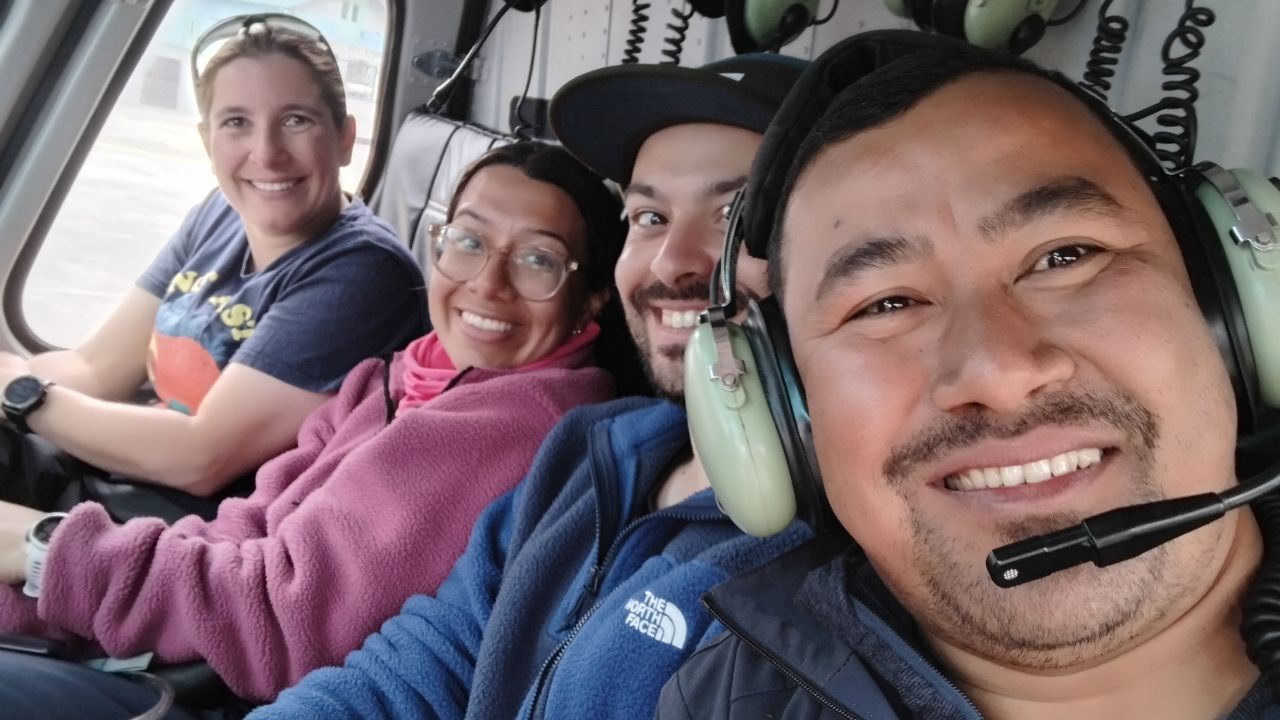
Rather than navigating the uncertainty of Lukla flight rerouting, overnight drives, and early-morning transfers, with helicopter flights, you can fly directly to Lukla from Kathmandu. In this aerial journey, you will be able to enjoy the spectacular aerial views of the terraced hills, deep river valleys, and the high snow-clad peaks dominating the horizon. This journey feels less like a logistical necessity and more like an unforgettable part of the adventure itself. The helicopter transfers are particularly appealing for those with limited time, families, older travellers, photographers, or pretty much anyone hoping to minimize the stress associated with Lukla flights rerouting.
Special Note From Eco Holidays Nepal
During peak trekking seasons, joining a shared helicopter flight to Lukla generally costs around USD 500 per person. Since the fixed-wing flight to Lukla is included in the trekking package, for the helicopter transfer, Eco Holidays Nepal will refund the USD 200. So, to take the shared helicopter flight directly from Kathmandu to Lukla, you will need to add only USD 300. We offer transparent services and give our best to ensure that your journey to the Himalayas remains comfortable and memorable.
The pricing of other agencies may not be clear regarding the refund for the ticket of a fixed-wing flight to Lukla. However, Eco Holidays Nepal will adjust the pricing for the helicopter transfer, and you will just have to pay USD 300 to enjoy this scenic transfer. If you are seeking maximum flexibility and exclusivity, you can also go for the private charter options. These charted flights usually cost around USD 2,500 to USD 3,000 per helicopter.
It is also important to note that, for the group sharing, the estimated USD 500 per person margin works during the peak season only. During the high season, there are a lot of trekkers in the region, and it is easier to find travellers. However, during the off-season, the pricing can vary based on group size and availability.