Highlights of Kathmandu Valley World Heritage Sites Tour
Visit all seven UNESCO World Heritage Sites within the Kathmandu Valley in a single day, covering its most significant historic, religious, and cultural landmarks
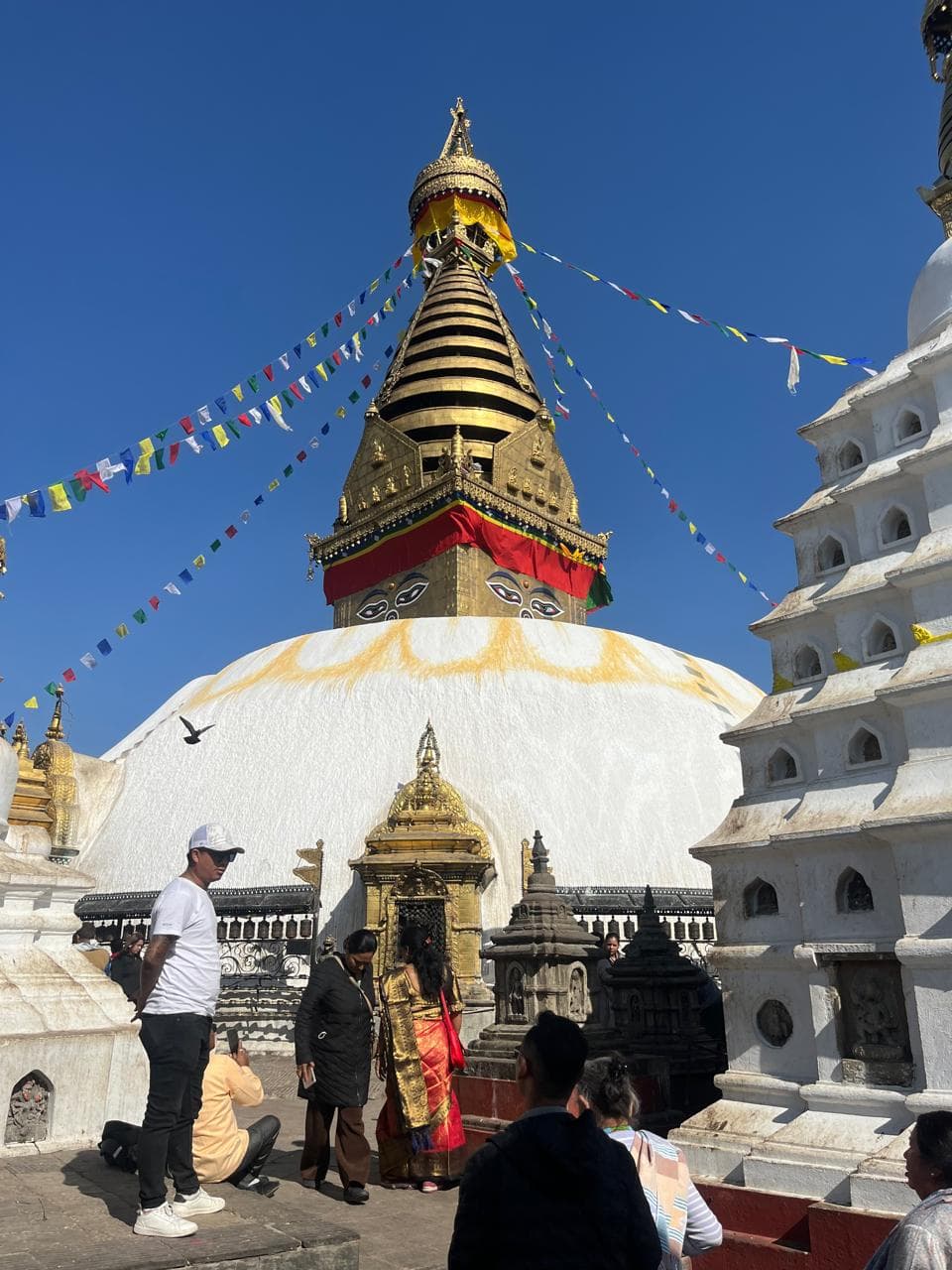
Explore Swayambhunath Stupa, perched on a hilltop with panoramic views across Kathmandu Valley and a mix of Buddhist and Hindu shrines
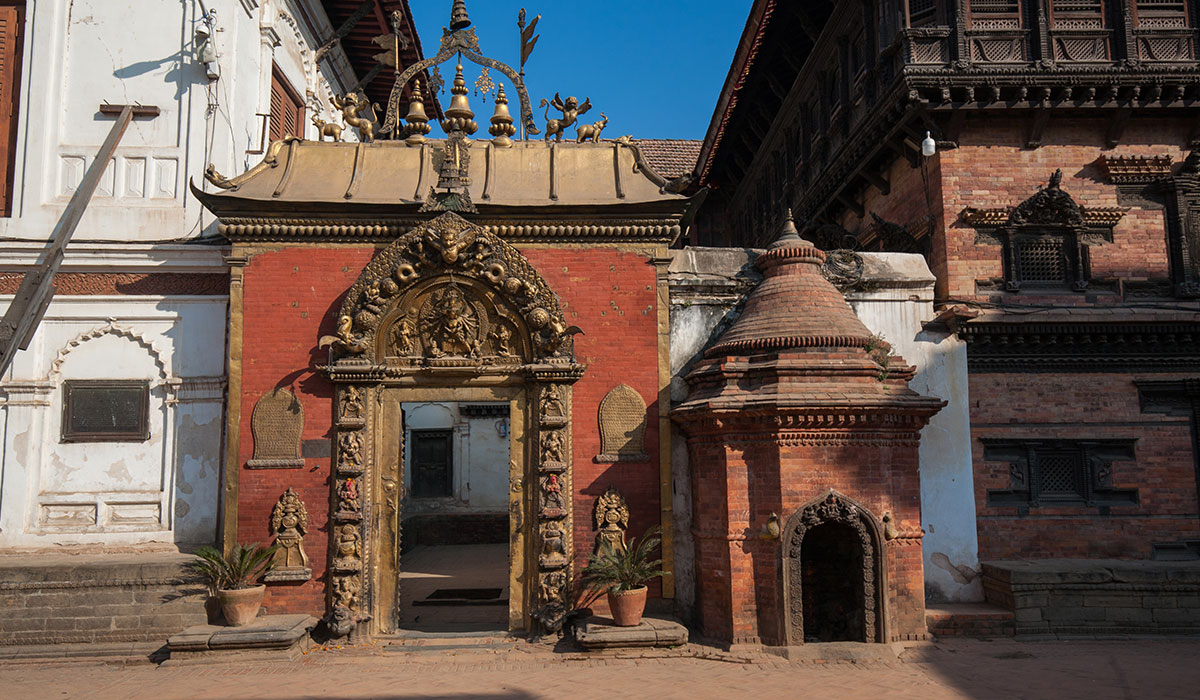
Walk through Kathmandu Durbar Square, home to historic palaces, temples, courtyards, and traditional Newari architecture
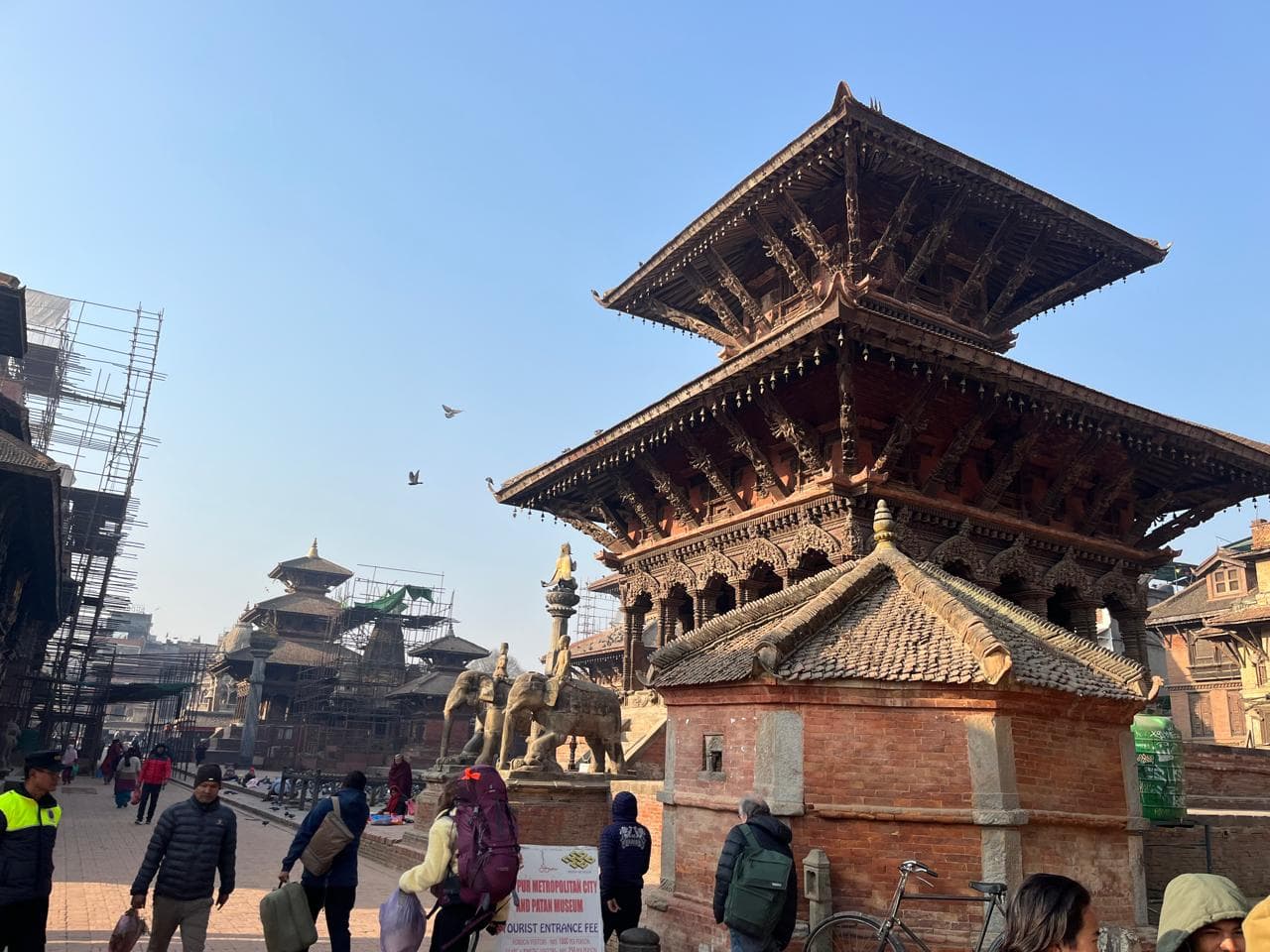
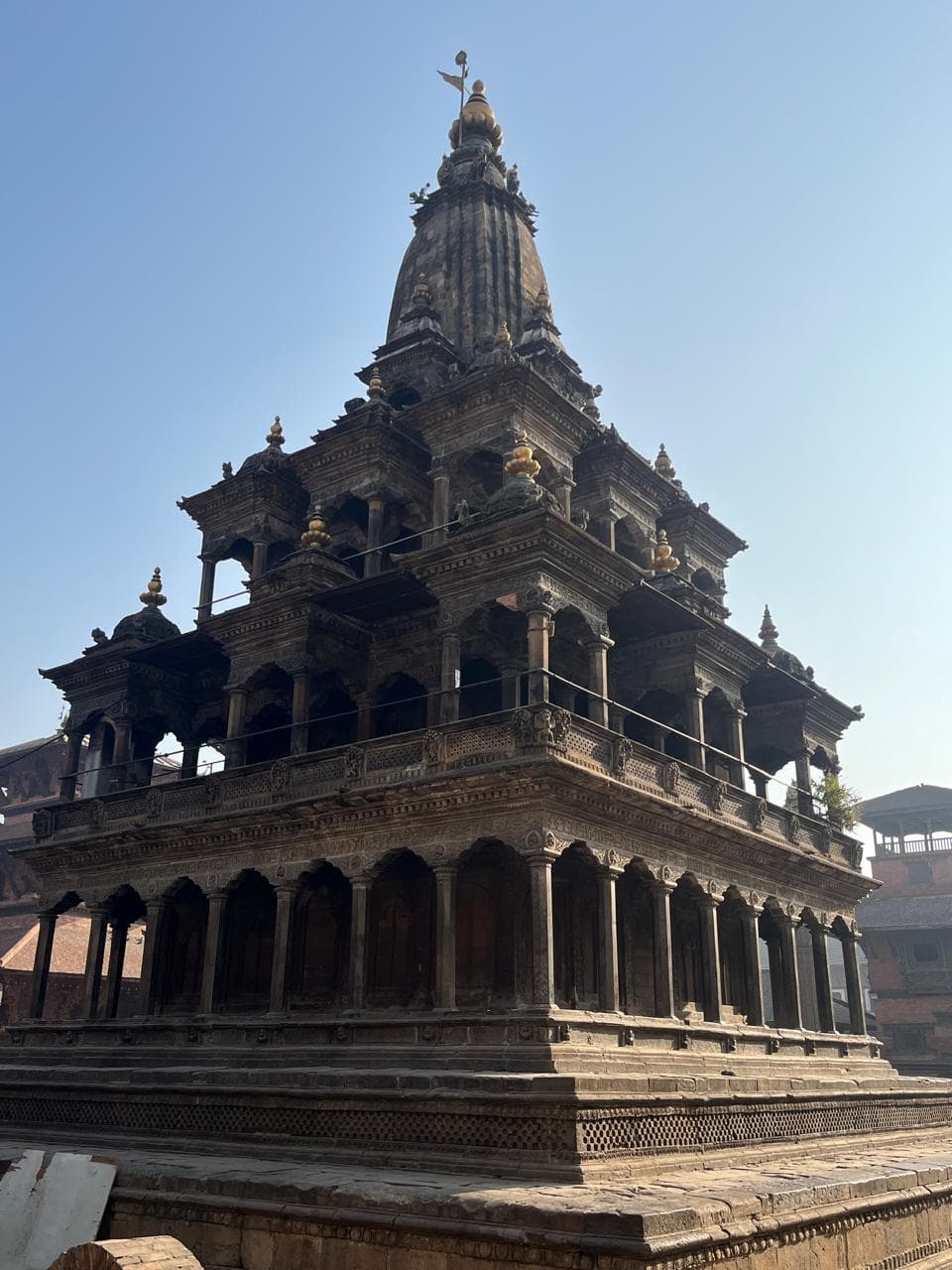
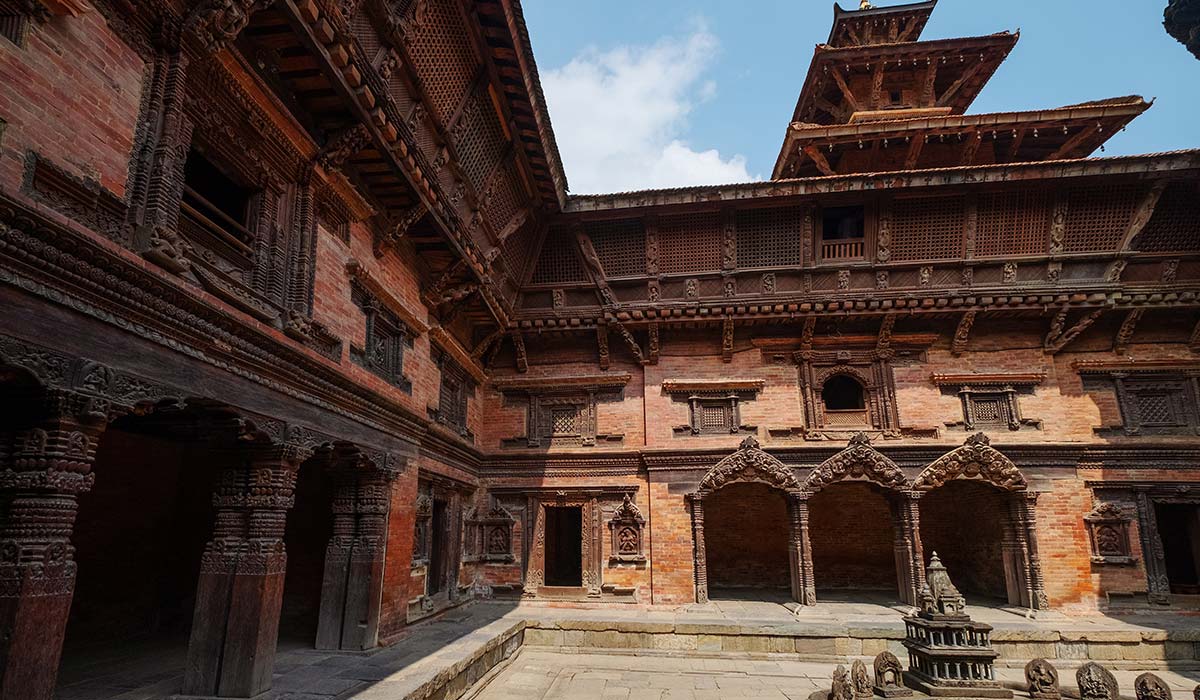
Discover the artistic heritage of Patan Durbar Square, known for its intricate temples, stone and metal craftsmanship, and historic royal complex
Enjoy a traditional Newari lunch in Patan, with an opportunity to experience some of the valley's distinctive local cuisine
Explore Bhaktapur Durbar Square, where medieval architecture, temple squares, palace courtyards, and the famous 55-Window Palace showcase Bhaktapur's rich heritage
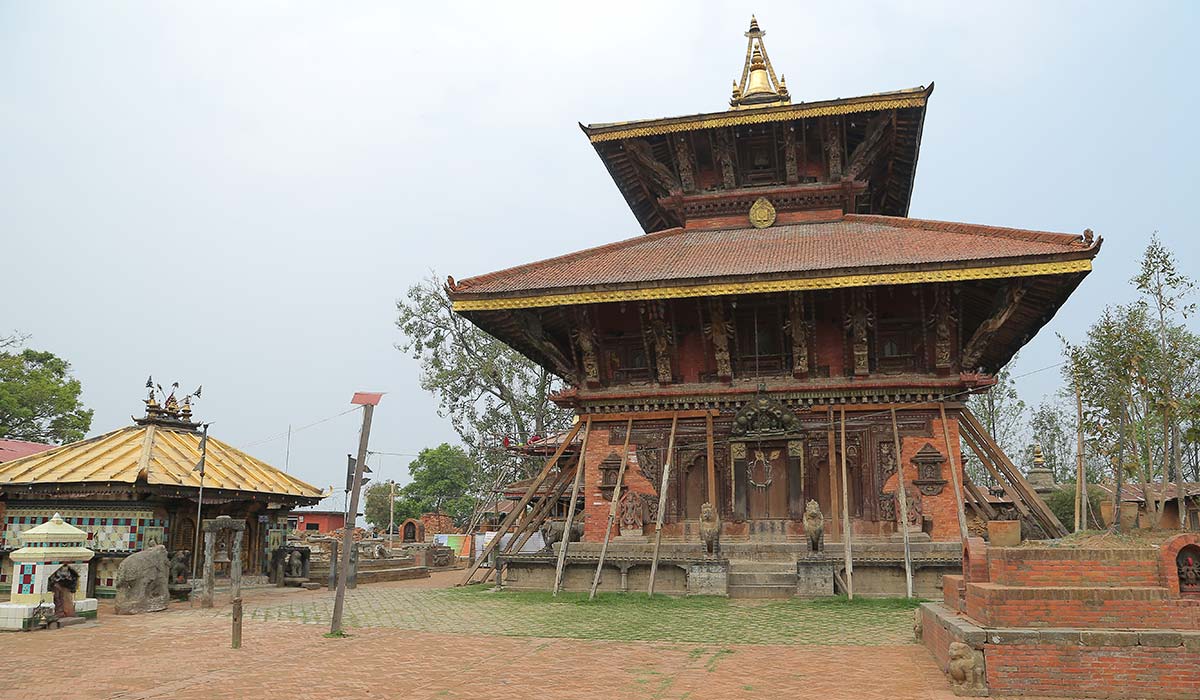
Visit Changunarayan Temple, one of the valley's oldest temple sites, known for its historic sculptures, inscriptions, and traditional pagoda architecture
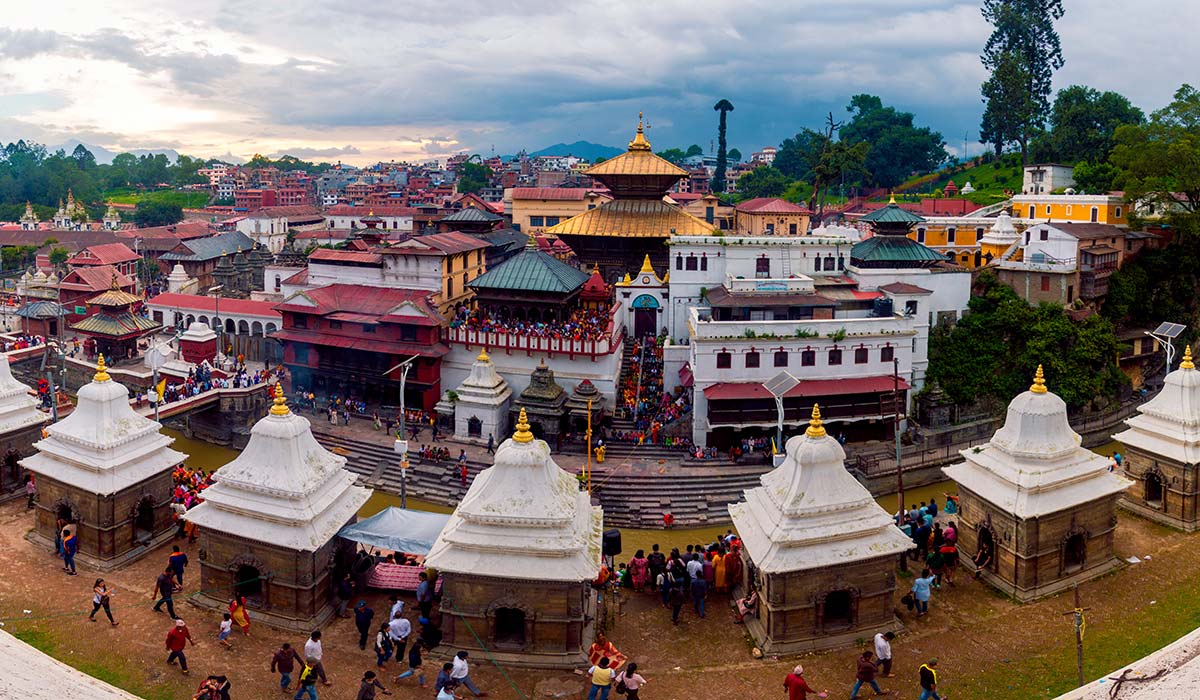
Experience the spiritual atmosphere of Pashupatinath Temple and observe Hindu religious practices around the sacred Bagmati River
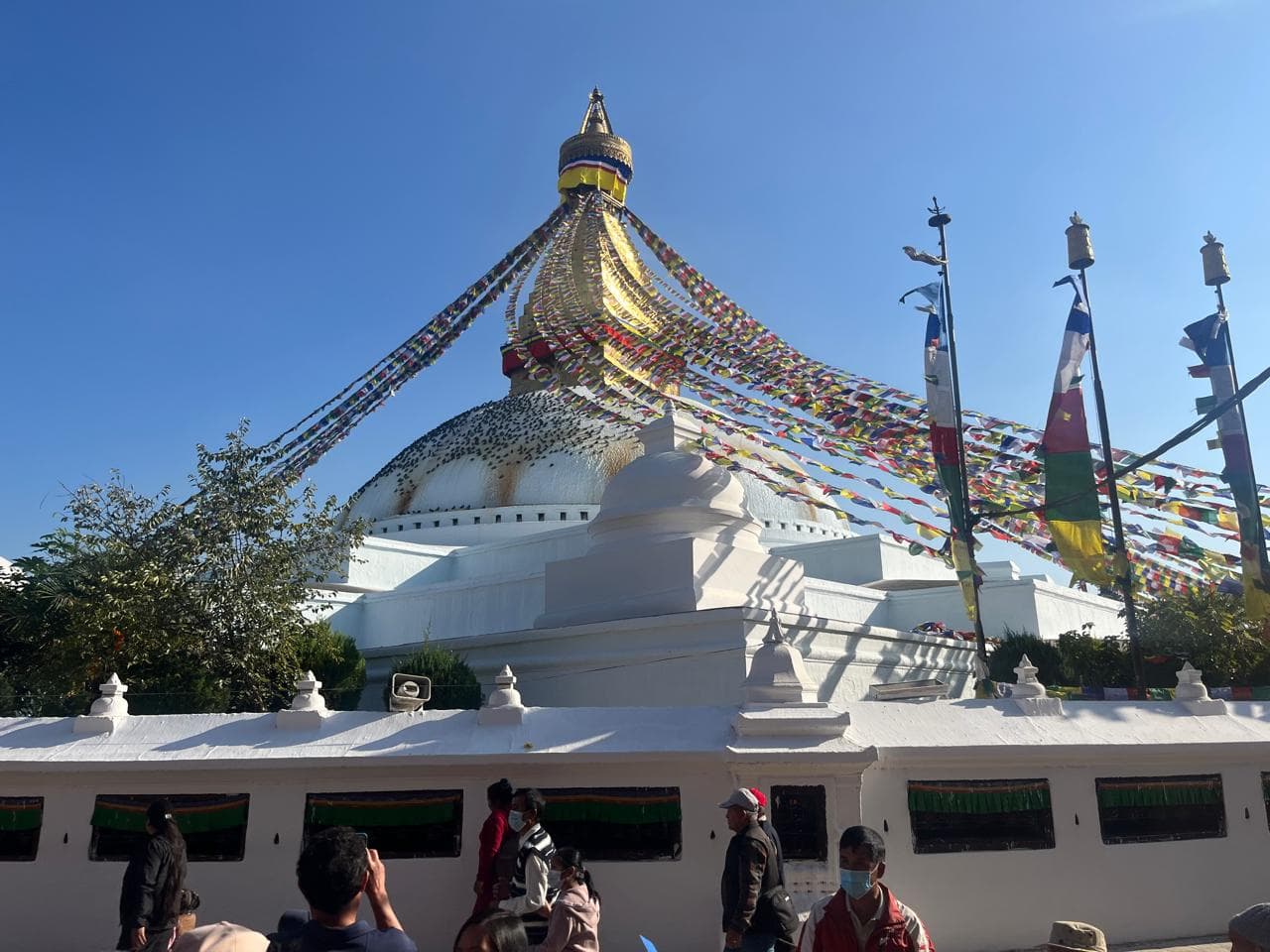
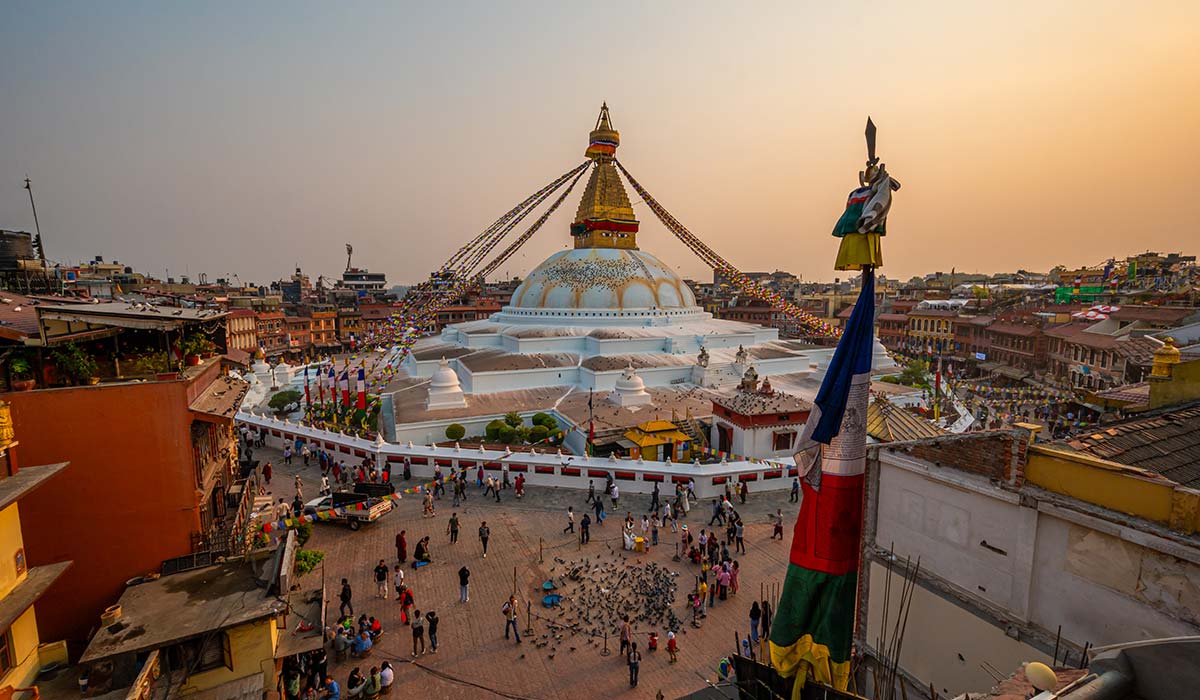
End the tour at Boudhanath Stupa, one of Nepal's most important Tibetan Buddhist sites, surrounded by monasteries, prayer wheels, and traditional Buddhist activity
Observe the contrast between Hindu and Buddhist traditions across the valley, from the rituals of Pashupatinath and Swayambhunath to the Buddhist communities around Boudhanath
See the distinctive Newari architectural heritage expressed through pagoda temples, palace courtyards, carved wooden windows, stone sculptures, and traditional urban settlements
Learn about the Kathmandu Valley's history through its former royal cities of Kathmandu, Patan, and Bhaktapur, each with its own architectural and cultural identity
Experience several major heritage sites during one well-planned day, making the tour suitable for travelers who want broad cultural coverage within a limited stay in Kathmandu
Travel between the heritage sites by comfortable private vehicle, reducing unnecessary walking between distant parts of the valley and keeping the day practical and efficient
Return to your hotel in the late afternoon or early evening after completing the major heritage sites, depending on the time spent at each location
Trip Overview
There are many World Heritage Sites inside Kathmandu Valley that can be explored in a short time. Kathmandu Valley is nestled in the heart of Nepal and encompasses numerous heritage sites. It is a vibrant tapestry of history, culture, and spirituality. The day tour to the famous world heritage sites tour encompasses a visit to amazing places like Swayambhunath, Pashupatinath, Boudhanath, Kathmandu Durbar Square, Bhaktapur Durbar Square, Patan Durbar Square, and Changunarayan Temple. Seven collections of monuments and structures that highlight the rich cultural and architectural legacy of the area may be found in this ancient valley.
Visiting these places will give you an excellent opportunity to witness the ancient architecture of Nepal and explore the cultural traditions of Kathmandu. From bustling squares to serene stupas and temples, these world heritage site tours are cultural assets of the country. Embarking on a tour to such places not only quenches your thirst for enthusiasm but also gives you insights into the cultural traditions of the country. It is an easy and short way to escape the nerve-racking lifestyle and immerse yourself in distinct heritage, religion, and timeless traditions. Our Seven Heritage in Kathmandu Tour is a voyage through time where the traditional and the modern coexist peacefully. It's more than just a sightseeing excursion.
To seek the majestic beauty of the Kathmandu Valley, catch the outstanding beauty of the mountains, and seek Nepal's historical and cultural treasures, heading for this journey can be beneficial for you. The Kathmandu Valley World Heritage Sites Tour is customized in such a way that it lets you explore every heritage site in a single-day tour extensively. This means you’ll get to catch the beauty of the region, immerse in the distinct culture, interact with locals, try delectable cuisines, and catch the stunning aerial beauty of the Valley. The mesmerizing journey is a close-up look into the spirit of the nation, encompassing the core of its long-standing customs, legacy, and religion.
This article provides every detail of cultural and religious insights into such places and monuments. Our organized itinerary will undoubtedly present you with a magnificent experience.
Why Choose This Tour?
The Kathmandu Valley World Heritage Sites Tour brings together the valley's most important historic and religious landmarks in one carefully planned day. Instead of focusing on a single monument or neighborhood, the tour moves through Kathmandu, Patan, Bhaktapur, and the surrounding areas, allowing you to see how different royal traditions, architectural styles, and religious practices have developed across the valley.
What makes this tour especially worthwhile is the variety within a single itinerary. You can examine centuries-old temples and palace courtyards, observe Hindu and Buddhist rituals, explore traditional Newari architecture, and experience local food and urban life along the way. With private transportation connecting the sites, it is also a practical choice for travelers who want to cover the valley's major heritage attractions without spending several days sightseeing.
See the Valley's Major Heritage Sites in One Day
The tour covers all seven UNESCO World Heritage Sites of the Kathmandu Valley, including Swayambhunath, Kathmandu Durbar Square, Patan Durbar Square, Bhaktapur Durbar Square, Changunarayan, Pashupatinath, and Boudhanath. This makes the itinerary particularly useful for travelers with limited time who want a broad introduction to Nepal's cultural heritage.
Discover Three Historic Royal Cities
Kathmandu, Patan, and Bhaktapur were once separate royal cities, and each developed its own distinctive architectural and artistic traditions. Visiting their Durbar Squares on the same day allows you to compare palace complexes, temple designs, courtyards, sculptures, and traditional Newari craftsmanship across the three historic centers.
Experience Hindu and Buddhist Traditions Side by Side
Religious heritage is central to the tour, but each site offers a different perspective. Pashupatinath provides insight into Hindu worship and rituals, while Boudhanath and Swayambhunath reflect important Buddhist traditions. Changunarayan and the Durbar Squares further demonstrate how religious practices have long been integrated into the cultural life of the Kathmandu Valley.
Explore Newari Art, Architecture, and Craftsmanship
The historic areas of the valley are renowned for their detailed woodcarving, stone and metal sculptures, pagoda-style temples, palace courtyards, and traditional buildings. Patan and Bhaktapur are particularly valuable for travelers interested in architecture and craftsmanship, where many details can be appreciated by walking through the historic squares.
Go Beyond the Main Tourist Landmarks
The tour is not limited to photographing famous monuments. Time at the heritage sites allows you to observe courtyards, shrines, monasteries, local worship, traditional architecture, and the everyday activity surrounding these historic places. This gives the sightseeing experience greater cultural context rather than treating each destination as simply a photo stop.
Experience Local Newari Cuisine
Food is another part of the cultural experience, particularly during the lunch break in Patan. Newari cuisine has a strong connection with the Kathmandu Valley's cultural identity, and trying local dishes provides an opportunity to experience an important part of the region's traditions alongside its architecture and heritage.
Visit Sacred Sites With Distinct Cultural Settings
Each stop has its own atmosphere and historical significance. From the hilltop setting of Swayambhunath and the monastic surroundings of Boudhanath to the sacred Bagmati River at Pashupatinath and the historic temple complex of Changunarayan, the changing settings keep the day varied while revealing different aspects of the valley's heritage.
Make the Most of a Limited Stay in Kathmandu
For travelers with only a short amount of time in the capital, visiting the seven World Heritage Sites individually can be difficult to organize efficiently. This tour connects the major locations into one full-day itinerary, allowing you to experience a substantial part of Kathmandu Valley's cultural heritage before returning to your hotel in the late afternoon or early evening.
Cost Details
What's Included in Kathmandu Valley World Heritage Sites Tour
Complimentary transfers to and from your hotel
Guided city sightseeing tour in Kathmandu with private transport and entrance fees included
All transportation during the tour
Services of an official English-speaking guide
All government and local taxes included
Farewell dinner in Kathmandu to conclude the tour
What's Excluded in Kathmandu Valley World Heritage Sites Tour
Lunch and Dinner are excluded
All kind of soft and hard drinks.
Your personal expenses.
Necessary entry fees during heritage site visit if required.
Your international Airfare and Nepal entry Visa.
Price & Availability
Group Discount Available
1 - 2 Person
US$ 105
3 - 6 Person
US$ 75
7 - 14 Person
US$ 55
15 - 25 Person
US$ 48
Itinerary
The Kathmandu Valley World Heritage Sites Tour is a full-day cultural journey connecting seven UNESCO World Heritage Sites across Kathmandu, Patan, Bhaktapur, and the surrounding valley. The itinerary combines historic palace squares, Buddhist stupas, Hindu temples, traditional Newari architecture, and important religious sites, with private transportation between each destination. The order of visits is designed to cover the major heritage landmarks within one day while allowing reasonable time at each site. Depending on traffic, site conditions, and your interests, the timing can be adjusted for private groups.
Phase 1: Hotel Pickup and Morning Departure
Your day begins with a convenient pickup from your hotel in Kathmandu. You will meet your guide and driver before setting out in a comfortable private vehicle toward the first heritage site, Swayambhunath. A morning departure allows you to make the most of the day and gives you sufficient time to explore the major sites without having to rush through each location. Your guide can also provide an introduction to the history and cultural importance of the Kathmandu Valley as you begin the tour.
Phase 2: Explore Swayambhunath Stupa
Your first major stop is Swayambhunath Stupa, one of the most recognizable landmarks in Kathmandu. Located on a hill overlooking the valley, the complex includes the main Buddhist stupa along with temples, shrines, prayer wheels, and other religious structures. You will have around 1 to 2 hours to explore the complex and observe its religious and architectural features. The elevated setting also provides a broad view across Kathmandu Valley, offering a useful introduction to the geography and urban landscape you will encounter throughout the day.
Phase 3: Discover Kathmandu Durbar Square
From Swayambhunath, you continue to Kathmandu Durbar Square, the historic royal center of the former Kathmandu Kingdom. The square contains temples, palace buildings, courtyards, sculptures, and examples of traditional Newari craftsmanship. During your 1 to 2-hour visit, you can walk through the historic complex and learn about the royal and religious traditions associated with the area. The architecture and detailed woodcarving found throughout the square provide an important look into the artistic heritage of the Kathmandu Valley.
Phase 4: Visit Patan Durbar Square
The tour then continues south toward Patan Durbar Square, located in the historic city of Lalitpur. The journey takes you through Kathmandu's busy urban areas before reaching Patan, where the atmosphere and architectural character begin to change. You will spend approximately 1 to 1.5 hours exploring the palace complex, temples, courtyards, and surrounding heritage buildings. Patan is particularly renowned for its traditional Newari craftsmanship, including intricate metalwork, stone carving, and architectural details.
Phase 5: Enjoy a Newari Lunch in Patan
After exploring Patan Durbar Square, you will have time for lunch in the area. This is an opportunity to try traditional Newari cuisine, which forms an important part of the Kathmandu Valley's culinary heritage. Depending on your preference, you can choose from a variety of local dishes before continuing toward the eastern side of the valley. Taking lunch in Patan also provides a natural break between the morning's sightseeing and the afternoon's heritage visits.
Phase 6: Explore Bhaktapur Durbar Square
After lunch, you travel toward Bhaktapur Durbar Square, one of the best-preserved historic urban areas in the Kathmandu Valley. The square is surrounded by temples, traditional buildings, palace courtyards, and monuments that reflect Bhaktapur's medieval Newari heritage. You will have time to explore the main attractions, including the 55-Window Palace, along with the temples and historic courtyards around the square. Bhaktapur is also well known for its traditional food, so you may have an opportunity to sample local specialties if time permits.
Phase 7: Visit Changunarayan Temple
From Bhaktapur, the journey continues toward Changunarayan Temple, situated on a hilltop northeast of Bhaktapur. The temple is dedicated to Vishnu and is recognized for its long history, traditional architecture, stone sculptures, and historic inscriptions. You will spend around one hour exploring the temple complex and learning about its religious and historical significance. Its quieter setting also provides a contrast to the busier heritage squares visited earlier in the day.
Phase 8: Explore Pashupatinath Temple
After Changunarayan, you return toward the central part of the valley for a visit to Pashupatinath Temple, one of Nepal's most important Hindu pilgrimage sites. The extensive temple complex stretches along the Bagmati River and contains numerous shrines, temples, courtyards, and sacred spaces. During approximately one hour at Pashupatinath, you can observe the religious atmosphere around the temple complex and the Bagmati River. Your guide can explain the significance of the site and the Hindu traditions practiced here while ensuring that the visit respects local religious customs.
Phase 9: Experience Boudhanath Stupa
The final major stop is Boudhanath Stupa, located close to Pashupatinath. Its large white dome and distinctive Buddha eyes make it one of the most recognizable Buddhist landmarks in Nepal. The evening can be a particularly interesting time to visit, as monks, pilgrims, and visitors move around the stupa while prayer wheels turn and the surrounding monasteries and shops become more active. You will spend around 1 to 2 hours exploring the stupa and its surrounding Tibetan Buddhist community, with time for photographs or refreshments if desired.
Phase 10: Return to Your Hotel
After completing the visit to Boudhanath, you will meet your driver and begin the return journey to your hotel. The exact arrival time depends on traffic and how much time you spend at each heritage site, but the tour generally concludes in the late afternoon or early evening. By the end of the day, you will have visited all seven UNESCO World Heritage Sites in the Kathmandu Valley while experiencing the region's royal history, Buddhist and Hindu traditions, Newari architecture, and local cuisine. For private groups, the pace and time spent at individual sites can be adjusted according to your interests and available time.
If the provided schedule isn't suitable for you, we can create personalized travel arrangements.
Description: Situated in the heart of Kathmandu, Kathmandu Durbar Square is one of the historically and culturally significant sites of Nepal. It is also known as Basantapur Durbar Square and is a royal palace for the Malla kings and the Shah dynasty. There are three major significant sites, or Durbar Square in the Kathmandu Valley, which belonged to the Newar kingdoms before the unification of Nepal. Kathmandu Durbar Square is a major attraction site for tourists and locals as it is one of the UNESCO World Heritage sites. The architectural design of the square, which combines Buddhist and Hindu customs, is a reflection of its historical significance.
Highlights of Kathmandu Durbar Square
Hanuman Dhoka: The complex structure of Hanuman Dhoka dates back to the 16th century. It is a symbol of God Hanuman and is one of the major attractions of the Kathmandu Durbar Square. This site offers glimpses of ancient architecture and an excellent opportunity to delve into the cultural significance preserved from ancient times. It encompasses museums within it and is a testament to the rich history and royal grandeur of Nepal. Visiting this palace not only provides you with eye-catching architectural structures and buildings but also gives you insights into the unification of Nepal by Prithvi Narayan Shah.
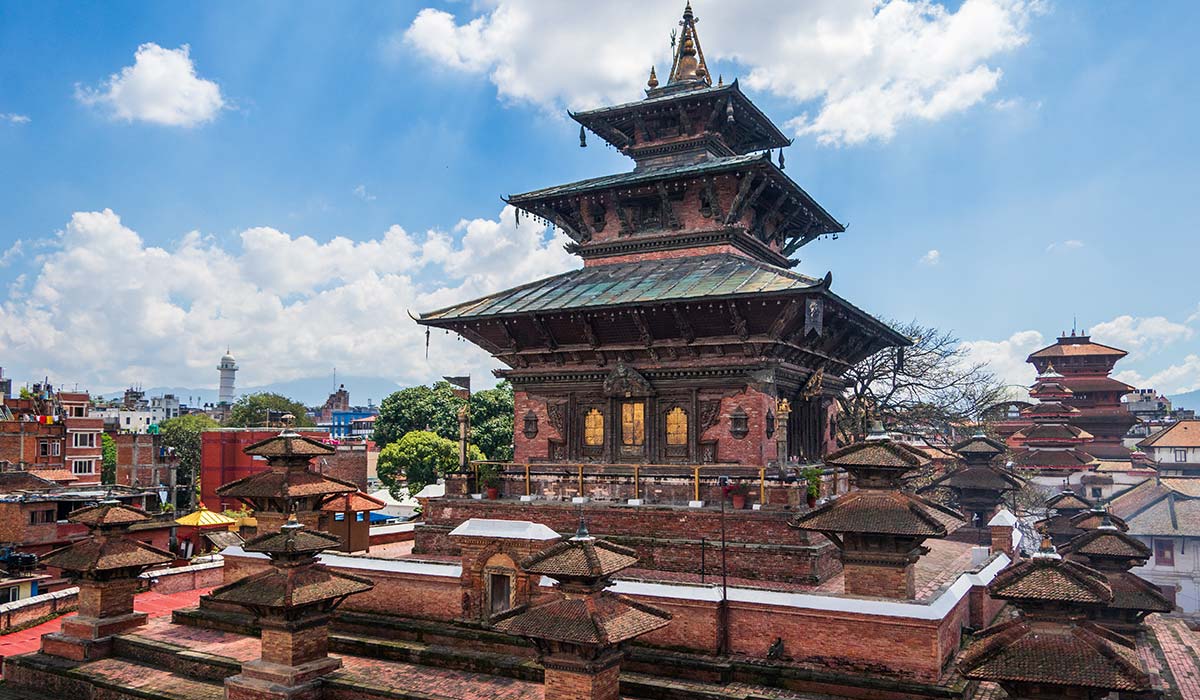
Taleju Temple: This is another major attraction of Kathmandu Durbar Square. This temple is built in tribute to the goddess Taleju Bhawani. This is one of the tallest temples present in Kathmandu, and every year it invites numerous people from different parts of the world. Compacted with religious significance, this temple is a testament to numerous religious and cultural practices. The centerpiece of the temple is adorned with a magnificent statue of the deity with ten arms and four heads, and the exquisite metalwork adds to the temple's allure.
Jagannath Temple: The Jagannath Temple, present inside the Kathmandu Durbar Square, is another major site to visit as it carries religious and cultural significance. It showcases traditional Newari architecture and is widely famous for intricate wood carvings. It is believed to have been constructed in the period of King Mahendra Malla in the early 16th century. It is built in dedication to Lord Jagannath, who is a form of God Vishnu. Throughout time, numerous people have visited this temple to gain insights into their religious beliefs. The pagoda-style Jagannath Temple is not only designed with decorative carvings but also portrays aesthetic and religious significance.
Kal Bhairav: Depicting the fierce manifestation of Lord Shiva, this temple holds great religious and cultural significance. It is believed that Kal Bhairav is a fearful incarnation of Lord Shiva, and this temple is built in dedication to one of his avatars. It is believed that this temple was sculpted during the 17th century and is deeply revered by Hindus and Buddhists. This temple lies in the open space of Kathmandu Durbar Square and is a popular spot for tourists and locals. The vividly colored statue displays a fierce appearance with blue skin, red eyes, and six arms holding various weapons. These weapons resemble a symbol of destruction and protection.
Other major attractions: There are other major attractions of the Kathmandu Durbar Square. The Kathmandu Durbar Square is home to more than 50 temples and describing each in detail is not possible. Other major attractions of this place include Kumari Ghar, Ashok Binayak, Gaddi Baithak, Shiva Parvati Temple, Bhagwati Temple, Kabindrapul Temple, Singha Sattal, Great Bell, Indrapur Temple, Tana Deval Temple, Degutaleju Temple and others. Kathmandu Durbar Square, being a famous World Heritage Site, is not just a historical site but is a vibrant part of Kathmandu’s cultural life. This site hosts numerous occasions, festivals, and cultural celebrations like Indra Jatra, Dashain, and others. These local celebrations enliven the area with traditional dance, music, and ceremonies, providing a window into Nepal's rich cultural past and making the Kathmandu Valley World Heritage Sites Tour more mesmerizing.
Swayambhunath
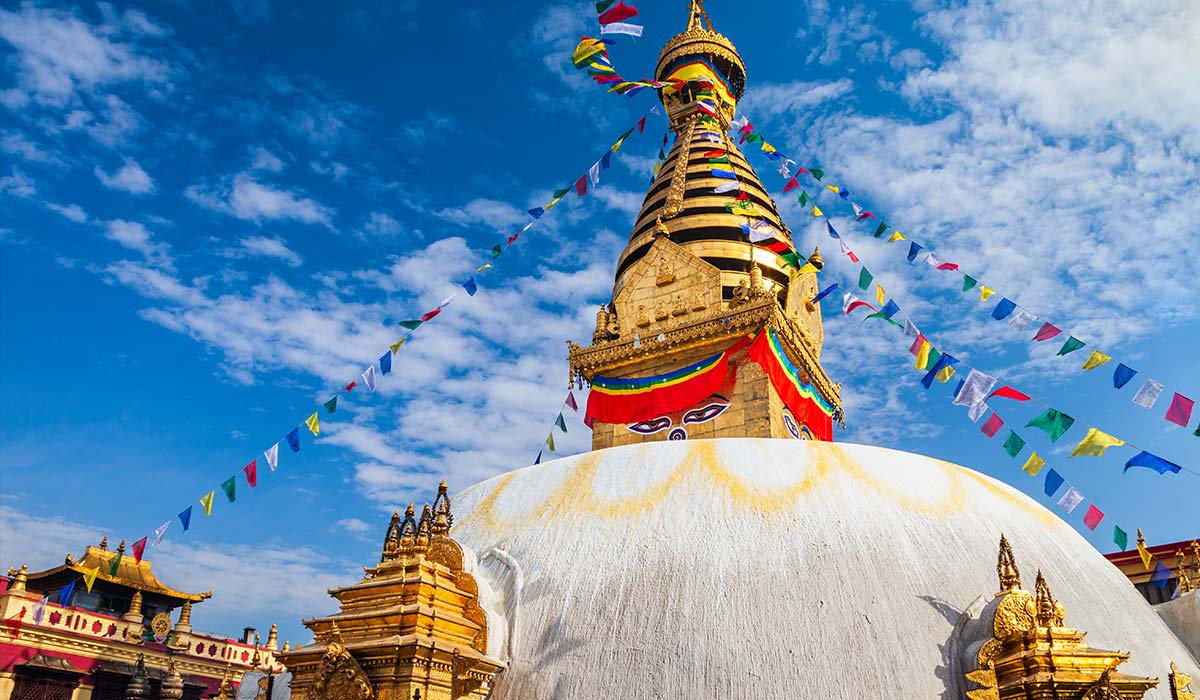
Swayambhunath, which is also known as Monkey Temple, is an ancient religious complex and culturally rich place atop the hill of Kathmandu Valley. The origin of Swayambhunath dates back to the 5th century, making it one of the oldest religious sites in Nepal. For ages, the stupa has served as a symbol of faith and unity, with Hindu temples and deities interwoven into this Buddhist landmark. Swayambhu is one of the holiest Buddhist stupas of Nepal that lies at a 3km distance from Kathmandu. This is a culturally rich places that not only give you insights into distinct traditional and religious significance but upon reaching there, you’ll catch the magical aerial beauty of the Kathmandu Valley.
The complex consists of a stupa and a variety of temples within it. Visiting this place will let you catch sight of distinct temples and shrines of the Licchavi period of Nepal. The word “Swayambhu” means “self-existent,” believing that it was there during the period of King Mandeva. With passing time, it has become the center of Buddhism, and according to legend, Swayambhu sprang from a lotus flower that blossomed in the center of a lake that formerly covered the Kathmandu Valley. It is like a home to many Tibetan Buddhist monks, and numerous people from different parts of the world come to visit this place. This place portrays the religious significance of both Hinduism and Buddhism, making it the syncretic nature of Nepali culture and religion.
Highlights of Swayambhunath
Ancient Stupa: The central structure of Swaymbhunath is a stupa that dates back to the 5th century, the period of King Mandeva. It is a dome-shaped monument that holds sacred relics. The stupa contains a dome at the base, and on top of it is a cube structure that is painted with the eyes of Buddha. The eyes of Buddha represent Buddha guarding the place by monitoring all four directions. Also, the Devanagari number "1" between the eyes represents unity. On top of the eyes of Buddha, there are pentagonal Toranas, above which there are 13 tiers ultimately leading to the Gajur of the stupa at the top.
Stunning Aerial beauty: To reach Swayambhu, one must climb 365 stairs. The number of stairs represents the number of days in a year. The journey to Swayambhu is a spiritual journey that presents you with an excellent opportunity to witness the beauty of the surroundings and interact with locals. Upon reaching the top, you can visit the stunning stupa, temples, and shrines. Besides that, you can rest for a bit by catching the wonderful beauty of the Kathmandu Valley.
Religious Significance: Swayambhu is the major pilgrimage site for both Hindus and Buddhists. Besides Hindus and Buddhists, numerous people from different parts of the world come to visit this place to explore local temples, shrines, and stunning stupas and gain insights into religious importance. Along with that, Buddhist concepts and cosmology are included in the stupa's design, which represents the structure of the universe and the road to enlightenment. Moreover, along the way, you’ll pass through multiple prayer flags and prayer wheels that tune your religious aspects of the Kathmandu Valley World Heritage Sites Tour. You’ll also encounter numerous monkeys along the way, which are believed to be sacred.
Bhaktapur Durbar Square
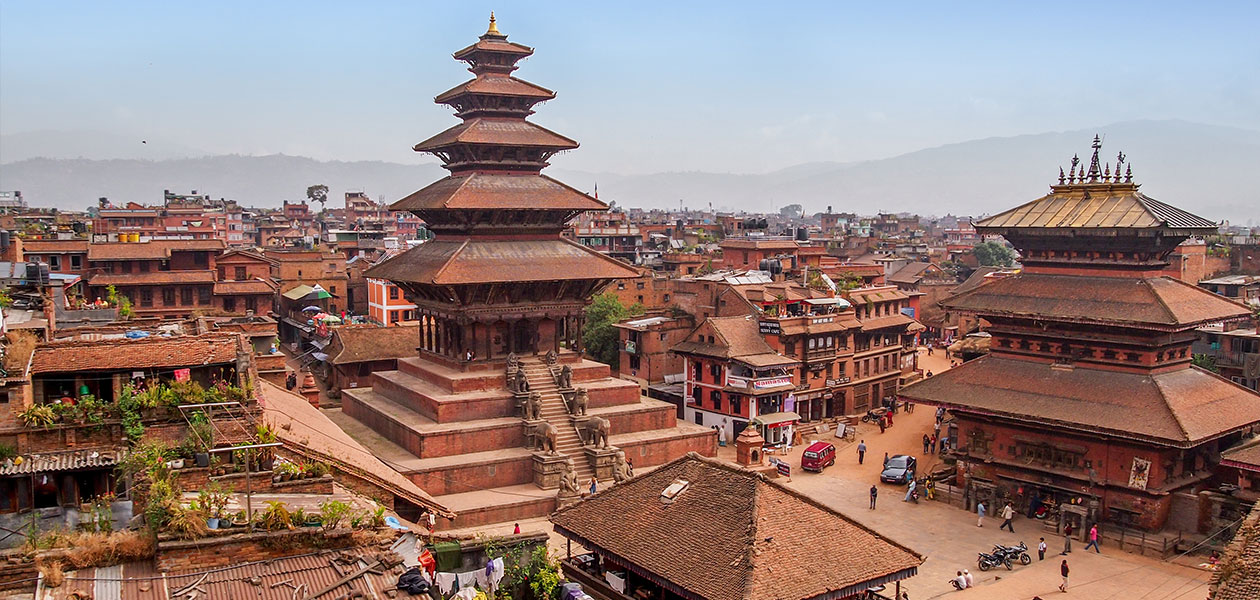
Bhaktapur Durbar Square is a former royal palace and is one of the UNESCO World Heritage sites. It is located in the Bhaktapur district of Nepal which is about 12-13 km in distance from Kathmandu. It is famous for the most impressive architectural and cultural showpieces of Nepal. There was once a time when Bhaktapur Durbar Square was considered to be the grandest and biggest of all the Durbar Squares in Kathmandu Valley, but the effects of the earthquake destroyed most of the buildings. Many were renovated, and today, it still invites thousands of people from all around the world. Numerous people come to visit this place to explore the palace and to gain insights into religious, cultural and historical significance.
Highlights of Bhaktapur Durbar Square:
Visit and explore the tallest pagoda style temple of Nepal, Nyatapole. This temple is a beautiful sight to visit as it has five-storey roofs and represents traditional architecture. Nyatapole temple was constructed in dedication to Goddess Siddhi Lakshmi, a reincarnation of Goddess Parvati. There are five layers of stone monuments at the stone staircase entrance of the temple. Visiting this temple will give you insights into cultural experience.
The palace of 55 windows was constructed by King Bhupatindra Malla. It is believed that he constructed this palace for his 55 wives, with each window for each wife. The entrance is known as the Golden Gate. Also, besides this palace, there is a holy pool called Nagapokhari and it carries religious significance. Along with that, the palace has tempera paintings on its first floor that feature self-portraits of the monarch.
The Bhaktapur Durbar Square is divided into four squares and they are Taumadhi Square, Durbar Square, Pottery Square, and Dattatreya Square. You’ll be able to visit these squares and explore ancient architecture and the Newari lifestyle. The lists of sites you can explore inside the Bhaktapur Durbar Square are Statues of Ugrachandi and Ugrabhairava, Gopikrishna temple, Taleju bell, Chyasilin Mandap, Statue of Bhupatindra Malla, Vatsala temple, Yakshasvara Temple, 55 windows palace and others.
Pashupatinath
Pashupatinath is a Hindu temple dedicated to Lord Shiva. It lies in the heart of Kathmandu and is considered one of the religious places of Nepal. It is the biggest Lord Shiva temple of Nepal and numerous people from different parts of the world embark on the journey to seek its beauty. Being located on the bank of the Bagmati River, it is one of the holiest Hindu temples of Nepal. It is a major pilgrimage site for Hindus all around the world. Pashupatinath is the oldest Hindu temple of Kathmandu and is considered to be pre-Vedic in origin. The main temple is designed in the pagoda style and has silver doors and a two-tiered golden roof.
Inside the temple, there is the sacred linga of Lord Shiva, which is also known as Pashupati linga. Inside the region of Pashupatinath, there are numerous other temples and shrines that you can visit. Different temples dedicated to distinct gods and goddesses are constructed. Visiting those temples and surrounding places will not only tune your journey with cultural and beauty aspects but also let you acquire a deep understanding of Hinduism. This is because there is also the presence of river ghats where cremation ceremonies are conducted. Visiting and catching glimpses of such activities will broaden your knowledge regarding distinct traditions of distinct religions of the world.
Highlights of Pashupatinath:
Pashupatinath is built in dedication to Lord Shiva, and this carries extensive religious importance.
The presence of numerous temples and shrines will leave you stunned, as they were designed in ancient times when Nepal was ruled by Kings.
Houses a sacred linga (phallic symbol) of Lord Shiva inside the temple
Cultural significance and historical value
Celebration of grand festivals like Dashain, Maha Shivaratri and others
Spiritual enlightenment and a serene atmosphere
Interaction with locals and visiting river Ghats will give you insights into the cremation ceremonies and rituals of Hindus.
Patan Durbar Square
Patan Durbar Square is located in the heart of Lalitpur district and is one of the UNESCO world heritage sites. It invites numerous people from different parts of the world to seek its beauty and explore the place. It is famous for stunning Newar architecture, intricate carvings, and historical significance. The presence of many temples and stupas in the place makes it worth exploring. Patan is one of the oldest cities of Kathmandu Valley, and it is believed that Patan Durbar Square flourished during the period of the Malla dynasty. It consists of the Royal Palace, Temples, Shrines, architectural buildings, and museums. Patan Durbar Square is the center of both Hinduism and Buddhism and consists of 136 courtyards and 55 major temples. It is a culturally rich place that holds extensive religious importance.
Highlights of Patan Durbar Square:
The three principal courtyards of the palace complex—Mul Chowk, Sundari Chowk, and Keshav Narayan Chowk—are each beautifully carved out of stone and wood
Displays a sunken water tank with intricate stone carvings
There is Krishna temple, which is one of the major temples of Patan Durbar Square
Other temples like Bhimsen temple, Vishwanath temple, and Taleju Bhawani temple
Intricate stone and wood carvings
Exemplifies the coexistence of Hinduism and Buddhism
Cultural celebrations and festive atmospheres like Rato Machindranath Jatra
Within the palace, there is a Patan museum that showcases traditional Nepalese art, sculptures, paintings and artifacts
Bouddhanath
Bouddhanath is a UNESCO world heritage site and is one of the largest stupas in the world. Situated approximately 11.8 miles (6.4 km) from Kathmandu's center and northeastern suburbs, this gigantic mandala stupa is among the biggest spherical stupas in the world. It holds great religious significance for Tibetan or Buddhist people. It is believed to have been built in the 5th century. While it may have been built way before, it has undergone numerous construction and renovations over the centuries. This is one of the culturally rich places that holds extensive religious significance.
Highlights of Bouddhanath:
The presence of a stunning dome-shaped stupa with a whitewashed base and pinnacle at the top
Eyes of Buddha painted on the spire
Painted Mandalas decorate the stupa and give a stunning outlook
The presence of prayer flags, a serene atmosphere, and prayer wheels
Extensive religious significance as it is the major pilgrimage site for Buddhists
Numerous religious ceremonies, rituals, and traditional practices
The festive atmosphere during Lhosar and Full Moon Circumambulation
Around the stupa, devotees light butter lamps as a sacrifice, signifying the eradication of ignorance
Cultural richness, architectural beauty, and local interaction make it one of the famous tourist destinations of Kathmandu.
Outstanding cultural exploration and delectable cuisines nearby
Changunarayan Temple
The Changu Narayan Temple is a UNESCO World Heritage Site in the Bhaktapur district to the east of Kathmandu. This temple is built in dedication to Lord Vishnu and is one of the oldest temples in Nepal. This is a significant example of ancient architecture, rich culture, and religious heritage. This temple invites thousands of tourists, locals, and devotees to witness the rich culture and religious ceremonies. It is believed to have been built in the 4th century during the period of the Lichhavi Dynasty. The temple has historical inscriptions, one of which is a prominent stone inscription by King Mandeva from the fifth century and is among the oldest in Nepal.
The temple is surrounded by sculptures and art related to Lord Vishnu and was built in traditional pagoda style. Numerous stone sculptures of gods, legendary animals, and scenes from Hindu mythology surround the temple and give it a stunning look. In front of the temple, there is a statue of Garuda, which is a vehicle and devotee of Lord Vishnu. There are four entrances to the temple, and each side is guarded by the statues of lions, sarabhas, griffins, and elephants. By embarking on this tour, you’ll be able to explore numerous monuments of the Changunarayan Temple.
Highlights of Changunarayan Temple:
Historical pillar erected by King Mandeva in the 5th century
The presence of the beauty of the 7th-century stone sculpture of Vishnu riding on Garuda
The statue of Garuda, which is the vehicle and devotee of Lord Vishnu, kneels in front of the temple
Numerous inscriptions and carvings provide religious, historical, and cultural insights
Presence of numerous monuments like Sridhar Vishnu, Vaikuntha Bishnu, Chhinnamasta, Vishworup, Narasimha, Kileshwor, Chanda Narayan and others
There is also a private museum located on the way to Changunarayan, which is known as the Changu Museum.
What Makes This Experience Special?
What makes this tour memorable is the way the Kathmandu Valley reveals itself through its different places. The day moves from a hilltop stupa overlooking the city to historic palace squares, from quieter temple surroundings to active pilgrimage centers. Instead of experiencing the valley from one location, you gradually see how its history, religion, architecture, and everyday life are woven together across different parts of the landscape.
The experience also changes throughout the day. Morning visits to Swayambhunath and the Durbar Squares have a strong historical and architectural character, while the later stops at Pashupatinath and Boudhanath bring you closer to the valley's living religious traditions. By the final stop, the tour feels less like a collection of monuments and more like a journey through the cultural layers of Kathmandu Valley. What makes the experience memorable:
Starting Above the Valley at Swayambhunath: Beginning the day from a hilltop gives you an immediate sense of Kathmandu's geography, with the dense city spreading below and the surrounding hills forming its natural boundaries.
Moving From Royal Spaces to Everyday Streets: The journey between Kathmandu, Patan, and Bhaktapur takes you through busy modern neighborhoods before opening into historic squares where centuries-old temples and palaces remain part of the surrounding city.
The Details That Appear While Walking: Carved windows, stone figures, temple roofs, courtyards, shrines, and small architectural details become part of the experience as you move through the heritage areas rather than simply viewing them from the vehicle.
The Different Rhythm of Each Heritage Site: The busy atmosphere of a Durbar Square feels very different from the quieter setting of Changunarayan, while Pashupatinath and Boudhanath have their own rhythms shaped by worshippers, pilgrims, monks, and visitors.
Seeing Heritage as Part of Daily Life: People continue to worship, trade, gather, walk, and conduct everyday activities around many of these historic places. This creates a sense that the heritage is still being lived rather than simply preserved for tourism.
The Contrast Between Monumental and Personal Spaces: Large palace squares and major stupas provide a sense of scale, while smaller courtyards, shrines, alleyways, and monastery spaces reveal more intimate aspects of the valley's cultural life.
A Day That Reveals More Than Individual Monuments: By the end of the tour, the significance comes from seeing how royal history, religious traditions, Newari culture, architecture, and modern Kathmandu continue to exist alongside one another across the same valley.
Best Season for Kathmandu Valley World Heritage Sites Tour
The Kathmandu Valley World Heritage Sites Tour can be enjoyed throughout the year, as most of the experience takes place around historic squares, temples, stupas, and other established cultural sites. However, weather still affects the overall experience, particularly when moving between different parts of the valley, walking through open heritage squares, and viewing Kathmandu from elevated sites such as Swayambhunath.
Autumn and spring generally provide the most comfortable conditions, with moderate temperatures, lower rainfall, and better visibility. Winter is also suitable for sightseeing, especially on clear days, while the summer monsoon brings frequent rain and higher humidity that can make outdoor exploration less predictable.
Autumn (September to November): Comfortable Weather and Clearer Views
Autumn is one of the most favorable seasons for exploring Kathmandu Valley's heritage sites. The monsoon gradually ends during September, leaving the surrounding hills and vegetation fresh while rainfall becomes less frequent. October and November are particularly reliable for sightseeing, with comfortable daytime temperatures and generally clearer atmospheric conditions. Daytime temperatures in Kathmandu generally range from around 15°C to 25°C (59°F to 77°F) during this period, although mornings and evenings can be cooler.
These conditions are comfortable for walking through the Durbar Squares, exploring temple complexes, and spending time around the stupas without excessive heat. The clearer atmosphere is another advantage, particularly at Swayambhunath, where you can enjoy broader views across Kathmandu Valley. Autumn is therefore an excellent choice for travelers who want comfortable sightseeing conditions, photography opportunities, and relatively predictable weather.
Spring (March to May): Mild Temperatures and Pleasant Outdoor Conditions
Spring is another strong season for the tour, especially during March and April. Temperatures gradually become warmer, while the valley's surrounding hills become greener and more vibrant. The weather generally remains suitable for walking between monuments and spending extended periods outdoors. Daytime temperatures can generally range from 18°C to 28°C (64°F to 82°F), with warmer conditions becoming more common toward May.
Morning sightseeing is usually pleasant, while the warmer afternoon temperatures can be noticeable when walking through open areas such as Kathmandu, Patan, and Bhaktapur Durbar Squares. March and April are particularly suitable for visitors who prefer mild weather without the colder conditions of winter. By May, increasing heat, haze, and occasional pre-monsoon showers can make conditions somewhat less consistent, although the tour remains practical.
Winter (December to February): Cool and Generally Dry Sightseeing
Winter brings cooler and drier conditions to Kathmandu Valley. Mornings and evenings can feel quite cold, while daytime temperatures are usually comfortable once the sun is out. Typical daytime temperatures can range from approximately 8°C to 20°C (46°F to 68°F). The cooler weather is generally not a major obstacle for a sightseeing tour because the itinerary involves a combination of vehicle travel and walking rather than continuous outdoor activity.
Warm layers are useful for early morning departures, particularly when visiting elevated locations such as Swayambhunath. Clear winter days can also provide good visibility across the valley and surrounding hills. However, morning haze can occasionally reduce distant views, so mountain visibility should not be considered guaranteed.
Summer and Monsoon (June to August): Rainy but Still Possible
The monsoon season brings frequent rainfall, higher humidity, and cloudy conditions to Kathmandu Valley. Temperatures generally remain around 20°C to 30°C (68°F to 86°F) during the day, but humidity can make outdoor sightseeing feel warmer. Rain is the main factor to consider during these months. Showers can make courtyards, stone surfaces, and steps around historic sites wet and slippery, while heavy rainfall may temporarily affect traffic between destinations. Cloud cover can also limit the broader views from Swayambhunath and other elevated locations.
At the same time, monsoon does not mean that the tour is impossible. Rain often occurs in periods rather than continuously throughout the day, and the itinerary includes substantial time inside or around established cultural complexes. Travelers visiting during this season should carry rain protection and allow some flexibility for traffic and weather-related delays.
Which Season Is Best for Kathmandu Valley World Heritage Sites Tour?
October and November are generally the best months for the UNESCO World Heritage Tour Kathmandu if your priorities are comfortable temperatures, lower rainfall, and clearer conditions for sightseeing and photography. March and April are also excellent, offering mild weather and greener surroundings. December to February is a good option for travelers who prefer cooler and generally dry conditions, while June to August can still work for flexible travelers who do not mind rain and changing weather.
Regardless of the season, starting earlier in the day is useful because the itinerary covers several major sites and traffic conditions can affect travel time between them. During the monsoon, checking the forecast before departure is particularly worthwhile, while in winter and the transition seasons, visibility can still vary from day to day.
Difficulty and Accessibility
Kathmandu UNESCO Sites Tour is an easy sightseeing experience suitable for travelers with different fitness levels. Since the tour is primarily vehicle-based, there is no demanding trekking involved. The main physical activity comes from walking around historic squares, temple complexes, stupas, and courtyards throughout the day.
Some heritage areas have stone-paved paths, stairs, narrow lanes, and uneven surfaces, so comfortable walking shoes are recommended. Swayambhunath involves a noticeable climb to reach the hilltop complex, while the other major sites generally require easier walking.
The tour is suitable for families, older travelers, couples, and first-time visitors who are comfortable with regular walking. Those with limited mobility can still enjoy the tour, although access to certain temples and upper sections may be restricted by stairs and traditional structures.
Because the itinerary covers several sites across Kathmandu Valley, the day can feel long even though the individual visits are not physically difficult. Private transportation between destinations makes the experience considerably easier and allows the pace, rest breaks, and time at each location to be adjusted for private groups.
Transportation
The Kathmandu Valley World Heritage Sites Tour is conducted by private vehicle, making it easier to connect the heritage sites located across different parts of the valley. Your vehicle picks you up directly from your hotel in Kathmandu and remains available throughout the sightseeing day. The first part of the tour takes you toward Swayambhunath, followed by Kathmandu Durbar Square and Patan. After lunch, the route continues toward Bhaktapur and Changunarayan before returning toward Pashupatinath and Boudhanath.
Since these sites are spread across the valley, having private transportation saves considerable time compared with arranging separate local transfers. After completing the visit to Boudhanath, the vehicle takes you back to your hotel. Travel time can vary depending on traffic, particularly around the busier areas of Kathmandu, Patan, and Bhaktapur.
For private groups, the vehicle can be arranged according to the group size, with suitable options available for couples, families, and larger groups. The pickup time, stops between destinations, and overall pace can also be adjusted to make the day's transportation more convenient.
What to Bring?
The Kathmandu World Heritage Tour does not require specialized trekking equipment, but you will be spending much of the day moving between heritage sites and walking around historic complexes. Comfortable footwear is therefore one of the most useful things to carry, particularly for uneven stone paths, stairs, and courtyards. Since weather can change with the season, having a light extra layer or rain protection is also practical. Keep your daypack relatively light and carry only the essentials you are likely to use during sightseeing. A camera or phone is useful for photographs, while some Nepali cash can be helpful for snacks, drinks, entrance-related expenses, or personal purchases.
Essential Items to Bring:
Small crossbody bag or compact daypack for personal belongings
Comfortable footwear for walking through historic squares and temple areas
Light clothing that allows comfortable movement throughout the day
A shawl or light cover-up for visiting religious sites where more modest clothing is appropriate
Light sweater or jacket for cooler mornings and winter sightseeing
Foldable umbrella or rain protection during the monsoon months
Sunglasses and sun protection for open courtyards and hilltop areas
Phone or camera, keeping in mind that photography restrictions apply at some religious sites
Power bank if you expect to use your phone extensively for photographs
Hand sanitizer and tissues for use during a full day of sightseeing
Personal medication and other items you normally need during the day
Some Nepali rupees for refreshments, souvenirs, entrance-related costs, or other personal purchases
A small amount of drinking water to keep with you between stops
Extra Expenses
Your Kathmandu UNESCO Sites Tour covers the services included in your chosen package, but you may still have a few personal expenses during the day. Most of these are optional and depend on what you choose to eat, purchase, or explore beyond the planned itinerary. You may spend extra on meals and refreshments, particularly if you choose additional snacks, drinks, or local dishes during stops at Patan, Bhaktapur, or Boudhanath. Souvenirs, handicrafts, religious items, and other personal purchases from the heritage areas are also separate from the tour cost.
Entrance fees to heritage sites may also be charged separately depending on your package arrangement and the current rules of the respective sites. Photography or other special permissions may have additional charges in certain locations. Tipping your guide or driver is optional, but you may offer a tip if you are pleased with their service. It is advisable to carry some Nepali Rupees (NPR) because smaller shops, food outlets, and vendors around the heritage sites may not accept cards. Any additional stops or activities outside the agreed itinerary can also result in extra transportation or entrance costs.
Group and Private Tours
The UNESCO World Heritage Tour Kathmandu can be arranged as either a shared group experience or a private sightseeing trip. Both options cover the valley's major heritage landmarks, while the main difference lies in the flexibility of the schedule, transportation, and time available at individual sites.
Group Tours
A group tour provides a practical option for travelers who prefer a shared itinerary and a more economical arrangement. Transportation and guiding are shared with other participants, and the day's visits follow a predetermined schedule designed to cover the major heritage sites efficiently. This format can suit solo travelers and couples who enjoy traveling with others and do not mind following a fixed pace. Time at Swayambhunath, the Durbar Squares, Pashupatinath, Boudhanath, and other stops is generally organized around the group's schedule, so there is less flexibility for extending individual visits.
Private Tours
Private tours offer greater freedom throughout the day. The vehicle and guide are dedicated to your group, allowing the itinerary to be adjusted according to your interests, walking pace, and preferred time at each heritage site. Families, couples, friends, and photography-focused travelers can particularly benefit from this arrangement. You can spend longer exploring a favorite Durbar Square, take additional time for photographs, adjust meal timing, or slow the pace when needed without having to follow an unrelated group's schedule.
Which Option Is Right for You?
A group tour is a good choice when affordability and a shared sightseeing experience are your main priorities. A private tour is better suited to travelers who value flexibility and want greater control over how the day develops. For families, older travelers, photographers, or visitors with particular interests in architecture, religion, history, or local cuisine, the private option generally provides more room to personalize the experience while still covering the major World Heritage Sites of Kathmandu Valley.
Customization Options
The Kathmandu Valley World Heritage Sites Tour can be adjusted to suit the way you prefer to explore the valley. While the main heritage sites remain central to the itinerary, a private arrangement gives you more freedom to decide where you want to spend additional time and how quickly you move between destinations.
You can give greater emphasis to history and architecture, allowing more time at the Durbar Squares and traditional Newari areas, or focus more on religious and cultural experiences at Pashupatinath, Boudhanath, Swayambhunath, and Changunarayan. Photography stops, meal timing, and rest breaks can also be arranged around your group's preferences.
The schedule can be particularly useful for families and travelers with different walking abilities. You may shorten time at less important stops, extend your visit at a favorite site, or adjust the departure and return timing where practical. Additional local food experiences or selected cultural stops can also be incorporated into the day upon request.
Kathmandu Valley World Heritage Sites Tour FAQs
Kathmandu Valley World Heritage Sites Tour FAQs
What is Kathmandu Valley World Heritage Sites Tour?
Kathmandu Valley World Heritage Sites Tour is a full-day cultural sightseeing experience covering the valley's major UNESCO-listed heritage landmarks. The itinerary includes Swayambhunath, Kathmandu Durbar Square, Patan Durbar Square, Bhaktapur Durbar Square, Changunarayan Temple, Pashupatinath Temple, and Boudhanath Stupa. It combines historic architecture, Hindu and Buddhist religious sites, Newari culture, and traditional urban heritage in one day.
How Many UNESCO World Heritage Sites Are Included in the Kathmandu Valley Tour?
The tour covers seven UNESCO World Heritage Sites within the Kathmandu Valley. These are Swayambhunath Stupa, Kathmandu Durbar Square, Patan Durbar Square, Bhaktapur Durbar Square, Changunarayan Temple, Pashupatinath Temple, and Boudhanath Stupa. Together, they represent the valley's major historical, architectural, and religious heritage.
How Long Does the Kathmandu Valley World Heritage Sites Tour Take?
The tour generally takes a full day, approximately 8 to 10 hours, depending on traffic, the time spent at each site, lunch, and your preferred pace. The sightseeing itself involves several hours of exploration, while the remaining time is used for driving between heritage sites spread across different parts of Kathmandu Valley.
What Time Does the Kathmandu UNESCO World Heritage Tour Start?
The tour generally starts in the morning, around 8:00 AM, with pickup from your hotel in Kathmandu. An early start is useful because the itinerary includes seven major heritage sites and traffic can increase considerably later in the day. For private tours, the departure time can usually be adjusted according to your preferences.
Is the Kathmandu Valley World Heritage Sites Tour Suitable for First-time Visitors to Nepal?
Yes. The tour is particularly useful for first-time visitors because it introduces several major aspects of Nepalese culture within one itinerary. You can see historic royal cities, Newari architecture, Buddhist stupas, Hindu temples, religious rituals, and traditional cuisine without needing to travel outside Kathmandu Valley.
Can I Visit All Seven UNESCO World Heritage Sites in Kathmandu in One Day?
Yes, it is possible to visit all seven UNESCO World Heritage Sites in one day with a well-organized itinerary and private transportation. The sites are spread across the valley, so traffic and the amount of time spent at each location can affect the schedule. The tour is designed to allow meaningful visits while keeping the route practical for a single day.
How Much Walking is Involved During the World Heritage Sites Tour?
The tour involves regular walking at each heritage site rather than continuous hiking. You may walk through large squares, temple courtyards, monastery areas, and historic streets, with some stairs and uneven stone surfaces. Swayambhunath requires more uphill walking than most other stops, while private transportation reduces the need to walk between distant sites.
Is the Tour Suitable for Families With Children?
Kathmandu UNESCO Sites Tour can work well for families with children, particularly because transportation is provided between the major sites. However, it is a full-day sightseeing itinerary, so younger children may need regular breaks. Families can also choose a private tour, allowing the pace, meal timing, and time spent at individual sites to be adjusted more easily.
Is a Guide Included in the Kathmandu Valley World Heritage Sites Tour?
A professional local guide can be included depending on the selected package. Having a guide is useful because many of the sites have complex historical and religious backgrounds that are not immediately apparent from the monuments themselves. The guide can also explain local customs and help visitors understand appropriate behavior at active religious sites.
What Type of Transportation is Used During the Tour?
The tour generally uses a comfortable private vehicle for transportation between the heritage sites. A car or SUV is suitable for smaller groups, while larger vehicles can be arranged for bigger parties. Private transportation is particularly practical because the seven sites are located across different parts of Kathmandu Valley and road traffic can make independent transfers time-consuming.
What Should I Wear When Visiting Temples and Religious Sites in Kathmandu?
Comfortable, respectful clothing is recommended throughout this Kathmandu Cultural Heritage Tour. Clothing that covers the shoulders and knees is appropriate when visiting important religious sites, particularly Hindu temples and monasteries. Comfortable walking shoes are also important because the itinerary includes historic squares, stone paths, courtyards, and stairs. Some religious sites may have additional entry or photography rules.
Can I Try Traditional Newari Food During the World Heritage Sites Tour?
Yes. Patan and Bhaktapur are particularly good places to experience Newari cuisine during the tour. Depending on the selected restaurant and available time, you can try local dishes and snacks that form part of the Kathmandu Valley's culinary heritage. Lunch can be arranged around Patan, as included in the planned itinerary, while additional food and drinks may be at your own expense.
How Much Time Do You Spend at Each UNESCO World Heritage Site?
The duration varies according to the importance and size of each location. The planned itinerary allows approximately 1 to 2 hours at Swayambhunath, 1 to 2 hours at Kathmandu Durbar Square, 1 to 1.5 hours at Patan Durbar Square, around 1 hour at Changunarayan and Pashupatinath, and 1 to 2 hours at Boudhanath. Bhaktapur receives extended sightseeing time after lunch, with the exact duration depending on traffic and the group's pace.
Can I Skip One of the Heritage Sites and Spend More Time at Another?
Yes, this can generally be arranged on a private tour. If you have a particular interest in architecture, Buddhism, Hinduism, photography, or Newari culture, you can spend more time at selected sites and reduce or skip another stop where practical. However, travelers who want to experience all seven UNESCO sites should follow the planned itinerary to make the most of the available day.
Is Photography Allowed at All the UNESCO World Heritage Sites?
Photography is allowed in many public areas of the heritage sites, but restrictions apply at certain temples, religious interiors, and ceremonial areas. Pashupatinath has particularly important religious restrictions, and visitors should follow signs and their guide's instructions. It is best to ask before photographing worshippers, religious ceremonies, monks, or people engaged in private religious activities.
A surprisingly rich birding escape right on Kathmandu's doorstep
I only had a single free day in Kathmandu before my flight home, and taking this birding excursion to Phulchwoki Hill was the best way to spend it. Driving up through the dense oak and rhododendron forests, the temperature dropped and the forest came alive with bird activity. Within a few hours of quiet walking, we logged Cutias, Kalij Pheasants, Laughingthrushes, and several colorful Sunbirds. Our guide knew every feeding spot along the trail and brought along high-end spotting scopes that made capturing crisp photographs effortlessl.
MMaria Luz Esteve1st Apr, 2022
Great Cultural Experience
I had planned to visit Nepal before COVID, but my trip was cancelled. Finally, I made it to Kathmandu in 2022. The city tour was a great choice for my first day. We saw many beautiful temples and old buildings, and our guide told us interesting stories about the places. Kathmandu was lively and colorful, and I enjoyed walking around the old areas. Thank you Eco Holidays Nepal for making our first day easy and enjoyable. Highly recommended for anyone visiting Kathmandu.
DDolors Pallas15th Mar, 2022
My First Big Trip After COVID
This was my first major international trip after the COVID years, so I was excited and nervous at the same time. The Everest Base Camp trek was better than I expected. The team explained everything clearly and helped us with the daily walking and altitude. Some tea houses were still getting back to normal after the quiet COVID period, but I actually liked the peaceful feeling in the villages. The scenery was unbelievable. Everything was well arranged, and I would happily travel with Eco Holidays Nepal again.