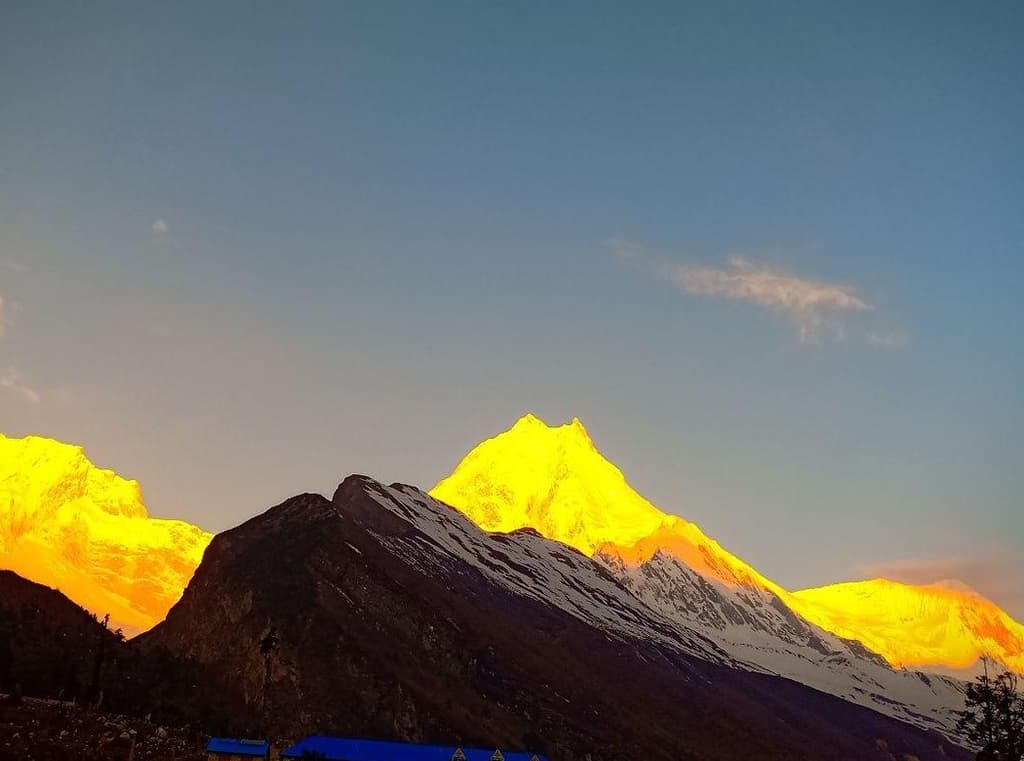

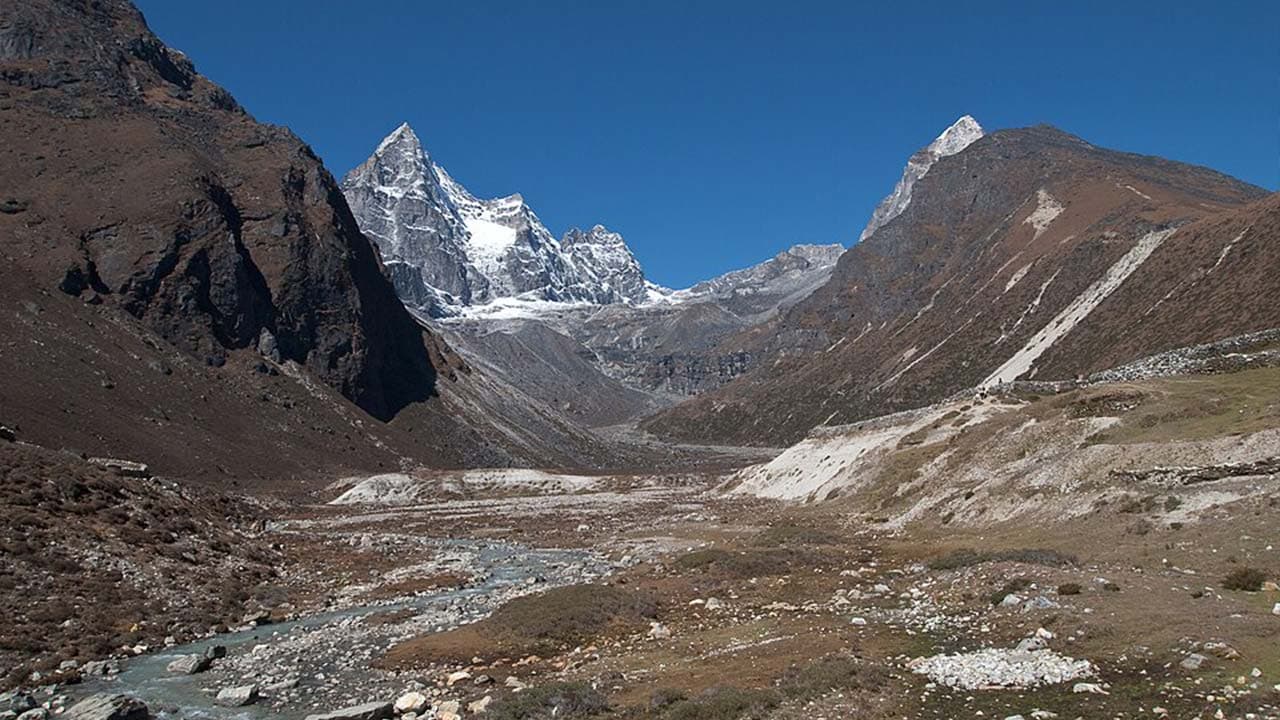
When people think about trekking in the Everest region, one name that comes to mind again and again is Everest Base Camp. It is famous, beautiful, and inspiring. But today, it is also very crowded. During the peak seasons, hundreds of trekkers walk the same trail every day. Teahouses get full, trails feel busy,usy and the quiet mountain feeling is often lost.
Many trekkers do not know that the Everest region has many other trails that are just as beautiful as Everest Base Camp, but they are far more peaceful. So, are you curious about the less crowded treks in Everest region, where you won’t miss the cultural, spiritual, and natural charm of the mainstream trail? These routes are used mostly by local Sherpa people, mountain guides, and experienced trekkers. They offer the same Himalayan views, rich culture, and high altitude experience without the noise and rush.
Less crowded treks do not mean less impressive. In fact, many of these routes give better views of Everest, Ama Dablam, and Lhotse, along with untouched forest, wide valleys, and traditional villages. You can walk for hours without meeting large groups. Nights are quieter, conversations with locals feel more real, and the mountains feel closer.
Choosing a quieter trek also helps local communities that are often skipped by mainstream routes. Small lodges and villages benefit directly, and trekking becomes more meaningful. In this blog, we have listed the less crowded treks in Everest region based on local recommendations for a peaceful and memorable experience. These routes are scenic, safe, and still hidden from mass tourism. If you want a real Himalayan silence and authentic mountain life, these trails are for you.
What Makes a Trek Less Crowded in the Everest Region?
Not every trek in the Everest region is crowded. Some trails stay quiet because most trekkers simply do not know about them. Others need a little more time or planning, so large tour groups avoid them. Understanding what makes a trek less crowded helps you to choose the right route. First, the distance from Lukla’s main trail matters a lot. Most trekkers follow the same path from Lukla to Namche Bazaar and then towards the Everest Base Camp.
Trails that move even slightly away from the main line become much quieter. A small turn can make a big difference. Likewise, promotion also plays a big role. International trekking companies heavily advertise popular routes. Less crowded treks are often known by local guides and villagers. These routes do not appear on every website, which keeps numbers low.
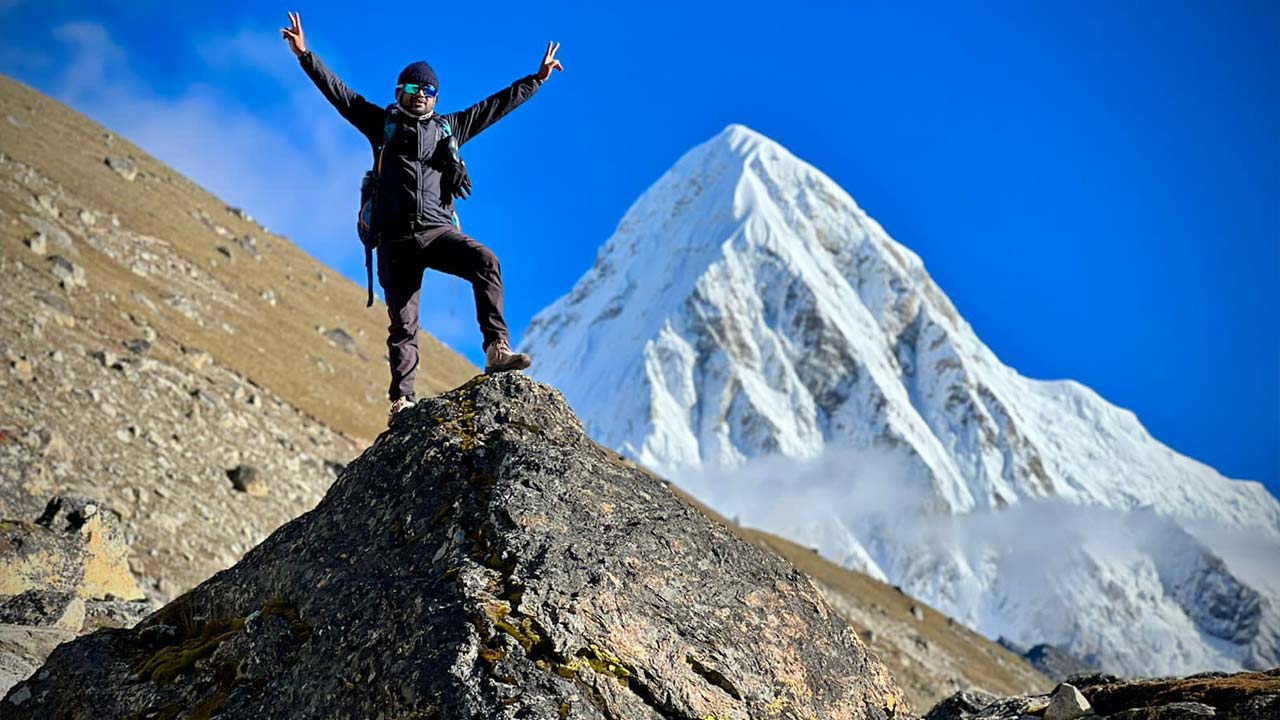
Moreover, the concentration affects crowd size. When many lodges are packed closely together, trekkers gather in the same places. On quieter trails, villages are spread out, and lodges are smaller and family-run. This naturally reduces crowd pressure. Another key factor is time and season. Many trekkers walk only during peak months and avoid shoulder seasons. Local trekkers know how to time routes for good weather with fewer people.
Lastly, less crowded routes do not mean unsafe or difficult. These routes are still within the Everest region, follow established paths, and are regularly used by locals. They simply offer a slower, calmer, and more personal trekking experience in the way the mountains were meant to be explored.
The Classic Trail Before Flights: Phaplu to Namche Bazaar
Before Lukla airport existed, Phaplu was the main starting point for Everest treks. Today, most trekkers fly to Lukla, so this beautiful trail has become quiet and less crowded even in the peak seasons. Locals still love this route because it is peaceful and full of culture.
The trek starts from Phaplu, which is reachable by road from Kathmandu. This already removes the flight stress and crowd pressure of Lukla. From here, the trail passes through green hills, rivers, suspension bridges, and small Sherpa villages. You walk through forests of pine and rhododendron, not busy stone staircases.
This route usually takes 7 to 9 days to reach Namche Bazaar, depending on pace. The altitude gain is slow and natural, making it excellent for acclimatization. Many local guides say this is one of the safest ways to enter the Everest region. Crowds are very low. On many days, you may meet only a few trekkers. Lodges are simple but welcoming, and hosts have time to talk.
You see real village life, children walking to school, and farmers working their land. This trek is perfect for people who enjoy slow walking, cultural connections, and quiet landscapes. It may take a few extra days compared to flying, but what you gain is a calm and authentic Himalayan experience that most trekkers miss.
Thame Valley Trek: Peaceful Sherpa Villages Near Everest
The Thame Valley is one of the most peaceful areas in the Everest region, yet it is very close to Namche Bazaar. Most trekkers rush past Namche Bazaar towards Everest Base Camp, but locals often trek into Thame Valley for a quieter journey.
This trek starts from Namche Bazaar and follows a gentle trail along the river. The walk is wide, open, and less steep compared to the EBC route. The valley feels calm, with fewer lodges and very little traffic, even during the busy months. The trek usually takes 5 to 7 days, making it ideal for trekkers who want a shorter but meaningful experience. The main highlight is Thame Village, the home to one of the oldest monasteries in the Khumbu region.
The monastery sits above the village and offers stunning views of snow-covered peaks. Thame Valley is known for its strong Sherpa Culture. Many famous Everest climbers come from this area. Life here feels traditional and untouched. You see stone houses, prayer wheels, and daily rituals that have not changed much over time.
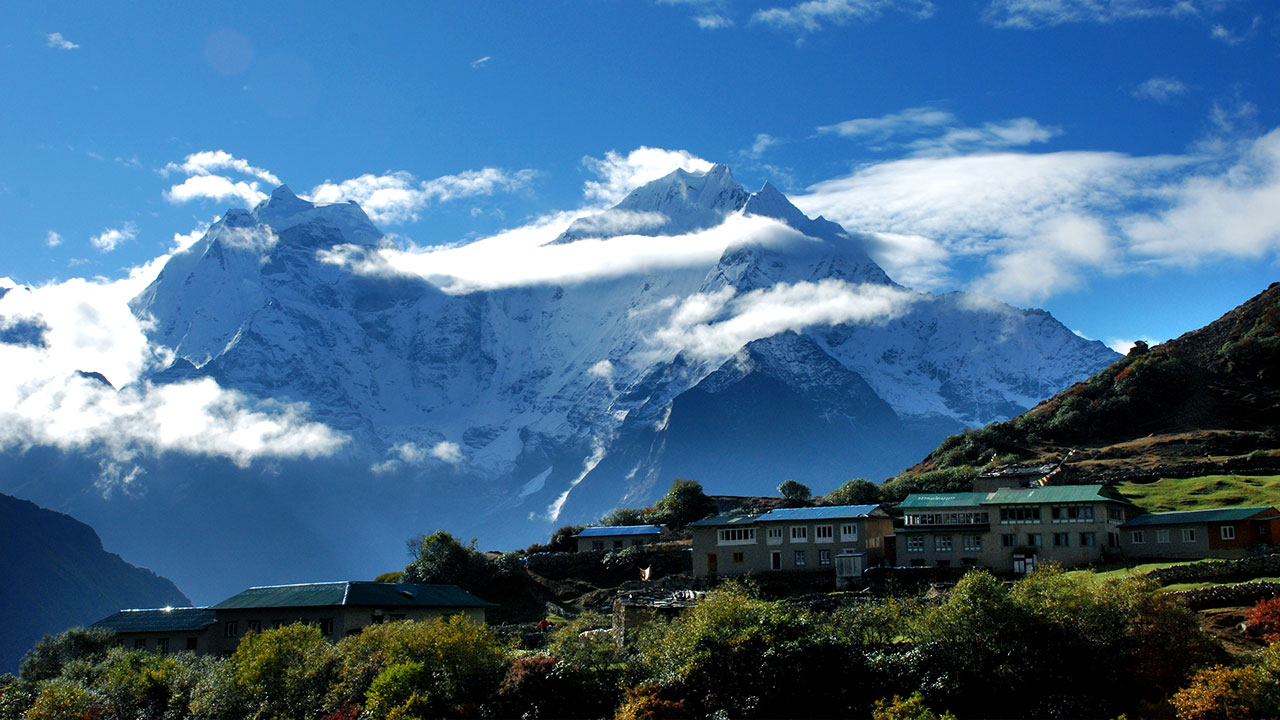
Crowd levels remain low because this route does not lead directly to Everest Base Camp. Yet, the views are still impressive, and the altitude is manageable. Locals often recommend Thame Valley for first-time trekkers, families, and those who want silence without extreme difficulty.
Gokyo to Thame via Renjo La: A Quite High Pass with Big Views
Renjo La is one of the best high passes in the Everest region; yes, it is far less crowded than Cho La or Kongma La. Many trekkers visit Gokyo Lakes but return the same way. Locals often suggest crossing Renjo La toward Thame for a quieter and more rewarding route. This trek usually takes 10 to 12 days, depending on where you start and end. The pass sits at around 5,360 meters, but the ascent is gradual and well-paced. Because it is less steep, many guides consider Renjo La safer and more comfortable than other passes.
From the top of Renjo La, the views are breathtaking. You can see Everest, Lhotse, Makalu, and Cho Oyu in one wide panorama. Despite these world-class views, the number of trekkers on this trail is very small. Crowds stay low because this route requires good planning and does not follow the classic Everest Base Camp path.
Lodges are fewer, but they are well managed and peaceful. Nights are quiet, and mornings feel calm. Local guides prefer this route for trekkers who want high mountains without heavy traffic. It combines stunning scenery, cultural villages, es and a sense of real exploration without feeling rushed or crowded.
Kongde Ridge Trek: Everest Views Without Crowd
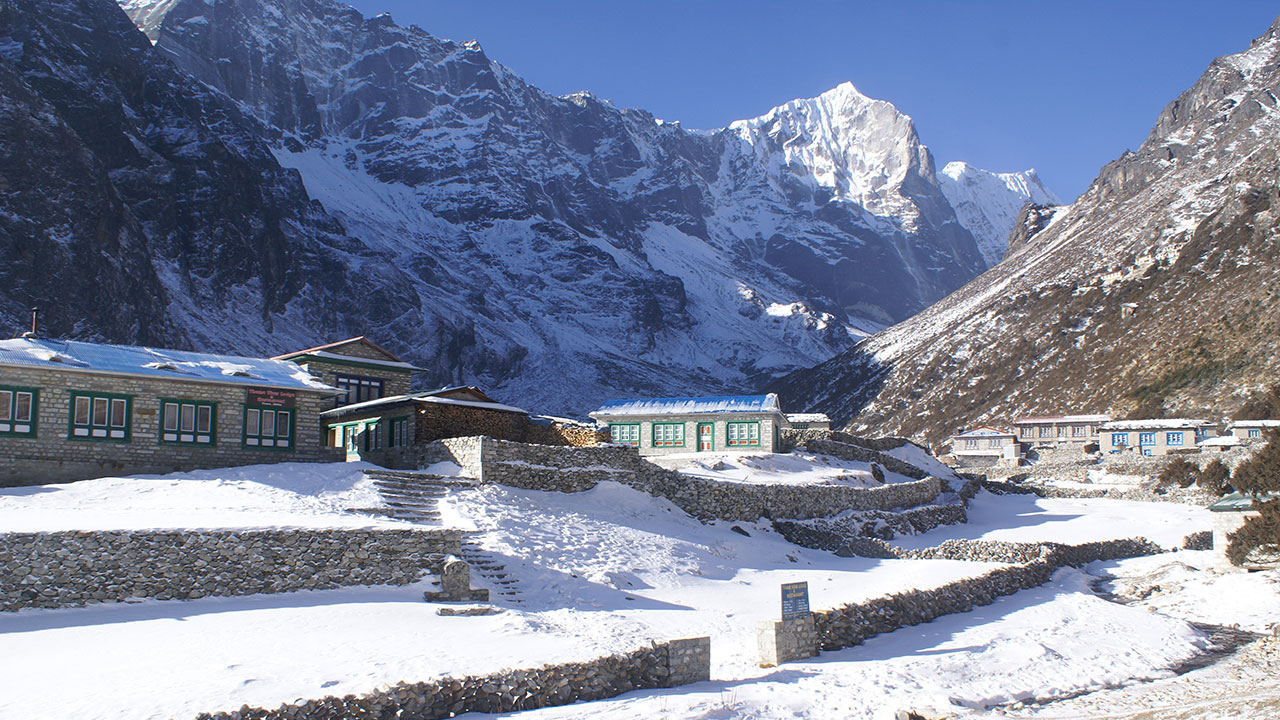
Kongde Ridge is one of the best viewpoints in the Everest Base region, yet very few trekkers walk this trail. It lies opposite Namche Bazaar, but most people never go there because it is not part of the Everest Base Camp route. The trek usually takes 5 to 7 days, making it perfect for those with limited time. Despite being short, the views are exceptional. From Kongde Ridge, you can see Everest, Lhotse, Nuptse, Ama Dablam, and Thamserku all at once.
The trail climbs gradually through forests and small settlements. Crowd levels are extremely low, even during peak seasons. You often walk in complete silence, with only wind and prayer flags around you. Accommodation is simple, with a few small lodges and local teahouses. Because there are fewer facilities, big trekking companies avoid the route. This keeps the area peaceful and untouched.
Local trekkers recommend Kongde Ridge for people who want maximum views with minimum crowds. It is also ideal for photographers, nature lovers, and trekkers who prefer quiet evenings and open landscapes instead of busy village centers.
Khumjung- Kunde Loop Trek: Easy, Cultural, and Crowd Free
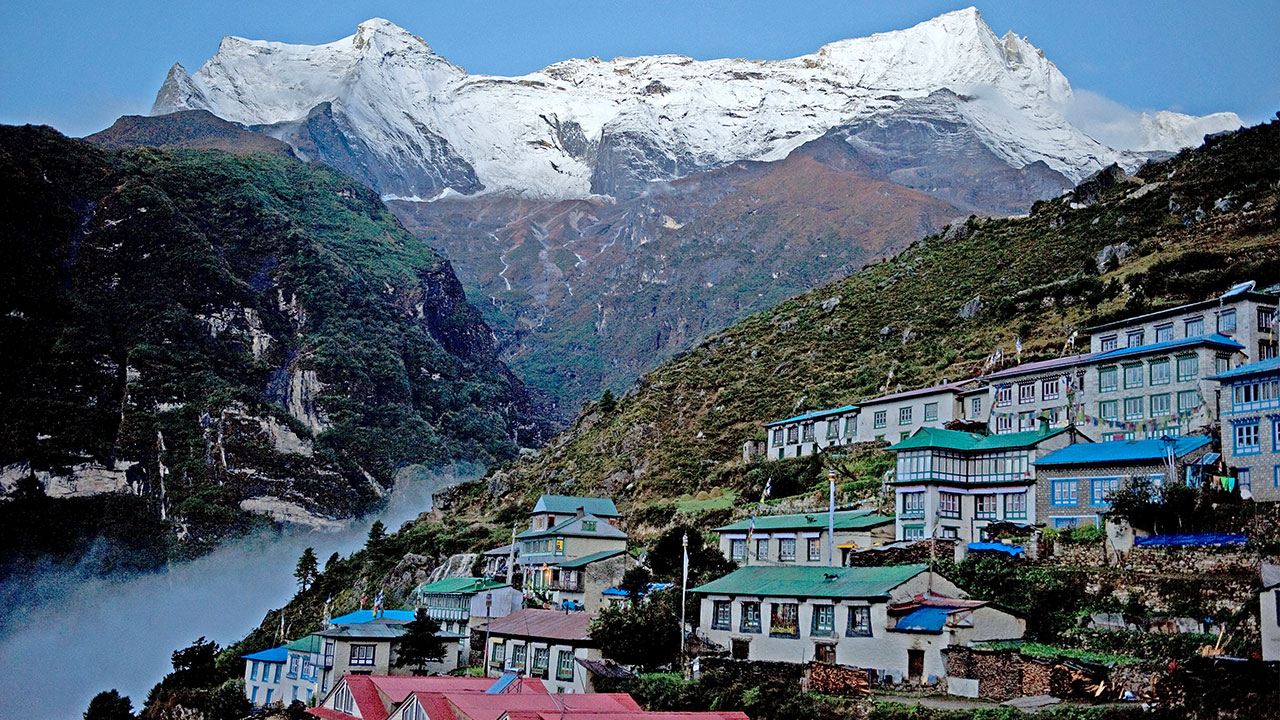
The Khumjung- Kunde Loop Trek is one of the simplest and least crowded treks in the Everest region. Still, it offers deep cultural value and close mountain views. Most trekkers pass through Namche Bazaar and move straight toward Tengboche by missing this peaceful side route completely. This trek usually takes 4 to 6 days, which makes it ideal for beginners, families, or trekkers who want a relaxed pace.
The trail branches off from Namche and gently climbs toward Khumjung and Kunde villages. They are two of the most important Sherpa settlements in Khumbu. Crowds are very low because this trek does not lead to Everest Base Camp or any high pass. The paths are wide and easy to walk with beautiful views of Ama Dablam, Thamserku, and Khumbila, the sacred mountain of the Sherpa People.
Khumjung is famous for its ancient monastery, and the local school started by Sir Edmund Hillary. Kunde is quieter and known for its traditional stone houses and hospital. Staying in these villages gives you a real chance to experience daily Sherpa life, not tourist life.
Local guides often recommend this trek for acclimatization or as a standalone journey. It proves that you do not need extreme altitude or long days to enjoy the Everest region. Sometimes the most peaceful treks are the simplest ones.
When to Do These Less Crowded Treks in Everest Region for Maximum Peace?
Choosing the right time to trek is just as important as choosing the right route. Even quiet trails in the Everest region can feel busy during peak months. Local guides know the best timing to enjoy clear views, safe weather, and fewer people.
The busiest trekking seasons are March to May (spring) and September to November (autumn). During these months, Everest Base Camp and Lukla flights are packed. However, the less crowded routes mentioned in this blog remain calmer than the main trail, especially if you start your trek early in the day and stay in smaller villages.
The best time for real peace is the shoulder seasons. Late February, early June, and early December offer good weather with fewer trekkers. Trails are quiet, lodges have more space, a nd locals have more time to welcome you. Winter trekking (December to February) is another peaceful option. The trails are almost empty, the skies are clear, and the mountain views are sharp. The disadvantages are cold nights and some closed lodges. Still, many local guides prefer winter for quiet journeys.
Monsoon season (June to August) is the least crowded time of all. Rain falls mostly at lower altitudes, while upper areas stay clearer. Flights to Lukla are less frequent, which naturally reduces crowds. This season suits experienced trekkers who do not mind wet trails.
Local Recommendations:
-
Trek late February- early March for spring views without crowds
-
Trek early December for autumn clarity with fewer trekkers
-
Avoid the festival weeks in October when villages get busy
Local Tips to Keep Your Trek Quiet, Safe, and Meaningful
Even on less crowded routes, a few smart choices can make your trek much more peaceful and enjoyable. These are tips shared by local guides and Sherpa families who know the region best.
-
Start Early in the Morning: Start your trek early in the morning. Most trekkers leave after having breakfast, around 8 to 9 am. If you start walking by 6:30 to 7:00 am, trails are quiet, the views are clearer, and you reach lodges before crowds arrive.
-
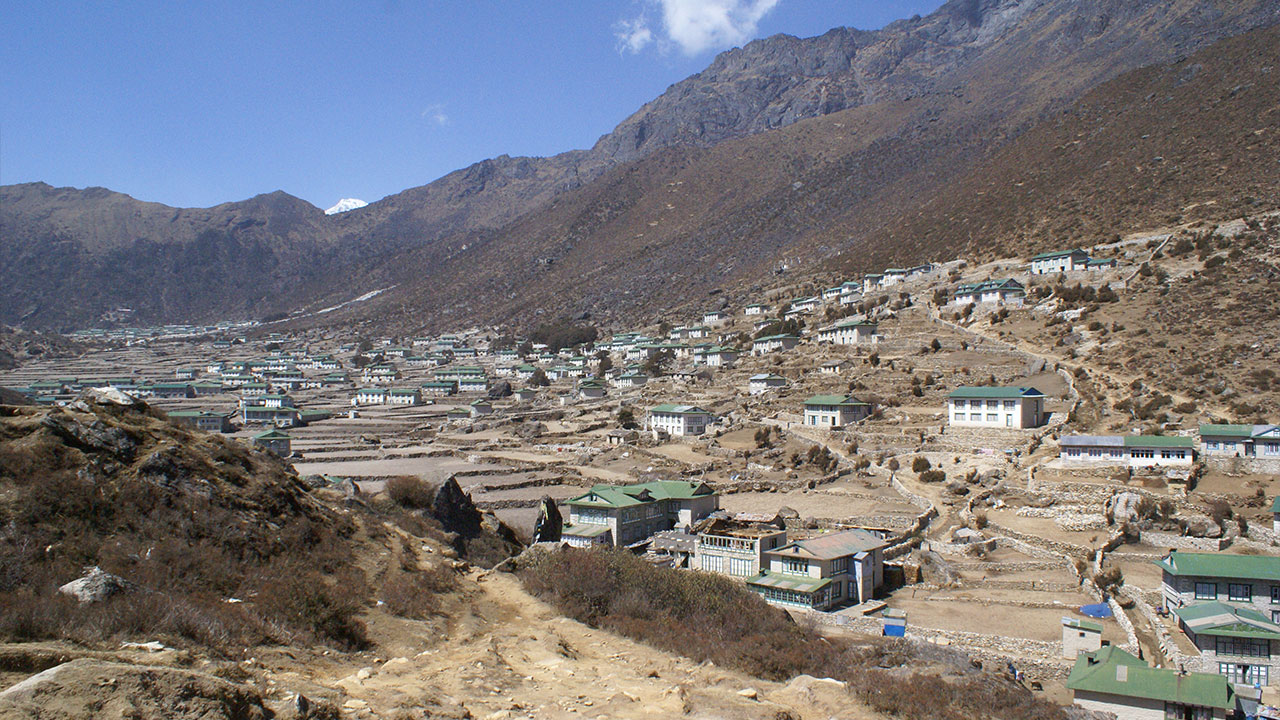
Choose Smaller Villages: It is best to choose smaller villages to stay overnight. Popular stands fill up fast, but nearby villages often have empty, comfortable lodges. These places offer warmer hospitality and better rest.
-
Avoid Major Festivals: Avoid trekking during the major festivals, especially in October. While festivals are beautiful, they also attract domestic travelers and religious pilgrims, making villages busy.
-
Hire Local Guides and Porters: Hire local guides and porters instead of large international agencies. Locals know alternative paths, weather patterns, and quiet lodge options. Your money also supports villages' economies directly.
-
Respect Local Culture: You should respect local culture. Walk slowly through villages, ask before taking photos, and follow monastery rules. When locals feel respected, they open up, and your experience becomes richer.
Lastly, remember that quiet trekking is not about rushing to destinations. It is about listening to the wind, watching prayer flags move, and feeling the mountains. These less crowded trails offer something rare in today's Everest region,n such as space to breathe, think,nk and truly connect with the Himalayas.
Conclusion: Should You Choose Less Crowded Treks in Everest Region?
The Everest region is much bigger than the busy Everest Base Camp trail. While EBC attracts large crowds, many beautiful routes remain quiet and peaceful. These less crowded treks offer the same mountain views, fresh air, and adventure, but with more space and calm.
Local routes like Thame Valley, Kongde Ridge, Phaplu to Namche, and Renjo La show the real side of the Himalayas. You walk through traditional villages, meet locals who have time to talk, and enjoy nature without rushing. The experience feels more personal and meaningful.
Choosing a quieter trek also helps small villages and local families who depend on trekking income. It spreads tourism in a better way and protects the region from overcrowding. If you want to enjoy Everest in a slower, deeper, and more authentic way, these peaceful trails are the best choice. Sometimes, the most memorable journeys happen away from the crowd.