

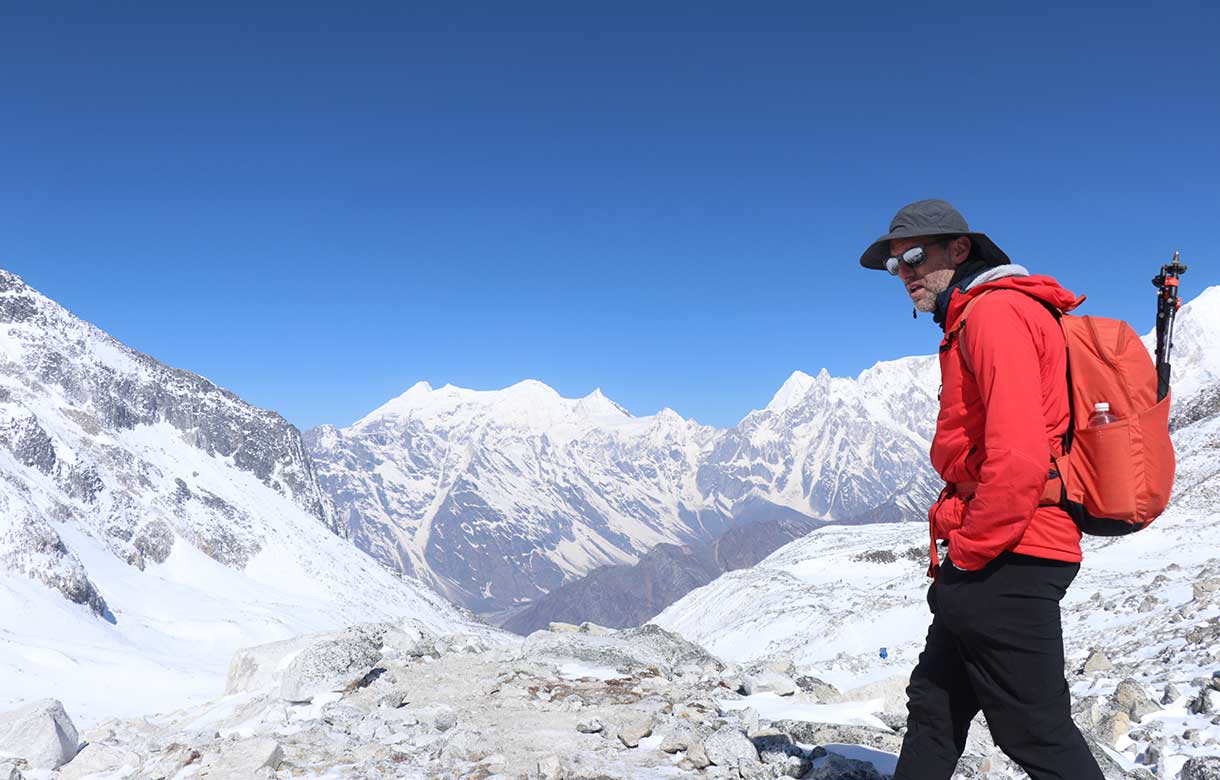
The Manaslu Circuit Trek has always been known for its raw beauty, solitude and the feeling of exploring a remote corner of Nepal that still treasures its old rhythm. This journey is not only popular among young trekking enthusiasts but also among senior trekkers who want to experience the raw and unspoiled beauty of the Himalayas. The Manaslu Circuit Trek for seniors takes you on an iconic journey that has been planned with a slow pace and each day on the trail unfolds at a rhythm that respects your comfort, energy and curiosity.
Unlike the crowded routes of Everest and Annapurna, the Manaslu region feels calm and unhurried. You will traverse across the remote and quiet villages, watching the landscape transform from warm river valleys to alpine moraines. Although this trail isn’t the easiest in Nepal, with proper acclimatization, good support and a thoughtful itinerary plan, this Himalayan endeavour becomes a most meaningful experience for the senior trekkers. It is ideal for those who prefer depth over speed.
So, if you are looking for a trek that prioritizes experience over intensity and offers you a quieter and more grounded side of the Himalayas, the Manaslu Circuit Trek is easily one of the best choices for senior adventurers.
Book Your Manaslu Circuit Trek for Seniors with Us
Is Manaslu Circuit Trek Suitable for Seniors?
The Manaslu Circuit Trek can be suitable for seniors, but only when this journey is approached with realistic expectations and a comfortable pace. In simple terms, the Manaslu Circuit Trek difficulty is at a moderate level. It is not as technical as high-altitude mountaineering. But, it is still demanding enough that require a good level of preparation and patience. So, if you are a senior travel enthusiast who enjoys long walks, steady trekking days, and calm mountain environments, you will find the Manaslu Circuit rewarding rather than overwhelming.
The key challenge is altitude. The trail gradually moves above 3,000m and eventually takes you across Larke La at over 5,000m. At the high-altitude part of the trail, the air becomes thin and every step feels demanding. This doesn’t make the trek impossible for senior hikers, but it does mean that proper pace and enough acclimatization are essential. You have to choose a slow itinerary that gives your body enough time it needs to adjust to the high altitude before crossing the pass.
Likewise, the daily walking hours usually range from 5 to 7 hours, depending on your pace and the distance. Some sections pass through forested climbs, stone staircases, and narrow cliffside trails. Although none of it is extremely technical, the consistency of walking day after day can feel tiring for seniors who are not used to a long duration of physical activity.
What makes Manaslu surprisingly senior-friendly is the environment this trail presents. The walking route is quieter than Everest and Annapurna, which creates a calmer and more peaceful trekking experience. You will not feel rushed or pushed by crowds. The villages along the way appear naturally spaced out, which gives seniors enough opportunities to rest, hydrate, and enjoy the scenery. And because the itinerary is flexible, you will be able to add rest days without breaking the flow of the trek.
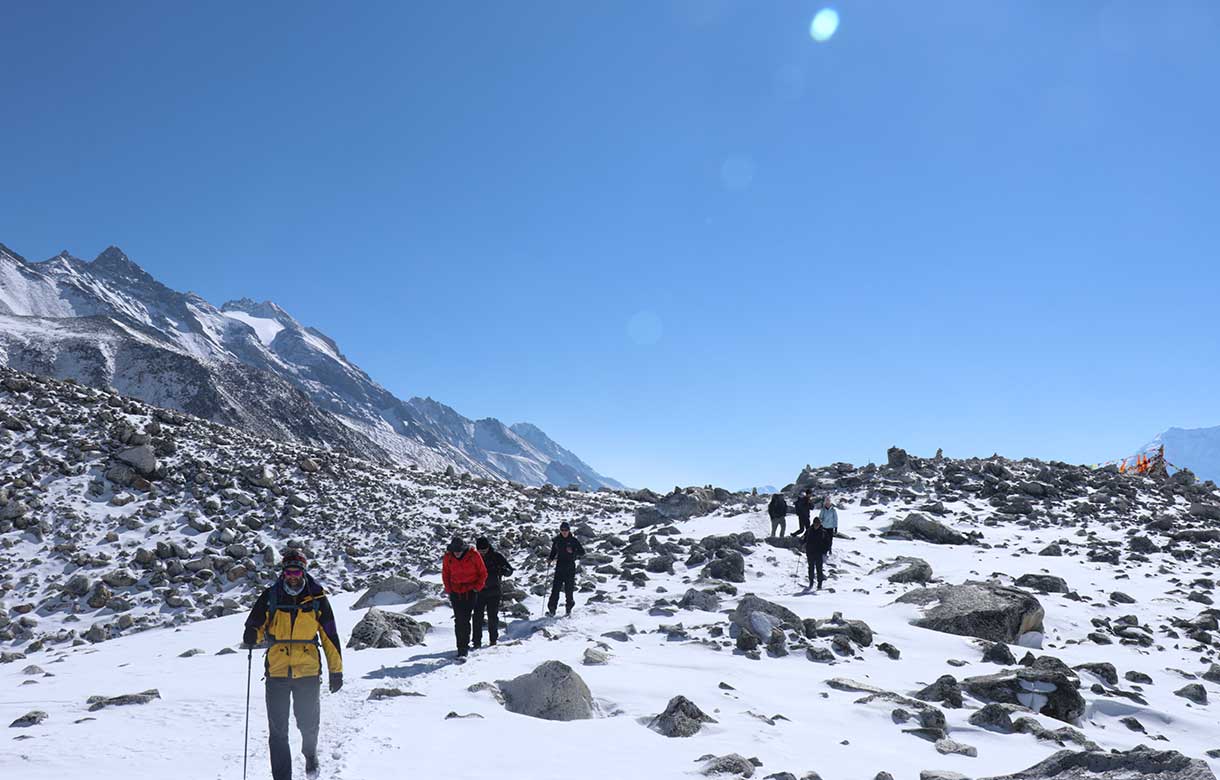
Challenges Seniors Need to Consider
Even though the Manaslu Circuit is completely doable for older trekkers, it is still a demanding Himalayan journey. This Himalayan trail requires awareness, preparation, and realistic expectations. As a senior, you will not need extreme fitness, but it is important for you to understand the physical and environmental challenges that come with this high-altitude trek. So, learning about these obstacles in advance will help you plan a safer, slower, and more comfortable trek.
Here are the key challenges that you should keep in mind before doing the Manaslu Circuit Trek for Seniors:
Altitude Concerns
The Manaslu Circuit climbs steadily into high-altitude terrain and takes you across Larke La Pass (5,106m/ 16,751ft). So, the effects of thin air are real in this journey. Without a proper acclimatization, even at around 3,000 to 4,000 meters, trekkers may notice heavier breathing, poorer sleep, and slower recovery. Mild symptoms (headache, nausea, fatigue, poor sleep) are common in high-altitude treks. More serious forms of altitude illness (HAPE, HACE) are dangerous and require immediate descent. That’s why, while planning a Manaslu Circuit Trek itinerary, you should make sure that it has slow pacing and enough acclimatization period. Also note that you should never push through persistent symptoms, and make descent immediately if they worsen.
Long Walking Days
The typical walking day on the Manaslu Circuit lasts around 5 to 7 hours. Some days approaching the passes and long valley stretches can feel longer because of the repeated ascent and descent and uneven terrains. For seniors, the main issue while traversing the rugged mountain terrain is the cumulative load of day-to-day fatigue. So, the trail’s difficulty is endurance-based rather than technical. That’s why pacing and recovery matter than the raw power.
Weather Risks
The Manaslu Trekking route takes you across multiple climate zones. You will pass warm river valleys and alpine deserts. Mornings and evenings can be cold even during peak seasons. Wind and snow can appear abruptly near Dharamsala and the Larke La. Seniors are more sensitive to cold and temperature swings. So, layering, windproof outer layers, and a reliable warm sleeping bag are essential to stay safe and comfortable during the trek.
Limited Rescue and Medical Facilities
The available medical services inside the Manaslu Circuit are basic. There are small health posts available in some villages, but serious emergencies require helicopter evacuation. The weather can delay helicopters. To deal with these remoteness aspects, prevention, early symptom detection, and travel insurance with high-altitude evacuation coverage are non-negotiable. That is the reason why trekking with a reputable agency that has impeccable logistics and rescue structure is invaluable.
Remote Terrain
The Manaslu Circuit route moves through varied surfaces such as forested trails, river crossings, stone staircases, narrow cliffside trails and glacial moraine. Terrain changes mean that you need to be careful with your footing, especially in long stretches without villages. For seniors, uneven surfaces increase the risk of falls and joint strain. You need to wear proper footwear with ankle support, follow a steady walking rhythm and bring sturdy trekking poles, which reduces those risks.
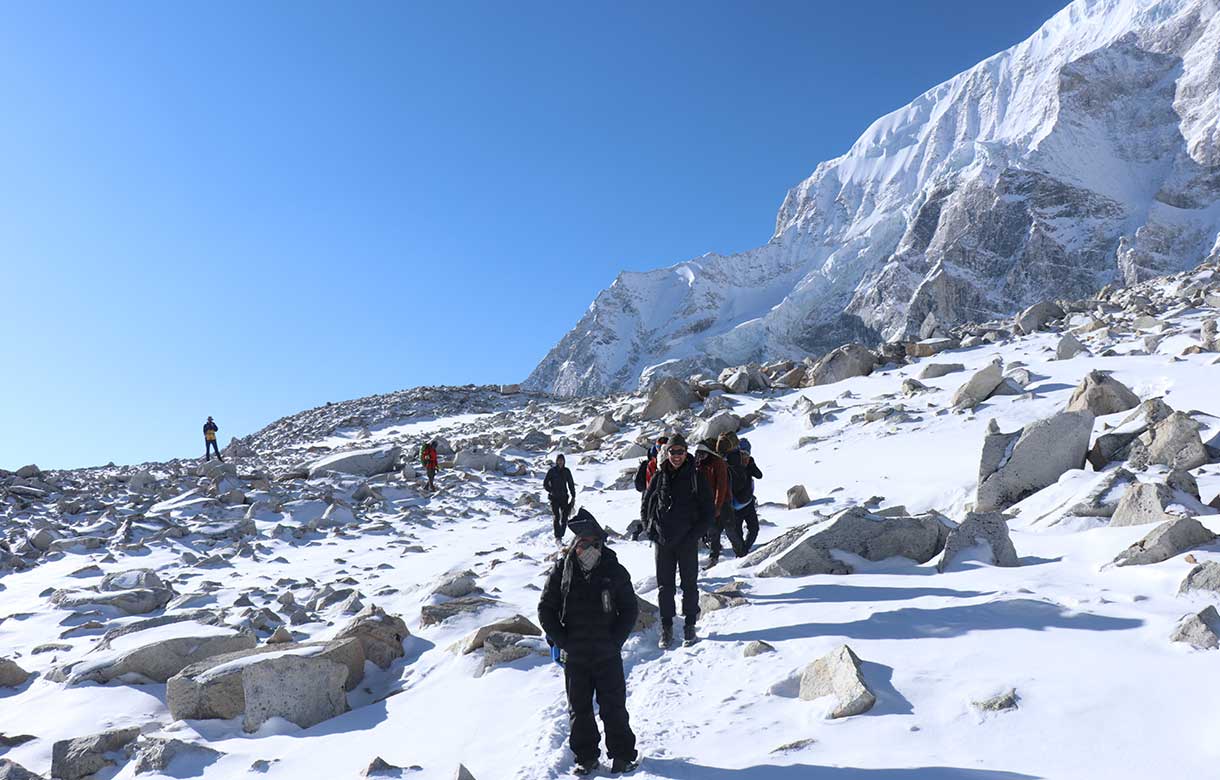
Why Seniors Love the Manaslu Circuit Trek?
The Manaslu Circuit Trek for seniors is about experiencing the journey in a way that is safe, enjoyable, and meaningful. Unlike the busier Everest and Annapurna trails, this off-beaten route offers a slower, more peaceful experience. Senior trekkers will be able to take their time and truly immerse themselves in both nature and culture. This journey blends tranquil landscapes, rich culture and gradual altitude gain with flexible pacing. That’s why it is one of the most senior-friendly high-altitude treks in Nepal.
Let’s check why this trail is so appealing to senior trekkers:
- Peaceful and Uncrowded Landscapes: One of the major attractions of the Manaslu Circuit for seniors is the serenity this route offers. Unlike the major trekking routes, you will find fewer trekkers here. This means you can walk without dodging crowds, enjoy quiet mornings in the villages, and experience long stretches of pristine mountain scenery without any obstructions. This calm and peaceful environment is not just relaxing; it also reduces stress on the body. So, as a senior trekker, you will be able to maintain a comfortable pace and focus on the journey rather than the pressure to keep up with others.
- Authentic Cultural Experiences: The villages along the Manaslu Circuit trail like Jagat, Deng, Namrung, Samagaon, and Samdo, are deeply rooted in Tibetan-influenced Buddhist culture. You will be able to cherish these experiences: visiting monasteries, watching locals perform traditional rituals, learning about ancient customs, and enjoying genuine Himalayan hospitality. These interactions provide mental stimulation, cultural enrichment, and a sense of connection, which will add a cultural dimension to your physical journey.
- Gradual Altitude Gain: Unlike some high-altitude treks that force rapid elevation changes, the Manaslu Circuit Trek itinerary is designed to be mindful of the pace and natural acclimatization. The villages along the trail, like Samagaon and Samdo, offer rest days where your body can adjust to higher altitudes. For senior trekkers, this gradual climb with a well-managed pace reduces the risk of altitude sickness and makes traversing even the high-altitude portions comfortable.
- Comfortable Teahouse Stays: Teahouses along the Manaslu Circuit are modest but comfortable. They accommodate you with warm meals, hot drinks, and cozy rooms with blankets after long days of trekking. So, knowing there is a safe, familiar place to rest each night gives senior trekkers peace of mind and significantly improves comfort level.
- Stunning Mountain Views: From the high vantage points along the trekking route, you will be rewarded with breathtaking panoramic views of Manaslu, Himalchuli, Ngadi Chuli, and other surrounding peaks. These awe-inspiring moments give a deep sense of accomplishment and fulfillment. It will be a reminder to senior trekkers that the effort of the trek is worth every step.
- Slow-Paced and Mindful Trekking: The Manaslu Circuit encourages mindful, intentional trekking rather than racing to the top. Seniors can take time to pause, breathe, photograph, or simply absorb the scenery. This slower rhythm of the journey makes the trek physically easier and mentally more satisfying. Manaslu Circuit provides a sense of peace that is often missing from more commercialized trails.
- A Sense of Achievement Without Extreme Strain: Finally, with this trek, seniors are able to complete a challenging yet achievable Himalayan adventure. Crossing Larke La and experiencing high-altitude Himalayan terrain gives a strong sense of personal achievement, but without the extreme risk, overcrowding, or physical strain. This circuit route is the perfect balance of adventure, safety, and enjoyment, making it uniquely suited for senior trekkers.
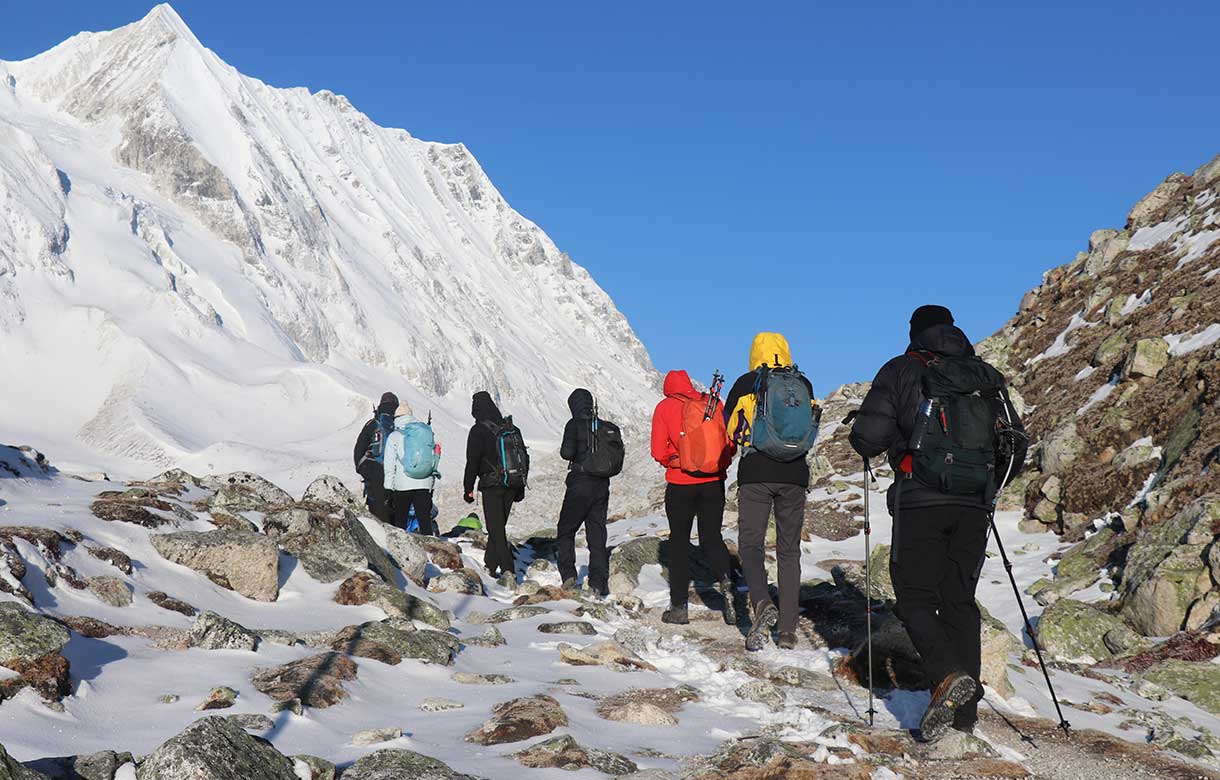
Senior-Friendly Trekking Itinerary (14 to 16 Days)
The Manaslu Circuit Trek for seniors generally has a duration of 14 to 16 days. A well-managed itinerary plan of this length feels comfortable, safe, and enjoyable. During each day of the trek, you will maintain a steady pace and take short breaks in between. Likewise, you will also get an acclimatization day at Samagaon (3,530m/ 11,581ft).
In the Manaslu Circuit Trek for senior itinerary offered by Eco Holidays Nepal, besides the acclimatization day, we have set short trekking hours at the higher part of the trail. This will allow your body to adjust naturally to the rising altitude even while you are trekking.
Manaslu Circuit Trek for Senior Itinerary
Day 01: Arrive in Kathmandu (1,400m/ 4,593ft) and take the day to relax and settle in
Day 02: Explore the key cultural sites in Kathmandu and complete trek preparation
Day 03: Long countryside drive from Kathmandu to Machha Khola (870m/ 2,854ft) via Soti Khola (730m/ 2,395ft): 7 to 8 hours
Day 04: Trekking from Machha Khola to Jagat (1,290m/ 4,232ft): 6 to 7 hours
Day 05: Continue trekking to Deng Village (1,860m/ 6,102ft) via Philim (1,570m/ 5,150ft): 6 to 7 hours
Day 06: A steady climb to Namrung (2,660m/ 8,727ft): 5 to 6 hours
Day 07: Trek to the scenic village of Lho (3,180m/ 10,433ft): 4 to 5 hours
Day 08: Making your way to Samagaon (3,530m/ 11,581ft): 4 to 5 hours
Day 09: Full acclimatization day in Samagaon with calm local hikes
Day 10: Trek to Samdo Village (3,875m/ 12,713ft): 4 to 5 hours
Day 11: Continue trekking to Dharmashala/ Larke Phedi (4,460m/ 14,632ft): 4 to 5 hours
Day 12: The big crossing day over the Larke La Pass (5,106m/ 16,751ft) and descent to Bimthang (3,590m/ 11,778ft): 8 to 10 hours
Day 13: Head downhill to Tilche (2,262m/ 7,421ft): 6 to 7 hours
Day 14: Trek through Dharapani (1,860m/ 6,102ft) and Jagat (1,290m/ 4,232ft) to reach Syange (1,080m/ 3,543ft): 5 to 6 hours
Day 15: Drive back to Kathmandu (1,400m/ 4,593ft) and transfer to your hotel: 7 to 8 hours
Health and Safety Tips for Seniors
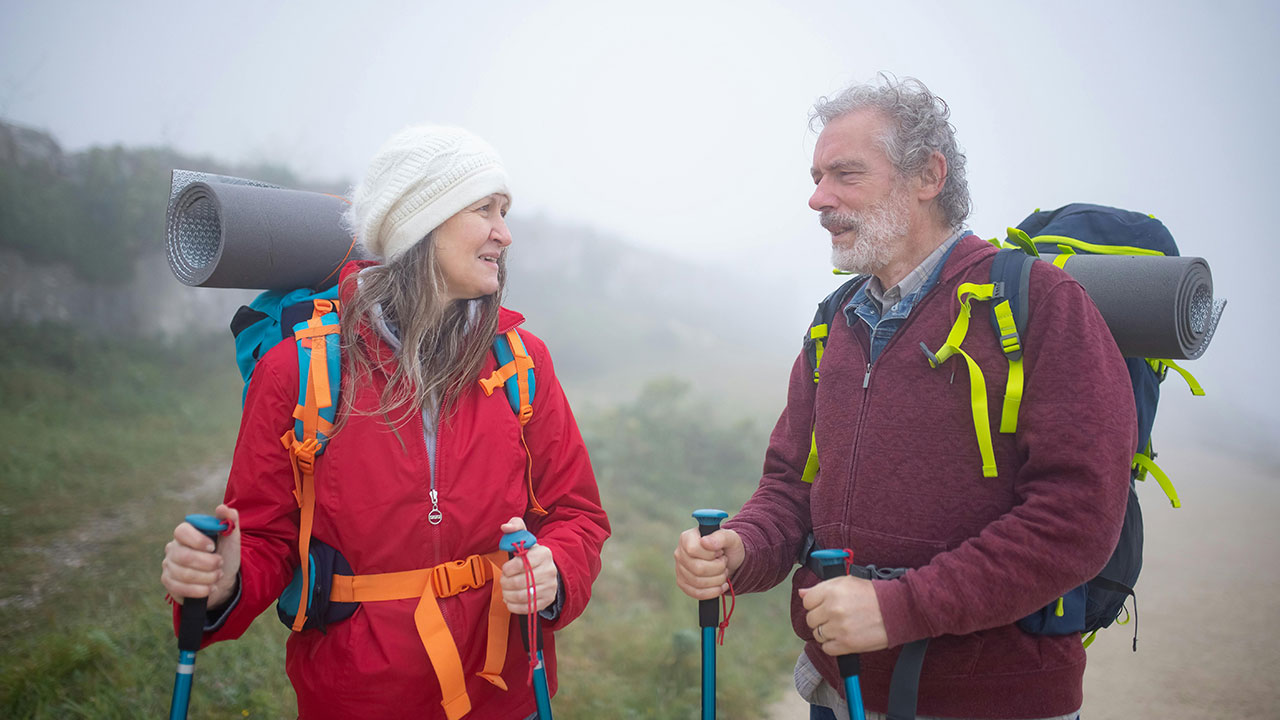
For seniors trekking the Manaslu Circuit, it is very crucial to be mindful about the health and safety factors. The remote terrain, high altitude nature of the trek, and long walking days demand careful planning and appropriate measures. These tips are designed to help seniors stay safe, reduce fatigue, and handle unexpected situations confidently during the trek.
- Monitor and Manage Altitude Sickness: Even with a slow itinerary, altitude sickness can affect anyone. Seniors should pay close attention to early symptoms of altitude sickness, like headaches, nausea, fatigue, or dizziness. Daily monitoring of oxygen levels (with a pulse oximeter) can also be really helpful. So, don’t neglect the early symptoms and inform your guide immediately if you start showing symptoms. You can also use altitude sickness medication, but you need to consult about it with your doctor.
- Stay Hydrated and Maintain Nutrition: High-altitude trekking increases fluid loss and dehydration, which can contribute to triggering symptoms of altitude sickness. So, as a senior trekker, you should aim to drink at least 3 to 4 liters of water per day. It is best if your hydration option is supplemented with electrolytes. Likewise, maintaining your energy with balanced meals, including carbohydrates, proteins, and healthy fats, is equally important. Also, don’t forget to bring light snacks, like nuts, energy bars, or chocolate, with you for the trek. This will help sustain energy on long walking days.
- Protect Against Cold and Weather Changes: Temperatures can drop quickly at the higher part of the trail, especially at Samdo, Dharamsala, or near Larke La. Seniors must carry layered clothing, including thermal base layers, insulated jackets, windproof shells, gloves, and hats. Waterproof gear is also critical for sudden rain or snow. Staying dry and warm prevents hypothermia and reduces fatigue. This is especially important for older trekkers whose bodies are more sensitive to temperature shifts.
- Use Trekking Poles and Proper Footwear: Trekking poles reduce stress on knees and hips, improve balance, and make long days more comfortable. High-quality, broken-in trekking boots with ankle support are essential for uneven trails. Also, seniors should carry blister prevention supplies and extra socks to avoid discomfort while traversing this remote route.
- Travel with an Experienced Guide: A licensed guide familiar with the Manaslu region is invaluable. They will monitor your health, advise on pacing, help with altitude issues, and are familiar with evacuation routes and processes. So, if you are considering the Manaslu Circuit Trek for seniors, you should trek with a licensed guide or a reputable agency that will oversee all the details of your trek.
- Arrange Travel Insurance with Evacuation Coverage: As the medical facilities in the Manaslu Circuit Trek route are limited, seniors must have travel insurance covering high-altitude trekking and helicopter evacuation. This will ensure that even if a serious illness or injury occurs, you will be able to get professional help immediately.
- Pace Yourself and Listen to Your Body: Long days, steep climbs, and altitude can be physically taxing. Seniors must trek at a steady pace, taking regular breaks, and rest whenever necessary. Overexertion increases the risk of injury, fatigue, and altitude sickness. So respecting personal limits is more important than reaching a destination quickly.