

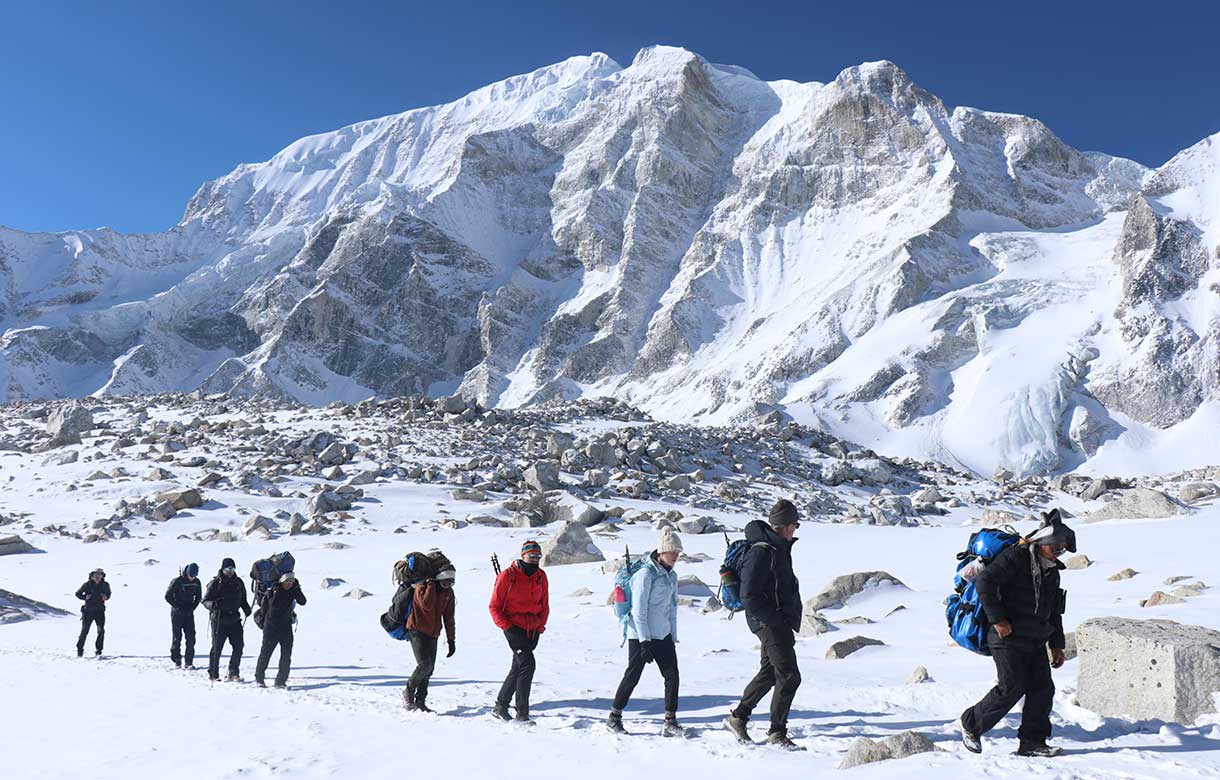
The Manaslu Circuit Trek is one of the most beautiful trekking routes in Nepal. It takes trekkers around Mount Manaslu, the eighth-highest mountain in the world, with a height of 8,163 meters. This trekking route lies in the western Himalayan region close to the Tibetan border. Many travelers choose this trek because it offers peaceful trails, beautiful mountain views, traditional villages, rivers, forests, and rich Buddhist culture. Unlike the crowded Everest and Annapurna regions, the Manaslu route feels quieter and more natural. People who love calm places and authentic mountain life enjoy this trek very much.
The journey usually begins after a long drive from Kathmandu to Soti Khola or Machha Khola. From there, trekkers start walking through narrow trails, suspension bridges, waterfalls, rocky holds, and green forests. Most people need around 14 to 18 days to complete the full circuit trek. The walking hours can be long, but the scenery changes every day and keeps the journey exciting. Along the trail, there are small tea houses where trekkers can eat local food, rest, and sleep comfortably during the trek.
Another important part of the trek is the local culture. The route passes through villages where Gurung and Tibetan communities have lived for many generations. Their daily lifestyle is simple and strongly connected to nature and Buddhism. Trekkers can see colorful prayer flags, old monasteries, Mani walls, and spinning prayer wheels along the route. Local people are friendly and often welcome visitors with warm smiles and traditional hospitality.
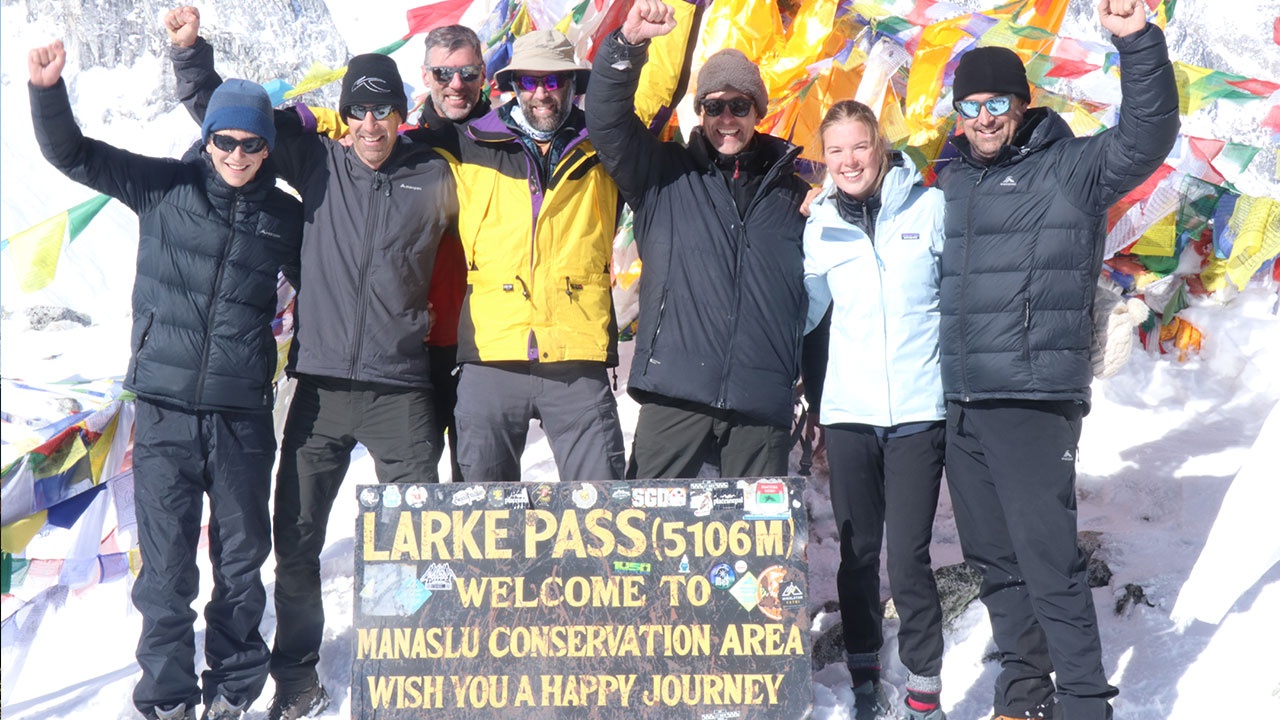
The highest point of the trek is the Larke Pass, which stands at about 5,106 meters above sea level. Crossing this pass is the most challenging section because the weather can become cold, windy, and snowy. However, the mountain views from the top are unforgettable. Spring and Autumn are considered the best seasons of the trek because the skies stay clearer, temperatures remain comfortable, and the trails are usually safer for walking and mountain travel.
Overall, the Manaslu Circuit Trek offers a perfect mix of mountain adventure, natural beauty, and local culture. From peaceful villages to the snowy Larke Pass, the route gives trekkers an unforgettable Himalayan experience with fewer crowds and more authentic village life.
Starting Point of the Trek (Soti Khola and Machha Khola Route)
The Soti Khola and Machha Khola are the main starting points of the Manaslu Circuit Trek. Most trekkers first travel from Kathmandu to these small villages by road. The drive usually takes around 8 to 10 hours, depending on road conditions and weather. During the journey, travelers pass through busy towns, green hills, rivers, waterfalls, and farming villages. Some parts of the road are smooth, but many sections are rough and dusty because mountain roads are still developing in this region. Even though the drive can feel long and tiring, the beautiful scenery makes the experience enjoyable for many visitors.
After reaching Soti Khola or Machha Khola, trekkers officially begin walking on the Manaslu trail. The lower route follows the Budhi Gandaki River for many hours each day. Trekkers cross hanging suspension bridges and walk beside rocky cliffs and narrow mountain paths. The sound of the river and waterfalls can often be heard during the journey. This lower section is warmer than the higher mountain areas because it lies at a lower altitude. Green forests filled with bamboo, pine trees, and small plants cover much of the trail.
The early villages on the route are small but full of local life. Farmers work in rice fields, children play near houses, and mules carry supplies along the trekking paths. Many local people belong to Gurung communities and live simple lifestyles connected to farming and tourism. Trekkers can stop at tea houses for meals, tea, and rest during long walking days. Most tea houses offer basic rooms with local foods like dal bhat, noodles, soups, potatoes, and tea.
This beginning section of the trek is not very difficult compared to the higher mountain areas later in the journey. However, the trail still includes many uphill and downhill paths that can make trekkers tired. Good walking shoes and enough water are important from the first day. The peaceful river valleys and friendly village environment help trekkers slowly prepare for the higher and colder Himalayan sections ahead.
Lower Trail Section (Subtropical Forest Zone)
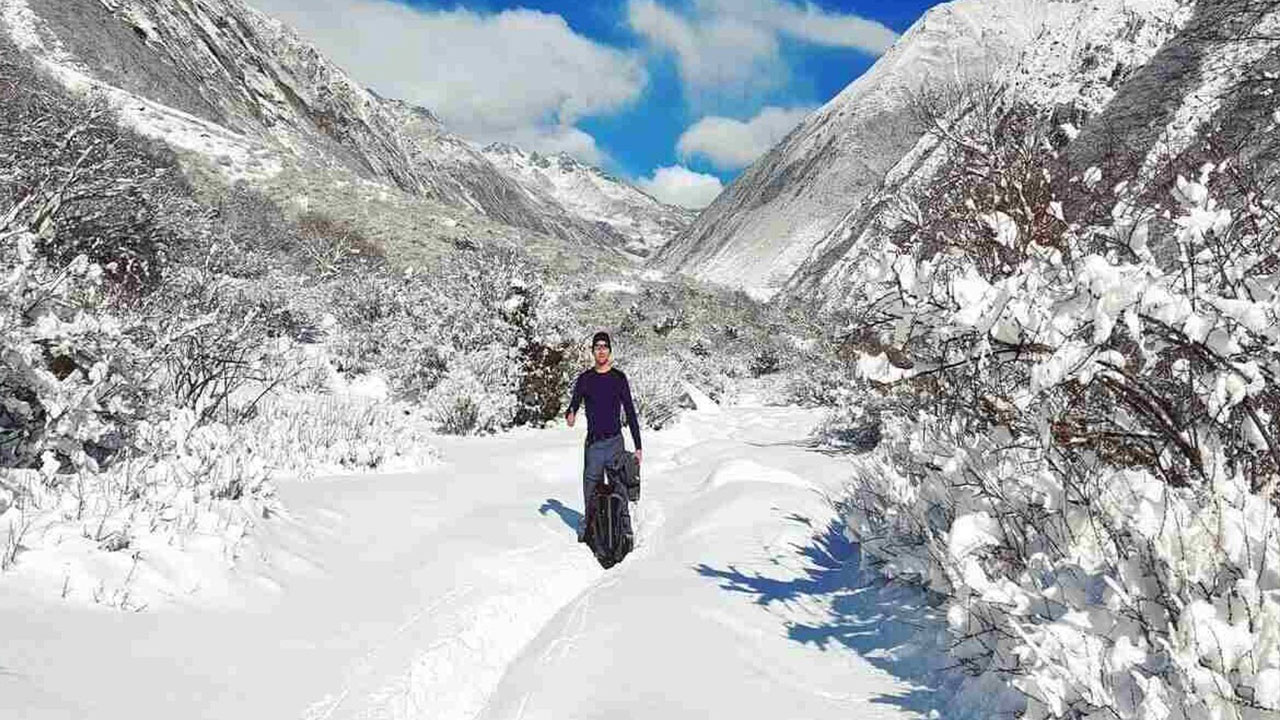
The lower sections of the Manaslu Circuit Trek pass through warm subtropical forests and beautiful river valleys. After leaving Machha Khola, trekkers continue walking beside the Budhi Gandaki River through narrow trails, stone steps, and small mountain villages. This part of the trek feels green, peaceful, and full of natural beauty. The weather is usually warmer here because the altitude is still low compared to the higher Himalayan region. Many trekkers enjoy this section because the forests, waterfalls, and rivers make the journey relaxing and exciting at the same time.
The trail often goes up and down along steep hillsides. Trekkers cross many suspension bridges hanging above fast rivers and rocky gorges. Some bridges are long and move slightly when people walk across them, which makes the experience both fun and memorable. Along the route, waterfalls flow down cliffs and forests filled with bamboo, rhododendron, pine trees, and small plants. Birds and mountain animals can sometimes be seen in the forest areas, especially during quiet mornings.
Several traditional villages are found along this lower trail section. Villages like Jagat, Philim, and Deng are important resting places for trekkers. Local people mainly work in farming, animal keeping, and tourism. Rice fields, millet farms, and vegetable gardens can be seen near many houses. Children often wave at trekkers passing through their villages. Tea houses provide simple food and accommodation for visitors. Meals usually include dal bhat, noodles, fried rice, potatoes, soup, pancakes, and hot drinks.
The lower trail is easier than the high mountain sections, but it still requires a strong walking ability because trekkers walk for many hours each day. The weather can sometimes become hot, humid, or rainy, especially during summer and monsoon months. Good trekking shoes, light clothes, and rain protection are useful during this stage. This forest region helps trekkers slowly adjust to the journey before reaching colder and more difficult mountain areas later on the Manaslu Circuit route through the Himalayas.
Mid Section of the Trek (Jagat to Deng Route)
The middle section of the Manaslu Circuit Trek begins around Jagat and continues toward Deng through deeper mountain valleys and narrow river gorges. This part of the trail becomes more adventurous because the landscape starts changing quickly. Trekkers walk through rocky hillsides, pine forests, waterfalls, and steep stone staircases. The Budhi Gandaki River still follows the route closely, and its strong sound can be heard throughout much of the journey. Compared to the lower trail, this section feels wilder and more remote, giving trekkers a true Himalayan trekking experience.
The trail between Jagat and Deng includes many suspension bridges crossing above deep river valleys. Some parts of the path are carved directly into cliffs, while other areas pass through peaceful forests and small farming villages. Trekkers also walk through landslide sections where extra care is needed. Even though the route becomes harder, the scenery becomes more impressive every day. Snowy mountain peaks begin appearing far above the valleys, especially during clear mornings and evenings. Cool air and fresh mountain winds make walking more comfortable compared to the warmer lower regions.
Culture also changes slowly in this part of the trek. Villages like Philim, Ekle Bhatti, and Deng show stronger Tibetan Buddhist influence. Prayer flags, Mani walls, and chortens become more common along the trail. Local people still follow a simple lifestyle based on farming, yak keeping, and tourism. Many tea houses are family-run and provide basic but comfortable services for trekkers. Hot meals, warm drinks, and friendly hospitality help visitors to relax after long walking days in the mountains.
The middle section is important because trekkers start gaining more altitude and entering higher Himalayan areas. Walking becomes more physically demanding with longer uphill climbs and rough mountain paths. Trekkers need to walk slowly, drink enough water, and rest properly to stay healthy. The beautiful valleys, peaceful villages, and growing mountain views make this section one of the most memorable parts of the entire Manaslu Circuit Trek journey in Nepal.
Upper Trail Section (Namrung to Samagaun Route)
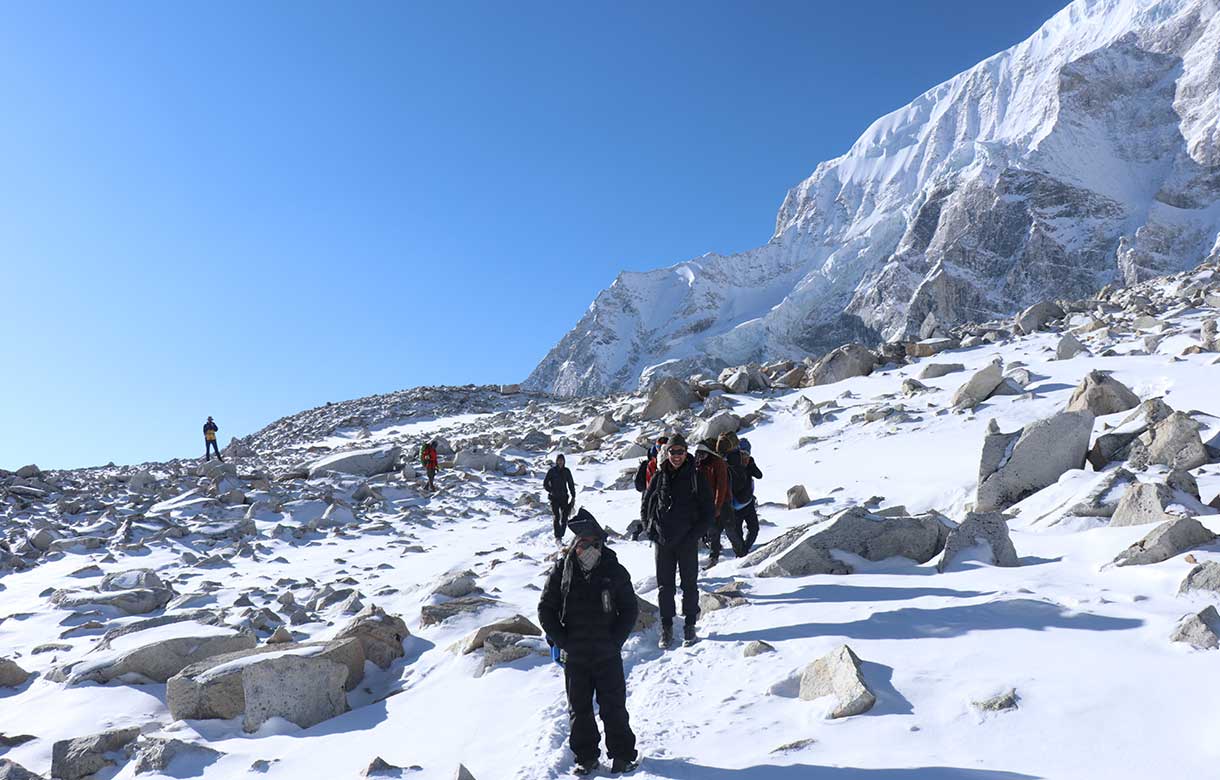
The upper section of the Manaslu Circuit Trek starts from Namrung and slowly climbs towards Samagaun, taking trekkers into a much higher Himalayan environment. The air becomes thinner, the temperature drops, and the landscape changes from green forests to rocky hills and snow-covered mountains. This part of the trek feels more open and dramatic with wide valleys and clear views of distant peaks. Walking here gives trekkers a strong feeling that they are entering the real high Himalayas of Nepal.
As trekkers move higher, villages become more traditional and deeply influenced by Tibetan culture. Places like Lho and Shyala are famous for their beautiful monasteries, prayer wheels, and colorful prayer flags fluttering in the wind. From Lho village, trekkers can see the first clear and close views of Mount Manaslu. The scenery becomes more powerful every day, with glaciers, snowy peaks, and long ridgelines appearing in every direction. The peaceful atmosphere makes this section very special and spiritual for many visitors.
Samagaun is one of the Important stops on the route. It lies at about 3,530 meters and is used as a main acclimatization point. Trekkers usually rest here for one or two days to help their bodies adjust to the high altitude. The village is large compared to the others on the trail and has stone houses, yak pastures, monasteries, and wide open views of the mountains. Life here is slow and simple, with people depending on farming, livestock, and tourism.
This section of the trek is physically more demanding because walking becomes harder in thin air. Trekkers need to walk slowly, drink enough water, and take proper rest. Nights are colder, and warm clothing becomes very important. Even short uphill walks can feel tiring due to the altitude, so careful pacing is necessary.
Overall, the upper trail from Namrung to Samagaun is one of the most beautiful parts of the Manaslu Circuit Trek. It combines culture, mountain views, and high-altitude adventure in a peaceful setting. Many trekkers feel this section is the heart of the journey because it brings them very close to the giant Himalayas and the real mountain lifestyle of Nepal.
Larkya Pass Section (Highest Point of Trek)
The Larke Pass section is the most challenging and highest part of the Manaslu Circuit Trek. It takes trekkers from the Samagaun side toward the pass, which is about 5,106 meters above sea level. This is the toughest day of the entire journey because of the cold weather, steep climb, and thin air. Trekkers usually start very early in the morning, often before sunrise, to cross the pass safely before strong winds increase in the afternoons.
The trail to Larke Pass is long, cold, and covered with snow for most of the year. The path goes through rocky areas, frozen streams, and glacier zones. Walking becomes slow and tiring because oxygen levels are very low at this height. Trekkers must move step by step, take short breaks, and drink water often. Even small movements can feel difficult, so strong mental focus is very important during this section of the trek.
As trekkers climb higher, the views become more dramatic and powerful. Snow-covered peaks, wide glaciers, and distant mountain ranges appear in every direction. The silence of the high mountains makes the experience feel very special. Reaching the top of Larke Pass is a big achievement for most trekkers, and many feel proud and emotional after completing this difficult climb.
Weather conditions at Larke Pass can change quickly. It may be sunny in the morning and suddenly become windy or snowy. Because of this, proper warm clothing, gloves, hats, and trekking poles are very important. Guides also play a key role in helping trekkers stay safe and choose the right path across the snow.
After reaching the top, trekkers begin a long descent towards Bimthang. The downhill walk is still tiring, but it slowly becomes easier as oxygen levels improve. The views during descent are equally beautiful, with wide valleys and green landscapes appearing again. Crossing Larke Pass is the most memorable moment of the entire Manaslu journey, making all the hard effort worth it. It is truly a life-changing experience for every trekker who completes this high Himalayan adventure.
Descent Route (Bimthang to Dharapani )
The descent route from Bimthang to Dharapani is the final walking section of the Manaslu Circuit Trek. After crossing the Larke Pass, trekkers enter the lower valleys again. The air becomes thicker, temperatures warmer, and the landscape turns green. This section feels easier compared to the high mountain climb, but the long downhill walk can still be tiring on the knees and legs. The trail slowly moves away from snowy peaks and enters forests, rivers, and peaceful villages.
The trail passes through forests of rhododendron, pine, and bamboo. Trekkers cross suspension bridges over fast-flowing rivers and waterfalls. Small settlements like Tilije and Dharapani welcome trekkers with tea houses and local food. These villages feel more populated than the higher regions because they connect to road networks. Many trekkers feel relaxed seeing motor roads and easier access after many days of walking in remote areas.
This descent section is physically easier for breathing because the altitude is much lower than the Larke Pass. However, long downhill walking can cause muscle pain if trekkers are not careful. Walking sticks are very helpful here. The environment becomes warm and humid again, and more greenery appears along the trail. Farmers can be seen working in fields, and children often greet tekkers along the path.
The final stretch towards Dharapani marks the end of the trekking journey. From here, trekkers can take a jeep or bus back toward Kathmandu through Besisahar. The road connection makes travel easier and faster after many days in the mountains. Many trekkers celebrate the completion of the Manaslu Circuit Trek here and share their experiences with fellow travelers.
Overall, the descent from Bimthang to Dharapani is a peaceful and rewarding end to the Manaslu Circuit Trek. It allows trekkers to slowly return from high mountains to lower warm landscapes filled with forest, rivers, and villages. The journey gives time for reflection, rest, and enjoyment after the challenging crossing of the Larke Pass. Many trekkers remember this section as a gentle ending where tired legs finally feel relief, and the adventure comes to a satisfying close.
Travel Tips for Manaslu Circuit Trek
The Manaslu Circuit Trek is a beautiful but challenging Himalayan journey. Proper Preparation helps trekkers to stay safe, healthy, and comfortable during the trek. Simple planning and good habits can make the experience more enjoyable for both beginners and experienced trekkers.
- Prepare Your Body Before the Trek: The trek includes long walking days on steep mountain trails. Walking, jogging, and climbing stairs before the trip help to improve stamina and leg strength for high-altitude trekking.
- Carry Proper Trekking Equipment: Warm jackets, trekking shoes, gloves, hats, sunglasses, and rain protection are very important. Temperatures become cold near Larke Pass, especially during mornings and nights in the higher villages.
- Walk Slowly for Acclimatization: Trekkers should move slowly and drink enough water at higher altitudes. Rest days in villages like Samagaun help the body to adjust safely to thin mountain air and reduce altitude sickness risk.
- Hire a Licensed Guide and Permits: The Manaslu region is a restricted trekking area in Nepal. Trekkers need special permits, and you must travel with a licensed guide for safety, navigation, and local support during emergencies.
- Respect Local Culture and Nature: Many villages follow Tibetan Buddhist traditions. Trekkers should respect monasteries, prayer flags, and local customs. Keeping trails can also help to protect the natural beauty of the Himalayas.
Overall, following these simple travel tips helps trekkers to enjoy a safer and more memorable Manaslu Circuit Trek experience. Good preparation, responsible behavior, and respect for local culture make the journey more comfortable and rewarding in the beautiful mountains of Nepal.