

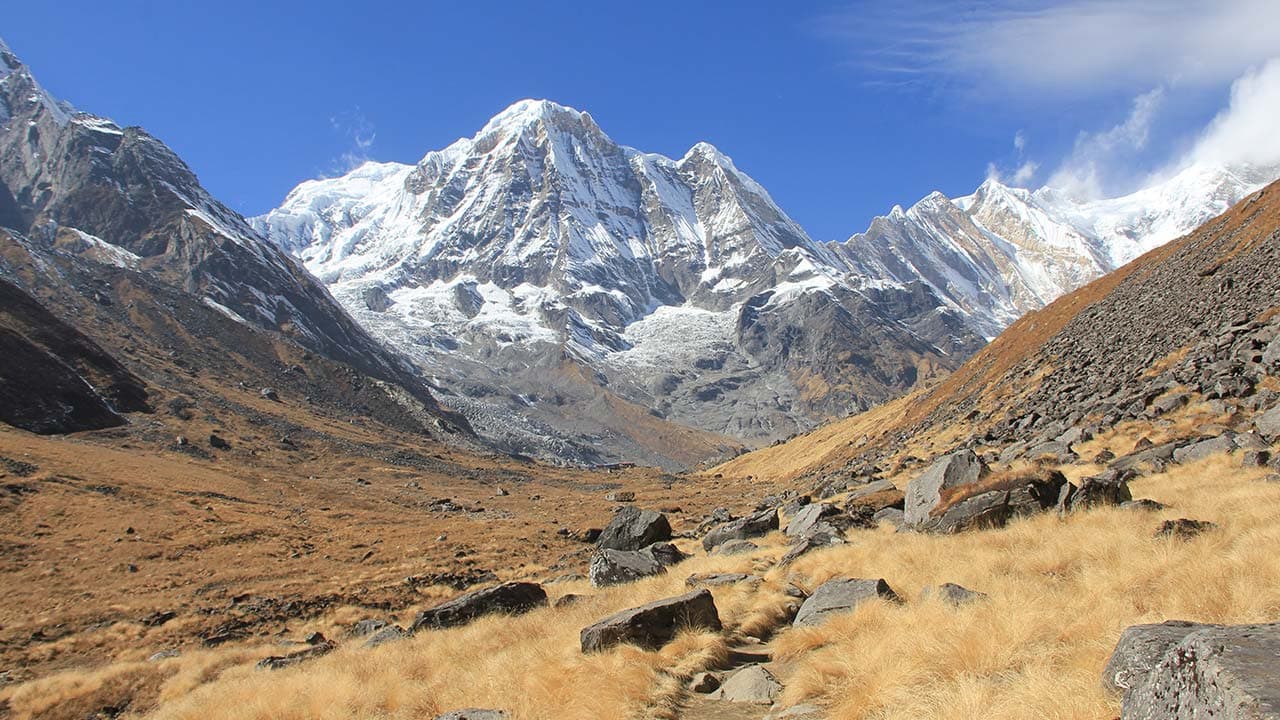
The Annapurna region is one of the most famous trekking destinations in Nepal. Every year, thousands of trekkers visit this beautiful area to see high mountains, green forests, rivers, and traditional villages. Popular trekking routes like Annapurna Base Camp, Annapurna Circuit, and Ghorepani Poon Hill offer stunning views of mountains such as Annapurna, Machhapuchhre, and Dhaulagiri. Because of its natural beauty and rich culture, the Annapurna region attracts both beginner and experienced trekkers from around the world.
When planning a trek in Annapurna, trekkers usually choose between two main trekking styles: a private guide trek or a group trek. Both options allow travelers to explore the mountains safely with professional support. However, the trekking experience can be quite different depending on which style you choose. Some trekkers prefer the freedom and personal service of a private guide, while others enjoy the social atmosphere and lower cost of a group trek.
A private guide trek means you travel with your own guide and sometimes a porter. This type of trek is often arranged for individuals, couples, families, or small groups of friends. It gives you more flexibility because you can walk at your own pace and make small changes to the itinerary if needed. On the other hand, a group trek means joining other travelers on a fixed departure date. A guide leads the whole group, and everyone follows the same daily plan and schedule.
Many trekking companies in Nepal, including Eco Holidays Nepal, offer both private and group trekking packages in the Annapurna region. These packages usually include permits, accommodation, meals, and experienced guides. Choosing the right trekking style depends on your budget, travel goals, and the type of experience you want in the mountains.
In this blog, we will compare private vs group trek in Annapurna to help you to decide which option is best for your trekking adventure.
What Is a Private Guide Trek in Annapurna?
A private guide trek in the Annapurna region means you trek with your own guide and sometimes a porter. The trip is arranged only for you, your partner, family, or a small group of friends. Unlike a group trek, you do not join strangers on the trail. Everything is organized according to your needs, schedule, and travel style.
One of the biggest advantages of a private trek is flexibility. You can choose your own starting date and adjust the trekking pace. If you want to walk slowly, take more photo breaks ,or rest longer in a village, it is usually possible. This is very helpful for trekkers who want a relaxed experience or need extra time to adjust to the altitude. Families with children and older trekkers often prefer this option because it allows a comfortable pace.
A private trek also gives you personal attention from the guide. The guide focused only on your group, so you can ask questions about the mountains, culture, and local life. Guides also help with navigation, safety, and communication with tea house owners along the trail. If any problem happens during the trek, the guide can quickly assist and make decisions that are best for your group.
Another important feature of a private trek is customization. You can choose the route, the number of trekking days, and even add extra places to visit. For example, some trekkers combine the Annapurna Base Camp Trek with a visit to Poon Hill for Sunrise views. With a private trek, the itinerary can often be adjusted to include these experiences.
Most trekking companies in Nepal, including Eco Holidays Nepal, provide private trekking packages that include permits, accommodation in a tea house, meals during the trek, and licensed guides. Some packages also include a porter who carries luggage, making the trek easier and more enjoyable.
Because of these benefits, a private guided trek is a popular choice for travelers who want comfort, flexibility, and a more personal trekking experience in the Annapurna region.
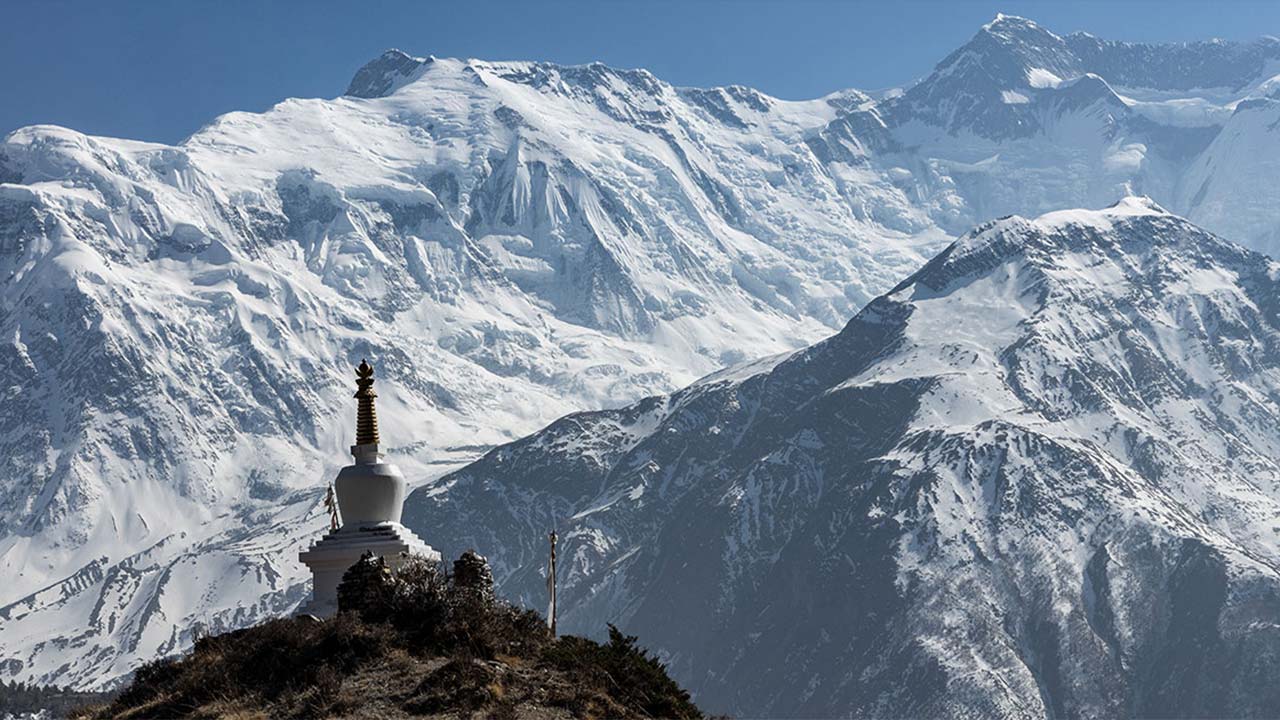
What Is a Group Trek in Annapurna?
A group trek in the Annapurna region means trekking with other travelers who join the same trip organized by a trekking company. Instead of having a personal guide, one guide leads the entire group along the trail. Everyone follows the same itinerary, walking schedule, and accommodation plan. This type of trekking is very popular among solo travelers and first-time visitors who want an organized and social trekking experience.
Usually, a group trek includes around 6 to 12 trekkers in one team. Sometimes the group may be slightly larger depending on the company and the trekking route. This guide manages the group, helps with navigation, and makes sure everyone stays safe during the trek. The guide also arranges tea house accommodation, meals, and daily walking plans.
One of the biggest advantages of group trekking is the lower cost. Since the guide, transportation, and other services are shared among many people, the total price becomes more affordable. This makes group trekking a good choice for travelers who want to explore the Annapurna region without spending too much money.
Another great benefit of a group trek is the social experience. Trekkers often meet people from many countries and cultures. During the trek, they walk together, share meals, and talk about their travel stories. Many trekkers say they make good friends during the journey, which makes the adventure even more enjoyable.
However, group trekking has less flexibility than a private trek. The group usually follows a fixed schedule, and everyone walks at a similar pace. If someone wants to walk slower or take extra rest time, it may not always be possible. Even with this limitation, group treks remain a popular and fun way to explore the beautiful trails of the Annapurna region.
Private Guide vs Group Trek in Annapurna: Cost Difference
The cost of trekking in the Annapurna region can change depending on the trekking style you choose. The two main options are private guided treks and group treks, and each has a different price. Understanding the cost difference can help trekkers choose the option that fits their budget and travel style.
A group trek is usually cheaper because the costs are shared among many trekkers. In a group trek, the guide, transportation, and sometimes other services are divided among several people. Because of this, each trekker pays less compared to a private trek. Many group packages for popular routes like Annapurna Base Camp or Poon Hill usually cost around USD 600 to 900 per person, depending on the services included.
On the other hand, a private guide trek costs more because the guide works only for you or your small group. The price includes the guide's daily wage, accommodation, meals, and sometimes a porter to carry luggage. In general, the private option for the treks in the Annapurna region can cost around USD 1,250 to 1,600 per person. If you are going for the luxury mode with helicopter transfers, the cost can be over USD 3,000.
In Nepal, a professional trekking guide usually earns around USD 25 to 40 per day, while a porter may earn USD 20 to 25 per day. These costs are added directly to the trekking package. Even though a private trek is more expensive, it provides better comfort and flexibility. Trekkers can walk at their own pace, choose their own start date, and sometimes customize the itinerary. Many travelers feel the extra cost is worth it because they receive more personal attention and a more relaxed trekking experience.
Many trekking companies, including Eco Holidays Nepal, offer both group discounts and private trekking packages. For example, the price may become cheaper when more people join the same trip. This allows trekkers to choose between a budget-friendly group adventure or a more personalized private trekking journey in the Annapurna region.
Experience on the Trail: Social vs Personal Adventure
The type of trekking you choose, private guide or group trek, greatly affects your experience on the trail. Each style offers a different way to enjoy the beautiful Annapurna region, and understanding the differences can help you to decide which is best for you.
A group trek is very social and full of energy. You trek with other travelers, usually from different countries, and share the experience. On the trail, you walk side by side, share meals at tea houses, and exchange stories about your lives, cultures, and travel adventures. Many trekkers enjoy the friendships they form during group treks, and these connections often last even after the trip ends. The group environment can also be motivating, especially on challenging days when the walking feels tiring or the altitude is high. Sharing encouragement and helping each other along the way makes the journey lively and enjoyable.
On the other hand, a private guide trek offers a calm and personal experience. The trek is arranged only for you, your partner, family, or a small group of friends. You walk at your own pace, take longer breaks for photography, or spend more time exploring local villages. There are no strangers on the trail, so it is peaceful and quiet. This type of trekking is ideal for couples, families with children, older travelers, or anyone who prefers solitude and a flexible schedule.
The atmosphere of the trail changes depending on your choice. Group treks are lively, interactive, and full of conversation, laughter, and teamwork. Private treks, however, are tranquil, flexible, and focused on your own pace, interest, and experience.
So, the conclusion in this experience topic for the private guide vs group trek in Annapurna is that both trekking styles allow you to enjoy stunning mountain views, fresh air, and the rich culture of the region. The main difference is whether you want a social adventure with new friends or a personal, flexible journey that lets you connect deeply with nature and the trail. Understanding this difference helps you to make the most of your Annapurna trekking experience.
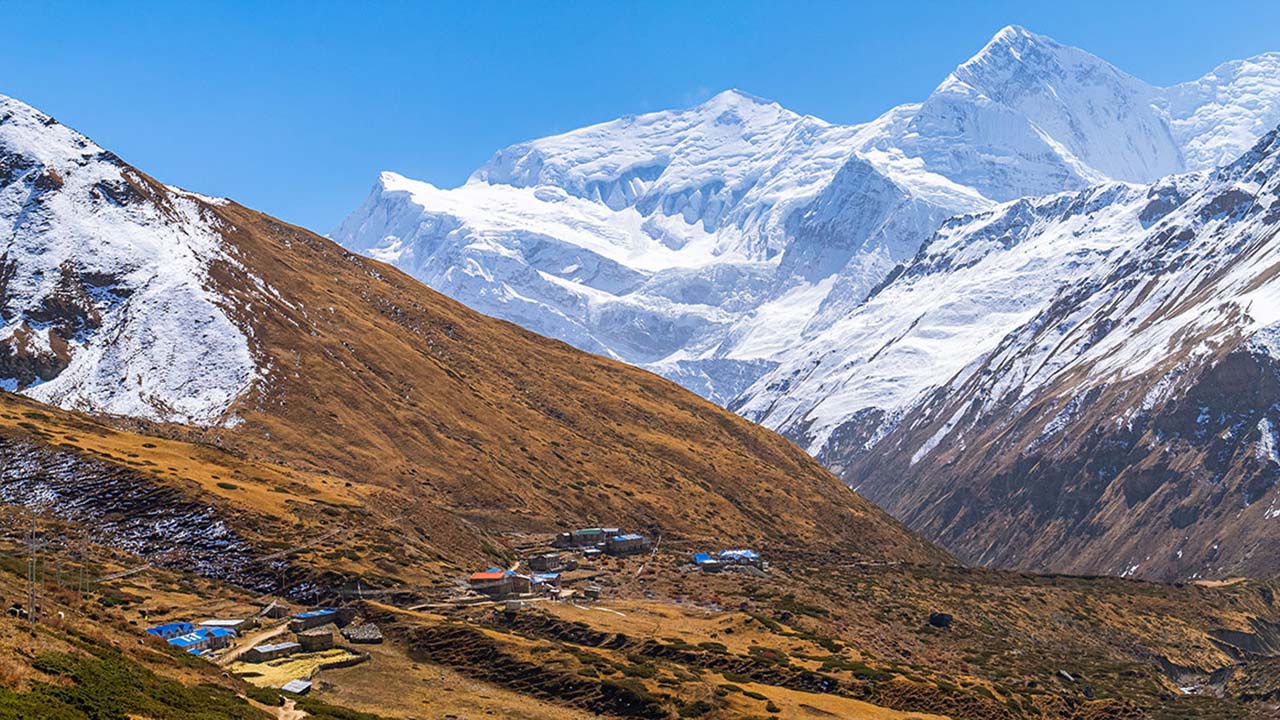
Flexibility and Trekking Pace
One of the main differences between a private guide vs group trek in Annapurna is the level of flexibility you have on the trail. Flexibility affects how you plan your days, how fast you walk, and how much time you spend exploring the villages and scenery along the way.
A private trek is highly flexible. Since the guide focused only on you or your small group, you can walk at your own pace. If you want to take extra breaks for photos, rest longer in a village, or adjust the itinerary, it is usually possible. You can also add rest days to help with acclimatization or include extra stops to explore places off the main trail. This makes private treks ideal for families, couples, photographers, or travelers who want a relaxed and personalized experience.
In contrast, a group trek has a fixed schedule. The guide plans the daily distance, the timing of meals, and the overnight stops to suit the whole group. Everyone walks at a similar pace, which may be faster or slower than what you personally prefer. While this ensures organization and safety, it leaves little room to make changes along the way.
Flexibility also includes the start and end dates of your trek. Private treks allow you to choose your own departure date and duration, which can be convenient if you have limited time or you want to avoid peak trekking seasons. Group treks, however, follow pre-set departure dates set by the trekking company.
Ultimately, flexibility and pace are important factors to consider while choosing a trekking style. If you enjoy walking at your own rhythm and adjusting plans to your needs, a private guide trek is the better choice. If you prefer a structured schedule and do not mind following the group's pace, a group trek is more suitable. Both options allow trekkers to experience the beauty of the Annapurna region, but the journey feels very different depending on the level of flexibility.
Safety, Support, and Trekking Logistics
Safety and support are very important when trekking in the Annapurna region. The mountains are beautiful, but they can be challenging, with changing weather, steep trails, and high altitudes. Choosing between a private trek and a group trek affects the level of support you receive on the trail.
A private guide focuses entirely on you or your small group. They monitor your pace, check signs for altitude sickness, and make sure you are comfortable each day. Guides also help with navigation, weather changes, and communication with local tea houses. If an emergency happens, a private guide can act quickly to arrange medical help or evacuation. Some trekking companies, including Eco Holidays Nepal, provide guides trained in first aid and basic emergency response to ensure trekkers’ safety.
In a group trek, the guide manages safety for the entire team. They watch all members and make decisions for the group's well-being. This includes adjusting the schedule if someone is struggling or arranging medical help if needed. While support is still strong, the attention is shared among all group members, so individual needs may not always get immediate focus.
Most trekking packages, whether private or group, include essential logistics like permits (ACAP and TIMS), accommodation in tea houses, meals, and sometimes include the option to carry luggage. These services make trekking easier, safer, and more enjoyable.
Overall, both trekking styles provide professional support and safety, but the difference is personal attention. Private treks offer dedicated care for you and your group, while group treks ensure safety for all participants collectively. Understanding these differences helps trekkers to make informed decisions and have a safe, enjoyable journey in Annapurna.
Private Guide vs Group Trek in Annapurna– Which Trekking Style Should You Choose?
Choosing between a private guide trek and a group trek in the Annapurna region depends on your preferences, budget, and trekking experience. Both styles allow you to enjoy the stunning mountains, villages, and culture, but the journey feels very different depending on your choice.
A group trek is ideal for solo travelers, first-time trekkers, or those on a budget. Group treks are more affordable because the guide, transport, and other services are shared among the participants. You also get the chance to meet people from different countries and share stories along the trail. The fixed schedule keeps the trip organized and makes planning easier for beginners.
On the other hand, a private trek is better for travelers who want flexibility and personalized attention. You can adjust the pace, take extra bread, and explore villages or viewpoints off the main trail. Private treks are perfect for couples, families with children, older travelers, or photography enthusiasts who want to enjoy a relaxed, customized experience.
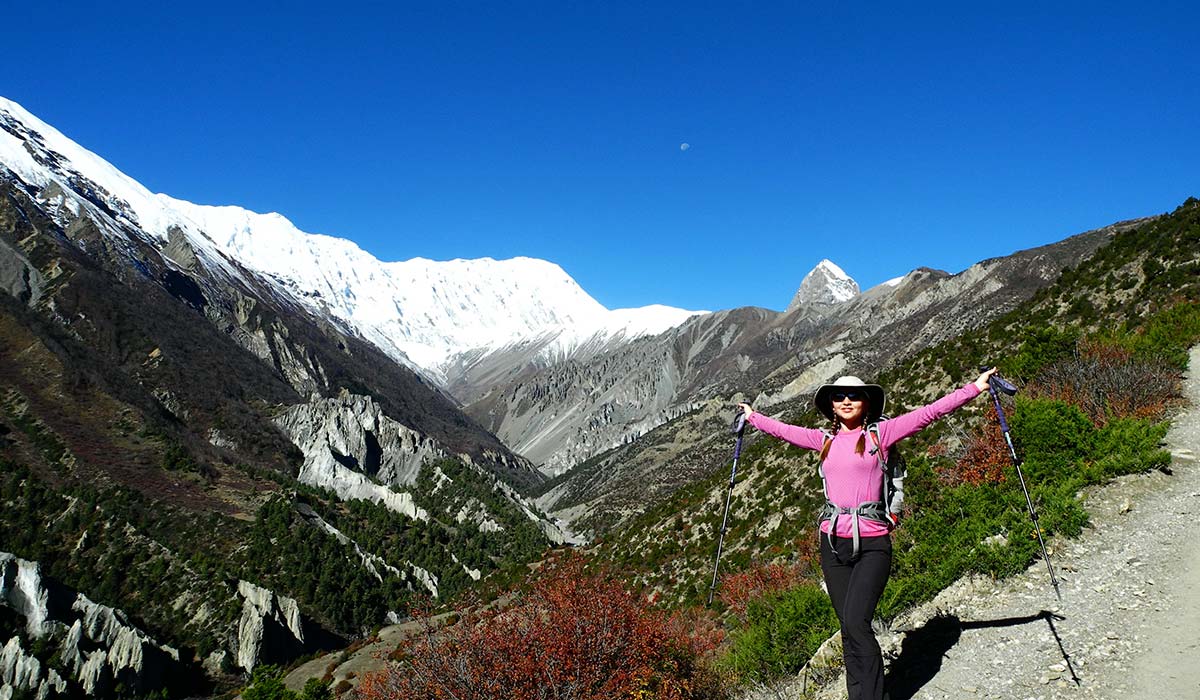
The atmosphere also differs. Group treks are lively and social, filled with conversation, laughter, and teamwork. Private treks are calm, flexible, and allow a deeper connection with nature and the local culture. Some travelers enjoy the energy of a group, while others prefer quiet reflection and freedom on the trail.
In summary, the choice depends on your priorities. If you value cost savings and social interaction, a group trek is ideal. If you prefer flexibility, privacy, and personal attention, a private guide trek is worth the extra investment. Both options offer safe and memorable experiences in Annapurna, so the best choice is the one that fits your travel, style, comfort, and adventure goals. Whatever you choose, the Annapurna region promises breathtaking views, rich culture, and lifetime memories.
Quick Tips for Choosing Between Private and Group Trek
Here are some helpful tips to decide which trekking style suits you best in the Annapurna region.
-
Consider Your Budget: If you want to save money, a group trek is usually cheaper. Private treks cost more because the guide and services are dedicated only to you.
-
Think About Flexibility: A private trek allows you to walk at your own pace, rest longer, and customize the itinerary. Group treks follow a fixed schedule with a set daily distance.
-
Decide on Social Interaction: If you enjoy meeting new people and sharing the journey, choose a group trek. If you prefer a quiet, personal experience, a private trek is better.
-
Check Your Experience Level: Beginners may feel safer and more supported in a group trek. Experienced trekkers or those who prefer control over the pace may enjoy a private guide.
-
Family and Special Needs: Families with children, older travelers, or anyone needing extra support will benefit from a private trek because it can be adjusted to their needs.
-
Photography and Exploration: Trekkers who want to stop frequently for photos or explore side trails will enjoy a private trek, as group schedules may not allow extra stops.
By keeping these tips in mind, you can choose a trekking style that fits your budget, pace, and personal preferences. Both private and group treks in Annapurna provide amazing views, cultural experiences, and unforgettable memories. The key is to pick the style that makes your adventure comfortable and enjoyable.