
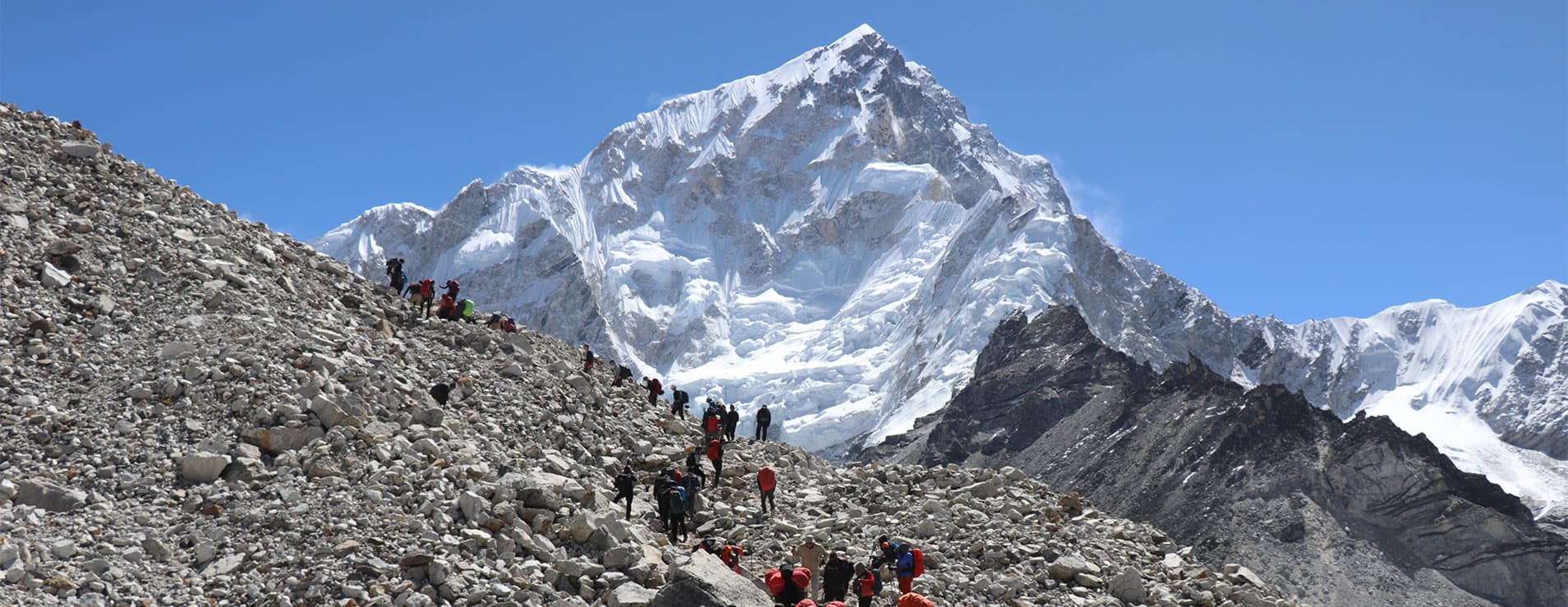
The Everest Base Camp Trek is one of the most famous trekking journeys in the world. Every year, thousands of travelers come to Nepal with one simple dream: to stand at the base of the world's highest mountain, Mount Everest. The trek takes people through beautiful Sherpa villages, high mountain valleys, glaciers, and amazing Himalayan views.
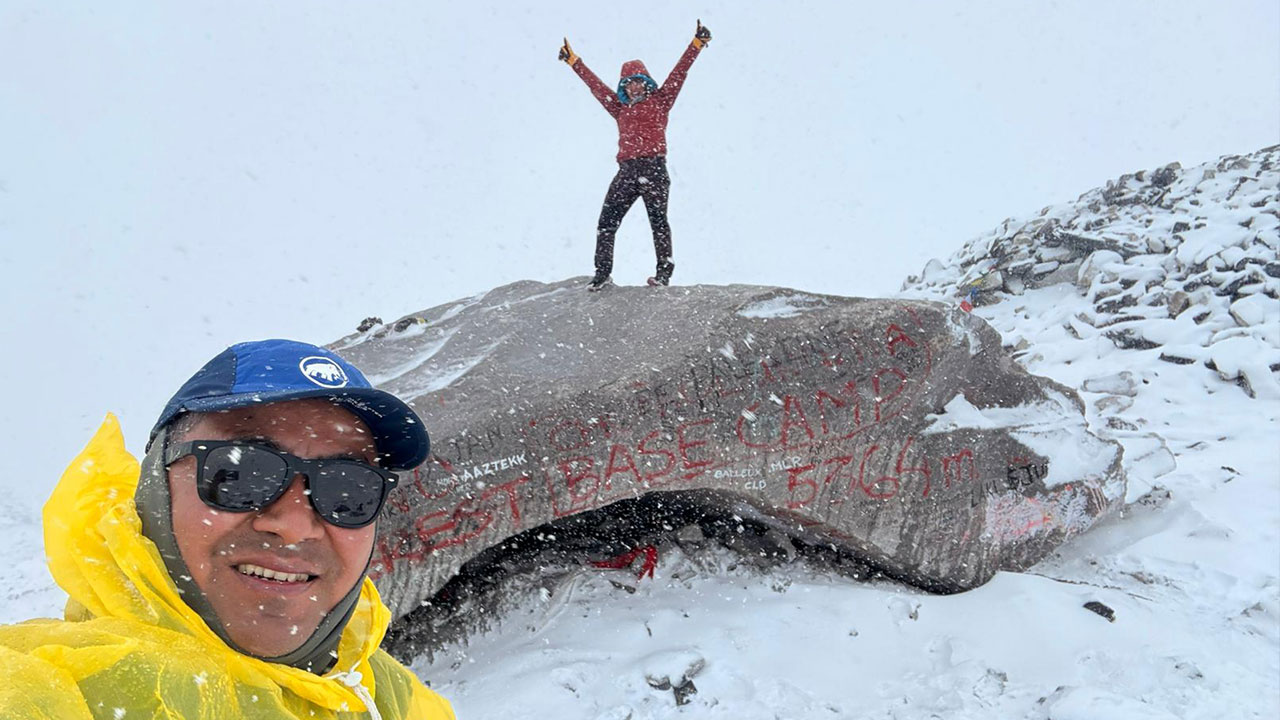
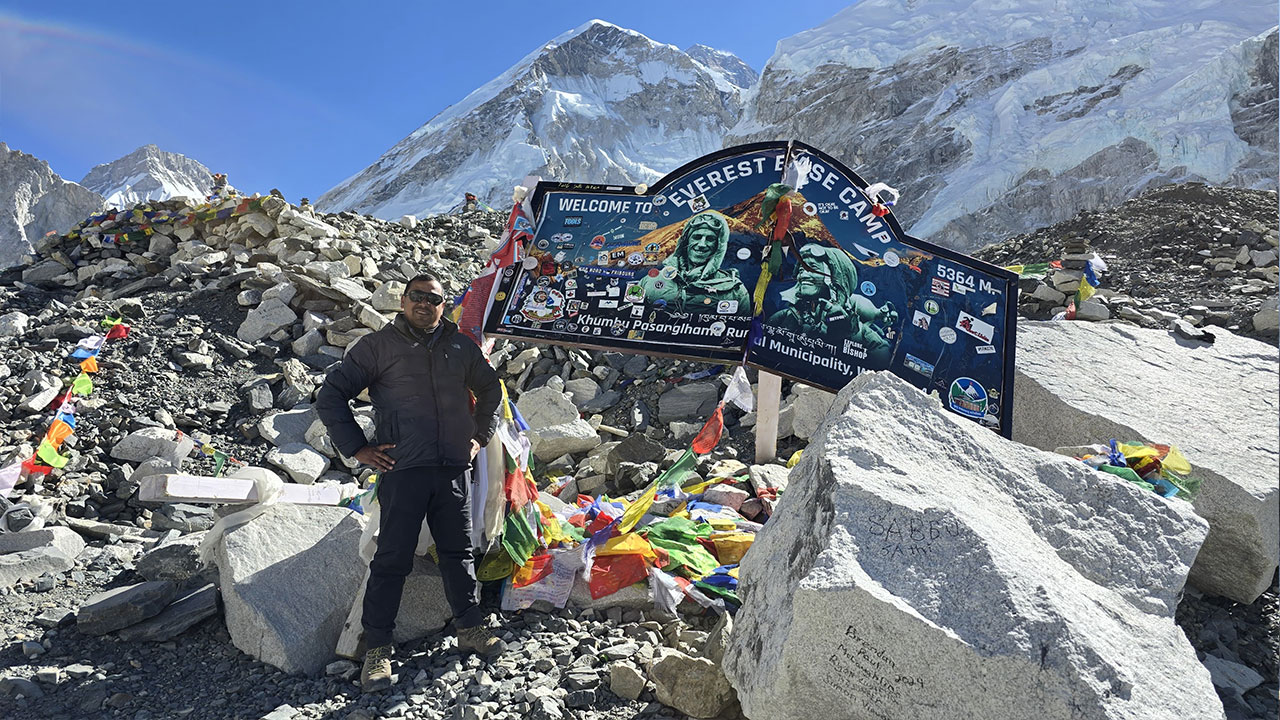
Everest Base Camp sits at an altitude of 5,364 meters (17,598 feet) above sea level. At this height, the air contains about 50% less oxygen than at sea level, making trekking more challenging. Because of this, many people wonder before starting the trek: What is the success rate of the Everest Base Camp Trek? The good news is that the success rate of this trek is quite high.
Trekking companies in Nepal and trekking reports show that around 85% to 90% of trekkers successfully reach Everest Base Camp when they follow a proper itinerary and allow enough time for acclimatization. In guided trekking groups, the success rate can reach around 90-95% because experienced guides help manage altitude and pace. Each year, thousands of trekkers from all around the world attempt the Everest Base Camp Trek.
So, in overall, thousands of dreamers from all around the world who come to conquer this route complete the journey successfully and return with unforgettable memories of the Himalayas. However, success on this trek does not depend only on physical fitness. The biggest factors are slow trekking, proper acclimatization, good preparation, and experienced guidance.
In this blog, we will explore the real success rate of the Everest Base Camp Trek, the challenges trekkers face, and the key factors that help most people successfully reach the foothills of the highest snow-clad wonder on the planet.
The Actual Success Rate of the Everest Base Camp Trek
The Everest Base Camp Trek has a surprisingly high completion rate compared to many other high-altitude adventures. Most trekking reports and trekking companies estimate that around 85% to 90% of trekkers successfully reach Everest Base Camp each year. The high success rate is possible because the trek does not require technical climbing skills.
Trekkers mainly follow a well-established trail through the Khumbu region of Nepal, walking about 10 to 15 kilometers per day during the journey. A standard Everest Base Camp itinerary usually lasts 12 to 14 days, including important acclimatization days. These rest days allow the body to adjust to higher altitudes and lower oxygen levels.
The success rate can also vary depending on how the trek is organized. For example:
- Guided Treks: around 90-96% success rate
- Independent Trekkers: around 75-85% success rate
- Short or Rushed Itineraries: lower success rates
Guided treks usually have a higher completion rate because professional guides monitor trekkers' health and control the trekking pace. They also help identify early symptoms of altitude sickness and advise when trekkers need rest.
Another reason for the high success rate is the well-developed trekking infrastructure in the Everest region. Along the trail, there are many teahouses, lodges, and small villages where trekkers can rest, eat, and recover.
Each trekking season, thousands of trekkers from all around the world successfully reach Everest Base Camp. Their experiences show that with proper preparation, patience, and respect for altitude, the journey to Everest Base Camp is achievable for most people.
Main Challenges That Affect Trek Success
Even though the Everest Base Camp trek has a high success rate, trekkers still face several challenges during the journey. Understanding these difficulties helps trekkers prepare better and increases the chances of completing the trek successfully.
Here are the main challenges of the Everest Base Camp trek:
-
High Altitude
The biggest challenge is the high altitude. Everest Base Camp sits at 5,364 meters (17,598 feet) above sea level. At this height, the air contains about 50% less oxygen, which makes breathing harder and walking more tiring. Many trekkers feel fatigued more quickly at higher elevations. Even a simple activity can be physically draining as you move to higher altitudes, and a proper rest is necessary to let the body naturally adjust to the thinning air.
-
Risk of Altitude Sickness
Acute Mountain Sickness (AMS) or altitude sickness is one of the most common problems during the trek. Symptoms may include headache, dizziness, nausea, and shortness of breath. If symptoms become serious, trekkers must descend to a lower altitude for safety. Disregarding the early symptoms and continuously pushing further can put you at risk of a more dangerous variation of altitude sickness, such as High Altitude Pulmonary Edema (HAPE) and High Altitude Cerebral Edema (HACE).
-
Long Trekking Days
Most trekking days involve 5-7 hours of walking on mountain trails. Even though the daily distance may be around 10-15 kilometers, the altitude and terrain make the trek physically demanding. Not only that, the terrain condition is not always the same. Depending on the altitude, you will have to walk on different kinds of landscapes, from the forested trail, river valleys, and swinging bridges to wide pastures and glacier debris.
-
Changing Mountain Weather
The weather in the Everest region can change quickly. Trekkers may face cold temperatures, strong winds, or snowfall, especially in higher places like Lobuche and Gorakshep. Even if the morning is warm and sunny, the afternoon can be cloudy, windy, and may even receive rainfall or snowfall. This weather unpredictability factor is a norm at higher altitudes and can be even more obscure during the off-season.
-
Limited Comfort in Higher Villages
As trekkers go higher, facilities become simpler. Hot showers, internet access, and comfortable rooms are limited in higher mountain lodges. As there is no proper roadway, the locals have to depend on the transportation chain that heavily relies on porters, yaks, and mules. So, the higher you climb, the more basic services become.
Despite these challenges, proper preparation, slow trekking pace, and good acclimatization help most trekkers successfully reach Everest Base Camp.
The Biggest Reasons Some Trekkers Turn Back
The most common reason some trekkers cannot reach Everest Base Camp is altitude sickness, also known as Acute Mountain Sickness (AMS). Even though the trek is not technically difficult, the high altitude makes it challenging for many people.
As trekkers climb higher into the Himalayas, the oxygen level in the air becomes lower. At Everest Base Camp, the air has about 50% less oxygen than at sea level. Because of this, the body needs time to adjust to the new environment. If trekkers go too high too quickly without proper acclimatization, they may start to feel symptoms of altitude sickness.
Some Common Symptoms of AMS Include
- Headache - the most common early sign
- Dizziness or lightheadedness
- Nausea or loss of appetite
- Shortness of breath while walking
- Extreme fatigue or weakness
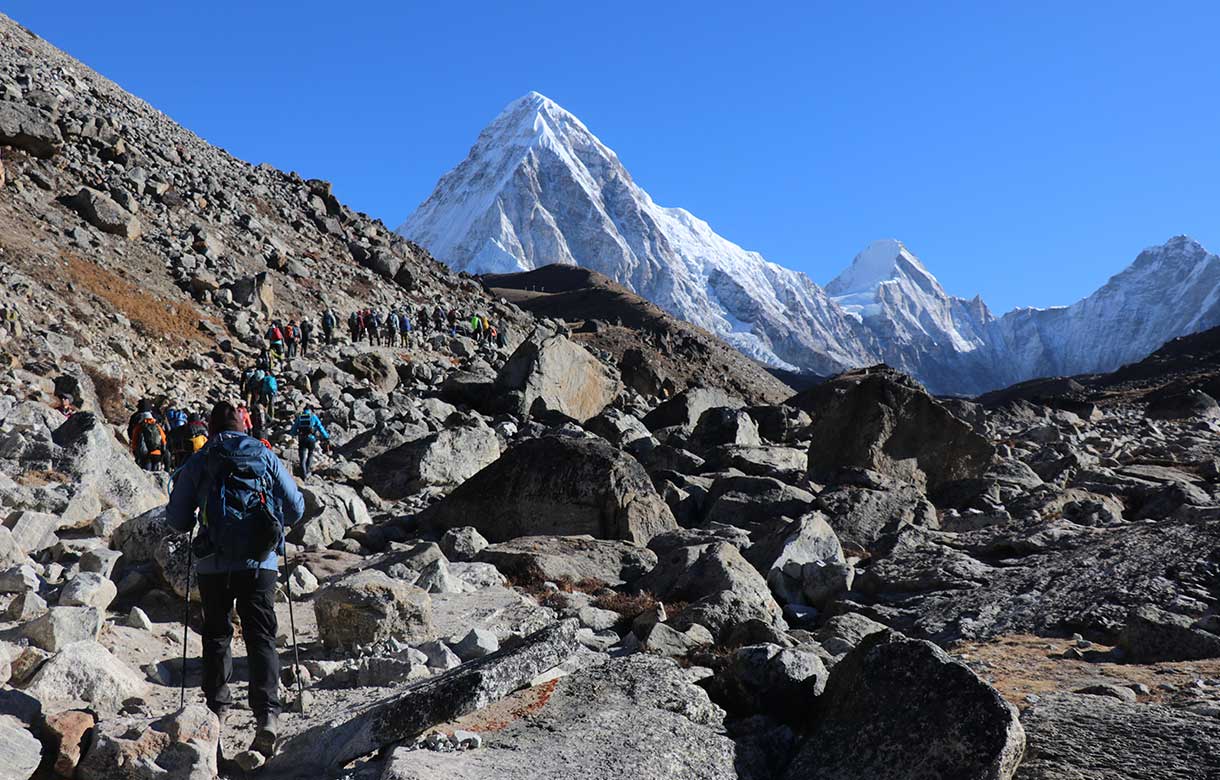
These symptoms usually appear when trekkers reach elevations above 3,000 meters, which happens early in the Everest Base Camp trek. To reduce the risk, most trekking itineraries include two important acclimatization days during the journey.
These rest days are usually spent in Namche Bazaar (3,440 m) and Dingboche (4,410 m). During these days, trekkers take short hikes to higher viewpoints and then return to sleep at the same altitude. This process helps the body slowly adjust to the lower oxygen levels.
Guides also play an important role by monitoring trekkers' health and ensuring everyone walks at a safe pace. If symptoms become serious, the safest decision is always to descend to a lower altitude. By respecting altitude and trekking slowly, most trekkers can avoid serious problems and continue safely toward Everest Base Camp.
How Proper Planning Increases the Success Rate?
Proper Planning plays a major role in the success of the Everest Base Camp trek. Trekkers who prepare well and follow a well-designed itinerary have a much higher chance of completing the trek safely. Trekking companies and experienced guides always focus on careful planning to reduce risks and improve trekking success.
Here are the key planning factors that increase the success rate:
-
Choose the Right Trek Duration: A proper Everest Base Camp trek usually takes 12 to 14 days. This duration allows trekkers to walk at a comfortable pace and gradually gain altitude. Shorter itineraries often increase the risk of altitude sickness.
-
Include Acclimatization Days: Acclimatization is essential for high-altitude trekking. Most itineraries include rest days in Namche Bazaar (3,449 m) and Dingboche (4,410m). These stops help the body to adjust to lower oxygen levels and reduce the risk of altitude sickness.
-
Trek During the Best Seasons: Choosing the right season greatly improves success. The most popular trekking season is Spring (March to May), in this season, the skies are clear, and the weather is stable. Another season is Autumn (September to November), in this season, mountain views are excellent, and temperatures are comfortable. Both of these peak seasons provide safer trekking conditions.
-
Prepare Physically Before the Trek: Trekkers who do basic training before the trek find the journey easier. Activities such as hiking, jogging, cycling, or stair climbing help to improve stamina and endurance.
-
Pack the Right Trekking Gear: Good trekking gear is important for comfort and safety. Essential items include strong trekking boots, warm clothing, a sleeping bag, trekking poles, and proper backpacks.
-
Plan Logistically in Advance: Planning flights to Lukla, accommodation in teahouses, trekking permits, and guide services helps to avoid delays and stress during the journey.
With proper planning and preparation, the Everest Base Camp trek becomes safer, smoother, and much more achievable for most trekkers.
Best Time to Trek to Everest Base Camp for Higher Success
Choosing the right time to trek to Everest Base Camp can significantly improve the chance of completing the journey successfully. Weather conditions in the Himalayas change throughout the year, and some seasons are much better for trekking than others.
The two best seasons for the Everest Base Camp Trek are Spring (March, April, and May) and Autumn (September, October, and November). During these months, the weather is generally stable, the skies are clearer, and the trails are safer for trekking.
-
Spring (March to May) is one of the most popular trekking seasons. Temperatures are moderate, and the trails come alive with blooming rhododendron forests, Nepal's national flower. The mountain views are often clear, and climbers preparing to summit Mount Everest also gather at Base Camp during this time.
-
Autumn (September to November) is another excellent season for trekking. After the monsoon rains, the air becomes fresh and clean, which creates very clear views of the Himalayas. Many trekkers prefer autumn because the weather is stable and visibility is usually excellent.
Off Season Expereince
Other seasons can be more challenging. Winter (December to February) brings very cold temperatures and snow at higher elevations. While trekking is still possible, the conditions become tougher. Likewise, the monsoon season (June to August) is generally the least popular time for the Everest Base Camp trek. Heavy rainfall, cloudy skies, and slippery trails can make trekking difficult.
Because of better weather, clearer views, and safer trail conditions, trekking during spring or autumn increases the chance of completing the Everest Base Camp Trek successfully while enjoying the beauty of the Himalayan landscapes.
Roles of Guides and Trekking Companies in Trek Success
Guides and trekking companies play a very important role in improving the success rate of the Everest Base Camp Trek. Many trekkers choose guided treks because experienced professionals help to manage the challenges of high-altitude trekking.
A good guide understands the mountain environment, the trekking route, and the health risks that trekkers may face during the journey. Here are some ways guides and trekking companies help to increase trekking success:
-
Monitoring Altitude Sickness: Guides are trained to recognize early symptoms of altitude sickness, such as headache, dizziness, or fatigue. If any symptoms appear, they can slow the trekking pace or recommend rest before the condition becomes serious.
-
Controlling Trekking Pace: One of the biggest mistakes trekkers make is walking too fast. Guides help to maintain a slow and steady pace, which allows the body to adjust better to high altitude.
-
Managing Trek Logistics: Trekking companies arrange many important services, including accommodation in mountain teahouses. So, you will be able to trek without stress and won’t have to worry about anything else besides relishing the experience. Agencies generally handle:
- Daily meals during the trek
- Trekking permits and park entry
- Flight arrangements to Lukla
- Porter services to carry luggage
This support allows trekkers to focus on the experience instead of worrying about planning details.
-
Providing Safety Support: In case of emergency, trekking companies can quickly organize medical assistance or helicopter evacuation if needed. This extra safety support increases confidence and security during the trek.
-
Sharing Local Knowledge: Guides also share valuable knowledge about the culture, traditions, and environment of the Everest region. Trekkers learn about Sherpa villages, monasteries, and Himalayan wildlife along the route.
Because of these advantages, guided treks often have a higher success rate compared to independent trekking. For many travelers, trekking with experienced guides makes the Everest Base Camp journey safer and more enjoyable.
Practical Tips to Successfully Reach Everest Base Camp
Reaching Everest Base Camp is possible for most people if they follow some simple and practical trekking tips. Experienced guides and trekking companies often share these tips to help trekkers stay safe and increase their chances of completing the journey. Here are some of the important tips that can improve your success on the Everest Base Camp trek:
-
Walk Slowly and Keep a Steady Pace: At high altitude, walking slowly is very important. A slow and steady pace helps your body to adjust to lower oxygen levels and prevents early fatigue.
-
Drink Plenty of Water: Hydration helps the body to adapt to altitude. Trekkers should try to drink 3-4 liters of water every day during the trek to stay healthy and avoid dehydration.
-
Eat Enough Food: The body burns more energy at high altitude. Eating regular meals, especially foods rich in carbohydrates like rice, pasta, and potatoes, helps to maintain energy levels during long trekking days.
-
Take Acclimatization Seriously: Never skip acclimatization days in places like Namche Bazaar and Dingboche. These rest days are essential for adjusting to altitude and reducing the risk of altitude sickness.
-
Use Proper Trekking Gear: Good equipment makes trekking safer and more comfortable. Proper trekking boots, warm layers, gloves, trekking poles, and a sleeping bag are essential for high-altitude trekking.
-
Listen to Your Guide and Your Body: Guides have experience in high mountains and understand trekking safety. At the same time, trekkers should always pay attention to their own health and inform guides if they feel unwell.
Following these simple tips can greatly increase the chances of reaching Everest Base Camp safely while enjoying one of the most beautiful trekking experiences in the world.
Is the Everest Base Camp Trek Achievable for Most People?
The Everest Base Camp Trek is one of the most inspiring adventures in the world. Many people dream of seeing Mount Everest up close and experiencing the beauty of the Himalayas. A common concern for many travellers is whether they will be able to complete the trek successfully.
The good news is that the Everest Base Camp Trek has a high success rate of around 85% to 90%. This means that most trekkers who start the journey are able to reach base camp. When trekkers follow a proper itinerary with enough acclimatization days and trek with experienced guides, the success rate can even reach around 90% to 95%.
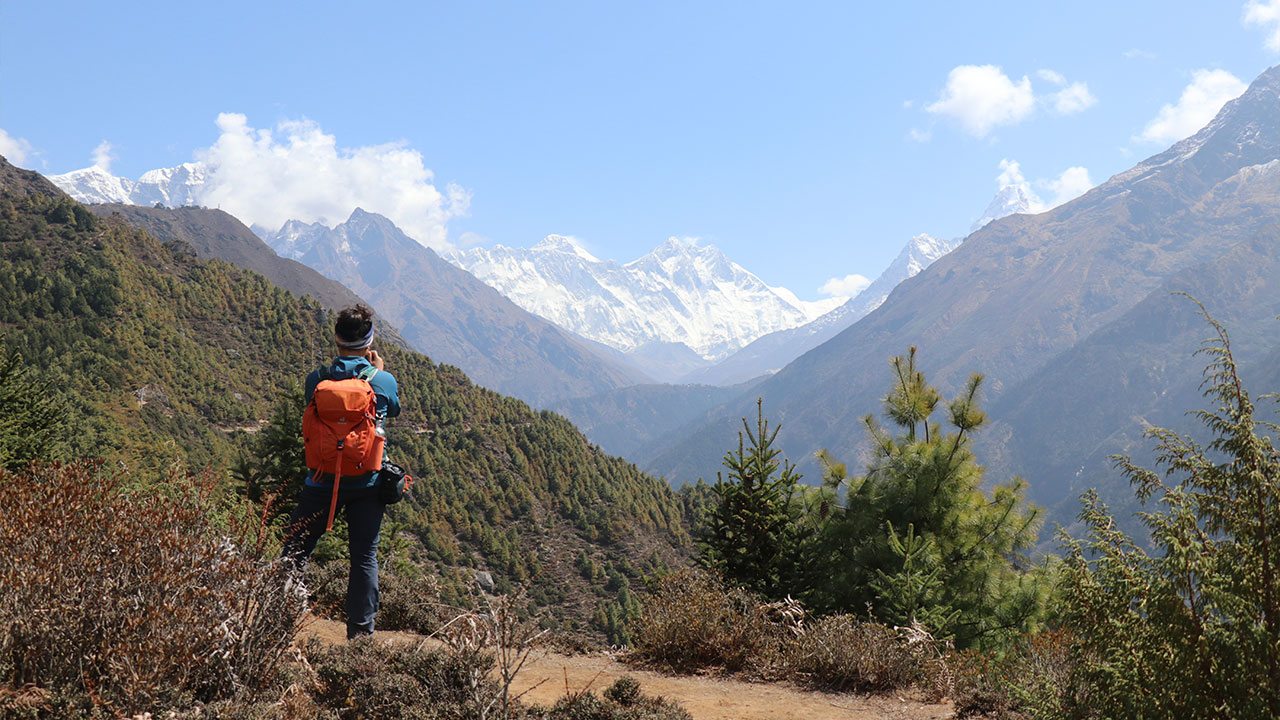
One reason for this high success rate is that the trek does not require technical climbing skills. The route follows well-established mountain trails that pass through villages, forests, rivers, and high mountain valleys. Trekkers mainly need good stamina, patience, and the ability to walk several hours each day.
However, the trek should still be taken seriously. The biggest challenge is high altitude, where oxygen levels are much lower than at sea level. Proper acclimatization, slow trekking pace, and good hydration are essential for staying healthy during the journey.
Preparation before the trek also makes a big difference. Basic physical training, choosing the right trekking gear, and packing the correct gear all help to improve trekking success. Many people of different ages complete the Everest Base Camp Trek every year. Some are experienced hikers, while others are first-time trekkers who simply prepare well and follow expert advice.
In the end, reaching Everest Base Camp is not just about reaching a destination. It is about experiencing the culture of the Everest region, walking through the beautiful Himalayan landscapes, and achieving personal goals. With the right preparation and mindset, the Everest Base Camp trek is truly an achievable adventure for most people.