
Most of us have a dream of trekking to Everest Base Camp, one of the world's most famous trekking adventures. Each year, thousands of people travel to Nepal to walk through beautiful mountain villages, cross high suspension bridges, and take in the amazing views of Mount Everest. Before planning this journey, many people ask: What is the age limit for Everest Base Camp Trek?. Some parents also want to know if their children are old enough to join the trek. Older adults also often wonder if they are too old to reach Everest Base Camp. The good news is that age alone does not decide whether you can complete this trek.
There is no official minimum or maximum age limit set by the Nepal Government for the Everest Base Camp Trek. Instead of age, your overall health, physical fitness, and the ability to walk for several hours are much more important. The trek usually takes around 12 to 14 days, and it covers about 130 kilometers (81 miles) for a round trip. The trek reaches an altitude of 5,364 meters (17,598 feet) at Everest Base Camp. At this height, the air contains much less oxygen than at sea level, so every trekker, no matter how young or old, must walk slowly and give enough time to their body to adjust.
You may see children, teenagers, adults, and even people in their seventies complete this trek. Many enjoy the journey together, but it won't suit everyone. People face problems if they climb too quickly or ignore the signs of altitude sickness. This is why careful planning, proper acclimatization, and re very
This blog will explain to you clearly about the Everest Base Camp. You can understand which age groups are most suitable for the trek, the challenges, how children and seniors can prepare safely, and more. You will have a clear idea whether this Himalayan adventure is the right choice for you or someone you love.
Is There an Official Age Limit for the Everest Base Camp Trek?
There is no official minimum or maximum age limit for the Everest Base Camp Trek. This means the Nepal Government does not say that you must be a certain age to join the trek. The most important things are your health, fitness, and ability to walk in the mountains. Many people think only young adults can reach Everest Base Camp, which is not true. In every trekking season, children, teenagers, adults, and seniors complete the journey. Before booking your trip, ask yourself, “Am I healthy and prepared?” rather than asking, “Am I the right age? That's why understanding the age limit for the Everest Base Camp trek is important.
Most trekking companies do not have a strict age rule either; they often recommend that children should be 10 to 12 years old because the trek is long and it reaches a very high altitude. Younger children may also complete the trek if they are fit, have trekking experience, and they are closely supported by their parents and guides. There is no official maximum age for Everest Base Camp successfully. However, older trekkers should do a medical check-up before the trip and talk to their doctor if they have heart, lung, or other health problems. This will be safer and more enjoyable.
Your body must also adjust to the high altitude during the trek. Everest Base Camp stands at 5,364 meters(17,598 feet) above sea level, where there is much less oxygen than in lower places. This is why every trekker needs enough acclimatization days, no matter their age, on the Everest Base Camp Trek. At the same time, an older person who walks slowly, drinks enough water, and follows the trekking plan may finish the trek without major problems.
That's why this is simple. There is no official minimum age for Everest Base Camp or upper age limit. What truly matters is your physical fitness, mental preparation, and respect for the mountains. If you train well, listen to your guide, and allow enough time to adjust, you have a much better chance of completing this unforgettable adventure safely.
What Is the Best Age to Trek Everest Base Camp?
There is no single best age for the Everest Base Camp Trek because people grow stronger and prepare differently. A healthy teenager may walk well, while a fit person in their sixties may enjoy the trail. The best age is really the age when you are healthy, active, ready, and able to handle several hours of walking each day. You should not choose a trek because someone of your age completed it. Your own health and fitness matter more.
For children and fitness, the trek can be a great family adventure when they are ready for long walks and mountain trails. Children around 10 to 12 years old may be able to complete the trek with good preparation and support from their parents and guides. Teenagers often have good energy, but they need proper rest and time to adjust to altitude. Parents should never push a child to continue if they feel sick or uncomfortable.
For adults in their twenties, thirties, forties, and fifties, the Everest Base Camp Trek can be a good challenge if they stay active and train before the trip. Being young does not make trekking easy. You still need strong legs, good walking habits, and patience. Adults who sit for long hours every day should start training several weeks before the trek. Regular walking, climbing stairs, and simple exercises can prepare your body.
For older people over 50 or 60 years old, age should not be seen as a wall. Many older trekkers reach Everest Base Camp successfully when they prepare carefully and keep a slow, comfortable pace. They should also pay close attention to their health and visit a doctor before travelling. At high altitude, the body needs time to adjust, so days and slow walking matter.
In the end, the best age for Everest Base Camp is not a number written on your passport. It is when you are fit, prepared, and confident enough to complete the journey safely
Can Children Trek to Everest Base Camp?
Most of the parents ask: Can children trek to Everest Base Camp? Yes, some children complete the trek, but age alone can not decide if a child can join the trek. The child should be healthy, active, and comfortable with long walks. The trail is not an easy family walk because it has steep climbs, rocky paths, cold weather, and high altitude. Parents should think about their child's health, walking ability, patience, and past hiking experience before making a plan. A family should also choose an itinerary with enough rest and acclimatization days. There is no official minimum age for the Everest Base Camp Trek, but most trekking agencies prefer children around 10 to 12 years old because they may be better able to handle long walking days. Some younger children may also complete the trek with close family support, but parents should make the decision carefully.
Altitude is one of the biggest concerns for children during the Everest Base Camp Trek. The Everest Base Camp stands at 5,364 meters (17,598 feet), where the air has much less oxygen than in lower areas. Children can develop altitude sickness like adults. Headache, dizziness, nausea, unusual tiredness, and loss of appetite can be early signs. If your child feels sick, then do not tell them to simply keep walking. The group should stop, then tell your guide and watch the symptoms carefully. If the conditions become worse, then you should descend to a lower altitude. A slow walking speed and proper acclimatization are important for every child.
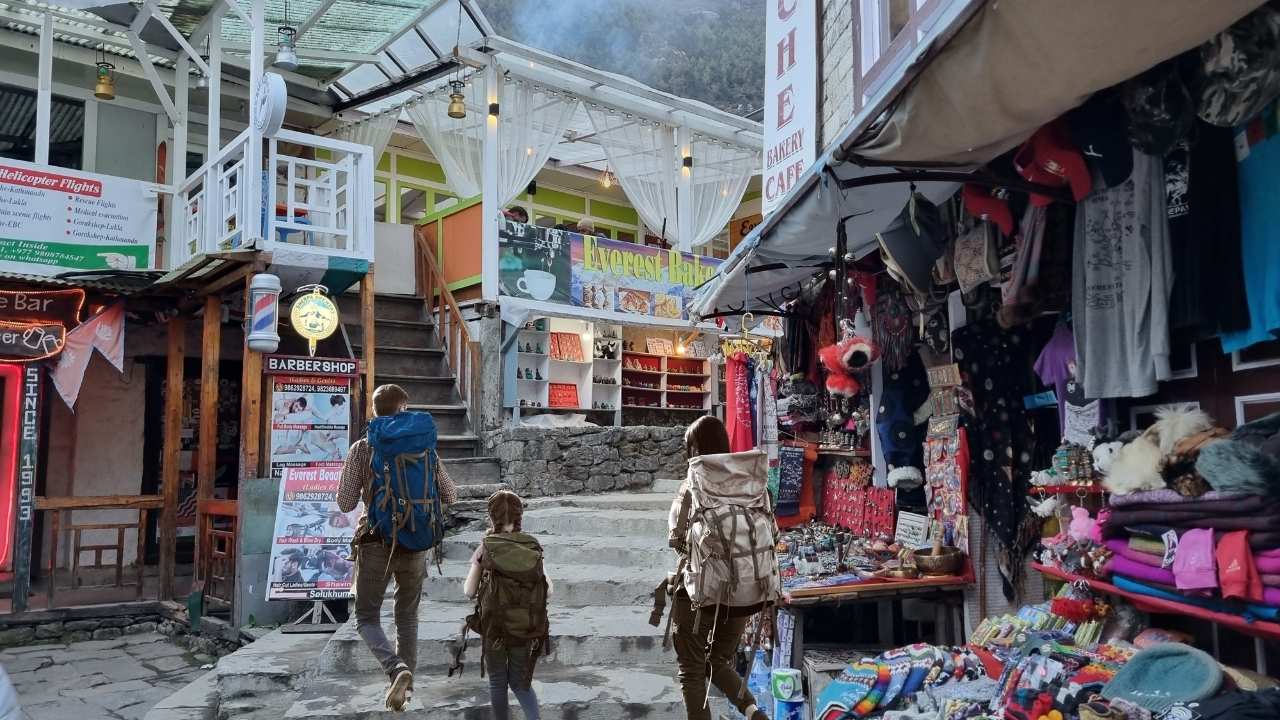
Good preparation can make the trek easier and safer for children. Before the trip, you should start practicing with your children on hills, stairs, and longer trails. Your child should use comfortable hiking shoes and warm clothes that protect them from changing mountain weather. A child should carry only a light backpack so they don't become tired too quickly. During the Trek, parents should provide enough water, healthy food, regular breaks, and good sleep. A trained guide can also help you to choose a safe walking speed and notice health problems early. Parents should never force a child to continue simply because the group has a fixed schedule.
The Everest Base Camp Trek can become a wonderful family adventure when your child is ready, and the trip is planned easily. Do not compare your child with another young trekker because every child is different. One child may walk easily while another may need more rest. The main goal should not only be reaching the Everest Base Camp. Your goal should be keeping your child safe, comfortable, and happy throughout the journey. With proper preparation, careful acclimatization, family support, and a good guide, many children can enjoy the beauty of the Everest region while creating special memories with their family.
Can Older Adults and Seniors Trek to Everest Base Camp?
Older adults can trek to Everest Base Camp, and age by itself does not stop you from enjoying this journey. There is no official maximum age for the Everest Base Camp Trek. What matters more is your health, fitness, walking ability, and how well your body handles high altitude. People in their fifties, sixties, and even seventies have completed high mountain treks. However, a senior trekker should not copy the speed of younger people. You should choose a pace that feels comfortable and allow enough time for rest.
Trekking after 50 can be easier when you prepare your body before leaving home. Regular walking, hill walking, stairs and simple strength exercises can help your legs and lungs become stronger. If you are over 60, then a medical check-up before the trip is a wise step, especially if you have any health concerns. Your doctor can tell you whether long walking and high altitude are suitable for you. You should also tell your guide about any medicines you take so they can understand your needs.
Altitude is the main challenge for older trekkers, but it can affect people of any age. Everest Base Camp is 5,346 meters(17,598 feet) high, so the air has much less oxygen than at low altitude. You may feel tired, have a headache, feel dizzy, or lose your appetite while climbing. These signs should not be ignored. Walk slowly, drink enough water, trek planned acclimatization days, and give your time to adjust. If symptoms become serious, then you should stop climbing and follow your guide's advice about going lower.
The best way for seniors to enjoy the trek is to focus on safety instead of speed. A longer itinerary can give you more rest and make each walking day easier. A porter can carry your heavy bag while a trained guide can help you to choose a safe pace and respond to problems. Warm clothing, comfortable boots, healthy meals, enough sleep and good travel insurance are also useful. If you are over 60 or 70, reaching Everest Base Camp can be a proud achievement, but getting there safely is more important than reaching it quickly.
Health, Fitness and Altitude Matter More Than Age
Age is only one small part of preparing for the Everest Base Camp Trek. Your health and fitness are much more important. You may be 25 years old, but if you rarely walk or exercise, then the trek can feel very tiring and draining. At the same time, someone who is 60 may complete it well if they are active and properly prepared. The trail includes many uphill and downhill sections, stone steps, and long walking days. You should be able to walk for several hours without becoming completely tired. Building your fitness before the trip can make the journey easier and more enjoyable.
Walking practice is one of the best ways to prepare for Everest Base Camp. You should start with regular walks and slowly make them longer. You can also walk on hills, climb stairs, or use a treadmill with an incline. Simple exercises for your legs, such as squats and step-ups, can help you to become an athlete. You simply need to train your body to walk for many days in a row. Try to begin your training several weeks before the trek and increase the distance slowly. Good shoes are also important because they protect your feet on rough paths.
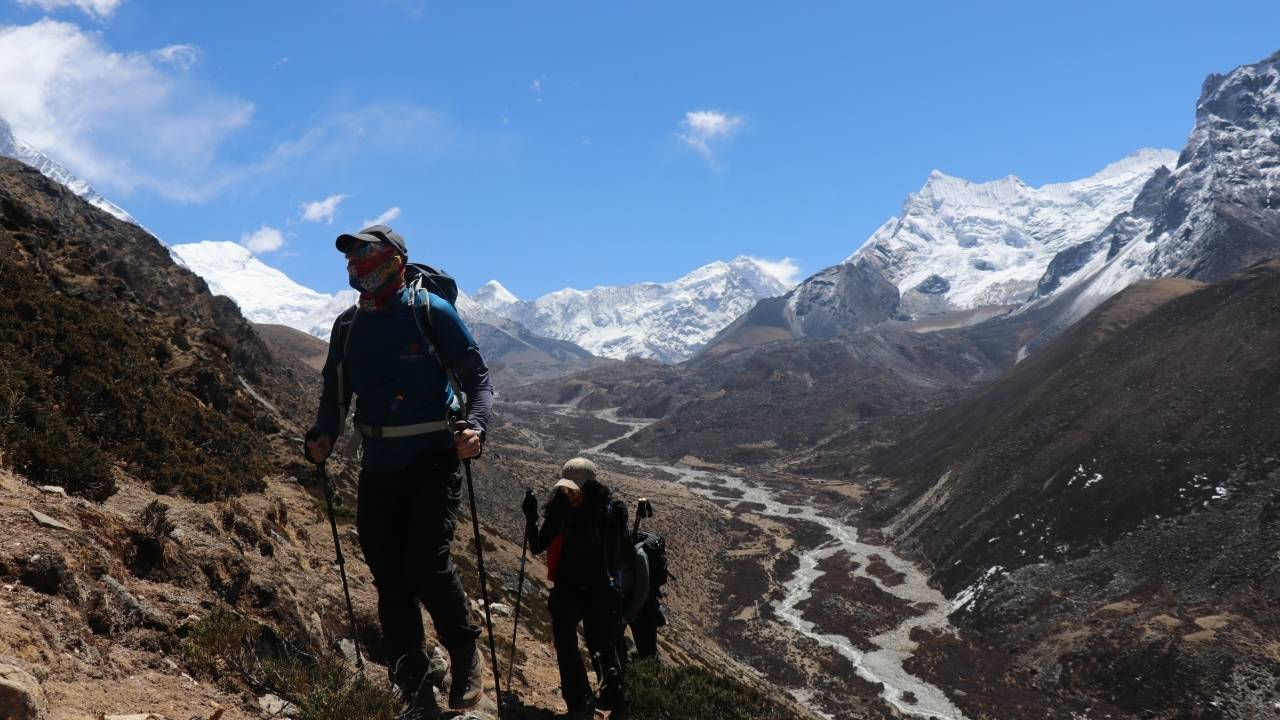
Altitude is another major part of Everest Base Camp fitness. The base camp is 5,364 meters(17,598 feet) above sea level, where there is much less oxygen. Your body needs time to adjust as you climb higher. This process is called acclimatization. A good trekking plan includes rest days at higher villages so your body can adjust. You should walk slowly, drink enough water, eat regular meals, and sleep well. Do not rush because you feel strong at the beginning. Altitude sickness can affect young, old, fit or unfit trekkers.
Before your Everest trek, it is wise to speak with a doctor if you have health concerns or you are unsure about high altitude travel. During the trek, you should listen to your body and tell your guide if you feel unwell. A headache or unusual tiredness should be ignored. If symptoms become serious, you may need to stop climbing or go to a lower place. You should remember that reaching Everest Base Camp is not a race. Good health, steady training, slow walking, proper rest, and safe acclimatization give you a better chance of completing the trek successfully.
Challenges Different Age Groups May Face
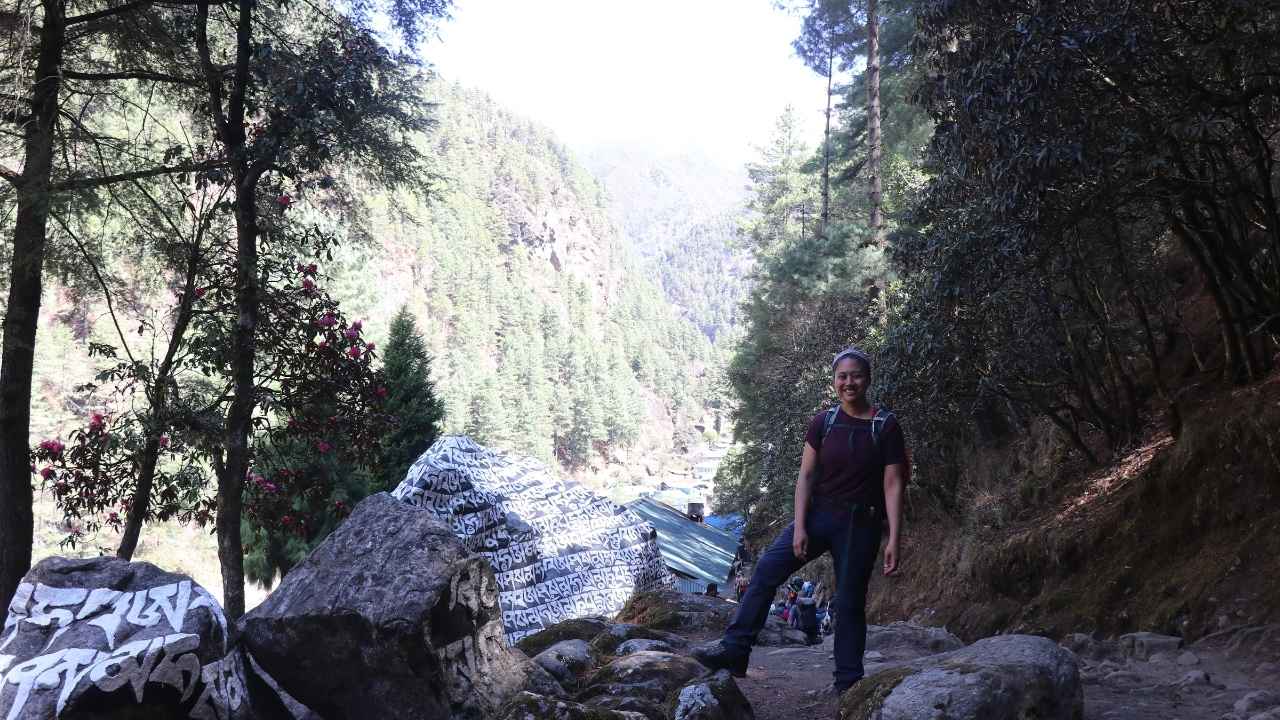
People at different ages can face different challenges during the Everest Base Camp Trek. The trail has steep climbs, rocky paths, stone steps, cold weather, and long walking days. A young person may have more energy while an older person may need more rest. Children may become tired or bored. Knowing these challenges will help you to prepare better and enjoy the journey safely.
-
Children (Tiredness and Boredom): Children can enjoy the Everest Base Camp Trek, but long walking days may be hard for them. They may become tired, bored, or unhappy after walking for several hours. Parents should give them regular breaks, enough water, healthy food, and warm clothes. A child should also carry a light backpack. You should never force your child to keep walking when they feel very sick or tired
-
Young Trekkers (Walking too fast): Young trekkers often have good energy, but this can sometimes become a problem. They may feel strong and walk too fast, especially during the first days. This can make the body tired, and it may increase the risk of altitude sickness. Teenagers and young adults should follow their guide's pace, drink enough water, and take regular breaks. Being young doesn't mean you are safe from mountain problems.
-
Older Trekkers (Slow pace and recovery): Older adults may need more rest during the trek. Steep climbs and long walking hours can put extra pressure on their legs and feet. Walking slowly is not a weakness. It gives your body more time to adjust and saves energy. If you are older, a porter can carry your heavy bag while a guide can help you to choose a comfortable pace. Good training before the trip can also make walking easier.
Altitude is a challenge for everyone, no matter how old you are. Everest Base Camp is at 5,346 meters high, where there is less oxygen. Headache, dizziness, nausea, or unusual tiredness can be signs of altitude sickness. You should tell your guide if you feel unwell and never ignore serious symptoms. With slow walking, proper rest, good preparation, and careful acclimatization, you can reduce many risks. It will make your Everest Base Camp Trek safer and more enjoyable.