

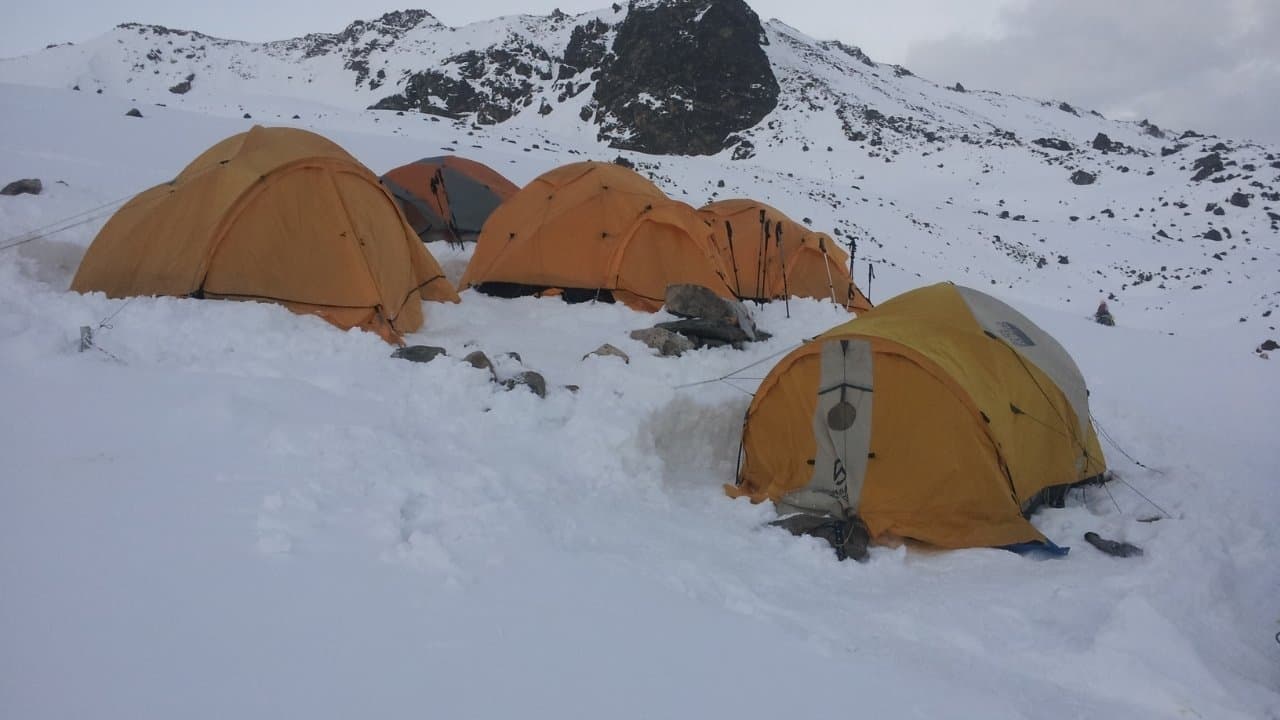
Sleeping near Mount Everest is a dream for many people around the world. Every year, thousands of trekkers travel to Nepal to see the famous Everest Base Camp. Some people only visit the base camp for a few hours, take photos, and return to Gorakshep. Others wonder if it is really possible to spend the night there. The idea sounds exciting because Everest Base Camp sits beside the tallest mountain on Earth. It feels like standing in a place where adventure, nature, and human courage meet together.
Everest Base Camp is located at an altitude of 5,364 meters or 17,598 feet above sea level. At this height, the air becomes very thin, and breathing feels harder than normal. During the main climbing season in spring, many climbers and guides stay at the base camp for weeks before climbing Mount Everest. They sleep in tents placed on rocky glaciers. However, regular trekkers usually do not stay overnight because there are no permanent teahouses or hotels at the base camp itself. Most trekkers sleep at nearby Gorakshep, the last settlement before Everest Base Camp.
Even though sleeping at Everest Base Camp is possible, it is not always easy or comfortable. Night temperatures can fall below freezing, even during popular trekking months like April and October. Strong winds, icy grounds, and a lack of oxygen can make sleeping difficult. Some people also experience headaches, dizziness, or altitude sickness during the night. Because of these challenges, trekkers must prepare carefully before deciding to stay overnight at the base camp.
Still, many people describe the experience as unforgettable. Imagine lying inside a tent while huge ice glaciers crack nearby and bright stars shine above the Himalayas. The silence of the mountains feels powerful and peaceful at the same time. Sleeping at Everest Base Camp is not just about spending one night in a cold place. For many trekkers, it becomes a special memory that stays in their hearts forever.
What Is Everest Base Camp Like at Night?
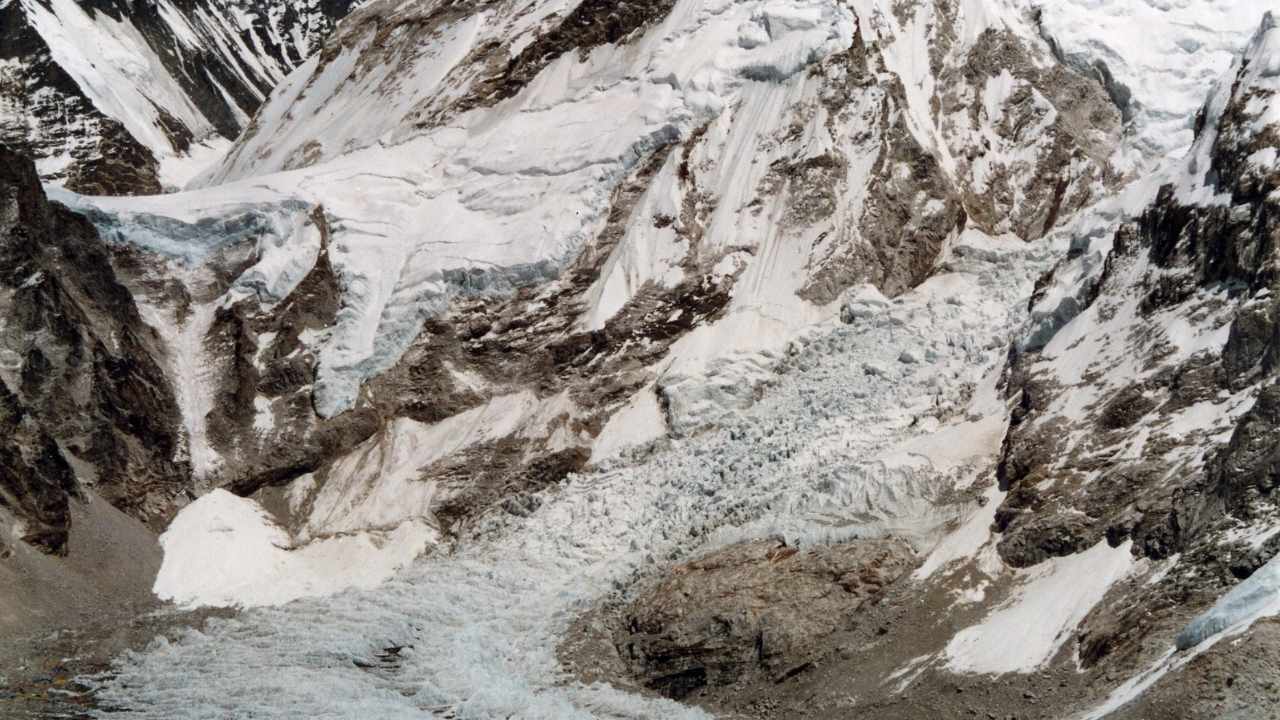
Everest Base Camp feels completely different after the sun goes down. During the daytime, the area is full of trekkers, guides, climbers, and yaks carrying supplies across the rocky trails. People talk, laugh, and take pictures beside the colorful prayer flags. However, when evening arrives, the entire place slowly becomes quieter and calmer. The cold air grows stronger, and the huge mountains around the camp begin to disappear into darkness. Only the sounds of the glacier and wind remain in the night.
One of the most surprising things about Everest Base Camp at night is the temperature. Even during the popular spring trekking seasons, nighttime temperatures often fall below 0 degrees Celsius. In colder months, the temperature can drop much lower. The ground beneath the tents is made of hard ice and rocks because the camp sits on the Khumbu Glacier. Strong winds also move through the valley during the night, making the air feel even colder. Trekkers usually wear thick jackets, gloves, wool hats, t-shirts, and warm sleeping bags to stay comfortable.
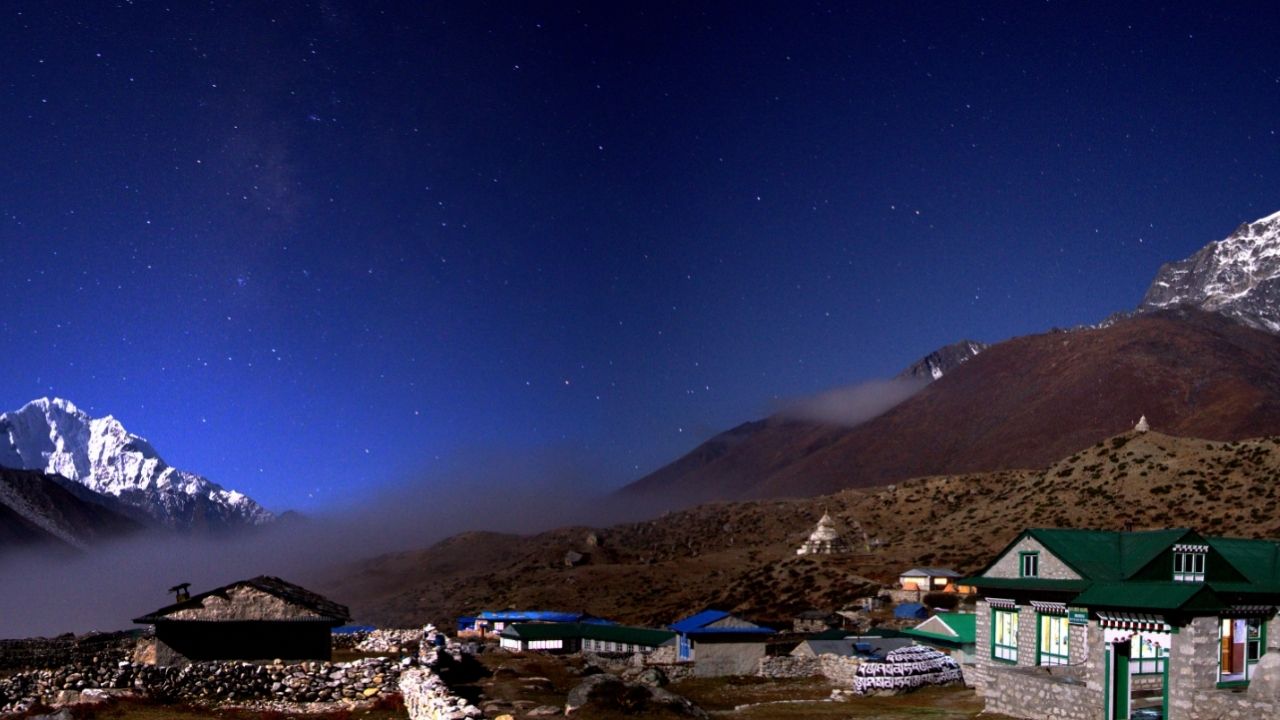
The night sky above Everest Base Camp is another unforgettable part of the experience. Because there are no city lights nearby, the stars look extremely bright and clear. On cloudless nights, trekkers can see thousands of stars covering the sky above the Himalayas. Some people even spot the Milky Way stretching across the darkness. The peaceful environment makes many visitors feel small compared to the giant mountains surrounding them. It becomes a quiet moment that many people remember for the rest of their lives.
Sleeping at Everest Base Camp can still be difficult because of the high altitude. The thin oxygen often causes people to wake up many times during the night. Some trekkers hear strange cracking sounds from the glacier moving under the camp. Even though those sounds may feel frightening at first, they are a normal part of glacier movement. Despite the cold and discomfort, many climbers say spending a night at Everest Base Camp feels like living inside a real mountain adventure story forever. Many trekkers also describe the nighttime silence as deeply emotional because the mountains feel powerful, lonely, beautiful, and incredibly close together.
**This May Be of Your Interest: Everest Base Camp Trek With Helicopter Return, the Classic Everest Adventure– Trek Up, Fly Back, and See It All**
Can Trekkers Really Sleep at Everest Base Camp?
Yes, trekkers can really sleep at Everest Base Camp, but the experience is different from staying in a normal hotel or teahouse. Everest Base Camp does not have permanent lodges where visitors can book rooms overnight. Instead, people sleep inside special expedition tents placed on rocky glaciers. During the busy climbing season, many mountaineering teams build temporary camps there for climbers, guides, cooks, and support workers. Some trekking companies also arrange overnight camping experiences for travelers who want to spend one night close to Mount Everest.
Most trekkers visiting Everest Base do not actually sleep there. They usually walk from Gorakshep to the base camp, spend some time exploring, and then return to Gorakshep before sunset. Gorakshep is the last small settlement on the Everest trekking route and sits about three kilometers away from the base camp. It has basic teahouses with beds, food, and warmer shelter compared to camping on the glacier. Because of this, many guides recommend sleeping in Gorakshep instead of staying overnight at Everest Base Camp itself.
The biggest reason why overnight stays are difficult is due to extreme altitude. Everest Base Camp stands at 5,364 meters above sea level, where oxygen levels are much lower than in normal places. At night, breathing can become hard, and many people struggle to sleep properly. Some trekkers experience headaches, nausea, or dizziness because of altitude sickness. The freezing temperature and strong winds also make camping uncomfortable for people who are not prepared. Sleeping on rocky ice beneath a thin tent can feel very challenging, especially for first-time trekkers.
Even with these difficulties, many travelers still dream about sleeping at Everest Base Camp because the experience feels rare and adventurous. Watching the stars above the Himalayas and walking up beside the world's highest mountain creates unforgettable memories. However, trekkers should only attempt an overnight stay after proper acclimatization and with experienced guides. Careful planning, warm clothing, and good health are extremely important for staying safe and comfortable at Everest Base Camp during the cold mountain nights there.
Why Most People Do Not Sleep at Everest Base Camp?
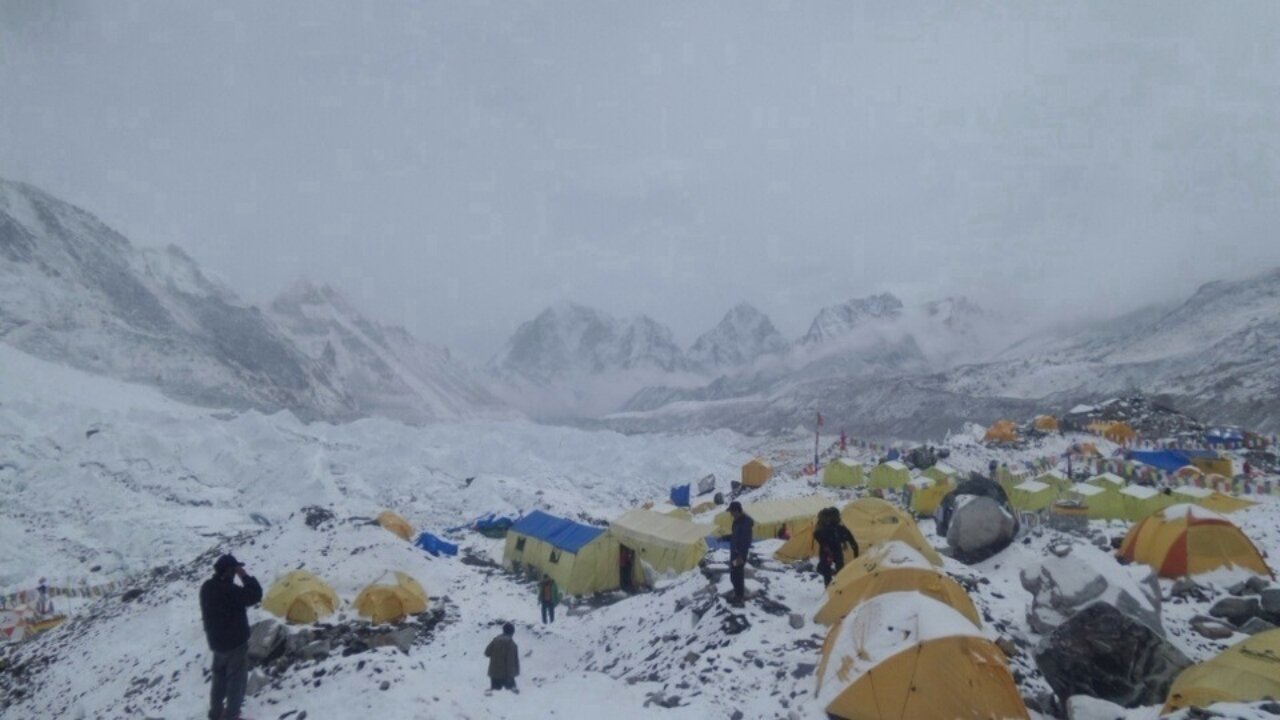
Many trekkers feel excited about the idea of sleeping at Everest Base Camp. Spending one night beside the tallest mountain on Earth sounds like a once-in-a-lifetime adventure. However, most people decide not to stay there overnight after learning about the real conditions. The base camp is beautiful, but it is also cold, uncomfortable, and physically challenging. Because of these reasons, trekkers usually visit the camp during the daytime and return to Gorakshep before nightfall.
-
No permanent Teahouses or Hotels: Everest Base Camp does not have proper lodges or permanent hotels for trekkers. Unlike villages such as Namche Bazaar or Dingboche, the base camp only has temporary expedition tents during climbing season. Trekkers must sleep inside tents placed on rocky glacier ice, which feels much less comfortable than a teahouse bed.
-
High Altitude and Low Oxygen: This base camp sits at 5,364 meters above sea level. At this height, the oxygen level is much lower than in normal places, there is about 50% less oxygen than the sea level for your body to absorb . Many trekkers experience headaches, dizziness, or shortness of breath during the night. Sleeping becomes difficult because the body struggles to adjust to thin air.
-
Extremely Cold Weather: Night temperatures at Everest Base Camp often fall below 0 degrees Celsius. Strong mountain winds can make the cold feel even worse. Without proper sleeping bags and warm clothing, staying comfortable becomes very difficult for trekkers during the night.
-
Difficult Camping Conditions: The ground at Everest Base Camp is rocky, uneven, and covered with glacier ice. Tents shake in strong winds, and basic facilities like toilets and water are limited. Some trekkers also hear loud glacier cracking sounds at night, which can feel scary for first-time visitors.
-
Gorakshep is Safer and More Comfortable: More guides recommend sleeping at Gorakshep instead of Everest Base Camp. Gorakshep has simple tea houses, warm meals, and better shelter from the cold. It allows trekkers to rest more safely before continuing their mountain journey.
Even though sleeping at Everest Base Camp is possible, it is not the best choice for everyone. Proper preparation, acclimatization, and experienced guidance are very important before deciding to stay overnight there.
**Don't Miss: Everest Base Camp Gokyo Lakes Trek: Two Everest Icons, One Unforgettable Journey– Base Camp and the Turquoise Gokyo Lakes**
How Cold Does Everest Base Camp Get at Night?
Everest Base Camp becomes extremely cold after sunset, and many trekkers are surprised by how quickly the temperatures drop in the mountains. During the daytime, the sun may feel warm enough for light jackets while walking on the trail. However, once the sun disappears behind the horizon, the freezing air spreads across the glacier. Because Everest Base Camp sits at 5,364 meters above sea level, the thin atmosphere cannot hold heat properly. This causes the temperature to fall very fast during the evening and nighttime hours.
In the popular spring trekking seasons from March to May, nighttime temperatures at Everest Base Camp usually range between -5°C and -15°C. Autumn, which lasts from September to November, also brings cold nights with similar temperatures. Winter months are much harsher. The temperature can reach below -20°C. Strong mountain winds make the weather feel even colder than the actual temperature. Wing chill affects the body quickly, especially the hands, face,e and feet if they are not covered properly with warm clothing.
The cold weather creates many challenges for trekkers and climbers sleeping at the base camp. Water bottles can freeze overnight inside the tents, and electronic devices lose battery power much faster in freezing temperatures. Even simple activities like changing clothes or leaving the tent for the toilet become uncomfortable during the night. Many trekkers wear several layers of clothing, including thermal wear, wool hats, and insulated socks to stay warm in the freezing environment.
A good sleeping bag is one of the most important items for spending the night at Everest Base Camp. Most climbers use sleeping bags rated for -20°C or lower. Expedition tents also help to block strong winds and keep a small amount of warmth inside. Even with proper gear, many people still feel cold during the night because of the glacier ice beneath the tents. Despite the freezing conditions, some trekkers believe the magical mountain views and peaceful Himalayan atmosphere make the experience unforgettable and truly special forever.
What Is It Like Sleeping in a Tent at Everest Base Camp?
Sleeping in a tent at Everest Base Camp feels very different from normal camping in lower places. The camp sits directly on the rocky Khumbu Glacier, so the ground underneath the tent is uneven and covered with ice. Expedition teams carefully place tents between rocks to create stable camping spaces for climbers and trekkers. Even with proper setup, the surface still feels hard during the night. Many people are surprised by how simple and basic life becomes while staying at the base camp in such extreme mountain conditions.
Inside the tents, space is usually very small because expedition camps are designed mainly for survival and climbing preparation. Most tents only fit sleeping bags, backpacks, and a few personal items. Trekkers often keep water bottles, jackets, gloves, and headlamps close by during the night. Since temperatures drop far below freezing point, people wear warm clothes even while sleeping. Some climbers also place hot water bottles inside their sleeping bags to stay warmer during cold Himalayan nights at the base camp.
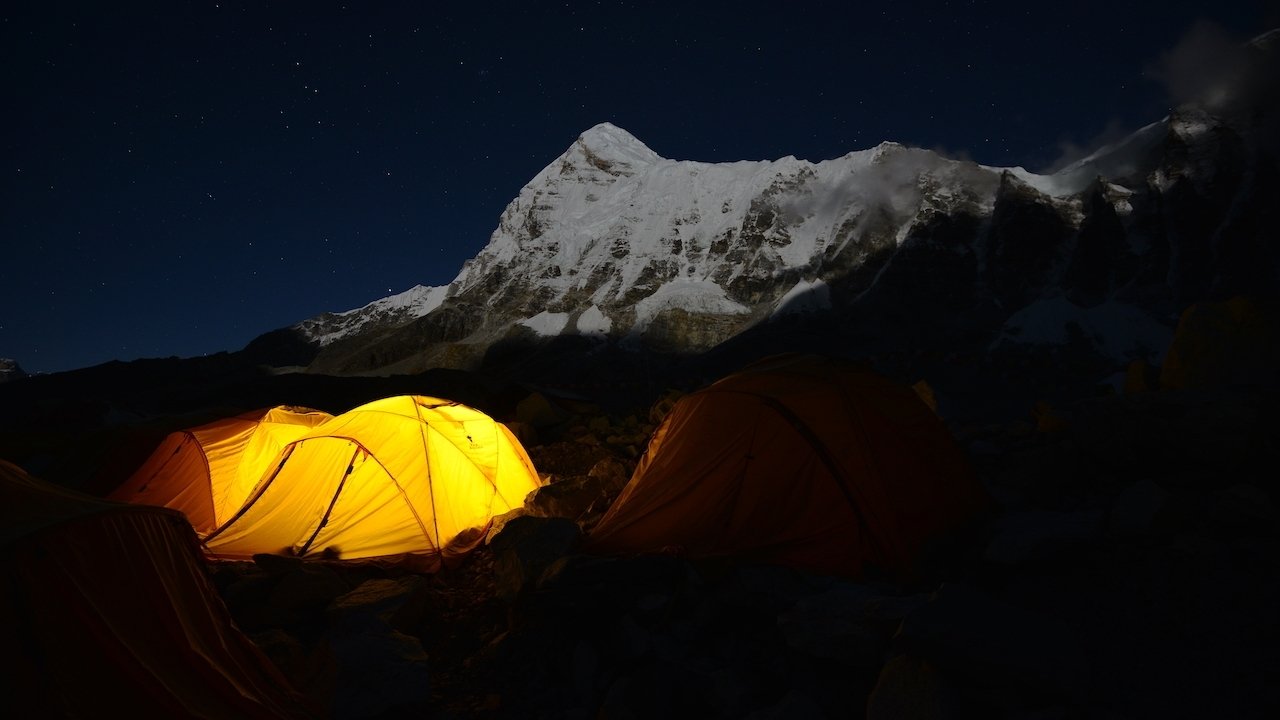
Sleeping itself becomes difficult because of the altitude and the thin oxygen level. Many trekkers wake up several times during the night feeling short of breath or uncomfortable. Simple movements may feel tiring at high elevation. Outside the tents, strong winds often make loud noises against the fabric. Trekkers may also hear cracking sounds from the glacier beneath the camp. Although these sounds are normal glacier movements, they can feel frightening for first-time visitors sleeping in the mountains.
Daily life at Everest Base Camp also feels challenging because basic facilities are limited. Toilets are simple, water must be used carefully, and washing becomes difficult in freezing temperatures. Despite these hardships, so many climbers describe the experience as unforgettable. Walking up beside snow-covered Himalayan peaks and watching the morning sunlight touch Mount Everest creates a feeling that few places in the world can offer. For many trekkers, sleeping in a tent at Everest Base Camp becomes a powerful memory filled with adventure, excitement, beauty, and personal achievement forever.
Is Sleeping at Everest Base Camp Safe?
Sleeping at Everest Base Camp can be safe for healthy trekkers, but only when proper preparation and careful planning are followed. The base camp stands at a very high altitude, where the air contains much less oxygen than in lower places. Because of this, the human body works harder even during simple activities like walking, eating, or sleeping. Trekkers who rush too quickly towards Everest Base Camp without proper acclimatization may face serious health problems during the night. This is why guides always recommend slow trekking and enough rest days before reaching the camp.
Altitude sickness is the biggest safety concern for people staying overnight at Everest Base Camp. Symptoms may include headaches, dizziness, nausea, loss of appetite, and difficulty breathing. Some trekkers also feel tired, confused, or unable to sleep properly because of the low oxygen level. In severe cases, altitude sickness can become dangerous and require immediate descent to a lower altitude. Guides and climbing teams usually monitor trekkers carefully for signs of illness, especially during nighttime when symptoms can become worse.
Weather conditions also play an important role in safety at Everest Base Camp. Temperatures often fall below freezing after sunrise, and strong winds can make the environment feel much colder. Sudden snowstorms or bad weather sometimes create difficult conditions for camping. Trekkers must carry warm clothing, proper sleeping bags, and waterproof equipment to stay protected from the cold mountain environment. Good tents and experienced support staff also help to make overnight stays safer and more comfortable for visitors.
Despite these challenges, thousands of climbers and support workers stay at Everest Base Camp safely every year during the climbing season. The key is proper preparation, physical fitness, and listening carefully to experienced guides. Trekkers should drink enough water, eat properly, move slowly, and pay attention to how their bodies feel at high altitude. People with serious breathing or heart problems should speak with a doctor before attempting high-altitude trekking. With responsible planning and good acclimatization, sleeping at Everest Base Camp can become a safe and unforgettable Himalayan adventure for many mountain travelers.
**Also Read About: Manaslu Circuit Trek Cost and Itinerary: Plan Smarter, Trek Farther– Discover the Real Cost and Itinerary of the Manaslu Circuit**
Best Time to Sleep at Everest Base Camp
Choosing the right season is very important before sleeping at Everest Base Camp. Weather, temperature, trail conditions, and visibility can change greatly throughout the year in the Himalayas. Some seasons offer clear skies and safer trekking conditions while others bring snowstorms, rain, and freezing temperatures. Most experienced guides recommend spring or autumn because these seasons provide better weather and more comfortable conditions for overnight stays at high altitude.
-
Spring Season (March to May): Spring is the most popular time to sleep at Everest Base Camp. During these months, the weather becomes more stable, and many climbers arrive for Mount Everest expeditions. Daytime temperatures are usually milder, while nighttime temperatures often stay between -10°C and -15°C. Trekkers can also enjoy clear skies and beautiful mountain views during spring.
-
Autumn Season (September to November): Autumn is another excellent season for overnight stays at Everest Base Camp. After the monsoon rain ends, the air becomes cleaner and visibly improves greatly. The trekking trails are usually dry and safer for walking. Temperatures remain cold at night, but the weather is often calm and stable compared to the other winter months in the Himalayas.
-
Winter Season (December to February): Winter is one of the hardest times to sleep at Everest Base Camp. Night temperatures can fall below -20°C, and strong snowstorms may affect trekking routes. Heavy snow, freezing winds, and icy trails create difficult conditions for trekkers. Only experienced climbers and well-prepared adventurers usually attempt overnight stays during winter.
-
Monsoon Season (June to August): The monsoon season brings heavy rain, cloudy skies, slippery trails, and poor mountain visibility. Flights to Lukla are also more likely to face delays because of bad weather. Wet conditions make camping uncomfortable and increase trekking difficulties around Everest Base Camp.
Overall, spring and autumn are the best seasons for sleeping at Everest Base Camp. These months provide safer trails, clearer mountain views, and more comfortable weather for trekkers planning an unforgettable Himalayan adventure.
Tips Before Sleeping at Everest Base Camp
Sleeping at Everest Base Camp can become an unforgettable experience when trekkers prepare properly before the journey. The high altitude, freezing temperatures, and difficult mountain conditions make preparation very important for safety and comfort. Even experienced trekkers plan carefully before spending a night at the base camp. Following a few simple tips can help you stay warmer, healthier, and more comfortable during the overnight mountain adventure.
-
Carry a Warm Sleeping Bag: A high-quality sleeping bag rated for -20°C or lower is very important. Nights at Everest Base Camp become extremely cold, especially at midnight.
-
Drink Plenty of Water: Trekkers often become dehydrated at high altitude without realizing it. Drinking enough water helps the body to adjust better to thin oxygen levels and may reduce altitude sickness symptoms.
-
Wear Proper Layers: Warm clothing layers help to protect the body from freezing temperatures and strong winds. Thermal wear, down jackets, gloves, hats, and thick socks are necessary at Everest Base Camp.
-
Move Slowly and Rest Properly: Walking too fast at high altitude increases the risk of altitude sickness. You should move slowly, take breaks, and allow the body enough time to acclimatize.
-
Listen to Guides and Your Body: Experienced guides understand mountain conditions and safety risks. You should report headaches, dizziness, or breathing problems immediately instead of ignoring symptoms.
With proper preparation and careful planning, sleeping at Everest Base Camp can become a safe, exciting, and unforgettable Himalayan experience for adventurous trekkers.