

The Everest Base Camp Trek is one of the most famous trekking adventures in the world. Every year, thousands of trekkers visit the Everest region to see beautiful mountain views, Sherpa villages, glaciers, and the world's highest peak, Mount Everest. During the Trek, phones have become very important for almost every traveler. People use them to take photos, record videos, check maps, listen to music, contact family members, and even call for help during emergencies. Because of this, keeping a phone charged during the trek becomes a big concern for many trekkers before they arrive in Nepal.
Many first-time trekkers believe electricity is easily available everywhere on the trail. In reality, the Everest region is remote, and conditions are very different from city life. Most villages on the trekking route depend on small hydropower systems or solar energy. As trekkers move higher towards Everest Base Camp, electricity becomes limited and expensive. In some tea houses, charging is only available in dining halls, while in higher villages, trekkers may need to pay separately for every device they charge. Bad weather, snow, and freezing temperatures can also affect the power supply.
Charging costs on the Everest Base Camp trek are much higher than many people expect. In lower places like Lukla and Namche, charging may cost only a few dollars. However, near Lobuche and Gorakshep, prices can become much higher because electricity is difficult to produce and transport in remote mountain areas. Many trekkers also notice that cold temperatures drain phone batteries very quickly. A fully charged phone may lose power within a few hours if it is exposed to freezing air for too long.
In this blog, we explain the real cost, practical tips, and honest reality of charging phones during the Everest Base Camp Trek. It will help trekkers to understand where to charge devices, how much money to budget, and what equipment is most useful for saving battery life in the mountains. The information is with real trekking details, making it useful for both beginners and experienced trekkers planning their Everest adventure.
Why Keeping Your Phone Charged Is Important on the Everest Trek?
A phone is one of the most useful items during the Everest Base Camp Trek. In the past, trekkers mainly carried cameras, paper maps, and notebooks. Today, most people use smartphones for almost everything during the journey. Phones help trekkers check trekking routes, follow GPS maps, book flights, communicate with guides, and capture memories from the Himalayas. Many trekkers also use weather apps to see temperature updates and snowfall conditions before crossing difficult sections of the trail. Because the Everest region is remote, a working phone can become very important for safety and communication.
Photography is another major reason trekkers need phone batteries during the journey. The Everest trail is filled with beautiful scenery, including forests, suspension bridges, and snowy mountain peaks. Popular places like Namche Bazaar, Tengboche Monastery, and Everest Base Camp offer stunning views that many people want to photograph and share online. Trekkers often take hundreds of photos and videos during the trek, which quickly drains the power. Cold temperatures at high altitude reduce battery performance, making phones lose charge much faster than normal.
Phones are also important for staying connected with family and friends. Many trekkers send messages every evening to tell their loved ones they are safe. Some people use WiFi services like Everest Link, while others use local SIM cards from Nepal Telecom. Guides and trekking agencies may also use phones to confirm hotel bookings, check weather conditions, or contact helicopter services if needed. During emergencies such as altitude sickness, injury, or weather, a charged phone can help trekkers to communicate quickly and get support.
For these reasons, charging phones becomes a daily concern during the Everest Base Camp Trek. Trekkers who manage their battery carefully usually have a smoother and less stressful experience in the mountains. Carrying power banks, reducing unnecessary phone use, and charging devices whenever electricity is available can make a big difference during the long Himalayan journey.
How Electricity Works in the Everest Region?
Electricity in the Everest region is very different from electricity in cities and towns. Most villages along the Everest Base Camp trail are located high in the mountains, far away from Nepal's main power system. Because of this, local people depend on small hydropower stations and solar panels to produce electricity. Lower villages like Lukla and Namche Bazaar usually have better electricity because they are larger settlements with more business and visitors. However, as trekkers move higher towards Everest Base Camp, electricity becomes weaker, less reliable, and more expensive.
Hydropower works by using fast mountain rivers to create electricity. During warmer months, these systems normally work well because rivers flow strongly from melting snow and glaciers. In winter, water flow can decrease because many streams freeze in cold temperatures. Some villages also depend heavily on solar energy, especially at higher altitudes. Solar panels can provide enough electricity for lights and small charging services during sunny days. However, cloudy weather, snowstorms, and long winter nights reduce the amount of power available. Because of these conditions, the electricity supply in mountain tea houses is sometimes limited.
Tea houses must carefully manage electricity because producing power in remote mountain villages is difficult and expensive. Many lodges only allow charging in common dining rooms instead of private bedrooms. Some places charge phones through USB ports, while others offer wall sockets for an extra fee. At higher places like Lobuche and Gorakshep, electricity may only be available during certain hours each evening. When many trekkers try to charge devices at the same time, power systems can become overloaded.
Trekkers are often surprised by how valuable electricity becomes in the Everest region. Every light bulb, heated dining room, and charging station depends on energy carried or produced in difficult mountain conditions. This is one of the main reasons charging costs increase with altitude. Understanding how electricity works on the trail helps trekkers prepare better, carry backup batteries, and avoid unnecessary stress during the Everest Base Camp adventure.
**You May Like: Everest Base Camp Luxury Trek- Where Luxury Meets the Roof of the World**
Real Cost of Charging Phones on the Everest Base Camp Trek
The cost of charging phones on the Everest Base Camp Trek changes from one village to another. In lower areas, electricity is easier to produce, so charging prices are lower. As trekkers climb higher into remote mountain villages, the cost increases because power becomes limited and difficult to manage. Most tea houses charge per device rather than per hour. This means trekkers usually pay separately for phones, cameras, smart watches, or power banks. Many first-time trekkers are surprised that charging a simple phone can cost almost the same as a meal at a higher altitude.
In places like Lukla and Namche Bazaar, charging a phone usually costs around $2 to $4. These villages have stronger electricity systems and more tourism businesses. In middle trekking areas such as Dingboche and Pheriche, charging prices often rise to about $4 to $6 per device. Near Everest Base Camp, especially in Lobuche and Gorakshep, prices may reach $6 to $10 for a single full charge, depending on the season and weather conditions.
Some tea houses offer USB charging stations, while others provide wall sockets. Wall socket charging can cost more because it uses extra electricity and allows trekkers to charge multiple devices at once. Trekkers should also remember that charging power banks usually costs more than charging phones because large batteries require longer charging time. In busy trekking months like October, space can also become a problem in crowded tea houses.
Most trekkers spend around $25 to $50 on charging during the full Everest Base Camp trek, depending on phone use and the number of electronic devices carried. People who frequently record videos, use WiF, or keep screens active often spend more money on electricity. Carrying a good power bank is usually the best way to reduce charging costs and avoid battery problems during the journey.
Best Places to Charge Your Phone During the Trek
Finding good places to charge phones during the Everest Base Camp Trek becomes easier when trekkers understand which villages have stronger electricity systems. Lower trekking areas usually provide more reliable charging because they have better hydropower connections and larger tourism facilities. Many trekkers fully charge their phones, cameras, and power banks before moving into higher mountain areas where electricity becomes more limited. Planning charging stops carefully can help to avoid battery problems in later journeys.
One of the best places to charge devices is Namche Bazaar. This busy Sherpa town has bakeries, cafes, hotels, and tea houses with stronger electricity systems than most villages higher on the trail. Some cafes even allow charging while trekkers eat meals or drink coffee. Internet services are also better in Namche, making it a popular place for charging phones and uploading photos. Many trekkers stay here to acclimatize, giving extra time to recharge all electronic devices before continuing upward.
Other useful charging locations include Tengboche, Dingboche, and Pheriche. These villages usually offer charging services in tea houses, although electricity may only work during certain hours in the evening. At higher altitude places like Lobuche and Gorakshep, charging becomes more expensive and sometimes slower because many trekkers use limited power sources at the same time. During cold weather or storms, electricity problems can happen without warning.
Trekkers should always charge devices whenever reliable electricity is available instead of waiting until batteries become nearly empty. Carrying a multi-port charger can also help charge several devices together when wall sockets are available. Many experienced trekkers recommend charging power banks completely in Namche Bazaar because higher villages may charge extra money for larger batteries. Good charging habits make the Everest Base Camp trek much more comfortable, especially for people who depend heavily on phones for photography, maps, communication, and emergency use during a Himalayan adventure.
**Don't Miss: Everest Base Camp Trek for Seniors, Experience Everest, One Comfortable Step at a Time**
Power Banks, Solar Chargers, and Backup Options
Power banks are one of the most useful items for the Everest Base Camp Trek. Many experienced trekkers believe a good power bank is more important than depending completely on a tea house's charging services. Because electricity becomes expensive and limited at higher altitudes, backup battery storage helps trekkers save money and avoid stress during the journey. A fully charged power bank can keep phones working for several days, especially when used carefully. Most trekkers carry power banks between 10,000 mAh and 20,000 mAh because they are strong enough to recharge phones multiple times during the trek.
A 10,000 mAh power bank usually charges a smartphone about two times, while a 20,000 mAh model can provide four to five full charges, depending on the phone battery size. Trekkers who carry cameras, smart watches, drones, or GoPro devices often need larger backup batteries because these electronics use more power. Cold temperatures in the Everest region also reduce battery performance. Phones and power banks lose charge faster in freezing conditions, especially during early mornings and nights. Because of this, many trekkers keep batteries inside sleeping bags or jacket pockets to keep them warm.
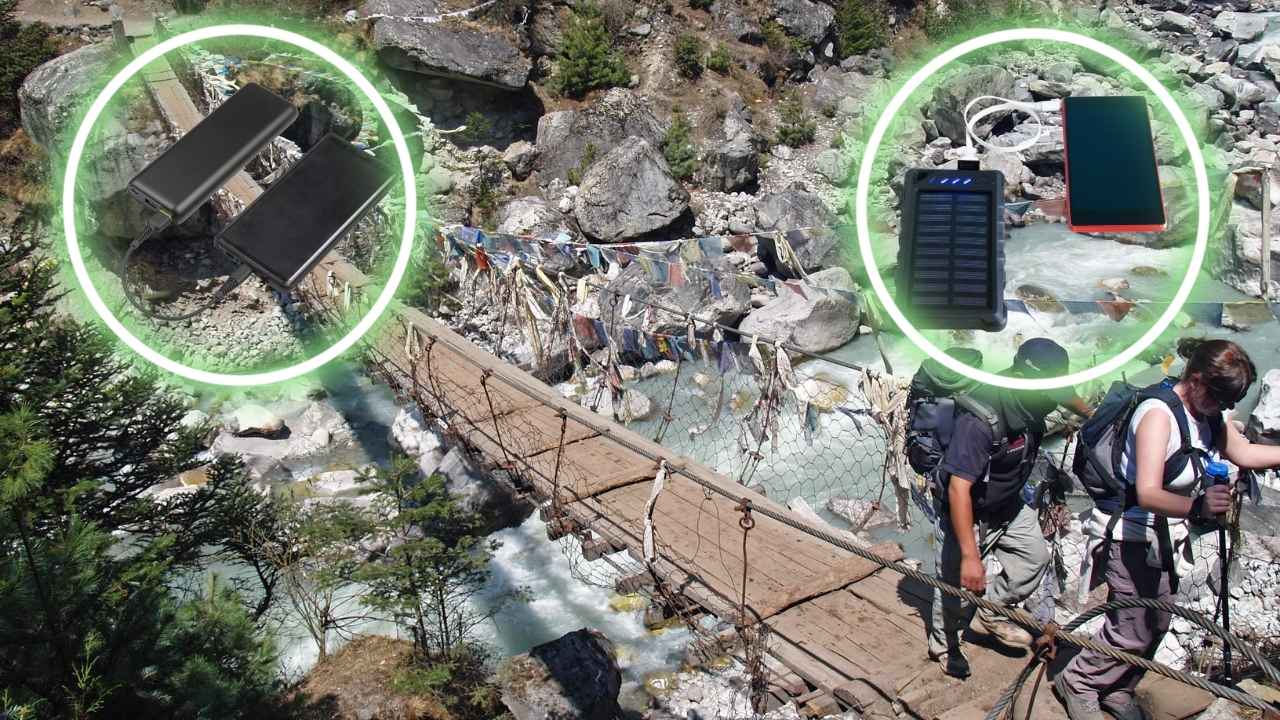
Solar chargers are another backup option used by some trekkers. These charges use sunlight to create electricity during daytime trekking. Solar charging can work well during clear weather in the Everest region because the mountain sunlight is very strong at high altitude. However, solar chargers also have problems. Snowstorms, cloudy weather, and shaded valleys reduce charging speed. Some cheap solar panels charge devices very slowly, making them less useful during short trekking days. Many trekkers find that solar charging works better as an emergency backup rather than the main power source.
Good charging preparation can make the Everest Base Camp Trek much easier and more comfortable. Trekkers who carry strong power banks often spend less money on charging and worry less about battery problems. Using airplane mode, reducing video recording, lowering screen brightness, and turning off unused apps also helps to save power every day. Simple planning before the trek allows travelers to enjoy mountain views and photography without constantly searching for electricity in remote Himalayan villages.
Reality of Internet, Wi-Fi, and Battery Drain on Everest
Many trekkers are surprised by how quickly phone batteries drain during the Everest Base Camp Trek. Cold weather is one major reason, but internet use also plays a big part. Phones work harder to search for mobile signals and Wi-Fi connections in remote mountain areas. This extra work uses more battery power than normal city use. Trekkers who constantly upload photos, watch videos, or make video calls usually notice their batteries dropping very fast. Because charging costs increase with altitude, heavy internet use can also increase trekking expenses.
The Everest region has limited mobile network coverage compared to cities. Nepal Telecom, often called NTC, provides the best signal in many trekking villages. Ncell coverage is available in some lower areas but becomes weaker higher on the trail. Popular villages like Namche Bazaar and Dingboche usually have stronger signals, while remote places near Everest Base Camp may have slower or unstable connections. Trekkers often need to move outside the tea houses to climb to open areas to get better network signals.
Many tea houses use the Everest Link Wi-Fi system, which allows trekkers to buy internet cards for online access. Although this service is useful for messaging and checking updates, Wi-Fi connections in the mountains are often slow. Phones may repeatedly reconnect to weak signals, causing batteries to lose power faster. Video streaming, social media uploads, and large downloads can drain both battery and mobile data very quickly. During busy trekking seasons, crowded networks may also reduce internet speed in popular villages.
Cold weather creates another serious battery problem in the Everest region. At high altitude, temperatures can fall below freezing points, especially at night. When phones become too cold, batteries lose power much faster than usual. Some phones may suddenly shut down even when the battery percentage still appears high. Experienced trekkers often keep phones inside warm jacket pockets during the day and inside sleeping bags at night. Simple habits like using airplane mode, turning off Bluetooth, and limiting unnecessary internet use help save battery power and reduce charging costs throughout the Everest Base Camp adventure.
**Read More About: Everest Base Camp Trek with Helicopter Return– The Classic Everest Trek with a Scenic Helicopter Return**
Smart Tips to Save Battery During the Everest Base Camp Trek
Keeping your phone battery alive during the Everest Base Camp Trekking is not always easy. Cold temperatures, long trekking hours, weak network signals, and limited electricity can quickly drain phone power in the mountains. Many trekkers depend on phones for maps, photos, communication, and emergency contact, so battery management becomes very important during the journey. Small daily habits can help devices last longer and reduce expensive charging costs in high-altitude villages.
-
Use Airplane Mode Often: Airplane mode is one of the best ways to save battery during the trek. In remote mountain areas, phones constantly search for mobile signals, which uses a lot of power. Turning on airplane mode when the internet or calls are not needed can help the battery last much longer during the day.
-
Keep Your Phone Warm: Cold weather is a major reason batteries drain quickly in the Everest region. Trekkers should keep phones inside jacket pockets close to body heat while walking. At night, placing phones and power banks inside sleeping bags helps to protect batteries from freezing temperatures.
-
Reduce Screen Brightness: Bright phone screens use large amounts of battery power. Lowering brightness settings can save energy during the long trekking days. Many trekkers also shorten screen timeout settings so phones lock automatically when not in use.
-
Carry a Good Power Bank: A strong power bank is useful on the Everest Base Camp trek. Many trekkers carry 10,000 mAh and 20,000 mAh backup batteries to recharge phones several times. Charging power banks fully in places like Namche Bazaar helps to reduce the charging costs on the trail.
-
Limit Video Recording and Social Media Use: Taking photos uses less battery than recording long videos. Uploading photos, watching videos, and using social media also drain battery quickly because phones work harder to connect with weak internet signals in mountain villages.
-
Charge Whenever Electricity Is Available: Electricity is not always reliable in higher trekking areas. Smart trekkers charge devices whenever good electricity is available instead of waiting until batteries become nearly empty. Carrying extra charging cables is also a helpful backup plan.
Good battery-saving habits make the Everest Base Camp trek easier and less stressful. Trekkers who prepare properly can enjoy beautiful mountain views, take memorable photos, and stay connected without constantly worrying about dead phone batteries during the Himalayan adventure.