

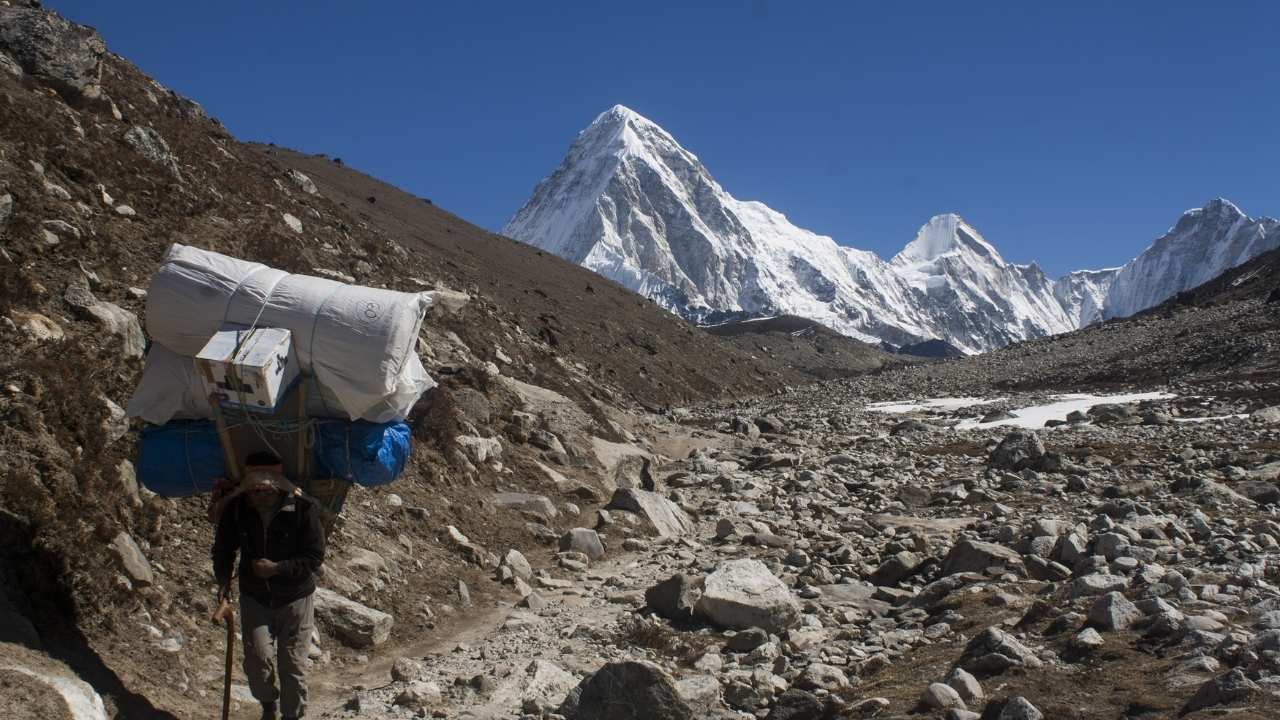
The Everest Base Camp Trek is one of the most famous trekking adventures in the world. Thousands of people visit Nepal every year to walk through the beautiful mountain villages of the Khumbu region, cross high suspension bridges, and see the tallest mountain on Earth, Mount Everest. The trek is exciting, but it is also physically demanding. Trekkers usually walk for 5 to 7 hours each day while carrying clothes, water bottles, snacks, and other personal items. Because of this, many people ask an important question before starting the journey: Do You Need a Porter for Everest Base Camp?
A porter during Everest Base Camp Trek helps by carrying your backpack during the trek. In the Himalayan region of Nepal, porters play a very important role in trekking tourism. They help trekkers walk more comfortably and safely at high altitude. The Everest Base Camp Trek reaches an altitude of about 5,364 meters at base camp and even higher at Kala Patthar. At these heights, the air becomes thinner, and even carrying a small bag can feel difficult. Many trekkers become tired more quickly because of the altitude and long walking hours.
Some trekkers choose to carry their own backpacks to save money or enjoy a personal challenge. Others hire an Everest Base Camp porter to reduce physical stress and enjoy the journey more peacefully. There is no single answer that fits everyone. Your decision depends on your fitness level, trekking experience, budget, age, and comfort level during long mountain walks. Beginners often find that hiring a porter in Nepal makes the trek easier and more enjoyable.
This article will help you to understand everything about hiring a porter for Everest Base Camp Trek. You will learn what porters do, how much they cost, their benefits, and whether you really need one for your EBC trek. By the end, you can decide what is best for your own Himalayan adventure.
What Does a Porter Do on Everest Base Camp Trek?
A porter for Everest Base Camp is a local mountain worker who carries trekking bags and supplies during the journey. Most trekkers bring clothes, sleeping items, toiletries, cameras, snacks, and extra gear for cold weather. Carrying all of this at high altitude can become very tiring. A porter helps by carrying the heavier load so trekkers can walk more comfortably. In Nepal's Everest region, porters are an important part of trekking life and help thousands of visitors every year.
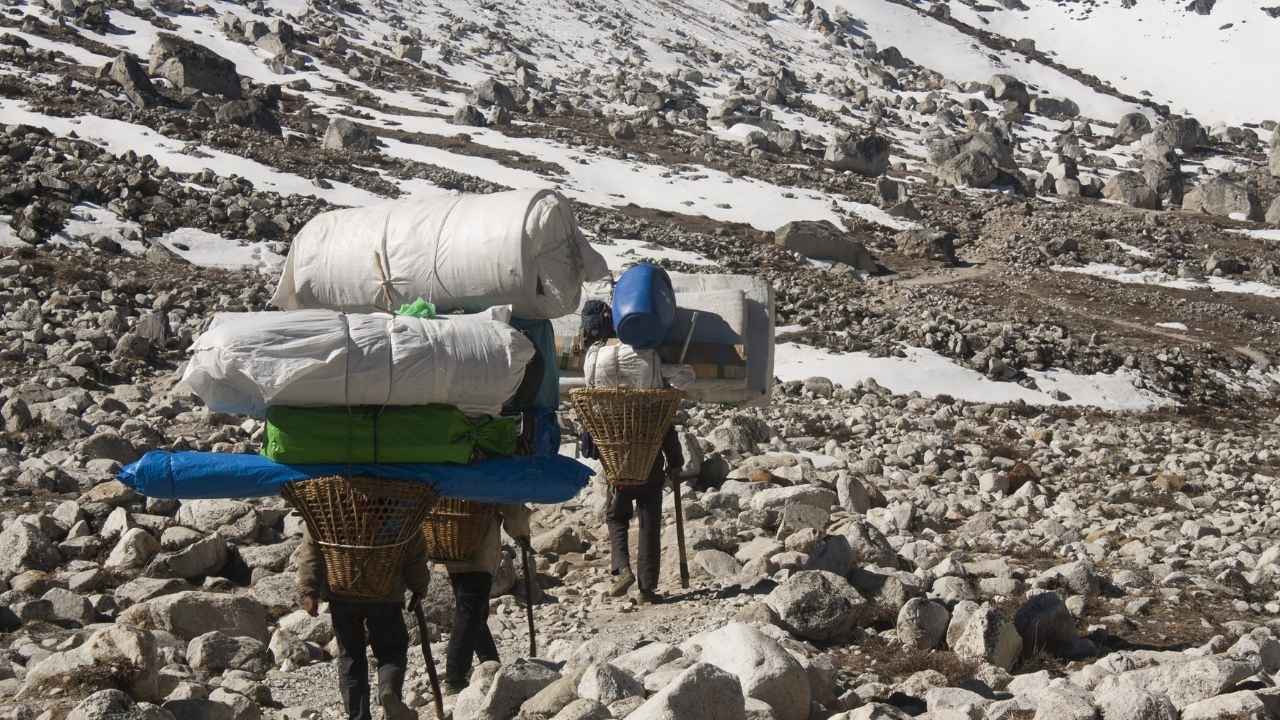
On the Everest Base Camp trek, one porter usually carries around 20 to 25 kilograms of weight. In many cases, two trekkers share one porter and divide the load equally. Porters use special straps called “namlo” which go around the forehead to support the weight on their backs. Even though the trails are steep and rocky, many porters walk quickly and steadily through the mountains. Their strength and endurance often surprise foreign trekkers who are not used to high-altitude walking conditions.
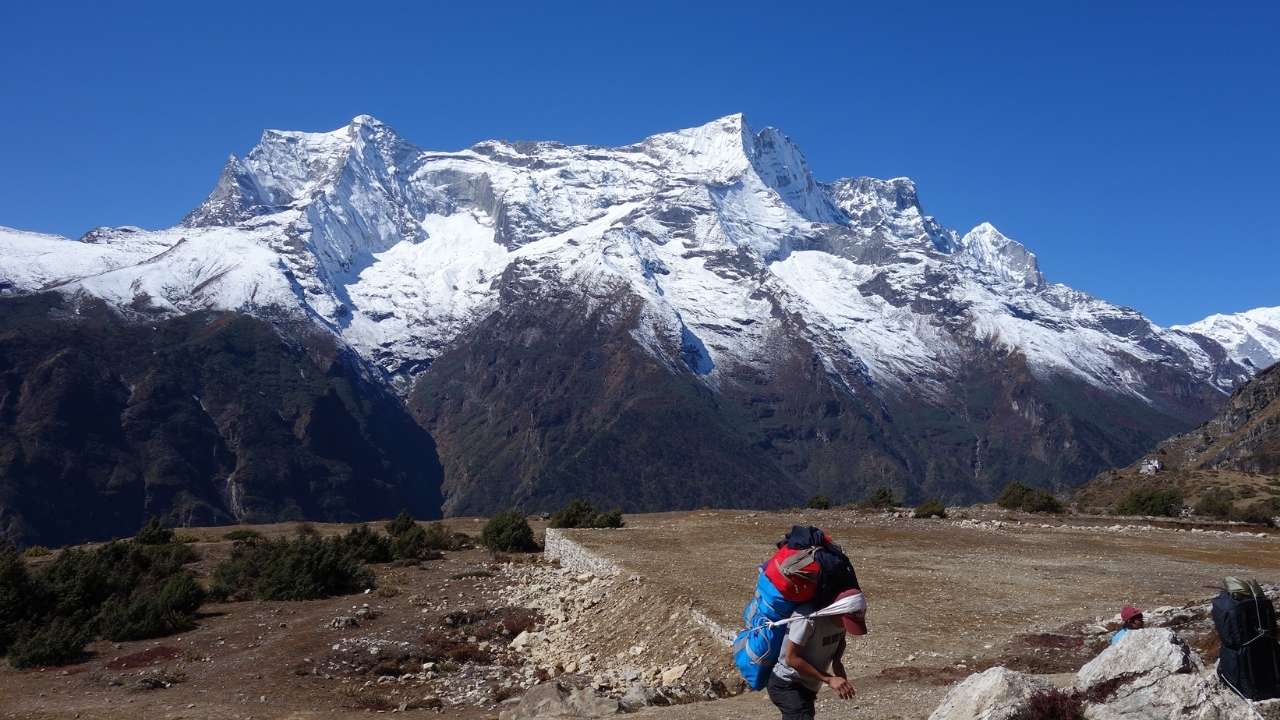
Many people confuse a porter with a guide, but their jobs are different. A trekking guide leads the route, explains local culture, helps with safety, and gives information during the trek. A porter mainly focuses on carrying bags from one village to another. Some experienced workers in Nepal also work as porter guides. They carry lighter loads while helping trekkers with communication and basic route support. Hiring a porter or porter-guide depends on your budget and trekking experience.
An Everest Base Camp porter also gives emotional support during difficult trekking days. When trekkers feel exhausted, sick, or stressed from altitude, carrying a lighter backpack can make a big difference. Many trekkers say they enjoy the mountains more when they are not struggling under a heavy weight. Hiring a porter in Nepal also supports local families and creates jobs in mountain communities like Lukla, Namche Bazaar, and Dingboche. For many local people, trekking tourism is the main source of income and helps to support their children's education and daily life.
**Continue Reading: Everest Base Camp Trek With Helicopter Return: The Classic Trek With a Scenic Flight Back**
Do You Really Need a Porter for Everest Base Camp?
Many trekkers ask the same question before starting their Himalayan adventure on the eastern stretch: Do You Really Need a Porter for Everest Base Camp? The answer depends on your fitness level, trekking experience, budget, and personal comfort. Some people complete the Everest Base Camp Trek without any help, while others feel much happier and safer with a porter carrying their bags. There is no right or wrong choice, but understanding the challenges of the trek can help you decide wisely before arriving in Nepal.
The Everest Base Camp trail is not technical, but it is physically demanding because of the altitude and long walking days. Most trekkers walk between 10 and 15 kilometers daily for nearly two weeks. Even a backpack that feels light at a lower altitude can feel extremely heavy above 4,000 meters. The air contains less oxygen at higher elevations, so your body gets tired more quickly. Carrying extra weight may increase exhaustion and make acclimatization harder during the EBC trek. This is one reason why many trekkers choose to hire a porter for Everest Base Camp.
A porter becomes especially helpful for beginners, older trekkers, families, or people who do not hike regularly. If you have knee pain, back problems, or limited trekking experience, carrying a heavy backpack every day can become stressful. A lighter backpack allows you to focus more on walking safely and enjoying the mountain views. Many solo trekkers also hire porters because they feel more supported during difficult sections of the trail. Even experienced hikers hire porters to save energy and reduce physical pressure at high altitude.
However, some trekkers enjoy carrying their own gear because they want a more independent challenge. If your backpack is light, your fitness is good, and you have previous trekking experience, you may not need a porter. Still, many travelers later realize that carrying less weight makes the journey more comfortable and enjoyable. Hiring a porter in Nepal is not only about luxury. For many people, it helps to make the Everest Base Camp trek safer, easier, and far more memorable.
Benefits of Hiring a Porter for Everest Base Camp
The Everest Base Camp trek is one of the most beautiful adventures in Nepal, but it is also physically challenging. Trekkers walk for many hours every day while climbing to high altitudes. Because of this, many people decide to hire a Porter for the Everest Base Camp. A porter helps to carry heavy luggage during the trek, making the journey easier and more comfortable. Many trekkers who hire porters say they enjoy the mountains more and feel less tired during the long walking days.
-
Less Physical Exhaustion: One of the biggest benefits of hiring a porter for EBC is reduced physical stress. Carrying a heavy backpack at high altitude can quickly drain your energy. A porter carries most of the luggage, so trekkers only need a small daypack for water, snacks, and important items. This helps your body feel lighter and stronger on the trail.
-
Better Acclimatization at High Altitude: The Everest Base Camp trek reaches over 5,000 meters, where oxygen levels become lower. Heavy backpacks can make breathing more difficult at these heights. When trekkers carry less weight, they usually walk more steadily and recover faster after long trekking days. This can help the body adjust better to altitude during the journey.
-
Reduced knee and back pain: Long downhill walks and rocky trails can put pressure on the knees, shoulders, and back. Many trekkers begin to feel pain after several days of carrying heavy luggage. Hiring an Everest Base Camp porter reduces this pressure and helps trekkers to avoid unnecessary strain and discomfort during the trek.
-
More Enjoyment During the Trek: Trekkers with lighter bags often enjoy the journey more peacefully. Instead of focusing only on exhaustion, they can enjoy mountain views, glaciers, rivers, and traditional villages along the trail. Many people also take better photos and feel more relaxed while walking.
-
Support for Local Families: Hiring a porter in Nepal also supports local mountain communities. Many porters depend on trekking tourism to support families, education, and daily living expenses. By hiring a porter responsibly, trekkers help to create jobs and support the local economy in the Everest region.
Overall, hiring a porter for Everest Base Camp Trek is not only about comfort. It can improve safety, reduce stress, and make the trekking experience more enjoyable while also supporting hardworking local people in Nepal.
How Much Does a Porter Cost for Everest Base Camp?
Many trekkers planning the Everest Base Camp journey want to know the porter cost before arriving in Nepal. Hiring a porter is common in the Everest region because the trek involves long walking days at high altitude. The good news is that porters are usually affordable compared to the physical support they provide during the trek. Prices can change depending on the trekking season, company services, and porter experience, but most trekkers find the cost reasonable for the comfort and help they receive.
On average, hiring a porter for Everest Base Camp costs around USD 20 to 30 per day. This price usually includes the porter's salary, meals, accommodation, and insurance during the trek. Some trekking agencies may charge slightly more because they provide trained and insured porters with proper equipment. Independent porters may sometimes cost less, but trekkers should always make sure the porter receives fair wages and basic safety support. Ethical trekking is very important in Nepal because porters work hard in difficult mountain conditions throughout the year.
Many trekkers reduce costs by sharing one porter between two people. A porter normally carries around 20 to 25 kilograms in total, so two trekkers can divide their luggage equally into one duffel bag. This makes the price more affordable while still giving both trekkers the benefits of lighter backpacks. During peak trekking seasons like spring and autumn, porter demand becomes very high in the Everest region. Booking through a trusted trekking company early can help to avoid last-minute problems and ensure better service during the trek.
Trekkers should also remember extra expenses, such as porter tips. In Nepal, tipping is considered a respectful way to thank porters for their hard work and support. Many trekkers tip based on service quality and trekking length. Even though hiring an Everest Base Camp porter increases the total trekking budget, many travelers believe the comfort and reduced physical stress are worth the extra cost. A lighter backpack often allows trekkers to enjoy the mountains more fully and complete the journey with better energy and less exhaustion.
**Related Read: Everest Three Passes Trek– Conquer Everest's Most Challenging and Rewarding Trekking Circuit**
Can You Trek Everest Base Camp Without a Porter?
Yes, it is possible to trek to Everest Base Camp without a porter, and many experienced trekkers choose to do so every year. Some people enjoy carrying their own backpacks because they want a short, more independent, and personal trekking experience. Others prefer to save money by avoiding porter costs during the journey. However, trekking without a porter is much more challenging than many first-time trekkers expect. Before deciding, it is important to understand the physical demands of the Everest Base Camp trek and honestly evaluate your fitness and preparation.
The Everest Base Camp trail includes steep uphill climbs, rocky paths, suspension bridges, and long walking hours at high altitude. Trekkers usually walk for nearly two weeks while carrying all their clothing, food, water, sleeping gear, toiletries, and personal items. At lower elevations, a heavy backpack may feel manageable, but above 4,000 meters or even small loads can feel exhausting. The thin mountain air makes breathing harder, and carrying extra weight increases physical pressure on the body during every step of the trek.
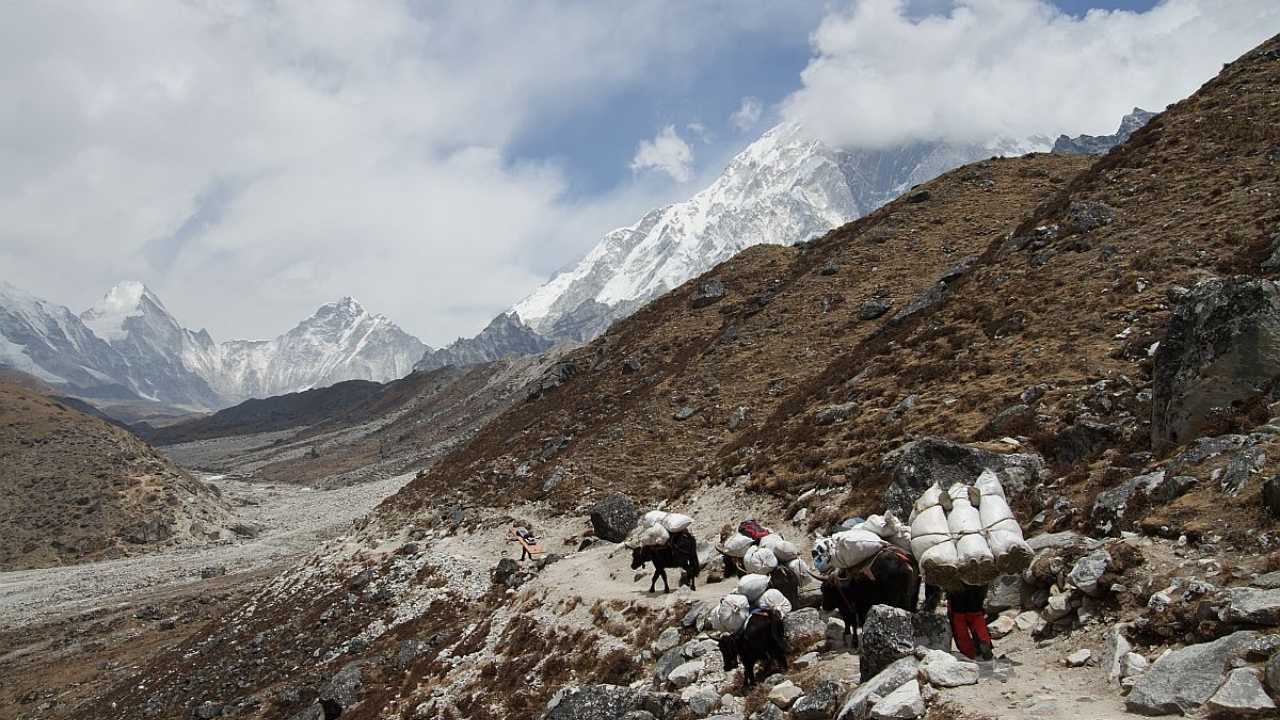
Trekkers who plan to complete the EBC trek without a porter should pack very carefully. A backpack weighing around 8 to 10 kilograms is generally more comfortable for long-distance trekking at high altitude. Packing only essential items becomes extremely important. Lightweight clothing, limited extra gear, and smart packing choices help to reduce unnecessary weight. Physical training before the trek is also important. Cardio exercise, hiking practice, and leg strength training can help the body for long walking days in the Himalayas.
Although trekking independently can feel rewarding, many beginners underestimate how tiring the journey becomes after several days. Fatigue can reduce enjoyment and make acclimatization more difficult. Some trekkers later wish they had hired a porter after experiencing sore shoulders, knee pain, or extreme exhaustion. Hiring a porter for Everest Base Camp does not mean the trek becomes easy. Trekkers still walk the same trails and face the same altitude challenges. A porter simply helps to reduce physical strain so the experience feels more enjoyable, comfortable, and manageable throughout the adventure.
How to Choose a Good Porter in Nepal?
Hiring a porter for the Everest Base Camp can make your trek much easier and more comfortable. However, choosing the right porter is very important for a safe and positive trekking experience. A good porter is not only someone who works responsibly in difficult mountain conditions. Many trekkers visit Nepal for the first time and may not know how to choose a reliable porter. Understanding a few important points can help you to hire the right person while also supporting ethical trekking practices in Nepal.
-
Hiring Through a Trusted Trekking Company: One of the safest ways to hire a porter in Nepal is through a professional trekking agency. Trusted companies usually provide trained porters with insurance, fair wages, meals, and accommodation during the trek. This gives trekkers more confidence because the porter is supported properly throughout the journey.
-
Check Insurance and Safety Support: A responsible trekking company should provide insurance for porters working in the mountains. Trekking trails in the Everest region can be difficult, especially during bad weather. Insurance helps to protect against accidents or health problems that happen during the trek. Trekkers should always ask about this before hiring.
-
Respect Weight Limits: Porters work very hard in high-altitude conditions. Normally, one porter carries around 20 to 25 kilograms. Trekkers should avoid overpacking and respect safe carrying limits. Carrying too much weight can create serious physical problems for porters on steep mountain trails.
-
Choose Experienced and Friendly Porters: Experienced porters understand mountain routes, weather conditions, and trekking challenges better. Friendly communication also makes the journey more comfortable. Even simple English skills can help during the trek when discussing luggage, timing, or daily plans.
-
Support Ethical Trekking: Hiring a porter responsibly helps local families and mountain communities in Nepal. Ethical trekking means treating porters with kindness, fairness, and respect throughout the journey. Small actions like proper tipping and appreciation can make a big difference.
Choosing a good Everest Base Camp porter is not only about carrying bags. It is about safety, truth, and respecting the hardworking people who help to make Himalayan trekking possible for visitors from around the world.
**Explore More: Gokyo Lakes Trek– Discover Turquoise Alpine Lakes Beneath the World's Highest Peaks**
Porter vs Guide: Which One Should You Hire?
Many trekkers planning the Everest Base Camp journey become confused about whether they should hire a porter, a guide, or both. Although both roles are important during the trek, their jobs are very different. Understanding these differences can help trekkers to choose the best option based on budget, experience,e and personal comfort. Some trekkers only need physical support for carrying luggage, while others want navigation help, safety, advice, and local knowledge during the adventure in the Himalayas.
A porter for Everest Base Camp mainly carries trekking bags and heavy equipment during the journey. Most porters carry around 20 to 25 kilograms while walking between villages each day. Hiring a porter is helpful for trekkers who want lighter backpacks and less physical exhaustion at high altitude. Trekkers still manage their own walking pace, accommodation, and personal decisions during the trek. Porters usually do not explain history, culture, or mountain information because their main responsibility is transporting luggage safely through the trail.
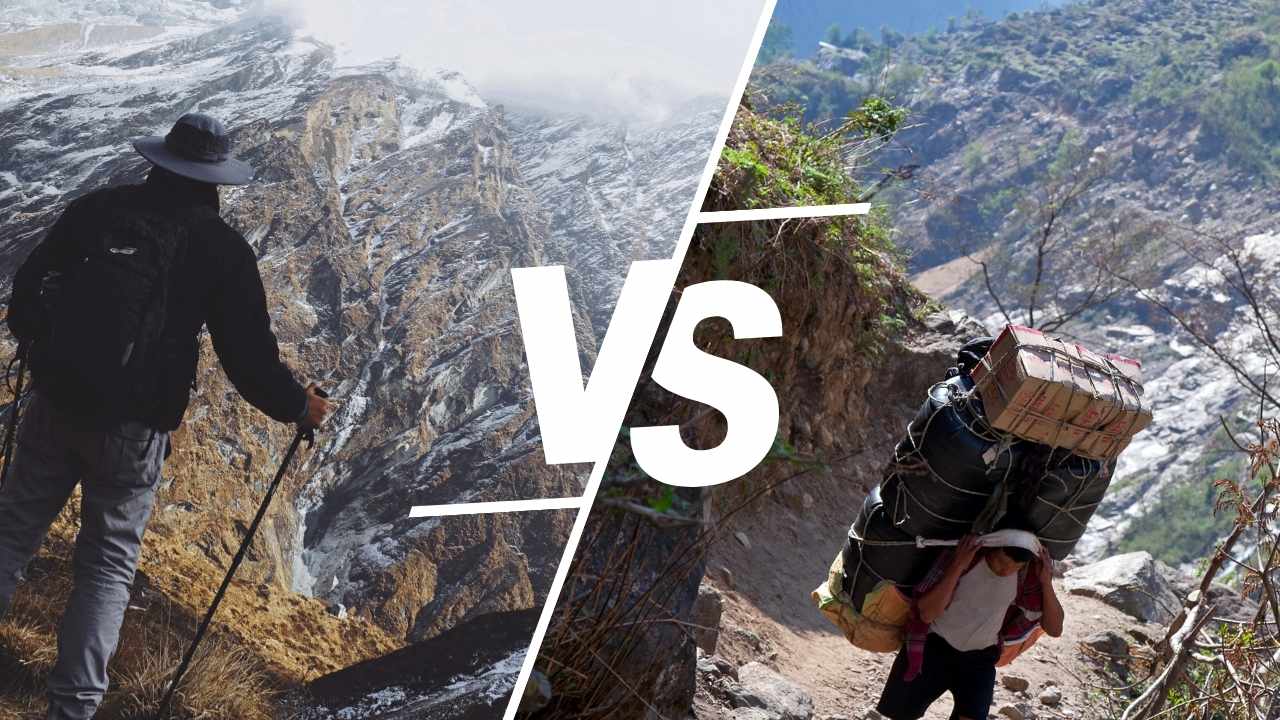
A trekking guide has a much wider role during the Everest Base Camp trek. Guides lead the route, arrange accommodations, explain local culture, monitor health conditions, and help during emergencies. They are especially useful for beginners, solo travelers, and people unfamiliar with mountain trekking in Nepal. Guides can also help communicate with teahouse owners and local people in the villages. Many trekkers feel safer with a guide because they receive support and information throughout the entire journey from start to finish.
Some trekkers choose a porter-guide instead of hiring separate workers. A porter-guide carries a lighter load while also helping with route guidance and basic trekking support. This option is often cheaper than hiring both a full guide and a porter. However, porter-guides may not provide the same detailed support as experienced professional guides. Trekkers with strong hiking experience may only need a porter, while beginners often benefit from hiring a guide as well. Choosing the right support depends on your confidence, fitness, trekking experience, and budget for the Everest Base Camp adventure.