

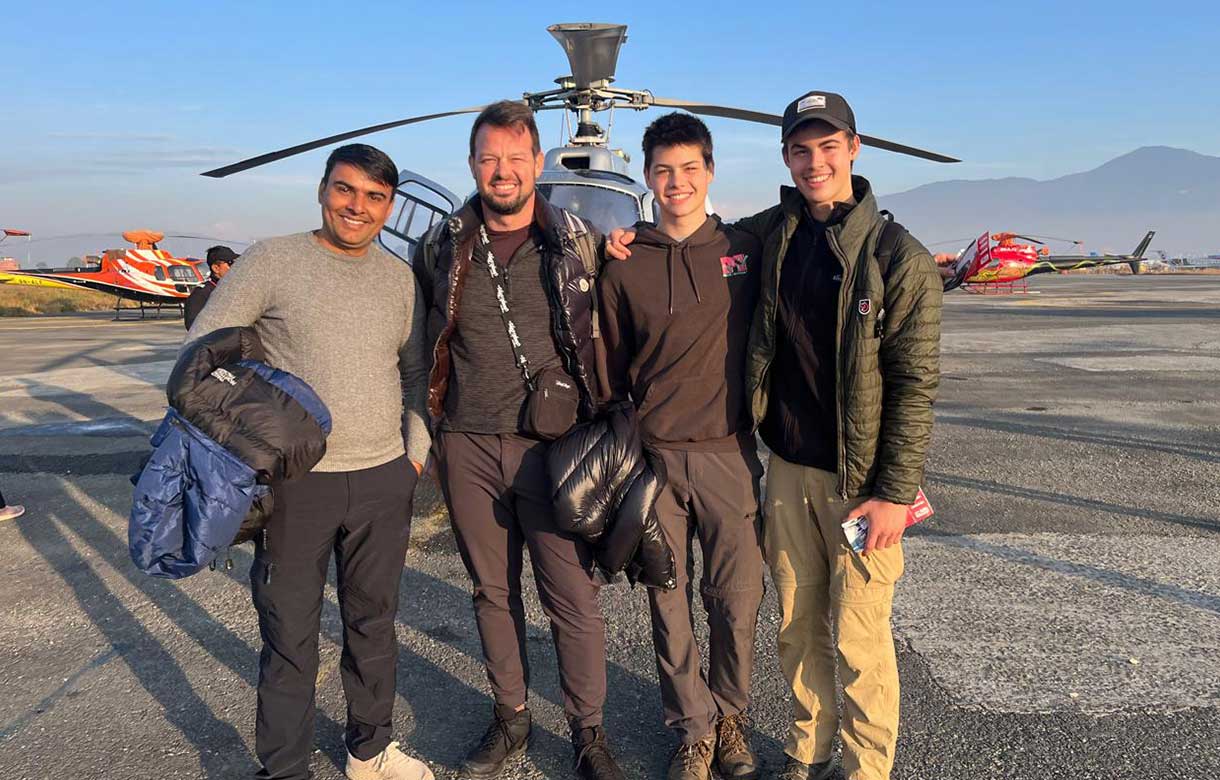
The Everest Base Camp trek with helicopter return is becoming one of the most popular adventure trips in Nepal. It gives travelers the excitement of walking through the Everest trail while also offering the comfort of flying back by helicopter after reaching the trekking point. Many people love this package because it saves time, reduces physical pressure, and adds a luxury experience to the journey. Instead of trekking down for several extra days, trekkers can enjoy aerial views of mountains, glaciers, rivers, and Sherpa villages during the helicopter flight back to Kathmandu or Lukla.
A normal Everest Base Camp trek usually takes about 12 to 14 days, including the return walk from Gorakshep to Lukla. However, the helicopter return option can shorten the journey by several days. This makes the trek perfect for busy travelers who want to experience Everest within a limited vacation time. Shared helicopter return packages are more affordable today because trekkers can divide the flight cost with other travelers.
The trekking route follows the classic Everest trail through Lukla, Phakding, Namche Bazaar, Tengboche, Dingboche, Lobuche, and Gorakshep before reaching Everest Base Camp. Trekkers also hike to Kala Patthar, one of the best viewpoints for seeing Mount Everest closely. During the journey, travelers pass suspension bridges, Buddhist monasteries, prayer flags, and Sherpa villages. The helicopter return usually begins from Gorakshep after completing the trek. Trekkers can fly above glaciers and mountain valleys while enjoying unforgettable views that are impossible to see from the walking trail below.
The cost of an Everest Base Camp trek with helicopter return is higher than a normal trek, but many travelers believe the value is worth the extra money. A standard trekking package with helicopter return often costs between USD 2,500 and USD 5,500, depending on whether it is a shared flight or a private shuttle, season, hotel category, group size, and services included. Even though the price is higher, trekkers save energy, avoid the long descent, and gain mountain flight experience. For many people, combining trekking adventure with helicopter luxury creates the perfect Everest journey that feels exciting and memorable from beginning to end.
How the Trek Works Day by Day?
The Everest Base Camp trek with helicopter return begins with a scenic mountain flight from Kathmandu to Lukla. This short flight normally takes around 30 to 40 minutes, and it gives travelers their first closer and incredible views of the Himalayan peaks. After landing in Lukla at 2,860 meters, trekkers begin walking toward Phakding through small Sherpa villages and green forests. The trail follows the Dudh Koshi River and crosses several suspension bridges decorated with colorful prayer flags. Most trekkers spend the first night in Phakding before continuing toward Namche Bazaar, which is the largest town in the Everest region and an important acclimatization stop.
The journey from Namche Bazaar continues through beautiful mountain landscapes towards Tengboche, Dingboche, Lobuche, and finally Gorakshep. Trekkers usually walk between 5 and 7 hours each, depending on altitude and weather conditions. Acclimatization days are included in Namche Bazaar and Dingboche to reduce the risk of altitude sickness. Along the trail, travelers enjoy views of Everest, Ama Dablam, Lhotse, and Nuptse while also learning about Sherpa culture and Buddhist traditions. Tea houses provide simple meals and warm places to rest every evening during the trek.
After reaching Gorakshep, trekkers hike to Everest Base Camp, which is located at around 5,364 meters above sea level. This is one of the biggest highlights of the entire adventure because trekkers stand close to the Khumbu Glacier and the famous Everest climbing route. Many travelers also hike to Kala Patthar early in the morning for sunrise views over Mount Everest. Kala Patthar is considered one of the best viewpoints in the Everest region because the mountain appears much clearer and larger from there. After completing these major highlights, trekkers return to Gorakshep to prepare for the helicopter flight.
Instead of trekking back down the same trail for several more days, travelers board helicopters from Gorakshep and fly above the Himalayan valleys towards Kathmandu or Lukla. The helicopter ride offers incredible aerial views of snow-covered mountains, glaciers, rivers, and villages below. This return option usually saves three to four trekking days compared to the normal route. Many trekkers choose this package because it reduces physical exhaustion while still giving them the full Everest Base Camp experience in a shorter and more comfortable overall journey.
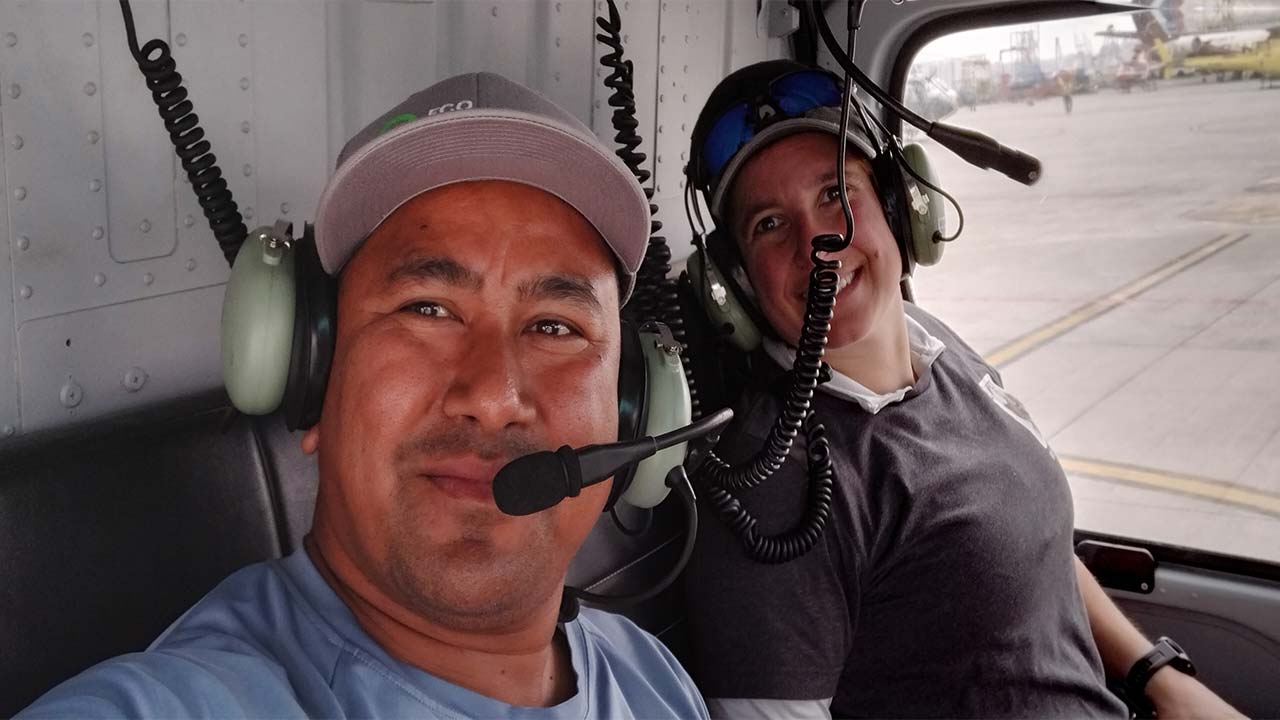
Real Cost Breakdown of Helicopter Return
The Everest Base Camp trek with helicopter return is more expensive than the standard trekking package, but many travelers believe the extra comfort and time savings make the price worthwhile. The total cost usually depends on the trekking season, group size, hotel category, guide services, and helicopter sharing arrangements. According to Eco Holidays Nepal, a standard Everest Base Camp trek with helicopter return generally costs between USD 2,500 and USD 4,000 per person. This package often includes domestic flights, trekking permits, accommodation, meals during the trek, guide and porter services, and the helicopter flight from Gorakshep back to Kathmandu or Lukla.
One of the biggest factors affecting the price is whether the helicopter flight is shared or private. A shared helicopter return is much cheaper because five travelers can divide the total cost. Shared helicopter flights from Gorakshep usually cost around USD 1,200 to USD 1,500 per person, depending on the season and weather conditions. Private helicopter charters are more expensive and can cost around USD 4,500 to USD 5,500 for the entire helicopter. Luxury travelers, photographers, couples, and families sometimes prefer private charters because they offer more flexibility and privacy during the mountain flight experience.
Trekkers should also understand what is included and excluded in the package price before booking. Most trekking companies include airport transfers, Lukla flights, teahouse accommodation, permits, guides, and breakfast in Kathmandu. However, personal expenses like snacks, charging electronics, hot showers, travel insurance, tips, and extra drinks are usually not included. Some companies also charge extra for luxury hotels or upgraded services. During peak trekking seasons like spring and autumn, helicopter prices can increase because of higher tourist demand and limited flight availability in the Everest region.
Even though the helicopter return package costs more than a regular Everest Base Camp trek, many travelers believe the overall value is better. The helicopter saves several days of walking and reduces physical pressure on tired knees and muscles. It also gives trekkers a rare chance to enjoy breathtaking aerial views of Everest, glaciers, and mountain valleys from above. For people with limited vacation time, the helicopter return option often becomes a smart and memorable investment rather than simply an expensive luxury experience.
Comparing Normal Return Trek vs Helicopter Return
A normal Everest Base Camp trek follows the same route both up and down the mountain trail. After reaching Everest Base Camp and Kala Patthar, trekkers usually spend another three or four days walking back to Lukla before flying to Kathmandu. This traditional route is less expensive and allows travellers to spend more time in the villages and mountain landscapes. However, the long downhill walk can become physically difficult after many days at high altitude. Many trekkers feel tired, sore, and mentally exhausted during the return journey because the body has already used a great amount of energy while climbing upward.
The helicopter return option changes the second half of the trek completely. Instead of walking back through Lobuche, Dingboche, Tengboche, and Namche Bazaar, trekkers fly directly from Gorakshep by helicopter. This saves around three to four days of trekking and removes the hardest downhill sections of the journey. Travellers can rest comfortably while enjoying aerial views of Everest glaciers, frozen rivers, and Himalayan valleys from above. Many people consider the helicopter ride one of the most exciting parts of the entire adventure because the mountain scenery looks very different from the sky.
The biggest difference between the two options is cost and comfort. A normal Everest Base Camp trek is cheaper because trekkers only pay for regular flights and tea house accommodation. The helicopter package costs more because helicopter operations in the Himalayas are expensive, and weather conditions are challenging. Even so, many travelers believe the extra money is worth spending because they save time and avoid physical exhaustion. Busy travelers especially prefer the helicopter return because they can complete the Everest journey within a shorter holiday schedule.
Choosing between these two options depends on personal budget, fitness, and travel goals. Budget trekkers often enjoy the classic return walk because it provides a longer mountain experience at a lower cost. On the other hand, travellers with limited vacation time, older trekkers, or people wanting extra comfort often prefer the helicopter return. Both choices offer unforgettable Everest memories, but the helicopter option combines adventure, luxury, and convenience in one remarkable journey. It gives travelers relaxation after finishing the difficult mountain trek.
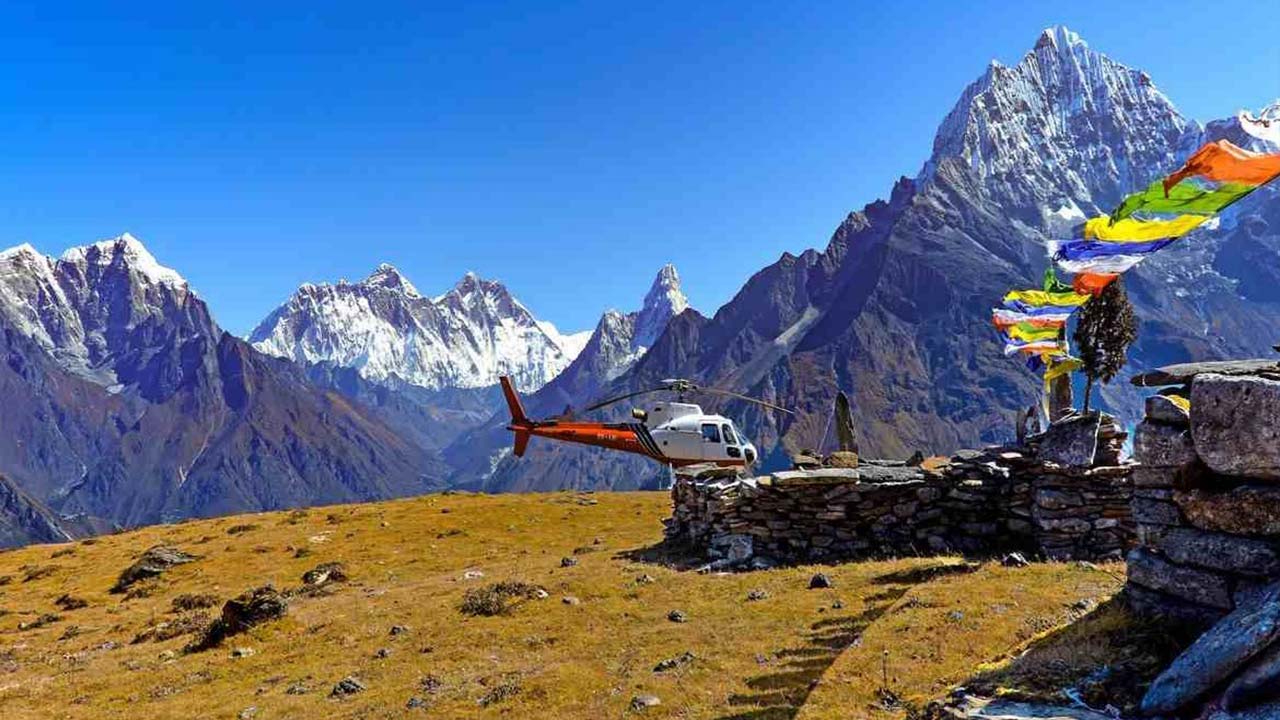
Comfort, Safety, and Health Benefits
One of the biggest advantages of the Everest Base Camp trek with helicopter return is the extra comfort it provides after many difficult trekking days. Walking in the Everest region for more than a week can be physically demanding because the trail includes steep climbs, rocky paths, cold temperatures, and high altitude conditions. Many trekkers feel very tired by the time they reach Everest Base Camp and Kala Patthar. The helicopter return removes the need to walk back down for several more days, allowing trekkers to rest while still enjoying beautiful mountain scenery from the air during the return journey.
The helicopter return option is especially helpful for trekkers who have knee pain, ankle problems, or lower physical strength. Downhill trekking can sometimes feel harder than climbing because it puts strong pressure on the knees and leg muscles. Older travelers and beginners often find the return exhausting after spending many days at high altitude. By choosing the helicopter option, trekkers reduce stress on their bodies and avoid long hours of difficult downhill walking. This makes the overall Everest experience more comfortable and enjoyable for many different age groups and fitness levels.
Safety is another important reason why travelers choose helicopter return packages. The weather in the Everest region can change quickly, and high altitude sickness is always a possible risk during the trek. If a trekker feels weak or experiences serious altitude problems after reaching Gorakshep, returning by helicopter can help to reduce exposure to extreme altitude conditions. Helicopters are also commonly used in the Everest region for emergency rescue operations. Although helicopter return flights depend on weather conditions, many trekkers feel safer knowing they have a faster way to leave the high mountains if necessary.
The helicopter return option is also valuable for travelers with limited vacation time. Many people cannot spend two full weeks trekking in the Himalayas because of work or family responsibilities. By skipping the long return walk, trekkers can complete the Everest Base Camp experience in fewer days while still enjoying all major highlights. The combination of comfort, time savings, safety support, and unforgettable aerial views makes the helicopter return package a popular choice for modern adventure travelers visiting Nepal today.
Scenic Experience and Luxury Value
The Everest Base Camp trek with helicopter return is not only about saving time and reducing physical effort. It also provides one of the most scenic and luxurious travel experiences in the Himalayas. During the trekking journey, travelers already enjoy beautiful mountain views from the trail, but the helicopter flight offers a completely different perspective. From the air, trekkers can see massive glaciers, deep valleys, snowy peaks, frozen rivers, and remote Sherpa villages all at once. Many travelers say the helicopter ride becomes one of the most unforgettable moments of their entire Nepal adventure because the scenery feels dramatic and breathtaking from above.
The helicopter usually flies over famous areas like Gorakshep, Pheriche, Namche Bazaar, and the Khumbu Glacier before returning toward Kathmandu or Lukla. During clear weather, travelers can enjoy close views of Mount Everest, Ama Dablam, Lhotse, Nuptse, and many other Himalayan peaks. Unlike trekking on the ground, the aerial journey allows people to understand the true size and beauty of the Everest region. Photographers especially love this experience because helicopters provide rare angles for mountain photography that are impossible to capture from normal trekking trails.
Many trekkers also choose helicopter return packages because they want to add luxury and comfort to their adventure. After spending many nights in simple tea houses with basic facilities, the helicopter ride feels relaxing and exciting at the same time. Instead of walking for several difficult days, travelers can sit comfortably while watching the Himalayan landscapes through large helicopter windows. Couples, families, and luxury travelers often prefer this package because it combines adventure trekking with premium travel experiences. Some travelers even choose private helicopter charters to enjoy greater privacy and flexibility during the return flight.
Although the helicopter return package costs more than a normal trek, many travelers believe the scenic value makes the extra expenses worthwhile. The aerial mountain views create memories that last a lifetime and give trekkers a special ending to their Everest journey. For people who dream of experiencing both adventure and luxury together, the Everest Base Camp trek with helicopter return offers a perfect balance. It allows travelers to enjoy the challenge of trekking while also experiencing the comfort and beauty of flying above the world's highest mountains in a truly unforgettable way.
Who Should Choose Helicopter Return?
The Everest Base Camp trek with helicopter return is designed for many different types of travelers. While the classic Everest trek is still popular, the helicopter return option has become a favorite choice for people who want greater comfort, shorter travel time, and a more flexible mountain experience. This package is especially useful for travelers who dream of reaching Everest Base Camp but feel worried about the long return trek. Since the helicopter removes several difficult walking days, many people find the journey more manageable and enjoyable without losing the adventure of trekking through the Everest region.
Beginners and first-time trekkers often benefit greatly from the helicopter return option. Many new trekkers are excited about walking in high altitude conditions for nearly two weeks. The helicopter return reduces both physical and mental stress because trekkers know they do not need to complete the full downhill journey. Older travelers also prefer this package because it places less pressure on the knees, ankles, and muscles. Even people with good fitness levels sometimes choose the helicopter return simply to avoid exhaustion after reaching Everest Base Camp and Kala Patthar.
Families, couples, and luxury travellers are also among the most common visitors choosing the helicopter return packages. Families with limited vacation time can complete the Everest adventure within a shorter schedule while still enjoying the major highlights of the trek. Couples often select helicopter return trips because the scenic mountain flights feel romantic and memorable. Luxury travelers usually prefer extra comfort and convenience during their holidays, making the helicopter ride an attractive option. Some travelers even choose private helicopter flights for more privacy and personalized service during the return journey from Gorakshep.
Budget travelers may still prefer the normal Everest Base Camp trek because the helicopter package costs more money. However, many trekkers today believe the added value makes the higher cost worthwhile. Saving several days of walking, reducing physical fatigue, and enjoying incredible aerial views all add important benefits to the overall experience. Travelers who have limited time, lower physical strength, or a desire for both adventure and comfort are usually the best candidates for the Everest Base Camp trek with helicopter return. It provides a balanced Himalayan journey that combines trekking excitement with luxury travel in one unforgettable experience.
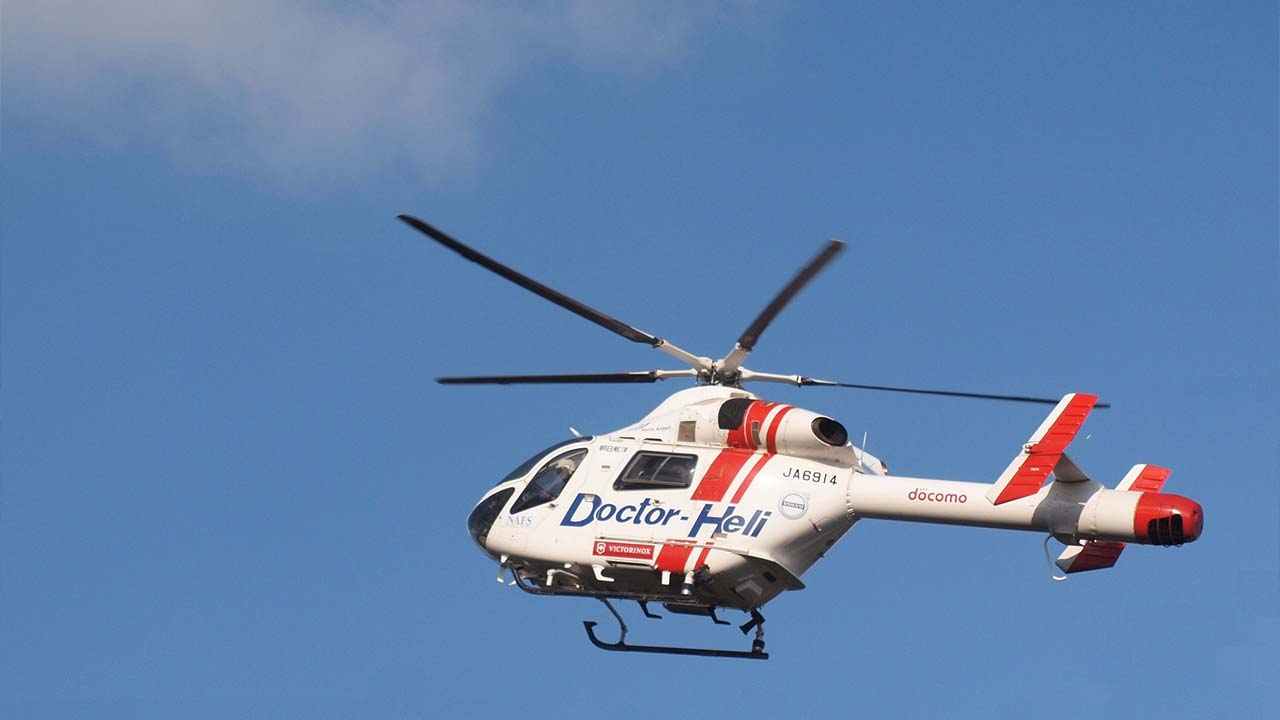
Smart Tips for Everest Base Camp Trek with Helicopter Return
Planning properly can make the Everest Base Camp trek with helicopter return safer, cheaper, and more enjoyable. Even though the helicopter saves time and physical effort, trekkers still need good preparation for high-altitude trekking. Choosing the right season, packing wisely, and understanding the package details can help travelers avoid common problems during the journey. The following practical tips can help trekkers to enjoy a smoother and more memorable Everest adventure.
- Booked a Shared Helicopter Flight: Shared helicopter flights are much cheaper than private charters because several trekkers divide the total flight cost together. This option is perfect for budget travelers who still want the comfort and scenic value of flying back from Gorakshep.
- Trek During Spring and Autumn: The best trekking seasons are March and May, and September and November. These months usually offer clear skies, stable weather, and better mountain views. Helicopter flights are also less likely to face delays during these seasons.
- Train Before the Trek: Walking for many days at high altitude can be challenging. Simple exercises like hiking, jogging, climbing stairs, and cardio training before the trip can improve stamina and make the trek easier.
- Carry Proper Gear and Clothing: Warm jackets, gloves, trekking boots, sunglasses, and sleeping bags are very important in the Everest region. Weather changes quickly in the mountains, especially during mornings and evenings.
- Choose a Reliable Trekking Company: Travelers should compare itineraries, permits, guide services, accommodation, and helicopter details before booking. Experienced companies like Eco Holidays Nepal often provide better safety support and organized travel services.
- Keep Extra Money for Personal Expenses: Snacks, hot showers, battery charging, internet services, and tips for guides are usually not included in trekking packages. Carrying some extra cash helps to avoid difficulties during the journey.
The Everest Base Camp trek with helicopter return becomes much more enjoyable when travelers prepare carefully and make smart decisions before the trip. Good planning helps trekkers to save money, stay safer, and enjoy both the trekking adventure and scenic helicopter experience comfortably.