

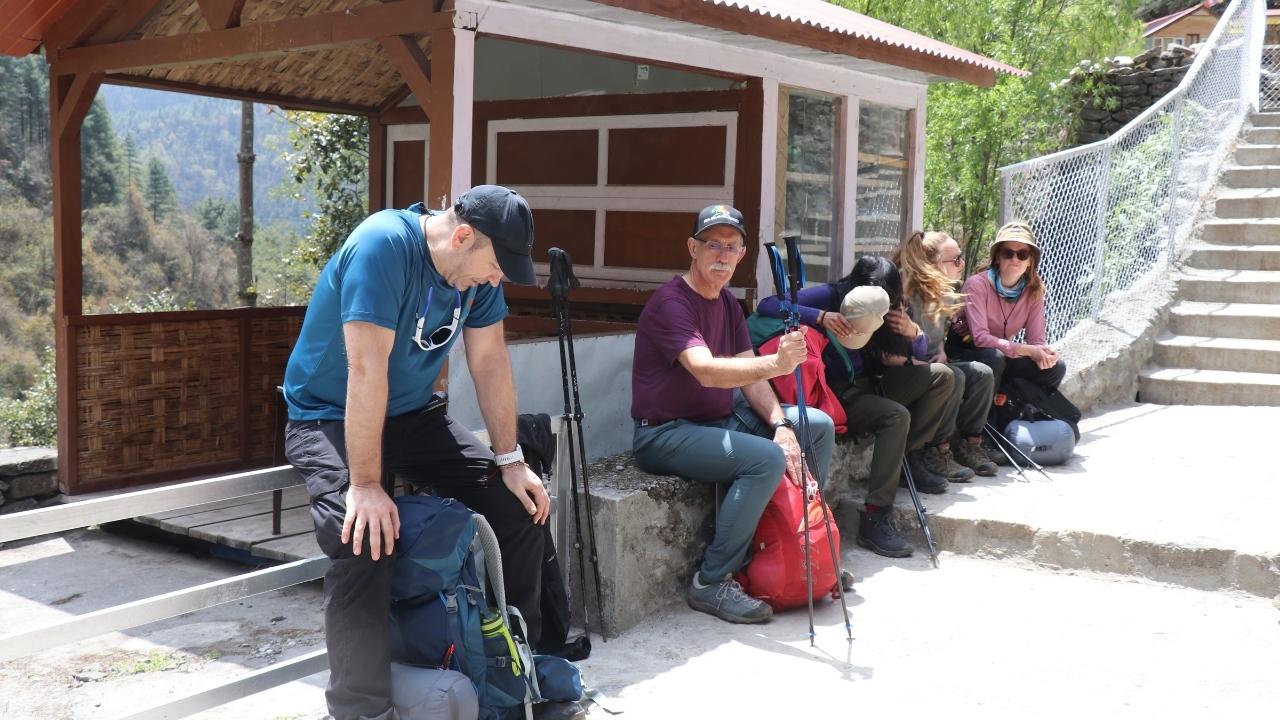
The best trekking company in Nepal is one that is government registered, employs licensed and experienced guides, follows strong safety standards, offers transparent pricing, receives consistently positive customer reviews, communicates clearly, and practices responsible tourism.
Choosing the best trekking company in Nepal is one of the most important decisions you will make before stepping onto the Himalayan trails. The company you travel with influences far more than your itinerary, it affects your safety, comfort, acclimatization, guide quality, emergency support, and the overall experience of your adventure. A well-organized trekking company helps you focus on enjoying Nepal's breathtaking landscapes, while an unreliable operator can lead to unnecessary stress, hidden costs, and avoidable risks.
The best trekking companies stand out through government registration, experienced and licensed guides, transparent pricing, genuine customer reviews, well-planned itineraries, responsive communication, and a strong commitment to responsible tourism. They do not simply sell trekking packages; they provide local expertise, prepare you for high-altitude conditions, and remain ready to assist if weather changes or unexpected situations arise.
This guide explains exactly what to look for before booking a trek in Nepal. From Everest Base Camp and Annapurna Circuit to Langtang Valley and Manaslu Circuit, every trekking region in Nepal comes with its own challenges and requirements. Choosing a company with the right experience, safety standards, and local expertise helps ensure your Himalayan journey is well-organized, comfortable, and memorable.
Quick Answer: What Should You Look for in a Trekking Company in Nepal?
The best trekking company in Nepal combines legal credentials, experienced guides, strong safety practices, honest pricing, positive customer feedback, clear communication, and responsible tourism. Comparing these factors before booking gives you the best chance of enjoying a safe, well-organized, and memorable Himalayan adventure.
|
Factor |
Why It Matters? |
|
Government Registration and Licenses |
Confirms the company operates legally in Nepal and complies with tourism regulations, providing greater accountability and traveler protection. |
|
Experienced and Licensed Guides |
Qualified guides improve your safety, manage altitude-related risks, share local knowledge, and enhance your overall trekking experience. |
|
Verified Customer Reviews |
Recent, detailed reviews reveal how the company performs in real situations, from service quality and guide professionalism to problem-solving during unexpected events. |
|
Transparent Pricing |
A trustworthy company clearly explains what is included and excluded, helping you avoid hidden charges for permits, transportation, accommodation, or equipment. |
|
Safety Standards |
Strong safety procedures, emergency evacuation planning, first-aid training, and altitude sickness management are essential for trekking in the Himalayas. |
|
Trekking Experience |
Companies with years of experience can design better itineraries, recommend the right trek for your fitness level, and adapt to changing mountain conditions. |
|
Communication and Customer Support |
Prompt, knowledgeable responses before and during your trip reflect professionalism and make planning much easier. |
|
Responsible Tourism Practices |
Ethical companies support local communities, treat guides and porters fairly, and promote environmentally responsible trekking. |
**Continue Reading: Everest Base Camp and Kala Patthar Trek– Reach Everest Base Camp. Rise to Kala Patthar. Capture the Himalayas Forever**
How to Choose the Best Trekking Company in Nepal?
Choosing the right trekking company in Nepal requires more than comparing prices and packages. A reliable operator plays an important role in your safety, comfort, and overall Himalayan experience. From arranging permits and logistics to providing experienced guides and proper support during the trek, the company you choose can significantly influence your journey.
Verify the Company's Registration and Reputation
The first step in choosing a trekking company in Nepal is confirming that it operates legally and has earned the trust of previous travelers. A professional company should be transparent about its credentials and have a consistent record of positive customer experiences. Taking just a few minutes to verify this information can help you avoid unreliable operators and book with confidence. Before making a reservation, check whether the company has:
-
Company Registration– Confirms the business is legally established in Nepal.
-
PAN/VAT Registration– Shows the company is registered for taxation and operates as a legitimate business.
-
Tourism License– Indicates authorization to organize trekking and tourism activities.
-
TAAN Membership– Membership in the Trekking Agencies' Association of Nepal reflects involvement in Nepal's professional trekking industry.
-
NMA Membership– Membership in the Nepal Mountaineering Association is a positive sign for companies offering peak climbing and mountaineering services.
These credentials demonstrate that the company follows Nepal's tourism regulations and can be held accountable for the services it provides. Once you have verified the company's registration, spend some time reading customer reviews. Do not judge a company solely by its overall star rating; look for detailed reviews on Google Reviews, Tripadvisor, Trustpilot, and Facebook.
Reviews that mention specific guides, trekking routes, recent travel dates, and include customer photos often provide a much more accurate picture of the company's service quality.
Look at the Company's Trekking Experience
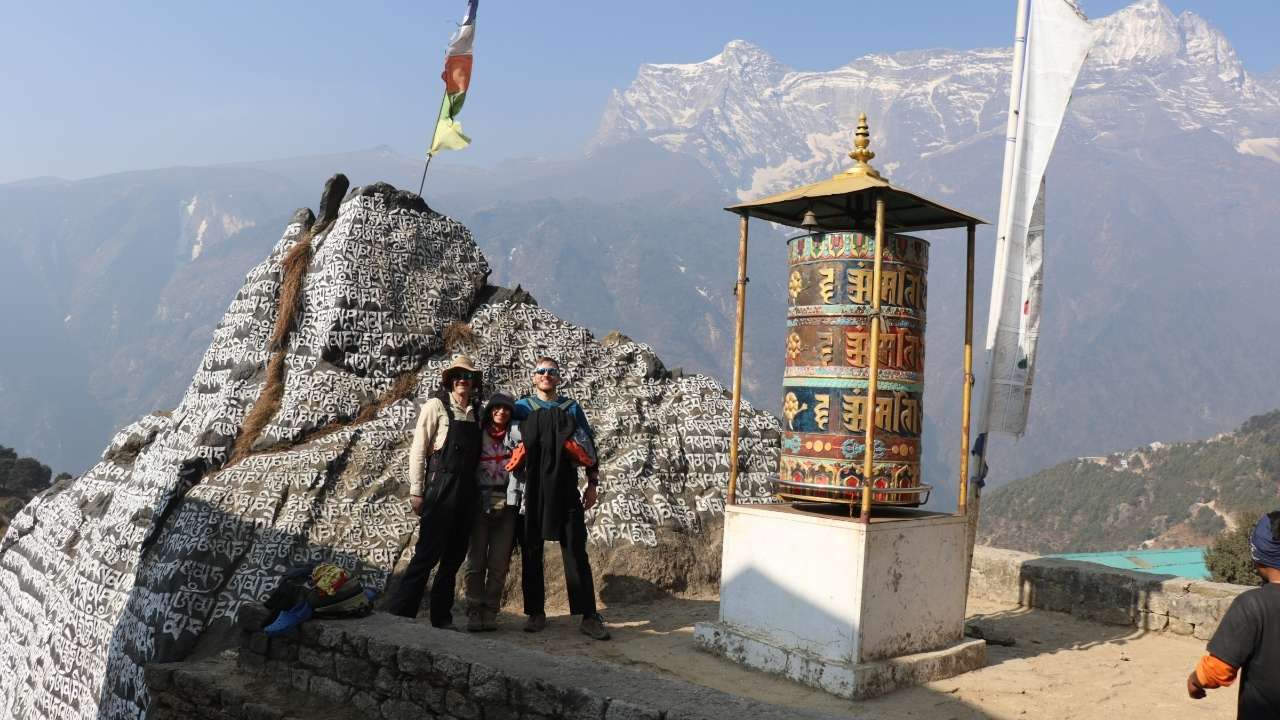
Experience is not measured only by the number of years a trekking company has been in business. What matters just as much is the range of adventures they have successfully organized and the knowledge they have gained along the way. A company that has guided trekkers across different regions of Nepal is better prepared to deal with changing weather, trail conditions, altitude challenges, and unexpected situations.
Before booking, ask a few simple questions:
-
How many years have you been operating?
-
Which trekking regions do you specialize in?
-
What are your most popular trekking packages?
-
Do you organize peak climbing expeditions?
-
Do you offer luxury trekking experiences?
-
Can you customize itineraries?
A company with broad trekking experience is more likely to recommend the right route for your fitness level, travel style, and budget instead of pushing the same package to every traveler. Their knowledge can also help you choose the best season, prepare for the trek, and avoid common mistakes that first-time visitors often make.
Compare Guides, Not Just Prices
Many trekkers compare package prices but forget to ask about the guide who will be with them every day on the trail. In reality, your guide has a bigger impact on your trekking experience than a small difference in price. A knowledgeable guide helps you acclimatize safely, manages the daily pace, explains local culture, and knows how to respond when plans change because of weather or health concerns.
Ask whether the company provides guides who have:
-
Government-issued guide licenses
-
First Aid and altitude sickness training
-
Extensive mountain experience
-
Good English communication skills
-
Knowledge of local culture and traditions
-
The ability to solve problems in remote mountain environments
An experienced guide does not simply lead the trail, they recognize early signs of altitude sickness, coordinate logistics, communicate with teahouses, and make informed decisions that keep your trek safe and enjoyable. Paying slightly more for a professional guide is often one of the best investments you can make.
Understand Exactly What's Included in the Price
Package prices can look similar at first glance, but the inclusions often vary significantly. Before comparing costs, ask for a complete breakdown of what's included so you know exactly what you are paying for. A standard trekking package may include:
-
Accommodation
-
Meals during the trek
-
Licensed guide
-
Porter service
-
Trekking permits
-
Airport transfers
-
Ground transportation
-
Domestic flights (where applicable)
-
Duffel bag or sleeping bag
-
Insurance (if offered)
Also ask about expenses that may not be included, such as hot showers, Wi-Fi, battery charging, drinking water, travel insurance, tips, or extra accommodation caused by weather delays. Understanding these details in advance helps you compare companies fairly and prevents unexpected costs during your trek.
Beware of Extremely Cheap Trek Packages
Everyone likes finding a good deal, but a package that is dramatically cheaper than others deserves a closer look. In many cases, the lower price is achieved by reducing service quality rather than offering better value. Some budget operators may pay guides and porters less, use lower-quality accommodation, exclude essential services, or add extra charges after your trek has already begun. Others may operate with limited safety planning or inexperienced staff to reduce operating costs.
This does not mean every affordable package is unreliable. Instead of focusing only on the advertised price, compare what is included, the guide's qualifications, safety standards, accommodation quality, and customer reviews. A slightly higher price often provides a much better overall experience and fewer surprises along the way.
**Read Also: Langtang Valley Trekking– A Hidden Himalayan Valley Where Mountains, Culture, and Adventure Meet**
Evaluate Their Safety Standards
Safety should always be one of the biggest deciding factors when choosing a trekking company, especially for high-altitude destinations like Everest, Annapurna, or Manaslu. Professional operators do not wait for emergencies to happen; they prepare for them well in advance. Before booking, ask about:
-
Altitude sickness prevention and response
-
Emergency helicopter evacuation procedures
-
Weather monitoring
-
First Aid-trained guides
-
Oxygen availability for high-altitude treks
-
Guide-to-client ratio
-
Emergency communication systems
-
Travel insurance requirements
A responsible trekking company should be able to explain these procedures clearly and confidently. Strong safety standards not only reduce risks but also give you confidence that experienced professionals are prepared if conditions change unexpectedly.
Ask About Group Size
The size of your trekking group can greatly influence your overall experience. Some travelers prefer a private adventure with maximum flexibility, while others enjoy the social atmosphere of a shared group trek.
|
Type |
Advantages |
Things to Consider |
|
Private Trek |
Flexible itinerary, personalized pace, ideal for couples and families |
Higher overall cost |
|
Small Group (2–10 People) |
Better guide attention, social experience, balanced pace |
Fixed departure dates |
|
Large Group |
Usually more affordable |
Less flexibility and individual support |
There is no single "best" option. Choose the group size that matches your budget, preferred pace, and travel style rather than selecting the cheapest package available
Communication Before Booking Says a Lot
The way a trekking company communicates before you book often reflects the level of service you will receive throughout your trip. Companies that respond promptly, answer questions clearly, and explain their packages in detail usually maintain the same professionalism during the trek. Pay attention to how they handle your inquiries. Are they transparent about costs?
Do they answer technical questions confidently? Are they willing to customize an itinerary instead of pushing a standard package? Do they respond patiently, even if you are asking basic questions? If communication feels rushed, unclear, or avoids direct answers before you have paid, that is often a warning sign. A reliable trekking company values long-term trust, not just quick bookings.
Check Their Trek Itineraries Carefully
Not all trekking itineraries are created equally. Two companies may advertise the same trek, but one itinerary could be much safer and more enjoyable than the other. Look beyond the number of days and review the itinerary carefully. Check the daily walking hours, altitude gain, acclimatization days, transportation, and overall pace.
A well-planned itinerary gives your body enough time to adjust to higher elevations while allowing you to enjoy the journey without feeling constantly rushed. If an itinerary reaches high altitude too quickly or skips important acclimatization stops simply to shorten the trip, it may increase the risk of altitude sickness and reduce your chances of completing the trek successfully.
Look for Sustainable and Responsible Tourism Practices
Choosing a responsible trekking company benefits both your experience and the communities that welcome trekkers into the Himalayas. Ethical operators invest in local people, protect the environment, and encourage sustainable travel practices. Look for companies that:
-
Pay guides and porters fairly
-
Provide proper clothing and equipment for staff
-
Support local teahouses and businesses
-
Minimize plastic waste
-
Follow Leave No Trace principles
-
Respect local culture and traditions
Responsible tourism helps preserve Nepal's mountain trails while ensuring that local communities continue to benefit from trekking for generations to come
Compare Multiple Trekking Companies Before Deciding
Booking the first company you find may cause you to overlook better options. Comparing several trekking companies gives you a clearer understanding of pricing, services, and overall value. Before making your final decision, compare:
-
Package price
-
Included services
-
Customer reviews
-
Guide qualifications
-
Safety standards
-
Years of trekking experience
-
Communication quality
-
Cancellation and refund policy
The goal is not simply to find the lowest price, it is to find the company that offers the best balance of safety, service, transparency, and value. Spending a little extra time researching can make a significant difference to your overall trekking experience and help you book with confidence.
Common Mistakes Travelers Make When Choosing a Trekking Company
Many trekking problems begin long before you arrive in Nepal. Avoiding these common mistakes can save you money, improve your safety, and make your Himalayan adventure far more enjoyable.
-
Choosing Only by Price
The cheapest package is not always the best value. Extremely low prices may mean lower-quality accommodation, inexperienced guides, hidden fees, or reduced safety standards. Compare what's included and the company's reputation rather than focusing only on the final price.
-
Ignoring Customer Reviews
Many travelers book a trek without checking recent reviews. Reading detailed feedback on Google, Tripadvisor, Trustpilot, or Facebook helps you understand how the company performs in real situations, from guide quality to customer support and problem-solving.
-
Not Reading What's Included
Two trekking packages with similar prices can include very different services. Always check whether permits, meals, domestic flights, transportation, guides, porters, and accommodation are included so you do not face unexpected expenses later.
-
Booking Without Asking Questions
Never assume every trekking company offers the same level of service. Ask about guide qualifications, safety procedures, cancellation policies, group size, and itinerary flexibility. A professional company will answer your questions clearly and honestly.
-
Skipping Travel Insurance
Travel insurance is often overlooked until something goes wrong. A comprehensive policy that covers high-altitude trekking and emergency helicopter evacuation can protect you from significant financial costs if you become ill or injured during your trek.
-
Booking at the Last Minute
Leaving your booking until the final days can limit your choices, especially during the busy spring and autumn trekking seasons. Booking in advance gives you more flexibility, better flight availability, and enough time to prepare for your adventure.
-
Not Checking the Company's Licenses
Some travelers never verify whether the company is legally registered in Nepal. Before making a payment, confirm the company has the necessary registrations, tourism licenses, and professional memberships to ensure you are dealing with a legitimate trekking operator.
**Explore More: Manaslu Circuit Trekking– An Epic Himalayan Circuit Where Adventure Meets Authentic Mountain Culture**
Is It Better to Book Through a Local Trekking Company or an International Travel Agency?
Both local trekking companies and international travel agencies can help organize a Nepal trekking experience, but the services, pricing, and level of local involvement can be quite different. The better choice depends on what you value most, direct communication, local expertise, convenience, or a familiar booking process.
A local trekking company operates directly in Nepal, meaning they have their own guides, local contacts, and first-hand knowledge of trekking routes. International agencies usually work as intermediaries, partnering with local operators to arrange the actual trek.
|
Factor |
Local Trekking Company in Nepal |
International Travel Agency |
|
Pricing |
Usually more affordable because there are fewer middlemen and lower operational costs |
Often more expensive due to additional agency fees and commissions |
|
Local Knowledge |
Direct knowledge of trails, weather conditions, teahouses, permits, and local communities |
Depends on the local partner they work with |
|
Flexibility |
Easier to customize itineraries, change routes, or adjust services |
Often follows fixed packages and policies |
|
Guide Quality |
Direct access to local guides with regional experience |
Guide quality depends on the Nepal-based operator they select |
|
Communication |
Direct contact with the team organizing your trek |
Communication usually passes through multiple parties |
|
Customer Support |
Local teams can respond quickly to situations in Nepal |
International agencies may provide support before arrival but rely on local partners during the trek |
Choosing a local trekking company can provide a more personalized experience because you communicate directly with the people managing your adventure. They understand Nepal's mountains, culture, and trekking conditions because they operate within the destination itself. However, the most important factor is not simply whether a company is local or international; it is their reputation, safety standards, guide experience, transparency, and ability to deliver quality service.
A trustworthy trekking company, regardless of location, should provide clear information, experienced guides, proper safety planning, and reliable support from booking until the end of your journey.