

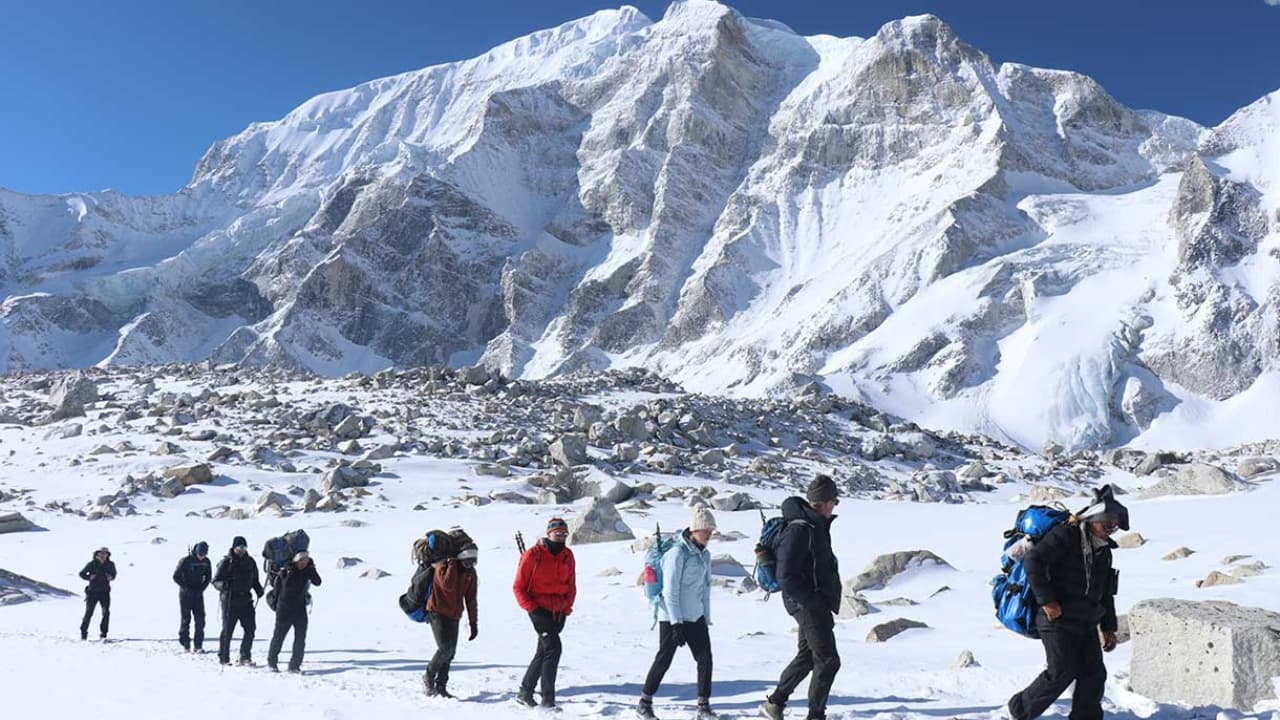
You should have moderate to good physical fitness for the Manaslu Circuit Trek. You do not need to be an athlete, but you should be comfortable walking for around 5 to 8 hours a day, handling steep uphill and downhill sections, and trekking for several consecutive days. Regular hiking, cardio, stair climbing, and leg-strength exercises for 8 to 12 weeks before the trek can prepare you well. Keep in mind that good fitness does not prevent altitude sickness, so proper acclimatization and a gradual ascent are equally important.
The Manaslu Circuit Trek is a demanding high-altitude journey, but you do not need to be an elite athlete to complete it. What you need is a good level of overall fitness and enough endurance to keep walking day after day through changing terrain and increasing elevation. The trek becomes much more manageable when your body is prepared for long hours on the trail rather than simply relying on determination.
Your fitness needs to cover more than just cardiovascular endurance. Strong legs help you handle steep climbs and long descents, while good balance and core stability make walking over rocky and uneven trails easier. You should also be comfortable walking for several hours at a time and repeating that effort over multiple days. The physical challenge comes from the combination of long walking days, continuous elevation gain, steep ascents and descents, and the demanding crossing of Larke Pass at 5,106 meters (16,752 feet).
One important thing to understand is that being physically fit does not make you immune to altitude sickness. You can be a strong hiker and still experience problems as you gain altitude. Fitness helps your body cope better with the physical demands of the trail, while proper acclimatization, a sensible itinerary, hydration, rest, and attention to how you feel at altitude are equally important.
The good news is that Manaslu fitness can be built with consistent preparation. You don't need to spend months training like a professional athlete. Regular walking, uphill hiking, stair climbing, strength exercises, and longer weekend hikes can prepare your body for what you will encounter on the circuit. The goal is simple: arrive in Nepal knowing your legs, lungs, and overall endurance are ready for the long days ahead.
How Fit Do You Need to Be for the Manaslu Circuit Trek?
You should have a moderate to good level of physical fitness to comfortably complete the Manaslu Circuit Trek. You don't need to be a marathon runner or a regular gym athlete, but you should be able to walk for several hours, handle uphill and downhill terrain, and keep going for multiple days without becoming completely exhausted.
Most trekking days involve around 5 to 8 hours of walking, although the exact duration depends on the itinerary, trail conditions, altitude, and distance covered that day. As you move deeper into the Manaslu region, the trail gradually gains elevation and the terrain becomes more demanding. Some days require significant uphill climbing, while the descents can be just as tiring. Walking downhill for hours puts considerable work on your quadriceps, calves, and knees, so training only for uphill hiking is not enough.
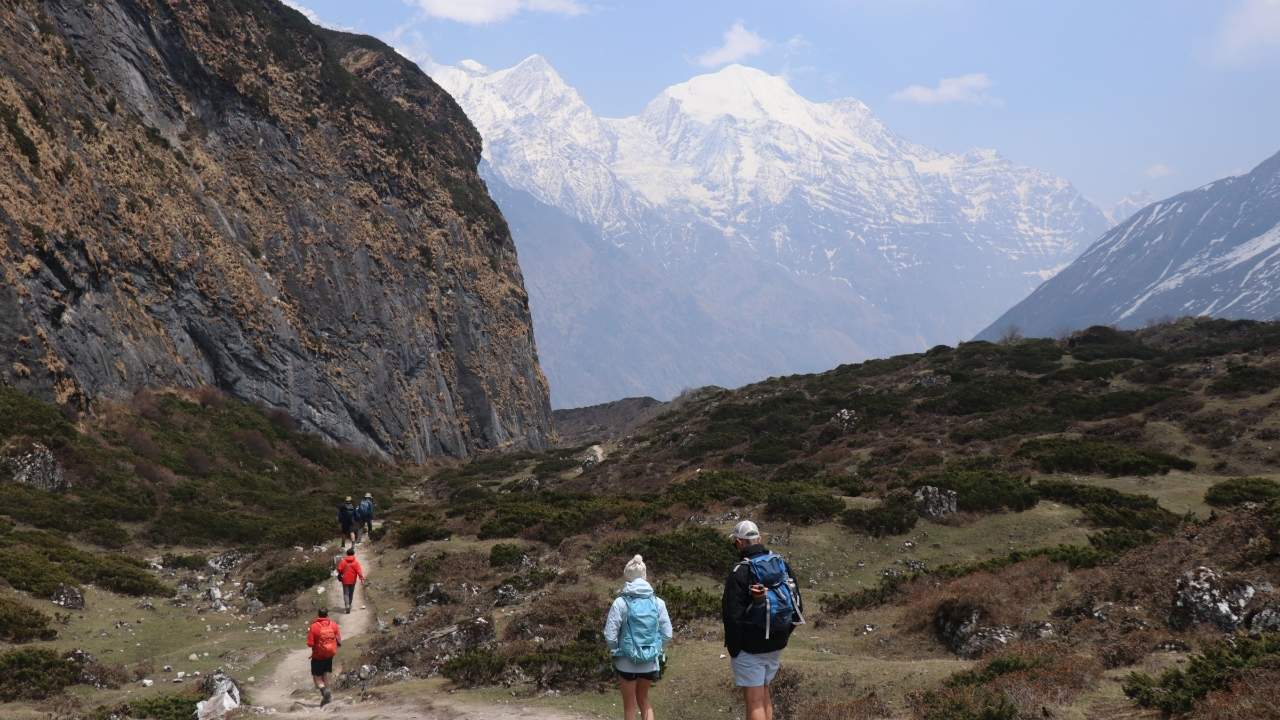
You can think of your Manaslu fitness requirements in a simple way:
|
Fitness Area |
What You Need |
|
Cardiovascular endurance |
Ability to walk continuously for several hours without excessive fatigue |
|
Leg strength |
Strong quads, calves, hamstrings, and glutes for climbs and descents |
|
Core strength |
Good stability while walking with a backpack over uneven ground |
|
Endurance |
Ability to stay active and recover well over several consecutive trekking days |
|
Balance |
Confidence walking across rocky, uneven, and occasionally slippery sections |
|
Hiking experience |
Helpful, especially for long or steep hikes, but not essential |
|
High-altitude experience |
Useful but not required; proper acclimatization is more important |
What Makes the Manaslu Circuit Trek Physically Challenging?
The Manaslu Circuit Trek is physically demanding because several challenges come together over the course of the journey. You are not dealing with one difficult climb and then returning to an easy trail. Instead, your body has to keep working for days as the trail becomes steeper, the air gets thinner, and the terrain becomes more rugged. For fitness purposes, the main challenges are long walking days, elevation gain, steep climbs, demanding descents, high altitude, the Larke Pass crossing, and the cumulative fatigue of trekking day after day.
Long Walking Days
One of the first things you need to prepare for is simply being on your feet for a long time. Most trekking days can involve around 5 to 8 hours of walking, although the actual duration varies according to the route, distance, terrain, altitude, and pace of the group. That may not sound extreme if you are used to walking or exercising for an hour or two. The difference is that on the Manaslu Circuit, you repeat that effort over many days. A 7-hour hike on its own is one thing; completing a 7-hour hike after several previous days on the trail is another.
Steep Ascents and Descents
The Manaslu Circuit is not simply a long uphill walk. The trail repeatedly rises and falls, and both directions place different demands on your body. Uphill sections require your heart and lungs to work harder while putting sustained effort through your calves, hamstrings, quadriceps, and glutes. As the elevation increases, the same climb can feel noticeably harder because there is less oxygen available at higher altitudes. Downhill sections have their own difficulty. After spending hours climbing, you may have to descend steep and uneven trails toward the next settlement.
High Altitude
Altitude changes the physical equation of the trek. The Manaslu route gradually climbs from the lower valleys into much higher mountain terrain, eventually reaching more than 5,000 meters at Larke Pass. At higher elevations, your body has to work harder to perform the same activity, and the ability to acclimatize becomes increasingly important. This is different from ordinary physical fatigue. You can have excellent cardiovascular fitness and still struggle at altitude because fitness does not make you immune to altitude illness.
Crossing Larke Pass at 5,106m
The crossing of Larke Pass (Larkya La) at 5,106 meters is the defining physical challenge of the Manaslu Circuit Trek. The Nepal Tourism Board identifies Larkya La as the high pass crossed by the route, while current trek accounts continue to place the crossing at approximately 5,106 meters. The difficulty comes from the combination of several factors rather than the altitude alone. You normally start the pass-crossing day early in the morning. This gives the trekking group a better chance of completing the crossing and descending before conditions change later in the day.
Consecutive Days on the Trail
This is perhaps the most underestimated part of Manaslu fitness. Imagine completing a 7-hour hike on a Saturday. You might wake up the next morning feeling tired but reasonably recovered. Now imagine doing something similar several days in a row, with elevation continuing to increase and limited opportunity for your body to completely recover. That is closer to what your body experiences during a multi-day Himalayan trek. The challenge therefore becomes cumulative fatigue.
What Type of Fitness Do You Need for Manaslu Circuit?
Manaslu Circuit Trek fitness is not about being exceptionally strong or having an impressive gym routine. The fitness you need is functional fitness for walking in the mountains. Your heart and lungs need to handle hours of steady movement, your legs need enough strength to climb and descend, and your core and balance need to keep you stable when the trail becomes rocky or uneven. A good training plan should therefore work on several different areas rather than focusing on only running or lifting weights.
Cardiovascular Endurance
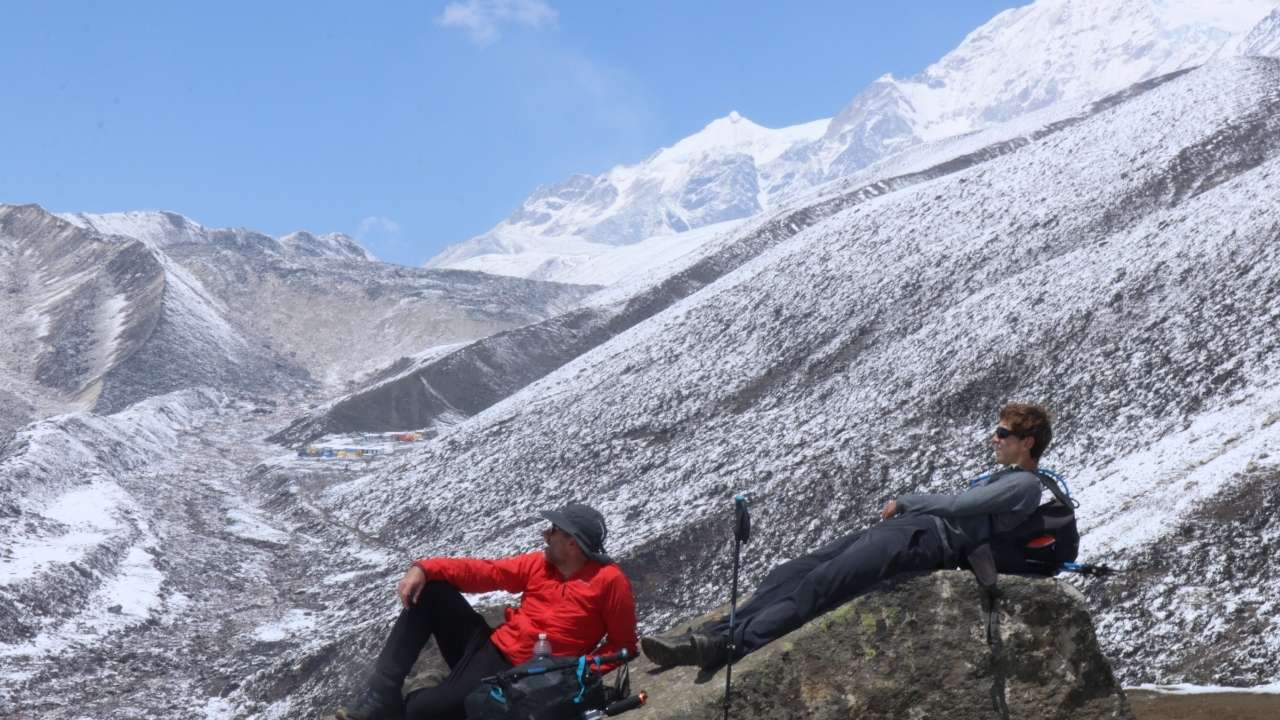
Cardiovascular endurance is your ability to keep your heart and lungs working efficiently during prolonged physical activity. It matters on Manaslu because you are not doing a short burst of exercise and then going home. You may spend 5 to 8 hours walking on a trekking day, with sections of continuous uphill climbing and increasing altitude making the effort feel harder.
Good cardiovascular fitness allows you to maintain a steady pace without becoming excessively breathless or exhausted too early in the day. It also helps you recover between climbs, breaks, and trekking days. You don't have to become a long-distance runner to build this type of fitness. The best preparation is often simple, consistent aerobic activity that gradually becomes longer and more demanding.
Useful Activities Include:
-
Hiking: The most trek-specific option because it combines walking duration, elevation changes, and uneven terrain.
-
Brisk Walking: An excellent starting point if you are not currently exercising regularly. Gradually increase your walking time and introduce hills.
-
Stair Climbing: Useful for building cardiovascular fitness while also strengthening the muscles involved in uphill movement.
-
Cycling: Helps develop aerobic capacity while giving your joints a break from repeated impact.
-
Swimming: Provides a full-body cardiovascular workout and can be useful as cross-training.
Leg Strength
Your legs do most of the work on the Manaslu Circuit. They push you uphill, control your body during descents, stabilize you over uneven ground, and continue working when fatigue starts to build. The major muscle groups worth strengthening are your quadriceps, hamstrings, glutes, and calves. Quadriceps help you climb, step over obstacles, and control your body while descending. Hamstrings support your legs during climbing and help stabilize the knee and hip as the trail changes.
Glutes are particularly important for powerful uphill movement. Strong glutes can help you drive your body upward on steep sections rather than placing all the workload on your knees and calves. Calves work constantly during uphill walking and help stabilize your ankles over rocks, steps, and uneven surfaces. Exercises such as squats, lunges, step-ups, calf raises, and controlled step-downs can help prepare these muscles. You don't need to chase maximum lifting numbers. The objective is to build strong, reliable legs that can keep working throughout a long trekking day.
Core Strength
Your core is not just about having a strong abdomen. For trekking, it helps keep your torso, hips, and pelvis stable while your legs move over uneven ground. This becomes particularly useful when you are carrying a backpack. A stable core can help you maintain better posture and control rather than allowing the weight of your pack to pull you around as you walk.
Core strength also contributes to balance on rocky sections and helps you stay controlled during descents. When the trail is uneven, your body is constantly making small adjustments to remain stable. A stronger core gives you a better foundation for those movements.
Useful exercises include:
-
Planks
-
Side planks
-
Bird dogs
-
Dead bugs
-
Controlled mountain climbers
You don't need a complicated core routine. Regular exercises that improve stability and control are more useful than doing hundreds of repetitions.
Muscular Endurance
Muscular endurance is different from maximum strength. You might be able to perform a few heavy squats in a gym, but that does not automatically mean your legs are prepared to walk uphill for several hours. On the Manaslu Circuit, your muscles need to keep producing effort repeatedly without tiring too quickly. Think about what happens during a long trekking day. Your quadriceps may work through thousands of steps, your calves repeatedly push you uphill, and your glutes continue helping with every climb. Then, after several hours, you may still have a descent ahead.
That is muscular endurance. Training for it means using manageable resistance and performing controlled movements for repeated sets rather than always trying to lift as much weight as possible. Longer hikes, stair sessions, step-ups, lunges, and bodyweight exercises can all contribute. Back-to-back hiking days are particularly valuable because they teach your muscles to perform when they are not completely fresh. That is much closer to the physical reality of a multi-day trek than a single hard workout.
Balance and Stability
Balance becomes increasingly important when the trail moves away from smooth roads and paved paths. Manaslu includes rocky, uneven, and sometimes slippery terrain, where every foot placement can be slightly different. Good balance helps you maintain control when stepping across rocks, navigating uneven surfaces, or moving downhill. Strong ankles, hips, and core muscles all contribute to this stability.
You can improve it through simple exercises such as single-leg stands, controlled step-downs, heel-to-toe walking, and single-leg exercises. Hiking itself is also excellent balance training because the terrain constantly changes beneath your feet. Don't overlook this part of preparation. Being strong and having good cardiovascular fitness is useful, but you also need to be able to place your feet confidently and control your body when the trail is rough.
Manaslu Circuit Trek Fitness Training Plan
A good Manaslu Circuit Trek training plan should build your fitness gradually rather than trying to force everything into the final few weeks. The goal is to prepare your heart and lungs for long walking days, strengthen your legs for climbs and descents, improve your stability on uneven trails, and teach your body to recover between consecutive trekking days.
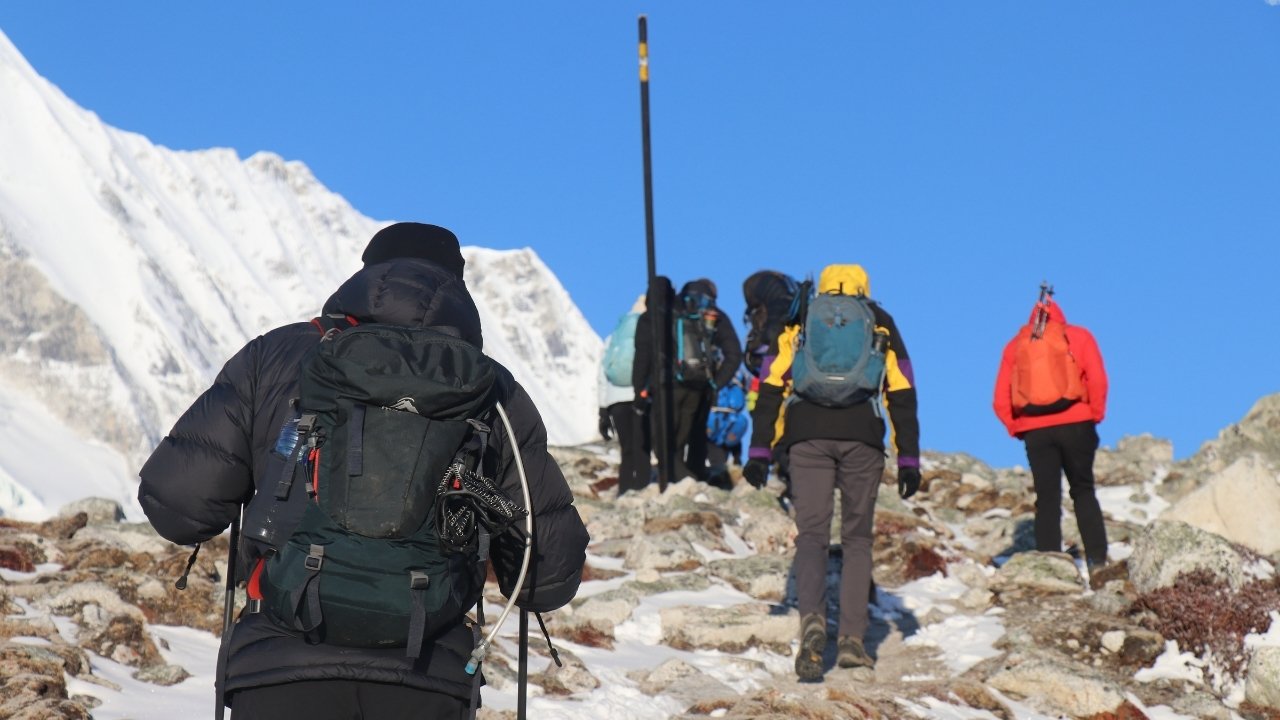
Ideally, start preparing 8 to 12 weeks before your trek. If you already hike regularly or maintain a good level of fitness, you may need less time. If you are starting from a relatively inactive routine, give yourself more time and increase your training gradually. The most important principle is progressive overload without excessive fatigue. Increase your walking duration, elevation, and training load step by step instead of making a sudden jump in activity.
8 to 12 Weeks Before the Trek: Build Your Fitness Base
During the first stage, concentrate on becoming consistently active. You don't need to imitate the Manaslu trail yet. Your priority is to improve your basic cardiovascular fitness and start strengthening the muscles that will carry you through long days in the mountains.
Aim for regular activity throughout the week rather than one exhausting workout followed by several inactive days.
At this stage, consistency matters more than intensity. If you currently walk very little, don't suddenly attempt a six-hour hike. Build your duration gradually so your muscles, joints, feet, and cardiovascular system have time to adapt.
6 to 8 Weeks Before the Trek: Increase Duration and Elevation
Once your basic fitness has improved, start making your training more similar to the demands of the Manaslu Circuit. This is when duration and elevation gain should become more important than simply counting how many kilometers you walk on flat ground.
This is also a good time to introduce your trekking backpack during some training hikes.
You don't need to carry your full trekking load every time. Start with a manageable weight and gradually become comfortable walking with the equipment you expect to use. This allows you to identify problems with your backpack fit, footwear, clothing, or other gear before you are in the Himalayas. You should also begin paying attention to how your body feels after longer hikes. Notice how quickly your legs recover, whether your knees become uncomfortable during descents, and whether your feet develop hot spots or soreness.
3 to 4 Weeks Before the Trek: Make Training Trek-Specific
This is where your preparation should start looking much more like the actual demands of Manaslu. Instead of simply exercising to become generally fit, you are now training to walk for long periods, handle elevation, carry your daypack, and keep moving when your legs are already tired. Back-to-back hikes deserve particular attention. A single long hike can show you that you have enough endurance for one demanding day.
Two or three consecutive hiking days tell you much more about your recovery and muscular endurance. This is also the stage when you should stop experimenting with equipment. If your shoes cause discomfort after several hours, or your backpack rubs your shoulders, you want to discover that now not halfway around the Manaslu Circuit.
Final Week Before the Trek: Recover, Don't Cram
The final week is not the time to prove how fit you are. You will not gain meaningful trekking fitness by suddenly adding several exhausting workouts a few days before departure. You are much better off arriving at the trailhead with fresh legs and good energy reserves. Think of the final week as a taper, not a training camp. Your fitness has already been built during the previous two or three months. The job now is to preserve it and allow your body to start the trek feeling rested.
A Simple Manaslu Fitness Progression
|
Training Period |
Main Goal |
What to Focus On |
|
12 to 9 weeks before |
Build your base |
Brisk walking, cardio, basic strength, short hikes |
|
8 to 6 weeks before |
Increase capacity |
Longer walks, hills, stairs, strength, weekend hikes |
|
5 to 3 weeks before |
Trek-specific preparation |
Long hikes, elevation, back-to-back days, backpack practice |
|
Final 1 to 2 weeks |
Maintain and recover |
Reduced volume, light activity, sleep, recovery |
|
Final few days |
Arrive fresh |
Rest, light walking, hydration, packing |
How to Know You Are Ready for the Manaslu Circuit Trek?
After weeks of training, the question changes from “How should I train?” to “Am I actually ready?” There is no single fitness test that can guarantee you will find the Manaslu Circuit easy. Trekking ability depends on your current fitness, experience, recovery, the itinerary you follow, trail conditions, and how your body responds to altitude. Still, you can use a few practical benchmarks to get a good idea of whether your body is prepared for the physical demands of the route.
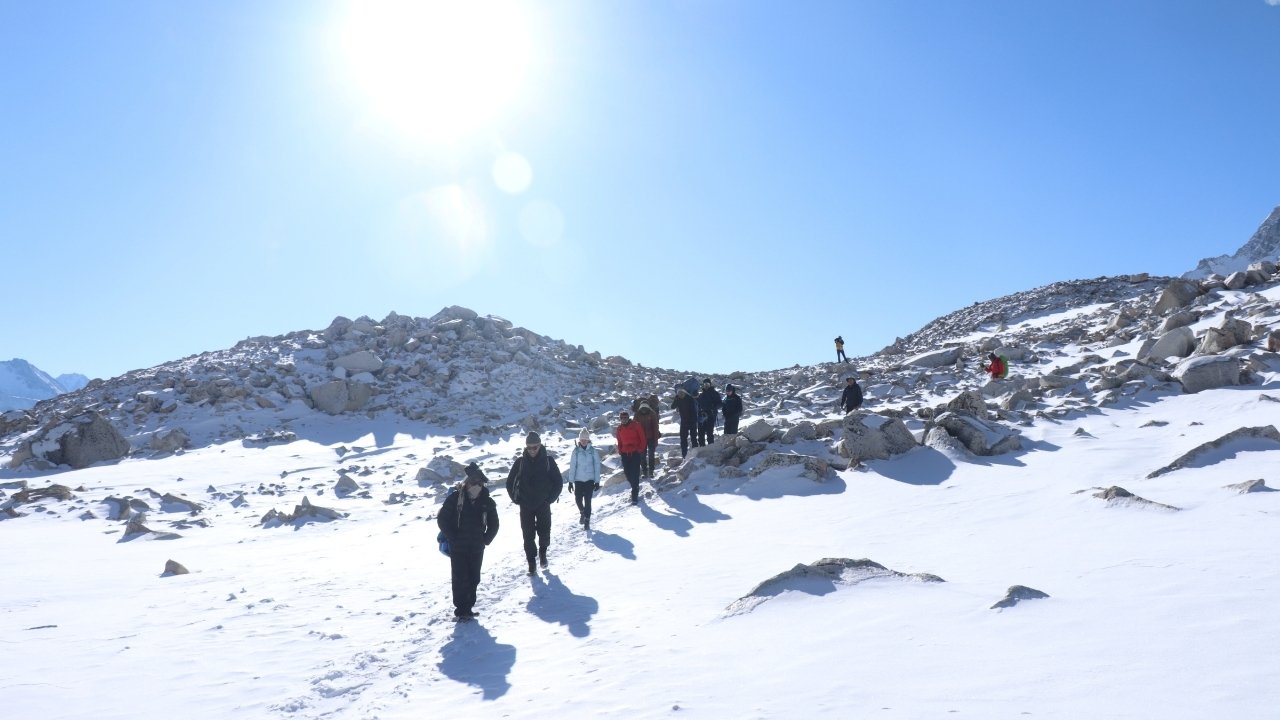
You are probably reasonably prepared if you can:
-
Walk for 5 to 7 Hours: You should be able to spend several hours on your feet without becoming excessively exhausted.
-
Handle Consecutive Hiking Days: Completing one long hike is not enough. You should be reasonably comfortable hiking the following day again.
-
Walk Uphill for Extended Periods: Your training should have included sustained climbs rather than only flat walking.
-
Descend Without Severe Knee Discomfort: You should be able to handle prolonged downhill walking with reasonable control.
-
Carry Your Daypack Comfortably: Your shoulders, back, hips, and core should be accustomed to carrying the load you expect during the trek.
-
Recover Reasonably Well: After a demanding hike, you should be able to recover without needing an unusually long period before normal activity feels comfortable again.
-
Stay Comfortable on Uneven Terrain: Rocky and irregular trails should not feel completely unfamiliar.
-
Maintain a Steady Pace: You don't need to walk quickly. Being able to maintain a sustainable pace for several hours is much more important.
It is also worth remembering that being “fit enough” does not mean you will never feel tired on Manaslu. You are supposed to feel some fatigue after a long day in the mountains. The goal of training is to make that fatigue manageable and allow you to recover well enough to continue the following morning.