
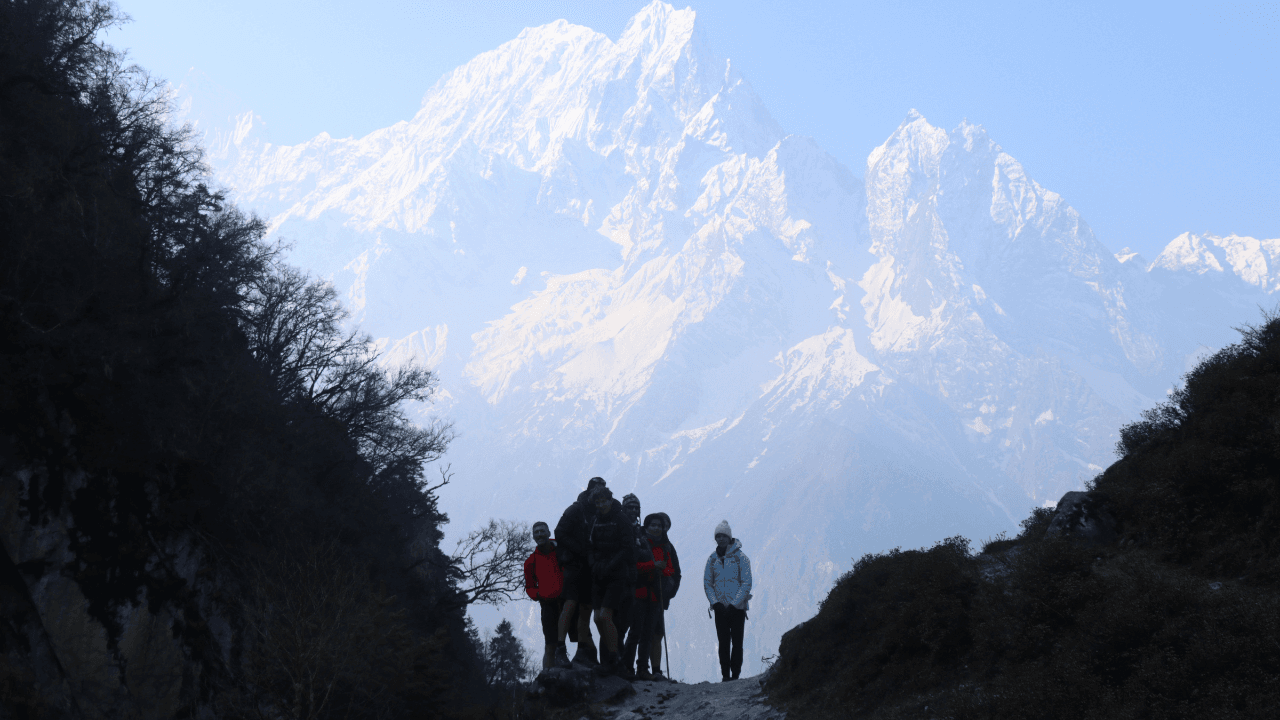
The Tsum Valley Trek is one of the most peaceful and special trekking journeys in Nepal. It takes you to the beautiful Tsum in the northern part of Gorkha District, which is close to the border with Tibet. Many people call it Hidden Buddhist Valley because it stayed closer to foreign visitors until 2008. Today you can walk through quiet villages, green forests, open fields, and high mountains while learning about the local Buddhist culture. Unlike busy trekking routes, the trail is calm, less crowded, and full of natural beauty. If you love peaceful places, friendly people, and mountain views, then this trek is a wonderful choice for you.
As you walk through the valley, you will pass through small villages such as Chumling, Chhokang, Paro, Nile, and Burgi. You will also visit famous monasteries like Mu Gompa and Rachen Gompa, where monks pray every day. The highest point of the trek is Mu Gompa, which sits at about 3,700 meters (12,139 feet) above sea level. Along the trail, you can see snow-covered Himalayan peaks, clear rivers, waterfalls, hanging bridges, and old stone paths. The valley is also home to around 4,000 to 5,000 local people, many of whom follow Tibetan Buddhism and still keep their old customs, language, and tradition alive. Their warm welcome makes every visitor feel at home.
This guide will help you to understand everything you need before starting the Tsum Valley Trek. You will learn about the trekking route, best seasons, permits, costs, accommodation, food, local culture, safety tips, and what to pack. We will also explain how difficult the trek is and who can enjoy it. By the end, you will have a clear idea of what to expect and how to prepare for a safe and memorable adventure.
Tsum Valley Trek Route, Itinerary and Major Villages
The Tsum Valley Trek follows a peaceful route through the beautiful Manaslu region of Nepal. It is one of the best treks for people who want to enjoy nature, quiet villages, and Buddhist culture. Most trekking companies like Eco Holidays Nepal offer you 14 to 16-day itineraries, which give enough time to walk safely and adjust to the altitude. The journey starts with a long drive from Kathmandu to Machha Khola and then follows the Budhi Gandaki River before entering the hidden Tsum Valley through Lokpa.
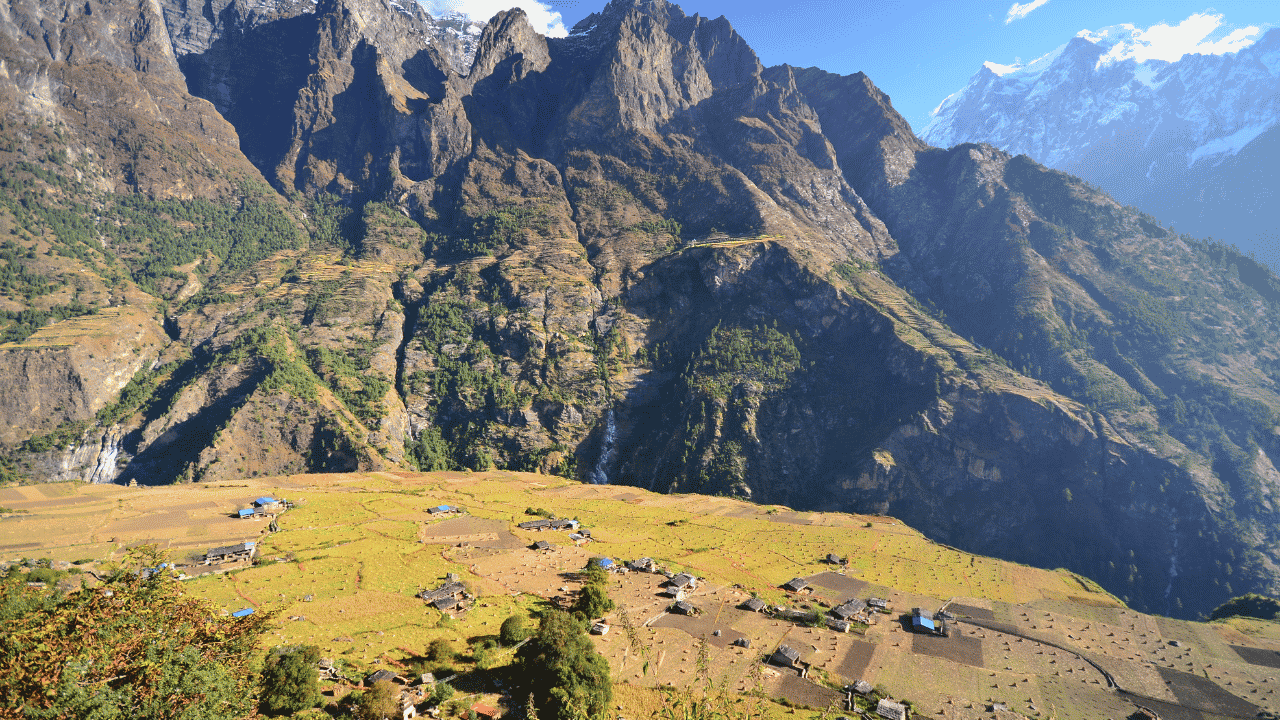
Along the way, you will cross forests, rivers, waterfalls, hanging bridges, and traditional villages. Every day brings new mountain views and friendly local people. The highest point of the trek is Mu Gompa at 3,700m (12,139ft), making it a moderate high-altitude trek that is suitable for trekkers with good fitness.
14 Day Tsum Valley Trek Itinerary
-
Day 1: Drive from Kathmandu (1,400m) to Machha Khola (870m). It takes around 8 to 10 hours.
-
Day 2: Trek from Machha Khola to Jagat (1,290m). It takes around 6 to 7 hours.
-
Day 3: Trek to Lokpa (2,240m) from Jagat. It takes around 6 to 7 hours.
-
Day 4: Trek from Lokpa to Chumling (2,386m). It takes around 5 to 6 hours.
-
Day 5: Trek to Chhokang Paro (3,010m) from Chumling. It takes around 5 to 6 hours.
-
Day 6: Trek from Chhokang Paro to Nile (3,361m). It takes around 5 to 6 hours.
-
Day 7: Hike from the Nile to Mu Gompa (3,700m) and return to the Nile. It takes around 5 to 6 hours.
-
Day 8: Trek from the Nile to Chhokang Paro (3,010m). It takes around 5 to 6 hours.
-
Day 9: Visit Rachen Gompa (3,240m) and trek to Chumling (2,386m). It takes around 6 to 7 hours.
-
Day 10: Trek from Chumling to Philim (1,570 m). It takes around 5 to 6 hours.
-
Day 11:Trek from Philim to Machha Khola (870m). It takes around 6 to 7 hours.
-
Day 12: Drive from Machha Khola to Kathmandu (1,400m). It takes around 8 to 10 hours.
-
Day 13-14(Optional): Rest day, Kathmandu sightseeing or extra day for weather and travel delays.
This itinerary is widely used by trekking companies like Eco Holidays Nepal because it balances walking time with proper altitude gain. It allows trekkers to enjoy villages like Jagat, Chumling, Chhokang Paro, Nile, and the peaceful Mu Gompa without rushing. By following this route, you can experience beautiful Himalayan scenery, rich Buddhist culture, and local hospitality while reducing the risk of altitude sickness.
Although some companies make small changes to daily plans, the main trekking route remains almost the same, making it one of the safest and most rewarding ways to explore Nepal's hidden Buddhist valley.
Best Time for Tsum Valley Trek
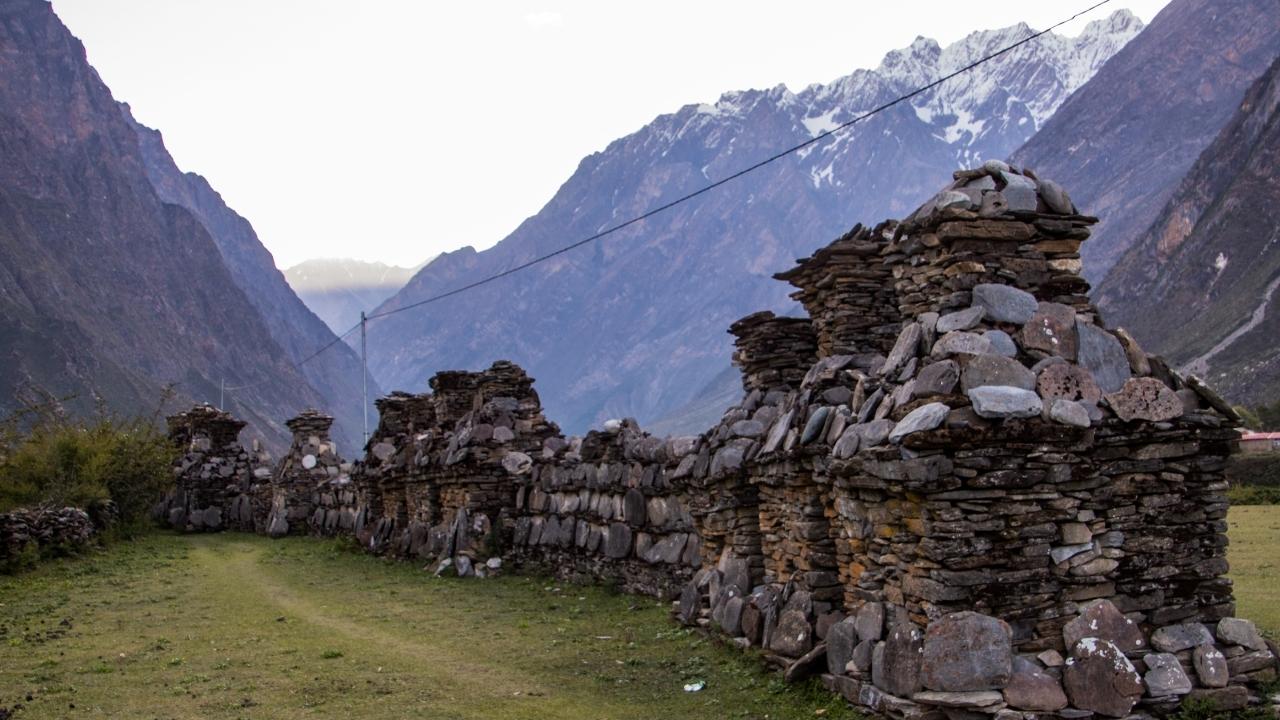
The best time for the Tsum Valley Trek depends on the weather, trail conditions, and the experience you want. Since the valley lies in the rain shadow of the Himalayas, it receives less rainfall than many other trekking areas in Nepal. Even so, Spring and Autumn are the most popular seasons because they offer clear skies, comfortable temperatures, and the best mountain views. Winter and monsoon are also possible, but they bring extra challenges. Knowing what each season offers will help you to choose the right time for your adventure and enjoy the trek safely.
-
Spring (March to May)
Spring is one of the best seasons for the Tsum Valley Trek. Daytime temperatures at low elevations usually stay between 10°C and 20°C, while higher places remain cool. Rhododendron forests bloom with colorful flowers, and green hills make the trail look beautiful. Snow-covered mountains are easy to see because the skies are usually clear. The weather is stable, which makes trekking safer and more enjoyable. You can see rivers flowing with fresh water, birds becoming active, and local farmers beginning to work in their fields. Spring is an excellent season for photography, nature lovers, and first-time trekkers.
-
Summer/Monsoon (June to August)
Summer is the monsoon season in Nepal. The lower parts of the trail receive rain, and some paths may become muddy or slippery. Temperatures usually stay between 15°C and 25°C at lower elevations. However, Tsum Valley lies in the rain shadow of the Himalayas, so it receives less rainfall than many other trekking areas. The hills become green, flowers bloom, and there are fewer trekkers on the trail. You should carry rain gear and be careful while walking on wet paths.
-
Autumn (September to November)
Autumn is another excellent season for the trek. The rain clears dust, giving bright blue skies and outstanding views of the Himalayan peaks. Daytime temperatures are usually 8°C to 18°C while nights are cooler. Dry trails make walking easier, and many Buddhist festivals take place during this season. It is the busiest trekking season because of the perfect weather and beautiful scenery.
-
Winter (December to February)
Winter is the coldest season in Tsum Valley. Night temperatures at higher places like Mu Gompa can fall below -10°C. Snow may cover the upper trails and some teahouses may close for the season. However, the mountain views are often very clear, and the trails are peaceful because there are fewer visitors. Trekkers need warm clothing and good preparation to travel safely during winter.
In conclusion, spring and autumn are the best seasons for the Tsum Valley Trek because they offer clear weather, comfortable temperatures,s and the finest mountain views. If you prefer peaceful trails, then you can also visit during winter or monsoon with proper planning and suitable equipment. Every season has its own beauty, which makes Tsum Valley a wonderful destination throughout the year.
Tsum Valley Trek Cost, Permits and Budget
Planning your budget is an important part of the Tsum Valley Trek. The cost depends on the number of trekking days, group size, transportation, guide, porter, food, and accommodation. Tsum Valley is a restricted area, so every foreign trekker must obtain special permits and hire a licensed guide through a registered trekking agency. If you plan your budget before your trip, then you can enjoy the trek without worrying about unexpected expenses. Most trekkers spend US$900 to US$1,500 for a standard 12 to 16-day trek. The cost depends on the services they choose. Understanding the permit fees and daily cost will help you to prepare for a safe and enjoyable journey.
Permit Costs
Every trekker needs several permits before entering Tsum Valley. The most important one is the Tsum Restricted Area permit (RAP. From September to November, it costs US$40 per person for the first 7 days and US$7 per person each extra day. From December to August, the permit costs US$30 for the first 7 days and US$7 for each additional day. You also need the Manaslu Conservation Area Permit (MCAP), which costs NPR 3,000(US$25) for foreign visitors. These permits help to protect nature, wildlife, and local culture. You should always remember that you can not get the Restricted Area Permit by yourself. A registered trekking agency like Eco Holidays Nepal in Nepal must arrange it for you.
Trekking Expenses
A licensed guide usually costs US$30 to US$40 per day while a porter costs US$20 to US$30 per day. A porter can carry about 20 to 25 kilograms of luggage. Teahouse accommodations generally cost US$5 to US$10 per night. Meals usually cost US$5 to US$8 depending on the village and altitude. Transportation from Kathmandu to Machha Khola and back by local bus costs around US$29 to US$35, while a private Jeep costs much more but is faster and more comfortable. You should also carry extra money for snacks, charging devices, Wi-Fi, hot showers, and drinking water.
The Tsum Valley Trek is more expensive than many popular trekking routes in Nepal because of its permits and remote location. Even though the cost is worth it because you can experience peaceful villages, beautiful Himalayan scenery, ancient Buddhist monasteries, and unique local culture. With good planning and a clear budget, you can enjoy this unforgettable adventure without financial stress.
Accommodation, Food and Daily Facilities
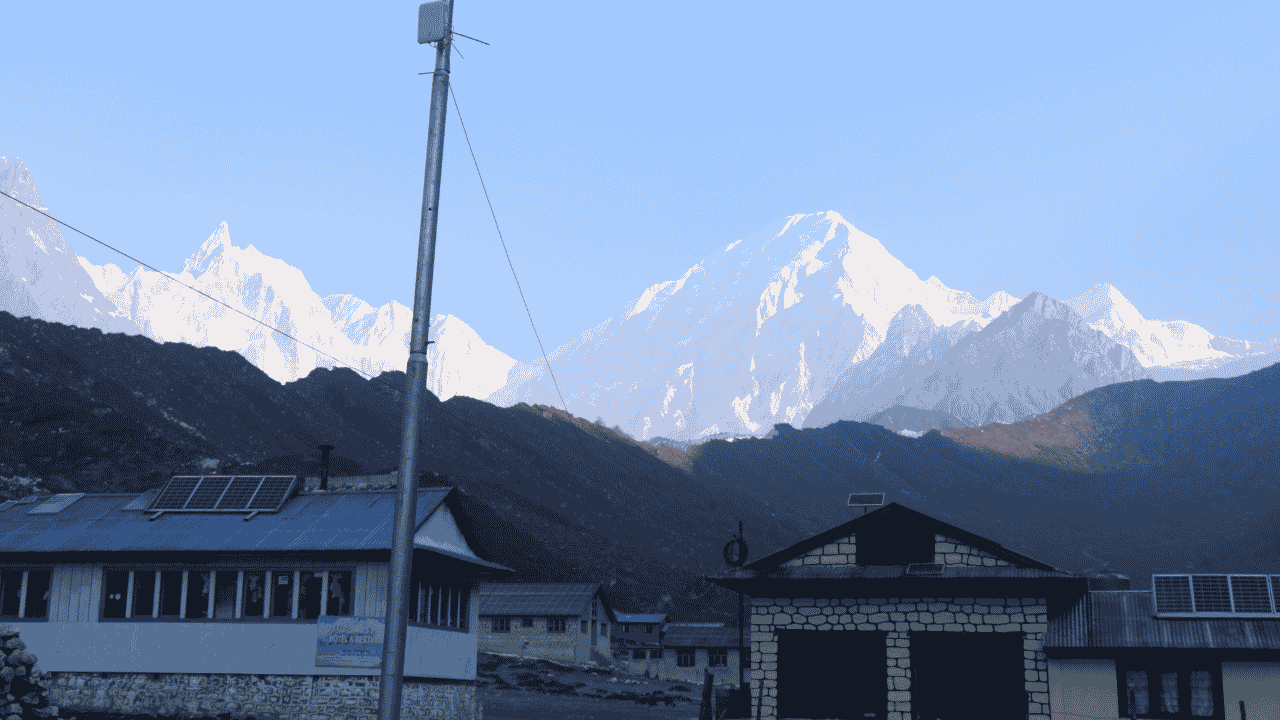
During the Tsum Valley Trek, a comfortable place to sleep and healthy food are very important. You should not expect luxury hotels or modern hotels because the valley is remote. Instead, you will stay in simple family-run tea houses where local people welcome trekkers with warm hospitality. These tea houses provide you with basic rooms, fresh meals, and a safe place to rest after a long day of walking. Facilities become simpler as you climb higher, but they are not enough for most trekkers. Understanding what to expect before your journey will help you to pack wisely and enjoy the experience without surprises.
Tea House Accommodation
Tea houses are the main places to stay during the trek. Most rooms have two single beds, a mattress, pillow, blanket, and a small table. Bathrooms are usually shared with other trekkers, although a few villages have attached bathrooms. In busy trekking seasons, tea houses can fill up quickly, so booking through a trekking agency is helpful. Rooms are simple, but clean, and the friendly local families make visitors feel at home. At higher villages such as the Nile and Mu Gompa, facilities are more basic because supplies must be carried by people or mules.
Food and Drinking Water
Tea houses serve fresh and filling meals to give trekkers enough energy. The most popular meal is Dal bhat, which includes rice, lentil soup, vegetables, and pickles. Many teahouses also serve noodles, fried rice, Tibetan bread, chapati, soup, momo, pasta, potatoes, eggs, porridge, pancakes, tea, and coffee. Meals usually cost US$5 to US$8, and prices become higher at higher altitudes because food is transported from lower villages. Safe drinking water is available, but it is best to use water purification tablets or a filter bottle to reduce plastic waste and save money.
Electricity, Internet and Other Facilities
Many villages have electricity from solar power or small hydroelectric systems. You can charge your phone or camera for an extra fee of about US$2 to US$5. WiFi is available in some teahouses, but the connection is often slow and may not work in remote places. Hot showers are available in many villages for an additional charge, while mobile network coverage is limited in higher areas. Carrying a powerful flashlight, cash, and personal toiletries is a good idea because ATM services are not available on the trail.
In the end, facilities on the Tsum Valley Trek are simple but comfortable enough for a memorable journey. Clean tea houses, fresh local food, and warm hospitality make your experience enjoyable even without modern luxury. If you travel with realistic expectations and prepare well,l then you will enjoy every day in this peaceful Himalayan valley.
Culture, Monasteries and Local Life in Tsum Valley
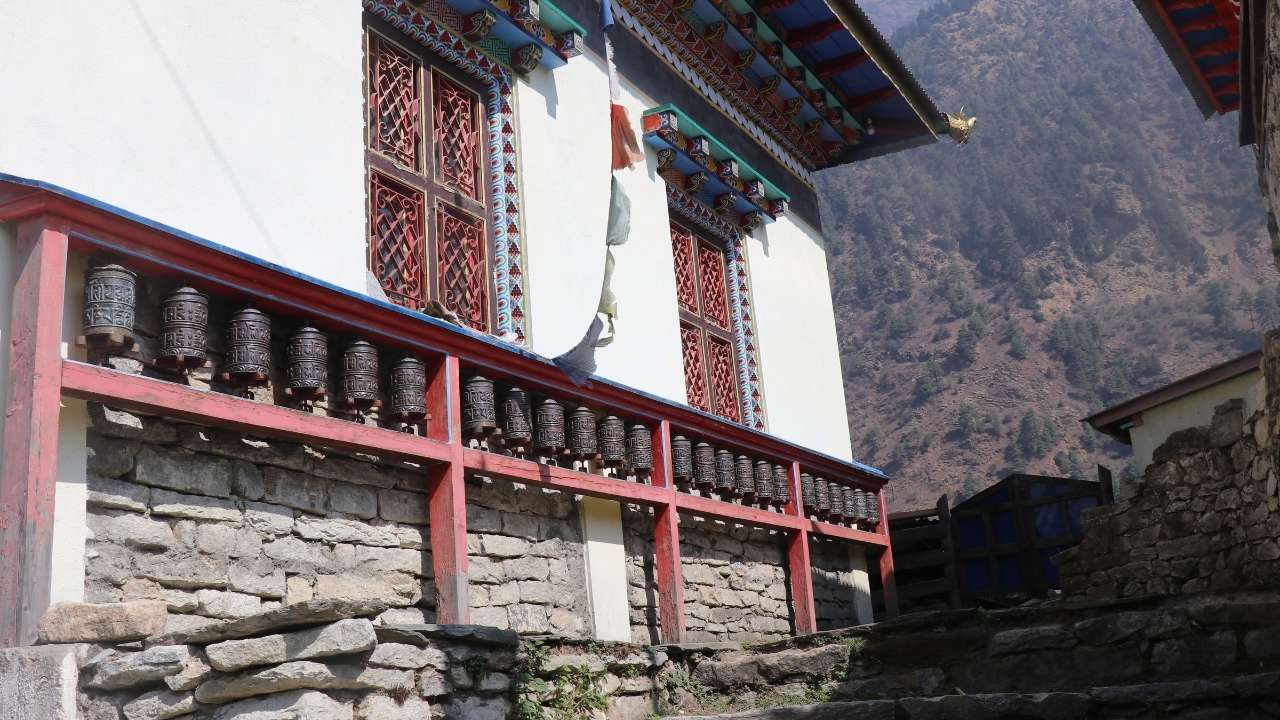
Tsum Valley is not only famous for its beautiful mountains, but it is also rich in its Buddhist culture and peaceful way of life. The valley is home to the Tsumba people whose traditions are close to Tibetan Buddhism. They have protected their language, customs, and religious beliefs for many centuries. As you walk through the villages, you will see colorful prayer flags, mani walls, chortens, prayer wheels, and ancient monasteries. Local people welcome visitors with kindness and respect. Learning about their culture makes your trek more meaningful because you discover not only nature but also the history and daily life of the people who live in this hidden valley.
Buddhist Culture and Famous Monasteries
Buddhism is an important part of daily life in Tsum Valley. Many people begin their day with prayers and visits to nearby monasteries. The most famous monastery is Mu Gompa, which is located at about 3,700 meters. It is the largest monastery in the valley. It is home to monks who study Buddhist teachings and perform daily prayers. Another important religious place is Rachen Gompa, which is located about 3,240 meters, where many Buddhist nuns live and worship. You can also visit Milarepa's Cave. The Buddhist saint Milarepa is believed to have meditated centuries ago. These sacred places offer peace, beautiful mountain views, and a chance to learn about Buddhist traditions.
Daily Life, Festivals and Local Traditions
Most families in Tsum Valley earn their living through farming and raising animals such as yak, sheep, and goats. They grow potatoes, barley, and vegetables. Their homes are built from stone and wood to protect them from cold weather. During important festivals such as Losar, the Tibetan New Year, local people wear traditional clothes, perform cultural dances, sing songs, and gather in monasteries for prayers. Visitors should always respect local customs by removing shoes before entering monasteries, walking clockwise around chortens and mani walls, asking before taking photographs, and dressing modestly. These small actions show respect for the local community and their beliefs.
The culture of Tsum Valley is one of the greatest highlights of the trek. Ancient monasteries, peaceful Buddhist traditions, colorful festivals, and the warm hospitality of the Tsumba people create a social experience that is difficult to find elsewhere. By respecting local customs and learning from the community, you will return home with unforgettable memories and a deeper understanding of Nepal's hidden Buddhist valley.
Safety Tips for Tsum Valley Trek
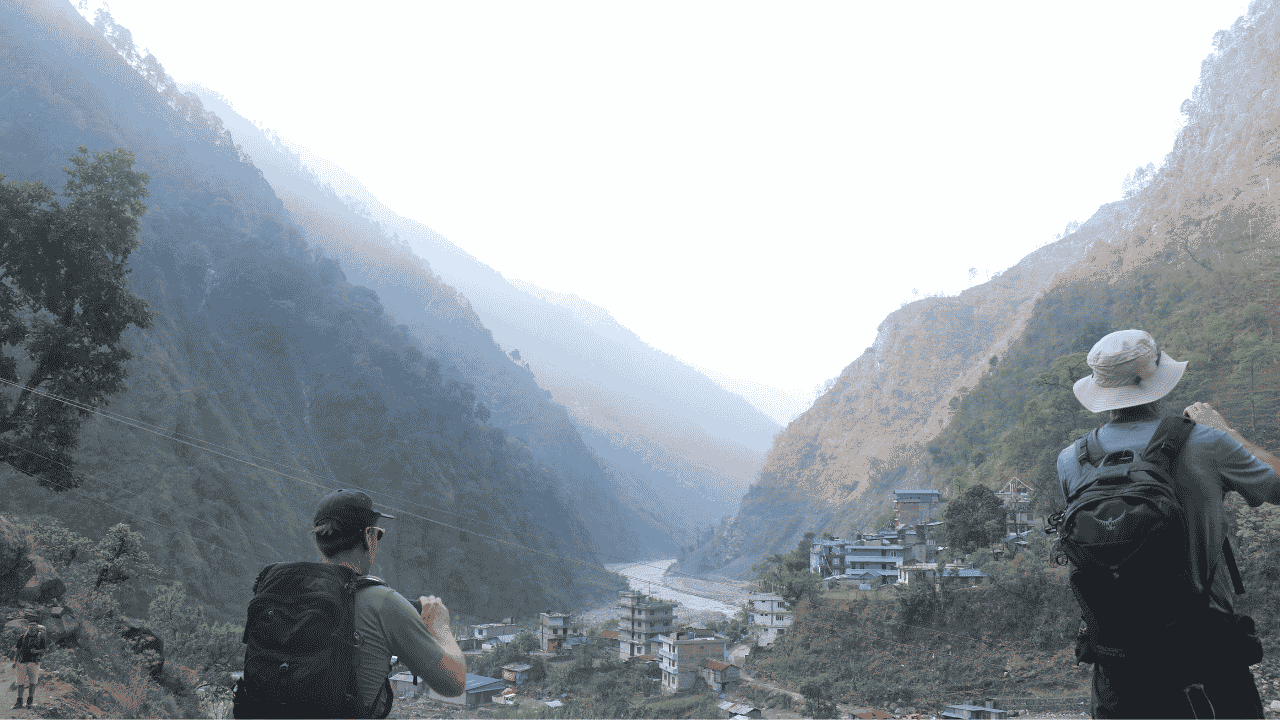
The Tsum Valley Trek is a safe and enjoyable adventure if you prepare well and follow basic safety rules. The trail passes through remote mountain villages where hospitals, roads, and rescue services are limited. Because of this, every trekker should take extra care while walking. Good planning with the right equipment and smart decisions can help you to avoid many problems. Doesn’t matter if you are a beginner or an experienced trekker; these important safety tips will help you to stay healthy and enjoy the journey through Nepal's beautiful hidden Buddhist valley.
-
Learn to Tackle Altitude Sickness: The highest point of the trek is 3,700 meters, so you should walk slowly, drink 3 to 4 liters of water every day at healthy meals, and avoid alcohol. If you feel a headache, dizziness, nausea, or shortness of breath, you should tell your guide immediately and descend if your symptoms become worse.
-
Pack the Right Trekking Gear: Carry warm clothes, a waterproof jacket, trekking boots, gloves, a warm hat, sunglasses, sunscreen, a reusable water bottle, a flashlight or headlamp, a power bank, and a basic first aid kit. Good equipment keeps you warm, dry, and comfortable because mountain weather can change quickly.
-
Trek With a Licensed Guide and Follow the Trail: Tsum Valley is a restricted area, so a licensed guide is required. Guides know the safest routes, weather conditions, and local customs. Always stay on marked trails, follow your guide's instructions, and never hike alone, especially in remote areas.
-
Respect Nature and Local Culture: You should protect the environment by carrying your rubbish back, reducing plastic waste, and using refillable water bottles. Respect local traditions by dressing modestly, asking permission for photos, and behaving quietly inside monasteries. Supporting local teahouses also helps the community.
In the end, staying safe on the Tsum Valley Trek is simple when you prepare well and make careful choices. Walking slowly, carrying the right gear, following your guide, and respecting nature and local culture will help you enjoy a safe, comfortable, and unforgettable Himalayan adventure.