
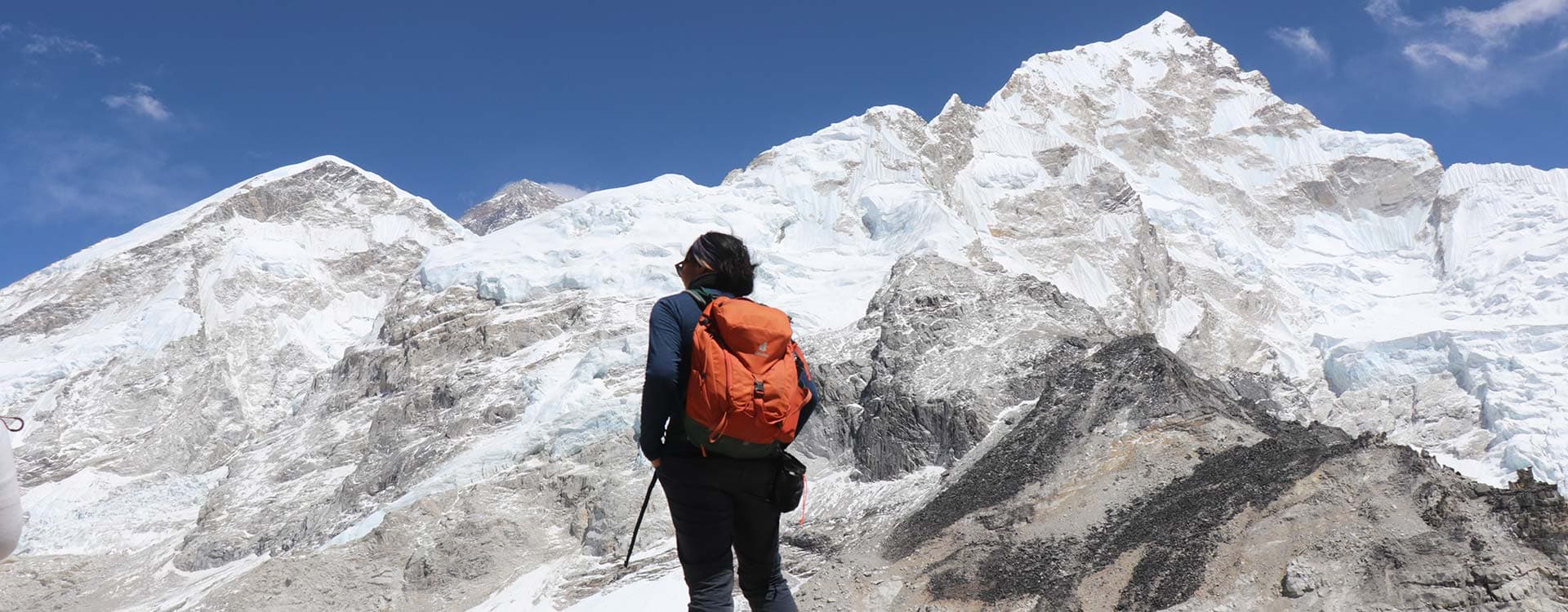
The Everest Base Camp (EBC) Trek is one of the most famous trekking adventures in the world. Every year, this beautiful trekking route receives thousands of trekkers from all around the world who walk through beautiful mountain trails, traditional Sherpa villages, deep valleys, and snowy landscapes, all with one big dream to stand at the base of the highest mountain on Earth, Mount Everest. While this journey is exciting and unforgettable, it also comes with real challenges, especially health problems caused by high altitude, cold weather, and physical strain. So, what happens if you get sick on Everest Base Camp?
Well, getting sick on Everest Base Camp Trek is more common than many people expect. Even fit and experienced trekkers can suddenly feel unwell. The common problem is altitude sickness, which can start as low as 2,500 to 3,000 meters. Besides this, trekkers may suffer from colds, coughs, stomach infections, dehydration, headaches, and extreme tiredness. Simple issues can quickly become serious if they are ignored, especially in remote mountain areas where medical facilities are limited.
Many trekkers worry about what will happen if they get sick during the trek. Will they need to return? Is medical service available? Can helicopters rescue them? How much will it cost? These are important questions, and knowing the answers can help to reduce fear and improve safety. Good preparation and awareness can make a huge difference between a safe trek and a dangerous situation.
This blog explains what really happens if you get sick on the Everest Base Camp Trek, what steps are taken, where you can get treatment, and how you can protect yourself. It will help you to feel more confident, prepared, and safe before starting your Himalayan adventure.
Common Types of Sickness on the Everest Base Camp Trek
During the Everest Base Camp Trek, your body faces many challenges like thin air, cold temperatures, long walking hours, basic food, and limited comfort. Because of this, many trekkers experience some form of sickness. Most health problems are mild and manageable, but some can become serious if ignored. Understanding the common types of sickness helps you to stay alert and take action early.
Altitude Sickness (Acute Mountain Sickness- AMS)
This is the most common health problem on the EBC trek. About 50-60% of trekkers experience mild altitude symptoms above 3,500 meters. As you climb higher, oxygen levels drop, making it harder for your body to adjust.
Common Symptoms:
- Headache
- Nausea
- Dizziness
- Loss of appetite
- Poor sleep
If ignored, AMS can lead to serious conditions like HAPE (lung swelling) and HACE (brain swelling), which require immediate descent and emergency care.
Cold, Cough, and Flu
The cold mountain climate, strong winds, and dusty trails often cause colds, sore throat, chest infection, and dry cough. Nights can drop below -10°C in higher areas, which weakens immunity.
Common Causes:
- Sudden temperature change
- Cold air inhalation
- Dusty paths
- Weak immune system
Stomach Problems (Diarrhea and Food Issues)
Many trekkers suffer from stomach pain, diarrhea, or vomiting due to unfamiliar food, unclean water, or hygiene issues. That is why trekkers are recommended to stick with the vegetarian option, especially at the higher altitudes where food transport is extremely difficult.
Main Reasons:
- Drinking untreated water
- Poor hand hygiene
- Eating heavy or oily food
**Note: Dehydration from diarrhea can worsen altitude sickness; it is important to maintain hydration levels in such conditions**
Dehydration, Extreme Fatigue, and Minor Injuries
Trekkers often forget to drink enough water in cold weather. Combined with 6-8 hours of daily walking, this leads to dehydration, weakness, muscle cramps, and exhaustion. Long downhill walks and rocky trails cause knee pain, ankle sprains, blisters, muscle strain, and back pain.
Why These Problems Are So Common?
- Rapid altitude gain
- Cold and dry climate
- Physical stress
- Basic living conditions
Most trekkers face at least one minor health issue during the journey. However, with early care, proper pacing, and good hygiene, serious illness can usually be avoided.
Early Warning Signs: How to Know You Are Getting Sick?
One of the most important parts of staying safe on the Everest Base Camp Trek is recognizing early warning signs of sickness. Most serious health problems start with small symptoms, and if you act early, you can avoid major complications. Many trekkers ignore early signs, thinking they are just tired, but at high altitude, small problems can quickly become dangerous.
Common Early Symptoms You Should Never Ignore
- Headache: A mild headache is often the first sign of altitude sickness. If it does not go away after rest, hydration, and pain relief, it may become serious.
- Nausea and Vomiting: Feeling sick, losing appetite, or vomiting is a clear sign that your body is not adjusting well to altitude.
- Dizziness and Lightheadedness: If you feel unsteady while walking or standing, your oxygen level may be too low.
- Extreme Fatigue and Weakness: Feeling tired is normal, but extreme exhaustion, even after proper rest, can indicate altitude-related illness.
- Loss of Appetite: Sudden loss of hunger is one of the classic symptoms of AMS.
- Breathing Difficulty: Shortness of breath while resting, chest tightness, or coughing pink frothy mucus can be dangerous signs of HAPE, a life -threatening condition.
- Confusion and Loss of Balance: If someone becomes confused, struggles to walk straight, or shows strange behavior, it could be HACE, which needs immediate descent.
**Note: HACE and HAPE are not common on the trekking routes in Nepal; these are the issues that are faced by mountaineers. Still, familiarizing yourself with the symptoms can be a lifesaver**
Why Early Detection Is So Important?
Studies show that over 90% of altitude sickness cases improve quickly with rest and descent if detected early. However, if ignored, mild AMS can turn into life-threatening conditions within 24-48 hours.
Many trekkers feel pressure to continue because they are close to Everest Base Camp. But reaching Base Camp is never more important than your life. Many trekkers turn back each year due to sickness, and most of them return safely and happily.
Recognizing symptoms early allows you to rest, descend, and recover safely without turning a minor illness into a major emergency. As for the goal of reaching the Everest Base Camp, you can try it next year. Nothing is more important than your health; you need to remember that while doing this trek.
What Immediate Steps Are Taken If You Get Sick on the Trail?
If you start feeling sick during the Everest Base Camp Trek, quick and proper action is very important. The good news is that the trekking route is well-managed, and experienced guides know exactly what to do. In most cases, early care helps trekkers recover and safely continue or return without serious problems.
Inform Your Guide Immediately
The first and most important step is to tell your guide or group leader as soon as you feel unwell. Never hide your symptoms. Professional trekking guides are trained to recognize altitude sickness and other health problems. They regularly check oxygen levels, heart rate, and general condition using pulse oximeters.
Early reporting allows your guide to take action before the problem becomes serious. This way, after taking the right measures, you may even get to re-join the trek (depending on your condition) without jeopardizing your health.
Stop Walking and Take Proper Rest
Once symptoms appear, trekking usually stops immediately. Rest helps your body adjust and recover. In many cases, trekkers are advised to stay one extra night at the same altitude instead of going higher.
Research shows that over 70% of mild altitude sickness cases improve within 24 hours with rest, hydration, and light medication. So, don’t ignore the symptoms and keep pushing further, which will only worsen the conditions.
Increase Fluid Intake and Light Meals
Dehydration makes altitude sickness worse. Trekkers are encouraged to drink 3-4 liters of water daily. Warm soups, garlic soup, ginger tea, and light meals help improve digestion and energy levels. You lose a significant amount of body water level during the multi-hour trekking each day. On top of that, as you go deeper into the alpine region, you might not even feel thirsty due to the cold.
Thus, reminding yourself to maintain an adequate hydration level will help to prevent altitude sickness and other general health complications. On top of that, sufficient hydration also keeps your energy level optimum, which will make the journey enjoyable consistently.
Basic Medication and Oxygen Support
Guides carry basic first-aid kits and altitude medicines such as Diamox. In more serious cases, portable oxygen cylinders are used to stabilize the trekker until proper medical care is reached. Don’t worry, as your guides are experts, they will make the call whether to descend and give you sufficient rest, transfer you to the nearest medical facility, or transfer you via helicopter. Your trekking agency, guide, health experts, and rescue operators coordinate to take the necessary measures.
Descend to Lower Altitude If Symptoms Continue
If symptoms do not improve, the only real treatment is descent. Even descending 300-500 meters can quickly reduce symptoms. Most trekkers feel better within a few hours after descending. This will be the first step that your guide will take after evaluating your condition. Descending to a warmer zone with rich oxygen can significantly improve the health condition.
After descending, your guide will monitor your health condition to decide what measure will be best. If it is a mild altitude-related issue or sickness, you will recover within a short time after proper rest, hydration, and warmth.
Medical Evaluation at Health Posts
Health clinics located at Namche Bazaar, Pheriche, and Lobuche provide professional medical evaluation. Doctors assess oxygen levels, lungs, heart, and neurological symptoms before deciding the next steps. If you don’t show any serious symptoms, the health professionals may allow you to join the trek after taking a short break.
However, if your conditions don’t stabilize, then the next best option is to transfer you to a hospital in city areas with better facilities. This step is usually carried out by the rescue flight operators in coordination with the guide and trekking agency (expense covered by your insurance).
Why Immediate Action Matters?
Quick responses prevent mild sickness from turning into serious emergencies requiring helicopter evacuation. More than 85% of altitude-related problems are successfully treated with early rest and descent, allowing trekkers to recover safely.
Getting sick on the trail is not a failure. It is a natural response of the human body to extreme altitude. What matters most is how quickly and wisely you respond.
Medical Facilities and Health Support Along the Everest Base Camp Trail
Although the Everest Base Camp Trek takes place in remote mountain regions, there are basic but reliable medical facilities available along the trail. These health posts play a vital role in treating altitude sickness and common trekking illnesses, helping thousands of trekkers every year.
Main Medical Centers on the EBC Route
There are several health posts and clinics located at key villages:
- Phakding (2,610 m) - Basic first-aid services
- Namche Bazaar (3,440 m) - Well-equipped clinics and pharmacies
- Pheriche (4,371 m) - Himalayan Rescue Association (HRC) clinic
- Lobuche (4,940 m) - Seasonal medical aid post.
Among these, the Himalayan Rescue Association (HRA) clinic in Pheriche is the most important emergency medical center on the trail.
Himalayan Rescue Association (HRA) - Lifesaving Support
The HRA clinic at Pheriche is staffed by foreign volunteer doctors and trained Nepali medical staff during peak trekking seasons. Every year, more than 5,000 trekkers and climbers receive treatment here.
Services included:
- Altitude sickness diagnosis
- Oxygen therapy
- Lung and heart checkups
- Emergency medications
- Patient stabilization before evacuation
The clinic also provides daily altitude awareness talks, helping trekkers understand symptoms and prevention.
Facilities Available at Medical Posts
Although not like city hospitals, these clinics offer :
- Oxygen supply
- Pulse oximeter
- Basic laboratory tests
- Emergency medicines
- IV fluids
- Emergency beds
Most minor and moderate illnesses are successfully treated on-site. As for more severe issues, the trekkers are transferred back to Kathmandu for treatment via helicopter rescue.
Cost of Treatment
Basic treatment and consultation generally cost between USD 2 and 50, depending on the service. Oxygen therapy and emergency care may cost more. Compared to evacuation costs, medical treatment at these clinics is affordable and highly effective.
How Long Does Recovery Take?
- Mild AMS 12-24 hours
- Moderate AMS: 1-2 days
- Cold and flu: 2-4 days
- Stomach problems: 1-3 days
Most trekkers recover quickly with proper care and can even rejoin the trekking route to complete their goal of reaching the Everest Base Camp.
Why These Medical Facilities Matter?
Without these clinics, trekking in the Everest region would be far riskier. Thanks to organized medical support, fatality rates on the EBC trek remain extremely low (less than 0.03%), making it one of the safest high-altitude treks in the world.
Helicopter Rescue and Emergency Evacuation: When Things Get Serious
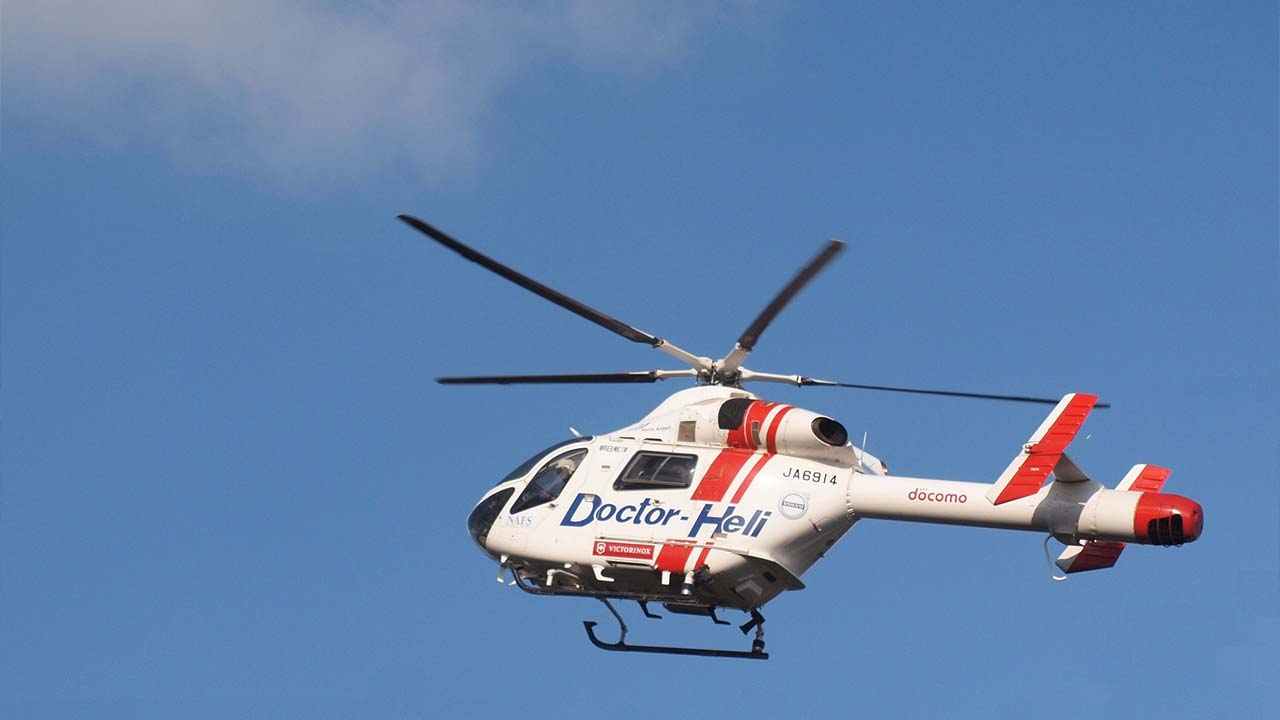
In rare cases, when sickness becomes severe and life-threatening, a helicopter rescue and emergency evacuation become necessary. Thanks to Nepal's well-developed rescue system in the Everest region, quick air evacuation has saved thousands of lives over the years.
When Is Helicopter Evacuation Required?
Helicopter rescue is usually needed in serious medical emergencies, such as :
- Severe altitude sickness (HAPE or HACE)
- Severe breathing difficulty
- Serious injuries (fractures, head trauma)
- Extreme dehydration and weakness
- Heart or lung complications
Doctors and trekking guides carefully assess the situation before calling for evacuation. If the condition is serious, then an immediate rescue operation is initiated in coordination with the guide, trekking agency, and rescue operator.
How Does Helicopter Rescue Work?
- The guide contacts the trekking agency and the rescue company.
- Weather conditions and landing zones are checked.
- Helicopters arrive within 1-3 hours in good weather.
- The patient is flown to Kathmandu or Lukla hospital for full treatment.
The rescue process is fast, professional, and highly effective.
Costs of Helicopter Evacuation
Helicopter rescue is expensive. Average cost ranges from USD 3,000 to USD 6,000 depending on location, altitude, and flight time. This is why comprehensive travel insurance is essential for the EBC trek.
Why Travel Insurance Is Non-Negotiable?
Without insurance, trekkers must pay the full rescue cost upfront. Good insurance should cover it.
- High -altitude trekking ( up to 6,000 m)
- Emergency helicopter evacuation
- Hospital treatment
- Repatriation
Safety Reality
Although helicopter rescues sound dramatic, less than 2% of trekkers require evacuation. With proper acclimatization and pacing, most people complete the trek safely. Being evacuated can feel disappointing, but health always comes first. Many trekkers return later and complete the trek once fully recovered.
How Getting Sick Affects Your Trek Plan and Budget?
Getting sick during the Everest Base trek not only affects your health, but it can also change your entire trekking plan and increase your overall cost. While minor sickness may cause only small delays, serious illness can lead to early trek termination, extra expenses, and unexpected travel changes.
Changes in Trek Itinerary
When sickness occurs, the original trekking schedule often needs adjustment. Common changes include:
- Taking extra acclimatization days
- Slowing down walking pace
- Staying additional nights in teahouses
- Descending instead of continuing upward
- Ending the trek early
Even one extra rest day can push your entire itinerary forward, affecting return flights and hotel bookings.
Extra Accommodation and Food Costs
Every unplanned rest day adds:
- Teahouse room charges
- Food and drink expenses
- Hot showers, charging, and heating costs
On average, trekkers spend USD 30-50 per day in higher altitudes. Two to three unplanned days can easily add USD 100-150 to your budget.
Medical Expenses
Basic treatment may cost USD 20-100, depending on the condition. Oxygen therapy and medication can increase costs. Although affordable compared to evacuation, medical bills still add up.
Helicopter Evacuation and Hospital Treatment
If evacuation is needed, costs increase dramatically:
- Helicopter Rescue USD 3,000 - 6,000
- Kathmandu hospital treatment: USD 200-1,000 +
Without insurance, this becomes a heavy financial burden.
Importance of Emergency Funds and Insurance
Experts recommend carrying extra emergency money of at least USD 300-500 and having high-altitude travel insurance. Most sickness cases cause only minor delays, not full trek cancellation. With good planning and flexibility, your trek can remain a memorable experience.
How to Prevent Getting Sick on the Everest Base Camp Trek?
Prevention is always better than cure, especially in high-altitude trekking. Most health problems on the Everest Base Camp Trek can be avoided with proper preparation, slow pacing, and smart habits. Studies show that over 80% of altitude sickness cases are preventable with correct acclimatization and hydration.
Follow the Proper Acclimatization Schedule: Your body needs time to adjust to lower oxygen levels. The golden rule is: “climb high, sleep low”.
Best acclimatization stops:
- Namche Bazaar (3,440 m) - 2 nights
- Dingboche or Pheriche (4,300 m ) - 2 nights
Never rush your ascent. Gaining no more than 400-500 meters per day after 3,000 m greatly reduces sickness risk.
Walk Slowly: In the Himalayas, slow walking is the secret to success. Maintain a steady, relaxed pace, even if you feel strong. Overexertion increases breathing rate, dehydration, and fatigue, leading to sickness.
Drink Enough Water: Cold weather reduces thirst, but dehydration worsens altitude sickness. Drink small amounts frequently, including warm soups and herbal teas.
Eat light, Clean, and Energy-rich Food: Make sure to eat healthy and nutritious meals that will replenish the lost energy during the trek. Avoid meat items at the higher altitudes as they are not generally fresh due to transport complications.
Choose:
- Dal Bhat
- Soups
- Rice, noodles, potatoes
- Eggs
Avoid:
- Raw vegetables
- Meat at high altitude
- Oily and heavy food
Maintain Personal Hygiene: Maintain proper hygiene throughout the trekking experience. Even small measures can help you prevent health problems that can get serious over time as you push for higher altitudes. Taking these steps helps you to prevent stomach infections and diarrhea:
- Wash your hands before eating
- Use hand sanitizer
- Drink treated or boiled water
- Avoid shared bottles
Dress Warm and Protect Yourself from the Cold: Layer your clothing properly. Cold weakness immunity and increases respiratory illness.
Sleep Well and Rest Properly: Quality sleep helps recovery. Keep warm at night, avoid alcohol, and use proper sleeping bags rated for -10°C to -15°C.
Consider Preventive Medication: Some trekkers take Diamox (acetazolamide) under medical advice to reduce AMS risk. Always consult your doctor before use.
Trekkers who follow slow pacing, hydration, and acclimatization have an over 90% success rate in reaching Everest Base Camp safely.
Final Say: What Happens If You Get Sick on Everest Base Camp?
Getting Sick on the Everest Base Camp Trek is common, but it is usually manageable with proper care and quick action. Most health problems, especially altitude sickness, can be prevented through slow walking, good acclimatization, proper hydration, and smart food choices. The trekking route is well-supported with medical clinics, trained guides, and emergency helicopter rescue, making it safer than many people expect. However, preparation, awareness, and travel insurance are essential.
Remember, reaching Everest Base Camp is important, but protecting your health is far more valuable. With the right mindset and planning, your trek can remain safe, enjoyable, and unforgettable.