

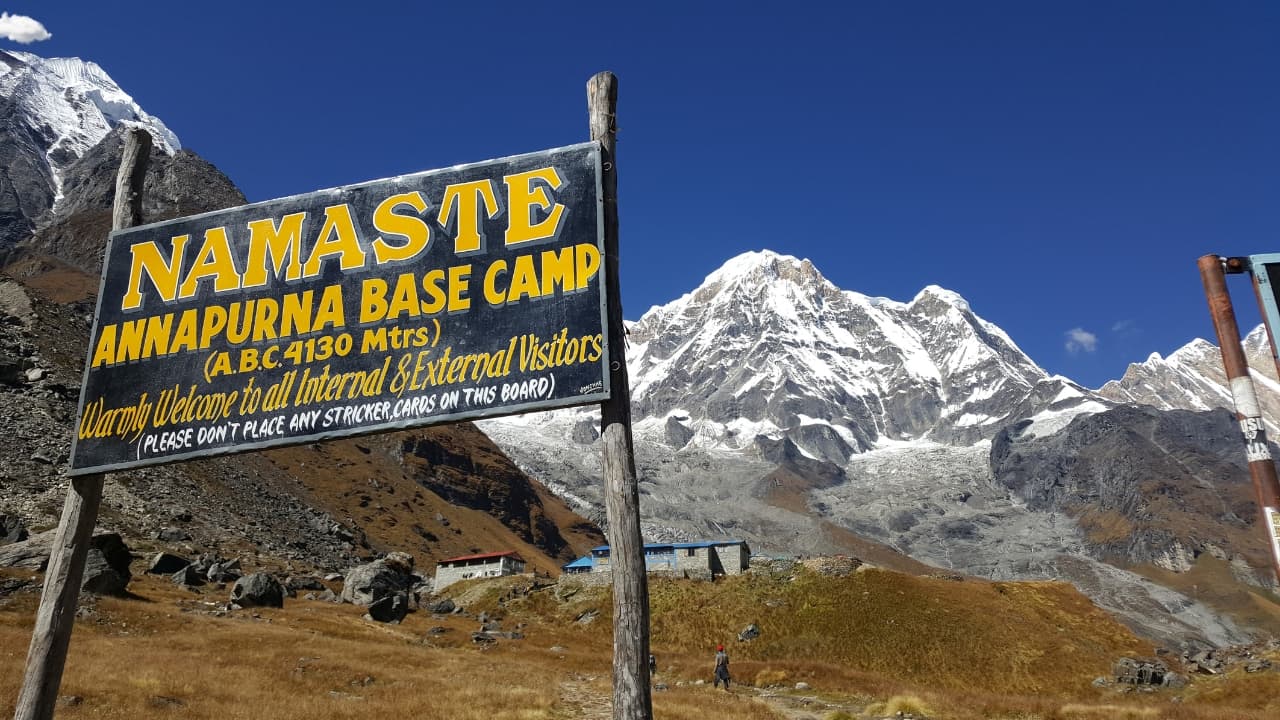
November brings a different atmosphere to the Annapurna Base Camp Trek. The busy autumn season is still present in the mountains, but the warmer days are beginning to give way to colder Himalayan mornings and nights. The trails are generally dry, the skies are often remarkably clear, and the changing temperatures become part of the experience as you climb from the foothills toward the 4,130-meter Annapurna Base Camp.
The journey begins among terraced hills, rivers, rhododendron and oak forests, and traditional Gurung villages. With each day of walking, the landscape becomes more dramatic. Forested slopes gradually give way to steeper valleys and exposed mountain terrain, while Machhapuchhre, Annapurna South, Hiunchuli, and the surrounding peaks become increasingly dominant. By the time you enter the Annapurna Sanctuary, the feeling of being deep in the Himalayas is unmistakable.
Annapurna Base Camp Trek in November is particularly rewarding for the quality of the mountain scenery. The clearer late-autumn atmosphere can produce sharp views across the Annapurna range, while the generally dry trails make the long ascents and stone staircases more comfortable to negotiate. This month also brings a gradual change in the character of the trail. Early November can still feel lively, while later in the month trekking activity generally decreases as winter approaches. This gives the trek a more peaceful feel without losing the established teahouses, villages, and trekking infrastructure of the main autumn season.
For trekkers prepared for colder nights, November offers an appealing balance of dry trails, excellent Himalayan visibility, changing mountain landscapes, and a quieter late-autumn atmosphere on the way to Annapurna Base Camp.
Annapurna Base Camp Trek in November Package Overview
November brings the Annapurna Base Camp Trek into the latter part of Nepal’s autumn season, when clear mountain views, dry trails, and cooler temperatures define the journey. As you climb from Pokhara through traditional Gurung settlements, forested hillsides, and deep river valleys, the landscape gradually changes into rugged alpine terrain before opening into the Annapurna Sanctuary.
The shortening days and colder nights become more noticeable at higher elevations, particularly toward the end of the month, making warm clothing an important part of your preparation.
|
Trek Detail |
November Overview |
|
Duration |
7 to 12 days, depending on the itinerary and starting/ending points |
|
Starting Point |
Pokhara, with the road journey continuing toward the trailhead |
|
Highest Point |
Annapurna Base Camp (4,130m/ 13,550ft) |
|
Typical Walking Time |
Around 5 to 7 hours per day, with longer days on some sections |
|
Main Route |
Pokhara → Ghandruk/Chhomrong → Bamboo → Deurali → Machhapuchhre Base Camp → Annapurna Base Camp → Bamboo → Jhinu Danda → Pokhara |
|
Landscape |
Terraced hillsides, rhododendron and oak forests, steep river valleys, alpine terrain and glacial mountain landscapes |
|
Cultural Experience |
Gurung and Magar villages, traditional mountain communities, teahouse stays and local Himalayan culture |
|
Major Attractions |
Annapurna Base Camp, Machhapuchhre Base Camp, Annapurna Sanctuary, Machhapuchhre, Annapurna South, Hiunchuli and surrounding peaks |
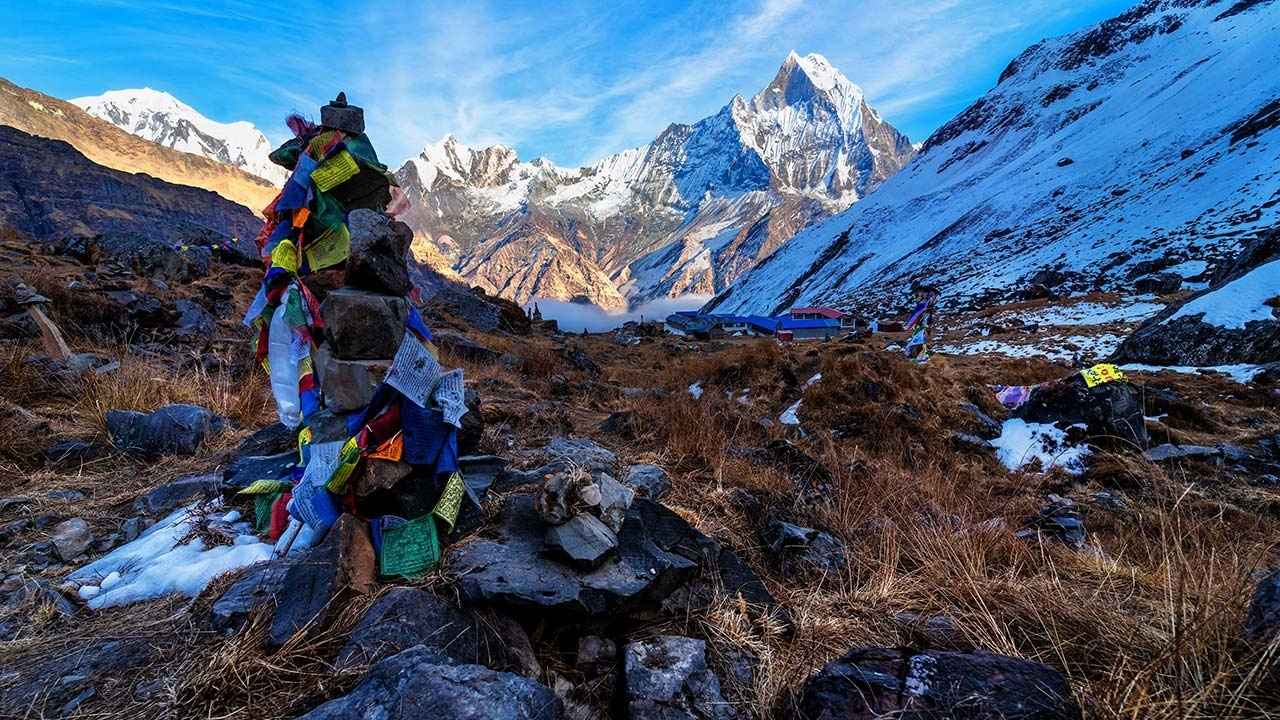
The route reaches its highest point at Annapurna Base Camp (4,130m/ 13,550ft), passing through Machhapuchhre Base Camp (3,700m/ 12,139ft). November’s generally stable weather and crisp mountain air provide excellent opportunities for panoramic views, while colder nights at these elevations make proper layering and preparation essential.
The combination of changing Himalayan landscapes, traditional village life, and clear autumn scenery gives the trek a distinct character before winter settles into the Annapurna region.
Weather Conditions in October
November marks the transition from Nepal’s mild autumn trekking weather toward the colder conditions of winter. The Annapurna Base Camp route generally experiences dry days, low rainfall, and clear mountain air, making it a suitable period for trekking through the Annapurna Sanctuary. However, temperatures decline noticeably with elevation, and the difference between sunny afternoons and freezing nights becomes more pronounced as you approach 4,000 meters.
While lower sections around Chhomrong remain relatively comfortable for walking, Deurali, Machhapuchhre Base Camp, and Annapurna Base Camp experience much colder mornings and evenings. The second half of November is generally colder than the beginning of the month, particularly at higher elevations.
|
Location |
Approx. November Temperature |
|
Lower trail areas |
Around 12°C to 22°C during the day |
|
Chhomrong (2,170m/ 7,119ft) |
Around 12°C to 18°C |
|
Deurali (3,200m/ 10,498ft) |
Around 5°C to 11°C |
|
Machhapuchhre Base Camp (3,700m / 12,139ft) |
Around 3°C to 8°C |
|
Annapurna Base Camp (4,130m/ 13,549ft) |
Around 2°C to 7°C |
|
Early morning at Annapurna Base Camp |
Around -5°C to -10°C |
These are approximate planning ranges. Actual temperatures vary with weather, wind, sunlight, and the time of November.
November’s main weather advantage is the combination of low rainfall and crisp atmospheric conditions, which often produces excellent visibility across the Annapurna range. Clear mornings can reveal Annapurna I, Annapurna South, Hiunchuli, Machhapuchhre, and Gangapurna in sharp detail, particularly from the upper trail and the sanctuary itself. However, the cold becomes a practical consideration after sunset, when temperatures at higher elevations can fall well below freezing.
The combination of dry trails, clear Himalayan views, and colder high-altitude nights makes November a season where preparation for temperature changes matters just as much as choosing the right trekking dates.
Highlights of Annapurna Base Camp Trek in November
November gives the Annapurna Base Camp Trek a distinctive late-autumn character, combining clear Himalayan panoramas, dry walking trails, traditional mountain settlements, and increasingly crisp high-altitude conditions. The cooler atmosphere and quieter trails toward the latter part of the month add another dimension to the journey.
-
Clear Himalayan Panoramas Throughout the Annapurna Range
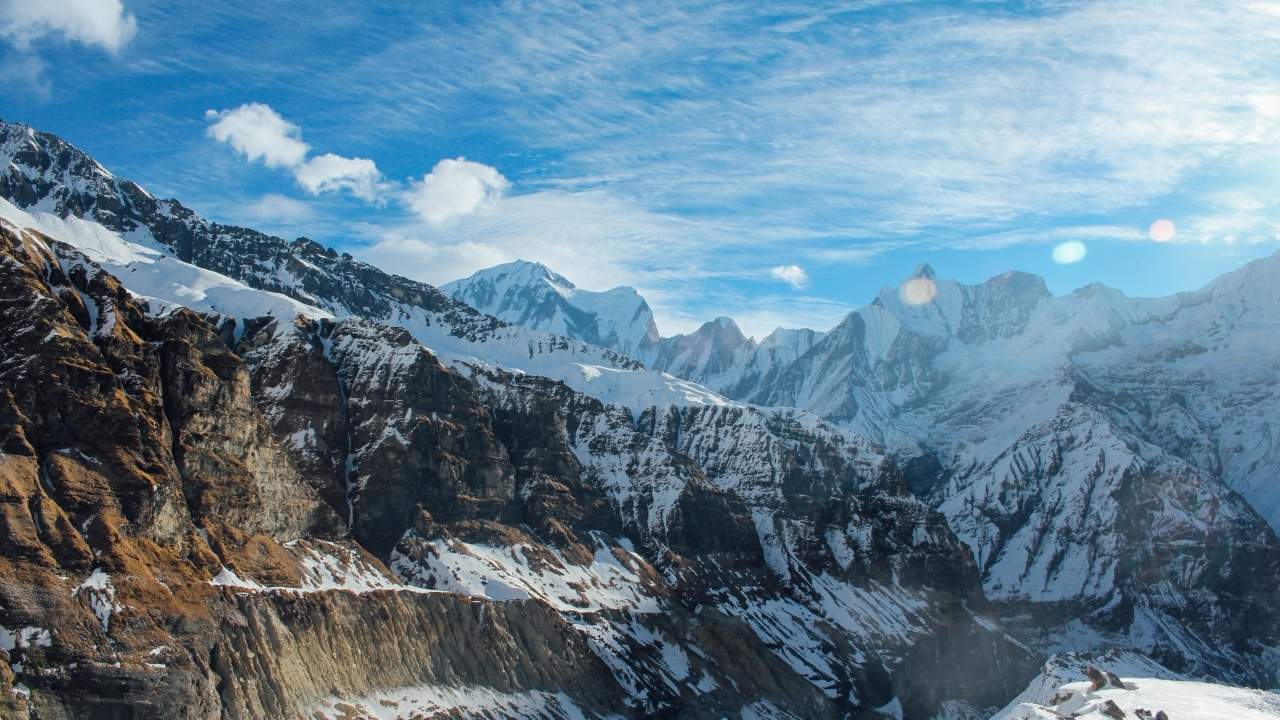
November's relatively dry atmosphere and reduced moisture create excellent opportunities to enjoy uninterrupted views of the Annapurna range. From the forested trail sections to the open landscape around Machhapuchhre Base Camp, you can see Annapurna South, Annapurna I, Machhapuchhre (Fishtail), Hiunchuli, and Gangapurna rising above the surrounding valleys. The scenery becomes particularly impressive as you approach the Annapurna Sanctuary, where the mountains appear closer and more imposing than they do from the lower villages. Clear mornings are especially rewarding for photography, as the surrounding peaks often remain visible before afternoon cloud develops.
-
Reaching Annapurna Base Camp Before Winter Sets In
Reaching Annapurna Base Camp at 4,130 meters (13,549 feet) is the defining achievement of the trek. In November, the final approach takes place under generally dry autumn conditions, although colder temperatures become increasingly noticeable as you climb above 3,000 meters. Standing at Annapurna Base Camp, you are surrounded by Annapurna I, Annapurna South, Hiunchuli, and other towering peaks, creating an experience quite different from viewing them from distant foothill viewpoints. The colder atmosphere also gives the high-altitude experience a more pronounced winter character, particularly during early mornings when temperatures can fall well below freezing.
-
Experiencing the Annapurna Sanctuary in Its Clear Autumn Atmosphere
The landscape between Deurali, Machhapuchhre Base Camp, and Annapurna Base Camp is one of the most distinctive parts of the journey. Dense forests gradually disappear, the valley widens, and the terrain becomes increasingly rocky and exposed as you enter the high mountain basin. November's generally stable weather allows you to experience this transition with fewer interruptions from persistent rain or monsoon clouds. The contrast between the rugged slopes, glacial surroundings, and snow-covered Himalayan peaks becomes particularly noticeable under clear skies.
-
Walking Through Autumn Forests and Traditional Mountain Villages
Before reaching the high alpine landscape, the trek takes you through a varied combination of terraced farmland, stone stairways, forested hills, and traditional settlements. Depending on your itinerary, villages such as Ghandruk and Chhomrong introduce you to the cultural and agricultural landscapes of the Annapurna region. The trail continues through oak, bamboo, and rhododendron forests, particularly around the lower and middle sections of the route. November brings a late-autumn atmosphere to these landscapes, with cooler air, generally dry pathways, and changing foliage in some forest sections. As you gain elevation, the greenery gradually gives way to rugged mountain slopes, creating a noticeable progression from inhabited foothills to the remote environment.
-
Exploring Gurung Heritage and Himalayan Village Life
The cultural side of the Annapurna Base Camp Trek remains an important part of the November experience. Teahouse stays provide opportunities to interact with local hosts, enjoy traditional Nepali meals, and experience the hospitality of the region. As November progresses and trekking activity gradually decreases, some villages can feel less busy than during the peak autumn weeks. The combination of local culture and high mountain scenery makes the journey more varied than a trek focused solely on reaching a destination.
-
Sunrise and Golden Light Over the Annapurna Mountains
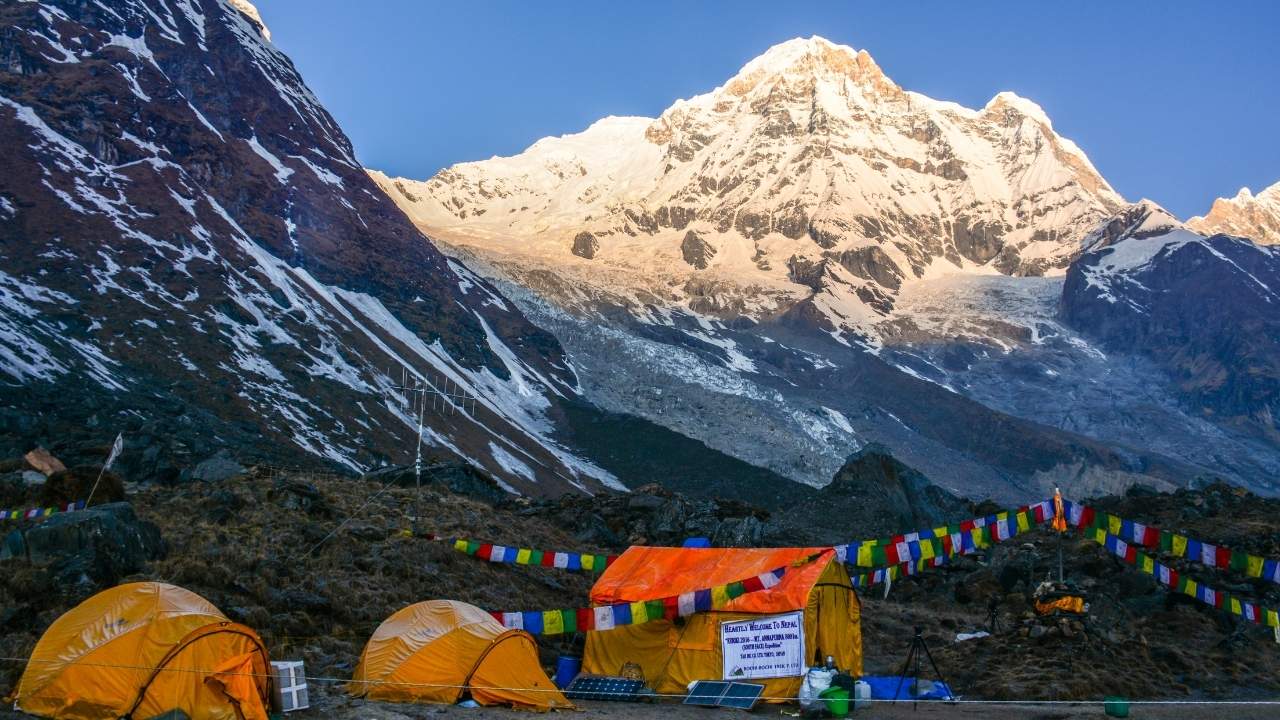
November's clear mornings create favorable conditions for experiencing the changing light across the Annapurna range. At Annapurna Base Camp, the first sunlight gradually illuminates the surrounding peaks, bringing out their ridges, snow-covered slopes, and dramatic mountain faces. The early morning experience is particularly memorable because the surrounding landscape remains quiet before the day's trekking activity begins. Sunset also offers beautiful mountain scenery from suitable viewpoints along the route, particularly around the higher villages where the surrounding landscape opens toward the Annapurna range.
-
Enjoying a More Peaceful Trek Toward Late November
Although November remains a popular month for trekking in the Annapurna region, the number of visitors generally decreases as the season moves toward winter. This is particularly noticeable during the latter part of the month, when colder nights and shorter daylight hours influence trekking plans. For you, this can mean a more relaxed experience along the trail, less activity in some teahouse villages, and more opportunities to enjoy the surrounding landscapes without the heavier foot traffic associated with peak autumn periods.
Is November the Right Time for This Trek?
November is a suitable time for the Annapurna Base Camp Trek if you want clear Himalayan views, generally dry trails, and a trekking experience that gradually becomes quieter toward the end of autumn. Although temperatures are lower than in October, the combination of crisp mountain air and excellent visibility makes November particularly appealing for reaching the Annapurna Sanctuary. One of the strongest reasons to choose the Annapurna Base Camp Trek in November is the quality of mountain scenery. Clear mornings frequently provide excellent views of Annapurna I, Annapurna South, Machhapuchhre, Hiunchuli, and Gangapurna.
The dry autumn atmosphere also makes November a rewarding period for photography and enjoying the high-altitude landscape. However, temperature is an important consideration. Lower villages such as Chhomrong generally remain comfortable during the day, but the cold becomes more pronounced above 3,000 meters. At Machhapuchhre Base Camp and Annapurna Base Camp, nighttime temperatures can fall below -5°C, particularly during the second half of November. You should be prepared for freezing mornings, cold teahouse rooms, and significant temperature differences between sunny walking hours and nighttime.
November also offers a gradual change in trail activity. Early November can still be busy, while the latter part of the month generally sees fewer trekkers as winter approaches. This can provide a more peaceful experience in the mountain villages and along the upper trail, although accommodation availability may vary.
Annapurna Base Camp Trek Difficulty in November
The Annapurna Base Camp Trek is a moderate high-altitude trek, and November introduces colder conditions that can make the upper sections more demanding. The route does not involve technical climbing, but you should be prepared for several consecutive days of walking, steep stone staircases, repeated elevation changes, and a final ascent to Annapurna Base Camp at 4,130 meters (13,549 feet). The difficulty comes from the combination of physical endurance, altitude, and the increasingly cold environment rather than any single technically difficult section. One of the most demanding aspects is the repeated uphill and downhill walking between villages such as Ghandruk, Chhomrong, Bamboo, and Deurali.
The long staircases around Chhomrong can place considerable strain on your knees and leg muscles, while the forested ascent beyond Bamboo requires sustained effort. As you approach Machhapuchhre Base Camp and Annapurna Base Camp, the terrain becomes more exposed, and the thinner air can make even a gradual ascent feel physically demanding. November's generally dry trail conditions are helpful, as you are less likely to encounter persistent rain and muddy pathways associated with the monsoon. However, the colder weather adds another challenge, particularly during early morning departures and overnight stays above 3,000 meters.
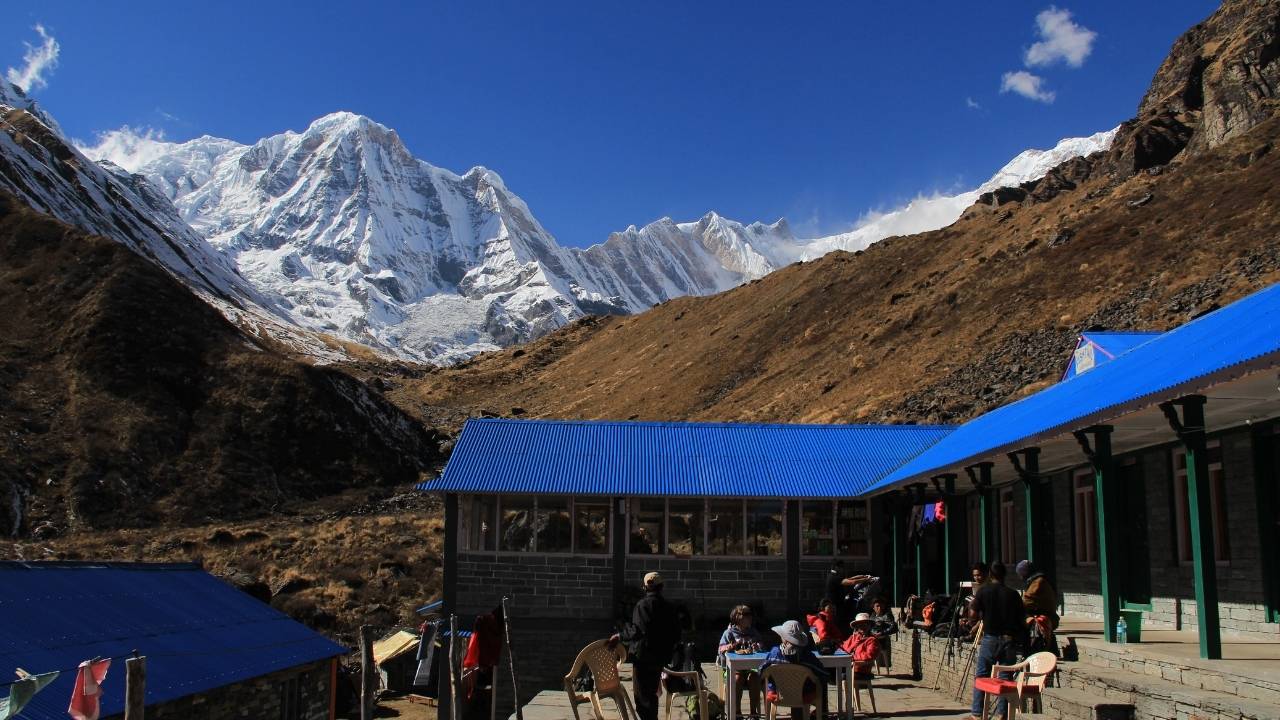
Temperatures at Annapurna Base Camp can fall below freezing, and occasional snowfall or icy patches may affect the upper trail, especially toward late November. Proper footwear, warm layers, gloves, and a suitable sleeping bag become important parts of managing these conditions. Altitude is another factor you should take seriously. Although the trek does not reach extreme Himalayan elevations, the rapid gain from the lower valleys to 4,130 meters can increase the risk of altitude-related symptoms. A gradual ascent, adequate hydration, sufficient food, and attention to how your body responds are essential.
You do not need previous mountaineering experience to complete the standard Annapurna Base Camp route, but good physical preparation will make the journey considerably more manageable. Regular hiking, stair climbing, uphill walking, and cardiovascular training can help prepare your legs and endurance for the route. For reasonably fit trekkers, November remains a feasible time to complete the trek with proper preparation and a sensible pace.
Training and Preparation for the Annapurna Base Camp Trek in November
Preparing for the Annapurna Base Camp Trek in November requires good walking endurance, leg strength, and readiness for colder conditions at higher elevations. With around 5 to 7 hours of walking on many trekking days, steep stone staircases, and a maximum elevation of 4,130 meters, your preparation should focus on sustained movement rather than intense workouts.
-
Build Walking Endurance
Start with regular walking and gradually increase your distance and duration. Include a few 4 to 6 hour hikes with uphill and downhill sections before departure. Practicing consecutive walking days is particularly useful because the trek involves repeated physical effort rather than a single demanding hike.
-
Strengthen Your Legs and Knees
Include squats, lunges, step-ups, and calf raises to prepare for the long stone staircases around Chhomrong and the steep descents along the route. Downhill training is equally important because descending after several hours of walking can place considerable strain on your knees and thighs.
-
Prepare for November's Cold Weather
Temperatures at Annapurna Base Camp can fall below freezing, particularly toward late November. Test your thermal base layers, fleece, insulated jacket, gloves, and trekking boots before departure. Your sleeping bag should also be suitable for cold teahouse nights, especially at Machhapuchhre Base Camp and Annapurna Base Camp.
-
Improve Cardiovascular Fitness and Pacing
Brisk walking, cycling, swimming, and uphill treadmill sessions can improve your endurance for sustained trekking. Since the route reaches 4,130 meters, practice maintaining a comfortable pace rather than walking too quickly. Physical fitness does not prevent altitude sickness, so gradual ascent, hydration, and adequate rest remain essential.
**Note: Ideally, you should begin your preparation 8 to 12 weeks before departure. Consistent walking, basic strength training, and testing your cold-weather gear will help you manage both the physical demands and November's colder high-altitude conditions**
Suggested Packing List
Packing for the Annapurna Base Camp Trek in November requires a balance between lightweight trekking gear and proper cold-weather protection. While lower villages can remain comfortable during the day, temperatures around Machhapuchhre Base Camp and Annapurna Base Camp can fall below freezing at night. A layered clothing system, reliable footwear, and protection against cold and changing mountain conditions are essential for your Himalayan adventure in November.
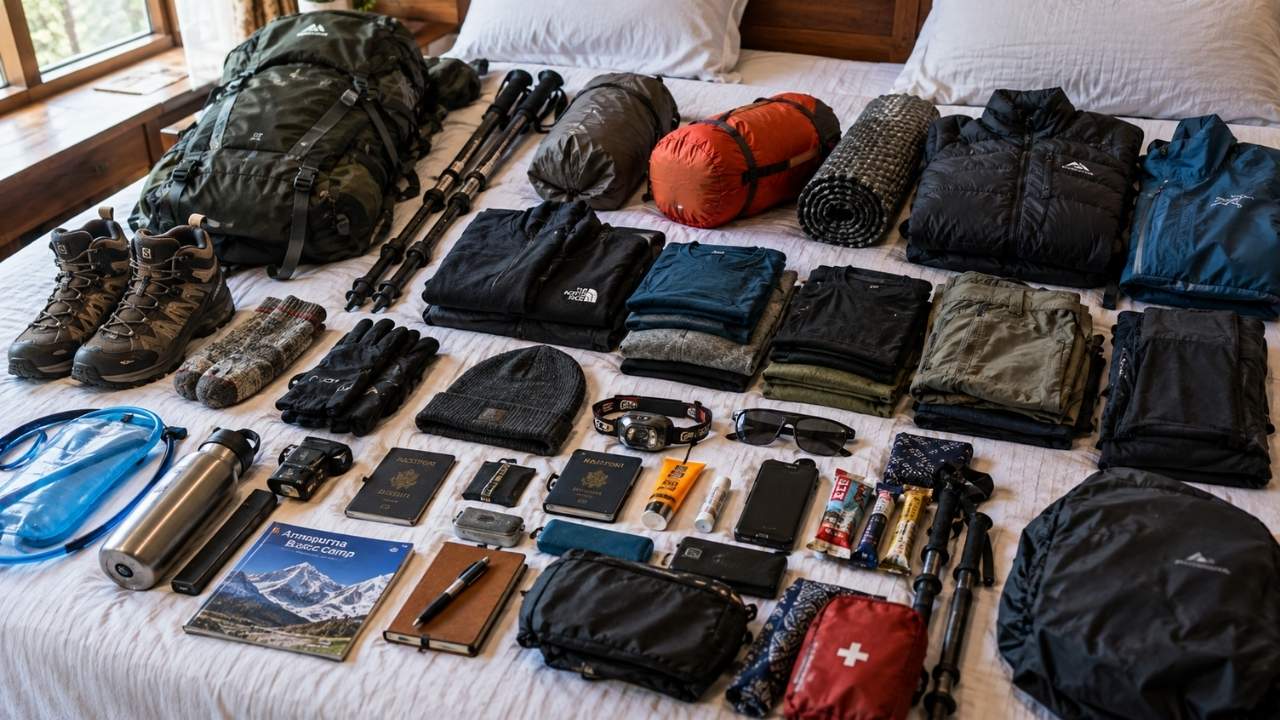
Clothing and Layering System
-
Moisture-wicking trekking T-shirts and long-sleeve shirts
-
Thermal base-layer top and bottom
-
Fleece or insulating mid-layer
-
Warm down or synthetic insulated jacket
-
Waterproof and windproof outer shell
-
Comfortable trekking trousers
-
Warm trekking socks and underwear
-
Woolen hat or beanie
-
Insulated gloves and lightweight inner gloves
-
Buff or neck gaiter
-
Comfortable sleepwear
Trekking Footwear
-
Well-broken-in trekking boots with good grip
-
Extra pairs of moisture-wicking trekking socks
-
Lightweight sandals or camp shoes for teahouses
-
Blister plasters or blister protection
-
Optional gaiters for muddy or snowy trail conditions
Backpack and Trekking Equipment
-
25 to 35 liter daypack if using a porter
-
Larger backpack or duffel for porter-carried gear
-
Waterproof backpack cover and dry bags
-
Trekking poles for steep staircases and descents
-
Headlamp with spare batteries
-
Small waterproof pouch for valuables and electronics
Cold-Weather and Sleeping Gear
-
Sleeping bag suitable for temperatures around -10°C to -15°C
-
Warm thermal layers for sleeping
-
Insulated jacket for early mornings and evenings
-
Warm gloves and thick socks
-
Lightweight sleeping bag liner for additional warmth
**Note: Check with your trekking company whether a sleeping bag and down jacket are provided or available for hire. (At Eco Holidays Nepal, we provide sleeping bag, down jacket, and duffel bag for the trek)**
Water, Sun and Personal Protection
-
Reusable water bottle or hydration bladder
-
Water purification tablets, drops, or filter
-
UV-protection sunglasses
-
Sunscreen (SPF 30 to 50)
-
SPF lip balm
-
Moisturizer for dry mountain conditions
-
Electrolyte sachets if needed
Personal Hygiene and First Aid
-
Travel-sized toiletries
-
Quick-drying towel
-
Hand sanitizer and wet wipes
-
Toilet paper or pocket tissues
-
Personal medications
-
Basic first-aid kit
-
Blister treatment
-
Small rubbish bag for personal waste
Documents, Money and Electronics
-
Passport and required trekking permits
-
Travel insurance covering high-altitude trekking and emergency evacuation
-
Nepali cash for charging, hot showers, snacks, and personal expenses
-
Mobile phone and charging cable
-
Power bank
-
Camera with spare batteries or memory cards
-
Universal adapter if required
-
Offline maps and downloaded trekking information
Food and Useful Trail Extras
-
Energy bars, nuts, and trail mix
-
Chocolate or other lightweight snacks
-
Reusable snack pouch
-
Earplugs for shared teahouse rooms
-
Small personal lock
-
Compact notebook or pen
-
Optional binoculars for mountain viewing
Tips for Annapurna Base Camp Trek in November
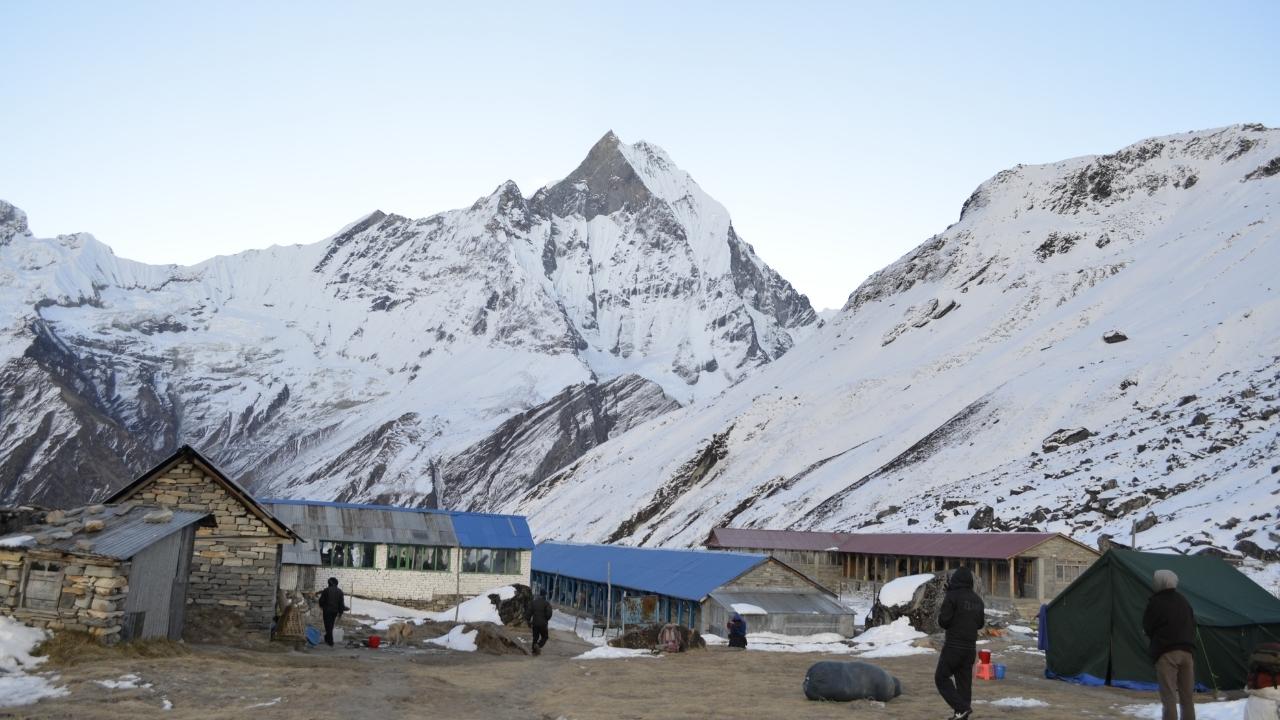
Annapurna Base Camp Trek in November offers generally dry trails and excellent Himalayan visibility, but temperatures drop quickly at higher elevations and become increasingly wintry toward the end of the month. A few practical adjustments can make the trek more comfortable and help you handle the changing conditions along the route.
-
Begin Your Trekking Days Early: Morning usually offers the clearest mountain views, while starting early also gives you more daylight for longer sections and allows you to reach your overnight destination before temperatures fall.
-
Keep Warm Gear Easily Accessible: Do not bury your down jacket, thermal layers, gloves, or beanie inside your main luggage. Conditions can change quickly after sunset, and the upper sections around Machhapuchhre Base Camp and Annapurna Base Camp can become very cold.
-
Slow Your Pace Above 3,000 Meters: The increasing elevation can make familiar walking speeds feel much harder. Maintain a steady rhythm, take short breaks, drink regularly, and avoid rushing the ascent toward Annapurna Base Camp.
-
Use Layers Instead of Heavy Clothing: Lower sections can feel comfortable during sunny afternoons while the higher trail remains cold and exposed. Several adjustable layers are more practical than relying on one thick jacket throughout the day.
-
Make the Most of Clear Morning Views: Keep your camera or phone accessible during morning walks. November often provides excellent visibility of Machhapuchhre, Annapurna South, Hiunchuli, and other surrounding peaks before clouds or changing weather affect the views.
-
Plan Accommodation for Your Travel Dates: Early November can still be busy on the popular Annapurna Base Camp route. If you are trekking toward the latter part of the month, temperatures are colder, and some facilities may operate with reduced activity, so confirming accommodation arrangements in advance is useful.
-
Carry Enough Nepali Cash: Keep cash available for snacks, drinks, charging, hot showers, and other personal expenses. Payment facilities become increasingly limited and unreliable in the higher villages.
-
Watch the Weather Around the High Sections: Dry November conditions do not guarantee that every day will remain clear. Keep an eye on local weather updates and be prepared for colder conditions, strong winds, or occasional snowfall around the higher elevations.
-
Give Yourself Enough Time at Altitude: Do not judge the trek only by distance. The combination of steep steps, elevation gain, and thinner air can make a relatively short section feel demanding. A sensible itinerary with adequate overnight stops is more useful than trying to complete the route as quickly as possible.
-
Keep a Buffer Day if Your Schedule Allows: A spare day provides flexibility for unexpected weather, transport delays, or a slower pace at altitude. This is particularly useful if you have a fixed flight or international travel plan immediately after completing the trek.