

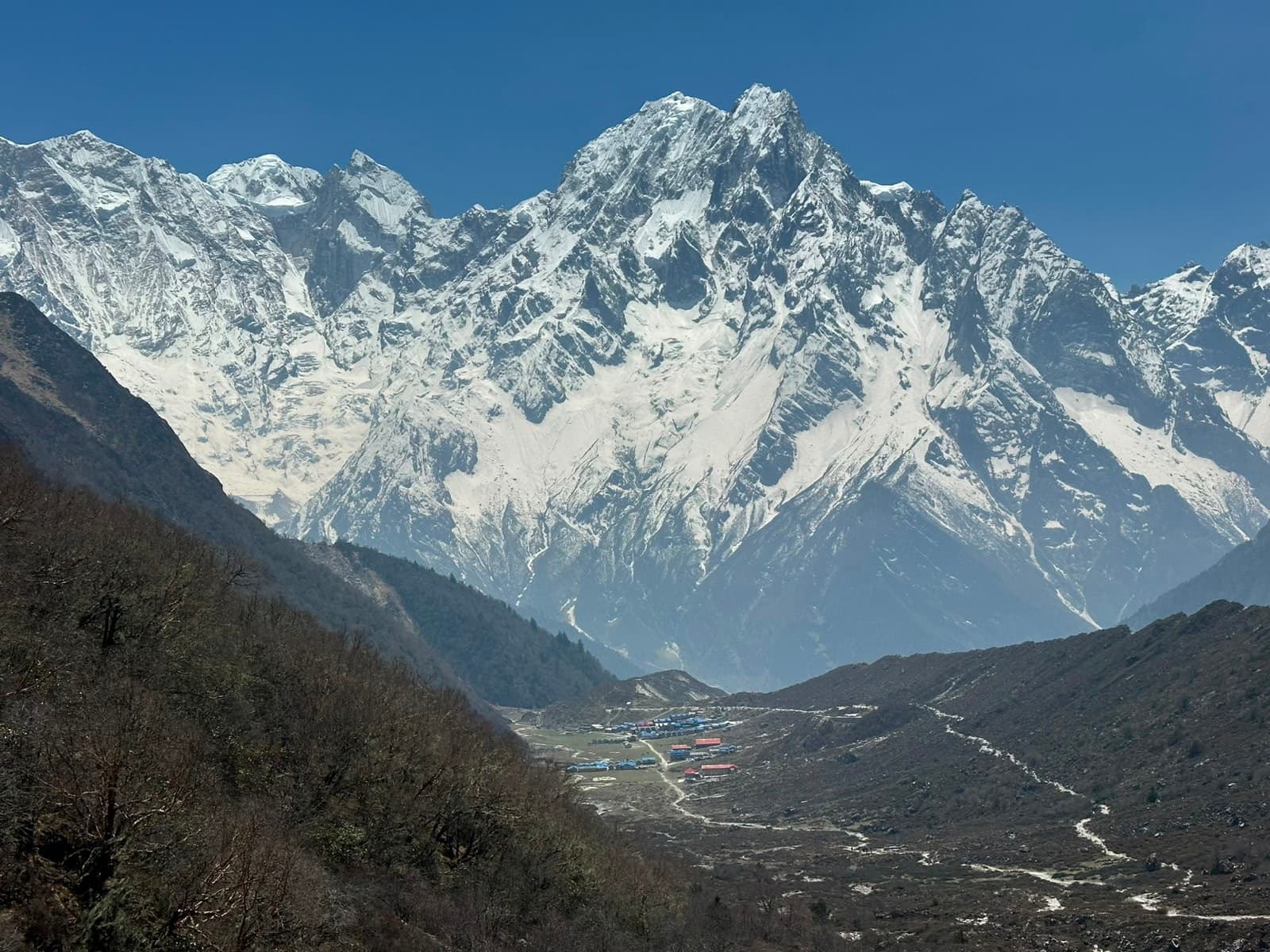
The Manaslu Circuit Trek is one of Nepal's most rewarding trekking routes. It takes travelers around the base of Mount Manaslu, the world's eighth-highest mountain at 8,163 meters. The trail passes through remote villages, deep river valleys, ancient monasteries, forests, and high mountain landscapes before crossing the famous Larke La Pass. Understanding the best time of year for Manaslu Circuit Trek is important because weather, trail conditions, and mountain visibility can be different throughout the year. Unlike some of Nepal's busier trekking regions, the Manaslu area offers a quieter and more traditional Himalayan experience. Trekkers can enjoy stunning scenery while also learning about the culture and daily life of local communities that have preserved their traditions for generations.
Although the route is beautiful throughout the year, choosing the right season can make a major difference to the overall experience. The weather in the Himalayas changes significantly from one season to another. A month with clear blue skies and dry trails can provide excellent mountain views and comfortable walking conditions, while another month may bring heavy rain, snow, or poor visibility. Because the trek reaches high elevations above 5,000 meters, conditions around the pass can become challenging during a certain time of the year.
Understanding seasonal patterns helps trekkers to prepare properly and select dates that match their expectations and experience level. Whether you are looking for the best time to do Manaslu Circuit or comparing between different seasons, understanding what each season offers can help you to make the right choice.
Nepal experiences four main trekking seasons: spring, summer or monsoon, autumn, and winter. Each season creates a different atmosphere on the trail. Spring brings blooming rhododendron forests and mild temperatures. Summer transforms the valleys into lush green landscapes, but also brings quiet rainfall. Autumn is famous for stable weather, crystal clear mountain views, and ideal trekking conditions. Winter offers peaceful trails and snowy scenery, though colder temperatures require additional preparation. These seasonal differences affect everything from trail conditions and visibility to accommodation availability and daily walking comfort.
This article explores the best time of year for Manaslu Circuit Trek by examining each season in detail. You will learn about weather conditions, temperature trends, trail characteristics, and the advantages and disadvantages of trekking at different times. Understanding the season will help you to choose the perfect time to visit the Manaslu region and enjoy a safe, memorable journey through one of Nepal's most spectacular trekking destinations.
Manaslu Circuit Trek Weather and Climate Throughout the Year
The weather is one of the most important factors to understand before planning for the Manaslu Circuit Trek. The trail starts in the lower river valleys at around 700 meters and gradually climbs to the high mountain areas above 5,000 meters. Because of this large change in elevation, temperatures and weather conditions can vary greatly within a single day. The Manaslu Circuit Trek weather changes significantly as the route climbs from warm valleys to high Himalayan terrain above 5,000 meters.
Trekkers may begin the morning in a warm village surrounded by green hills and end the day in a cold mountain settlement where temperatures drop close to freezing. Knowing how the climate changes throughout the year helps trekkers to prepare proper clothing, manage expectations, and travel more comfortably.
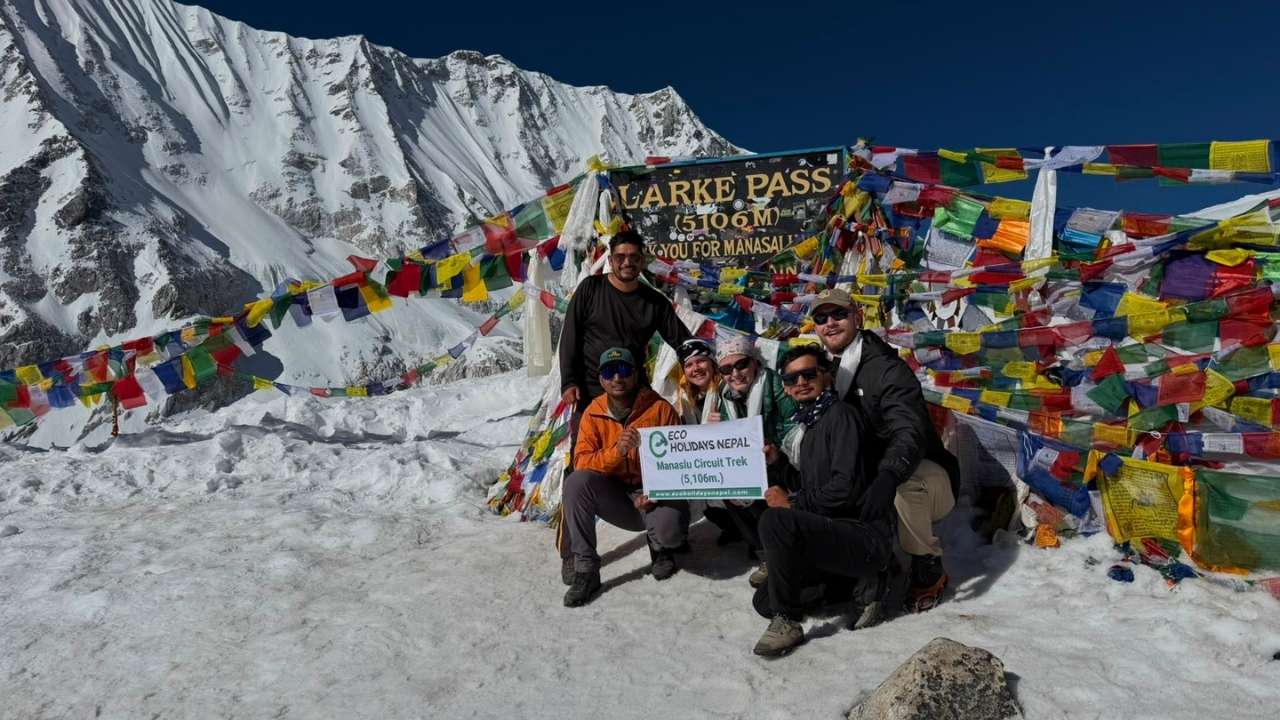
The Manaslu region experiences four distinct seasons. Spring, from March to May, brings gradually warming temperatures and generally stable weather. Days are usually pleasant for walking, while nights remain cool at higher elevations. Summer and monsoon, from June to August, bring the highest amount of rainfall. Trails can become muddy, rivers may swell, and clouds often hide mountain views. Autumn, from September to November, is known for dry weather, clear skies, and comfortable temperatures. Winter, from December to February, is the coldest season, especially near high-altitude areas where snowfall is common, and temperatures can fall below freezing.
Temperature differences become more noticeable as trekkers gain elevation. Lower villages often enjoy mild conditions during most of the year, while higher settlements such as Samdo and Dharamsala experience much colder weather. Around Larke Pass, strong winds and freezing temperatures are possible even during popular trekking seasons. Nights are generally much colder than daytime hours, making warm sleeping gear necessary regardless of the month. Weather can also change quickly in mountain environments, so trekkers should always be prepared for unexpected conditions.
Another important factor is daylight. Spring and summer provide longer days, giving trekkers more time to walk and enjoy the scenery. Winter days are shorter, requiring earlier starts and careful planning. Seasonal weather patterns influence trail conditions, visibility, transportation, and overall comfort. Understanding Manaslu trek weather by month allows trekkers to prepare better and choose conditions that match their comfort level.
Autumn: Why Many Trekkers Choose This Season for the Manaslu Circuit?
Autumn, which runs from September to November, is widely considered the best season for the Manaslu Circuit Trek. For many travelers, autumn is considered the most ideal period because of its stable weather, dry trails, and excellent visibility. After the summer ends, the air becomes clean and fresh, creating excellent visibility across the Himalayan range. The landscapes look vibrant, rivers flow strongly from recent rainfall, and the skies are often bright blue for many days in a row. These stable conditions make autumn the most popular time for trekkers from around the world. Whether you are an experienced hiker or attempting a high-altitude trek for the first time, autumn offers a balanced combination of comfortable weather, reliable trail conditions, and spectacular scenery.
One of the biggest advantages of trekking during autumn is the outstanding mountain views. Peaks that are often hidden by clouds during the rainy seasons become clearly visible from villages, ridges, and mountain passes. Trekkers can enjoy uninterrupted views of Manaslu, Himlung Himal, Cheo Himal, and other snow-covered red summits along the route. Photography enthusiasts particularly appreciate this season because sunlight is usually bright and visibility remains excellent throughout the day. Early mornings often provide the clearest views, with golden sunlight illuminating the surrounding peaks and valleys. Daytime temperatures in lower areas usually range from 10°C to 22°C, while higher sections in the Larke Pass can vary from -6°C to 5°C.
Trail conditions are another reason why autumn is highly recommended. Most trekking paths dry out after the monsoon, reducing the amount of mud and making daily walking more comfortable. River crossings are generally easier, and the risk of weather-related delays is lower than during the summer months. Daytime temperatures are pleasant in lower and middle elevations, allowing trekkers to hike for long hours without extreme heat. Nights become cooler as elevation increases, but conditions are usually manageable with proper trekking clothing and sleeping gear.
Autumn is also a wonderful time to experience local culture. Important Nepalese festivals like Dashain and Tihar take place during this season, bringing villages to life with celebrations, family gatherings, and traditional activities. Trekkers may witness decorated homes, local ceremonies, and a festive atmosphere while passing through settlements. Although autumn attracts more visitors than other seasons, the Manaslu region remains quieter than many of Nepal's famous trekking destinations. These favourable conditions are a major reason why many people consider autumn the best time to hike Manaslu Circuit. For travelers seeking clear mountain panoramas, dependable weather, and a rich cultural experience, autumn provides one of the most rewarding trekking seasons of the year.
**Learn More About: Manaslu Helicopter Tour– Experience Breathtaking Aerial Views of Mount Manaslu on an Unforgettable Helicopter Adventure**
Spring: A Beautiful Time to Hike the Manaslu Circuit
Spring, which lasts from March to May, is another excellent season for the Manaslu Circuit Trek. A Manaslu Circuit Trek in spring combines comfortable temperatures, blooming forests, and impressive Himalayan scenery. As winter gradually fades away, the region comes alive with fresh growth, colorful flowers, and warmer temperatures. Snow begins to melt at lower elevations, the forest becomes greener, and trekking trails feel vibrant after the cold winter months. Many trekkers choose spring because it offers a beautiful mix of comfortable weather, natural beauty, and good mountain visibility. While autumn is often the busiest trekking season, spring provides equally rewarding experiences with a different atmosphere along the trail.
One of the highlights of spring is the spectacular display of rhododendron flowers. Nepal's national flower blooms across hillsides and forests in shades of red, pink, white, teal, and purple. Walking through these colorful forests adds a special charm to the journey and creates excellent photography opportunities. Along with rhododendrons, many other plants and wildflowers begin to bloom, making the landscape appear fresh and lively. Bird activity also increases during this season, allowing nature lovers to enjoy a greater variety of wildlife and natural sounds while trekking through the valleys and woodlands. Temperatures are generally pleasant, ranging from 12°C to 25°C in lower elevations and -5°C to 8°C near Larke La Pass.
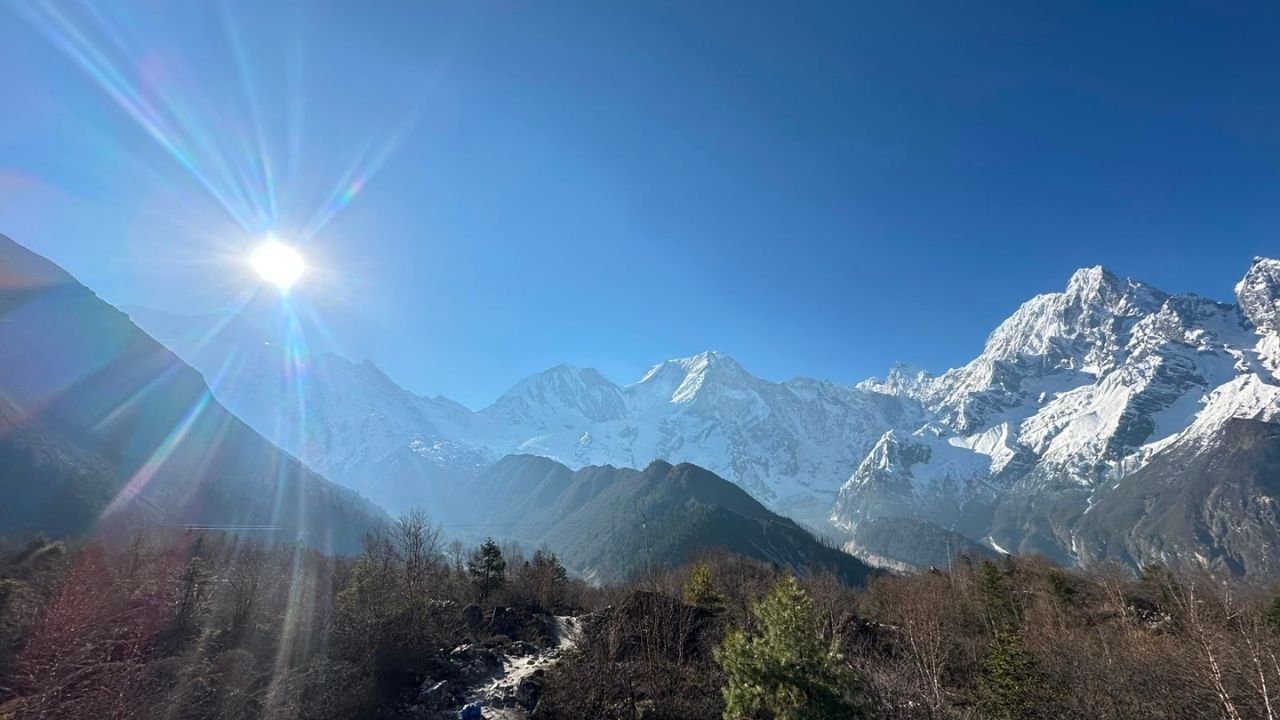
Weather conditions during spring are generally favourable for trekking. Daytime temperatures are comfortable in most parts of the trail, making long walking days easier and more enjoyable. Mornings often begin with clear skies, offering excellent views of the surrounding Himalayan peaks. Although occasional clouds may develop later in the afternoon, visibility remains good on most days. Higher sections of the route can still have patches of snow early in the season, but the trails are usually accessible and safe for well-prepared trekkers. The combination of moderate temperatures and scenic landscapes makes spring suitable for both beginners and experienced hikers.
Another advantage of spring is the energetic atmosphere found in mountain villages. Farmers prepare fields for the growing season, local communities become more active, and the countryside feels full of life. Tea houses and lodges operate regularly, providing comfortable services for visitors. For travelers who enjoy nature and mild weather, spring can be the best time to do Manaslu Circuit.
Manaslu Circuit Trek in Winter: What to Expect on the Trail?
Winter, from December to February, offers a completely different experience on the Manaslu route. A Manaslu Circuit Trek in winter offers a quieter and more adventurous experience than the busy trekking seasons. While most trekkers prefer autumn or spring, winter attracts those looking for solitude, dramatic snowy landscapes, and a greater sense of adventure. During this season, the mountains appear especially striking as fresh snow covers ridges, forests, and high valleys. The air is often very clear, allowing impressive views of the Himalayan peaks on sunny days. Trails become noticeably quieter, and trekkers may spend hours walking without meeting large groups. For people who enjoy peaceful surroundings and do not mind cold conditions, winter can be a rewarding time to visit the Manaslu region. Winter is the coldest season, with temperatures often ranging from 5°C to 15°C in lower villages and -15°C to -5°C around Larke Pass.
The biggest challenge of winter is the cold. Temperatures drop significantly as elevation increases, especially during the night and early morning. Villages at lower elevations remain relatively manageable, but higher settlements such as Samdo and Dharmasala can experience freezing conditions for extended periods. Strong winds are common in exposed areas, making the weather feel even colder. Around Larke Pass, temperatures often fall well below freezing, and snowfall can make the crossing more difficult. Because of these conversations, trekkers need warm layered clothing, insulated sleeping bags, gloves, hats, and proper winter footwear to stay comfortable and safe throughout the journey.
Snow conditions vary from year to year, but winter storms can occasionally affect the upper section of the route. Heavy snowfall may temporarily block trails or delay pass crossings until conditions improve. Trekkers should therefore allow some flexibility in their schedule and stay informed about local weather forecasts. Hiring experienced guides becomes particularly valuable during winter because they can assess trail conditions and help to make safe decisions when weather changes unexpectedly. Good preparation and realistic expectations are essential for anyone planning a winter trek in the Himalayas.
Despite these challenges, winter offers several unique rewards. Accommodation is usually less crowded, village life feels more peaceful, and the snowy scenery creates a magical atmosphere rarely seen during other seasons. The combination of silence, clear mountain views, and a true sense of wilderness appeals to trekkers seeking a more remote Himalayan experience. This season is especially appealing to experienced trekkers seeking solitude and dramatic snow-covered landscapes. For well-prepared adventurers, winter reveals a quieter and more rugged side of the Manaslu Circuit that few visitors get to experience.
**Recommended For You: Everest Base Camp Trek– Follow the Legendary Trail to the Base of the World's Highest Mountain**
Manaslu Circuit Trek in Monsoon: Benefits and Challenges
The Monsoon season, which generally lasts from June to August, is the least popular time for the Manaslu Circuit Trek. Monsoon season showcases lush greenery, flowing waterfalls, and fewer visitors on the trail. During these months, moist air from the south brings frequent rainfall across much of Nepal, including the lower sections of the Manaslu region. Rain showers can occur almost daily, especially during the afternoon and evening. As a result, trails often become muddy and slippery, making trekking more demanding than in other seasons. Mountain views may also be limited because clouds regularly cover the higher peaks. For many trekkers, these conditions make the monsoon less attractive, but the season still offers unique experiences that some travelers appreciate.
One of the most noticeable features of monsoon trekking is the dramatic transformation of the landscape. Hillsides become bright green, forests appear dense and healthy, and waterfalls flow with impressive power. Rivers carry larger volumes of water, adding energy and beauty to the valleys. The countryside feels fresh and vibrant after regular rainfall, creating scenery that differs greatly from the dry conditions of autumn and winter. Photographers interested in lush landscapes often enjoy the rich colors found during this season. The quieter trails also allow visitors to experience the region with fewer interruptions and a strong sense of connection to nature. Temperatures are relatively warm during the monsoon, averaging 18°C to 28°C in lower valleys and 0°C to 10°C near Larke La Pass.
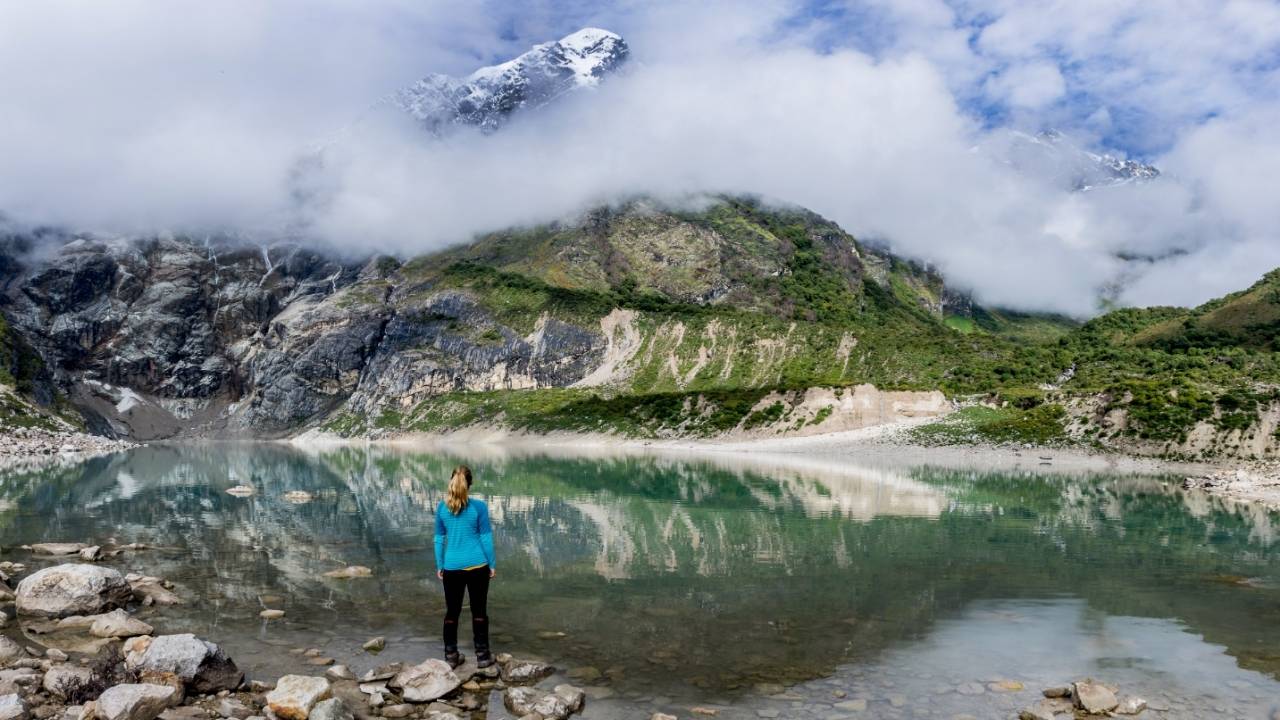
However, monsoon trekking requires extra caution and preparation. Changing Manaslu Circuit trail conditions during these seasons requires additional preparation and flexibility. Persistent rain can increase the risk of landslides, particularly on steep slopes and narrow mountain roads. Travel delays are more common, especially when transportation routes are affected by weather-related disruptions. Wet conditions may also lead to slippery paths, making careful footing essential. In lower forested areas, trekkers may encounter leeches, which become active during the rainy months. Waterproof clothing, rain covers, trekking poles, and quick-drying gear are important for staying comfortable throughout the journey.
Although challenges exist, monsoon trekking is not impossible. Rainfall is often heavier at lower elevations, while some higher sections receive less precipitation because of local geographical conditions. Trekkers who value peaceful trails, vibrant greenery, and a less crowded environment may find this season appealing. Success depends on flexible planning, proper equipment, and realistic expectations. For those willing to accept changing weather and occasional inconveniences, the monsoon reveals a greener and more tranquil side of the Manaslu Circuit that many visitors never see.
Manaslu Trek Weather by Month: When to Visit the Region
While the Manaslu Circuit can be trekked during different seasons, a few months stand out because of their excellent weather, beautiful scenery, and reliable trail conditions. These months offer the best balance of clear mountain views, comfortable temperatures, and safer trekking conditions. Choosing one of these periods increases the chances of enjoying the trek without major weather-related challenges. Looking at Manaslu Circuit Trek weather by month helps travelers to identify the most suitable period for their adventure. Below are the months most commonly recommended for the Manaslu Circuit Trek and what makes each one special.
-
March– Beginning of Spring
March marks the arrival of spring in the Himalayas. Temperatures start becoming warmer after winter, and lower trails turn greener as plants begin to grow again. Snow may still be present at higher elevations, but trekking conditions generally improve throughout the month. It is a good option for trekkers who prefer quieter trails before the peak spring season begins.
-
April– Best Month for Flowers and Nature
April is famous for colorful rhododendron forests that brighten the hillsides with red, pink, and white blooms. Weather conditions are usually stable, mountain views are clear, and daytime temperatures are comfortable for walking. The combination of natural beauty and pleasant weather makes April one of the most attractive months for trekking.
-
May– Warm Days and Beautiful Landscapes
May offers mild mornings, warmer afternoons, and vibrant mountain scenery. Most of the snow from winter melts in the lower sections of the trail, making trekking easier. The landscapes remain green and lively, while mountain views are often excellent during the morning hours.
-
October– Peak Trekking Season
October is widely regarded as the best month for the Manaslu Circuit Trek. Following the monster season, the air becomes clear, and visibility is exceptional. Dry trails, stable weather, and breathtaking Himalayan panoramas create ideal trekking conditions throughout the route.
-
November– Clear Skies and Comfortable Conditions
November continues the excellent conditions of autumn. Days are generally sunny, mountains remain spectacular, and the trails are less crowded than in October. Cooler temperatures add freshness to the trekking experience without creating severe winter conditions.
Overall, all April, October, and November are considered the top choices for most trekkers because they combine reliable weather, outstanding mountain views, and comfortable trekking temperatures. March and May are also excellent options for travellers seeking fewer crowds, a blooming landscape, and a rewarding Himalayan adventure. This comparison makes it easier to decide when to visit Manaslu Circuit based on weather and personal preferences.
**Before You Go: Langtang Valley Trekking– The Perfect Himalayan Trek Close to Kathmandu**
Choosing the Best Time to Do Manaslu Circuit Based on Your Travel Goals
The best time for Manaslu Circuit Trek is not the same for everyone. It depends on what type of experience you hope to have in the mountains. Some trekkers dream of crystal clear mountain views, while others prefer colorful forests, peaceful trails, or challenging conditions. Instead of choosing a season simply because it is popular, it is helpful to think about your personal travel goals. Understanding what each season offers allows you to plan a trek that matches your interests and create a more enjoyable experience.
-
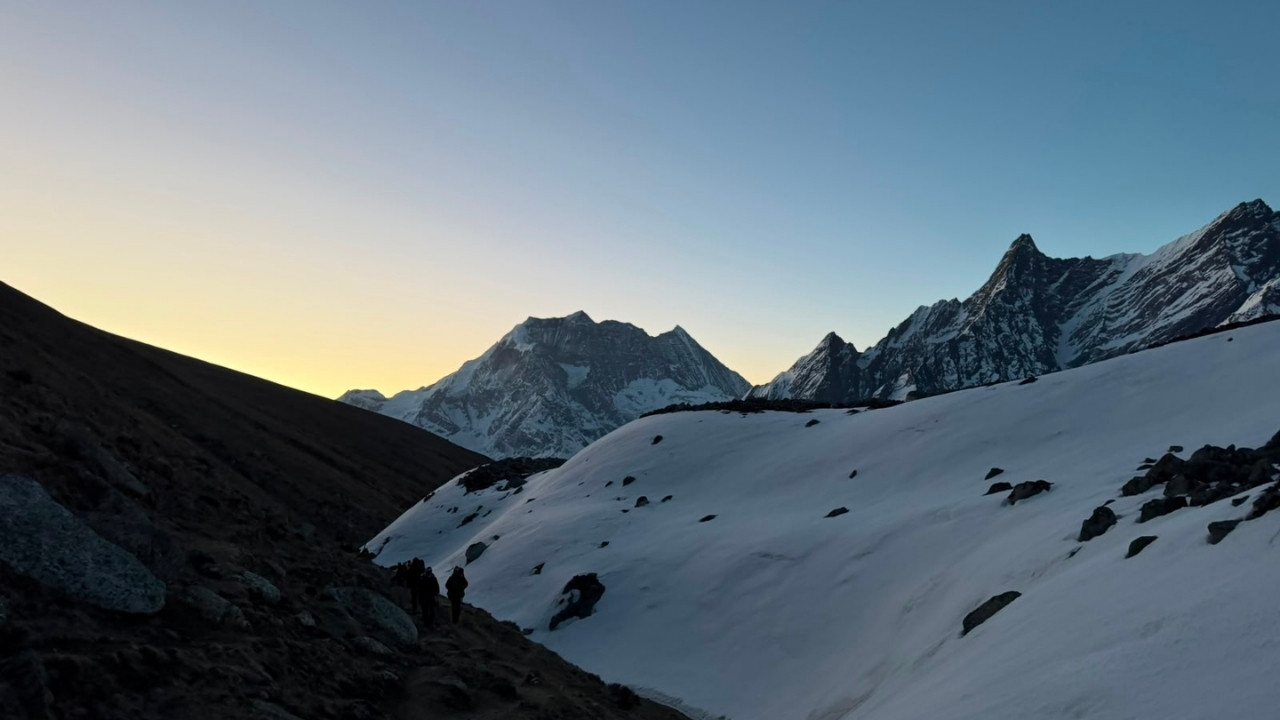
For the Best Mountain Views: October and November are usually the top choices. The air is clean after the monsoon season, visibility is excellent, and snow-covered peaks can often be seen from sunrise until sunset.
-
For Photography Enthusiasts: April and October provide outstanding photography opportunities. Spring offers blooming forests and colorful landscapes, while autumn delivers sharp mountain views and bright blue skies.
-
First-time Trekkers: April, October, and November are ideal because of their stable weather, comfortable temperatures, and generally reliable trail conditions. These months reduce the chance of weather-related difficulties.
-
For Fewer Crowds: March, early December, and parts of May usually have fewer trekkers than the peak autumn Season. These periods offer a quieter experience while still providing enjoyable conditions.
-
For Nature Lovers: April is often the most rewarding month. Rhododendron forests bloom across the hillsides, vegetation becomes lush, and wildlife activity increases throughout the region.
-
For Adventure Seekers: Winter months can provide a demanding experience with colder temps, snowy landscapes, and quieter trails. Proper preparation and experience are important during this season.
Ultimately, the right time depends on what you value most from your journey. Whether your goal is photography, cultural experiences, mountain scenery, solitude, or adventure, the Manaslu Circuit offers something unique in every season. By understanding the different Manaslu trekking seasons, you can choose the period that best matches your interests and expectations. Choosing the month that matches your priorities will help to create a memorable and rewarding trekking experience in one of Nepal's most spectacular mountain regions.