
Every year, thousands of trekkers from around the world come to Nepal with one big dream to follow in the footsteps of legends and reach the heart of Mount Everest. The trail to the Everest Base Camp is one of the most famous trekking routes on Earth. It offers stunning mountain views, deep valleys, rich Sherpa culture, and an unforgettable adventure. But behind this dream journey, many trekkers face problems, discomfort, and even danger, mostly because of simple and avoidable mistakes.
The Everest region is not an easy place. High altitude, thin air, cold weather, unpredictable climate, long walking hours, and limited facilities make this trek physically and mentally demanding. Small errors like walking too fast, packing the wrong gear, drinking less water, or ignoring early signs of altitude sickness can quickly turn a beautiful trek into a stressful experience. Sadly, many trekkers are forced to return early, not because the trek is too hard, but because they were not properly prepared.
Based on real field experience from Eco Holidays Nepal, many trekking problems come from poor planning, lack of proper guidance, and underestimating the challenges of high altitude. Over the years, we have supported thousands of trekkers in the Everest region and have seen firsthand how common mistakes affect health, safety, comfort, and overall trekking success.
This blog highlights the most common mistakes trekkers make in the Everest region and explains how to avoid them in simple and practical ways. Whether you are a first-time trekker or experienced hiker, understanding these mistakes will help you to trek smarter, safer, and more confidently, so you can fully enjoy the magic of the Everest Himalayas.
1. Understanding Altitude and Acclimatization
Altitude is the biggest challenge in the Everest region, yet it is the most underestimated factor by trekkers. Many people believe that if they are fit and healthy, they can easily walk to Everest Base Camp. But altitude does not care about age, fitness, or trekking experience. As you go higher, the air becomes thinner, and your body gets less oxygen. This change can quickly affect your breathing, energy, sleep, and overall health.
Everest Base Camp sits at an altitude of 5,364 meters (16,598 feet), which is far above the safe altitude zone for most people. Medical studies show that more than 65% of trekkers experience mild to moderate altitude symptoms above 3,500 meters. Common symptoms include headache, dizziness, nausea, loss of appetite, difficulty sleeping, and extreme tiredness. If ignored, these symptoms can develop into serious conditions like High Altitude Pulmonary Edema (HAPE) or High Altitude Cerebral Edema (HACE), which can be life-threatening.
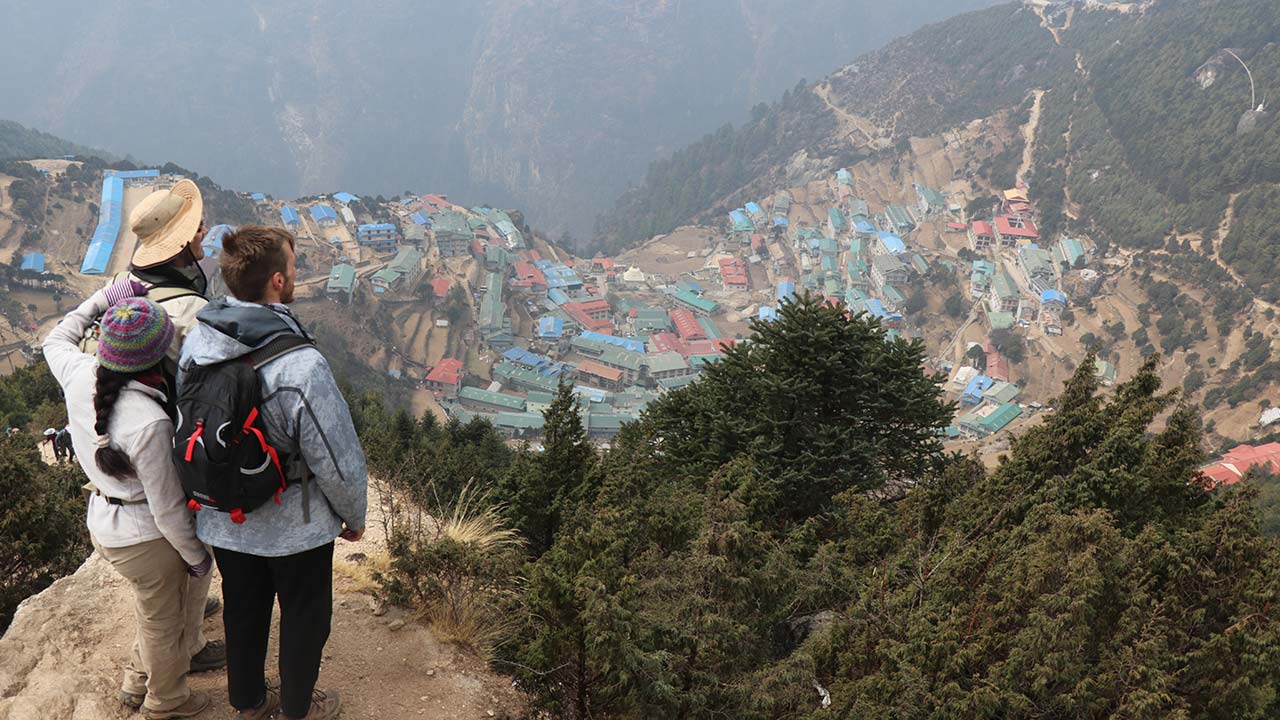
One of the biggest mistakes trekkers make is rushing their itinerary. Many want to reach Everest Base Camp as quickly as possible, either to save time or reduce costs. This often leads to skipping acclimatization days, which are critical for allowing the body to adjust to high altitudes. Based on years of trekking experience, Eco Holidays strongly recommends two key acclimatization days, one at Namche Bazaar (3,440 m) and another at Dingboche (4,410 m). These rest days significantly reduce altitude sickness risk and improve overall trekking comfort.
Proper acclimatization means walking slowly, taking regular breaks, drinking 3-4 liters of water daily, eating well, and following the rule “climb high, sleep low”. Listening to your body is more important than sticking to a strict schedule. In the Everest region, moving slowly is not a weakness; it is the smartest way to reach your goal safely.
2. Packing Too Much or Too Little
Packing correctly is one of the most important parts of a successful Everest trek, yet many trekkers get it wrong. Some carry too much, making their backpacks heavy and uncomfortable, while others carry too little, missing essential items needed for warmth, safety, and comfort. Both mistakes can make the trek harder, slower, and more stressful.
A common mistake is overpacking. Many trekkers bring extra clothes, multiple shoes, heavy gadgets, and unnecessary luxury items. This quickly increases backpack weight and causes shoulder pain, back strain, knee problems, and faster exhaustion. Trekking experts recommend keeping your backpack weight between 8 and 12 kilograms maximum, including daily essentials. Carrying more than this can significantly reduce walking speed and energy levels, especially at high altitudes where oxygen is limited.
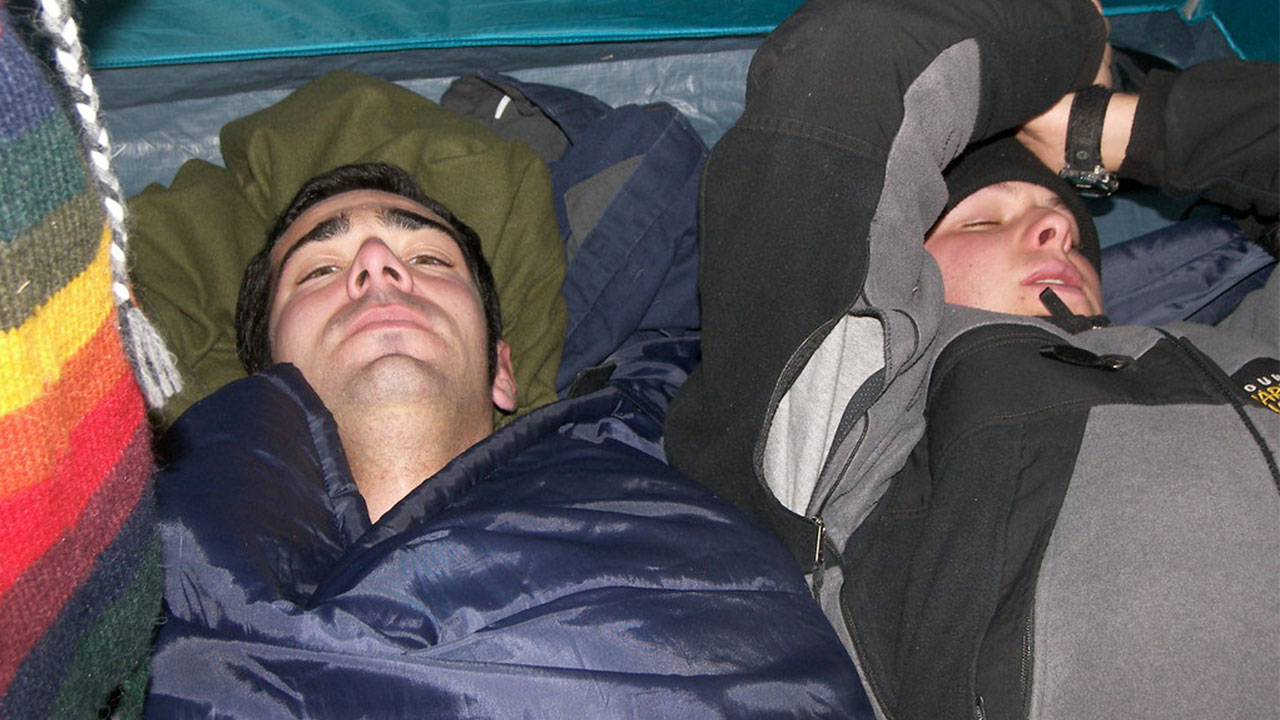
On the other hand, underpacking can be equally dangerous. Some trekkers forgot proper warm layers, waterproof jackets, quality trekking boots, sleeping bags, or personal medical kits. Night temperatures in the Everest region can drop to -10°C to -15°, even during peak trekking seasons. Without proper clothing and sleeping gear, trekkers risk cold-related illness, poor sleep, and overall discomfort.
Based on real trekking experience, we recommend a simple and smart packing system using proper layering, such as a moisture-wicking base layer, insulating middle layer, and waterproof outer shell. Essential items include a down jacket rated to at least -15°, broken-in trekking boots, thermal socks, gloves, warm hat, sunglasses, sunscreen, lip balm, water bottles, purification tablets,s and basic medicines.
A simple rule to follow is if you do not need it every day, do not pack it. Packing smart helps you to walk comfortably, conserve energy, and fully enjoy the breathtaking journey through the Everest region.
3. Choosing Cheap Treks Without Checking Safety Standards
One of the biggest common mistakes trekkers make in the Everest region is choosing the cheapest trekking packages without checking safety standards, guide experience, and emergency support. While saving money is important, choosing a very low-cost trek can put your health, safety, and life at serious risk.
Many budget trekking companies reduce costs by hiring untrained guides, using poorly equipped porters, skipping acclimatization days, and avoiding emergency preparations. This can lead to poor decision-making on the trail, delayed medical help, lack of proper altitude monitoring, and unsafe trekking practices. In the high mountains, even small mistakes can quickly turn into life-threatening situations.
Real trekking data shows that over 70% of serious trekking accidents and emergencies involve poorly organized treks or independent trekkers without proper support. Most problems arise due to poor altitude management, a lack of trained staff, and no clear evacuation planning. In the Everest region, where helicopter rescue may be the only emergency option, poor coordination can result in long delays and extremely high rescue costs.
Based on years of experience, Eco Holidays follows strict safety standards to ensure trekkers remain safe throughout their journey. Our trekking teams include licensed and certified mountain guides, first aid-trained staff, daily health checks, oxygen cylinders for emergencies, and 24/7 support communication systems. Proper acclimatization planning, flexible itineraries, and clear emergency protocols help to prevent serious problems before the journey starts.
A reliable trekking company may cost slightly more, but it provides peace of mind, professional guidance, and strong safety backup. In the Everest region, choosing quality over cheap is not a luxury; it is a smart investment in your safety and success.
4. Ignoring Weather Conditions and Seasonal Planning
The weather in the Everest region is highly unpredictable, and ignoring it is a common mistake that can seriously affect trekking safety and comfort. Many trekkers focus only on reaching Everest Base Camp and forget that mountain weather can change quickly, bringing strong winds, heavy snowfall, freezing temperatures, and poor visibility, all of which can occur within a few hours.
The best season for trekking in the Everest region is Spring (March to May) and Autumn (September to November). During these months, the weather is relatively stable, the skies are clear, and mountain views are at their best. Day temperatures range between 10°C and 15 °C at lower altitudes, while nights can drop to -5°C to -10°C at higher elevations. These conditions are ideal for safe and enjoyable trekking.
One of the major mistakes that trekkers can make is not familiarizing themselves with the peak points and scheduling the trip during off-peak periods. The monsoon season (June to August) or deep winter (December to February) without proper experience and preparation can be a significantly challenging endeavour. During the monsoon, heavy rainfall causes slippery trails, landslides, flight delays, leech problems,s and cloudy skies that hide mountain views. In winter, temperatures can drop to -15°C to 25 °CC, with stronger winds and heavy snow, making trails dangerous and sometimes impassable.
Based on years of field experience, Eco Holidays Nepal carefully plans trekking schedules according to seasonal weather patterns. We include buffer days for flight delays, flexible itineraries for weather changes, and proper clothing recommendations based on the season. This planning helps trekkers to avoid rushed schedules and unsafe trail conditions.
Understanding seasonal weather patterns and choosing the right time to trek can make the difference between a difficult, stressful journey and a safe, comfortable, and unforgettable Himalayan experience.
5. Not Drinking Enough Water and Poor Nutrition
Many trekkers do not realize that dehydration and poor nutrition are among the biggest hidden dangers in the Everest region. Due to cold weather, dry air, and reduced thirst, people often drink less water than their bodies actually need. The mistake leads to fatigue, headache, dizziness, poor digestion, and an increased risk of altitude sickness.
At high altitude, the body loses water faster through breathing and sweating, even if you don't feel hot. Medical experts recommend drinking at least 3 to 4 liters of water per day while trekking in the Everest region. However, many trekkers barely drink 1.5 to 2 liters, which is far below the required amount. Dehydration thickens the blood, reduces oxygen circulation, and makes altitude symptoms worse.
Poor food choices are another common mistake. Some trekkers eat very little due to loss of appetite, while others rely mainly on instant noodles, snacks, and packaged foods. This leads to low energy, muscle weakness, and slow recovery. At high altitudes, your body needs more calories, especially carbohydrates, to maintain energy levels. Meals like Dal Bhat, pasta, potatoes, soup, porridge, eggs, and Tibetan bread provide good nutrition and steady energy.
Based on trekking experience, Eco Holidays Nepal encourages trekkers to eat warm, fresh, healthy, and balanced meals. Garlic soup is commonly recommended because it helps with digestion, warms the body, and supports altitude adjustment. Electrolyte drinks and soups also help to maintain hydration and mineral balance.
A simple rule to remember is: drink often, eat well, and never skip meals. Proper hydration and nutrition not only improve trekking performance but also protect your health and make your Everest journey more enjoyable and safe.
6. Walking Too Fast and Competing With Others
Another common mistakes trekkers make in the Everest region is walking too fast and trying to match the pace of others. Many people start the trek with high excitement and strong energy, pushing themselves to walk faster than their natural pace. However, in high-altitude trekking, speed is not your friend; slow and steady movement is the key to success.
At high elevations, your body receives less oxygen, which makes even simple walking more demanding. Walking too fast increases heart rate, breathing difficulty, and fatigue, making altitude symptoms appear sooner. Many trekkers believe that reaching the destination quickly means better performance, but in reality, it often leads to exhaustion, headaches, and early burnout.
Another mistake is comparing yourself with other trekkers. Everyone's body reacts differently to altitude. Some may walk faster at lower altitudes but struggle higher up, while others move slowly but remain strong throughout the trek. Trying to compete or keep up with faster trekkers can force your body beyond its safe limits.
Based on field experience, we recommend you follow a simple trekking rhythm: 45 minutes of walking followed by a 10-minute rest break. This steady pace allows the body to adapt gradually, reduces fatigue, and improves breathing efficiency. Short acclimatization hikes during rest days also help strengthen endurance without causing stress.
A smart trekking pace helps to conserve energy, reduce injury risk, and keep your mind fresh. Remember, the Everest trek is not a race. The real success is reaching your destination safely, healthy, and happily, not how fast you get there.
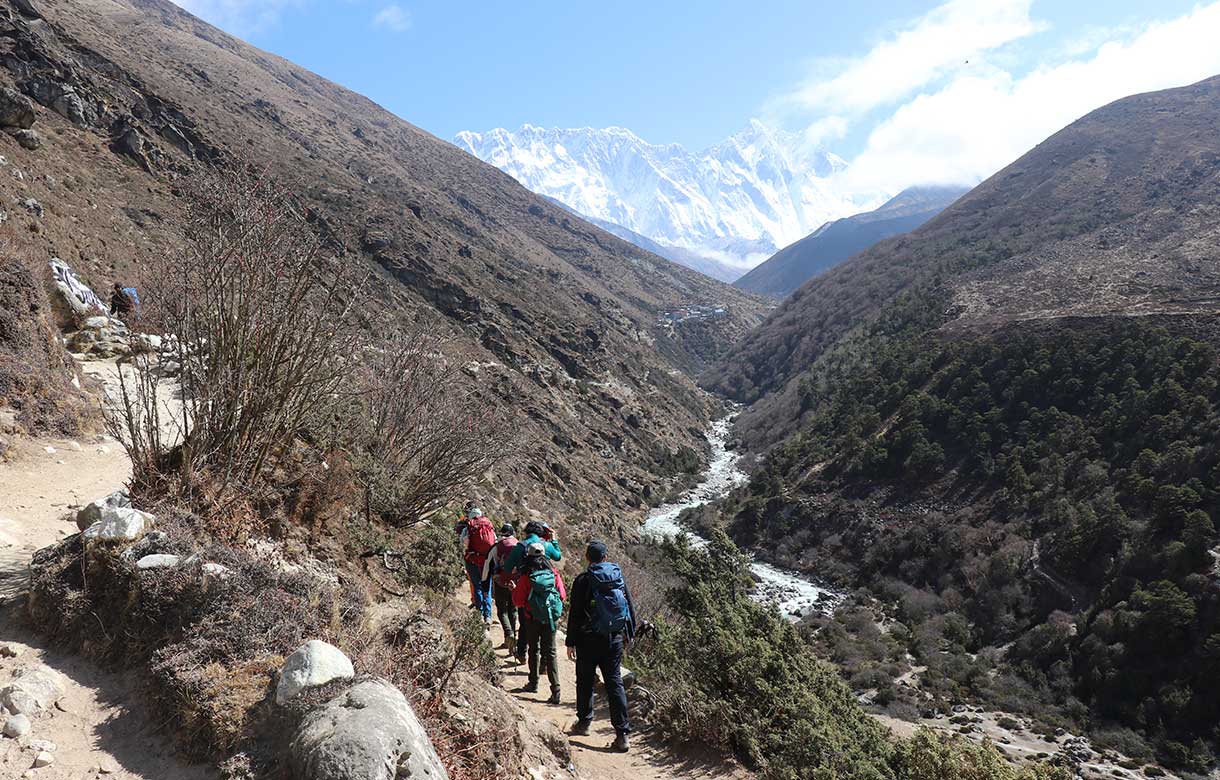
7. Ignoring Health, Fitness, and Mental Preparation
Many trekkers focus mainly on travel plans and equipment, but they often forget the importance of physical fitness and mental readiness. Ignoring proper preparation is a common mistake that can make the Everest trek far more difficult than it needs to be. You do not need to be an athlete to trek in the Everest region, but basic fitness and mental strength are essential.
The Everest Base Camp Trek involves 5-7 hours of walking daily for 12-14 days, often on steep, rocky, and uneven trails. Without proper preparation, trekkers may suffer from extreme fatigue, knee pain, breathing difficulties, muscle soreness, and low energy. Studies show that 6-8 weeks of basic physical training can reduce trekking fatigue by up to 45%, significantly improving endurance and recovery.
Based on years of trekking experience, we recommend simple but effective preparation exercises, such as stair climbing, brisk walking, light jogging, cycling, and short hiking trips with a backpack. Breathing exercises and stretching routines also help to improve oxygen efficiency and flexibility. Strengthening leg muscles, core stability, and cardiovascular endurance prepares the body for long uphill climbs and downhill descents.
Mental preparation is equally important. Many trekkers expect comfort, perfect weather, and easy trails, but the reality is very different. Cold nights, basic teahouse facilities, limited showers, slow internet, and occasional discomfort are part of the journey. Without mental readiness, small challenges can feel overwhelming. A positive mindset, patience, adaptability, and realistic expectations help trekkers to stay motivated and calm, even during tough moments.
Understanding that discomfort is temporary and progress is gradual helps to build confidence. A well-prepared body and a strong mindset transform the Everest trek from a difficult challenge into a rewarding and unforgettable adventure.
8. Not Respecting Local Culture, Environment, and Trekking Ethics
The Everest region is not just a trekking destination; it is a sacred homeland of the Sherpa people and a fragile mountain ecosystem. One of the most overlooked common mistakes trekkers make in the Everest region is failing to respect local culture, environment, and responsible trekking practices. Such behavior not only harms nature but also disrespects the communities that welcome trekkers into their homes.
Many trekkers unknowingly create problems by littering plastic bottles, food wrappers, wet wipes, and tissue paper along the trail. Despite ongoing clean-up efforts, the Everest region still produces over 140 tons of waste every year, much of which comes from trekking activities. Improper waste disposal pollutes rivers, damages wildlife habitats, and spoils the natural beauty of the Himalayas.
Cultural disrespect is another common issue. Entering monasteries without permission, touching sacred objects, walking clockwise around prayer wheels, talking loudly near religious sites, and wearing inappropriate clothing can offend local traditions. The Sherpa community follows strong Buddhist beliefs, and respecting their customs helps to create meaningful cultural exchange and positive trekking experiences.
Based on responsible tourism policy, Eco Holidays Nepal promotes eco-friendly trekking practices, including zero-plastic initiatives, proper waste management, reusable water bottles, local lodge staff, and employment of local guides and porters. Supporting local businesses helps strengthen the regional economy while preserving cultural heritage.
A simple rule is, take nothing but photos, leave nothing but footprints, and carry only memories. Respecting culture and nature ensures that the Everest region remains clean, peaceful, and welcoming for future generations of trekkers.
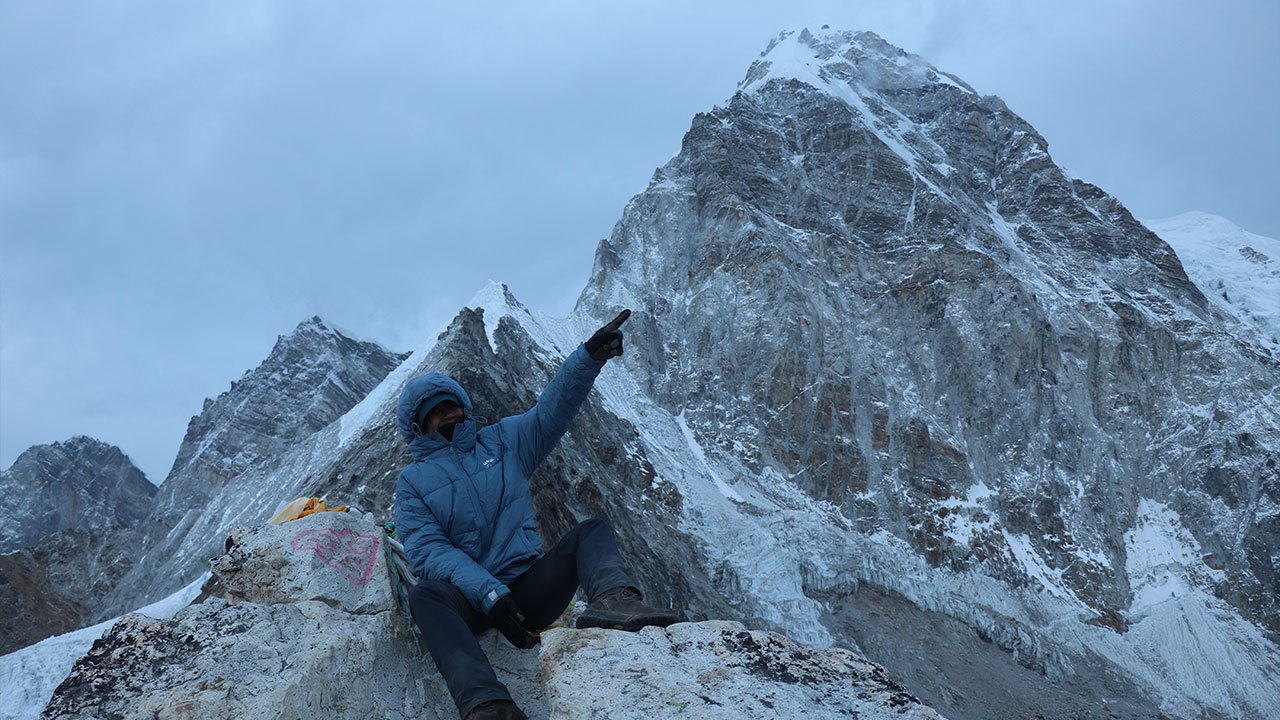
Final Say Regarding Common Mistakes Trekkers Make in the Everest Region
Trekking in the Everest region is a dream for many, but even small mistakes can turn it into a struggle. From underestimating altitude and rushing the trek to overpacking, poor nutrition, ignoring weather, and walking too fast, these common errors affect health, safety, and enjoyment. Many trekkers also overlook the importance of fitness, mental preparation, and respect for local culture and the environment.
Learning from real trekking experience, including insights from Eco Holidays, it is clear that preparation is key. Acclimatize properly, pack smart, follow a safe pace, eat and drink well, train your body, stay mentally strong, and respect the mountains and communities.
By avoiding these mistakes, you can make your Everest trek not just safe, but enjoyable, memorable, and truly rewarding. With these steps, you will be able to focus on the breathtaking views, rich culture, and the adventure of a lifetime without having to worry about anything.