
Everest Base Camp (EBC) is one of the most famous trekking destinations in the world. Every year, thousands of trekkers from different countries come to Nepal to walk through beautiful mountain trails, cross hanging bridges, and enjoy stunning views of Mount Everest and other giant peaks. While the trek offers peace, adventure, and natural beauty, many people also wonder one question before starting: ‘Does Everest Base Camp have WiFi?’
In today's world, staying connected is important. People want to talk with family, share photos on social media, send work emails, or simply check the weather and news. Even while trekking in remote mountains, many trekkers like to stay in touch for safety and comfort. Knowing whether the internet is available helps in better planning, packing the right gadgets, and setting proper expectations.
However, the Everest region is very remote. There are no roads, no big cities, and no strong electricity networks like in urban areas. Internet services here depend mostly on satellite connections, solar power, and small wireless systems. This means the quality of WiFi is very different from what people experience at home or in hotels.
In this blog, we will clearly explain where WiFi is available on the Everest Base Camp trek, how it works, how much it costs, and how good the internet speed really is. This will help you to prepare better and enjoy your trek without stress, staying connected only when you truly need it.
Is There WiFi on the Everest Base Camp Trek?
Yes, there is WiFi on the Everest Base Camp Trek, but it is limited, slow, and not available everywhere. Many trekkers are surprised to find the internet in such a remote mountain region, but thanks to modern technology, basic connectivity is now possible in most villages along the trail. However, it is very important to understand that the WiFi experience in the Everest region is completely different from city internet.
In the lower villages like Lukla, Phakding, and Namche Bazaar, WiFi is easier to find. Most teahouses, lodges, and cafes provide WiFi services. In these places, the internet speed is generally better, and you can easily send messages, browse websites, and upload photos. Namche Bazaar, being the largest town in the region, has the best internet facilities on the entire trek.
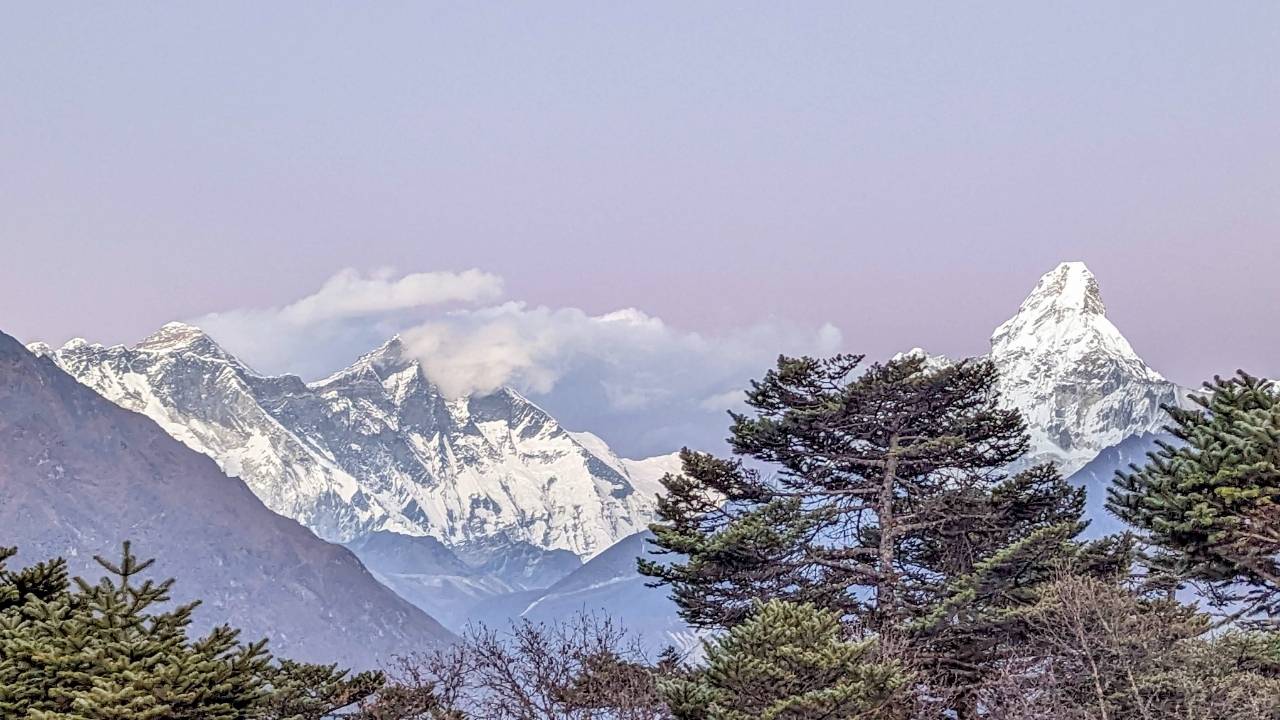
As you go higher in altitude, WiFi becomes weaker, slower, and more expensive. Villages like Tengboche, Dingboche, and Lobuche still offer WiFi, but the connection depends on weather, power supply, and satellite signal. At these heights, you may experience frequent disconnections, slow loading pages, and difficulty sending large files or videos.
At Gorakshep, the last settlement before Everest Base Camp, WiFi is usually available in teahouses, but it is very slow and unreliable. At Everest Base Camp itself, there is no permanent WiFi network. Some expedition teams use satellite phones and special internet devices, but regular trekkers should not expect stable internet at the base camp itself.
So, while WiFi does exist on the Everest Base Camp trek, it should be seen as a basic service, not a luxury facility. Trekkers should prepare for limited access and enjoy the chance to disconnect and fully experience the beauty of the Himalayas.
**Learn More About: Everest Base Camp and Kala Patthar Trek, two icons, one unforgettable Himalayan journey**
How Does WiFi Work in the Everest Region?
WiFi in the Everest region works very differently from the internet we use in cities and towns. Since there are no fiber cables, mobile towers, or strong electricity lines in the high Himalayas, internet services here mainly depend on satellite technology and wireless networks. This makes the connection slower, more expensive, and sometimes unstable.
The main internet provider in the Everest region is Everest Link. This company uses satellite signals and wireless relay stations placed on mountain ridges to transmit the internet to villages along the trekking route. These signals are then distributed to teahouses and lodges, allowing trekkers to connect their phones and devices through WiFi routers.
Most teahouses use solar panels and small hydropower systems to generate electricity. Because of limited power supply, WiFi routers are often turned off during certain hours, especially at night. Cloudy weather, snowfall, and strong winds can also affect the signal, causing slow speed or complete disconnection.
As trekkers move higher, the distance from satellite stations increases, and the air becomes thinner. This weakens the signal strength, which is why WiFi becomes slower and less reliable at higher altitudes. At places like Dingboche and Lobuche, even opening simple web pages may take time, and sending photos can be difficult.
Because internet access is costly to install and maintain in such remote areas, lodges charge extra fees for WiFi usage. This helps to cover satellite costs, equipment maintenance, and power generation.
Thus, WiFi in the Everest region is a technical achievement, but it comes with limitations. It is good enough for messages and basic browsing, but trekkers should not expect fast speed or uninterrupted service.
Where Can You Get WiFi During the EBC Trek?
WiFi is available in most villages along the Everest Base Camp trek, but the quality, speed, and reliability change as you go higher. Below is a simple village-by-village guide to help trekkers understand where they can expect internet access and what kind of service is realistic.
-
Lukla (2,860 m): Lukla is the gateway to the Everest region, and it has the best internet facilities after Namche Bazaar. Most hotels, lodges, and cafes offer WuFi. The speed is fairly good, and you can easily send messages, upload photos, and even make short video calls.
-
Phakding (2,610 m): Phakding has basic WiFi in many teahouses. The speed is slower than Lukla but still good for texting, emails, and light browsing.
-
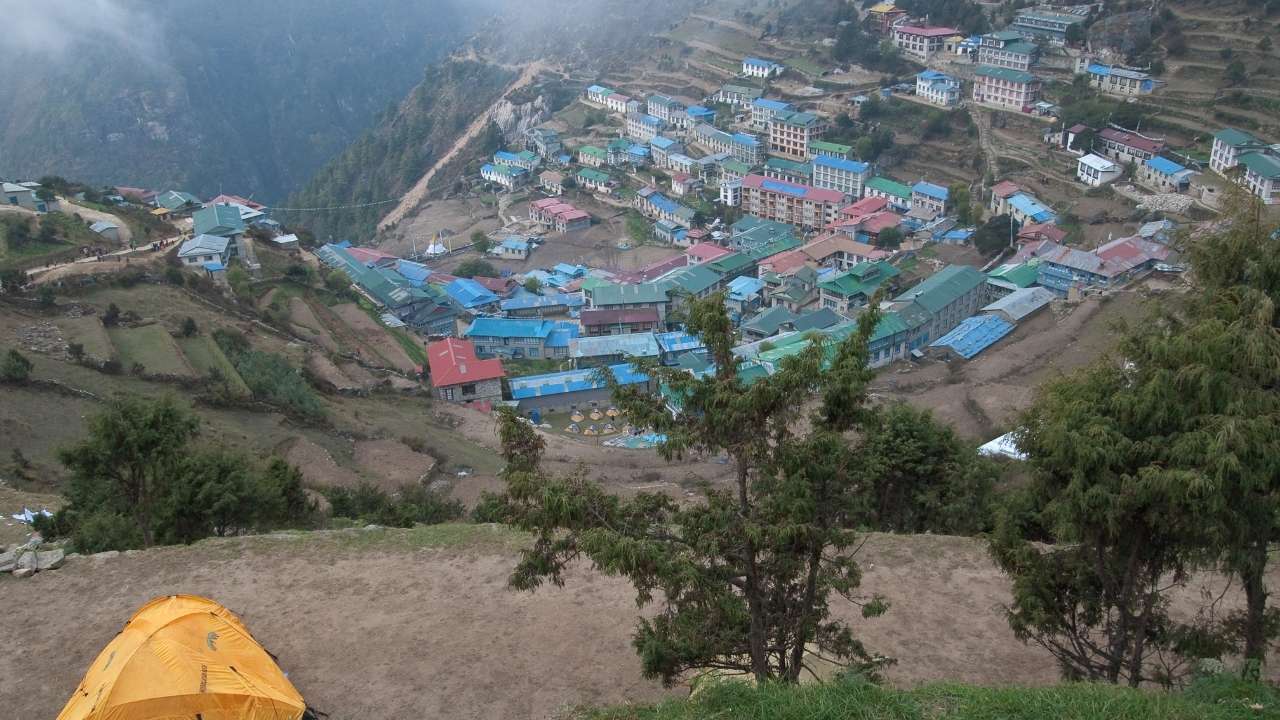
Namche Bazaar (3,440 m): Namche is the main hub of the Khumbu region,n and it offers the best WiFi on the entire trek. Many lodges, bakeries, restaurants, and cafes provide strong internet. Here you can comfortably upload photos, check emails, and even do short video calls.
-
Tengboche (3,860 m): WiFi is available in most lodges, but the speed is slower. Messaging apps work fine, but uploading photos may take time.
-
Dingboche (4,410 m): Basic WiFi is available, but the connection becomes weak. Best for text messages only.
-
Lobuche (4,940 m): WiFi is very slow and sometimes unstable. Simple messaging works, but browsing is difficult.
-
Gorakshep (5,164 m): This is the last settlement before Everest Base Camp. WiFi is very limited, slow,w and expensive. Connection may drop frequently.
-
Everest Base Camp (5,364 m): There is no permanent WiFi network at Everest Base Camp. Only expedition teams use satellite phones or special internet systems.
This gradual decline in WiFi quality reminds trekkers that the higher they climb, the more disconnected they become from the digital world and get closer to nature.
**Planning Your Trek? Find out more about the Everest Base Camp Trek for Seniors, designed for comfort, safety, and steady acclimatization**
How Much Does WiFi Cost on the Everest Base Camp Trek?
WiFi on the Everest Base Camp Trekking is not free, and the prices increase as you go higher. This is because internet service in the Himalayas depends on expensive satellite systems, solar power, and difficult transportation. All equipment, fuel, and technical or arts must be carried by porters or yaks, which increases the cost.
In lower villages like Lukla and Phakding, WiFi usually costs NPR 300 to 500 ( USD 2.5 to 4 ) for unlimited use per day. Some hotels include WiFi for free if you stay overnight, but the speed may be limited.
In Namche Bazaar, WiFi prices range between NPR 300 and 600 per day. Here, many cafes also sell Wifi vouchers, and you can enjoy better speed and stability. Namche offers the best value for money when it comes to internet services on the trek.
As you move higher to Tengboche and Dingboche, WiFi costs increase to NPR 500 to 800 per day. The speed becomes slower, but basic messaging still works. In Lobuche and Gorakshep, WiFi is the most expensive, usually costing NPR 800 to 1,200 per day. Even at this high price, the connection is very slow and unreliable.
Another popular option is the Everest Link WiFi card, which provides access across multiple villages. Prices usually start from NPR 2,000 to 4,000, depending on the data package and duration. This card offers convenience but still suffers from speed limitations at higher altitudes.
Overall, WiFi in the Everest region is costly but helpful for emergencies and basic communication. Trekkers should budget extra money for the internet and use it wisely.
How Good Is the Internet Speed and Quality?
Internet Speed on the Everest Base Camp trek is slow, unstable, and unpredictable, especially as you go higher. Trekkers should not expect fast browsing, smooth video streaming, or clear video calls. The WiFi here is mainly designed for basic communication, not heavy internet use.
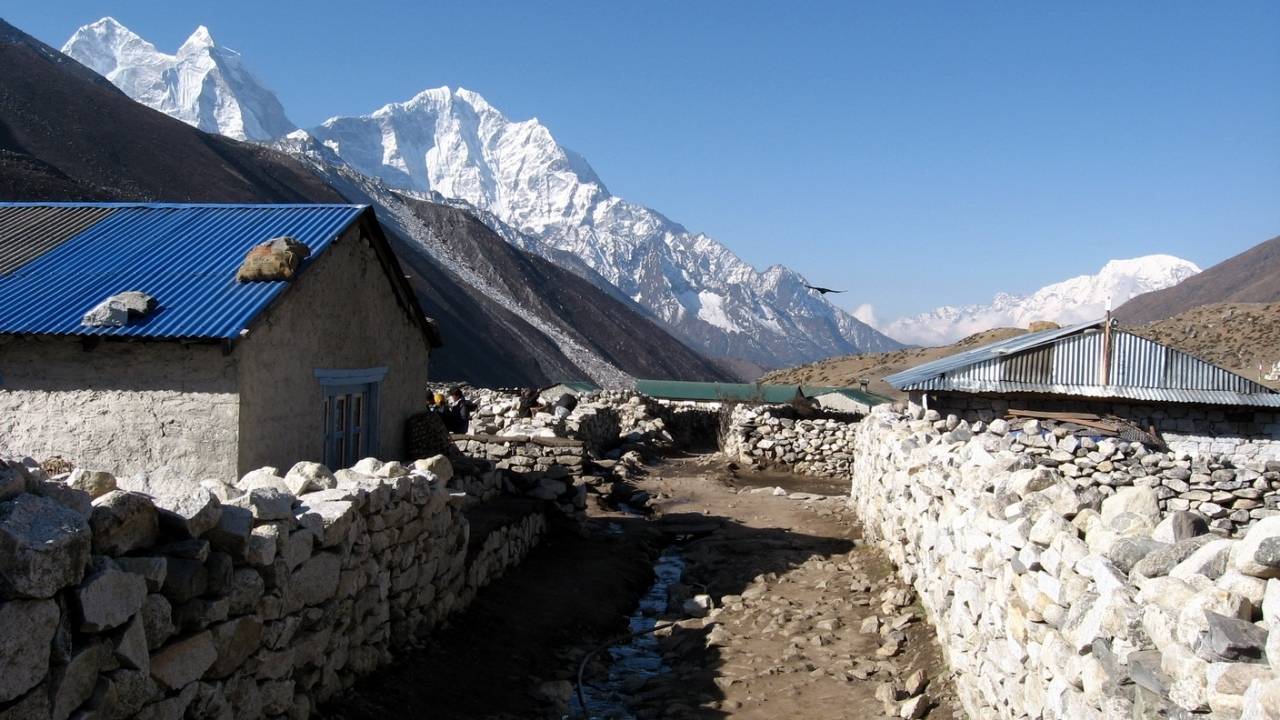
- In lower areas like Lukla, Phakding, and Namche Bazaar, the internet speed is fairly good. You can easily send WhatsApp messages, browse websites, check emails, and upload photos. Short Video calls may work in Namche, but the quality is often low and may freeze or disconnect.
- In mid-altitude villages like Tengboche and Dingboche, the internet becomes slow. Text messages work fine, but uploading photos or videos can take several minutes. Likewise, video calls usually do not work well, and social media browsing becomes frustrating.
- In higher villages like Lobuche and Gorakshep, WiFi is very slow and unreliable. Many trekkers struggle even to send simple messages. Sometimes the connection drops completely for hours due to weather conditions, power shortages, or technical issues.
The best time to use Wifi is early in the morning or late at night, when fewer people are online. During evening hours, when most trekkers connect after dinner, the network becomes overloaded, causing very slow speeds.
So, WiFi on the EBC trek should be used mainly for emergency communication, short updates, and safety checks. Trekkers are encouraged to enjoy the mountains, disconnect from social media pressure, and experience the peaceful beauty of the Himalayas.
Mobile Network Coverage on the EBC Trek
Besides WiFi, trekkers can also use mobile data networks along parts of the Everest Base Camp trek. In Nepal, two main mobile service providers are Nepal Telecom (NTC) and Ncell. Among these, Nepal Telecom provides better coverage in the Everest region.
Nepal Telecom (NTC) offers the widest mobile network coverage on the EBC route. Its signal is available in Lukla, Phakding, Namche Bazaar, and sometimes in Tengboche and Dingboche. In these areas, trekkers can use mobile data for messages, emails, and light browsing. However, the internet speed is generally slow and depends heavily on the weather and network traffic.
Ncell has very limited coverage in the Everest region. Its signal usually works only in Lukla and sometimes in Namche Bazaar. Beyond Namche, Ncell rarely works, making it unreliable for high-altitude trekking.
As trekkers move higher than Dingboche, mobile network coverage becomes very weak or disappears completely. In places like Lobuche, Gorakshep, and Everest Base Camp, mobile data usually does not work at all. In these areas, WiFi or satellite communication becomes the only option.
For better connectivity, most trekkers buy a Nepal Telecom SIM card in Kathmandu before flying to Lukla. NTC also offers affordable data packages for tourists, making it a practical choice. Although mobile networks are useful in lower villages, trekkers should not depend fully on mobile data.
Weather, terrain, and altitude can disrupt the signal. It is always wise to carry backup communication options and inform family about limited connectivity during the trek.
Best Way to Stay Connected on the Everest Base Camp Trek
Staying connected on the Everest Base Camp trek requires planning and smart use of available resources. Since Wifi and mobile networks are limited, trekkers should prepare for slow speeds, disconnections, and extra costs. Here are practical tips to make the most of internet access during your trek :
-
Buy an Everest Link WiFi Card: Everest Link WiFi cards work in most villages along the trail. These cards can be purchased in Lukla, Namche Bazaar, or online in advance. They are convenient because one card works across multiple lodges, but the speed may still be slow in higher villages.
-
Use a Nepal Telecom SIM Card: NTC provides the best mobile coverage in the Everest region. Buy a SIM in Kathmandu or Lukla and load it with a tourist data package. This helps you to stay connected in the lower villages and for emergencies. Remember, mobile data will likely stop working above Dingboche.
-
Carry Extra Power Sources: WiFi routers in lodges run on solar panels or small generators, and your phone or hotspot will drain quickly. Bring a high-capacity power bank, and if possible, a small solar charger to recharge devices in remote areas.
-
Manage Battery and Data Usage: Turn off apps that drain data in the background. Use offline maps, guides, and music to reduce dependence on the internet. Close unnecessary apps while using WiFi to improve connection speed.
-
Timing Matters: Try using WiFi in the early morning or late at night when fewer trekkers are online. Avoid peak hours after dinner, when the network is overloaded and very slow.
-
Offline Communication Tools: Consider apps that work offline or store messages to send later, like WhatsApp offline messages or SMS service. Keep the family updated in the over villages where the internet is better.
-
Emergency Communication: For emergencies, carry a satellite phone or a personal locator device. These are more reliable than WiFi or mobile networks at higher altitudes, and they can be life-saving in critical situations.
By following these trips, trekkers can stay connected when needed while still enjoying the unique opportunity to disconnect and experience the Himalayas fully. Proper planning ensures both safety and convenience without wasting time and money on unreliable internet.
**Short on Time? Try this- Short Everest Base Camp Trek with smart acclimatization and maximum impact**
Should You Expect Full Internet at Everest Base Camp?
Many trekkers arrive at Everest Base Camp expecting to check emails, upload videos, or stalk social media, but the reality is very different. At high altitudes, internet connectivity is limited, slow, and often unreliable. Even with WiFi or mobile data, full internet access is rarely possible beyond Lobuche and Gorakshep. Everest Base Camp itself has no permanent WiFi network for trekkers.
Instead of focusing on constant connectivity, it is better to set realistic expectations. Use the internet primarily for emergency communication, checking weather updates, or sending brief messages to family. This approach ensures safety without frustrating you with slow and unstable connections.
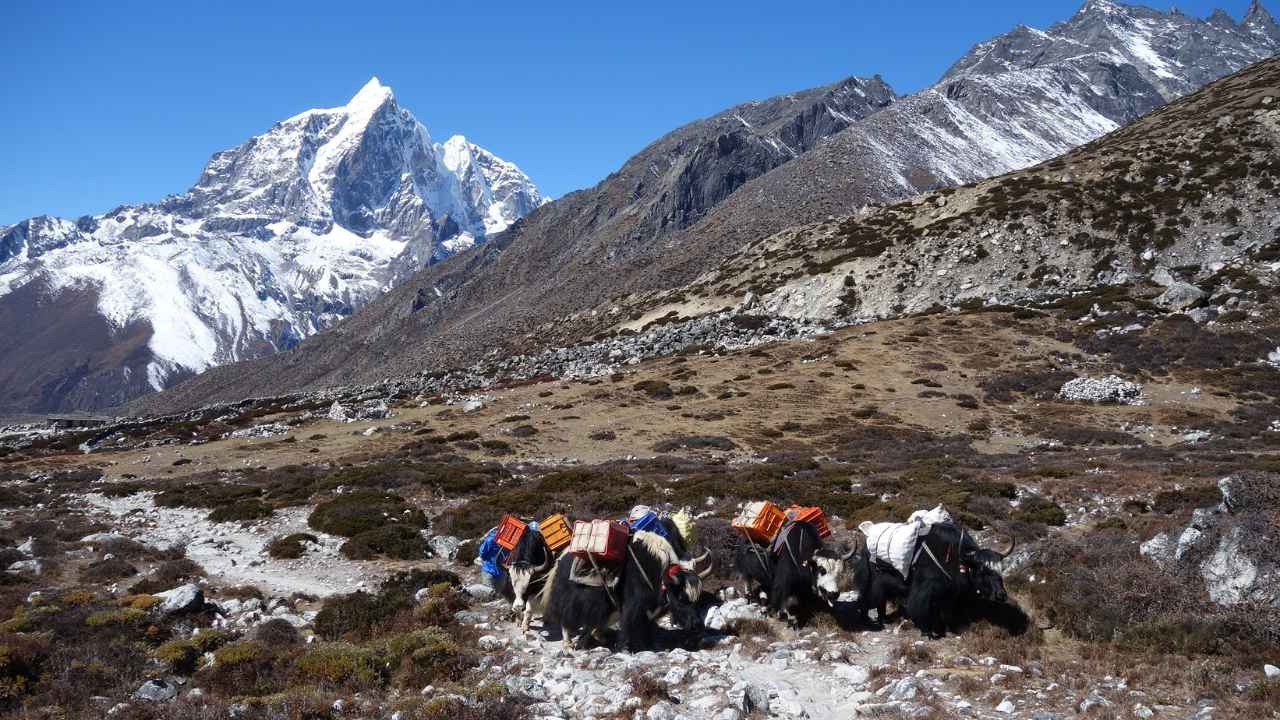
Limited internet also offers a unique opportunity for digital detox. Without constant notifications, trekkers can fully enjoy the Himalayas, appreciate the tranquility of the mountains, and connect with fellow trekkers in person. Many trekkers find that this disconnection becomes one of the most memorable parts of the journey.
For safety and convenience, carry a Nepal Telecom SIM, an Everest Link WiFi card, and a power bank or solar charger. Plan your online activities in lower villages and use higher altitude WiFi sparingly. Remember, the real experience of the Everest Base Camp trek is being present in nature, not staying glued to the screen.
So to summarize the topic, expect limited connectivity, embrace the digital break, and enjoy the trek. The internet is there when needed, but it should not define your Everest adventure.