

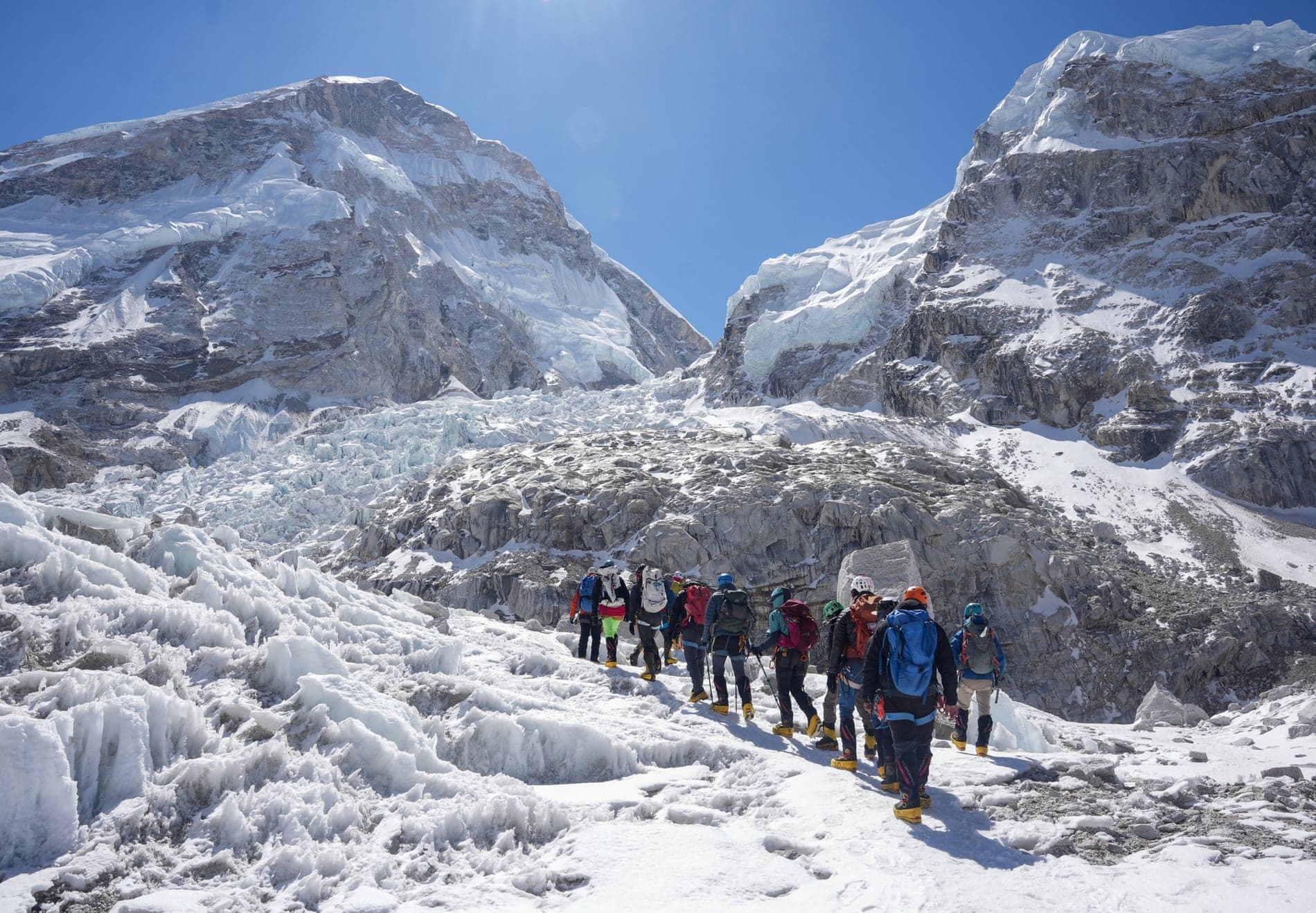
The Everest Base Camp Trek is one of the most famous walking adventures in the world. Every year, thousands of trekkers travel to Nepal to follow the trail through beautiful Sherpa villages, green forests, hanging suspension bridges, and snowy Himalayan landscapes. Reaching Everest Base Camp at 5,364 meters (17,598 feet) is a dream for many travellers because it allows them to stand close to the world's highest mountain, Mount Everest. While most people focus on the final destination, understanding the daily trekking distance is just as important for a successful journey.
Many first-time trekkers imagine that the Everest Base Camp Trek is only about walking long distances every day. In reality, altitude has a much bigger effect on the body than the number of kilometers covered. Some days involve only 5 to 8 kilometers of walking, yet they can feel harder than a 12-kilometer day at lower elevations. As the trail climbs higher into the Himalayas, the air becomes thinner, making breathing more difficult and slowing down your pace. This is why trekking itineraries include acclimatization days even when the distance seems short.
A standard Everest Base Camp itinerary covers approximately 130 kilometers (81 miles) round-trip from Lukla to Everest Base Camp and back. Most trekkers complete this journey in 12 to 14 days, walking between 4 and 8 hours per day. The route passes through famous places such as Lukla, Namche Bazaar, Tengboche, and Dingboche before finally reaching Everest Base Camp. Each section of the trek has different terrain, elevation gains, and walking times that influence how challenging the day feels.
This detailed guide breaks down the Everest Base Camp Trek distance day by day, showing how far you walk, how many hours each stage usually takes, and what to expect along the route. Whether you are planning your first Himalayan adventure or simply researching the trek, understanding the daily distances will help you to prepare better, manage your energy wisely, and enjoy every step of this unforgettable journey to the foot of Mount Everest.
Everest Base Camp Trek Distance Overview: Total Distance, Days, and Walking Hours
The Everest Base Camp Trek is not just a hike to a famous destination. It is a journey that takes trekkers through changing landscapes, traditional mountain villages, and high Himalayan terrain. Before starting the adventure, it is helpful to understand the overall distance, the number of trekking days, and the average walking hours involved. Knowing these details helps trekkers to prepare physically and mentally for the challenge ahead. Although many people focus on reaching Everest Base Camp, the daily journey itself is what makes the experience special.
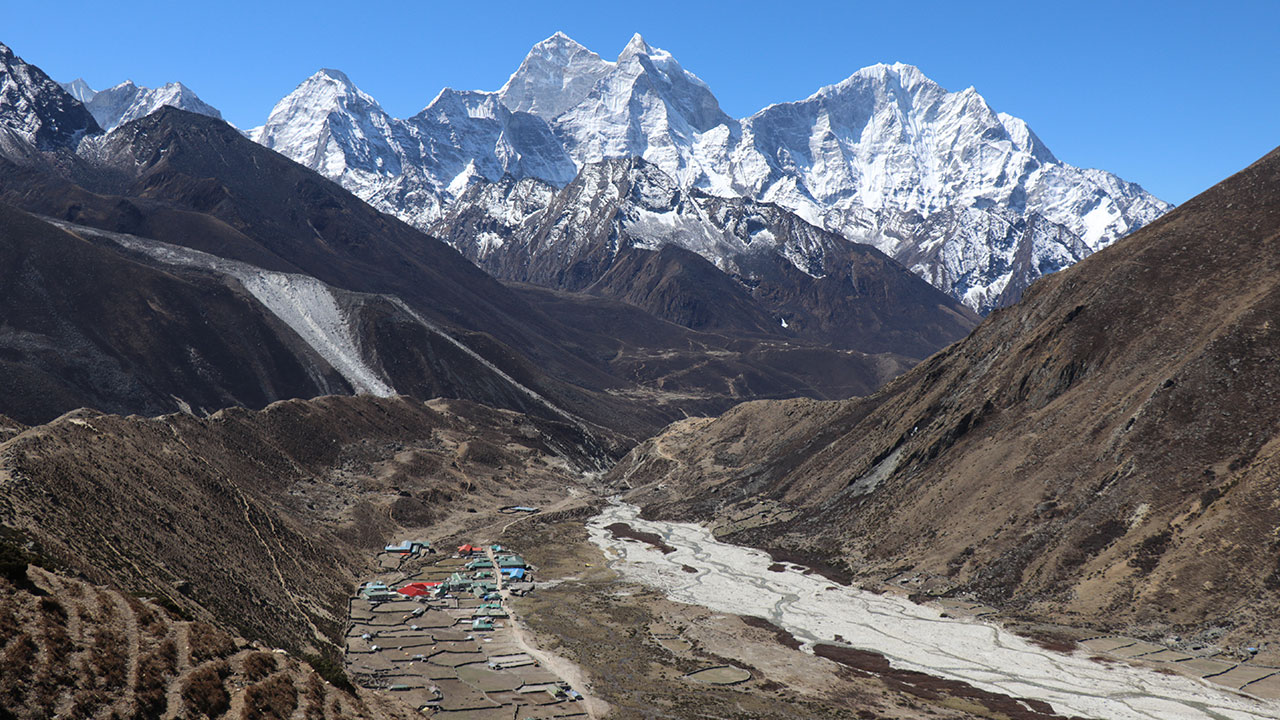
A standard Everest Base Camp Trek covers about 130 kilometers (81 miles) round-trip. This distance begins in Lukla and follows the well-known trail through Namche Bazaar, Tengboche, Dingboche, and Lobuche before reaching Everest Base Camp. Most itineraries take between 12 and 14 days to complete. The schedule includes several acclimatization days that allow trekkers to adjust to higher elevations. These rest days are important because they reduce the risk of altitude sickness and improve the chances of a successful trek.l
The average trekking distance per day ranges from 8 to 15 kilometers, depending on the route and itinerary. On most days, trekkers spend between four and eight hours on the trail. Lower sections of the route often involve longer distances because the air contains more oxygen and the terrain is easier. Higher sections usually have shorter distances, but walking becomes slower due to steep climbs, rocky paths, and thinner air. For this reason, distance alone does not determine how difficult a trekking day will be.
Weather conditions, trail conditions, fitness levels, and altitude all affect daily walking speed. A strong trekker may complete a section quickly, while another person may need extra time for rest breaks. Guides encourage trekkers to maintain a slow and steady pace rather than rushing. Drinking enough water, eating well, and taking regular breaks also help to maintain energy throughout the journey.
Understanding the total distance, trekking days, and daily walking hours provides a clear picture of what the Everest Base Camp Trek involves. Instead of worrying about long kilometers, trekkers should focus on consistent progress and proper acclimatization. With good preparation and realistic expectations, the journey becomes more enjoyable and rewarding from the first day in Lukla to the final return trek.
Day 1 to 3 Distance Breakdown: Lukla to Namche Bazaar– 22 to 25km (13 to 15 miles)
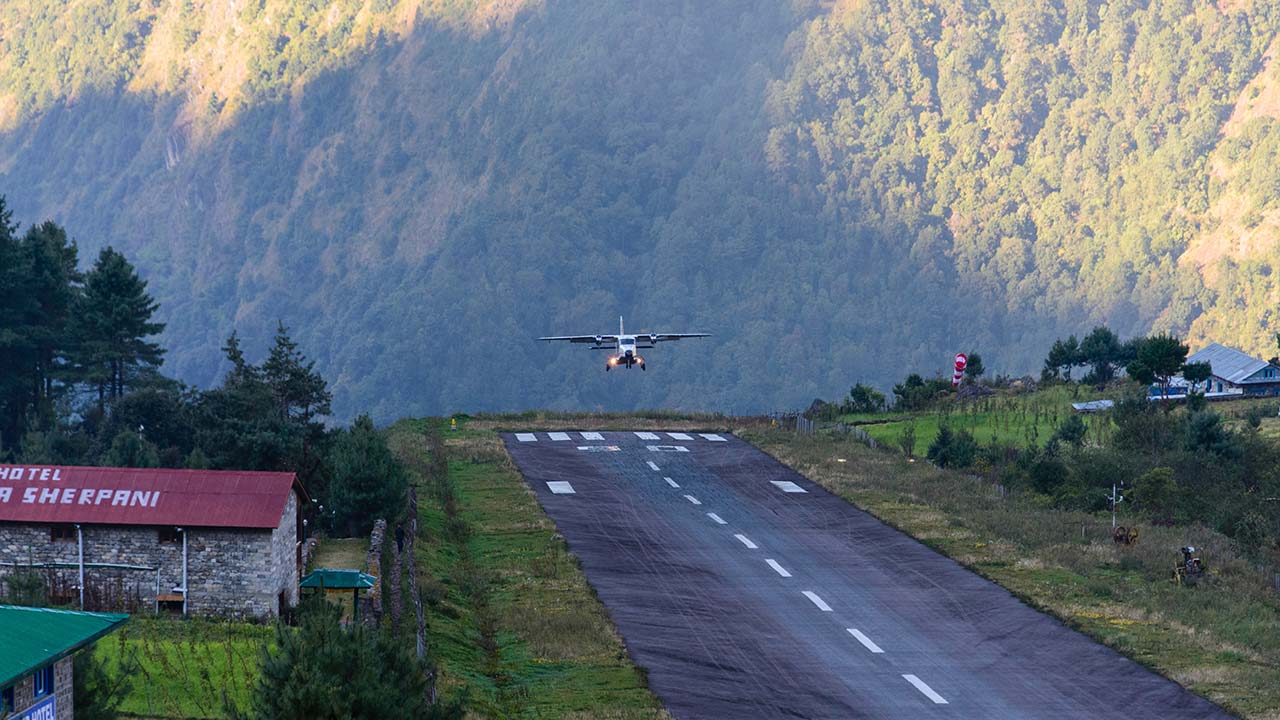
The Everest Base Camp Trek officially begins after a short mountain flight to Lukla at an elevation of 2,860 meters. The first trekking day is relatively easy and helps the body adjust to walking in the mountains. From Lukla to Phakding, trekkers cover about 7-8 kilometers in approximately 3-4 hours. The trail mostly descends through small Sherpa settlements, forests, prayer wheels, and Mani walls. Because the elevation gain is minimal, most trekkers find this day comfortable. Phakding sits around 2,610 meters beside the Dudh Koshi River and serves as a popular overnight stop before the climb toward Namche Bazaar.
Day two is often considered one of the most important and challenging days of the early trek. The route from Phakding to Namche Bazaar covers roughly 10-12 kilometers and usually takes 6-7 hours. Trekkers cross several famous suspension bridges over the Dudh Koshi River, including the well-known Hillary Bridge. After entering Sagarmatha National Park, the trail begins a long and steep ascent toward Namche Bazaar. The elevation rises from 2,610 meters to 3,440 meters, creating a gain of about 830 meters in a single day. On clear days, trekkers may catch their first distant view of Mount Everest along this section.
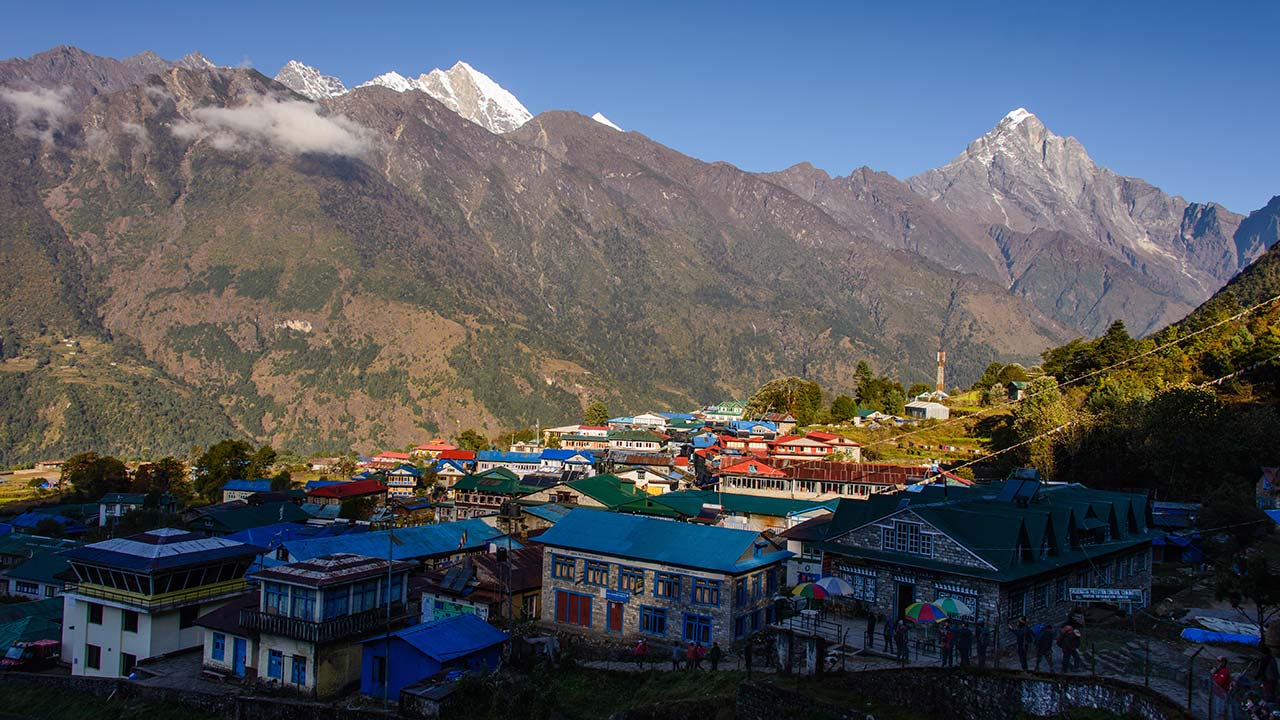
The third day is an acclimatization day in Namche Bazaar rather than a complete rest day. Most itineraries include a hike to viewpoints such as the Everest View area or nearby villages. Depending on the route chosen, trekkers walk about 4-6 kilometers over 2-4 hours. These hikes typically reach elevations between 3,700 and 3,880 meters before returning to Namche for the night. This strategy follows the principle of “Climb high, sleep low”, helping the body adapt to thinner air.
By the end of the first three days, trekkers have covered approximately 22-25 kilometers. Although this distance is not extremely long, the significant elevation gain makes proper pacing essential. These days establish the foundation for the rest of the Everest Base Camp Trek and prepare trekkers for the higher and more demanding sections ahead.
Day 4 to 6 Distance Breakdown: Namche Bazaar to Dingboche– 25 to 29km (15 to 18 miles)
After completing acclimatization in Namche Bazaar, trekkers continue deeper into the Khumbu region. Day four takes them from Namche Bazaar to Tengboche, a distance of approximately 9-10 kilometers that usually requires 5-6 hours of walking. The trail begins with a gradual route along the mountainside, offering outstanding views of Mount Everest, Lhotse, and Ama Dablam. After descending to the Dudh Koshi River at Phunki Tenga, trekkers face a steady uphill climb through rhododendron and pine forests before reaching Tengboche at 3,860 meters. The village is famous for the historic Tengboche Monastery, the largest monastery in the Everest region.
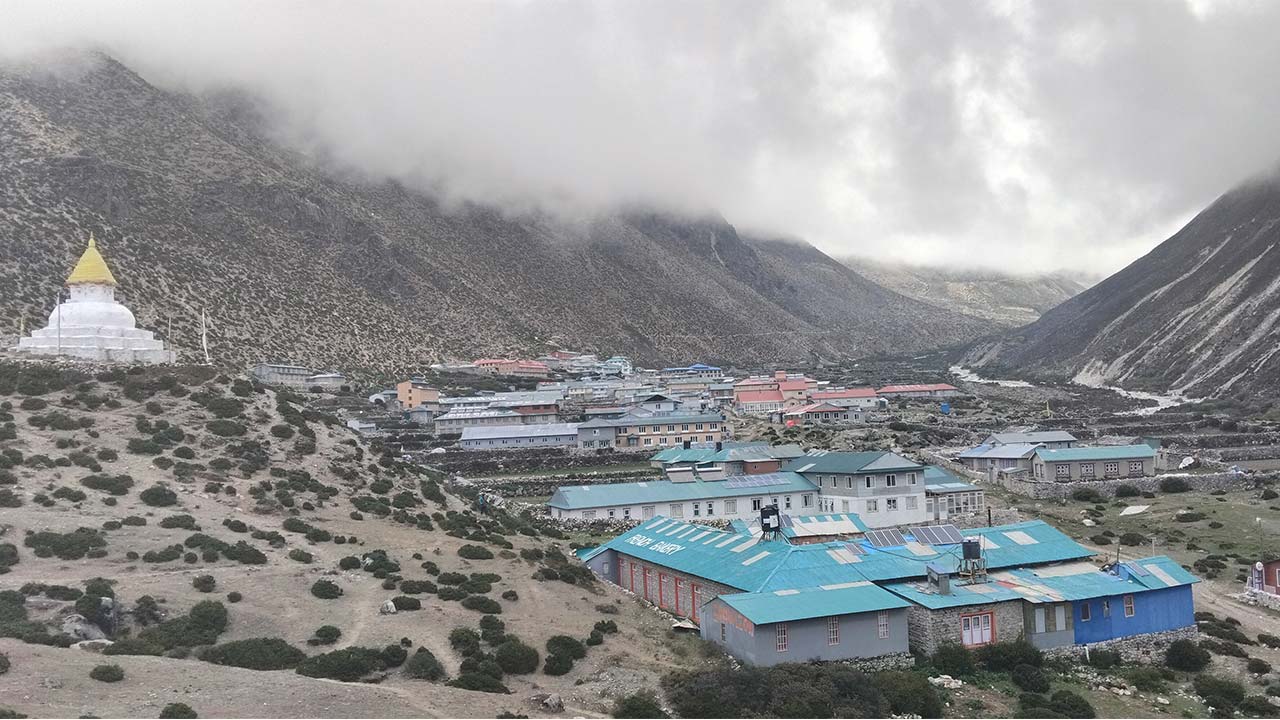
Day five continues from Tengboche to Dingboche. This section covers roughly 9-12 kilometers and normally takes between 5 and 6 hours. The trail descends through forests to Deboche before crossing the Imja Khola River. As trekkers move higher, dense forests gradually disappear, and the landscape becomes more open and rugged. Villages such as Pangboche and Somare provide useful rest stops along the route. The elevation increases from 3,860 meters to about 4,410 meters, making breathing noticeably harder than in the lower sections of the trek.
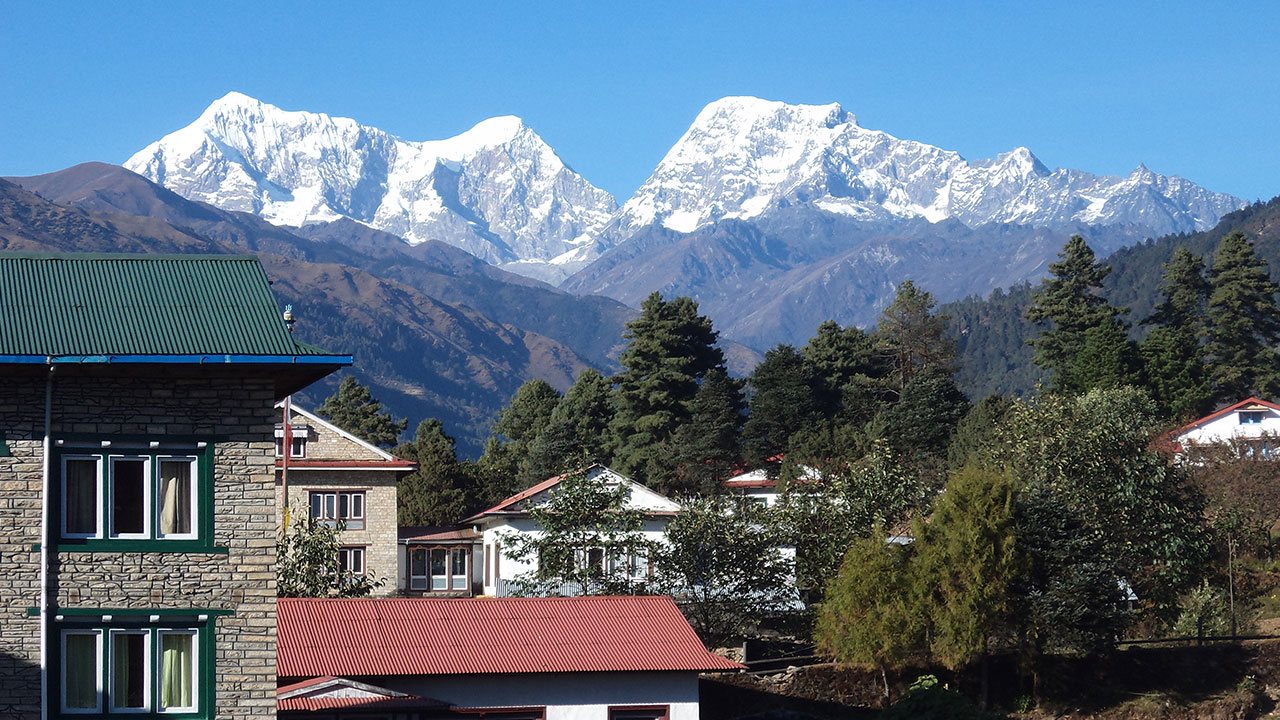
Day six is another acclimatization day designed to help trekkers adjust before entering higher altitudes. Most groups take a side hike to Nagarjun Hill or nearby viewpoints above Dingboche. Depending on the chosen route, trekkers walk approximately 5-7 kilometers over 3-4 hours and may reach elevations above 5,000 meters before returning to Dingboche for the night. These hikes provide spectacular views of the surrounding Himalayan peaks while improving acclimatization.
Across days four to six, trekkers cover approximately 25-29 kilometers. Although the daily distances remain moderate, the increasing altitude makes every kilometer more demanding. Careful pacing, hydration, and proper rest become increasingly important. By the end of this stage, trekkers are well adapted to high elevations and ready for the challenging approach toward Lobuche, Gorakshep, and Everest Base Camp.
Day 7 to 9 Distance Breakdown: Dingboche to Everest Base Camp– 27 to 30km (16 to 18 miles)
The journey becomes more demanding after leaving Dingboche. On day seven, trekkers walk from Dingboche to Lobuche, covering approximately 8-9 kilometers in about 5-6 hours. Although the distance is shorter than in earlier stages, the altitude makes progress slower. The trail gradually climbs through alpine terrain toward Dughla before a steep ascent leads to the Thukla Pass memorial area. Here, stone monuments honor climbers who lost their lives on Everest and nearby peaks. From this point, the route follows a rocky valley to Lobuche at around 4,940 meters. The scenery becomes increasingly dramatic, with glaciers, snow-covered peaks, and barren mountain landscapes dominating the horizon.
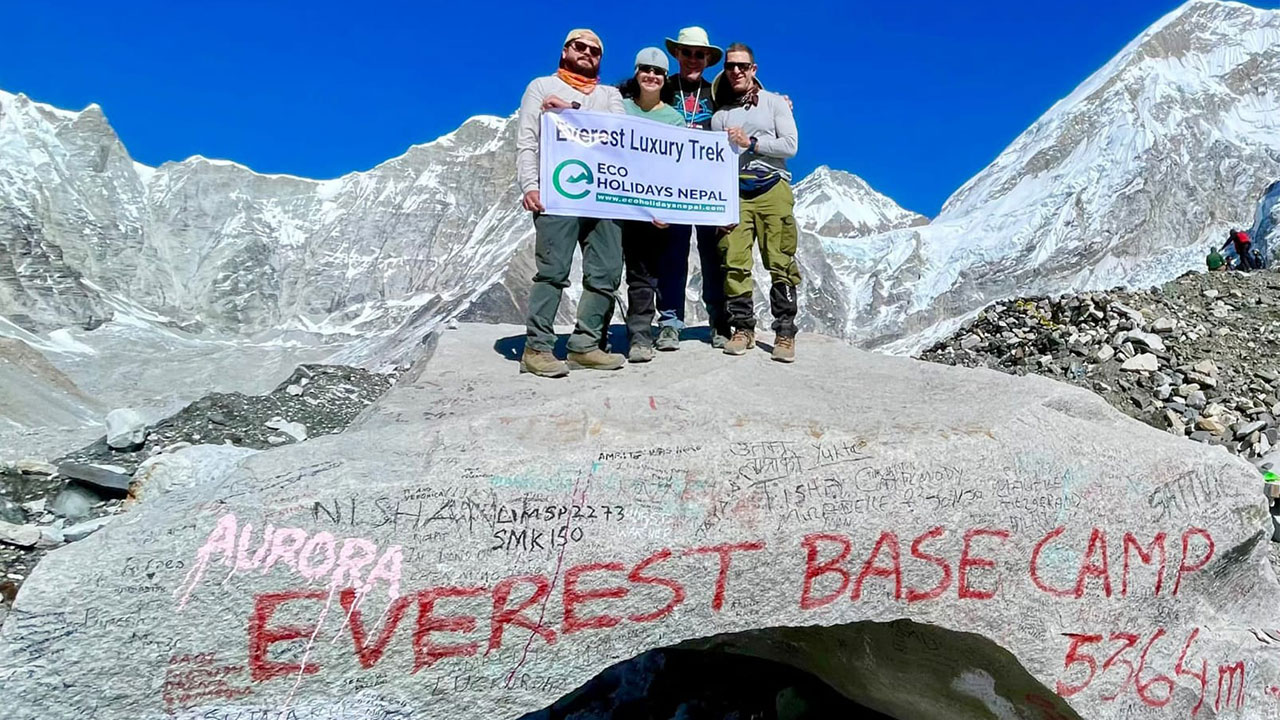
Day is one of the most anticipated days of the entire trek. Trekkers leave Lobuche and walk about 4-5 kilometers to Gorakshep, usually requiring 2-3 hours. After reaching Gorakshep and taking a short rest, the journey continues to Everest Base Camp. The round-trip distance from Gorakshep to Base Camp and back is approximately 7-8 kilometers and takes another 3-4 hours. The trail follows the edge of the Khumbu Glacier over rocky and uneven ground. At 5,364 meters, Everest Base Camp provides a sense of achievement and offers close views of the famous glacier used by climbers during Everest expeditions.
Day nine usually begins before sunrise with the climb to Kala Patthar. This steep hike covers about 3 kilometers round trip and reaches approximately 5,545 meters, one of the highest points of the trek. From the summit, trekkers enjoy some of the best panoramic views of Mount Everest, Nuptse, Pumori, and surrounding Himalayan giants. After returning to Gorakshep for breakfast, the trek continues downhill to Pheriche, adding roughly 9-10 kilometers of walking.
During these three days, trekkers cover approximately 27-30 kilometers while reaching the highest elevations of the entire journey. Physical effort increases significantly because oxygen levels are much lower than at the start of the trek. Careful pacing, regular hydration, and patience are essential for safely reaching Everest Base Camp and enjoying this unforgettable section of the adventure.
Day 10 to 12 Distance Breakdown: Pheriche to Lukla– 32 to 34km (19 to 21 miles)
After reaching Everest Base Camp, completing the sunrise hike to Kala Patthar, and trekking down to Pheriche, this part of the journey continues downhill. Many trekkers are surprised to learn that the descent often includes longer walking distances than the ascent. While breathing becomes easier at lower elevations, the trail still requires endurance because several days involve many hours of continuous walking. The return route follows the same path through the Khumbu valley, allowing trekkers to revisit villages and landscapes from a different perspective.
The stage from Pheriche to Namche Bazaar covers roughly 14-15 kilometers and usually takes 6 to 7 hours. Trekkers pass through Pangboche, Deboche, and Tengboche before descending to the Dudh Koshi River and climbing back to Namche Bazaar. Although much of the route trends downhill, several short uphill sections remain. The improved oxygen availability often makes these climbs feel easier than they did during the ascent. Many trekkers use this evening in Namche Bazaar to celebrate reaching Everest Base Camp and enjoy a more comfortable night at a lower altitude.
The final trekking day stretches from Namche Bazaar back to Lukla. The distance is approximately 18-19 kilometers and normally takes 6-8 hours. Suspension bridges, forests, riverside trails, and familiar villages mark the route. Across these return days, trekkers cover around 32-34 kilometers. Although the descent is physically demanding, it offers a rewarding conclusion to one of the world's most famous trekking adventures.
Distance vs Altitude: Why Some Short Days Feel Harder?
Many people preparing for the Everest Base Camp Trek assume that the longest walking days will be the hardest. In reality, altitude often has a much greater impact on the body than distance alone. A trekker may comfortably walk 15 kilometers at a lower elevation but struggle to cover only 6 or 7 kilometers above 4,500 meters. This happens because the amount of oxygen available in the air decreases as elevation increases. The body must work harder to perform the same activities, causing trekkers to move more slowly and become tired more quickly than expected.
A good example can be seen when comparing the route from Phakding to Namche Bazaar with the route from Lobuche to Gorakshep. The Phakding - Namche section covers around 10-12 kilometers and includes a significant climb, yet many trekkers complete it successfully because the elevation remains below 3,500 meters. In contrast, the Lobuche-Gorakshep section is only about 4-5 kilometers, but it often feels much more difficult. At nearly 5,000 meters above sea level, every step requires greater effort, and even gentle slopes can leave trekkers breathing heavily.
As altitude increases, common effects include slower walking speed, reduced appetite, disturbed sleep, and faster fatigue. Some trekkers also experience mild symptoms of altitude sickness, such as headache and dizziness. This is why Everest Base Camp itineraries include acclimatization days in places like Namche Bazaar and Dingboche. These planned hikes allow the body to gradually adjust to thinner air before continuing to higher elevations. Skipping acclimatization may increase health risks and reduce the chances of reaching Everest Base Camp comfortably.
Understanding the relationship between distance and altitude helps trekkers to set realistic expectations. Success on the Everest Base Camp Trek is not determined by how fast someone walks or how many kilometers they cover each day. A slow and steady pace, regular hydration, nutritious meals, and proper acclimatization are far more important. By respecting altitude and listening to their bodies, trekkers can enjoy the journey safely while increasing their chances of reaching Everest Base Camp and returning with unforgettable memories.
Tips to Handle Daily Trekking Distances Successfully
Completing the Everest Base Camp Trek is not about being the fastest person on the trail. Most trekkers succeed because they manage their energy wisely and follow good trekking habits each day. The daily distances may look manageable on paper, but mountain terrain, changing weather, and high altitude can make walking more challenging than expected. The following practical tips can help trekkers to stay comfortable, maintain steady progress, and enjoy every stage of the journey.
- Walk at a Comfortable and Steady Pace: Avoid rushing, especially during uphill sections. A slow and consistent pace helps to conserve energy and reduce unnecessary fatigue. Most experienced guides recommend walking slowly enough that you can still hold a conversation without becoming breathless.
- Start Early in Each Morning: Beginning the trek early provides cooler temperatures, clearer mountain views, and more time to reach the next destination comfortably. Early starts also reduce the pressure of walking late in the afternoon when weather conditions may change.
- Drink Water Throughout the Day: Dehydration is common at high elevations and can make trekkers feel tired more quickly. Carry a water bottle and drink regularly, even if you do not feel thirsty. Proper hydration supports energy levels and helps the body to adjust to altitude.
- Pack Only Essential Items: A heavy backpack makes every kilometer feel longer. Carry only the items needed during the day, such as water, snacks, a jacket, sunscreen, and personal essentials. Keeping the load light helps to reduce strain on the body.
- Take Short Breaks Instead of Long Stops: Frequent short rests allow muscles to recover without making the body stiff. Sitting for too long can make it harder to start walking again, particularly in cold mountain conditions.
- Eat Enough to Maintain Energy: Trekking for several hours burns a large amount of energy each day. Balanced meals and healthy snacks help to maintain strength and improve recovery between trekking stages.
By following these simple habits, trekkers can manage daily distances more comfortably and reduce the unnecessary stress on the trail. Good placement, hydration, nutrition, and preparation often matter more than fitness alone. With the right approach, the Everest Base Camp Trek becomes a rewarding adventure that can be enjoyed one step at a time.