
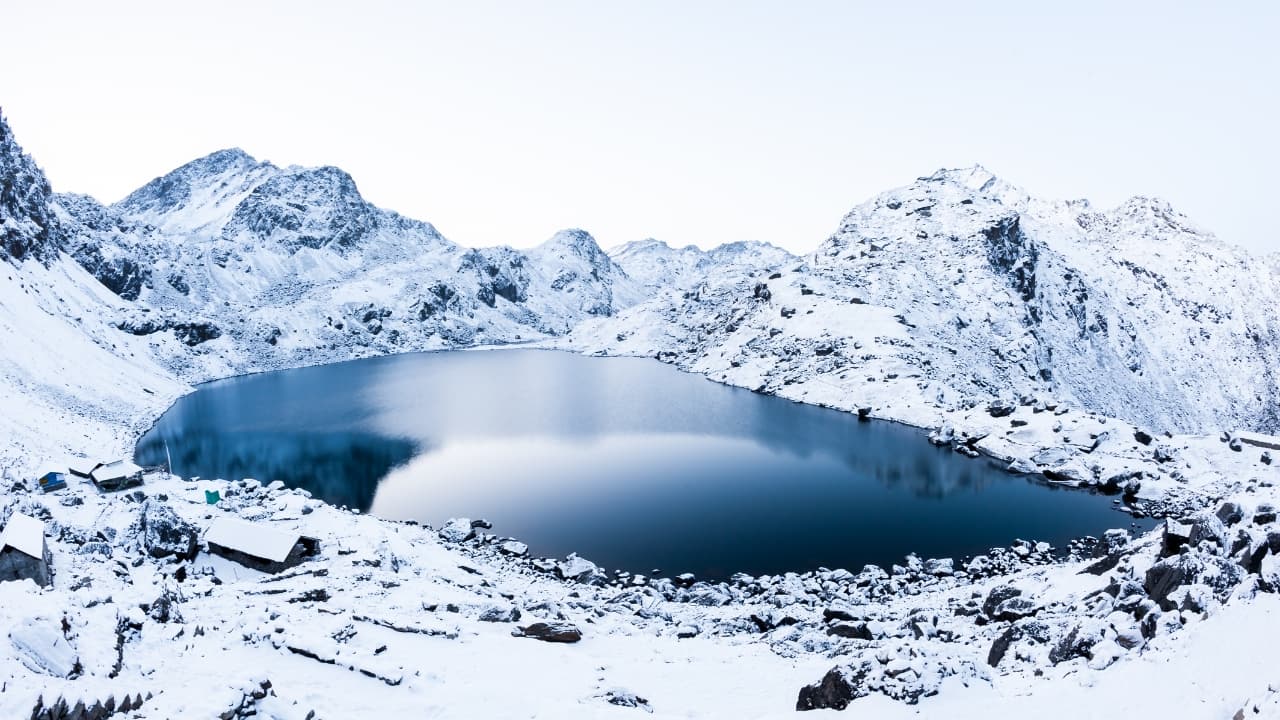
The Gosaikunda Lake Trek is one of the most beautiful and meaningful trekking routes in Nepal. It takes you to the sacred Gosainkunda Lake, which is located approximately 4,380 meters above sea level. It lies inside the Langtang National Park. The trail is famous for its clear alpine lakes, snow-covered mountains, green forests, and peaceful villages. As you walk higher, you can enjoy fresh mountain air, colorful flowers, singing birds, and amazing Himalayan views. Every part of the journey feels different, and each day brings you something new to see. Whether you love nature, adventure, or quiet places, this trek gives you a chance to enjoy them all in one unforgettable trip.
Many people visit the Gosaikunda Lake Trek during Janai Purnima. It is one of the most important religious festivals in Nepal. On this special day, thousands of Hindu and Buddhist pilgrims travel to the lake to pray and take holy baths. They believe that Lord Shiva created the lake with his trident to bring out the water. During the festival, the trail becomes lively with local families, monks, trekkers, and visitors from many places. You can see colorful clothes, hear prayers and songs, and learn about local traditions. The mix of faith, culture, and nature makes this journey different from many other treks in Nepal.
Most trekkers start the journey from Dhunche after a drive from Kathmandu. The trek usually takes five to seven days depending on your route and your walking speed. As you climb higher, the air becomes cooler, and the forest slowly changes into open hills and rocky paths. Along the way, you can see waterfalls, streams, yaks, birds, and friendly local people who welcome all visitors with warm smiles. Walking slowly, drinking enough water, and taking short breaks help your body adjust to the high altitude and make the trek safer and more enjoyable.
This article will help you to understand everything you need to know before starting the Gosaikunda Lake Trek. You will learn about the best time to visit, especially during Janai Purnima, the trekking route, permits, costs, accommodation, food, weather, safety tips, and local culture. By the end, you will know how to prepare well, respect nature and local traditions, and enjoy this sacred journey with confidence. The peaceful lakes, beautiful mountains, and kind people will give you wonderful memories that stay with you long after you visit Gosaikunda.
Why Janai Purnima Is the Best Time to Visit Gosaikunda?
Many people believe Janai Purnima is the best time to enjoy the Gosaikunda Lake Trek because it brings nature, culture, and faith together. This festival usually falls in August during the full moon. On this day, Hindu men change their sacred thread called Janai. Many people tie a colorful Raksha Bandhan around their wrist for protection and good luck. At the same time, thousands of pilgrims and trekkers walk toward the holy Gosaikunda Lake. You can see people of different ages walking together with smiles, songs, and prayers. The journey becomes more than a trek because it also becomes a special celebration that brings families, friends, and visitors together.
According to Hindu belief, Lord Shiva created Gosaikunda Lake by striking a mountain with his trident to bring out water. Because of this story, many pilgrims believe the lake is holy. During Janai Purnima, they take a bath in the cold lake and offer flowers, prayers, and other simple offerings. They hope for good health, peace, and blessings for their families. Even if you visit for adventure instead of religion, you can still learn about local traditions and respect the beliefs of others. Watching these traditions helps you to understand why the lake is one of Nepal's most important pilgrimage sites.
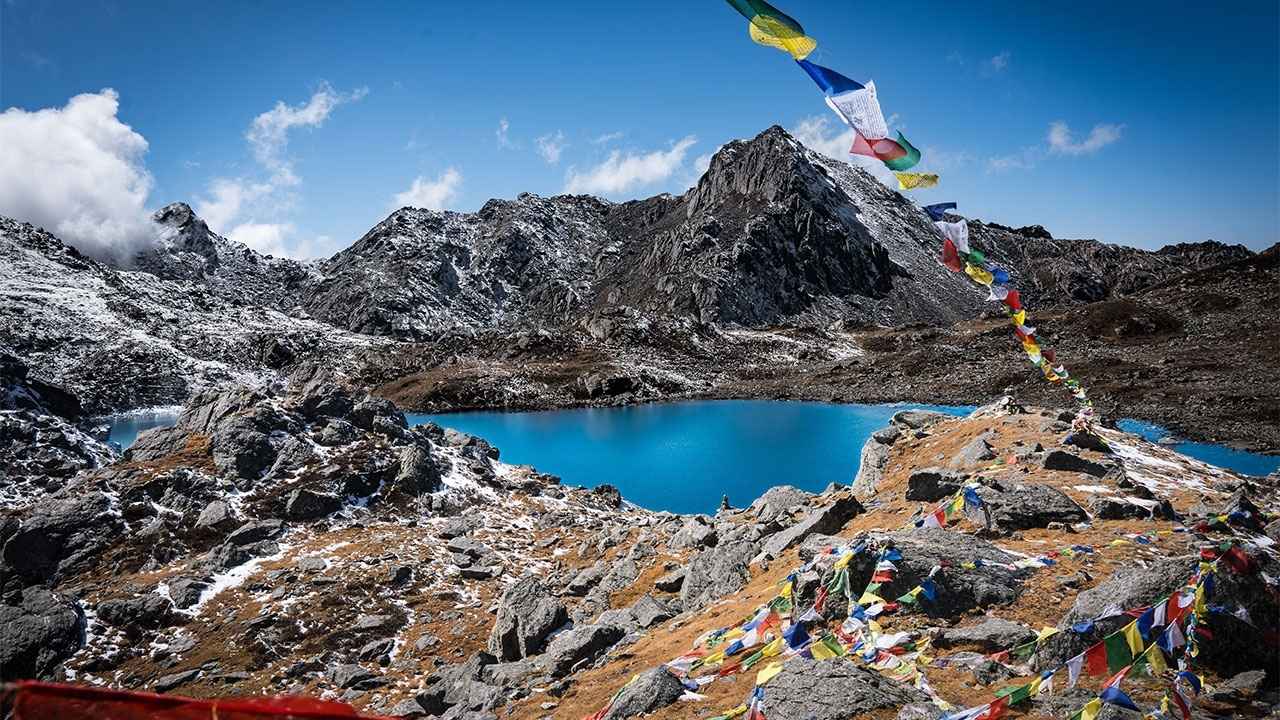
The trail is very lively during the festivals. Local people set up small shops that sell goods, drinks, and useful trekking items. Teahouses have many guests, so booking your stay early is a smart idea. Along the way, you may hear traditional music, see colorful prayer flags, and meet friendly people from different parts of Nepal and other countries. Everyone shares the same mountain paths, making the journey feel warm, safe, and full of happy moments. You will also enjoy beautiful forests, waterfalls, rivers, and amazing Himalayan views as you continue walking.
Although Janai Purnima is a wonderful time to visit, you should prepare well before starting the Gosaikunda Lake Trek. August is a part of Nepal's monsoon season, so rain can make some trails wet and slippery. Good trekking shoes, warm clothes, a rain jacket, and enough drinking water are very important. You should walk slowly because the trail reaches high altitude and your body needs time to adjust. If you travel carefully and respect nature, local culture, and other visitors, you will enjoy a safe, meaningful, and unforgettable journey to the sacred alpine lakes.
Gosaikunda Trek Route and Itinerary
The Gosaikunda Lake Trek follows one of the most beautiful mountain routes in Nepal. The trail takes you through peaceful forests, small villages, green hills, and high alpine landscapes before reaching the sacred Gosaikunda Lake at 4,380 meters. Most trekkers start from Dhunche, which is the main gateway to the trek in Rasuwa District. The journey is suitable for people with good fitness and careful preparation. Every day offers something new, from waterfalls and rhododendron forests to wide Himalayan views and holy lakes. If you plan your trip well, then the route is easy to follow and gives you enough time to enjoy both nature and local culture.
5 Day Itinerary for Gosaikunda Lake Trek
-
Day 1: The trek begins with a 6 to 7 hour drive from Kathmandu to Dhunche (2,030 m).
-
Day 2: On this day, you trek from Dhunche to Chandan Bari (Sing Gompa, 3,330 m) in about 6 to 7 hours. The trail passes through pine, oak, bamboo, and rhododendron forests. You can also visit the local monastery and famous yak cheese factory.
-
Day 3: On this day, you continue through Cholangpati and Laurebina before reaching Gosaikunda Lake (4,380 m). It is the most exciting day because you will enjoy beautiful mountain views and visit sacred lakes. During Janai Purnima, thousands of pilgrims gather here to pray and take a holy bath.
-
Day 4: On this day, you walk back from Gosaikunda to Dhunche. The downhill journey usually takes 8 to 9 hours. You should start early and walk carefully.
-
Day 5: You will drive from Dhunche to Kathmandu in about 6 to 7 hours.
Some trekkers choose a longer adventure by crossing Laurebina La Pass (4,610 m) and continuing toward Helambu. This route takes extra days, and it is better for experienced trekkers because it includes higher altitude and longer walking hours.
The Gosaikunda Lake Trek is more than a mountain walk. It is a journey filled with beautiful nature, local culture, and deep spiritual meaning. If you prepare well, walk slowly, and respect local traditions, then you can enjoy every part of the trek safely. This simple itinerary helps you to plan your trip with confidence and gives you enough time to experience the peaceful beauty of one of Nepal's most sacred alpine lakes.
Sacred Lakes, Nature and Wildlife
The Gosaikunda Lake Trek is famous not only for its mountain trails but also for its beautiful sacred lakes. The main lake, Gosaikunda, lies at about 4,380 meters above sea level inside Langtang National Park. There are many other small alpine lakes around the main lake. Local people believe there are more than one hundred lakes in the Gosaikunda area. Several of them are important in Hindu tradition. Every year, especially during Janai Purnima, thousands of pilgrims visit these holy lakes to pray and take sacred baths. They believe the water brings peace, hope, and blessings. Even if you come for trekking, you will enjoy the calm water, fresh air, and quiet mountain views that make this place very special.
Nature makes this trek even more exciting. As you walk higher, the scenery changes every day. The lower trails have forests of pine, oak, bamboo, and colorful rhododendron trees. In spring, many flowers bloom and cover the hills; grasslands and alpine plants take their place. You can also enjoy clear rivers, waterfalls, and snowy mountain peaks along the trail. On sunny days, the blue sky reflects on the clear lake water, creating a beautiful view that many visitors love to photograph and remember.
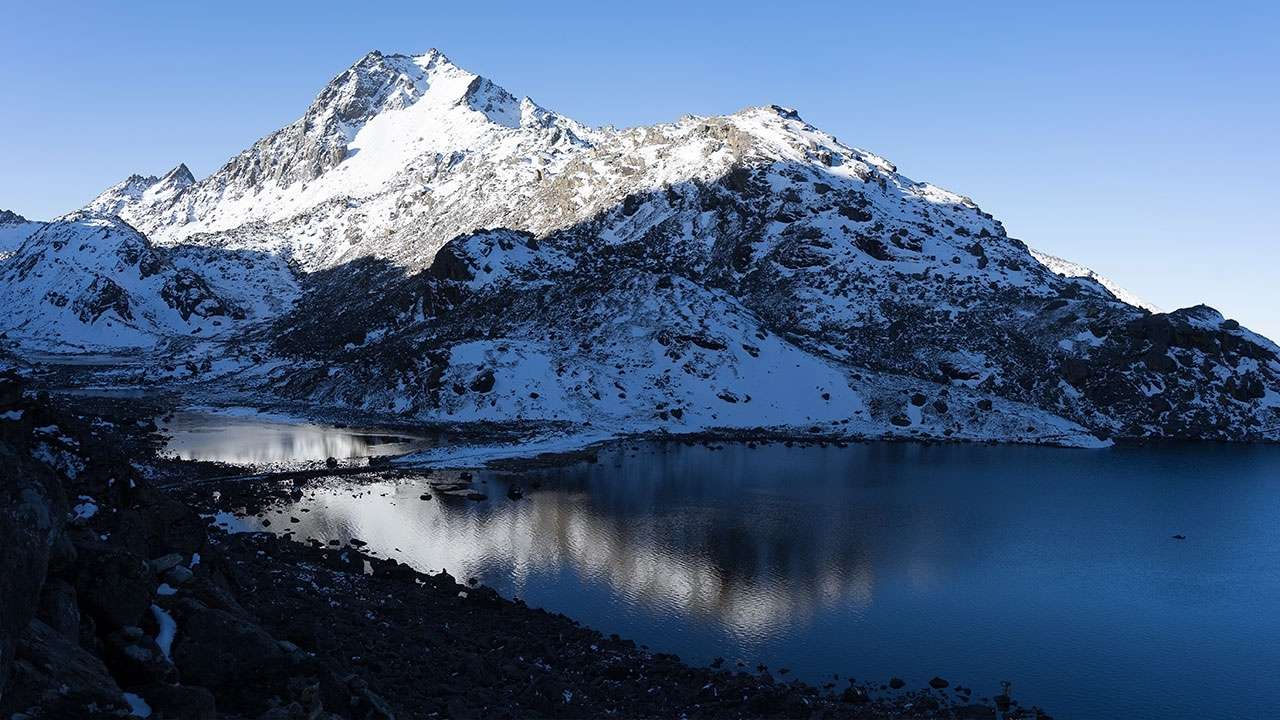
The Gosaikunda Lake Trek is also a good place to see wildlife. Langtang National Park protects many animals and birds. If you are lucky, you may see Himalayan tahr, musk deer, langur, monkeys, or colorful birds such as the Himalayan monal, Nepal's national bird. Red pandas also live inside the park, although they are very shy and difficult to spot. While walking, you should keep quiet and never disturb wild animals. Respecting nature helps to protect these rare species for future visitors.
We all have a duty to protect this beautiful place. You should carry your rubbish back, avoid using single-use plastic, and stay on marked trails. You should respect the holy lakes by keeping the water clean and following local customs. When you care for nature and respect local beliefs, then you help to keep the Gosaikunda Lake Trek beautiful for everyone. Your small actions can make a big difference, allowing future trekkers, pilgrims, and local families to enjoy these sacred alpine lakes for many years.
Best Time to Visit Gosaikunda Lake Trek
Choosing the right season is one of the most important parts of planning the Gosaikunda Lake Trek. Every season offers you a different experience, from colorful mountain views to snowy landscapes and religious festivals. Your best travel depends upon whether you want pleasant weather, beautiful scenery, fewer crowds, or the chance to join the sacred Janai Purnima celebration. Before booking your trip, you should learn what each season offers so you can enjoy a safe, comfortable, and memorable adventure.
Spring (March to May)
Spring is one of the best seasons for the Gosaikunda Lake Trek. The weather is mild with daytime temperatures generally ranging from 10°C to 20°C at lower elevations while higher areas remain cooler. Rhododendron forests bloom with red, pink,k and white flowers, making the trail bright and colorful. The skies are often clear, offering you excellent views of the Langtang Himalayan range. This season is perfect for nature lovers, photographers, and first-time trekkers because the trails are usually dry and comfortable.
Summer and Monsoon (June to August)
Summer brings green hills, flowing waterfalls, and fresh mountain landscapes. However, it's also Nepal's monsoon season, so rain is common. Trails may be muddy and slippery, and clouds can hide mountain views. Despite the rain, this season is very special because Janai Purnima is usually celebrated in August, which attracts thousands of Hindu and Buddhist pilgrims to Gosaikunda Lake. If you visit during this festival, carry waterproof clothing, trekking poles, and good hiking boots.
Autumn (September to November)
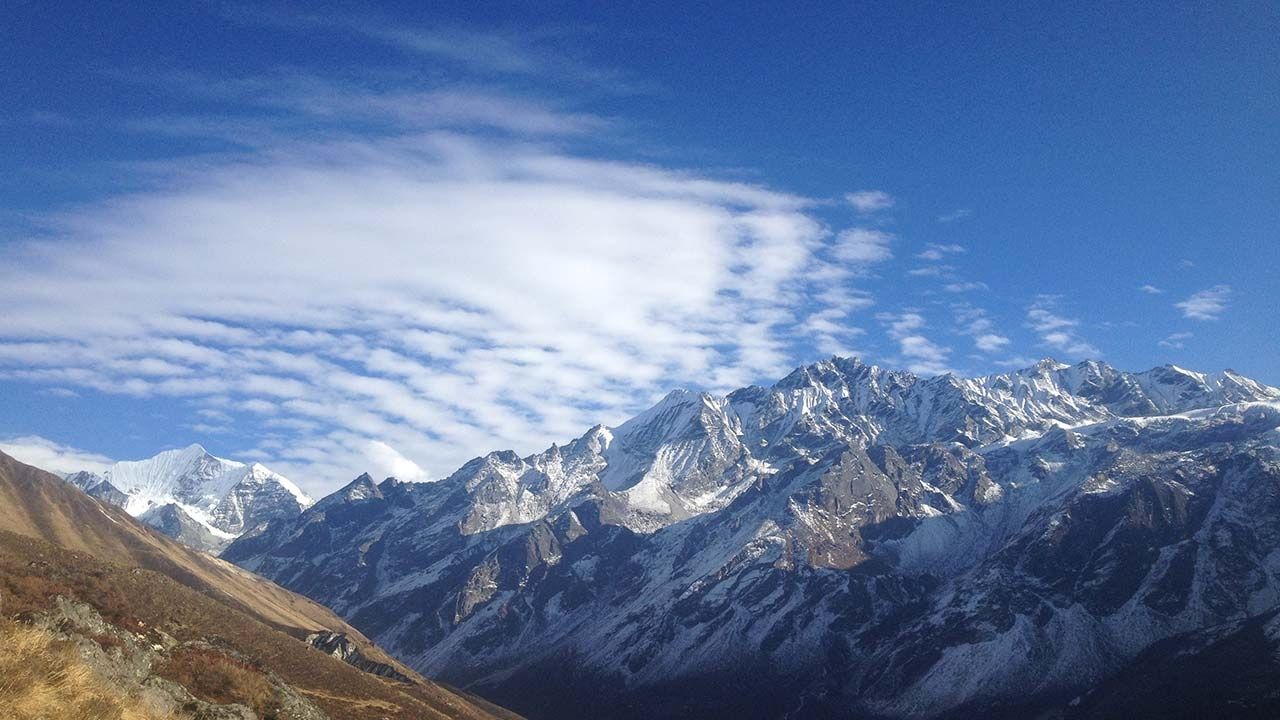
Autumn is another excellent time for trekking. After the monsoon, the skies become clear, and the mountains look bright and beautiful. Daytime temperatures are comfortable, usually between 8°C and 28°C in many trekking areas, while nights become colder at higher elevations. Dry trails, fresh air and stable weather make this season a favorite for families, photographers and adventure lovers. Tea houses are open, and mountain visibility is often at its best.
Winter (December to February)
Winter is cold but peaceful. Higher parts of the trail, including Gosaikunda Lake, often receive heavy snowfall, and temperatures can fall below -10°C at night near the lake. Tea houses close because of snow, and trekking becomes more challenging. However, if you enjoy quiet trails and snowy mountain scenery, then winter offers you a unique experience. You should carry warm clothing, proper winter gear, and check weather conditions before starting your trek.
Every season gives you a different way to enjoy the Gosaikunda Lake Trek. Spring and autumn are the best choices for clear weather and comfortable walking. Summer is perfect if you want to experience the spiritual energy of Janai Purnima, while winter is ideal for experienced trekkers looking for peaceful snow-covered landscapes. By choosing the right season and preparing well, you can enjoy a safe, rewarding, and unforgettable journey to Nepal's sacred alpine lakes.
Permits, Cost, Food and Accommodation
Planning your Gosaikunda Lake Trek before you start your trek makes your journey easier and safer. You should know which permits you need, how much money to carry, what food is available, and where you will sleep. The trek passes through Langtang National Park, where facilities are simple but comfortable. If you prepare your budget and pack wisely, then you can enjoy the trek without unnecessary worries. The information below explains everything that you should know before starting your adventure.
-
Trekking Permits
Every trekker must have a Langtang National Park Entry Permit before entering the park. International visitors pay about NPR 3,000 per person while visitors from SAARC countries pay about NPR 1,500. Nepalese citizens pay a much lower fee. Depending on current tourism rules, you may also need a TIMS Card (Trekkers Information Management System) when trekking through an agency or under specific arrangements. These permits help to protect the national park, support conservation work, and improve trekking management. You should always keep your permits with you because officials check them at different checkpoints along the route.
-
Trek Cost
The total cost of Gosaikunda Lake Trek depends on your travel style. A budget trek usually costs around USD 400 to USD 700 per person, while guided trekking packages often cost more because they include transport, permits, accommodation, meals, and guide services. Local buses between Kathmandu and Dhunche are cheaper than private jeeps. Tea house rooms usually cost about USD 7 to USD 15 per night depending on season and location. Meals generally cost USD 5 to USD 10, while hot showers, Wi-Fi, and phone charging often cost NPR USD 3 to USD 5. Carry enough Nepali cash because there are no ATMs on the trekking route.
-
Food on the Trek
Tea houses along the trail serve fresh and simple meals that give you energy for walking. The most popular food is Dal bhat, which includes rice, lentil soup, vegetables, and pickles. You can also order noodles, fried rice, pasta, potatoes, eggs, soups, momo, porridge, bread, tea, coffee, and hot chocolate. Food becomes more expensive at higher villages because porters and pack animals carry all supplies. Drinking plenty of safe water is very important. You can buy boiled water or use water purification tablets or filters to refill your reusable bottle and reduce plastic waste.
-
Accommodation
Most trekkers stay in local tea houses or mountain lodges during the Gosaikunda Lake Trek. These lodges provide simple rooms with two single beds, blankets, pillows, and shared bathrooms. Some tea houses also offer private rooms, hot showers, WiFi, and charging facilities for an extra fee. During Janai Purnima, thousands of pilgrims and trekkers visit the area, so rooms fill quickly. Booking early through a trekking agency or arriving before evening gives you a better chance of finding a comfortable place to stay.
Good preparation makes every trekking day more enjoyable. When you carry the correct permits, plan your budget, eat healthy meals, and stay in local tea houses, you support mountain communities and protect the environment. By travelling responsibly and respecting local traditions, your Gosaikunda Lake Trek becomes a safe, comfortable, and unforgettable journey through one of Nepal's most sacred alpine landscapes.
Essential Packing List and Safety Tips
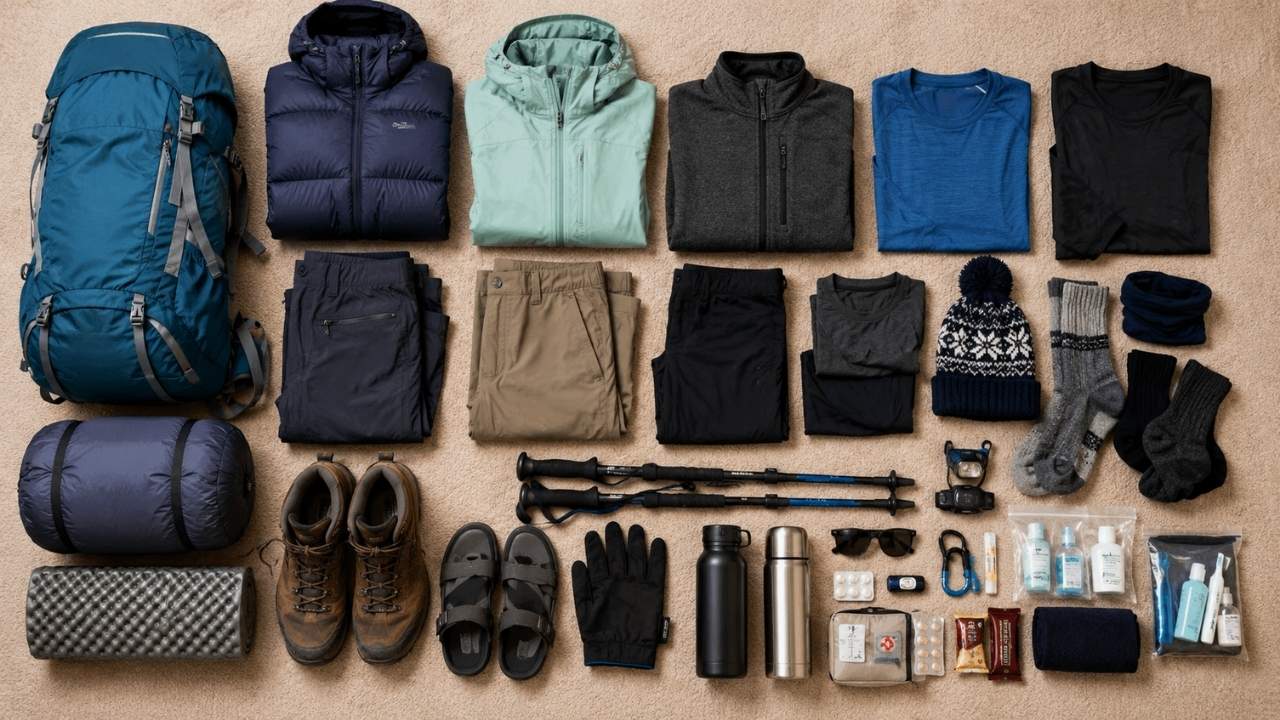
Packing the right things is very important for the Gosaikunda Lake Trek. The trail reaches 4,380 meters, where the weather changes quickly. A sunny morning can become cold, rainy, or windy within a short time. If you carry the right clothes and equipment, your trek will be safer and more comfortable. You do not need to pack too many things, but you should carry everything necessary. A light backpack with useful items makes walking easier and helps you to enjoy every day of your journey. Here is our packing list suggestion for Gosaikunda Lake Trekking and how you can stay safe while trekking.
-
Clothing and Footwear:
You should wear comfortable trekking clothes that you can layer as the temperature changes. Carry a warm jacket, fleece, thermal clothing, gloves, a woolen hat, extra socks, and a waterproof rain jacket. Good trekking boots with strong grip are one of the most important items because some parts of the trail are rocky and slippery. You should also carry sandals or light shoes for resting at tea houses. Sunglasses, sunscreen, and a sun hat help protect you from the strong mountain sun, especially at high altitude.
-
Trekking Equipment
Carry a backpack of about 30 to 40 liters for your daily needs. A reusable water bottle or hydration bladder is very useful because you need to drink plenty of water every day. Water purification tablets or portable filters help you refill safely along the trail. Trekking poles reduce pressure on your knees during steep climbs and descents. A flashlight or headlamp with extra batteries is important because some villages have limited electricity. You should also carry a power bank, basic toiletries, personal medicines, lip balm, and simple energy snacks.
-
Health and Safety Tips
You should walk slowly and give your body enough time to adjust to the high altitude. Drink plenty of water, eat healthy meals, and take short breaks during the day. If you feel a strong headache, dizziness, nausea, or unusual tiredness, then tell your guide or friends immediately because these may be signs of altitude sickness. Always check the weather before starting each day, stay on marked trails, and never leave rubbish behind. Keep emergency contact numbers, your permits, and important documents in a waterproof bag so they stay safe throughout the journey.
Good preparation is a key to a successful Gosaikunda Lake Trek. When you pack wisely and follow basic safety rules, you protect yourself and the beautiful mountain environment. Respect local people, follow your guide's advice, and walk at a comfortable pace. By staying prepared and responsible, you can enjoy the sacred lakes, stunning Himalayan scenery, and unforgettable memories that make this trek one of Nepal's most rewarding adventures.