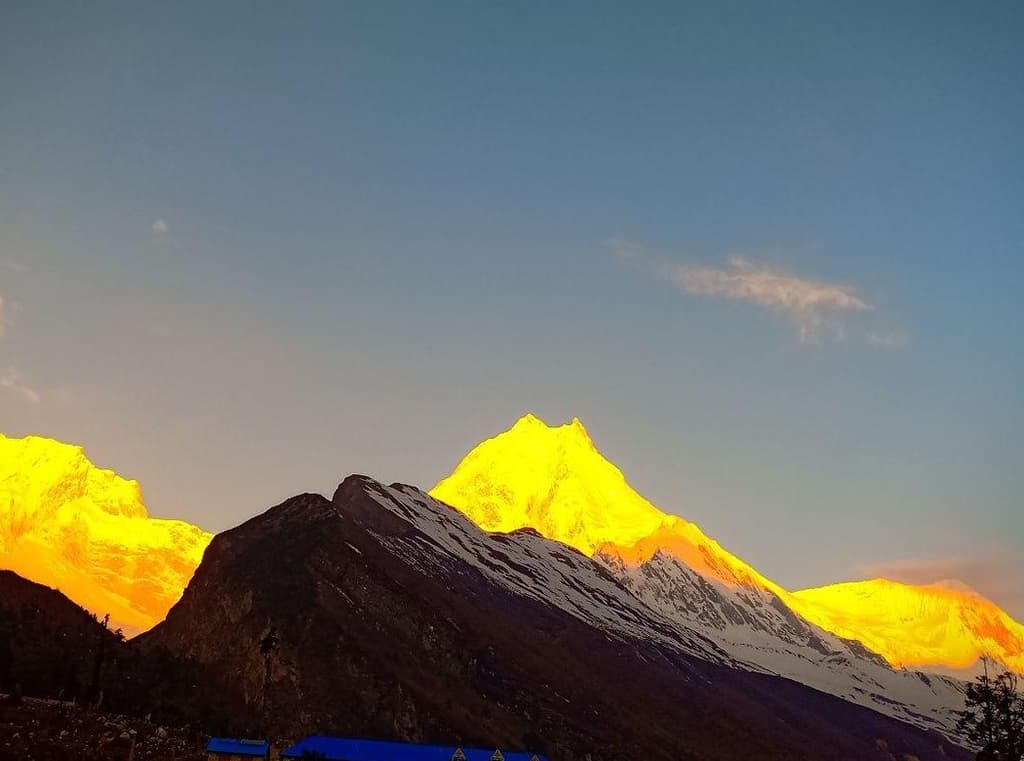

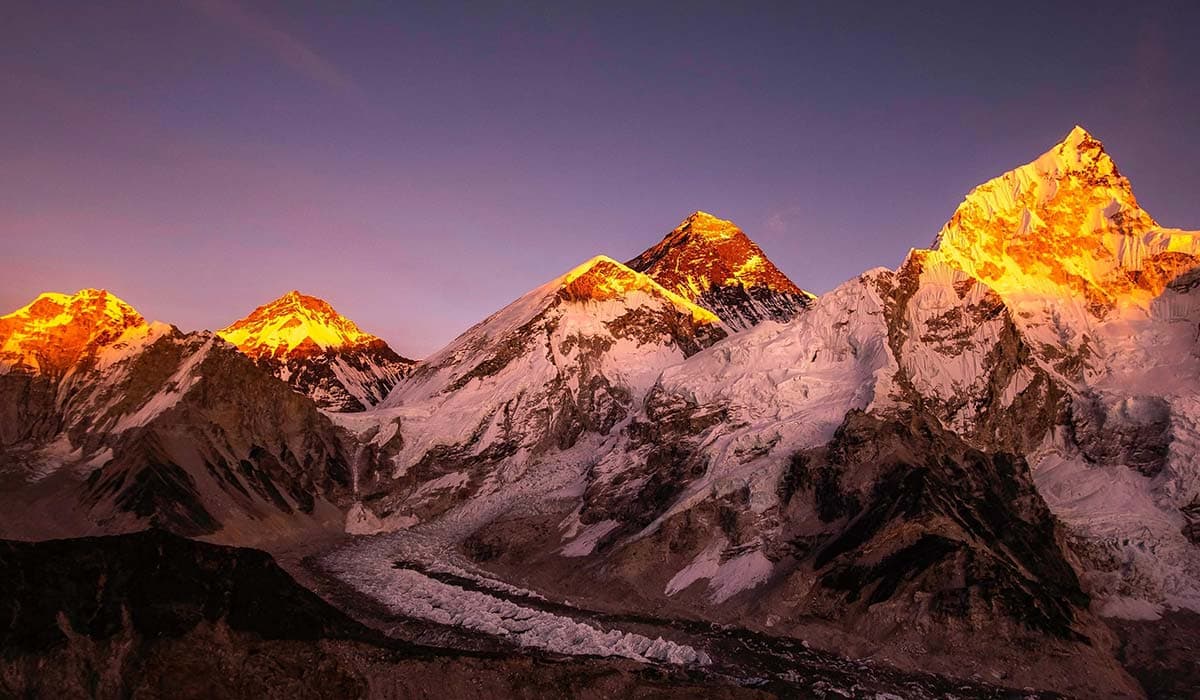
When people talk about Everest Base Camp, they usually imagine one single place at the bottom of Mount Everest. This is a widespread misunderstanding. In reality, Everest Base Camp is not just one location. The confusion happens because Mount Everest is a very huge mountain that can be reached from two different sides. So, how many Everest Base Camps are there?
Mount Everest lies between Nepal and Tibet (China). Climbers and visitors approach the mountain from both sides, and each side has its own base camp. Because both camps are called “Everest Base Camp,” so many people think they are in the same place.
Another reason that creates confusion is the difference between trekking and climbing. Some people visit Everest Base Camp only to walk and see mountains, while others go there to climb to the top. These two groups use base camps in different ways, but the name sounds the same.
In this blog, we will understand how many Everest Base Camps there are, where they are, and who can visit them.
What Is an Everest Base Camp?
The Everest Base Camp is a temporary living area built near the bottom of Mount Everest. It is the main place where people stop before going higher on the mountain. The word base means starting point, so base camp is the place where all Everest journeys begin.
Everest Base Camp is mainly used by climbers, guides, and support teams. They stay here for many days to rest and prepare. At such a high place, the air has less oxygen, so the human body needs time to adjust. Staying at base camp helps people get used to the altitude and reduces the risks of serious illness.
The base camp is also a planning and safety center. Food, tents, ropes, oxygen cylinders, and other equipment are kept here. Doctors often stay at or near the camp to help anyone who becomes sick. Weather updates are also shared from base camp so climbers can choose the safest time to move higher.
Many people think Everest Base Camp is at the top or center part of the mountain, but this is not true. It is far below the summit, yet still it is very cold and challenging. Some base camps can also be visited by trekkers, not just climbers.
In simple words, Everest Base Camp is the heart of Mount Everest activities. Without base camp climbing or safety, visiting Mount Everest would not be possible.
How Many Everest Base Camps Are There?
There are two main Everest Base Camps in total. This is the most important and clear answer. Many people think there is only one base camp, but Mount Everest is climbed and visited from two different sides, so two base camps are needed.
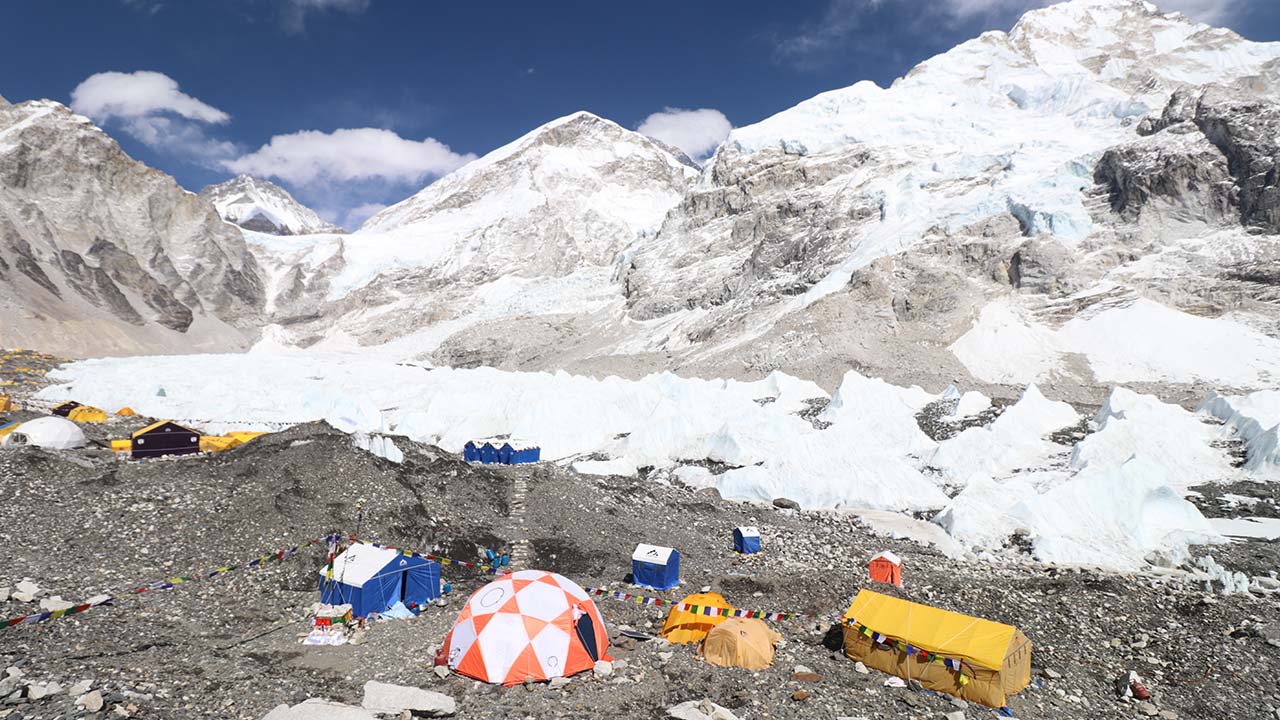
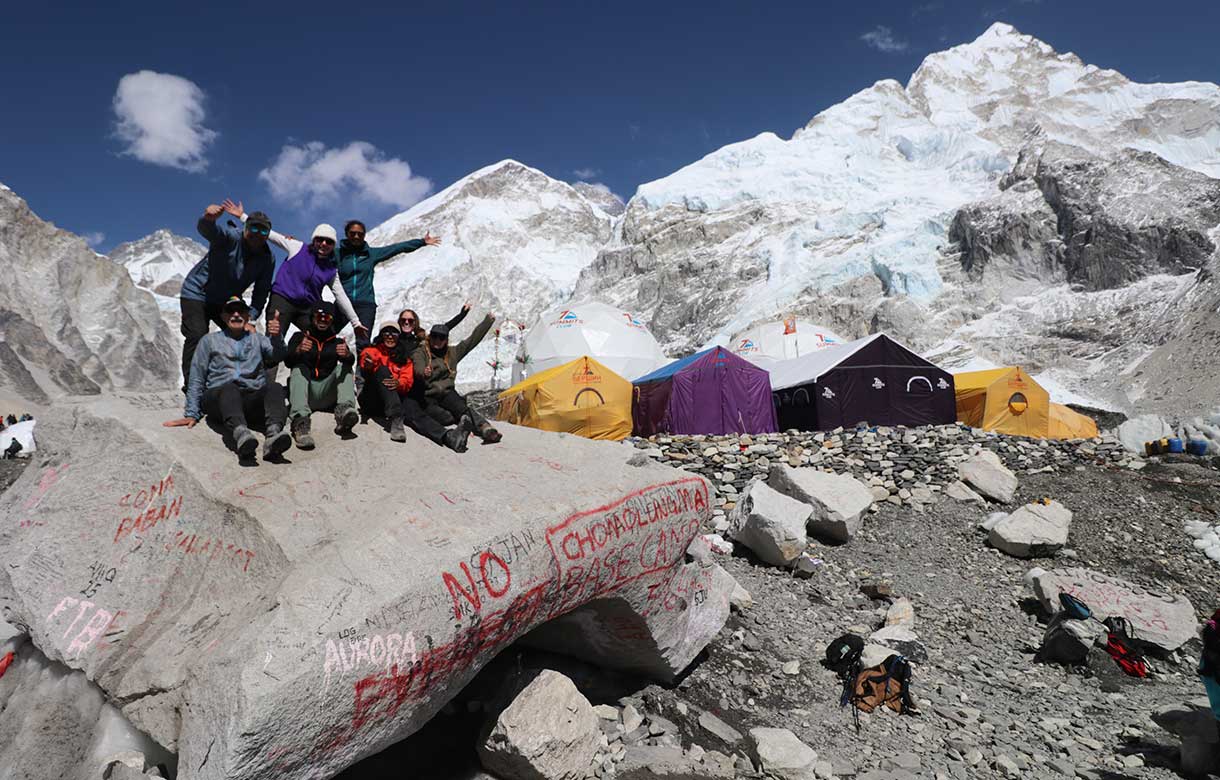
The first one is on the south side of Mount Everest in Nepal. This is called the South Everest Base Camp. It is the most famous and most visited Base camp. It is located at an altitude of about 5,364 meters (17,598 feet) above sea level. Most trekkers who do the Everest Base Camp trek go to this side.
The second one is on the north side of Mount Everest in Tibet (China). This is known as the North Everest Base Camp. It is located at a slightly lower altitude at around 5,150 meters (16,900 feet). Fewer people visit this side because access is more restricted and controlled.
Each base camp works independently. Climbers who climb Everest from the Nepal side use the South Base Camp, and climbers who choose the Tibet route use the North Base Camp. These camps are on opposite sides of the same mountain. These base camps are not connected.
So, Mount Everest has two main base camps because it has two main routes. Understanding this removes most of the confusion about Everest Base Camp.
South Everest Base Camp (Nepal Side)
The South Everest Base Camp is located on the Nepal side of Mount Everest. It is in the Khumbu region. It is located at an altitude of about 5,364 meters (17,598 feet ) above sea level. This is the most popular and well-known Everest Base Camp in the world. When people talk about the Everest Base Camp trek, they are usually talking about this base camp.
South Everest Base Camp lies at a very high altitude. You can reach this base camp only by walking. Trekkers fly to Lukla, and they walk for several days through villages, forests, and mountain trails to reach the base camp. This long walk helps the body to slowly adjust to high altitude.
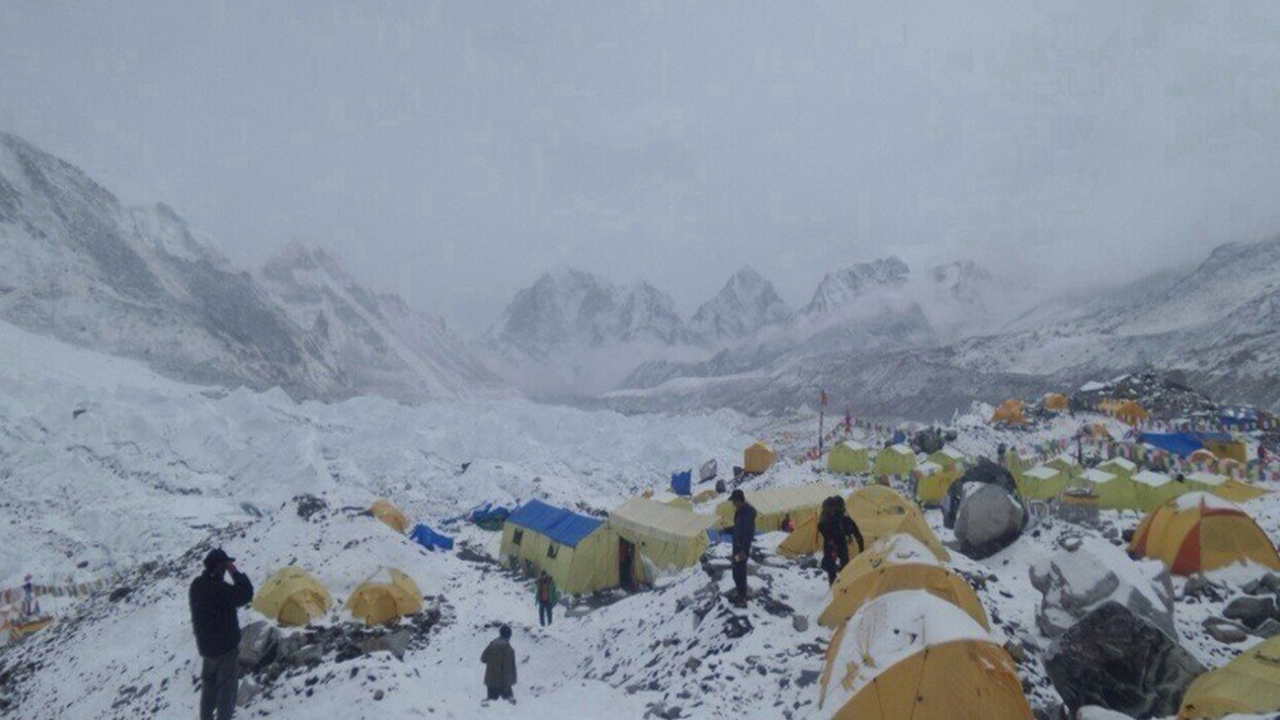
This base camp is used by Everest climbers during the climbing season. Large tents are set up here for sleeping, eating, medical care, and communication. It becomes like a small temporary village during spring.
South Everest Base Camp is also special because trekkers are allowed to visit it. People who do not want to climb Everest can still experience the mountain closely by trekking to this point. They can see glaciers, Icefalls, and beautiful views of surrounding peaks.
The South Everest Base Camp is the most visited and most famous base camp on Everest because it is easier to access, more scenic, and open to trekkers.
North Everest Base Camp (Tibet / China Side)
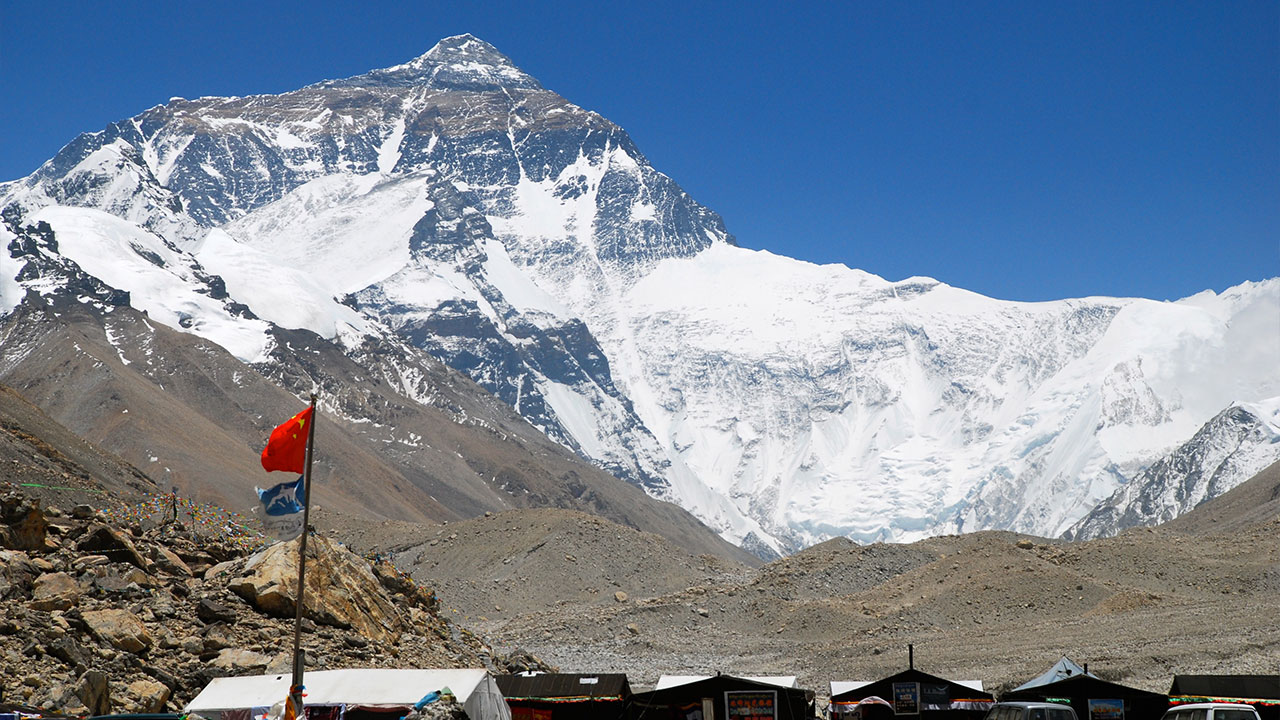
The North Everest Base Camp is located on the Tibetan side of Mount Everest. It is part of China. This base camp lies beneath the Northern face of Mount Everest . It is located at an altitude of around 5,150 meters (16,900 feet ). It is very different from the Nepal side in terms of access and rules.
Unlike the South Base Camp, the North Everest Base Camp can be reached by road. Visitors travel by vehicle across the Tibetan plateau and then drive close to the base camp area. Because of this, there is much less walking involved compared to the Nepal side.
However, fewer people visit the North Everest Base Camp. This is mainly because permits are stricter, and travel in Tibet is highly controlled. Foreign visitors must join an organized tour and follow the government regulations. Independent travel is not allowed.
The North Base Camp is mainly used by climbers who attempt Everest from the north route. Trekkers are allowed to visit a designated viewing area near the base camp, but they can not freely move around the climbers' Camp.
The environment here is drier, colder, and more open than the south side. There are fewer villages and less greenery. While the views of Everest are wide and impressive, the area feels more remote.
In simple words, the North Everest Base Camp is less crowded, more restricted, and very different from the South Everest Base Camp.
Trekker’s Base Camp vs Climber's Base Camp
Many people think there is only one type of Everest Base Camp, but in reality, there are two different uses of Base Camp. One is for trekkers and one for climbers. Understanding this difference helps to remove a lot of confusion.
A trekker's base camp is the place that normal visitors can reach without climbing Mount Everest. On the Nepal side, trekkers walk to South Everest Base Camp and return the same way. They do not climb higher and do not need special climbing permits. Their goal is to enjoy the journey, views, and experience of being close to Everest.
A climber's base camp, on the other hand, is used by people who plan to climb Everest. Climbers stay for a long time at base camp to prepare their bodies, plan the route, and wait for good weather. This area is more organized and restricted, with doctors, guides, and a large equipment tents .
Trekkers are not allowed to move beyond certain points because higher areas are dangerous and require technical climbing skills. In simple words, trekkers visit Everest Base Camp, while climbers live and prepare there for the summit.
Other Camps on Mount Everest (Not Base Camps)
Besides Everest Base Camp, there are several higher camps on Mount Everest. These camps are important for climbing, but they are not called base camps. Many people confuse these camps with Everest Base Camp, which creates misunderstanding.
After leaving the base camp, climbers move upward and stay at Camp I, Camp II, Camp III, and Camp IV. Each camp is placed higher than the previous one. These camps are used step by step process that determines how long it takes to summit Mount Everest.
The main purpose of these camps is to acclimate. At a very high altitude, the body can not stay for long. Climbers sleep for a short time at each camp and then return to lower camps to recover. This process helps reduce the risk of altitude sickness.
Unlike base camp, these higher camps are small, cold, and dangerous. There are no medical facilities, no comfortable tents, and very limited supplies. Everything must be carried by climbers or support teams.
Everest Base Camp is the main starting place, while Camp I to Camp IV are temporary stops on the way to the top. They are important for climbing, but they should not be confused with Everest Base Camp.
Which Everest Base Camp Can Tourists Visit?
Many people want to know if tourists can visit Everest Base Camp without climbing the mountain. The answer is yes, but it depends on which side of Everest you choose.
On the Nepal side, tourists and trekkers can visit the South Everest Base Camp. This is done through the famous Everest Base Camp trek. No climbing skills are needed. People walk for several days through mountain villages and reach the base camp on foot. This option is open, popular, and suitable for most fit travelers.
On the Tibet (China) side, tourists can also visit an area near the North Everest Base Camp, but the access is more limited. Visitors must join an organized tour and follow strict rules. Independent travel is not allowed, and movement around the base camp is restricted.
For most tourists, the Nepal side is easier and more flexible. It offers better trekking experiences, local culture, and fewer travel restrictions.
In overall, tourists can visit both Everest Base Camp, but the South Everest Base Camp in Nepal is the best and most common choice for normal travellers.
Why Everest Needs More Than One Base Camp?
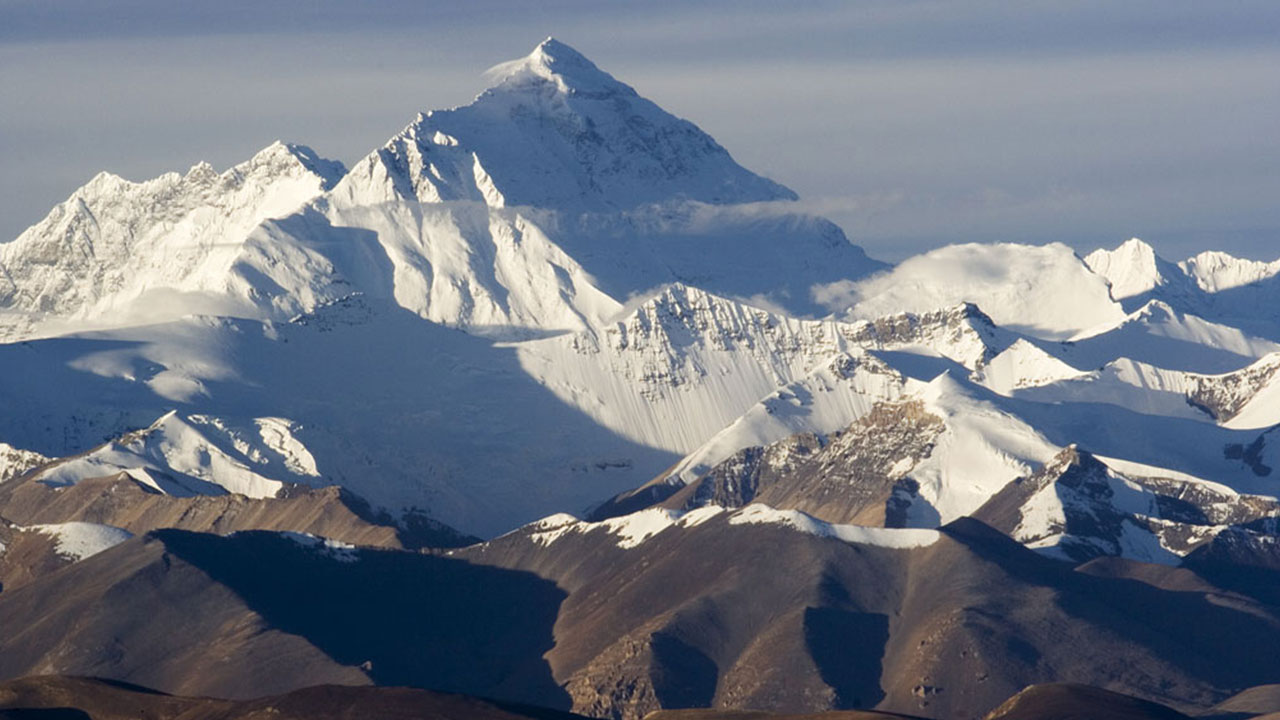
Mount Everest is the highest and one of the most dangerous mountains in the world. Because of its size, height, and weather conditions, it is not possible to manage all climbing and visiting activities from just one place. This is why Everest needs more than one base camp.
The mountain is approached from two opposite sides, one on he south side from Nepal and the other on the north side from Tibet (China). Each side has different routes, weather patterns, and risks. Having a base camp on each side helps climbers to plan better and stay safer.
Base camps also act as safety and support centers. If the weather is bad, sickness, or an emergency, teams at Base Camp can respond quickly. Doctors, guides, and communication equipment are based there to help save lives.
Another reason is for crowd management. Thousands of people visit Everest every year. Separate base camps reduce pressure on a single area. It also provides help to manage people, supplies, and waste more effectively.
Thus, Everest has more than one base camp because the mountain is too big, too high, and too risky to be managed from only one location.
Does Everest Base Camp Stay in the Same Place Every Year?
Many people think Everest Base Camp is a fixed place, but this is not completely true. Everest Base Camps are temporary camps, and they can change slightly from year to year.
On the Nepal side, South Everest Base Camp is usually set up on the Khumbu Glacier. Because glaciers move slowly over time, the exact location of the camp may shift a little every year. Climbers choose the safest and most stable area each season.
The base camp is set up mainly during the spring climbing season and removed afterward. Once the climbing season ends, most tents and facilities are taken down to protect the environment.
On the Tibetan side, the North Everest Base Camp location is more stable because it is on rocky ground. However, facilities there are also seasonal and controlled.
So, Everest Base Camps are not permanent buildings. There are temporary seasonal camps that change slightly to match safety, weather, and environmental conditions.
Conclusion: Final Clear Answer
To answer the question clearly and simply, there are two main Everest Base Camps. One is on the south side in Nepal, and the other is on the north side in Tibet (China). This base camp exists because Mount Everest can be approached from two directions. Each route needs its own starting point for safety and planning.
The South Everest Base Camp (5,364 meters) is the most famous and most visited. It is open to trekkers. It can be reached by walking through the Khumbu region. The North Everest Base Camp (5,150 meters) is quieter and more restricted, with access controlled by travel rules in Tibet.
It is also important to remember that trekker's Base camps and climbers' base camps serve different purposes. High camps like Camp I to Camp IV are not base camps.
Understanding how many Everest Base Camp treks there are helps all travelers, trekkers, mountaineers and readers to avoid confusion. With this clear knowledge, planning a trip or learning about Everest becomes much easier and more accurate.