

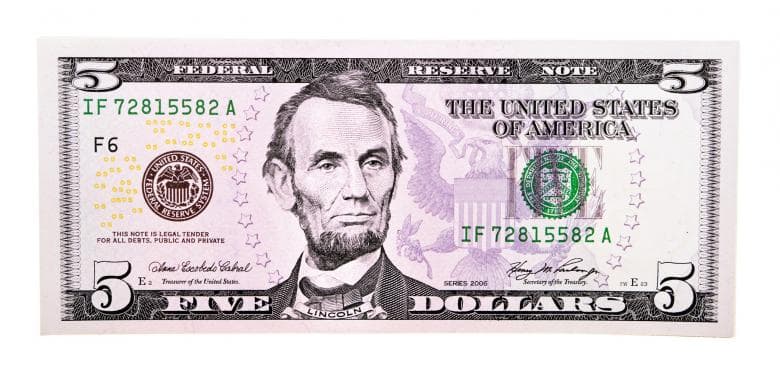
Planning the Everest Base Camp Trek is exciting, but many trekkers forget one very important detail before starting the journey: how much cash to carry. In the Everest region, cash is more useful than cards or online payments because most villages lack reliable banking systems. Tea houses, small bakeries, local shops, and charging stations mainly accept cash in Nepali Rupees. Even where ATMs are available, they may not work because of weak internet, bad weather, or power shortages. Carrying enough money is necessary for food, rooms, drinks, hot showers, charging electronics, tips, and emergencies during the trek.
The Everest Base Camp Trek usually takes around 12 to 14 days. The daily costs increase as trekkers climb higher into the mountains. A simple meal in Lukla may cost half the price of the same meal near Gorakshep because every item must be transported by porters, yaks, or helicopters. Basic expenses such as drinking water, tea, snacks, WiFi, and battery charging can quickly increase your total spending. Many first-time trekkers only calculate hotel and food costs but forget extra daily expenses, which become very common on the trail. Good budgeting helps trekkers to avoid stress and enjoy the journey more comfortably.
Different trekkers spend money in different ways. Budget Trekkers may choose simple dal bhat meals, shared rooms, and fewer extra services to reduce cost. Mid-range trekkers often spend more on coffee, bakery items, private rooms, hot showers, and internet access. Some trekkers also hire guides and porters, which adds additional daily expenses and tipping costs. Because of these differences, there is no single perfect cash amount for everyone. Your trekking style, comfort level, and travel season all affect your final budget.
This blog will explain how much cash you should carry for the Everest Base Camp Trek and how to manage money safely in remote mountain areas. We will also share practical tips for emergency cash, daily spending, and avoiding common money problems during the journey safely.
Why Cash Matters on the Everest Base Camp Trek?
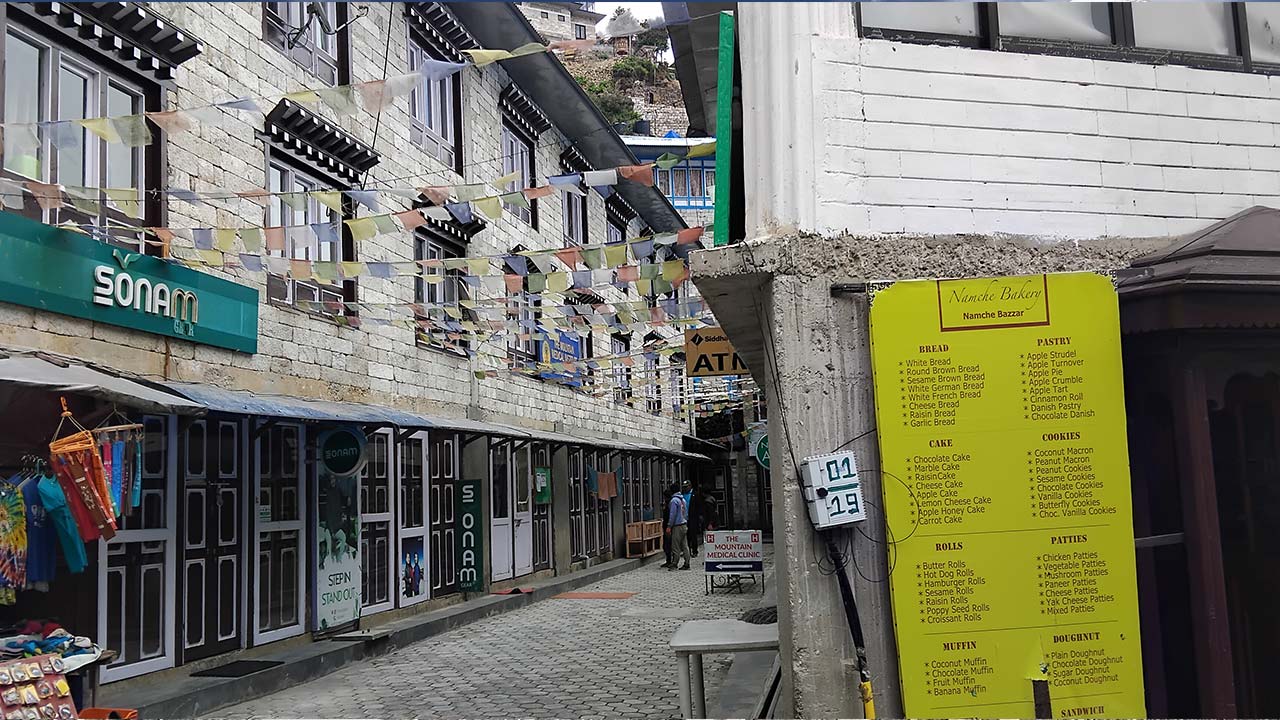
Many trekkers think they can use ATM cards or online payments during the Everest Base Camp, but the mountain region still depends heavily on cash. After leaving Kathmandu, reliable banking services became very limited. Lukla and Namche Bazaar have fewer ATMs, yet they often stop working because of poor internet connections, electricity cuts, or low cash supply. During the busy trekking season, many visitors can not withdraw money at all. This is why experienced trekkers always carry enough Nepali Rupees before starting the journey into the Everest region safely.
Most tea houses, bakeries, local restaurants, and small shops accept only cash payments. Even if some places mention card payment services, they may charge extra fees or refuse cards when the internet system fails. Carrying cash allows trekkers to pay quickly for meals, rooms, snacks, bottled water, hot drinks, and other daily needs without unnecessary stress. Small villages in the Everest region operate in remote mountain conditions, so digital payment systems are still uncommon compared to larger cities and towns in Nepal today.
Cash also becomes important during unexpected situations on the trek. Lukla flights are often delayed because of fog,g strong winds, and bad weather conditions. Trekkers may need extra money for additional hotel nights, meals, or transportation while waiting for flights. Some travelers even spend large amounts on helicopter services during emergencies or long flight delays. Without backup cash, these situations can become stressful and difficult to manage in remote mountains far from major towns or transportation centers nearby.
Another important reason to carry cash is the rising cost of goods at higher elevations. Every food item, gas cylinder, and drink must be transported by porters, yaks, or helicopters. Because of this, the prices become higher as trekkers move closer to Everest Base Camp. Proper cash planning helps trekkers to stay comfortable, avoid many problems, and enjoy the Himalayan journey more confidently from beginning to end. Trekkers who prepare their cash properly can focus more on mountain views and local culture instead of financial worries during the journey every single day.
Average Daily Spending on the Everest Base Camp Trek
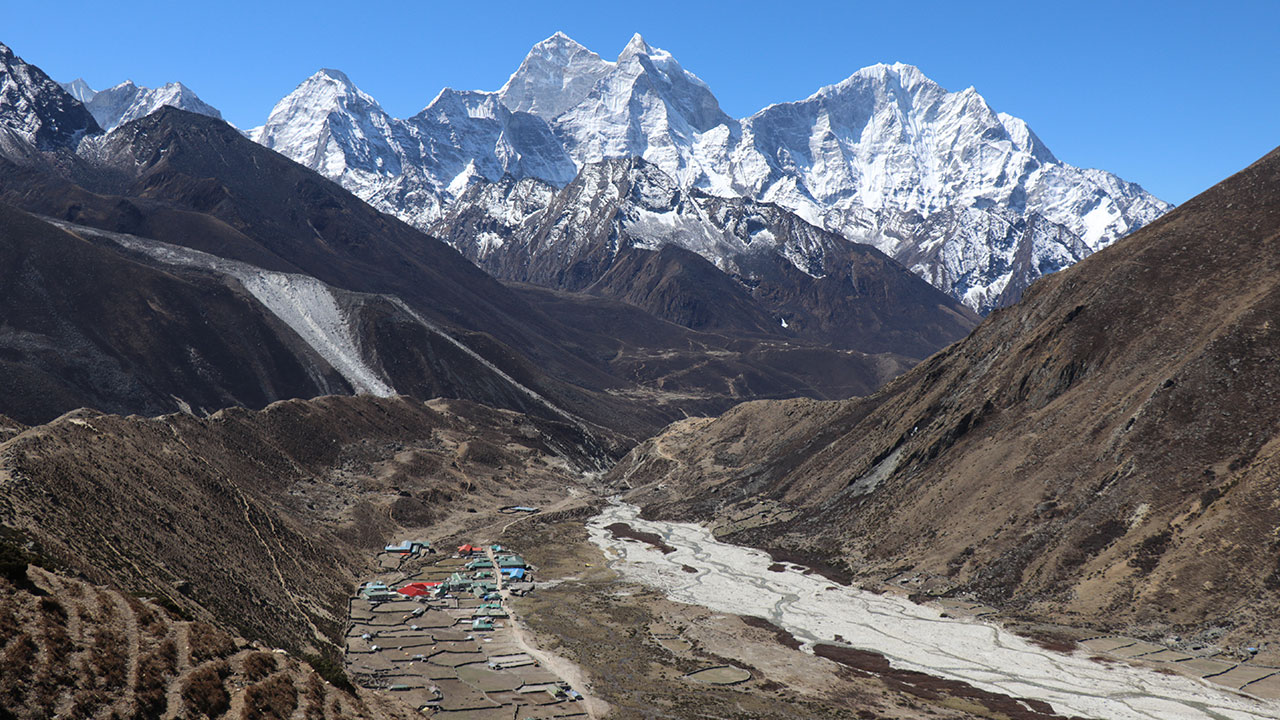
Average daily spending on the Everest Base Camp Trek varies depending on comfort level, altitude, and personal choices. Most trekkers start noticing price changes after Lukla, where everything becomes more expensive due to transport difficulty. On average, a normal trekking day includes food, accommodation, drinks, and small service. Understanding daily spending helps trekkers to plan total cash correctly and avoid a shortage during the journey in remote Himalayan areas.
Food and accommodation are the biggest daily expenses during the Everest Base Camp Trek. A simple meal like dal bhat usually costs around 700 to 1200 Nepali rupees, depending on the location. Tea house rooms are basic but affordable, costing about 200 to 1,000 rupees per night. As you go higher, prices increase because transport is difficult and supplies are limited in mountain villages.
Other daily costs include drinking water, charging devices, WiFi, and hot showers. Bottled water becomes expensive with altitude, ranging from 100 to 500 per bottle. Charging a phone or camera may cost 300 to 800 rupees per device. Hot showers also become costly in higher villages. These small expenses may seem minor, but they add up quickly during a long trek.
Most trekkers spend around 3,500 to 9000 Nepali Rupees per day, depending on their travel style. Budget trekkers save money by eating simple meals and sharing rooms, while mid-range trekkers spend more on comfort, snacks, and services. Luxury trekkers may spend even more on bakeries, private rooms, and extra convenience along the trail.
Knowing daily spending is very important for managing cash during the Everest Base Camp Trek. It helps trekkers to plan better, avoid financial stress, and enjoy the journey smoothly. With proper budgeting, you can focus more on mountains, culture, and adventure instead of worrying about money during the trek.
How Much Cash Should Budget Trekkers Carry?
Budget Trekkers on the Everest Base Camp Trek usually try to keep their cash usage as low as possible while still covering basic needs in the mountains. This style of trekking focuses on simple food, shared accommodation, and avoiding extra luxury services. Most budget travelers plan carefully before starting the journey because there are few chances to withdraw money after leaving Kathmandu. Carrying the right amount of cash helps them to stay safe, comfortable, and stress-free through the trek in remote Himalayan villages. This planning prevents unexpected money problems.
Budget trekkers usually spend around 3,000 to 5,000 Nepali Rupees per day during the Everest Base Camp Trek. This amount includes simple meals like dal bhat, tea, basic accommodation, and small daily needs such as water and snacks. They avoid expensive items like hot showers and frequent charging services to save money. Staying in shared rooms and eating local food helps to reduce costs. Careful spending allows budget trekkers to complete the trek without running out of cash in remote mountain areas for a safe trekking experience.
Budget trekkers should always carry emergency cash while trekking to Everest Base Camp. Even though daily expenses may be low, unexpected situations can increase the total spending quickly. Flight delays in Lukla, extra hotel nights, or health issues may require extra money. It is recommended to keep at least 15,000 to 20,000 Nepali Rupees as backup cash. This money should not be used for daily spending unless necessary. Keeping emergency cash separate ensures safety, reduces stress, and helps to handle difficult situations in the mountains easily during the trek.
Proper cash, please, is very important for budget trekkers on the Everest Base Camp Trek. It helps them to control spending, avoid money shortages, and enjoy the journey without stress. Since banking services are limited in the Everest region, carrying enough Nepali Rupees is the safest option. Budget trekkers who plan their money well can focus more on mountains, culture, and adventure instead of financial worries. Careful preparation ensures a smooth trek from start to finish in the Himalayas without unnecessary difficulties or problems. This makes trekking more enjoyable overall.
How Much Cash Should Mid-Range and Luxury Trekkers Carry?
Mid-range and luxury trekkers usually carry more cash during the Everest Base Camp Trek because they spend extra money on comfort, better food, and additional services along the trail. Unlike budget travelers, they often choose private rooms, bakery items, hot showers, charging facilities, and regular Wifi access during the journey. Many also stay in upgraded tea houses with attached bathrooms and heated dining areas. Since higher comfort means higher spending, proper cash planning becomes very important before entering the Everest region safely.
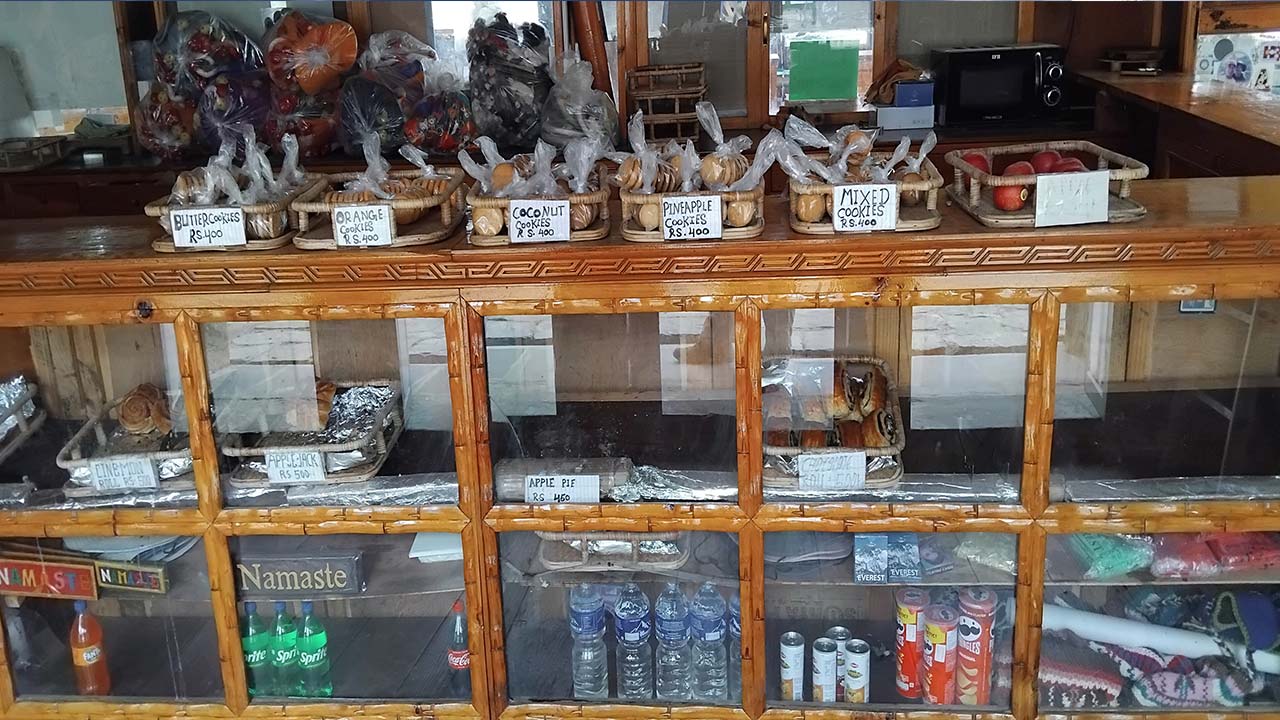
Mid-range trekkers normally spend around 6,000 to 9,000 Nepali Rupees per day during the trek. This budget includes comfortable accommodation, better meals, snacks, drinks, charging electronics, and occasional hot showers. Luxury Trekkers may spend more than 12,000 rupees daily, especially when staying in premium lodges with modern facilities. Popular villages like Namche Bazaar and Dingboche also have bakeries and coffee shops where many trekkers spend extra money on desserts, cappuccinos, and imported snacks during rest days.
Mamid-rangenge and luxury trekkers also hire guides and porters for support during the Everest Base Camp Trek. Guides usually charge daily wages, while porters help carry heavy bags through mountain trails. Trekkers should also prepare cash for tips at the end of the journey. Tipping is an important part of trekking culture in Nepal and is greatly appreciated by local staff. Some travelers also spend extra money on helicopter upgrades, emergency transport, or better hotel stays during flight delays in Lukla.
A safe cash estimate for mid-range trekkers is around eighty thousand to one hundred twenty thousand Nepali rupees for the full trek, while luxury trekkers may carry even more depending on comfort level. Carrying emergency backup money is also strongly recommended because unexpected expenses are common in mountain regions. Proper cash planning helps trekkers to enjoy the Everest journey more comfortably without worrying about daily spending on money shortages. With enough cash, trekkers can relax, enjoy mountain hospitality, and focus completely on the unforgettable Himalayan adventure from beginning to end safely and confidently.
Real Cost of Food and Drinks During the Trek
Food and drinks become one of the biggest daily expenses during the Everest Base Camp Trek. Many trekkers are surprised when they see how quickly prices rise at higher altitudes. Since all supplies are carried by porters, yaks, or helicopters, every meal costs more as you climb higher into the mountains. Understanding real food prices helps trekkers to carry enough cash and avoid financial stress during the journey through remote Himalayan villages and trails safely.
Breakfast prices usually range from 500 to 1,500 Nepali rupees, depending on the village and menu choice. Common breakfast items include Tibetan bread, porridge, eggs, pancakes, tea, and coffee. Lunch and dinner are often more expensive at higher altitudes. Dal bhat remains the most popular meal because it is filling and usually includes free refills in many tea houses. Noodle soup, fried rice, pasta, momos, pizza, and bakery items are also available, but often cost much more near Everest Base Camp.
Drinks and snacks can increase daily spending very quickly during the trek. Bottled water may cost one hundred rupees in Lukla but rise to nearly five hundred near Gorakshep. Many trekkers save money by using refill stations and water purification tablets instead of buying bottled water. Tea, coffee, soft drinks, chocolates, and energy bars also become expensive in higher villages. A single cup of coffee may cost more than five hundred rupees in some places during peak trekking seasons in the Everest region.
A normal trekker may spend around 2,500 to 4,000 Nepali rupees daily on food and drinks during the Everest Base Camp Trek. Trekkers who buy extra snacks, bakery items, and hot drinks regularly may spend even more. Carrying enough cash for meals is important because food is necessary for energy and safe trekking at high altitude. Proper meal budgeting allows trekkers to enjoy the journey comfortably without worrying about daily food expenses in remote mountain areas throughout the adventure,e and helps to maintain better energy during difficult trekking days.
Extra Costs Most Trekkers Forget to Include
Many trekkers plan to carry only cash for meals and accommodation before starting the Everest Base Camp Trek, but several hidden expenses also appear during the journey. These extra costs may seem small individually, yet together they can increase total spending quickly in remote mountain areas. Understanding these expenses helps trekkers to carry enough cash and avoid financial stress during the adventure in the Everest region safely.
Tips for Guides and Porters
Tipping is a normal and respected part of trekking culture in Nepal. Guides and Porters work hard in difficult mountain conditions while helping trekkers throughout the journey. Many travelers give tips at the end of the trek, depending on service quality and trek length. This extra expense is often forgotten during budget planning before leaving Kathmandu for the Everest region.
Charging Devices and Internet Access
Most tea houses charge extra money for charging phones, cameras, and power banks. Charging costs become higher at higher altitudes because electricity is limited in mountain villages. WiFi cards and internet access also require additional payment in many places. Trekkers who frequently used electronics usually spent more cash than expected during the Everest Base Camp Trek.
Flight Delays and Emergency Expenses
Lukla flights are often delayed or canceled because of fog, wind, or poor visibility in the mountains. Trekkers may need extra money for hotels, food, and transportation while waiting for flights. In emergencies, helicopter services may also require immediate cash payments before insurance claims are processed later, after the trek.
Souvenirs and Replacement Gear
Many trekkers buy souvenirs, snacks, or replacement gear during the journey. Items such as gloves, socks, batteries, and trekking poles are available in villages like Namche Bazaar, but prices are much higher than in Kathmandu. Some travelers also donate money at monasteries or spend extra during celebrations after reaching Everest Base Camp with their trekking group.
Proper cash planning is very important for handling these unexpected expenses during the Everest Base Camp Trek. Carrying emergency backup money helps trekkers to stay relaxed, prepared, and financially safe throughout the journey in the Himalayas without unnecessary stress or money problems later.
Safest Ways to Carry and Manage Cash on the Trek
Managing cash properly is very important during the Everest Base Camp Trek because trekkers carry most of their spending money in remote mountain areas. Since ATMs and banking services are very limited after Lukla, losing cash can create serious difficulties during the journey. Smart money management helps trekkers stay safe, organized, and financially prepared throughout the trek in the Everest region comfortably and confidently.
Divide Cash into Different Places
Experienced trekkers never keep all their money in one bag or pocket. Many divide cash between their backpack, day bag, jacket pocket, and money belt. This reduces the risk of losing everything if one bag gets lost or stolen. Emergency backup cash should always be stored separately from daily spending money during the Everest Base Camp Trek for better safety and protection.
Carry Small Nepal Currency Notes
Small notes are very useful during the trek because local tea houses and shops may not always have change for large bills. Trekkers often pay for tea, snacks, bottled water, charging devices, and WiFi using smaller currency notes. Carrying small denominations makes daily transactions easier and avoids unnecessary problems in remote mountain villages where banking facilities are limited during the journey.
Use Waterproof Pouches and Money Belts
Weather conditions in the Himalayas can change quickly with rain, snow, or moisture. Waterproof pouches help to protect cash from getting wet or damaged during trekking days. Many trekkers also use money belts under their clothes for added security. This keeps important cash safe while walking through busy airports, villages, tea houses, and trekking trails in the Everest region.
Track Daily Spending Carefully
Small expenses can increase quickly during the Everest Base Camp Trek. Snacks, coffee, hot showers, charging electronics, and bakery items may seem cheap individually, but they become costly over many days. Keeping a simple daily spending record helps trekkers to control their budget and avoid running out of money before completing the journey successfully in the mountains.
Careful cash management makes the Everest Base Camp Trek safer and less stressful for trekkers. Proper planning, emergency backup money, and responsible spending habits help travelers to stay financially secure while enjoying the mountains, local culture, and unforgettable trekking experience in the Himalayas from beginning to end safely.