

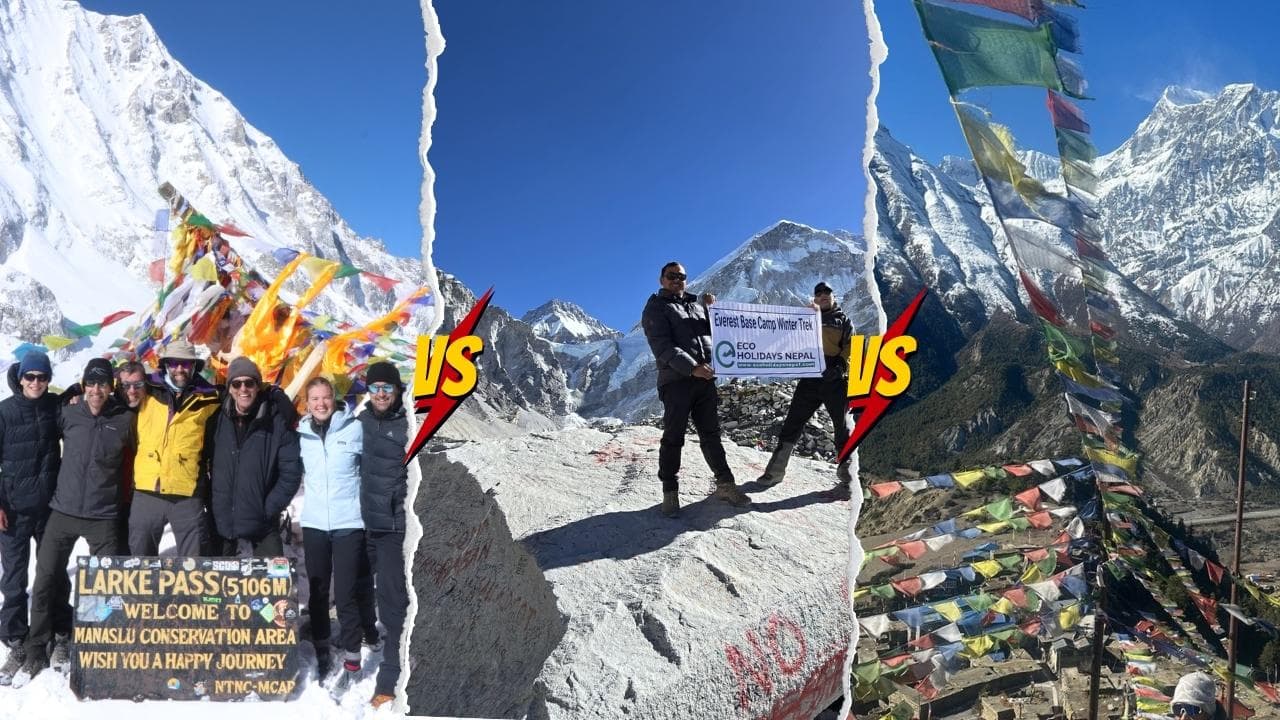
Nepal is home to some of the world's highest mountains and most beautiful trekking trails. Among many trekking regions, Everest, Annapurna, and Manaslu are the most famous. Each region offers a different experience. Some are crowded and easier to reach, while others are quiet and very remote. Understanding this “remoteness” is important for anyone planning a trek.
The Everest region is one of the most visited trekking areas in the world. It is accessible through Lukla airport, which has many lodges and provides good medical support. Because it attracts thousands of trekkers every year, the trails are lively, but they can be crowded during peak seasons.
The Annapurna region is slightly less remote. Most trekking routes start from Pokhara, and roads reach several trailheads. Annapurna offers diverse scenery, from green rice terraces to snow-capped peaks. It also has well-established lodges, teahouses, and easier access to emergency services, making it suitable for beginners and moderate trekkers.
In comparison, the Manaslu region is the most remote. Trekkers have to walk a long distance in this remote stretch of the Himalayas. There are fewer lodges, limited medical facilities, and far fewer trekkers. This isolation gives a unique experience of peace, untouched nature, and Tibetan-influenced culture.
In this blog, we will explore how remote is Manaslu compared to EBC and Annapurna in detail, looking at accessibility, trekking experience, challenges,s and who should choose each region.
Understanding Remoteness in Nepali Treks
Remoteness in trekking is more than just distance. It includes how far a trail is for roads, cities, and emergency services. It also determines the difficulty of the terrain, the availability of lodges, and the number of trekkers on the trail. In Nepal, remoteness can vary widely. Some regions are crowded with tourists, while others remain almost untouched, offering a very different experience for trekkers.
One key factor affecting remoteness is geography. Mountains, rivers, and valleys can make a trail hard to reach, even if it is not far in kilometers. For example, Manaslu is surrounded by high mountains and deep valleys, which makes access slower and more challenging compared to Everest or Annapurna. Even small obstacles like river crossings or landslides-prone zones can increase isolation and difficulty.
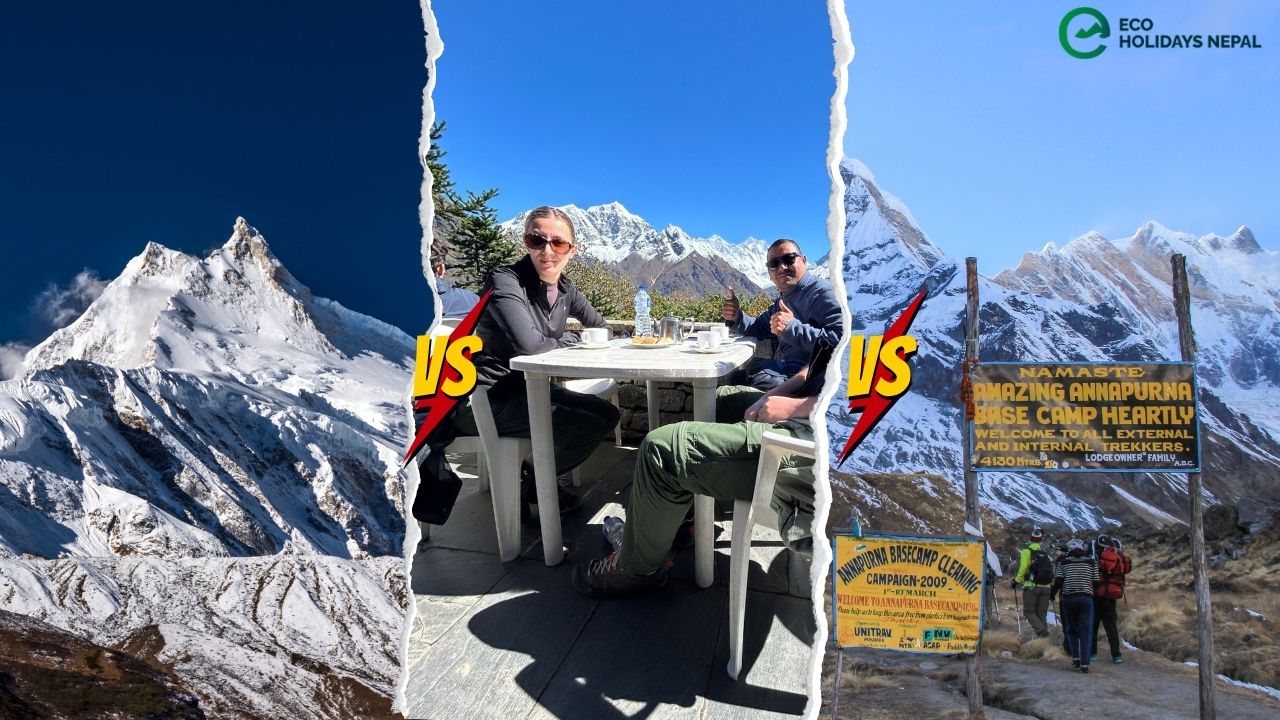
Another factor is infrastructure. Trails with frequent lodges, tea houses, and bridges feel less remote because trekkers have easier access to food, shelter, and help. Everest has well-established tea houses on popular routes like Lukla to Everest Base Camp, while Annapurna has many lodges along the circuit and base camp route. Manaslu, however, has fewer lodges and requires trekkers to plan meals and accommodation carefully.
Medical and rescue access also defines remoteness. In Everest and Annapurna, helicopters and local clinics are available for emergencies, although they can be expensive. In Manaslu, serious medical emergencies may require walking for hours to reach health posts. And compared to other regions, the helicopter evacuation can also be challenging on this remote route. This limited emergency support makes it one of the most remote trekking regions in Nepal.
Finally, remoteness affects the trekker’s experience. Less crowded trails allow trekkers to enjoy the altitude, untouched nature, and cultural interactions with local communities. However, it also requires better preparation, physical fitness, and mental resilience. Understanding these factors helps trekkers to choose the right region based on their experience, goals, and tolerance for isolation.
Manaslu Region Overview
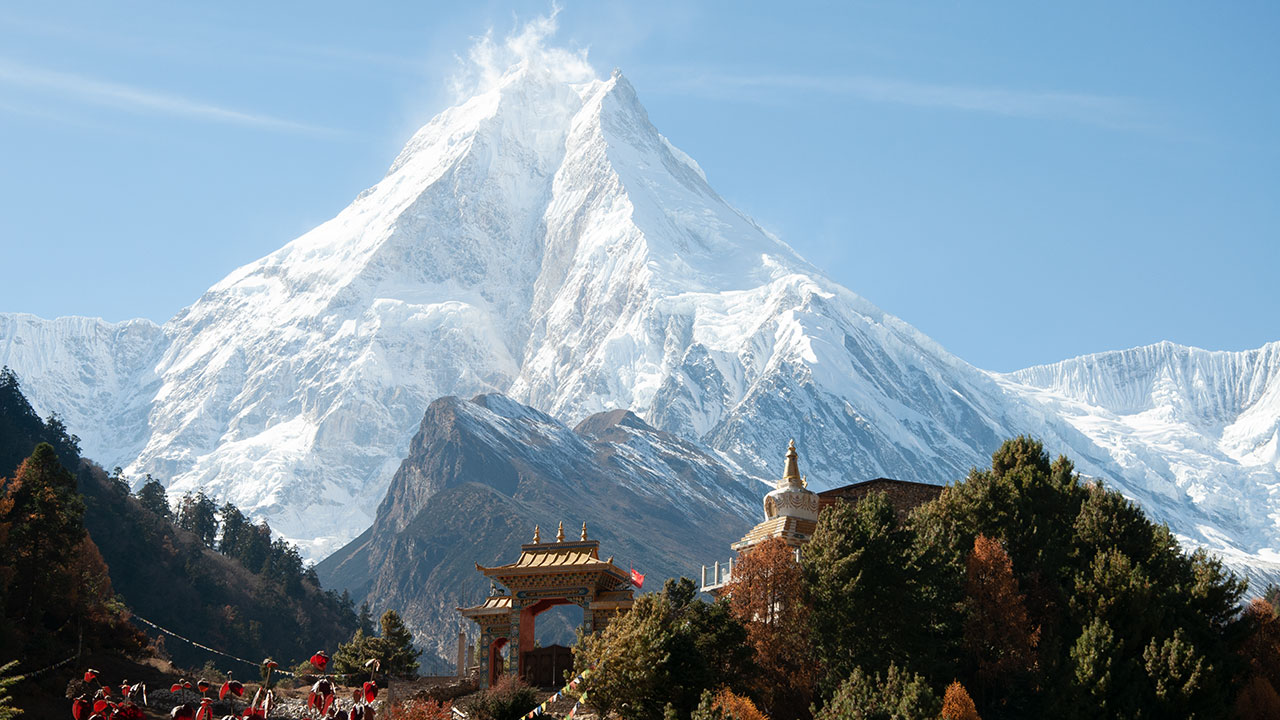
The Manaslu Region lies in the west-central part of Nepal near the border with Tibet. It surrounds Mount Manaslu, the eighth-highest mountain in the world at 8,163 meters (26,781 feet). The Manaslu Circuit Trek circles the mountain and crosses the high Larkya La Pass at about 5,106 meters. The full trek usually takes 14 to 18 days and covers roughly 160 to 180 kilometers, depending on the starting and ending points.
Unlike many popular trekking areas in Nepal, the Manaslu region is officially a restricted trekking area. Trekkers must travel with a licensed guide and special permits. Because of these rules and its remote location, only around 10,000 to 12,000 trekkers visit the Manaslu Circuit each year. In comparison, more than 40,000 trekkers visit Everest Base Camp annually. This huge difference in visitor numbers is one reason the Manaslu trail feels much quieter and more remote.
The journey usually begins after a long road drive from Kathmandu to small villages such as Soti Khola or Machha Khola. From there, trekkers walk through deep river valleys carved by the Budhi Gandaki River. The trail passes waterfalls, suspension bridges, dense forests, and narrow cliffs before gradually climbing toward high alpine landscapes and glaciers.
Another special feature of the Manaslu region is its strong Tibetan Buddhist culture. Villages like Samagaon, Samdo, and Lho have ancient monasteries, Mani walls, and prayer flags. These communities live in remote mountain conditions and still follow traditional lifestyles inspired by Tibetan Buddhism culture.
Because the Manaslu region has fewer roads, limited communication networks, and fewer tea houses compared to other trekking areas, trekkers must plan carefully. However, this remoteness is exactly what attracts many adventure lovers who want a quieter and more authentic Himalayan trekking experience.
Everest Region Overview
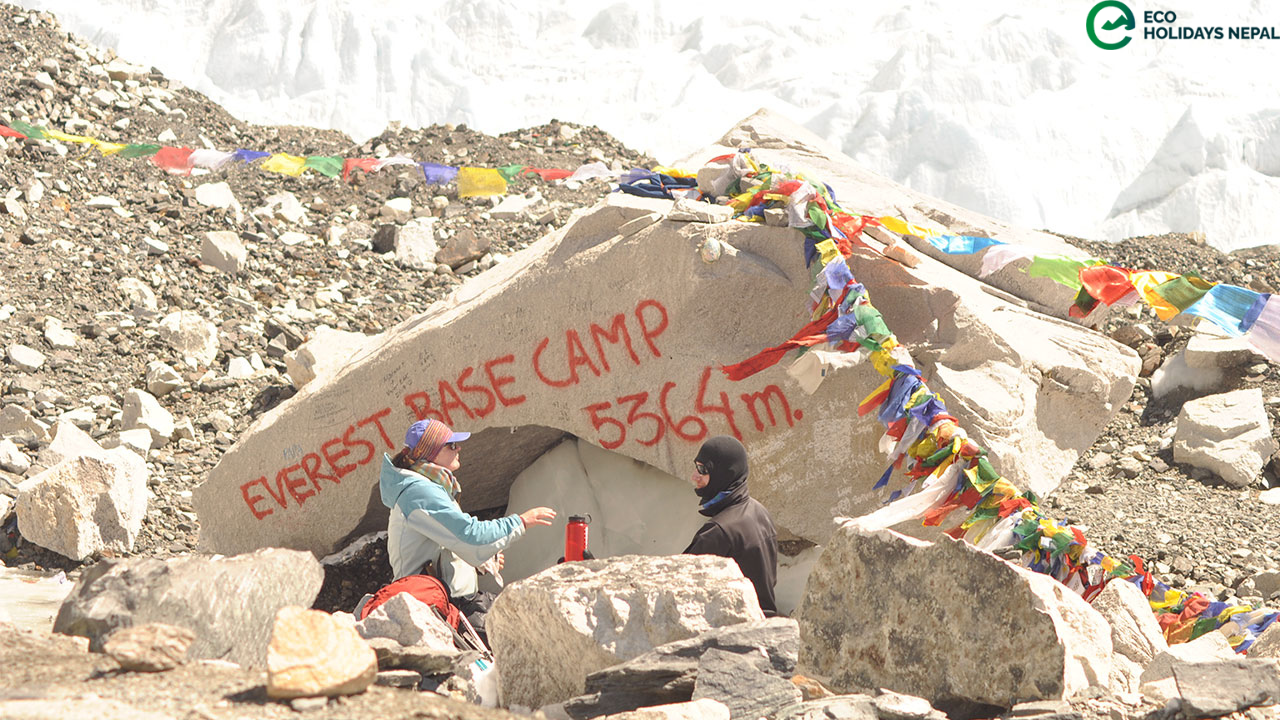
The Everest region is one of the most famous trekking regions in the world. It is home to Mount Everest, the tallest mountain on Earth at 8,848.86 meters. Every year, thousands of trekkers travel to this region to see giant Himalayan peaks and experience Sherpa culture. The most popular route is the Everest Base Camp trek. This trek usually takes 12 to 14 days and covers about 130 kilometers round trip, depending on the exact route and side hikes.
One reason the Everest region is less remote than Manaslu is that it's easy to access by air. Trekkers normally fly from Kathmandu to Tenzing-Hillary Airport in Lukla. The flight takes around 30 to 35 minutes. From Lukla, trekkers immediately start walking into the Khumbu valley. Because this airport connects the mountains directly to the capital city, supplies, trekkers, and rescue teams can reach the region much faster.
The trekking trail passes through famous Sherpa villages such as Namche Bazaar, Tengboche, and Dingboche. These villages have well-developed trekking facilities. Trekkers can find tea houses, bakeries, gear shops, medical posts, and Wi-Fi in many places. Namche Bazaar is especially important because it acts as the main trading center of the Khumbu region and a key acclimatization stop for trekkers.
Another major difference is the number of trekkers. Each year, more than 40,000 trekkers visit the Everest Base Camp trail. During the main trekking seasons of spring (March to May) and autumn (September to November), the trail can become busy with trekkers, guides, and porters. This large number of visitors has helped improve infrastructure, including better lodges, clear trails, and regular helicopter rescue services.
Because of its airport access, strong trekking infrastructure, and busy tourism activity, the Everest region is considered moderately remote but well supported. Trekkers still experience high mountains and glaciers, but they also have easier access to food, shelter, communication, and emergency help compared to more isolated trekking regions like Manaslu.
Annapurna Region Overview
The Annapurna region is one of the most diverse and accessible trekking areas in Nepal. It is home to the massive Annapurna Massif, which includes several peaks above 7,000 meters, including Annapurna I at 8,092 meters, the tenth highest mountain in the world. The region is protected inside the Annapurna Conservation Area, Nepal's largest conservation area, covering about 7,629 square kilometers of forests, rivers, and high mountains.
One of the major reasons why the Annapurna region feels less remote is its easy access. Most treks begin from the beautiful lakeside city of Pokhara, which is about 200 kilometers west of Kathmandu. Pokhara has good roads, hotels, gear shops, and transportation. From there, trekkers can quickly reach trailheads like Nayapul, Besisahar, or Jhinu Danda by road in a few hours. Because roads reach many villages, supplies and rescue services are easier to manage.
The Annapurna region offers several famous trekking routes. These include the classic Annapurna Circuit, the short and scenic Ghorepani Poon Hill Trek, and the high mountain journey to Annapurna Base Camp. The Annapurna Circuit is about 160 to 230 kilometers long, depending on the route, and crosses the high Thorong La Pass at 5,416 meters. Because of road development in some sections, trekkers can now shorten parts of the route if needed.
Another important feature is the number of villages and lodges. The Annapurna trails pass through many Gurung and Magar villages where teahouses provide food, rooms, and warm hospitality. Trekkers can often find comfortable lodges, electricity, Wi-Fi, and even hot showers along popular routes. Each year, the Annapurna region welcomes over 2,00,000 trekkers, making it one of Nepal's busiest trekking destinations.
Because of its road access, many villages, and strong tourism infrastructure, the Annapurna region is considered less remote than both Manaslu and Everest. However, it still offers breathtaking mountain views, diverse landscapes, and a rich cultural experience.
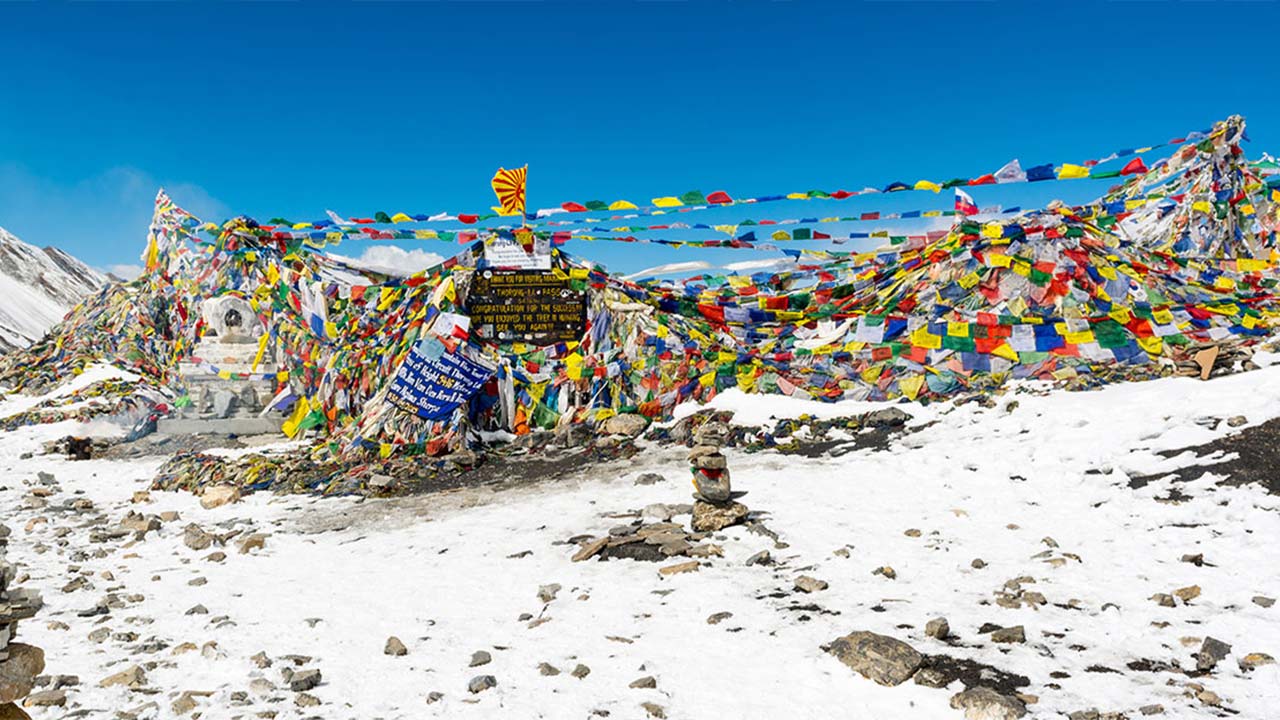
Comparing Remoteness: Manaslu vs Everest vs Annapurna
When trekkers compare trekking regions in Nepal, one important question is how remote each destination feels. The three famous regions, Manaslu region, Everest region, and Annapurna region, offer very different levels of accessibility and infrastructure. While all three are located in the Himalayas, their trekking experience varies depending on roads, flight facilities, and the number of visitors.
The Manaslu region is widely considered the most remote among the three. Trekkers usually travel from Kathmandu by a long road journey of 7 to 9 hours to villages like Soti Khola or Machha Khola before starting the trek. Once on the trail, villages are smaller, and lodges are more basic. Communication networks are limited, and medical facilities are rare. Because it is a restricted trekking area, the number of trekkers is also much lower compared to Everest and Annapurna.
The Everest region is less remote mainly because of air access. Trekkers fly directly to Lukla through Tenzing-Hillary Airport. This short flight connects trekkers quickly to high mountain trails. The route to Everest Base Camp has well-established tea houses, bakeries, gear shops, and medical clinics in places like Namche Bazaar. Helicopter rescue services are also common, which makes the region more supported despite its high altitude.
The Annapurna region is usually considered the least remote trekking area. Most treks begin from Pokhara, which is easily reached by road or flight from Kathmandu. Roads connect many trekking starting points, such as Besisahar and Nayapul. Because of this road access, supplies, food, and medical support reach villages more easily than in other regions.
In summary, Manaslu offers a quiet and isolated trekking experience with fewer trekkers and limited infrastructure. Everest provides a balance of adventure and facilities, while Annapurna offers the easiest access and the most developed trekking routes. Understanding these differences helps trekkers to choose a region that matches their adventure level and comfort needs.
Challenges of Trekking Remote Regions
Trekking in remote Himalayan areas such as the Manaslu region can be rewarding, but it also brings several challenges. Compared with the Everest region and the Annapurna region, remote trails have fewer facilities and require better preparation. Below are some of the main challenges trekkers may face.
High Altitude and Thin Air
Many remote treks in Nepal climb above 4,000 meters, where oxygen levels are much lower. On the Manaslu Circuit, trekkers must cross Larkya La Pass at 5,106 meters. At this altitude, trekkers may experience altitude sickness if they do not acclimate properly. Symptoms like headaches, dizziness, and fatigue can occur, so slow ascent and rest days are important.
Limited Lodges and Basic Facilities
Remote regions have fewer tea houses and basic accommodation. In some villages of the Manaslu trail, lodges are small and simple compared to those in Everest or Annapurna. Electricity, hot showers, and internet services may not always be available, so trekkers need to be ready for simple living conditions.
Difficult Terrain and Long Walking Days
Mountain trails often include steep climbs, rocky paths, suspension bridges, and narrow cliffside routes. Trekkers usually walk 6 to 8 hours per day, sometimes longer in remote sections. Strong physical fitness and good trekking experience help make these long days more manageable.
Limited Medical and Rescue Access
In remote trekking areas, medical clinics are rare and far apart. If a serious health problem occurs, trekkers may need a helicopter evacuation. However, bad weather or a lack of landing areas can delay rescue operations. Carrying travel insurance and basic first aid supplies is very important.
Unpredictable Mountain Weather
The weather in the Himalayas can change quickly. Sudden snow, heavy rain, landslides, or strong winds can make trails dangerous. Proper trekking gear, flexible travel plans, and guidance from experienced local guides help to reduce these risks.
Trekking in remote Himalayan regions like the Manaslu region can be challenging due to altitude, limited facilities, difficult terrain, and unpredictable weather. However, with proper preparation, good fitness, and careful planning, trekkers can safely enjoy the unique adventure and natural beauty these remote mountains offer.
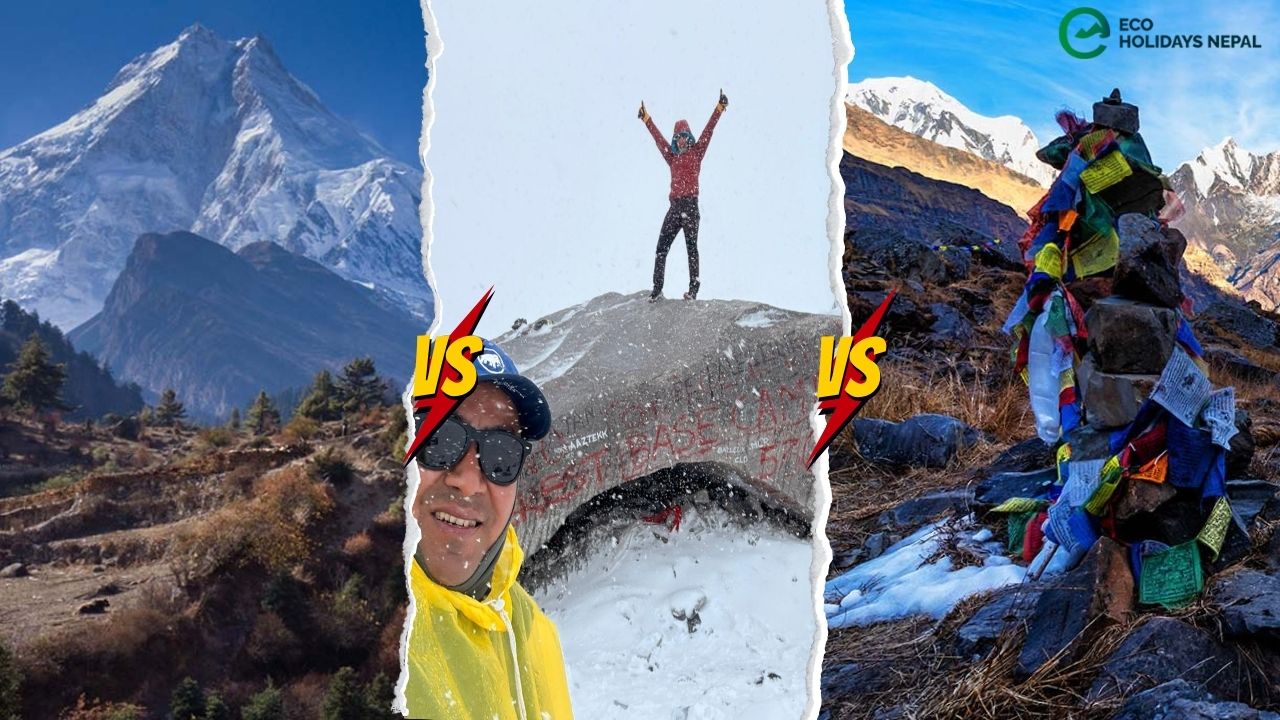
Benefits of Trekking in Remote Areas Like Manaslu
Trekking in remote Himalayan regions such as the Manaslu Region offers several unique advantages. Unlike the busy trails of the Everest Region or the Annapurna Region, remote areas provide quieter trails, untouched landscapes, and deeper cultural experiences.
Peaceful Trails and Fewer Crowds
One of the biggest benefits of trekking in Manaslu is the quiet environment. The Manaslu Circuit receives roughly 10,000 to 12,000 trekkers each year, while more than 40,000 trekkers visit Everest Base Camp annually. Because of this difference, the Manaslu trail feels much calmer, allowing trekkers to enjoy nature without heavy crowds.
Pristine and Untouched Nature
Remote trekking routes often pass through landscapes that are less affected by tourism. In Manaslu, trekkers walk along deep valleys carved by the Budhi Gandaki River, dense rhododendron forests, and high alpine areas near Larkya La Pass at 5,106 meters. These areas remain clean and natural, offering incredible views of glaciers, waterfalls, and snow-covered peaks.
Rich Culture Experience
The Manaslu region is home to traditional mountain villages influenced by Tibetan Buddhism. Places like Samagaon, Samdo, and Lho have ancient monasteries, prayer wheels, and chortens. Trekkers can interact with local communities and learn about their culture, traditions, and daily life in the Himalayas, which is not significantly affected by commercialization.
Greater Sense of Adventure
Remote trekking routes feel more adventurous because facilities are limited and trails are less crowded. Completing long routes like the Manaslu Circuit Trek and crossing high passes gives trekkers a strong sense of achievement and exploration.
Unique Wildlife and Natural Diversity
Remote Himalayan regions also support diverse wildlife and ecosystems. Trekkers may see the Himalayan blue sheep and many species of birds along the trail. The combination of forests, rivers, glaciers, and high mountain landscapes makes Manaslu one of Nepal's most naturally diverse trekking regions.
Trekking in remote areas like the Manaslu Region offers unmatched peace, pristine nature, rich culture, and a strong sense of adventure. Fewer Crowds and untouched landscapes make it ideal for trekkers seeking a quiet, authentic, and memorable Himalayan experience.
Which Region Should You Choose?
Choosing the right trekking region in Nepal depends on your experience, goals, and how remote you want it to be. Each of the three major regions, the Manaslu region, the Everest region, and the Annapurna region, offers a unique experience.
If you enjoy solitude, rugged trails, and a strong sense of adventure, the Manaslu region is the best choice. The remote villages, limited lodges, and high passes like Larkya La Pass provide a quieter trekking experience away from large crowds.
For those seeking a mix of challenge and convenience, the Everest region is ideal. With quick access via Lukla Airport, well-developed tea houses, and medical facilities, trekkers can experience high-altitude adventure while having safety and support nearby.
If comfort, scenic diversity, and easier logistics are most important to you, the Annapurna region is the most suitable. Roads reach many trailheads from Pokhara, villages offer good accommodation, and the trails showcase rice terraces, waterfalls, and Himalayan peaks.
Understanding the differences in remoteness helps trekkers to choose the right region for their level, making the Himalayan adventure safer and more enjoyable.