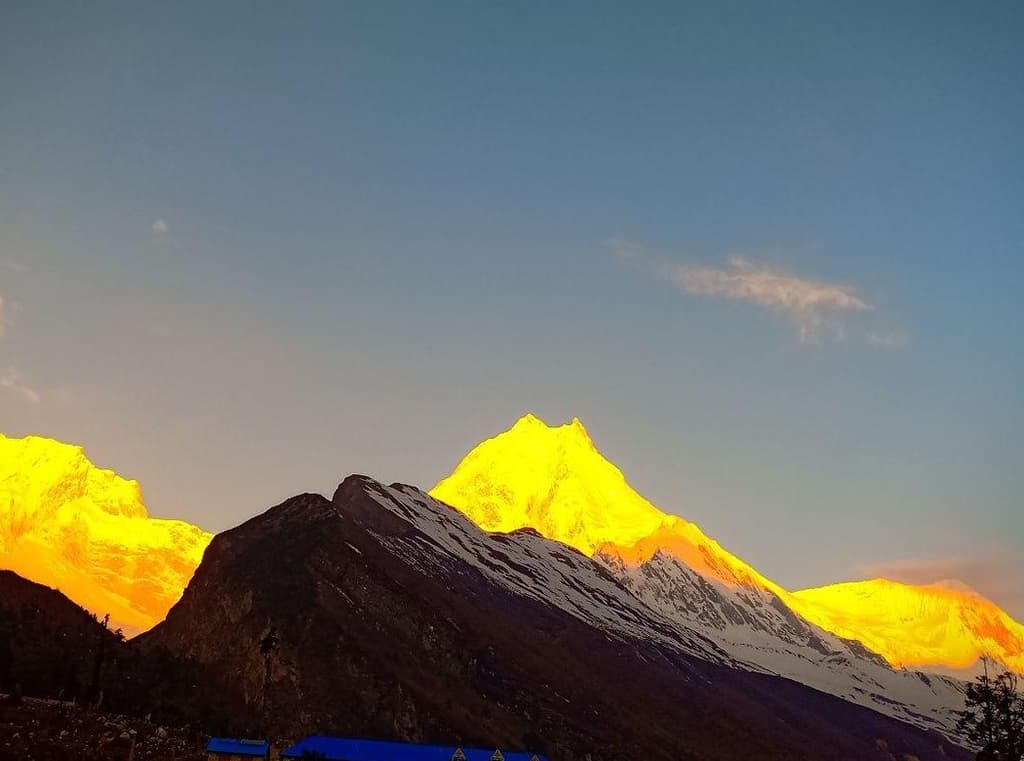

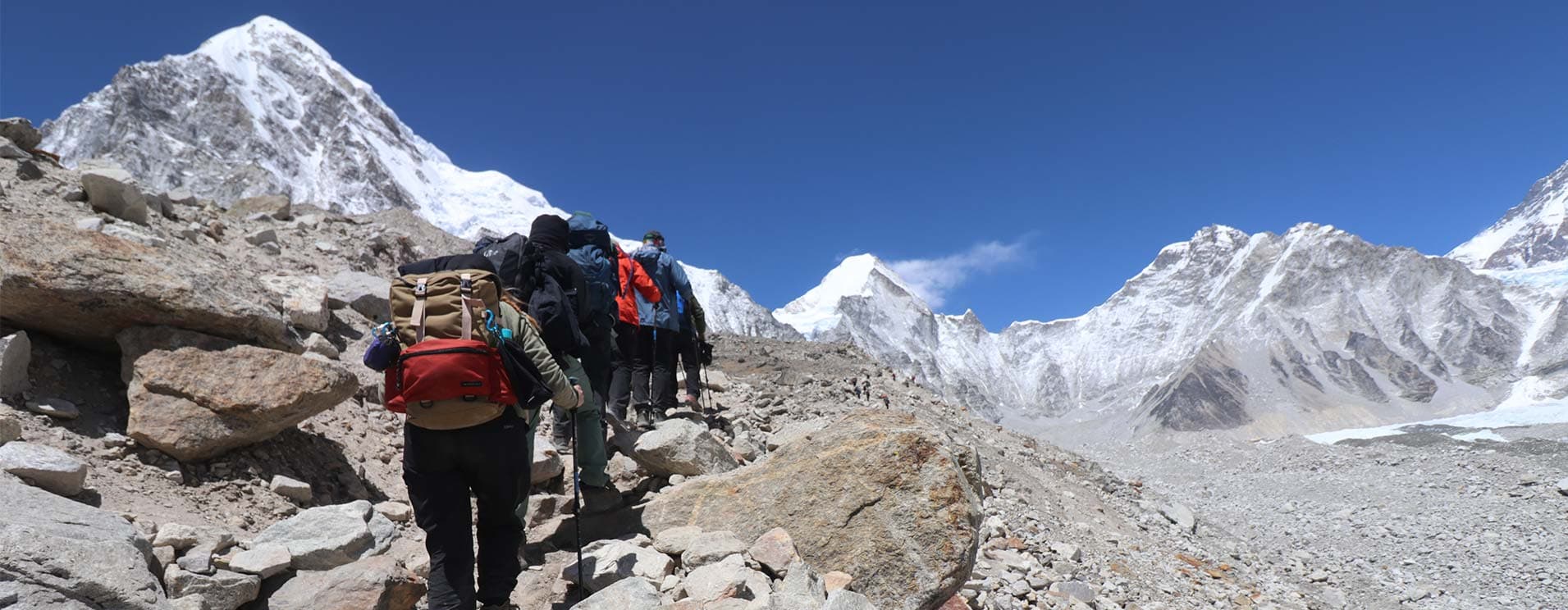
Trekking in Nepal is an unforgettable journey across some of the most dramatic mountain landscapes in the world. These adventures combine long-distance walking with gradual altitude and an immersive travel experience across the traditional settlements and varying terrain. If you are planning your trek in Nepal this year, you might be curious about the best seasons, the most popular routes, typical cost, difficulty level, trekking modes, cultural etiquette, and safety tips. Well, you are in luck, this Nepal Trekking 2026 Guide is all about making sure a remarkable adventure beneath the Himalayas without leaving any stone unturned.
Nepal is one of the few places on earth where trekking feels raw, real, and deeply rewarding. From the quiet forest trails and stonehouse villages to towering Himalayan peaks and ancient monasteries, every trail here will open up to an unforgettable experience. The treks usually last several days to a few weeks, with daily walks balancing the challenge, acclimatization, and exploration. Unlike the typical hiking trips, trekking routes in Nepal connect traditional villages, prayer-flag-covered passes, glacial valleys, and high mountain viewpoints. All of these factors combined create a trekking experience that is both physically challenging and culturally immersive.
This Nepal Trekking 2026 Guide is designed to help you plan your journey with clarity and confidence. Inside, you will find everything you need to plan a clear, practical, and up-to-date information to plan your Himalayan trek without missing out on anything. By the end of this guide, you will not only understand how trekking in Nepal works, but also feel confident in choosing the right trail, preparing properly, and making the most of every day in the mountains.
Best Time to Trek in Nepal
The first thing we will discuss in this Nepal Trekking 2026 Guide is choosing the right season for your trek. It is one of the most important factors for a successful trek in Nepal. The weather pattern, visibility, trail conditions, and crowd levels change significantly across the year, and different regions perform better in different seasons. Overall, spring (March to May) and autumn (September to November) are considered two of the best seasons to explore the popular trekking routes in Nepal.
Spring (March to May)
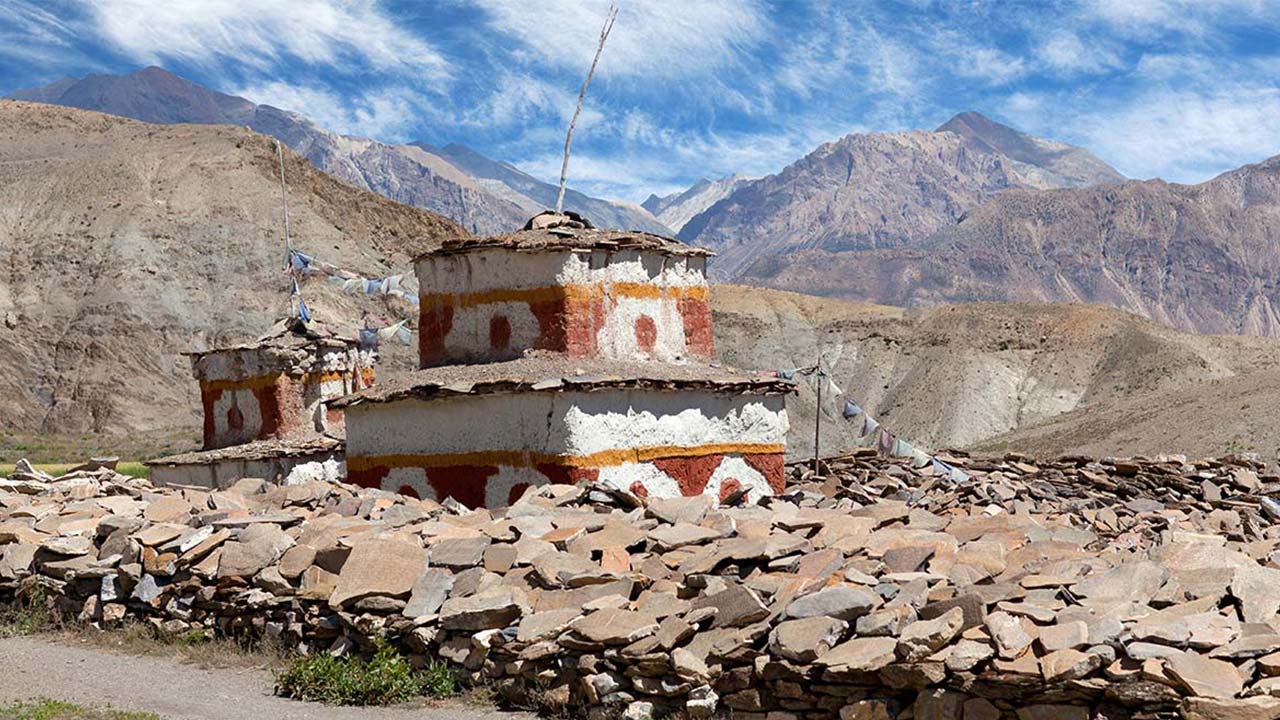
Spring is one of the most beloved trekking seasons in Nepal. During this nature’s high season, the weather is generally stable, with mild temperatures at lower elevations and comfortable conditions at higher altitudes. Rhododendron forests are in full bloom during spring and take over the lower landscapes, especially in the Annapurna and Langtang regions. Visibility is also usually good during the mornings, though clouds can build up in the afternoons. The crowd levels are moderate to high during this season, particularly on classic routes like Everest Base Camp and Annapurna Base Camp.
Best regions: Annapurna, Everest, Langtang, Manaslu
Summer / Monsoon (June to August)
The summer months coincide with Nepal’s monsoon season. So, it brings frequent rainfall, high humidity, and cloudy skies in most regions. Visibility is often limited due to heavy cloud and fog cover, and trails can be muddy or slippery, with leeches common at lower elevations. However, the monsoon season offers lush landscapes and far fewer trekkers even on the mainstream trekking routes. Rain-shadow areas in the Himalayas remain relatively dry, making them excellent alternatives for experienced trekkers looking to avoid crowds.
Best regions: Upper Mustang, Dolpo (rain-shadow areas)
Autumn (September to November)
Autumn is widely considered the best time to trek in Nepal due to its stable factors. The monsoon clears the air, which results in crisp weather, dry trails, and outstanding mountain views. The daytime temperatures in autumn are pleasant, and nights are cool but manageable at higher elevations. This fall season attracts the highest number of trekkers in Nepal on its major trekking routes. So, popular routes can be busy, especially in October.
Best regions: Everest, Annapurna, Langtang, Manaslu
Winter (December to February)
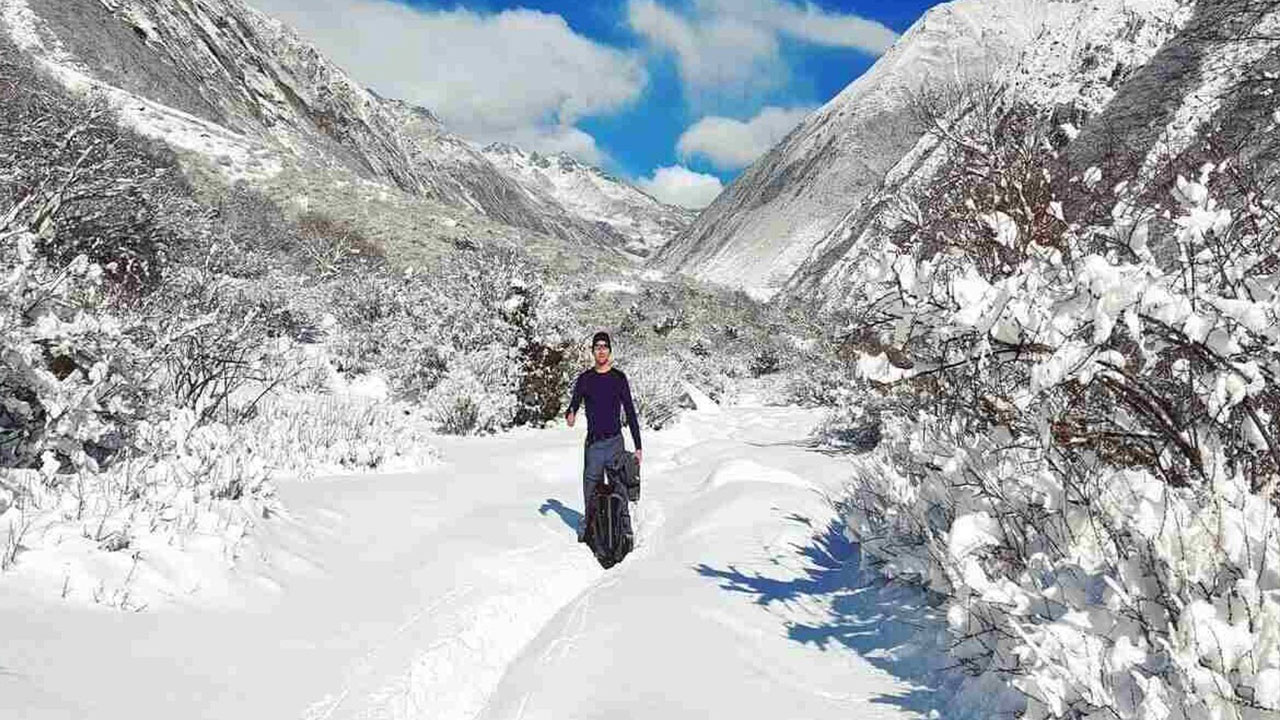
Although you will have to overcome the minus degree temperatures and snow-covered landscapes, the winter trekking offers a quieter and more peaceful experience. You will be accompanied by clear skies and sharp mountain views on many days. Temperatures drop significantly at higher altitudes, and heavy snowfall can block high passes and remote trails. While high-altitude trekking routes can be challenging during this season, the lower-elevation routes remain accessible and rewarding for well-prepared trekkers.
Best regions: Lower Annapurna, Langtang Valley, Everest lower trails
Popular Trekking Regions in Nepal and Best Treks for 2026
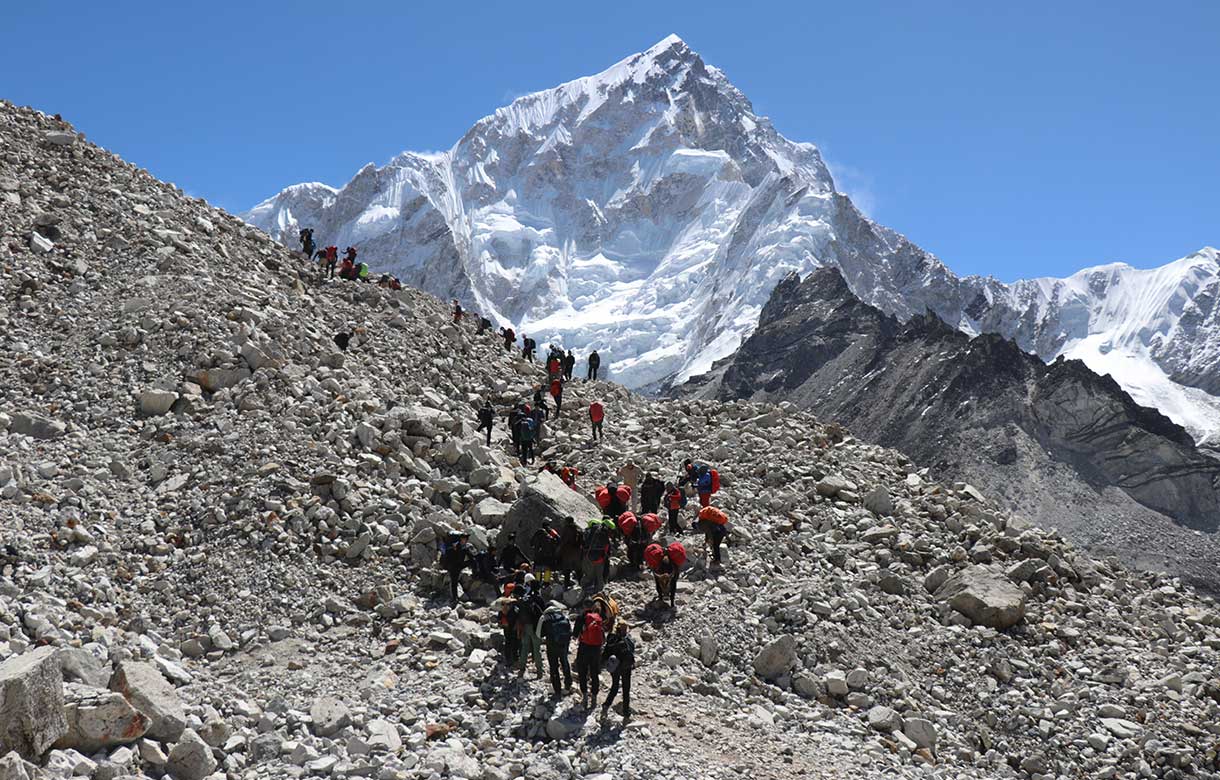
Nepal is a trekking paradise, but every region offers a completely different experience. Your journey to different corners of the Himalayas will allow you to admire the diverse beauty of the region. From world-famous Everest to the hidden valleys of Dolpo, choosing the right region affects everything, trek’s difficulty, scenery, cultural exposure, and logistics. Here is a detailed guide to Nepal’s major trekking regions, our Nepal trekking 2026 guide regarding recommendations, and the difficulty level of the journey.
Everest Region (Khumbu)
- Highlights: Mount Everest, Tengboche Monastery, Sherpa culture, Himalayan panoramas
- Difficulty: Moderate to challenging (altitude is the main factor)
- Typical Duration: 12 to 21 days
- Permits: Sagarmatha National Park Permit, Khumbu Pasang Lhamu Permit
The Everest region is the dream destination for many trekkers around the world. This trekking region offers panoramic views of the world’s highest peaks and an immersive Sherpa cultural experience. You will follow the trail that winds through rhododendron forests, stone villages, mani walls, and colorful monasteries before reaching high-altitude zones. Daily trekking distances are moderate, but altitude is a major factor, so proper acclimatization is essential. The Everest region has well-established teahouses, making it accessible for trekkers, though remote sections like the Everest Three Passes Trek require more endurance and planning.
Best Treks: Everest Base Camp Trek (moderate), Everest Three Passes Trek (challenging), Gokyo Lakes Trek (moderate), Everest Panorama Trek (moderate to relatively easy)
**Note: The Everest region is perfect for trekkers who want a mix of adventure, culture, and world-class scenery. However, trekking adventures here demand respect for altitude and preparation for crowded trails during peak seasons**
Annapurna Region
-
Highlights: Terraced farmland, mountain panoramas, Annapurna Massif, cultural villages
-
Difficulty: Easy to challenging
-
Typical Duration: 4 to 18 days
-
Permits: Annapurna Conservation Area Permit (ACAP)
The Annapurna region is famous for its incredible diversity and is the second most popular trekking destination in Nepal. During your trek here, you can walk through subtropical valleys, terraced farmland, alpine forests, and snow-capped high passes, all in a single trek. This is one of the most flexible trekking regions in the Himalayas that offers routes for beginners, moderate trekkers, and even high-altitude challenges. The teahouse system here is well-developed, and villages are welcoming. As you walk across the traditional villages, you will get a glimpse into Gurung and Thakali cultures. Annapurna also has reliable infrastructure, which means lodges, food, and emergency support are generally available even on longer circuits.
Best Treks: Ghorepani Poon Hill Trek (easy), Mardi Himal Trek (easy to moderate), Annapurna Base Camp Trek (moderate), Annapurna Circuit Trek (moderate to challenging)
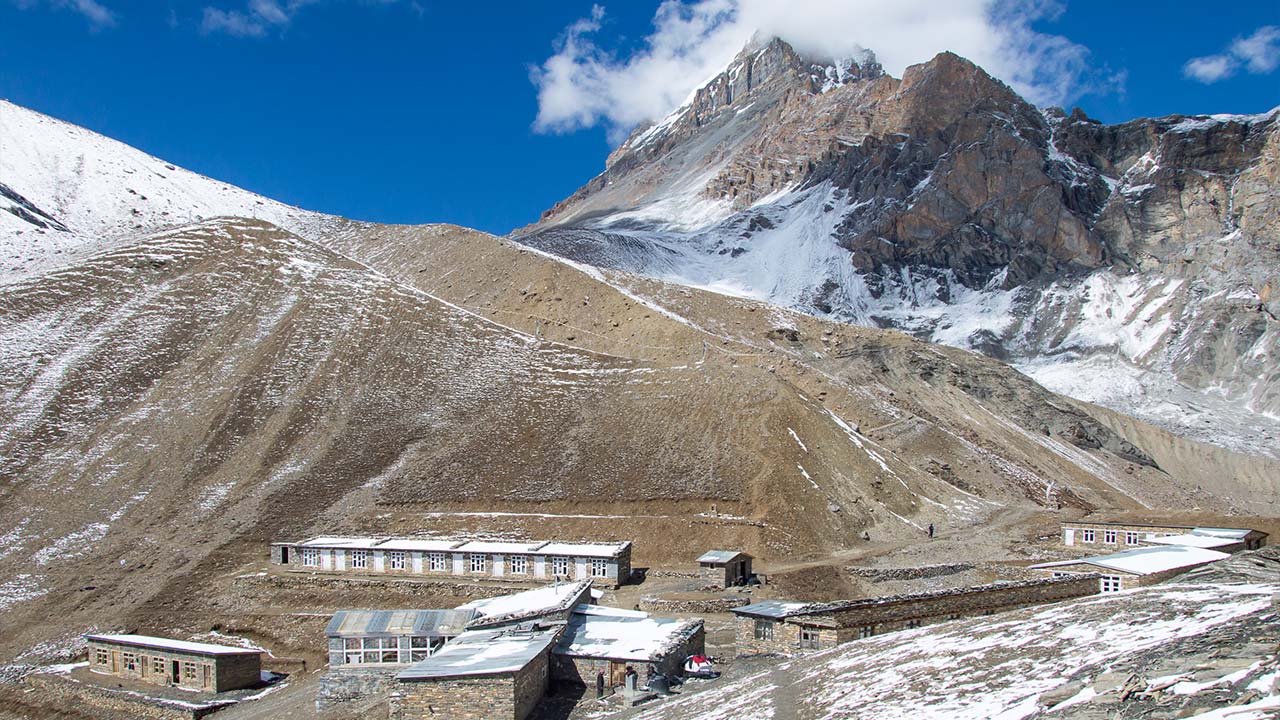
**Note: The Annapurana region is truly diverse for trekking adventures. Whether you are looking for a short scenic trek or a multi-week adventure, Annapurna offers variety, rich culture, and spectacular landscapes, making it ideal for almost any trekking level**
Langtang Region
-
Highlights: Tamang culture, Langtang Valley, glaciers, Buddhist monasteries
-
Difficulty: Easy to moderate
-
Typical Duration: 7 to 12 days
-
Permits: Langtang National Park Permit
This is another major trekking destination in Nepal that is situated just north of Kathmandu. The Langtang region is popular for its blend of accessibility and authenticity. It is less crowded than Everest and Annapurna, giving trekkers a more peaceful experience while still offering teahouse accommodation and well-marked trails. Langtang region features Tamang villages, small monasteries, and glacial valleys, with stunning views of Langtang Lirung and surrounding peaks such as Dorje Lakpa, Ganesh Himal, Yala Peak, and Naya Kanga. Although treks here are lower in altitude than Everest, the trails can still be challenging due to steep sections and variable weather. The Langtang region is especially attractive to trekkers who are seeking a cultural experience combined with moderate adventure.
Best treks: Langtang Valley Trek (easy to moderate), Tamang Heritage Trekking (easy), Langtang Gosaikunda Trekking (moderate)
**Note: Langtang is perfect for first-time trekkers or those short on time. This region offers a Himalayan experience without the crowds and extreme altitude of Everest**
Manaslu Region
- Highlights: Manaslu Massif, Larkya La Pass, Tibetan culture, remote Himalayan villages
- Difficulty: Moderate to challenging
- Typical Duration: 14 to 18 days
- Permits: Restricted Area Permit, Manaslu Conservation Permit
Manaslu is a more remote alternative to Annapurna and Everest, offering both breathtaking scenery and deep cultural immersion. The trek follows a classic circuit around the Manaslu Massif, passing traditional Tibetan-influenced villages, suspension bridges, and terraced fields before reaching high passes like Larkya La at over 5,000 meters. This region is less trafficked than Everest and Annapurna, so trekkers get a sense of isolation and adventure. However, the trek requires careful planning, a good level of fitness, and awareness of altitude challenges.
Best Treks: Manaslu Circuit Trekking (moderate to challenging), Manaslu Circuit with Tsum Valley Trek (challenging), Manaslu Base Camp Trek (moderate)
Note: For trekkers seeking solitude, culture, and dramatic scenery, Manaslu delivers an authentic high-altitude Himalayan experience .
Mustang and Dolpo (Restricted Areas)
-
Highlights: Ancient Tibetan culture, desert landscapes, isolated monasteries
-
Difficulty: Challenging
-
Typical Duration: 15–25 days
-
Permits: Restricted Area Permit, National Park Permit
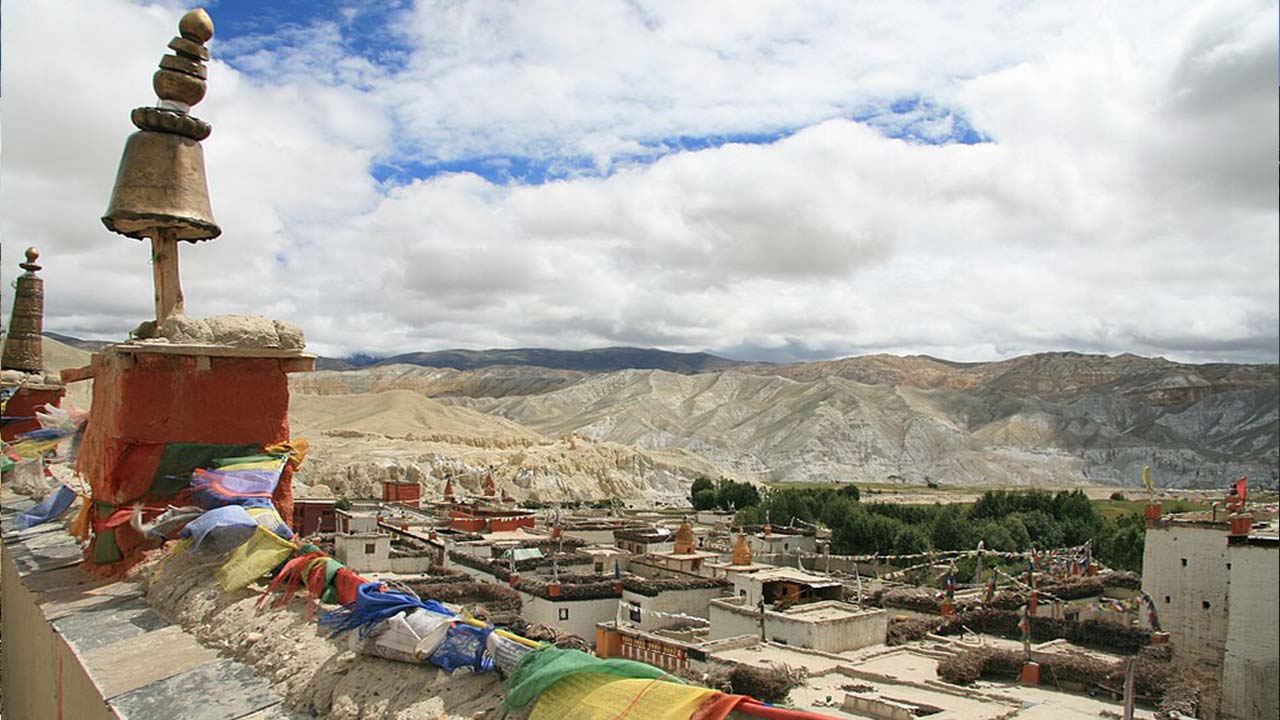
Mustang and Dolpo are Nepal’s most remote and culturally preserved regions, located in rain-shadow zones. The landscape is arid, desert-like, and dotted with ancient Tibetan-style villages, monasteries, and cave settlements. These regions are highly restricted, with expensive permits and mandatory guides, and most treks involve camping due to minimal teahouse infrastructure. Trekkers must be prepared for long days, logistical complexity, and isolation. The reward is a truly unique trekking experience — almost like stepping back in time.
Best Treks: Upper Dolpo Trek (challenging), Upper Mustang Trek (moderate), Kanchenjunga Base Camp Trekking (challenging)
**Note: This region is for seasoned trekkers who crave adventure, extreme isolation, and cultural immersion far from the typical tourist routes**
Nepal Trekking Cost Breakdown for 2026
Trekking costs in Nepal vary widely depending on the region, trek duration, level of support, and style of travel. While Nepal remains one of the most affordable trekking destinations in the world, higher altitudes and remote regions increase prices for accommodation, food, and logistics. So, in the next part of this Nepal Trekking 2026 Guide, we will help you understand the regional context, which helps trekkers plan a realistic budget and avoid surprises.
Permits
Permits are mandatory for almost every trek in Nepal, and it is also often the first cost you come across. You will have to get all the necessary permits for the specific trail that you are taking. There are three types of permit systems in Nepal: Conservation Area Permit, National Park Permit, and Restricted Area Permit. If your destination is a trekking peak, you may also need the Climbing Permit from the Nepal Mountaineering Association (NMA).
|
Region |
Permit Type |
Cost (USD) |
Notes |
|
Everest |
|
$50 to $65 |
Essential for all Everest region treks and is mostly included in the package (Gaurishankar permit is only needed for the Jiri route) |
|
Annapurna |
|
$30 |
Covers most of the Annapurna trek, can be purchased in Kathmandu or Pokhara |
|
Langtang |
|
$50 |
Needed for Langtang and nearby treks |
|
Manaslu |
|
$100 to $130 |
Permits are expensive due to restricted access; it is mandatory to hire a licensed guide |
|
Mustang/ Dolpo |
|
$500 (for the first 10 days) |
Higher cost reflects the extreme remoteness, culturally sensitive region, guide requirements, and government fees |
Guide and Porter Costs
Hiring guides and porters can transform your trek experience, especially in regions with difficult trails or restricted access. The guide and porter costs for trekking in Nepal reflect the skill, altitude expertise, and support provided.
|
Region |
Guide Cost Per Day |
Porter Cost Per Day |
|---|---|---|
|
Everest |
$30 to $35 |
$20 to $25 |
|
Annapurna |
$25 to $30 |
$15 to $20 |
|
Langtang |
$25 to $30 |
$15 to $20 |
|
Manaslu |
$30 to $35 |
$20 to $25 |
|
Mustang/ Dolpo |
$35 to $45 |
$25 to $30 |
Accomodation (Teahouse/ Lodges)
The accommodation cost depends on elevation, remoteness, and available facilities along the trail. Teahouses in popular regions offer meals, basic bedding, and often hot showers. As you move to higher altitudes, the available facilities are pretty basic. Higher or more isolated regions have increased prices due to transport logistics.
|
Region |
Low Altitude Cost |
High Altitude Cost |
|---|---|---|
|
Everest |
$5 to $8 |
$10 to $15 |
|
Annapurna |
$4 to $6 |
$8 to $12 |
|
Langtang |
$5 to $8 |
$10 |
|
Manaslu |
$6 to $10 |
$12 to $15 |
|
Mustang/ Dolpo |
$10 to $20 |
$15 to $25 |
Food and Water
No matter which route you take, you will be able to enjoy a wide set of traditional meals during your trek. The teahouses also offer some Tibetan, Indian, and Western culture-based menus, but they can be limited depending on the altitude. Likewise, the beverage options include bottled mineral water, fresh juice, tea, coffee, and herbal drinks, as well as local alcoholic beverages. The cost for food and beverages climbs as you ascend to higher altitudes.
|
Region |
Typical Meal Cost |
|---|---|
|
Everest |
$3 to $5 |
|
Annapurna |
$3 to $5 |
|
Langtang |
$3 to $5 |
|
Manaslu |
$4 to $6 |
|
Mustang/ Dolpo |
$5 to $8 |
Transporation
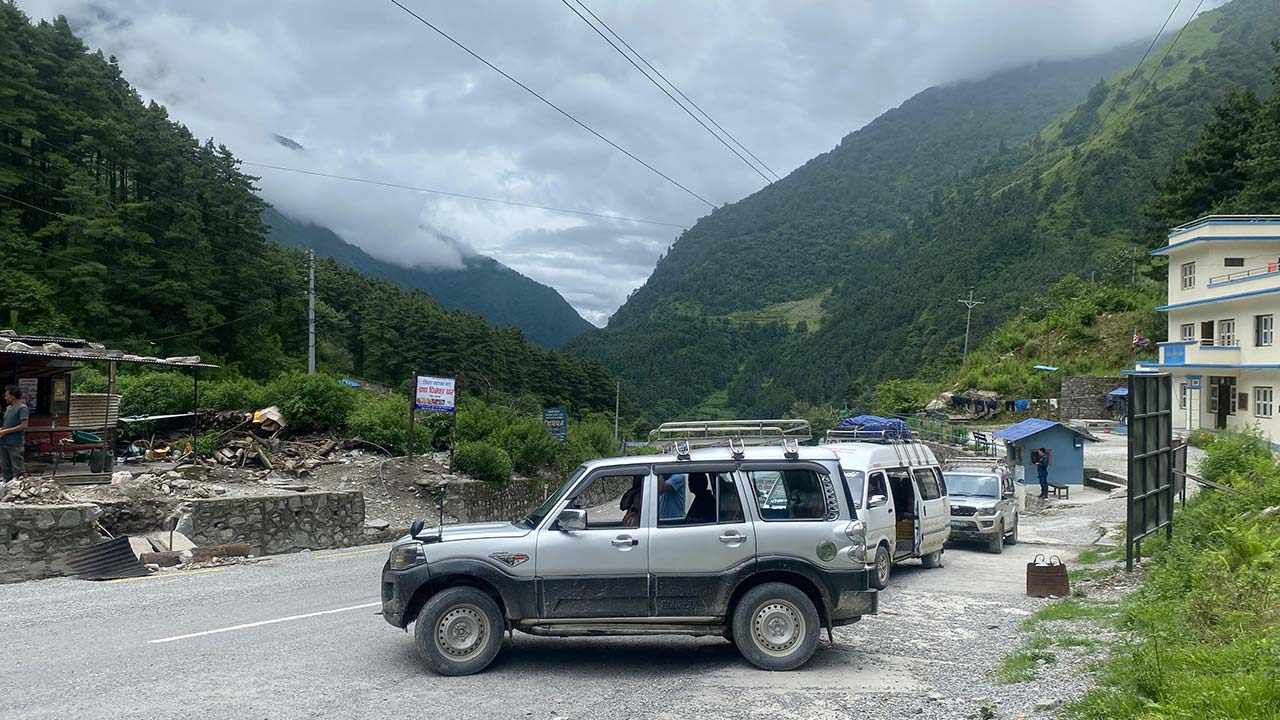
You will need to use transportation to get to the trailheads from Kathmandu. Depending on your preferred trekking route, you can either travel by land transport modes or have to use domestic flights. The cost of transport factor during your trek will be determined by how many transfers you will need and their mode.
-
Kathmandu Airport Transfer: $10 to $20
-
Domestic Flights: $180 to $220 (Lukla) and $160+ (Pokhara to Jomsom)
-
Tourist Bus/ Jeep: $10 to $200
Other Miscellaneous Expenses
Beyond these major costs, you will also have to account for miscellaneous expenses during your trek. These expenses may seem minor, but as they accumulate over the trek, they can be major expenses. So, for a seamless trekking experience in Nepal, it's best if you budget properly for the miscellaneous expenses as well.
-
Gear Rental:$2 to $5 per day
-
Hot Shower: $2 to $ 5 per day
-
Device Charging: US$ 2 to $ 5 per day
-
Internet Usage: $2 to $7 per day
-
SIM card: $ 10 to $15 for the trek
-
Tipping: $8 to $20 per day
-
Souvenirs and Small Entrance Fees: $5 to $20
Guided Trek vs Independent Trek in Nepal
Trekking in Nepal is more than just walking from one point to another with the sole purpose of just conquering the destination. It is an epic experience of traversing across some of the most dramatic landscapes, living cultures, and high-altitude challenges. So, let’s discuss how choosing between a guided trek and an independent trek can shape your entire experience in this Nepal Trekking 2026 Guide. Each style has its own unique flavour, risk, and benefits. So, understanding them will help you make the right choice for the Nepal trekking 2026.
Guided Trek: Travel with Confidence
Imagine walking through remote Sherpa villages in the Everest region or the rugged trails of Manaslu with someone who knows the terrain like the back of their hand. A guided trek offers security, cultural insight, and smooth logistics, allowing you to focus on the experience rather than the details.
Advantages:
-
Experienced guide handles navigation and trail knowledge
-
Safety support: altitude awareness, emergency handling
-
Easier permit and entry logistics, especially in restricted areas
-
Cultural immersion: guides provide historical and local insights
-
Peace of mind for first-time trekkers or high-altitude treks
Disadvantages:
-
Higher cost due to guide and porter fees
-
Less flexible itinerary - must follow group pace
-
Some trekkers feel “less independent”
Independent Trek: Freedom and Adventure
For those who crave full control over their pace, route, and schedule, an independent trek can be a thrilling experience. You decide when to stop, where to eat, and how long to spend at scenic viewpoints. This style works especially well in well-developed regions like Annapurna and Langtang, where trails are marked, and teahouses are plentiful.
Advantages:
-
Lower cost: no guide or porter fees
-
Full control over pace, route, and schedule
-
Personalized experience - spend more time on what interests you
-
Strong sense of achievement and independence
Disadvantages:
-
Must handle navigation, permits, and logistics yourself
-
Higher safety risk, especially at high altitudes or remote regions
-
Some regions (Manaslu, Upper Mustang, and Dolpo) legally require guides
Nepal Treks Difficulty Level and Physical Preparation
Trek difficulty in Nepal is less influenced by technical skill and more by the combination of altitude, terrain, daily elevation gain, and consecutive trekking days. Many routes follow well-established trails, but long ascents, uneven paths, and high passes can quickly increase physical strain. A trek that seems manageable on paper can feel far more demanding at altitude, where oxygen levels are lower and recovery takes longer. Understanding these factors will help you to choose the trek that matches your physical ability and trek experience.
Physical preparation for trekking in Nepal does not require elite fitness, but it does require consistency and endurance. Cardiovascular fitness, leg strength, and mental resilience matter more than speed or strength. If you regularly walk, hike, cycle, or train aerobically, then you can adapt well to trekking conditions. Meanwhile, complete inactivity before arrival often leads to fatigue early in the journey.
Altitude is one of the most important factors of trek difficulty in Nepal, and it is often underestimated. Even fit trekkers can struggle if they ascend too quickly. Proper acclimatization, gradual elevation gain, hydration, and listening to your body are essential for a safe and enjoyable trek, especially on routes that exceed 3,000 meters. Thus, for training before coming to Nepal, you should focus on building steady endurance rather than pushing limits.
Regular walking, stair climbing, hiking with a backpack, and light strength training for legs and core will help to prepare your body for long days on the trail. Likewise, you should also equally prioritize mental preparation. Trekking in Nepal is as much about patience and pacing as it is about physical strength. Those who come prepared and with realistic expectations can truly enjoy the experience far more than those who rush or overestimate their limits.
Altitude Sickness and Safety Tips
Altitude sickness, also known as Acute Mountain Sickness (AMS), happens when the body struggles to adapt to reduced oxygen levels at higher elevations. In Nepal, many popular trekking routes climb above 3,000 meters, where altitude-related issues can affect anyone, regardless of age, fitness level, or prior trekking experience. So, understanding altitude sickness and knowing how to respond is essential for a safe and enjoyable trek.
When ascent happens too quickly, the body may not have enough time to adapt, leading to altitude sickness. While mild symptoms are common and manageable, ignoring them can result in serious and potentially life-threatening conditions such as High Altitude Pulmonary Edema (HAPE) or High Altitude Cerebral Edema (HACE). However, the risks of adverse forms of altitude sickness are not common on the regular trekking routes, and it usually occurs during expeditions.
Symptoms to Watch For
Altitude sickness can develop gradually or suddenly. So, early recognition can help a lot with the treatment and minimize the risk. Common symptoms include:
- Headache
- Dizziness or lightheadedness
- Nausea or vomiting
- Loss of appetite
- Fatigue or weakness
- Shortness of breath during rest
- Difficulty sleeping
Severe Symptoms (Medical Emergency):
- Confusion or loss of coordination
- Persistent coughing or chest tightness
- Blue lips or fingernails
- Severe breathlessness at rest
Prevention Strategies
The best treatment for altitude sickness is prevention through smart trekking habits. During your trek, you can use the following precautionary method to reduce the risk of altitude sickness:
- Ascend slowly and allow enough time for acclimatization
- Take sufficient rest days at higher elevations
- Stay well hydrated and eat regularly
- Avoid alcohol and smoking at altitude
- Maintain a steady and comfortable walking pace
- Descending immediately if symptoms worsen
**Note: Nepal has a well-established rescue system for high-altitude trekking areas. In serious cases, descending to a lower altitude is the most effective treatment and should never be delayed. Many trekking regions have access to helicopter evacuation, which can be arranged through guides, lodges, or insurance providers**
Cultural Etiquette and Responsible Trekking
Trekking in Nepal takes you through remote communities where religion, tradition, and daily life are deeply intertwined with the mountains. Your trekking trail will often pass through villages that remain rooted in centuries-old customs. So, it is another crucial component of our Nepal Trekking 2026 Guide, which will help you to be respectful and familiarize yourself with the local perspectives. Understanding and respecting local etiquette not only prevents misunderstandings but also enriches your trekking experience by fostering genuine connections.
Local Customs to Respect
It is important for you to understand that Nepali mountain communities value humility, politeness, and mutual respect. Small actions can leave a lasting impression and may help you forge meaningful bonds.
- Greet locals with a simple “Namaste” as a sign of respect
- Dress modestly, especially in villages and religious areas
- Ask before taking photos of people, homes, or ceremonies
- Use your right hand when giving or receiving items
Temple & Monastery Etiquette
Temples and monasteries are sacred spaces; do not take them as just tourist attractions. Showing respect at these sacred sites is crucial for respecting the sentiments of locals.
- Remove shoes before entering temples or monastery buildings
- Walk clockwise around stupas, mani walls, and prayer wheels
- Avoid touching religious objects unless invited
- Keep noise to a minimum and avoid disruptive behavior
- Ask permission before photographing monks or ceremonies
Environmental Responsibility on the Trails
The mountain environment is fragile, and waste disposal options are limited in remote areas. Thus, adhering to responsible trekking practises will help preserve the trails for future generations.
- Carry a reusable water bottle and use purification methods
- Minimize plastic use and pack out non-biodegradable waste
- Stay on established trails to prevent erosion and prevent harming delciate eco-system
- Use water and firewood sparingly in teahouses
- Avoid disturbing wildlife or damaging natural features
Supporting Local Communities
Trekking tourism plays a vital role in sustaining livelihoods in the mountains. Making conscious choices ensures your presence has a positive impact. And, in the long run, it often comes back to trekkers, support to the local economy means development of the infrastructures that accommodates to the needs of the trekkers.
- Stay in locally owned teahouses rather than large chains
- Hire licensed local guides and porters
- Purchase handmade goods directly from village artisans
- Tip fairly and treat trekking staff with respect
- Learn a few local words or ask about local traditions
**Note: Responsible trekking is about awareness, not perfection. By respecting culture, protecting nature, and supporting local communities, you can help to ensure that Nepal’s trails remain welcoming, meaningful, and sustainable**