

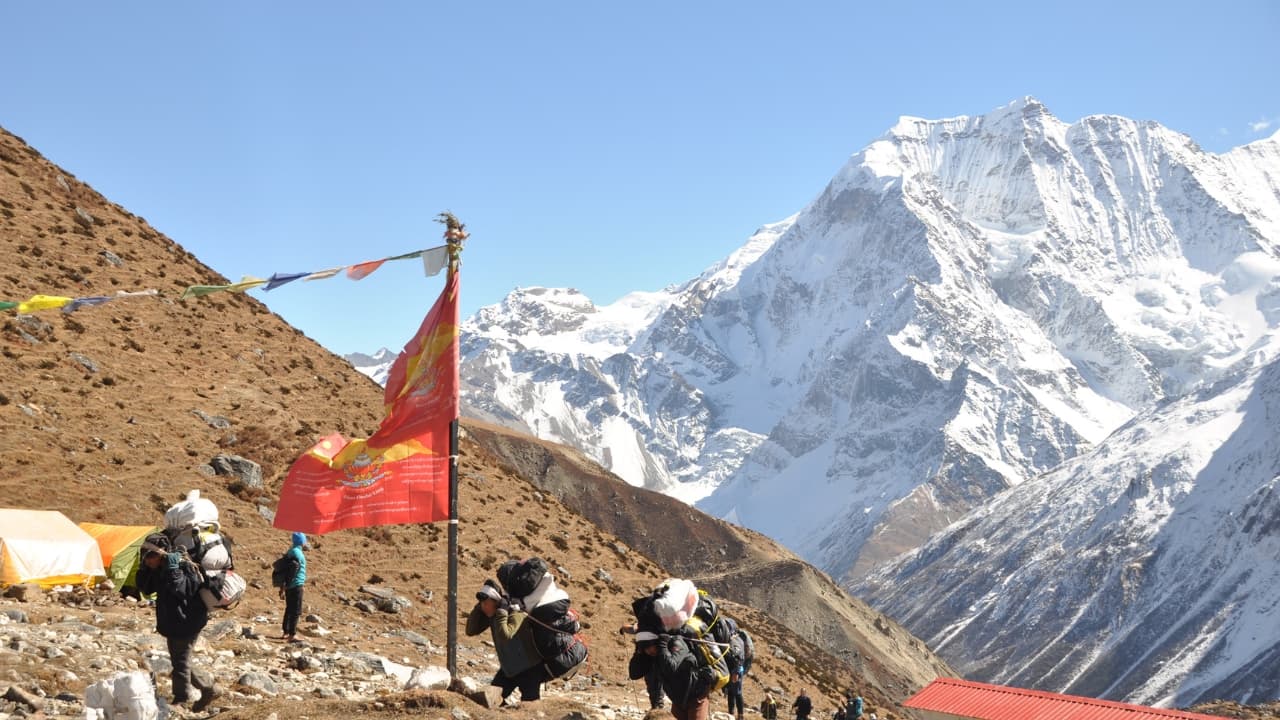
If you want to avoid busy trekking trails, the best less crowded treks in Nepal include the Manaslu Circuit Trek, Upper Mustang Trek, Makalu High Pass Trek, Kanchenjunga Base Camp Trek, Upper Dolpo Trek, and Makalu Base Camp Trek. These routes offer spectacular Himalayan scenery, authentic local culture, and peaceful trails far from the crowds found on Nepal's most popular trekking routes.
If you are looking for less crowded treks in Nepal, the good news is that some of the country's most rewarding trekking experiences lie far away from the busy trails of Everest Base Camp and Annapurna Base Camp. Nepal is home to remote mountain regions where you will find peaceful hiking trails, traditional Himalayan villages, dramatic landscapes, and an authentic cultural experience without the large crowds that gather on the more popular routes.
Among the best less crowded treks in Nepal are the Manaslu Circuit Trek, Upper Mustang Trek, Makalu High Pass Trek, Kanchenjunga Base Camp Trek, Upper Dolpo Trek, and Makalu Base Camp Trek. These journeys take you through some of Nepal's most untouched regions, where towering peaks, ancient monasteries, high mountain passes, and centuries-old cultures create an unforgettable trekking experience. Depending on your interests, you can also consider quieter alternatives such as the Nar Phu Valley Trek, Dhaulagiri Circuit Trek, and Ruby Valley Trek, each offering its own unique blend of scenery, adventure, and local heritage.
Choosing a less crowded trek does not mean sacrificing spectacular views. In fact, many of these remote routes rival and often surpass Nepal's famous trekking destinations in terms of natural beauty, cultural richness, and the feeling of true wilderness. Instead of sharing the trail with hundreds of trekkers, you will enjoy peaceful days on the trail, meaningful interactions with local communities, and a deeper connection with the Himalayan landscape.
In this blog, we will explore the best less crowded treks in Nepal, compare their highlights, difficulty levels, and ideal trekking seasons, and help you choose the route that best matches your experience, fitness level, and travel goals. If you are searching for a challenging high-altitude expedition or a remote cultural adventure in Nepal, you can discover a trek that lets you experience the Himalayas at their most peaceful.
Best Less Crowded Treks in Nepal
Manaslu Circuit Trek
-
Duration: 14 to 18 days
-
Highest Elevation: Larke Pass (5,106m)
-
Difficulty: Moderate to Challenging
-
Best Seasons: March to May and September to November
-
Region: Manaslu Conservation Area
-
Accommodation: Teahouses with some basic facilities
-
Permits Required: Manaslu Restricted Area Permit, Manaslu Conservation Area Permit, Annapurna Conservation Area Permit
The Manaslu Circuit Trek is one of the finest choices for travelers searching for a less crowded Himalayan adventure in Nepal. Circling Mount Manaslu (8,163m), the world's eighth-highest mountain, this trek offers a perfect combination of dramatic mountain scenery, remote landscapes, and authentic Himalayan culture without the busy trails found on routes like Everest Base Camp and Annapurna Base Camp.
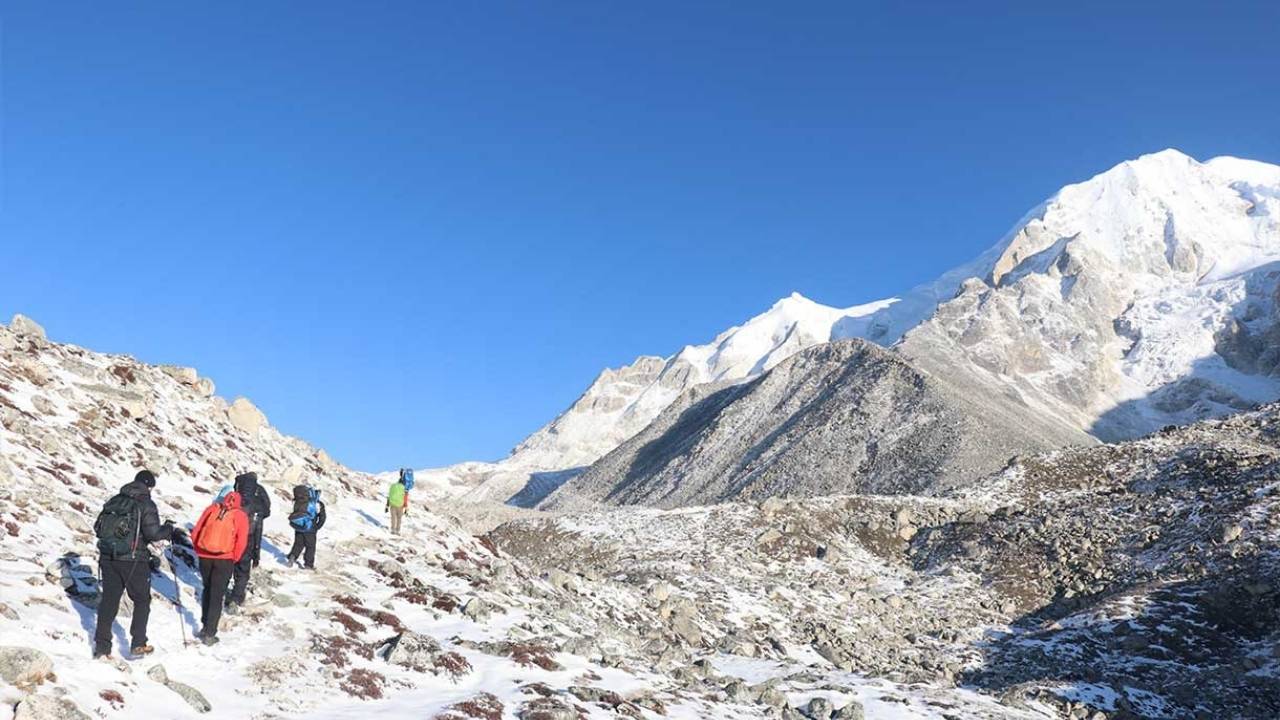
Located in the western part of Nepal, the Manaslu region remained isolated for many years due to its restricted status. Today, it has become one of Nepal's most rewarding off-the-beaten-path trekking destinations, attracting travelers who want to experience the Himalayas in a more peaceful and traditional way.
Why Choose This Trek?
-
Remote Himalayan Experience: Escape the busy trails of Everest and Annapurna while exploring a quieter mountain region with fewer trekkers.
-
Spectacular Mount Manaslu Views: Enjoy close-up views of Mount Manaslu (8,163m), Himalchuli, Ngadi Chuli, Ganesh Himal, and surrounding peaks.
-
Cross the Legendary Larke Pass: Experience one of Nepal's most rewarding high-altitude crossings at 5,106m with breathtaking Himalayan scenery.
-
Authentic Tibetan Buddhist Culture: Visit traditional villages like Samagaon and Samdo, where ancient monasteries, mani walls, and mountain traditions remain preserved.
-
Diverse Landscapes in One Journey: Walk through subtropical forests, river valleys, alpine meadows, glaciers, and high Himalayan terrain.
-
Perfect Alternative to Popular Treks: Experience the beauty of Nepal's Himalayas with fewer crowds while enjoying a complete trekking adventure.
Kanchenjunga Base Camp Trek
-
Duration: 20 to 26 days
-
Highest Elevation: Pangpema (North Kanchenjunga Base Camp)– 5,143m
-
Difficulty: Challenging
-
Best Seasons: March to May and September to November
-
Region: Kanchenjunga Conservation Area
-
Accommodation: Basic teahouses and camping facilities in remote sections
-
Permits Required: Kanchenjunga Restricted Area Permit and Kanchenjunga Conservation Area Permit
The Kanchenjunga Base Camp Trek is one of the most remote and least crowded trekking experiences in Nepal. Located in eastern Nepal, this journey takes you to the base of Mount Kanchenjunga (8,586m), the world's third-highest mountain, offering a true wilderness experience far away from the busy trekking routes of Everest and Annapurna.
Unlike many popular trekking destinations in Nepal, the Kanchenjunga region still feels untouched and raw. The long approach, remote location, and restricted area regulations mean that only a small number of trekkers visit this region each year. For travelers seeking solitude, dramatic landscapes, and authentic Himalayan culture, Kanchenjunga offers one of the most rewarding adventures in Nepal.
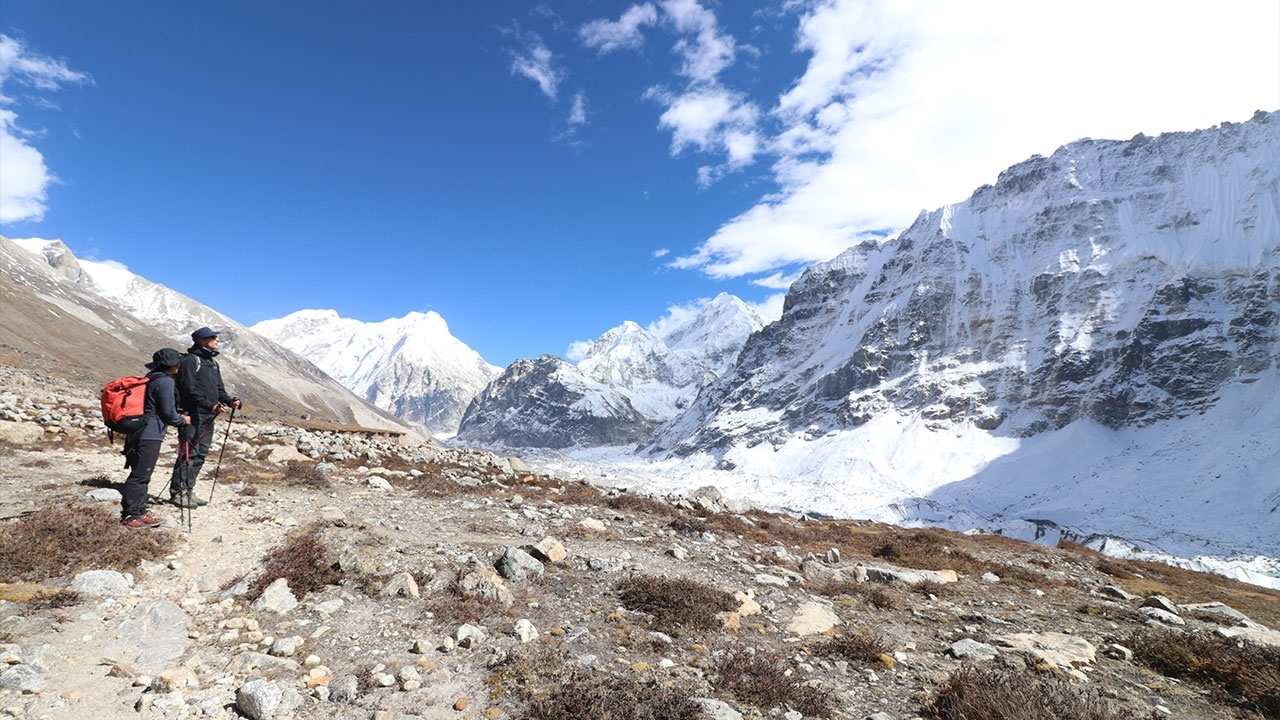
The trek can be organized to explore either the North Base Camp (Pangpema), the South Base Camp, or a complete circuit combining both sides. The trail passes through diverse landscapes, from lush subtropical forests and terraced farmland to alpine meadows, glaciers, and high mountain valleys surrounded by some of the world's highest peaks.
Why Choose This Trek?
-
Ultimate Remote Himalayan Adventure: Explore one of Nepal's least-visited trekking regions where peaceful trails and untouched landscapes create a true wilderness experience.
-
Stand Before Mount Kanchenjunga (8,586m): Reach the base of the world's third-highest mountain and enjoy breathtaking views of Kanchenjunga's massive north face and surrounding peaks.
-
Experience Diverse Landscapes: Trek through rhododendron forests, river valleys, alpine pastures, glaciers, and high-altitude mountain terrain.
-
Rich Local Culture and Traditions: Visit traditional villages of the Rai, Limbu, and Tibetan communities while experiencing their unique mountain lifestyle.
-
Exceptional Biodiversity: Explore Kanchenjunga Conservation Area, home to rare wildlife including red pandas, Himalayan black bears, musk deer, and colorful Himalayan birds.
-
Perfect Choice for Experienced Trekkers: Ideal for adventurers looking for a challenging, off-the-beaten-path trek away from commercial trekking routes.
Makalu Base Camp Trek
-
Duration: 18 to 22 days
-
Highest Elevation: Makalu Base Camp (4,870m)
-
Difficulty: Challenging
-
Best Seasons: March to May and September to November
-
Region: Makalu Barun National Park
-
Accommodation: Basic teahouses and camping-style facilities in remote areas
-
Permits Required: Makalu Barun National Park Permit and Makalu Rural Municipality Permit
The Makalu Base Camp Trek is one of Nepal's most spectacular yet underrated trekking routes. Taking you to the foot of Mount Makalu (8,485m), the world's fifth-highest mountain, this trek combines dramatic Himalayan scenery, remote wilderness, and incredible biodiversity without the crowds found on Nepal's more established trekking trails. Located in the eastern Himalayas, the Makalu region remains one of Nepal's most pristine trekking destinations.
The journey passes through the protected landscapes of Makalu Barun National Park, where deep valleys, high waterfalls, ancient forests, and towering Himalayan peaks create a truly wild trekking experience. Unlike Everest Base Camp, where the trail can become busy during peak seasons, Makalu Base Camp offers long stretches of peaceful walking through untouched mountain landscapes.
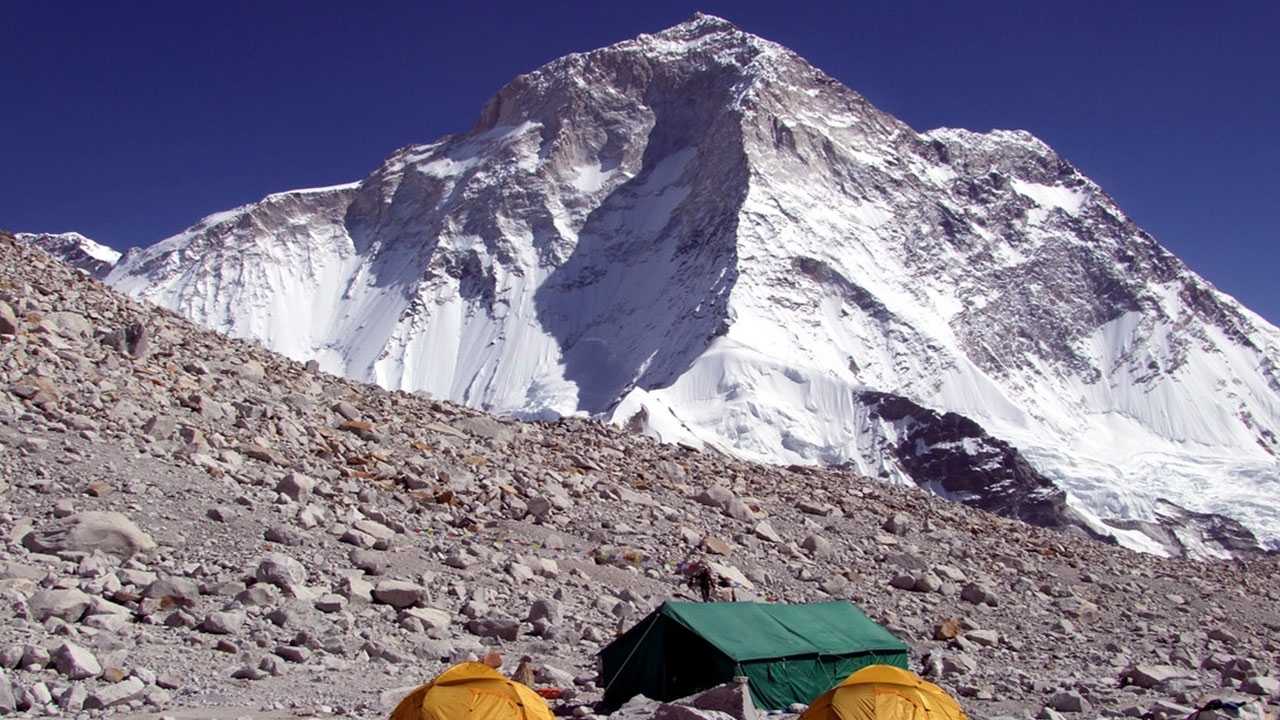
The challenging terrain and remote location make it a perfect choice for trekkers who want adventure, solitude, and a deeper connection with nature. The trail takes you through traditional villages, lush forests, alpine landscapes, and high mountain valleys before reaching Makalu Base Camp at around 5,000m. From the base camp, trekkers enjoy incredible views of Makalu, Baruntse, Chamlang, and surrounding Himalayan peaks.
Why Choose This Trek?
-
Unspoiled Himalayan Wilderness: Experience one of Nepal's most untouched trekking regions with fewer visitors and a genuine sense of adventure.
-
Views of Mount Makalu (8,485m): Stand beneath the world's fifth-highest mountain and enjoy breathtaking views of surrounding Himalayan giants.
-
Explore Makalu Barun National Park: Discover one of Nepal's most biodiverse protected areas with rare flora, wildlife, and dramatic landscapes.
-
Diverse Natural Landscapes: Walk from tropical forests and river valleys to alpine meadows, glaciers, and high mountain terrain.
-
Peaceful Alternative to Everest Trekking: Enjoy spectacular Himalayan scenery without the busy trails and crowded settlements.
-
Ideal for Adventure Seekers: Best suited for experienced trekkers who want a challenging and remote Himalayan journey.
Upper Dolpo Trek
-
Duration: 20 to 28 days
-
Highest Elevation: Kang La Pass– 5,360m (depending on route)
-
Difficulty: Challenging to Strenuous
-
Best Seasons: May to October
-
Region: Dolpo Region, Shey Phoksundo National Park
-
Accommodation: Camping and basic local lodges
-
Permits Required: Upper Dolpo Restricted Area Permit and Shey Phoksundo National Park Permit
The Upper Dolpo Trek is considered one of the most remote and culturally fascinating trekking experiences in Nepal. Hidden in the far western Himalayas, Dolpo remained isolated from the outside world for centuries, preserving ancient Tibetan Buddhist and Bon traditions that continue to shape life in the region today.
Famous for its dramatic landscapes, high mountain passes, and the stunning Phoksundo Lake, Upper Dolpo offers an experience unlike any other trekking route in Nepal. The region is located in a restricted area, requiring special permits and careful planning, which helps maintain its peaceful atmosphere and limited visitor numbers.
The trek takes you deep into remote Himalayan valleys surrounded by barren mountains, ancient monasteries, traditional villages, and untouched wilderness. Unlike the more developed trekking regions, Upper Dolpo offers a true expedition-style adventure where travelers experience Nepal's mountains in their rawest form.
Why Choose This Trek?
-
Nepal's Ultimate Remote Experience: Travel deep into one of the most isolated regions of Nepal where traditional lifestyles remain largely unchanged.
-
Discover Shey Phoksundo Lake: Visit Nepal's deepest lake, famous for its turquoise waters surrounded by dramatic Himalayan landscapes.
-
Ancient Tibetan Culture: Explore centuries-old monasteries, Bon traditions, and remote villages influenced by Tibetan heritage.
-
Cross High Himalayan Passes: Experience challenging crossings such as Kang La Pass while surrounded by breathtaking mountain scenery.
-
Unmatched Wilderness and Solitude: Enjoy one of Nepal's quietest trekking routes with very few visitors throughout the year.
-
Adventure Beyond Normal Trekking: Perfect for experienced trekkers looking for a remote expedition combining culture, nature, and adventure.
Nar Phu Valley Trek
-
Duration: 9 to 13 days
-
Highest Elevation: Kang La Pass (5,320m)
-
Difficulty: Moderate to Challenging
-
Best Seasons: March to May and September to November
-
Region: Annapurna Region
-
Accommodation: Teahouses and basic local lodges
-
Permits Required: Nar Phu Valley Restricted Area Permit and Annapurna Conservation Area Permit (ACAP)
The Nar Phu Valley Trek is one of Nepal's best hidden valley adventures, offering a rare opportunity to explore an ancient Himalayan landscape away from the crowds of the main Annapurna Circuit trail. Located in the remote northern section of the Annapurna region, this trek takes travelers into the isolated valleys of Nar and Phu, where traditional Tibetan culture, ancient monasteries, and untouched mountain landscapes remain beautifully preserved.
Opened to foreign trekkers only in 2003, Nar Phu Valley has maintained its remote character due to restricted access and limited visitor numbers. The trek combines dramatic mountain scenery with cultural exploration, making it an excellent choice for travelers who want a quieter Himalayan experience without committing to extremely long expeditions like Upper Dolpo or Kanchenjunga.
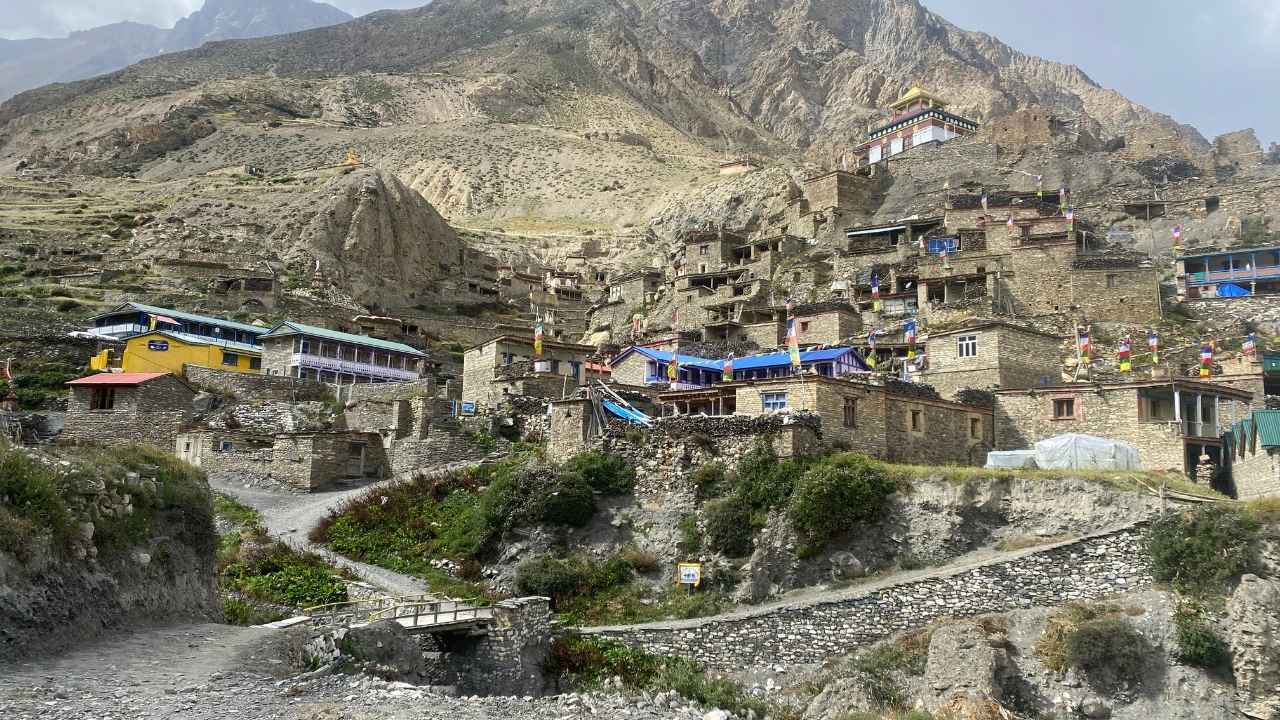
The trail leads through narrow canyons, alpine forests, high mountain villages, and barren landscapes resembling the Tibetan Plateau. The highlight of the journey is crossing Kang La Pass (5,320m), which offers spectacular views of the Annapurna range, Gangapurna, Tilicho Peak, and surrounding Himalayan peaks.
Why Choose This Trek?
-
Explore a Hidden Himalayan Valley: Discover the remote villages of Nar and Phu, where ancient traditions and Tibetan Buddhist culture remain preserved.
-
Experience Authentic Mountain Life: Stay in traditional settlements surrounded by stone houses, monasteries, prayer flags, and centuries-old cultural practices.
-
Cross the Scenic Kang La Pass: Challenge yourself with a high-altitude pass crossing offering breathtaking views of the Annapurna Himalayas.
-
Perfect Balance of Adventure and Culture: Enjoy remote trekking conditions while still having access to basic teahouse accommodation.
-
Less Crowded Alternative in the Annapurna Region: Escape the busy Annapurna Circuit crowds while exploring one of the region's most unique landscapes.
-
Ideal for Shorter Remote Trek Experience: Experience the beauty of restricted-area trekking without requiring three or four weeks on the trail.
Dhaluagiri Circuit Trek
-
Duration: 16 to 20 days
-
Highest Elevation: French Pass (5,360m)/ Dhampus Pass (5,244m)
-
Difficulty: Challenging to Strenuous
-
Best Seasons: March to May and September to November
-
Region: Dhaulagiri Region
-
Accommodation: Camping and basic teahouse facilities in some sections
-
Permits Required: Annapurna Conservation Area Permit (ACAP) and local trekking permits
The Dhaulagiri Circuit Trek is one of Nepal's most challenging and rewarding less crowded trekking routes. Located in the western Himalayas, this adventure takes you around Mount Dhaulagiri (8,167m), the world's seventh-highest mountain, through remote valleys, glaciers, high mountain passes, and landscapes that remain untouched by mass tourism.
Unlike the more commercial trekking routes of Nepal, the Dhaulagiri Circuit offers a true wilderness experience. The trail passes through isolated mountain regions where trekkers must cross challenging terrain, including glacier sections and high passes, making it suitable for experienced adventurers seeking solitude and a demanding Himalayan journey.
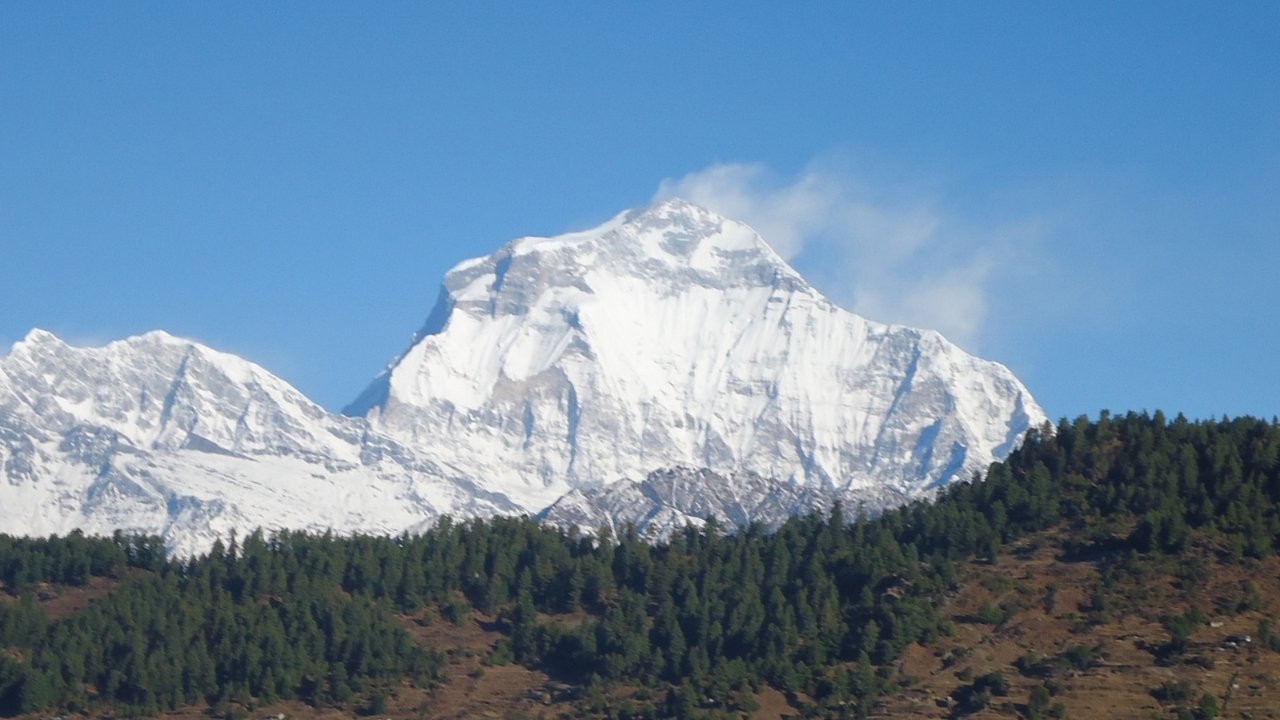
The trek begins through traditional villages and terraced farmland before gradually entering the rugged alpine environment of the Dhaulagiri massif. As you gain altitude, the scenery transforms into a dramatic world of glaciers, icefalls, rocky valleys, and towering Himalayan peaks. The crossing of French Pass (5,360m) and Dhampus Pass (5,244m) are among the most memorable sections of the trek.
Why Choose This Trek?
-
True Himalayan Wilderness: Experience one of Nepal's most remote trekking routes with fewer trekkers and untouched natural surroundings.
-
Views of Mount Dhaulagiri (8,167m): Trek around one of the world's highest mountains with incredible views of glaciers and surrounding peaks.
-
Cross Challenging High Mountain Passes: Experience French Pass and Dhampus Pass while surrounded by dramatic Himalayan landscapes.
-
Adventure Beyond Standard Teahouse Trekking: Enjoy an expedition-style journey through remote valleys and rugged terrain.
-
Spectacular Glacier and Mountain Scenery: Walk through the Dhaulagiri Glacier region with unforgettable views of ice formations and Himalayan giants.
-
Perfect for Experienced Trekkers: Best suited for travelers looking for a physically demanding and less commercialized Himalayan adventure.
Ruby Valley Trek
-
Duration: 7 to 12 days
-
Highest Elevation: Around 3,850m (depending on route)
-
Difficulty: Moderate
-
Best Seasons: March to May and September to November
-
Region: Between Langtang and Manaslu Regions
-
Accommodation: Homestays and basic local lodges
-
Permits Required: TIMS Card and local area permits (requirements may vary)
The Ruby Valley Trek is a hidden gem in Nepal that offers an authentic cultural trekking experience away from the busy trails of Everest, Annapurna, and Langtang. Located between the Langtang and Manaslu regions, this lesser-known route takes travelers through traditional Tamang and Gurung villages, peaceful forests, waterfalls, terraced fields, and beautiful Himalayan viewpoints.
Unlike high-altitude trekking routes that focus mainly on mountain passes and glaciers, Ruby Valley provides a deeper connection with rural Nepalese culture. The region has remained relatively untouched by tourism, allowing visitors to experience traditional village life, local hospitality, ancient monasteries, and unique Himalayan customs.
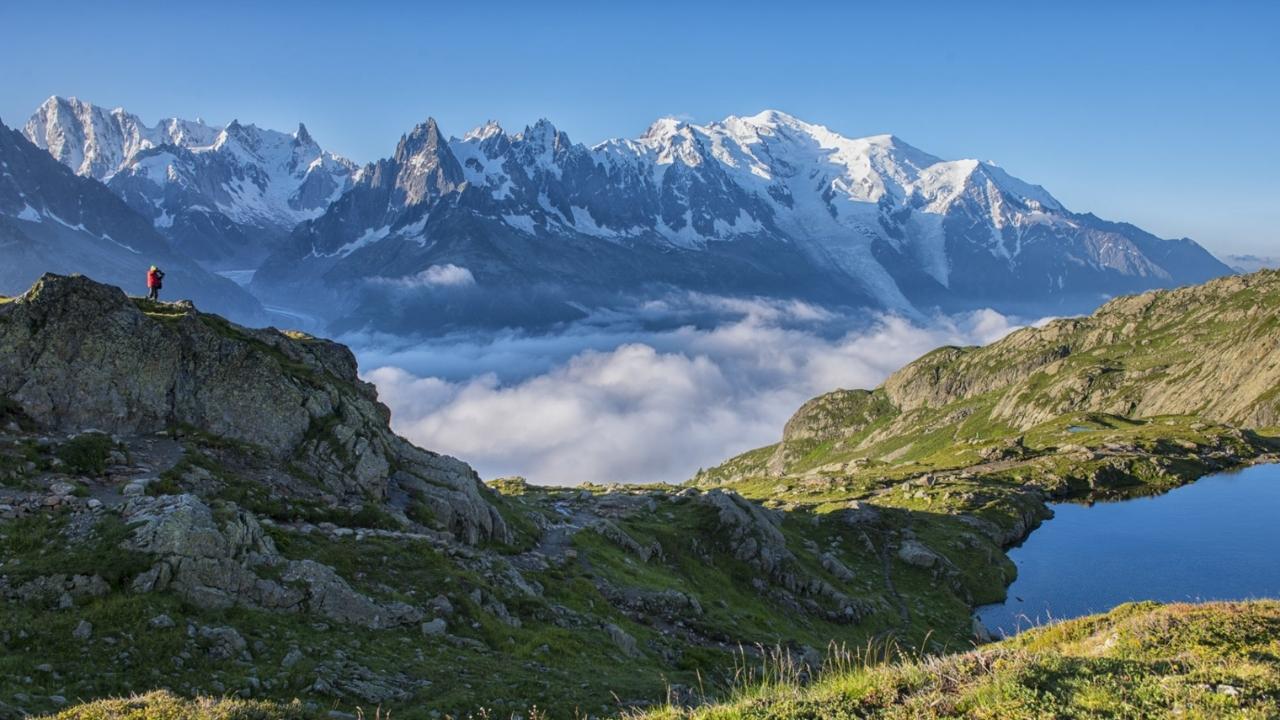
The trek offers impressive views of mountains including Ganesh Himal, Langtang Himal, Manaslu, and Annapurna ranges while avoiding the crowds found on Nepal's more famous trekking routes. It is an excellent option for travelers who want a peaceful Himalayan experience but prefer a moderate trek with comfortable walking distances.
Why Choose This Trek?
-
Authentic Village Experience: Stay close to local communities and experience traditional Tamang and Gurung culture through homestays and village interactions.
-
A True Hidden Gem: Explore a lesser-known trekking route where peaceful trails and untouched landscapes are the main attractions.
-
Beautiful Himalayan Views: Enjoy panoramic views of Ganesh Himal, Langtang, Manaslu, and surrounding mountain ranges.
-
Moderate Trekking Adventure: Perfect for travelers who want a quieter experience without the extreme difficulty of high-altitude remote treks.
-
Rich Cultural Heritage: Discover ancient monasteries, Buddhist traditions, local festivals, and traditional Himalayan lifestyles.
-
Ideal Alternative to Popular Short Treks: A great choice for those seeking a quieter option than Ghorepani Poon Hill or Mardi Himal Trek.
Are Less Crowded Treks More Difficult?
In most cases, yes, less crowded treks in Nepal are more challenging than popular trekking routes. The reason these trails remain peaceful and untouched is often because they are located in remote Himalayan regions with limited access, fewer facilities, and more demanding terrain. However, difficulty does not always mean they are only for expert trekkers. With proper preparation, physical fitness, and the right guidance, many travelers can successfully complete these incredible journeys.
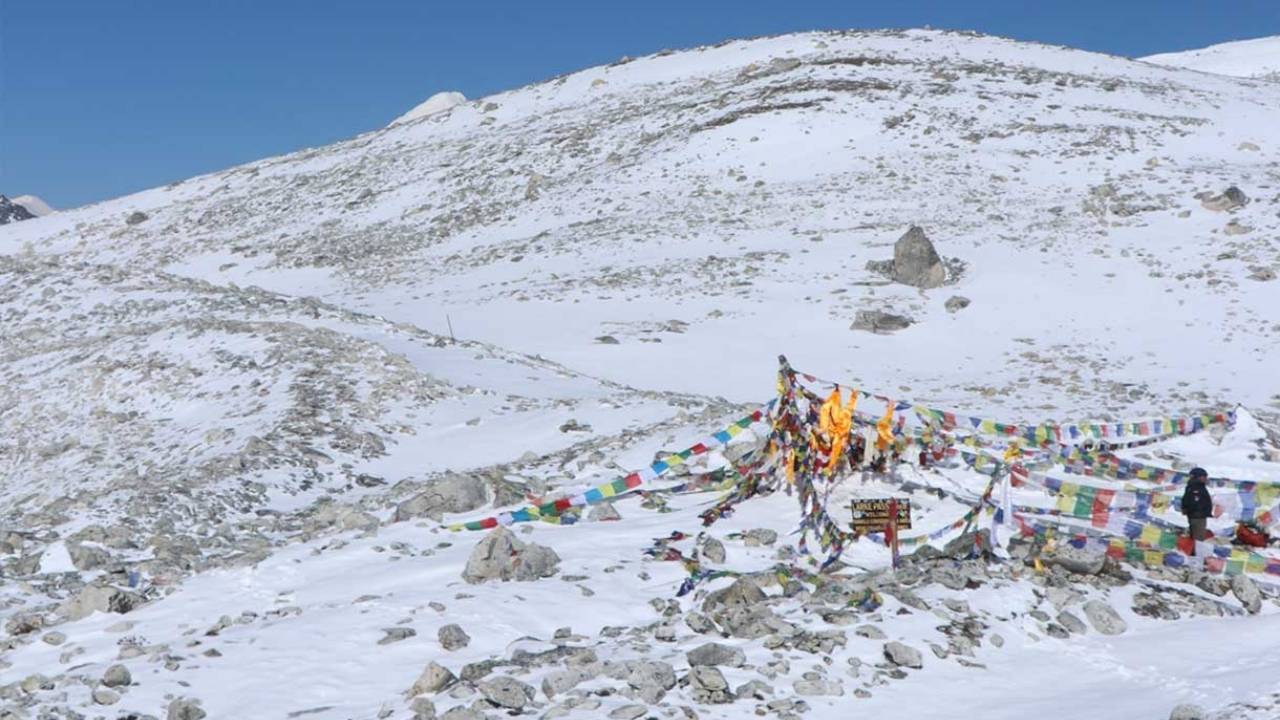
One of the biggest factors is higher elevation. Many less crowded treks take you deeper into the Himalayas and involve crossing high mountain passes. For example, the Manaslu Circuit Trek reaches Larke Pass at 5,106m, the Nar Phu Valley Trek crosses Kang La Pass at 5,320m, and the Dhaulagiri Circuit Trek involves passes above 5,000m. At these elevations, the air becomes thinner, making acclimatization and a gradual trekking pace essential.
Another challenge is the longer duration and remoteness of these routes. Popular treks like Everest Base Camp and Annapurna Base Camp have well-established trails and frequent settlements, while remote treks such as Kanchenjunga Base Camp Trek, Upper Dolpo Trek, and Makalu Base Camp Trek require many days of walking through isolated mountain regions. Some sections may take you far away from the nearest road, airport, or major settlement, making the journey feel more like a Himalayan expedition.
The logistics are also more demanding. Reaching remote trekking regions often requires additional transportation, including long overland drives and domestic flights to smaller airports. Weather conditions, trail conditions, and limited infrastructure can sometimes affect travel plans, so flexibility is important when trekking in these areas.
Compared to popular routes, less crowded treks generally have fewer facilities. Accommodation may be more basic, with smaller teahouses, limited food choices, fewer charging facilities, and weaker internet connectivity. Some remote routes, especially in regions like Upper Dolpo and parts of Kanchenjunga, require camping arrangements because teahouse infrastructure is limited.
Because of these challenges, better preparation is essential. Trekkers should focus on building cardiovascular endurance, preparing for long walking days, carrying appropriate trekking gear, and understanding the risks associated with high-altitude environments. Travel insurance that covers high-altitude trekking and emergency evacuation is also highly recommended for remote Himalayan journeys.
Another important factor is guide requirements. Several of Nepal's quietest trekking destinations are located in restricted areas, meaning foreign trekkers cannot travel independently. Treks such as Manaslu Circuit, Kanchenjunga Base Camp, Upper Dolpo, and Nar Phu Valley require special permits and a licensed guide. These regulations help protect local communities and the environment while also providing trekkers with essential support in remote regions.
While less crowded treks usually demand more effort, they reward travelers with something that popular routes cannot always provide: solitude, authentic cultural experiences, untouched landscapes, and a deeper connection with the Himalayas. For many trekkers, the extra preparation is worthwhile because the peaceful trails and remote mountain experiences become the most memorable parts of their Nepal adventure.
Essential Tips for Trekking Remote Trails in Nepal
Trekking on Nepal's less crowded routes offers a more authentic and peaceful Himalayan experience, but remote trails also require better preparation compared to popular trekking destinations. Regions such as Manaslu, Kanchenjunga, Makalu, Upper Dolpo, and Nar Phu Valley have limited infrastructure, challenging terrain, and fewer support facilities, making proper planning essential.
Here are the most important tips to prepare for trekking Nepal's remote trails:
-
Hire a Licensed Guide
For many remote trekking regions in Nepal, hiring a licensed guide is not only recommended but also mandatory. Restricted areas such as Manaslu, Kanchenjunga, Upper Dolpo, and Nar Phu Valley require foreign trekkers to travel with a registered guide. A local guide provides much more than navigation. They help with permits, accommodation arrangements, communication with local communities, altitude awareness, and emergency support. Their knowledge of the trail, weather conditions, and cultural practices can significantly improve your trekking experience.
-
Obtain Required Permits
Many of Nepal's least crowded trekking destinations are protected or restricted areas that require special permits. Before starting your trek, make sure you have all necessary documents, as permits are checked at multiple points along remote routes.
Depending on your chosen trek, you may need permits such as:
-
Restricted Area Permit (RAP)
-
Conservation Area Permit
-
National Park Entry Permit
-
Local government permits
Working with a registered trekking agency can make this process easier and ensure all permits are arranged correctly before departure.
-
Carry Travel Insurance
Remote Himalayan trekking involves higher risks because medical facilities and rescue services are limited in many areas. Comprehensive travel insurance is highly recommended for all high-altitude treks in Nepal. Your insurance should cover:
-
High-altitude trekking
-
Emergency helicopter evacuation
-
Medical treatment
-
Trip cancellation or interruption
-
Lost baggage or travel delays
Make sure your policy specifically mentions the maximum altitude you will reach, as some standard travel insurance plans do not cover high-elevation activities.
-
Train for Altitude and Long Walking Days
Less crowded treks are often more physically demanding because they involve longer walking days, higher elevations, and fewer opportunities for rest. Preparing your body before the trek will make the journey safer and more enjoyable. Focus on improving:
-
Cardiovascular endurance
-
Leg strength
-
Stamina for consecutive walking days
-
Ability to walk uphill and downhill for several hours
High-altitude preparation is equally important. A gradual itinerary with proper acclimatization days helps your body adjust to lower oxygen levels and reduces the risk of altitude-related problems.
Pack Essential Trekking Gear
Remote trekking routes require more careful packing because you cannot easily purchase missing equipment along the trail. Your packing list should include essential items suitable for changing Himalayan conditions. Important items include:
-
Quality trekking boots
-
Warm layers and thermal clothing
-
Waterproof jacket and pants
-
Sleeping bag suitable for cold temperatures
-
Headlamp
-
Water purification tablets or filter
-
Trekking poles
-
First aid supplies
-
Sun protection
-
Power bank and extra batteries
For colder and higher routes like Upper Dolpo, Kanchenjunga, and Makalu, proper cold-weather gear becomes even more important.
Bring Enough Cash
Many remote trekking areas have limited banking facilities, and card payments are usually unavailable. ATMs are common in larger towns but become extremely rare once you enter isolated mountain regions. Carry enough Nepalese currency to cover:
-
Meals and accommodation
-
Hot showers
-
Battery charging
-
Snacks and drinks
-
Personal expenses
-
Emergency situations
It is always better to carry extra cash because unexpected delays caused by weather or trail conditions can extend your trekking duration.
Expect Limited Internet and Electricity
Remote trekking in Nepal means disconnecting from modern conveniences. While some teahouses offer Wi-Fi and charging facilities, these services are not always reliable and may come with additional costs. Trekkers should be prepared for:
-
Weak or no mobile network coverage
-
Limited electricity availability
-
Slow internet connections
-
Charging fees at mountain lodges
Carrying a power bank or solar charger can be extremely useful on longer remote treks.
Respect Local Customs and Culture
Many less crowded trekking regions are home to communities with strong Buddhist and Himalayan traditions. Respecting local culture helps create meaningful interactions and supports responsible tourism. Simple practices include:
-
Asking permission before photographing people or religious sites
-
Walking clockwise around monasteries, mani walls, and prayer wheels
-
Dressing respectfully in villages and monasteries
-
Learning basic local greetings
-
Supporting local teahouses and communities
Remote trekking is not only about mountains; it is also an opportunity to experience cultures that have existed for centuries.
Prepare for Changing Weather
Mountain weather can change quickly, especially at higher elevations. Even during the best trekking seasons, conditions can shift from sunny mornings to cold winds, rain, or snowfall within hours. Always prepare for changing conditions by:
-
Checking weather forecasts before departure
-
Carrying proper rain and cold protection
-
Keeping flexible travel plans
-
Avoiding rushed decisions during difficult weather
A well-prepared trekker understands that Himalayan journeys require patience and flexibility.