

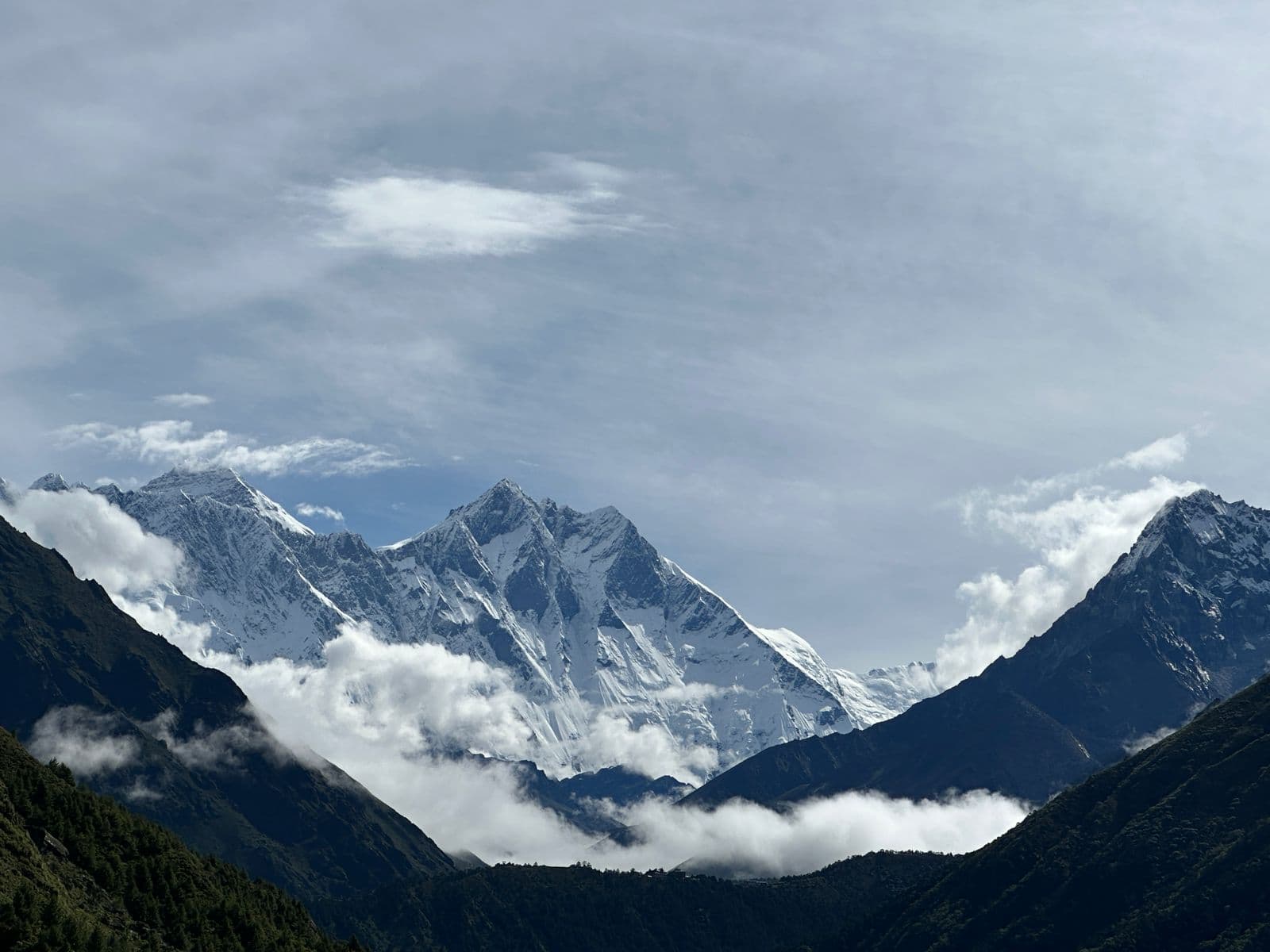
The Everest Base Camp Trek is one of the most famous hiking adventures in the world. Every year, thousands of people travel to Nepal to walk through beautiful mountain villages, cross suspension bridges, and stand beneath the tallest mountain on earth, Mount Everest. The trek takes hikers through the stunning Khumbu region, where they can enjoy breathtaking Himalayan scenery and learn about the culture of the Sherpa people. While the route is open throughout the year, not every month offers the same experience. This is why understanding the best time of year for Everest Base Camp Trek is essential before planning your journey. Im
If you are wondering when can you trek to Everest Base Camp, then the answer depends on weather, visibility, and your preferred trekking experience. Spring, from March to May, and Autumn, from September to November, are generally considered the best trekking seasons. During these months, skies are often clear, temperatures are comfortable, and mountain views are at their best. Because of these favourable conditions, most trekkers choose to visit during spring or autumn. As a result, trails and teahouses can become busy, especially in popular months such as April and October.
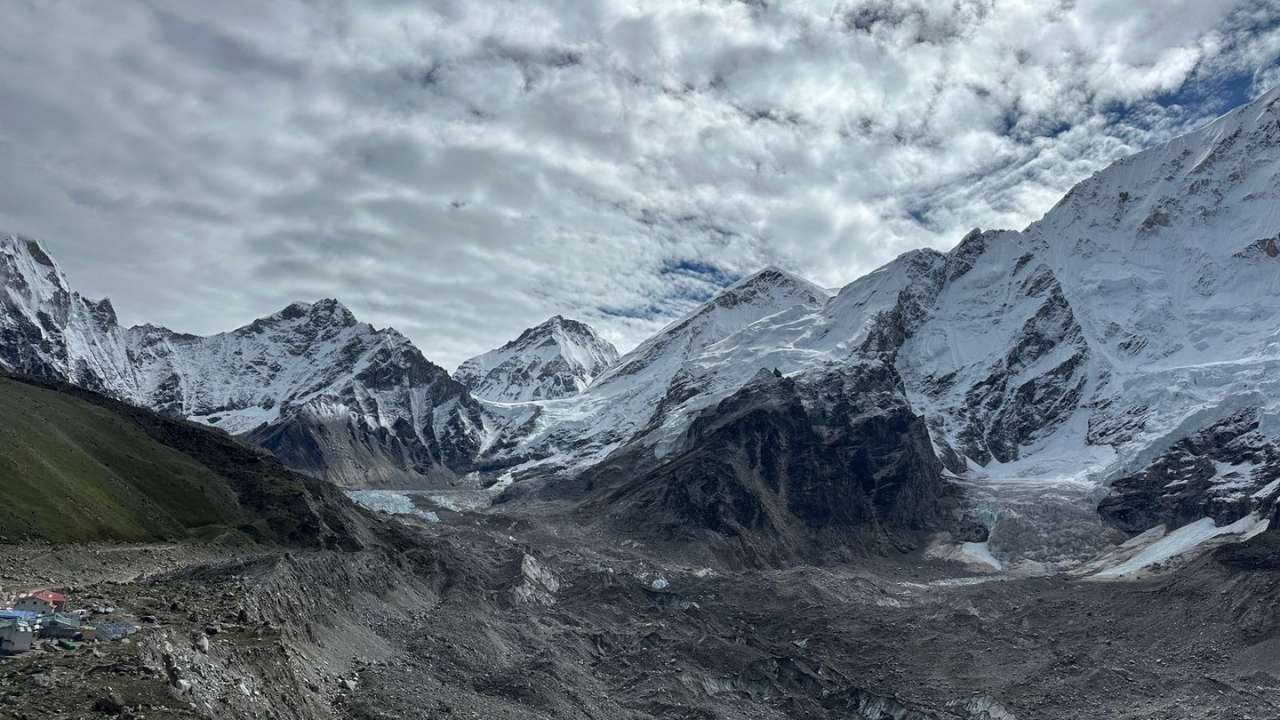
Winter and monsoon seasons offer a very different experience. Winter, which lasts from December to February, brings colder temperatures and occasional snowfall, but it also provides quieter trails and beautiful snowy landscapes. Monsoon season, from June to August, is known for rain, clouds, and reduced visibility. However, the hills become green and fresh, and there are far fewer trekkers on the route. Some experienced hikers enjoy these quieter months despite the challenges.
Each season has its own advantages and disadvantages depending on what type of trekking experience you want. Understanding seasonal differences helps you to choose the best time to go for the Everest Base Camp Trek according to your goals. This guide explains weather patterns, monthly conditions, crowd levels, and trekking benefits throughout the year. By the end, you will clearly understand the best time of year for the Everest Base Camp Trek that suits your preferences.
Everest Base Camp Trek in Spring (March to May): Why Many Consider It the Best Season?
Spring is one of the most popular periods for the Everest Base Camp Trek because of clear skies, blooming rhododendrons, and comfortable trekking conditions. After the cold winter months, temperatures begin to rise, and snow starts melting from the lower sections of the trail, while trekking conditions become much more comfortable. Because of these favourable conditions, many guides consider spring the best time to go for Everest Base Camp Trek. The season usually begins in March and continues until the end of May.
During this period, trekkers enjoy longer daylight hours, stable weather, and excellent mountain visibility. At lower elevations such as Lukla and Namche Bazaar, daytime temperatures generally range from 8°C to 18°C. Around Tengboche and Dingboche, temperatures often stay between 5°C and 12°C during the day, while Everest Base Camp and Gorakshep experience daytime temperatures of about -2°C to 8°C. Nights remain cold, especially above 4,000 meters, where temperatures can drop to between -10°C and 5°C.
One of the biggest attractions of spring is the clear view of the Himalayas. Mountains such as Mount Everest, Lhotse, Ama Dablam, and Nuptse can often be seen under bright blue skies. The hills below Namche Bazaar become colorful as rhododendron forests bloom in shades of red, pink, and white. These flowers add beauty to the landscape and make the trekking route especially attractive for photographers. The combination of comfortable temperatures and colorful scenery creates a memorable experience for visitors of all ages.
Spring is also the main climbing season for Mount Everest. Expedition teams from around the world travel to Everest Base Camp to prepare for summit attempts. Trekkers have the unique opportunity to see colorful expedition tents, meet climbers, and experience the excitement of a major Himalayan climbing season. Teahouses, lodges, and local businesses are fully open, offering reliable accommodation and services throughout the route.
The popularity of spring does bring larger crowds, particularly during April and early May. Flights to Lukla may become busy, and popular teahouses can fill quickly. Even so, the advantages usually outweigh the disadvantages. Pleasant daytime temperatures, reliable weather, blooming forests, and spectacular mountain views make spring one of the best times to go for the Everest Base Camp Trek. For many travelers, especially first-time visitors, March, April, and May provide an ideal balance of comfort, scenery, and adventure.
**You May Like: Everest Base Camp Luxury Trek– Where Himalayan Adventure Meets Premium Comfort**
Everest Base Camp Trek in Autumn (September to November) : Clear Skies and Stunning views
Autumn is often considered the best overall season for the Everest Base Camp Trek. After the summer monsoon ends, the air becomes clean, dust settles, and the sky turns remarkably clear. This season begins in September and lasts until late November, offering some of the most stable weather conditions of the year. Many experienced guides and trekkers believe autumn provides the finest mountain views and the most reliable trekking environment. Because of these advantages, it is one of the busiest periods on the Everest trail. Trekkers from around the world visit Nepal during these months to experience the Himalayas at their clearest and most beautiful form.
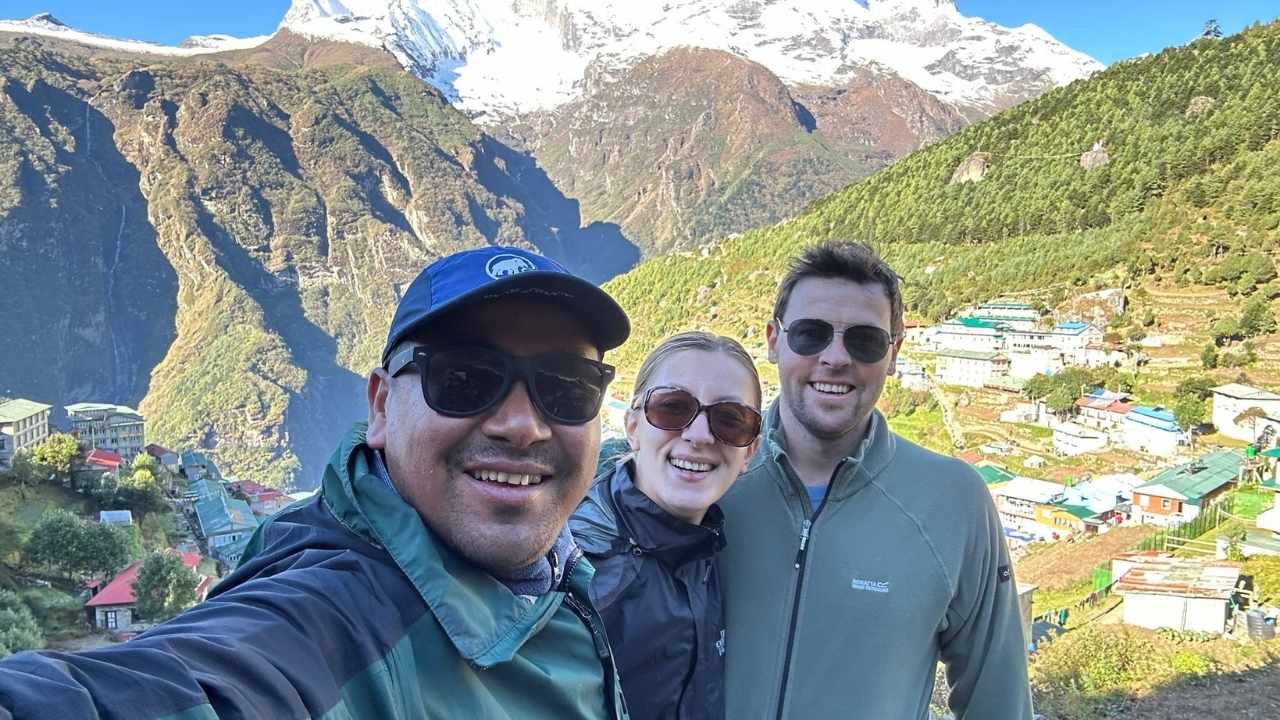
Temperature conditions in autumn are comfortable for walking during the day and manageable at night with proper clothing. In September, lower-altitude areas such as Lukla and Namche Bazaar generally experience daytime temperatures between 10°C and 20°C. October sees temperatures ranging from about 8°C to 18°C, while November becomes cooler with daytime temperatures of 5°C to 15°C. At higher places such as Dingboche and Lobuche, daytime temperatures usually range from 3°C to 12°C. Around Gorakshep and Everest Base Camp, daytime temperatures are commonly between -1°C and 8°C. Night temperatures become colder as the season progresses, often falling to -10°C or lower above 4,500 meters during late November.
The greatest attraction of autumn is the exceptional visibility. Rain from the monsoon season washes the atmosphere clean, allowing you to enjoy uninterrupted views of towering Himalayan peaks. Mountains such as Mount Everest, Ama Dablam, Thamserku, and Lhotse appear especially sharp against deep blue skies. Photographers often consider October the finest month because of the combination of excellent visibility, mild temperatures, and colorful landscapes. The trails are generally dry and easier to walk on compared to the muddy paths often found during the monsoon season.
Another advantage of autumn is the opportunity to experience Nepal's major festivals. Celebrations such as Dashain and Tihar often occur during this period, allowing visitors to observe local traditions and cultural activities. Although teahouses and trails can be crowded, the stable weather, comfortable temperatures, and outstanding mountain views make autumn one of the best times to trek to Base Camp Everest. Many experienced trekkers regard autumn as the best time to trek to Everest Base Camp because of its reliable weather and exceptional visibility. For travelers seeking the classic Everest experience, September, October, and November are difficult to beat.
Everest Base Camp Trek in Winter (December to February): Snowy Landscapes and Quiet Trail
Winter offers a completely different Everest Base Camp trekking experience compared to the busy spring and autumn seasons. From December to February, the Everest region becomes quieter as visitor numbers decrease significantly. Many trekkers avoid this period because of the cold temperature, but those who choose winter are rewarded with peaceful trails, stunning snow-covered scenery, and a more personal connection with the mountains. The weather is often dry and stable, especially during December and early January, making it possible to enjoy excellent mountain views despite the colder conditions. For travelers who prefer solitude and do not mind freezing temperatures, winter can be a surprisingly rewarding time to visit Everest Base Camp.
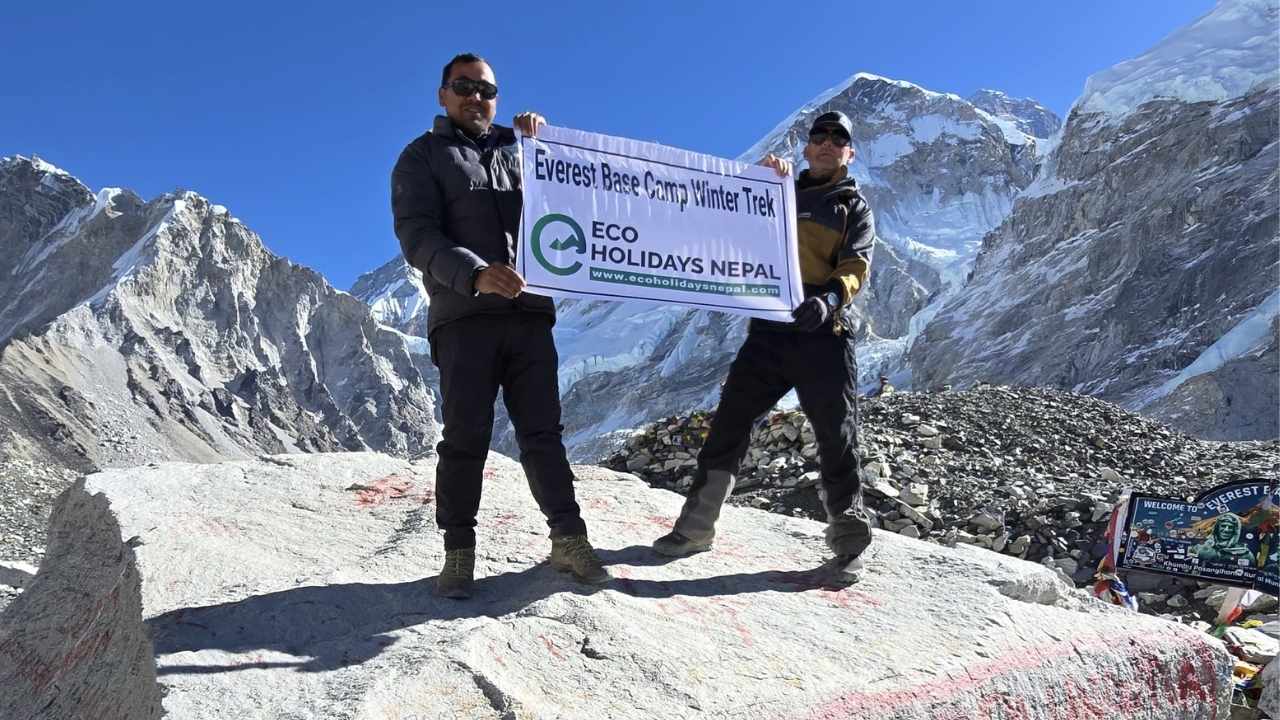
Temperatures during winter are much lower than in other seasons. In Lukla and Namche Bazaar, daytime temperatures generally range from 4°C to 12°C, while nighttime temperatures often fall below freezing point. Around Tengboche and Dingboche, daytime temperatures usually stay between -2°C and 8°C. Higher locations such as Lobuche, Gorakshep, and Everest Base Camp commonly experience daytime temperatures of -8°C to 5°C. At night, temperatures can drop to between -15°C and -20°C, particularly in January, which is usually the coldest month of the year. Proper winter clothing, warm sleeping bags, insulated jackets, gloves, and thermal layers are essential for staying comfortable and safe during the winter trek.
One of the greatest advantages of winter trekking is the breathtaking scenery. Fresh snowfall often covers the surrounding hills and mountains, creating spectacular landscapes throughout the route. Peaks such as Mount Everest, Ama Dablam, Nuptse, and Pumori stand out beautifully against clear winter skies. The reduced number of trekkers also means quieter teahouses, easier room availability, and a more relaxed atmosphere in mountain villages. Photographers often appreciate the crisp air and dramatic snowy scenery that winter provides.
Despite its beauty, winter presents several challenges. Heavy snowfall can occasionally block sections of the trail or affect flights to and from Lukla. Shorter daylight hours require earlier starts each day, and cold nights can be difficult for those unprepared for high altitude winter conditions. However, with proper gear and realistic expectations, winter remains an excellent option for experienced trekkers seeking fewer crowds and unforgettable Himalayan landscapes. For travelers who value peace and spectacular snowy views over comfort, winter can be one of the most memorable seasons for the Everest Base Camp Trek.
**Don't Miss: Everest Base Camp Trek for Seniors– Designed for Mature Adventurers Seeking Extraordinary Experiences**
Everest Base Camp Trek in Monsoon/Summer Season (June to August): What Trekkers Should Expect
The monsoon or summer season lasts from June to August and is generally considered the least popular time for the Everest Base Camp Trek. During these months, warm and moisture-filled winds from the Bay of Bengal bring frequent rainfall across much of Nepal. Because of the rain, many trekkers choose other seasons, especially spring and autumn. However, monsoon trekking is still possible and offers a very different experience. The landscapes become greener, forests appear fresh and vibrant, and the trails are much quieter than during peak trekking months. For travelers who prefer solitude and do not mind occasional rain, this season can provide a unique view of the Everest region.
Temperatures during the monsoon season are relatively mild compared to winter. In Lukla and Namche Bazaar, daytime temperatures generally range from 13°C to 22°C, while nighttime temperatures remain between 5°C and 10°C. At elevations around Tengboche and Dingboche, daytime temperatures usually stay between 8°C and 16°C. Near Lobuche, Gorakshep, and Everest Base Camp, daytime temperatures commonly range from 2°C to 19°C. Nights at higher elevations can still fall below freezing, often reaching between -3°C and -8°C. Although temperatures are comfortable for walking, humidity and wet conditions can make trekking more physically demanding than during drier seasons.
One of the biggest challenges during the monsoon is reduced visibility. Clouds often cover mountain peaks for parts of the day, making it difficult to enjoy clear views of famous mountains such as Mount Everest, Lhotse, and Ama Dablam. Rain can also create muddy trails and slippery sections, requiring extra caution while walking. Flights to Lukla are more likely to experience delays or cancellations because poor weather can affect visibility and flight operations. Trekkers should keep flexible schedules and allow extra days in their itinerary during this season.
Despite these difficulties, monsoon trekking has several advantages. Fewer visitors mean peaceful trails, easier access to teahouse accommodation, and a more relaxed atmosphere throughout the region. The hills and valleys are covered with lush vegetation, streams flow strongly, and the countryside looks remarkably fresh. While it may not be the best time to go for the Everest Base Camp Trek for most travelers, the monsoon can still be rewarding for experienced hikers seeking quieter trails and a different Himalayan experience.
Month-by-Month Guide: The Best Months for Everest Base Camp Trek
The Everest Base Camp Trek can be completed in different seasons, but a few months consistently offer the best combination of weather, temperature, visibility, and trail conditions. If you are wondering when you can trek to Everest Base Camp for the most enjoyable experience, the following months are widely considered the top choices by guides and trekkers. Each month has its own unique advantages, allowing travelers to choose the conditions that best match their interests and comfort level. This Everest Base Camp Weather by month overview highlights the period that generally provides the best trekking conditions.
March: Beginning of the Spring Season
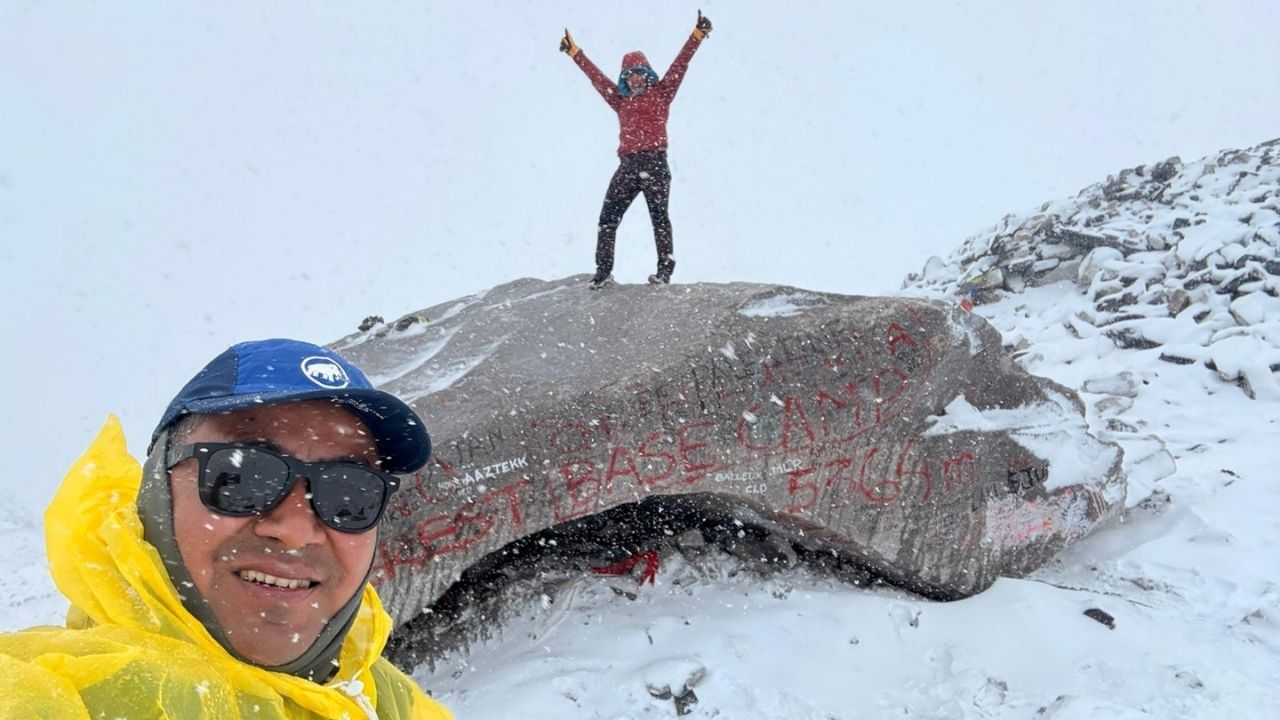
March marks the arrival of spring in the Everest region. Winter snow begins to melt from lower trails, temperatures become more comfortable, and mountain views are often clear. Daytime temperatures generally range from 5°C to 15°C in lower elevations and from -2°C to 6°C near Everest Base Camp. The trails are less crowded than in later spring months, making March a good option for trekkers seeking both scenery and tranquility.
April: Excellent Weather and Colorful Landscapes
April is one of the most popular months for trekking to Everest Base Camp. Rhododendron forests bloom across the hills, creating colorful scenery along the route. Weather conditions are stable, skies are usually clear, and mountain visibility is excellent. Daytime temperatures typically range from 8°C to 18°C at lower elevations and 0°C to 8°C near the base camp, offering comfortable trekking conditions.
May: Warm Days and Everest Climbing Activity
May brings warmer temperatures and an exciting atmosphere to the Everest region. Many climbers attempt to summit Mount Everest during this month, creating a lively environment around base camp. Daytime temperatures generally range from 10°C to 20°C in lower areas and 3°C to 19°C at higher elevations. Although occasional clouds may appear toward the end of the month, trekking conditions remain favourable.
September: Fresh Air After the Monsoon
September signals the beginning of autumn. The monsoon gradually ends, leaving behind green hillsides, fresh landscapes, and improved mountain views. Daytime temperatures usually range from 10°C to 20°C in lower regions and 2°C to 19°C near base camp. Crowds are moderate, making September an attractive alternative to busier months.
October: The Best Overall Month
October is widely regarded as the best time to trek to Base Camp Everest. Clean air, stable weather, dry trails, and crystal clear mountain views create ideal trekking conditions. Daytime temperatures generally range from 8°C to 28°C in lower areas and from 0°C to 8°C near base camp. Despite larger crowds, the outstanding scenery makes October the favorite month for many trekkers.
November: Clear Skies and Peaceful Trails
November offers excellent visibility and cooler temperatures with fewer visitors than October. Daytime temperatures typically range from 5°C to 15°C in lower elevations and -3°C to 6°C near Everest Base Camp. The clear skies and quieter trails make it an excellent choice for trekkers who want spectacular mountain views without peak-season crowds.
For anyone wondering when can you trek to Everest Base Camp for the most reliable weather, these months are usually the top recommendations. Overall, March, April, May, September, October, and November provide the best trekking conditions of the year. Among them, April and October are usually considered the best overall months because they combine comfortable temperatures, reliable weather, and exceptional Himalayan views.
**Next Up: Everest Three Passes Trek– Conquer Three High Passes, One Legendary Journey**
Everest Base Camp Weather by Month: Choosing the Right Time to Visit
Choosing the best time to go for the Everest Base Camp Trek depends on your personal travel style rather than on the calendar itself. Some trekkers want the clearest mountain views, while others prefer quiet trails, cultural experiences, or fewer crowds. Understanding what matters most to you can help you to select the season that will provide the most rewarding adventure.
-
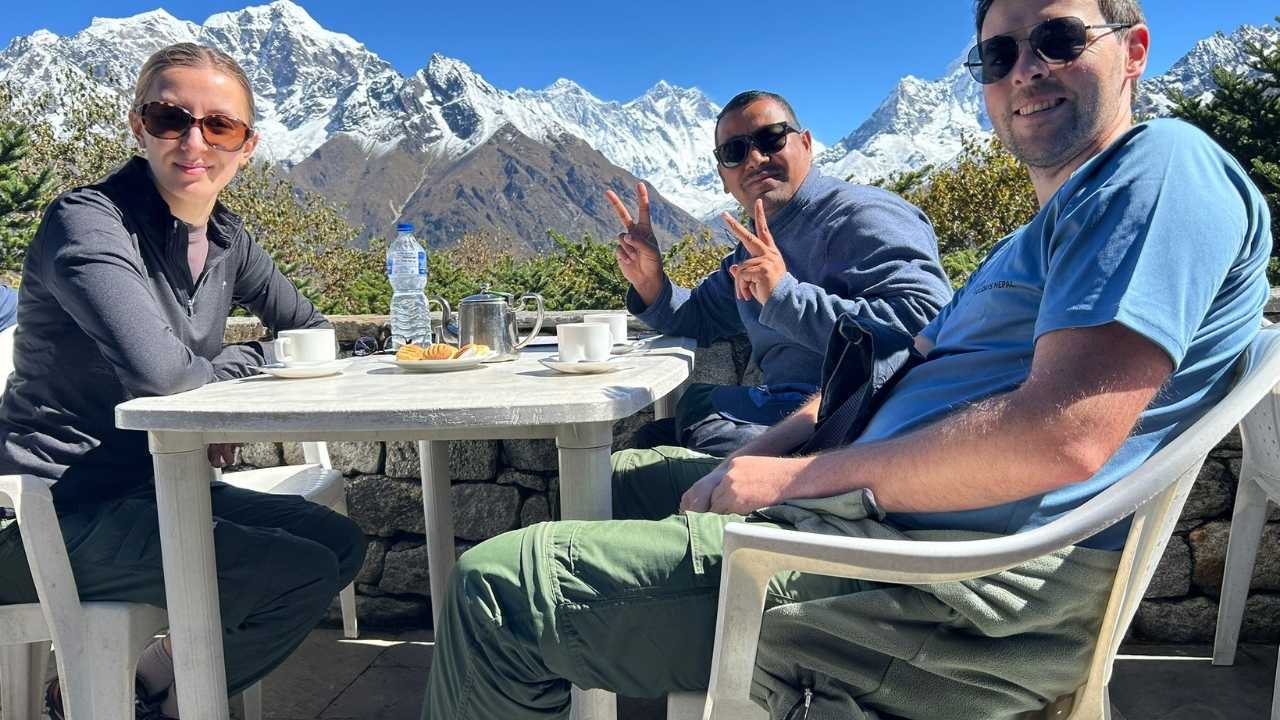
For First-Time Trekkers: Spring and autumn are the best choices for beginners. These seasons offer stable weather, reliable trail conditions, and excellent visibility. Teahouses are fully open, transportation services operate regularly, and the overall trekking experience is easier to manage. If you are visiting the Everest region for the first time, these months provide the highest chance of a smooth and enjoyable journey.
-
For Photography Enthusiasts: October, November, April, and early May are ideal for photographers. Clear skies create outstanding views of the Himalayan peaks, while spring adds colorful rhododendron forests to the landscape. Sunrise and sunset conditions are often spectacular, giving photographers plenty of opportunities to capture memorable images throughout the trek.
-
For Budget Travelers: Those who are looking to reduce travel expenses may prefer the quieter winter or monsoon periods. Fewer trekkers on the route can mean easier accommodation availability and a less crowded experience. While weather conditions may be more challenging, budget-conscious travelers often appreciate the peaceful atmosphere and flexibility these seasons provide.
-
For Travelers Seeking Fewer Crowds: If avoiding busy trails is a priority, consider trekking in late November, early December, February, or September. These periods typically attract fewer visitors than the peak months of April and October. Quieter teahouses and less crowded viewpoints allow for a more relaxed trekking experience.
-
For Culture and Local Experiences: Autumn is an excellent choice for travelers interested in Nepalese culture. Major festivals such as Dashain and Tihar often take place during this season, providing opportunities to observe local traditions, celebrations, and community life in mountain villages.
-
For Experienced Adventurers: Experienced trekkers may enjoy winter or monsoon conditions for the extra challenges and solitude. These seasons offer a different perspective of the Everest region and can be especially rewarding for hikers who are comfortable adapting to changing mountain conditions.
So, in overall, the best time of year for Everest Base Camp Trek ultimately depends on what you value most. By choosing a season that matches your travel style, you can enjoy a more comfortable, memorable, and personally rewarding trek.