
An all-inclusive Everest Base Camp Trek combines the main trekking costs into one package, typically covering Lukla flights, permits, accommodation, meals, guide, porter, and essential trekking logistics. Personal expenses, travel insurance, international airfare, and tips are usually excluded. The cost varies by group size and services, with standard packages starting from around US$1,325 per person.
Reaching Everest Base Camp is not simply a matter of following a trail toward the world’s highest mountain. The journey involves a series of moving parts, from arranging the flight to Lukla and securing trekking permits to finding accommodation, organizing meals, hiring a licensed guide, managing luggage, and adapting to the increasing altitude. When these details are handled separately, the planning can become almost as demanding as the trek itself.
An all-inclusive Everest Base Camp Trek brings these essential arrangements together under one package. Instead of paying for every major service independently, you have your flights, permits, teahouse accommodation, meals, guide services, and other core trekking arrangements organized before you set foot on the trail. The goal is not to make the trek effortless the trail still takes you to elevations above 5,000 meters, but to make the logistics much simpler and your overall budget easier to understand.
For trekking in Nepal, however, “all-inclusive” does not mean absolutely every expense is covered. A proper package should clearly state what is included and what remains your responsibility. For example, the standard Everest Base Camp package from Eco Holidays Nepal covers the Kathmandu–Lukla–Kathmandu flight, three meals a day during the trek, teahouse accommodation, necessary permits, an experienced licensed guide, and other trekking arrangements. Personal expenses such as drinks, snacks, charging, internet, laundry, and travel insurance remain separate.
So, how much does an all-inclusive Everest Base Camp Trek cost? Based on the current standard package, the price starts at around US$1,325 for a solo trekker, with the per-person cost decreasing for larger groups. The exact amount can vary according to group size, services, itinerary, and additional arrangements you choose.
Today, in this blog, we will break down exactly what an all-inclusive Everest Base Camp Trek covers, what you still need to pay for, how much you should budget, what the trek itinerary looks like, and whether an all-inclusive package is worth choosing for your journey to the base of Mount Everest.
What Is Included in an All-Inclusive Everest Base Camp Trek?
An all-inclusive Everest Base Camp Trek should cover the major services you need to move from Kathmandu to the Khumbu and back without having to arrange every part of the journey yourself. In a standard package, this generally means transportation, trekking permits, accommodation on the trail, meals, a licensed guide, guide insurance, basic medical support, and the essential logistics required for the trek.
However, all-inclusive does not mean every possible expense is included. For example, the current standard Eco Holidays Nepal package includes airport transfers, Lukla flights, teahouse accommodation, meals during the trek, permits, a licensed guide, guide insurance, medical supplies, and emergency helicopter coordination. Kathmandu hotel accommodation and porter service are separate, while the cost of an emergency helicopter evacuation is handled through the traveler's insurance.
Here is what each part means in practical terms.
Airport Transfers and Transportation
Your all-inclusive package begins before you reach the trail. Airport pickup and drop-off by private vehicle are included, so you do not have to arrange transportation between Tribhuvan International Airport and your accommodation or meeting point in Kathmandu. The package also covers the private airport transfer associated with the Lukla flight and the applicable domestic airport tax.
Once the trek begins, the main transportation is the Kathmandu–Lukla–Kathmandu flight. After landing at Lukla, the journey continues on foot through the Khumbu Valley, so there is no regular road transportation to budget for along the trekking route.
Kathmandu to Lukla Flight
The Lukla flight is one of the most important logistical components of the Everest Base Camp Trek. The standard package includes the Kathmandu–Lukla–Kathmandu flight, private airport transfers, and domestic airport tax. The flight covers roughly 138 km (85 miles) and takes around 35 minutes, although actual flight operations depend on weather and airport conditions.
There is also a strict baggage allowance. The baseline package information states a total allowance of 15 kg per person: 10 kg of checked luggage and 5 kg of carry-on baggage. Excess baggage can incur an additional charge. This is why flight inclusion is more than simply adding an airline ticket to the package. Your trekking company also needs to coordinate the flight schedule, airport transfer, luggage arrangements, and the connection between your arrival at Lukla and the beginning of the trail.
Trekking Permits and Entrance Fees
The major permits required for the trek are arranged as part of the package. The baseline package specifically includes the Sagarmatha National Park entry permit, along with the necessary paperwork and official expenses. For travelers, this removes one of the more inconvenient parts of preparing for the trek.
Rather than spending time working out where to obtain the permits and handling the paperwork yourself, the trekking company prepares the necessary documentation before or during the start of the trek. It also means your package price already accounts for these required trekking-related fees rather than leaving them as an unexpected cost on the trail.
Licensed Trekking Guide
A guide is one of the most valuable parts of an organized Everest Base Camp Trek. The package provides an experienced, English-speaking, government-licensed trekking guide, with the guide's salary, food, accommodation, transportation, and insurance covered within the package. The guide is not simply there to lead the way. They coordinate daily logistics, communicate with teahouses, help manage the trekking schedule, explain local culture and landmarks, and monitor how the group is responding to the increasing altitude.
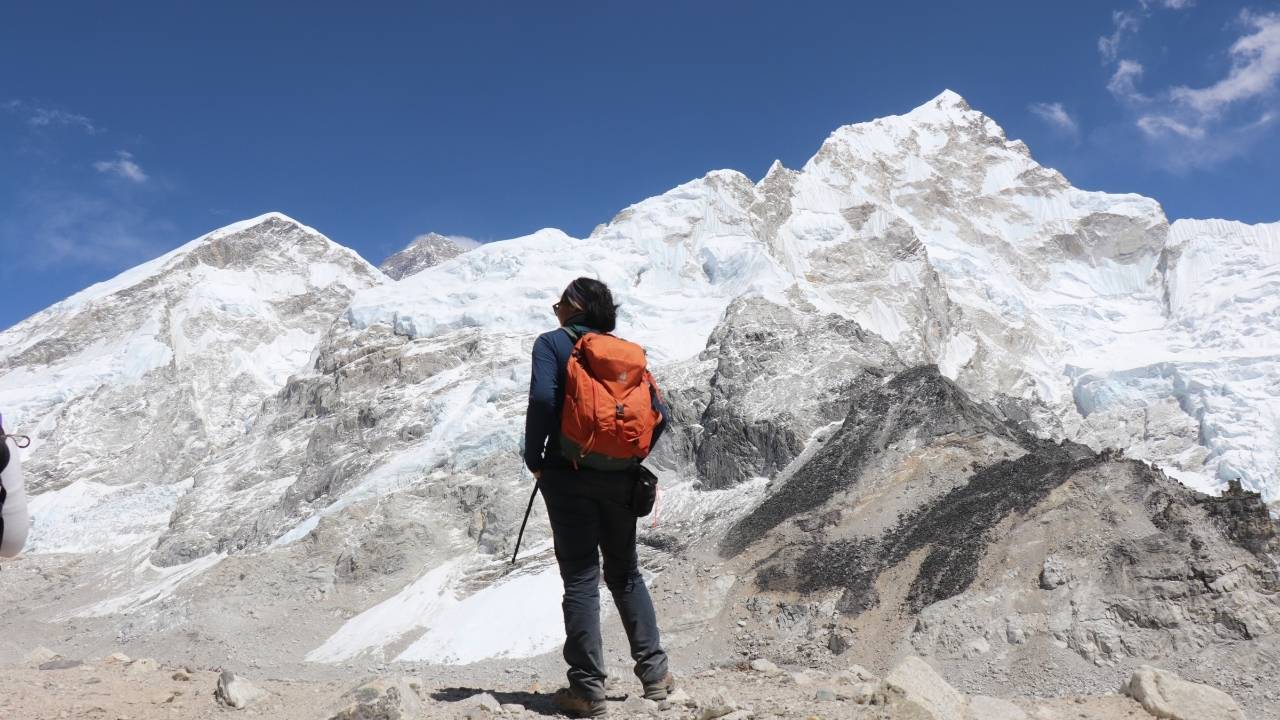
That becomes particularly important as the route climbs from Lukla at 2,860 m (9,383 ft) through Namche Bazaar at 3,440 m (11,286 ft) and Dingboche at 4,410 m (14,468 ft) before reaching Everest Base Camp at 5,364 m (17,598 ft). The standard itinerary also includes acclimatization days at Namche and Dingboche. For groups larger than six people, the baseline package also provides an assistant guide.
Teahouse Accommodation
Accommodation during the trek is included in the form of teahouse or trekking-lodge stays. These are generally family-run mountain lodges where trekkers sleep, eat, rest, and socialize after a day on the trail. The accommodation becomes increasingly basic as you climb higher into the Khumbu. You should expect simple rooms, generally designed around practical shelter rather than hotel-style comfort.
Facilities such as hot showers, Wi-Fi, and battery charging may carry additional charges and are not automatically part of the package. This is an important part of understanding the value of an all-inclusive trek: your accommodation is covered, but not every service offered by the lodge is free.
Meals During the Trek
The Everest Base Camp Trek package includes breakfast, lunch, and dinner throughout the trekking portion of the journey. This removes one of the highest recurring costs you would otherwise have to manage each day. Meals are generally taken at the teahouse or lodge where you are staying, with common trekking foods ranging from dal bhat and rice dishes to noodles, soups, pasta, potatoes, eggs, breads, and other simple meals.
Drinks are a different matter. The baseline package excludes alcoholic and non-alcoholic hot and cold drinks, along with desserts and other personal food purchases. Hot showers and battery charging at teahouses are also additional expenses. So when calculating your personal spending money, do not assume that three included meals mean you will have no food or beverage expenses on the trail.
Guide and Porter Insurance
Guide insurance is included in the standard package. The guide's salary, food, accommodation, transportation, and insurance are covered by the trekking company, so these operational costs are not passed on as separate daily charges. For travelers, this is an important distinction. Your guide's insurance is part of the trekking company's responsibility; your own travel and medical insurance is not included.
You should therefore arrange personal travel insurance that specifically covers high-altitude trekking and emergency evacuation. An all-inclusive trek does not remove this responsibility from the traveler.
Emergency Trekking Support
Emergency support is included in the form of medical supplies and first-aid equipment, with the package also providing an arrangement for emergency helicopter service when required. However, the helicopter evacuation itself is not simply a free benefit of the trekking package; the baseline package states that the evacuation cost is paid by the traveler's travel insurance company.
The package also provides an oximeter for checking oxygen saturation, pulse, and heart rate twice daily, which gives the guide an additional way to monitor trekkers as they move into higher elevations. A comprehensive medical kit is available, and the company states that oxygen can be provided if necessary.
Additional Support and Benefits From Eco Holidays Nepal
At Eco Holidays Nepal, we believe a well-organized Everest Base Camp Trek is about more than simply getting you to Base Camp. Good preparation, reliable equipment, responsible altitude monitoring, and clear communication can make a significant difference during a high-altitude journey. That is why we include several practical benefits and support services to make the trek safer, more comfortable, and easier to manage.
We also believe transparency is an important part of good trekking service. We clearly distinguish between what is included in your package and what you need to pay separately, so you can plan your budget without unpleasant surprises along the way. From the equipment we provide to emergency arrangements and government expenses, the following benefits are included as part of your Everest Base Camp Trek with Eco Holidays Nepal.
Trekking Equipment Provided by Eco Holidays Nepal
One of the practical advantages of booking your Everest Base Camp Trek with Eco Holidays Nepal is that you do not necessarily have to purchase every piece of specialized trekking equipment yourself. If you do not already have them, the package provides a sleeping bag, down jacket, duffel bag, and walking poles for use during the trek. This is particularly useful for first-time Himalayan trekkers who may not want to invest in expensive cold-weather equipment for a single trip.
The equipment is provided for the duration of your trek and is returned after the journey. You are also welcome to bring your own equipment if you prefer. The duffel bag is especially useful for carrying the main trekking gear, while the sleeping bag and down jacket provide additional protection as temperatures drop at higher elevations. Walking poles can also make long ascents and descents more manageable.
Comprehensive Medical Kit and First-Aid Supplies
Eco Holidays Nepal provides a comprehensive medical kit and first-aid supplies as part of the trekking arrangement. While this does not replace your personal medications or travel insurance, having essential medical supplies with the trekking team means minor health concerns can be addressed more promptly on the trail.
This is particularly valuable on the Everest Base Camp route because access to fully equipped medical facilities becomes more limited as you move deeper into the Khumbu Valley.
Oximeter Checks Twice a Day
Altitude is one of the most important considerations on the Everest Base Camp Trek, which is why Eco Holidays Nepal includes an oximeter for twice-daily monitoring of your pulse, oxygen saturation, and heart rate. The guide can use these readings alongside your symptoms and overall condition to monitor how you are adapting as the altitude increases.
The trek climbs from 2,860 m (9,383 ft) at Lukla to 5,364 m (17,598 ft) at Everest Base Camp, making regular awareness of your body's response to altitude an important part of responsible trekking. The oximeter is not a substitute for medical diagnosis, but it provides an additional practical tool for monitoring trekkers throughout the journey.
Emergency Helicopter Service Arrangement
Eco Holidays Nepal also provides arrangement and coordination for emergency helicopter evacuation when required. This is an important logistical advantage in the remote Himalayan environment, where arranging an evacuation independently can be difficult. The helicopter evacuation cost itself is handled through the trekker's travel insurance, rather than being a free addition to the trekking package.
For this reason, every trekker should have travel insurance that specifically covers high-altitude trekking and emergency evacuation. The value here is in the local coordination: if an emergency occurs, the trekking team can help organize the necessary arrangements rather than leaving you to navigate the process alone.
Assistant Guide for Groups of More Than Six
For groups of more than six trekkers, Eco Holidays Nepal provides an assistant guide to strengthen the support available throughout the trek. A larger group naturally involves more people moving at different speeds and with different levels of trekking experience. Having an additional guide helps the main guide manage the group more effectively, maintain communication between trekkers, and provide closer assistance when needed.
It is a small detail in the package description, but an important one for groups because personalized attention becomes increasingly valuable as group size grows.
Everest Base Camp Trek Map and Eco Holidays Nepal T-Shirt
An Everest Base Camp Trek map is also provided as part of the package. While your guide remains responsible for navigation and route management, having your own map gives you a useful visual understanding of the journey. For many trekkers, the map becomes more than a navigation aid; it becomes a useful keepsake showing the route they completed.
The package also includes an Eco Holidays Nepal T-shirt. It is a small perk compared with flights, accommodation, meals, and guide services, but it is part of the company's effort to make the trekking experience feel complete from beginning to end.
Government Taxes and Official Expenses
The advertised trekking package also covers government taxes and official expenses, helping keep the quoted price more predictable. This matters when comparing different Everest Base Camp packages. A lower headline price does not necessarily represent better value if permits, taxes, transportation charges, or other mandatory expenses are added later. Checking whether government and official costs are already incorporated gives you a much clearer picture of the actual trekking budget.
What Is Not Included in an All-Inclusive Everest Base Camp Trek?
An all-inclusive Everest Base Camp Trek covers the major costs of organizing and completing the trek, but it does not mean every expense you might make in Nepal is included. Some costs remain personal because they depend entirely on your choices, while others such as international flights and travel insurance are normally arranged independently by each traveler.
Knowing these exclusions before booking helps you understand the actual cost of your Everest Base Camp Trek and avoid unexpected expenses during the journey.
Meals in Kathmandu
The trekking package includes breakfast, lunch, and dinner during the trek, but lunch and dinner in Kathmandu are not included. This gives you the freedom to choose where and what you want to eat while staying in the city. Breakfast arrangements depend on your Kathmandu accommodation and package details, so it is worth checking what is included before arrival.
Kathmandu Hotel Accommodation
Kathmandu hotel accommodation is not included in the standard Everest Base Camp Trek package. You will therefore need to budget separately for your hotel before and after the trek. This also gives travelers flexibility to choose accommodation according to their preferred comfort level and budget.
International Airport Transfer
The package includes airport transfers associated with the trekking arrangements, but international airport transfers outside the specified package arrangements are excluded. If you require a separate transfer arrangement, this should be confirmed with the trekking company in advance.
Travel and Medical Insurance
Your travel and medical insurance is your own responsibility. This is especially important for Everest Base Camp because the trek reaches 5,364 meters (17,598 feet) and can involve unforeseen medical or evacuation situations. Your policy should specifically cover high-altitude trekking and emergency helicopter evacuation. The trekking company can coordinate an emergency helicopter when necessary, but the evacuation cost is handled through your travel insurance.
Porter Service
Porter service is available if you need it but is not included in the standard package price. The current arrangement is US$240 per porter, with one porter shared between two trekkers.
If you prefer not to carry your main luggage yourself, arranging a porter can make the long walking days considerably more comfortable. The porter carries the agreed trekking baggage while you keep a smaller daypack with the essentials you need during the day's walk.
Personal Expenses
Your personal expenses are not included and can vary considerably depending on your preferences. These may include souvenirs, snacks, personal shopping, medication, additional food, drinks, and other individual purchases. We recommend carrying some Nepalese rupees for smaller purchases along the trail, where card payment may not always be available.
Hot and Cold Drinks
Although three meals a day are included during the trek, drinks purchased separately are not. This includes alcoholic and non-alcoholic beverages, as well as hot and cold drinks such as tea, coffee, soft drinks, bottled water, and other beverages you choose to purchase.
Drink prices generally become higher as you gain elevation because supplies have to be transported farther into the mountains.
Desserts and Sweet Treats
Desserts and additional sweet items are also excluded from the meal package. This includes things such as chocolate, cake, pie, pudding, and similar treats that you choose to order at the teahouses. These are optional purchases rather than part of the three included daily meals.
Hot Showers and Battery Charging
Basic teahouse accommodation is included, but some additional facilities come at an extra charge. Hot showers and battery charging are not included in the trekking package. As you climb higher into the Khumbu, charging and hot shower facilities become more limited and can cost more than they do in Kathmandu. Bringing a power bank can therefore be useful for keeping your phone, camera, or other essential devices running.
Extra Activities in Kathmandu
Any additional sightseeing, tours, or activities around Kathmandu outside the agreed trekking itinerary are not included. This allows you to choose independently whether you want to explore additional cultural sites, restaurants, shopping areas, or other attractions before or after your trek.
International Flights and Nepal Visa
Your international airfare to and from Nepal is not included in the Everest Base Camp Trek package. You are also responsible for obtaining and paying for your Nepal tourist visa and any associated costs. These expenses vary depending on your country of residence and travel arrangements, so they are best treated separately from the trekking package.
Is Everest Base Camp Trek All Inclusive Trek Worth It?
Yes, an all-inclusive Everest Base Camp Trek is worth it for travelers who value convenience, reliable support, and predictable planning over managing every part of the journey themselves. You are not simply paying for a place on the trail; you are paying for the coordination of flights, permits, accommodation, meals, guides, transportation, and trekking support that would otherwise require considerable planning on your own.
Convenience From Start to Finish
The biggest advantage is convenience. Instead of arranging your Lukla flights, permits, teahouses, meals, guide, airport transfers, and other trekking logistics separately, the major components are organized as part of one package. This becomes particularly valuable in the Everest region, where plans can be affected by weather, flight availability, changing trail conditions, and limited services at higher elevations.
More Predictable Trekking Costs
An all-inclusive package also makes budgeting easier. You know the major trekking expenses before arriving in Nepal rather than paying for accommodation, meals, permits, transportation, and other services individually along the route. There will still be personal expenses such as drinks, hot showers, charging, snacks, tips, and insurance, but these are easier to budget for when the major costs have already been covered.
Local Knowledge Matters in the Everest Region
The Everest Base Camp Trek involves more than following a marked trail. Local guides understand the route, teahouse system, flight logistics, changing mountain conditions, and the practical realities of trekking at high altitude. Having an experienced local team also means you have someone to communicate with when plans change or when you need help dealing with an unexpected situation.
Safety and Support at High Altitude
An organized trek provides another layer of support during a journey that reaches 5,364 meters (17,598 feet) at Everest Base Camp. With an experienced guide, first-aid supplies, an oximeter for regular monitoring, and emergency evacuation coordination available through the trekking company, you are not managing the journey entirely by yourself.
This does not eliminate the risks associated with high-altitude trekking, and proper travel insurance remains essential. It does, however, give you a knowledgeable local team that can respond when circumstances require additional support.
Less Logistical Stress, More Time to Enjoy the Trek
There is a difference between doing the Everest Base Camp Trek and managing an Everest Base Camp Trek. When you arrange everything independently, you may need to think about where you will sleep next, how much food will cost, which permits you need, how to organize transportation, and what happens if a flight is delayed. With an organized all-inclusive package, much of this responsibility is handled for you.
That leaves more time to appreciate the actual experience, the trails through the Khumbu Valley, Sherpa villages, Buddhist monasteries, changing mountain scenery, and the gradual approach toward Everest Base Camp.
Is It Worth It for First-Time Trekkers?
For first-time trekkers, an all-inclusive package can be particularly worthwhile. You may have the fitness and determination to complete the trek, but that does not mean you are familiar with Himalayan logistics, high-altitude accommodation, local transportation, or the practical challenges of the Everest region.
Having an experienced guide and a trekking company handling the major arrangements removes much of that learning curve. You can concentrate on walking, acclimatizing, and enjoying the journey instead of figuring out every logistical detail as you go.
What About Trekking Independently?
Independent trekking can appear cheaper at first because you are not paying a trekking company to organize the journey. However, the advertised difference in price does not always represent the final cost. You still need to account for permits, flights, accommodation, meals, transportation, equipment, insurance, and unexpected logistical issues. You also take responsibility for arranging these services yourself and dealing with changes when something does not go according to plan.
For experienced trekkers who enjoy handling their own logistics, independent travel can be an appealing option. For travelers who want one organized package, local expertise, predictable major costs, and support throughout the trek, an all-inclusive Everest Base Camp Trek can provide considerably better overall value.
Final Thoughts: Is Everest Base Camp Trek All Inclusive Trek Right for You?
An all-inclusive Everest Base Camp Trek is ultimately about making a challenging Himalayan journey easier to organize and more predictable to experience. It does not make the trail physically easier, and it does not remove the need for preparation, travel insurance, or personal responsibility. What it does is take care of many of the logistical details that can otherwise distract from the journey.
With Eco Holidays Nepal, the major trekking arrangements are organized before you set out, while practical support such as experienced guides, trekking equipment when needed, medical supplies, altitude monitoring, and emergency coordination provides additional reassurance along the route.
If you are ready to experience Everest Base Camp without having to manage every logistical detail yourself, contact Eco Holidays Nepal to discuss your trekking dates, group size, and preferred itinerary.