
Everest Base Camp Trek is one of the most famous walking trips in the world. Many people dream about standing below the highest mountain on Earth. Before starting your trip, it is important to understand the Mount Everest Base Camp elevation and how elevation gain affects your journey. As you walk higher every day, the air becomes thinner while your body gets less oxygen. This is the reason why learning about altitude before your trek is just as important as packing your backpack. When you know what to expect, then you can walk enjoying every step with confidence. This guide explains in detail so even first-time trekkers can understand how the trek changes from the first day until you reach Base Camp.
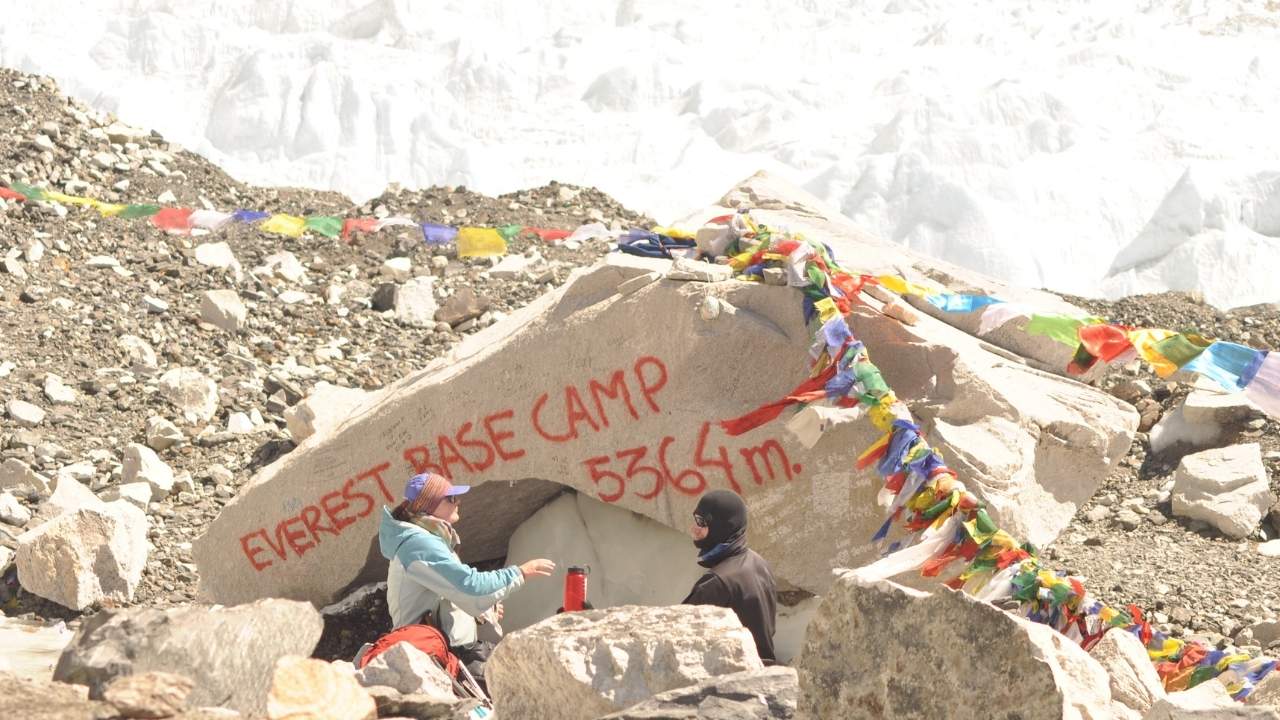
This trek starts with a flight to Lukla, which sits at an altitude of 2,840 meters above sea level. After reaching Lukla, the trail passes through beautiful villages like Phakding, Namche Bazaar, Tengboche, Dingboche, Lobuche, and Gorakshep before reaching Everest Base Camp at 5,364 meters. Some trekkers also climb Kala Patthar at 5,550 meters because it offers one of the best views of Mount Everest. A standard Eco Holidays Nepal itinerary includes acclimatization days in Namche Bazaar and Dingboche. These extra days help your body slowly adjust to the higher altitude and lower the risk of altitude sickness.
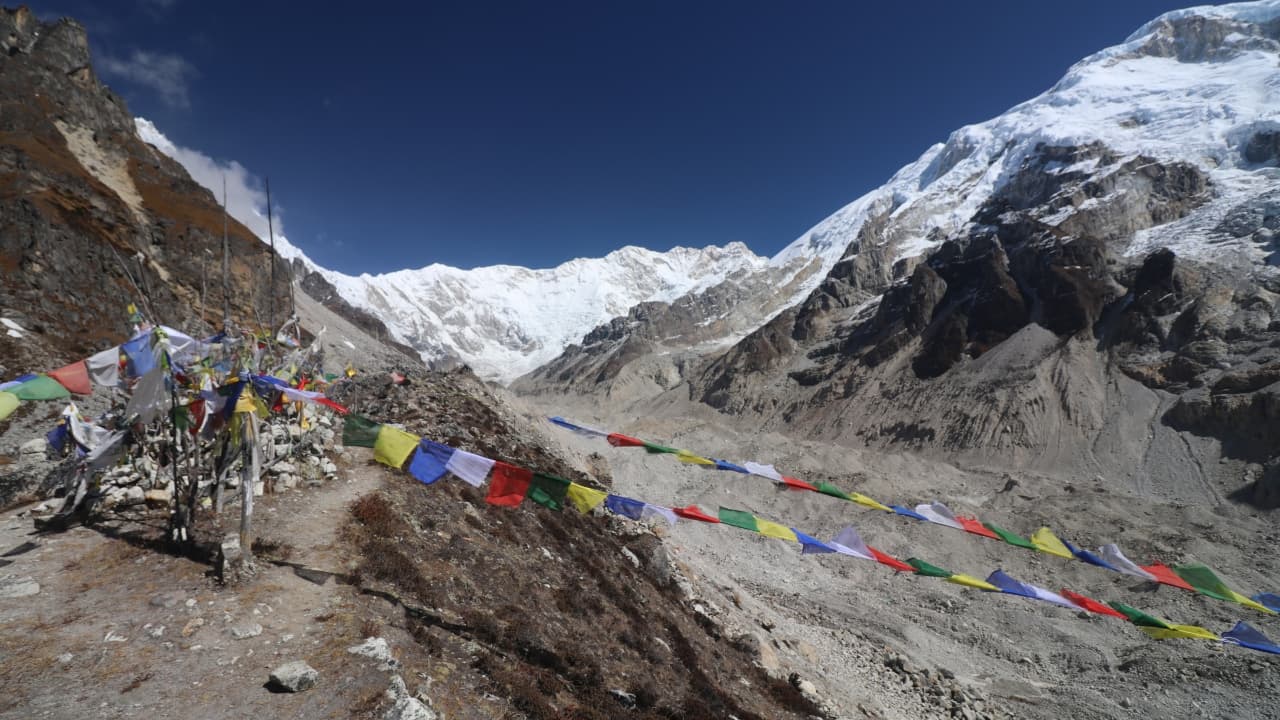
Many people think the trek is only about reaching Everest Base Camp, but the real journey is learning to climb safely. You do not need to rush. Walking slowly, drinking enough water, eating healthy food, and taking proper rest can make a big difference on your trip. Every day brings you new mountain views, friendly Sherpa villages, colorful prayer flags, and peaceful trails. You need to be careful as you move to a higher elevation.
Today, in this blog, you will learn about the Mount Everest Base Camp elevation chart, daily elevation gain, acclimatization, altitude sickness, safety tips, and simple ways to prepare for the trek. You will also understand why the itinerary is planned carefully and how each stop helps you to reach your goal safely. By the end, you will feel ready to enjoy this unforgettable Himalayan adventure with confidence and a smile.
Mount Everest Base Camp Elevation Chart
Understanding the altitude of each stop helps you to understand how your body will change during the Everest Base Camp Trek. The trail does not climb straight to the top. Instead, it goes higher little by little until your body has time to adjust. This is why a good itinerary is very important. The standard Nepal Recreation route follows a slow and safe plan with two acclimatization days.
This gives most trekkers a better chance to enjoy the journey and reduce the risk of altitude sickness. Every village has its own height, weather, and beautiful mountain views.
|
Day |
Everest Base Camp Trek Itinerary |
Elevation Profile |
Duration/Distance |
|
01 |
Flying to Lukla (2,860m/ 9,383ft) and trekking to Phakding (2,610m/ 8,562ft) |
1,460m/ 4,790ft (gain) |
Flight Distance: 138km/ 85 miles Flight Duration: 35 minutes Trek Distance: 8km/ 4.9 miles Trek Duration: 3 to 4 hours |
|
02 |
Trek from Phakding to Namche Bazaar (3,440m/ 11,286ft) |
830m/ 2,723ft (gain) |
Trek Distance: 12.3km/ 7.64 miles Duration: 5 to 6 hours |
|
03 |
Acclimatization and exploration day at Namche |
||
|
04 |
Trek from Namche to Tengboche (3,867m/ 12,687ft) |
427m/ 1,400ft (gain) |
Trek Distance: 10.7km/ 6.65 miles Duration: 5 to 6 hours |
|
05 |
Tengboche to Dingboche (4,410m/ 14,468ft) |
543m/ 1,781ft (gain) |
Trek Distance: 9.8km/ 6.09 miles Duration: 5 to 6 hours |
|
06 |
Resting day at Dingboche |
||
|
07 |
Trekking from Dingboche to Lobuche (4,910m/ 16,108ft) |
500m/ 1,640ft (gain) |
Trek Distance: 8.8 km/ 5.47 miles Duration: 5 to 6 hours |
|
08 |
Trek to Gorakshep (5,164m/ 16,942ft) to Everest Base Camp (5,364m/ 17,598ft) and return to Gorakshep |
454m/ 1,489ft (gain) |
Trek Distance: 11.5km/ 7.15 miles Duration: 8 to 9 hours |
|
09 |
Hiking to Kala Patthar (5,550m/ 18,208ft) for a sunrise view and trek down to Pheriche (4,230m/ 13,877ft) |
386m/ 1,266ft (gain) |
Trek Distance: 9.8km/ 6.08 miles Duration: 5 to 6 hours |
|
10 |
Pheriche to Namche Bazaar (3,440m/ 11,286ft) |
790m/ 2,591ft (loss) |
Trek Distance: 14.2km/ 8.8 miles Duration: 5 to 6 hours |
|
11 |
Trek from Namche Bazaar to Lukla (2,860m/ 9,383ft) |
580m/ 1,902ft (loss) |
Trek Distance: 17.9km/ 11.1 miles Duration: 6 to 7 hours |
|
12 |
Flight back to Kathmandu (1,400m/ 4,593ft) from Lukla |
1,460m/ 4,790ft (loss) |
Flight Distance: 138km/ 85 miles Duration: 35 minutes |
The trek begins at Lukla, which sits at an altitude of 2,840 meters above sea level. After walking for a short time, you will reach Phakding at 2,610 meters. The next major step is Namche Bazaar at an altitude of 3,440 meters, where trekkers spend an extra day for acclimatization. After spending a day in Namche Bazaar, the trails climb to Tengboche at 3,867 meters, which is famous for its beautiful monastery. The next stop is Dingboche at 4,410 meters, where another acclimatization day is spent. These extra days help your body slowly get used to the higher altitude before you continue climbing ahead.
After spending a day in Dingboche, you walk to Lobuche at 4,910 meters. The next village is Gorak Shep at 5,164 meters, which is the highest place where most trekkers sleep. From Gorakshep, you hike to Everest Base Camp at 5,364 meters. Many people also climb to Kala Patthar, which stands at 5,550 meters. Although Everest Base Camp is the main goal, Kala Patthar is the highest point of the trek, which offers one of the best views of Mount Everest. This climb is usually done early in the morning for clear skies.
The total elevation gain from Lukla to Everest Base Camp is more than 2,500 meters. Even though the numbers look high, the climb is spread over many days. Walking slowly is much safer than rushing. Your guide will remind you to drink water, eat well, and rest whenever needed. Understanding the Mount Everest Base Camp elevation chart helps you to know what comes next day. It also makes you feel more confident because you can see how the trail rises step by step until you finally reach your dream destination safely.
Why Altitude Affects Your Body During the Everest Base Camp Trek?
While you climb higher on the Everest Base Camp Trek, your body begins to notice the changes in altitude. The air still contains oxygen, but there is less of it in every breath. This means your heart and lungs need to work harder to send enough oxygen around your body. That is why you may feel tired more quickly than you do at lower elevations. Even people who exercise every day can feel the effects of high altitude. It is not a sign of weakness. It is simply the way the human body reacts when it reaches higher mountains. Understanding how altitude affects your body helps you to stay calm and make better decisions during the trek.
Many trekkers feel normal at first, but the small changes can appear as they climb higher. You may have a mild headache, lose your appetite, or feel more tired than usual. Some people also find it difficult to sleep well at night. These are common signs that your body is adjusting to the thinner air. If the symptoms stay mild, then they are often improved after resting, drinking enough water, and eating regular meals. However, if the symptoms become stronger or do not improve, then it is important to tell your guide immediately. You should never ignore serious warning signs because they can become dangerous if you continue climbing.
Every person's body reacts differently to high altitude. Age, fitness, and previous trekking experience do not always decide who will feel the effects first. A very fit person can still get altitude sickness while a beginner may feel completely fine. This is why everyone should follow the same safety rules. Walking slowly, taking regular breaks, and following the planned itinerary give your body more time to adjust. There is no need to compare with other trekkers because reaching the destination safely is always more important than walking fast.
The good news is that most trekkers complete the Everest Base Camp Trek without serious problems when they prepare well and follow simple safety advice. You should listen to your body every day and tell your guide if something does not feel right. A little care, patience, and good planning can make a big difference. When you understand how altitude affects your body, only you can enjoy the mountains with more confidence, stay healthier during your journey, and create wonderful memories that will last for many years.
Simple Ways to Prevent Altitude Sickness on the Everest Base Camp Trek
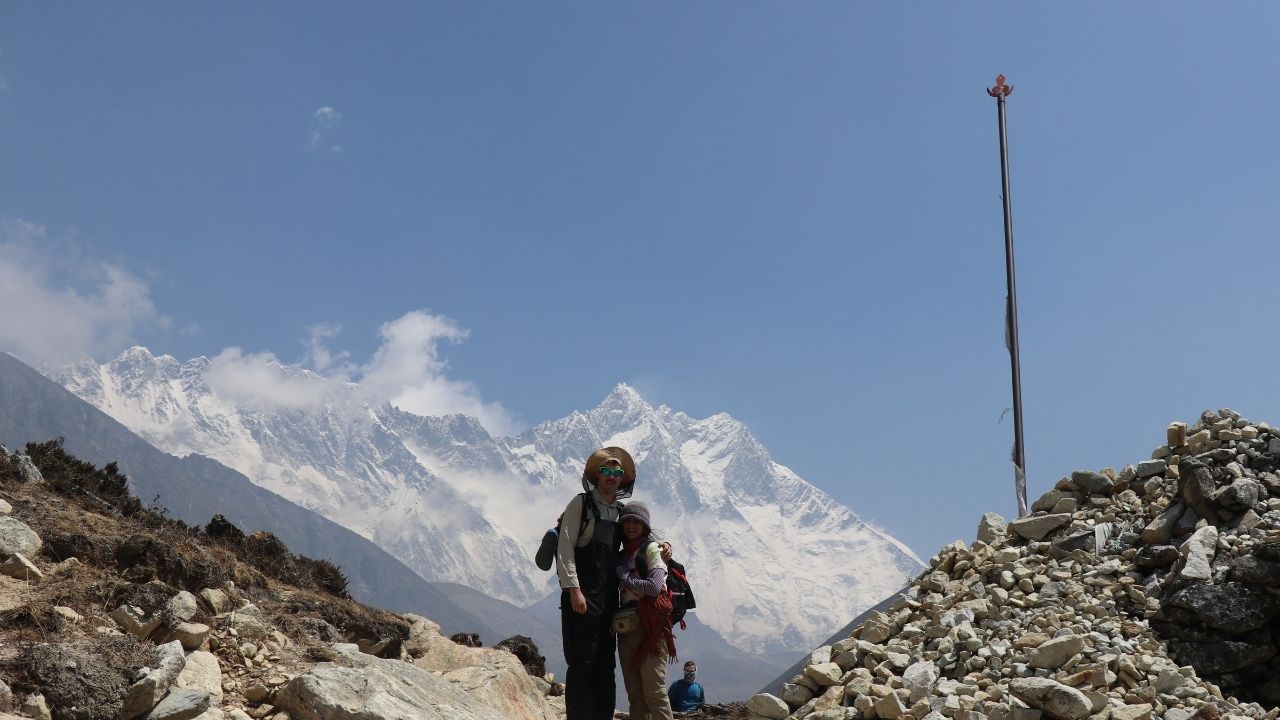
Altitude sickness is one of the biggest challenges on the Everest Base Camp Trek, but the good news is that it can often be prevented. You do not need to be an expert climber to stay safe. You only need to follow a few simple habits every day. These habits help your body adjust to the higher altitude little by little. The standard Eco Holidays Nepal itinerary also includes acclimatization, which gives trekkers more time to get used to the thinner air. By following these easy tips, you can enjoy the beautiful mountains while reducing the risk of altitude sickness.
-
Walk Slowly and Do Not Rush: The best way to prevent altitude sickness is to walk at a slow and comfortable pace. Many first-time trekkers become excited and try to walk too fast. This can make them feel tired and increase the chance of getting sick. You should take small steps, breathe normally,lly and enjoy the scenery around you. A steady pace helps your body adjust better to the changing altitude. Walking slowly can help you save energy for the next day, which makes the trek more comfortable and enjoyable.
-
Drink Plenty of Water Every Day: Your body loses water more quickly at high altitudes, so drinking enough water is very important. You should try to drink water regularly throughout the day instead of waiting until you feel thirsty. Staying hydrated helps your body to work properly, and it may reduce the chance of headaches and tiredness. Warm drinks like tea can also help you to stay comfortable in the cold weather. You should carry a reusable water bottle so you can drink often while walking.
-
Follow the Acclimatization Days: The Eco Holidays Nepal itinerary includes acclimatization days at Namche Bazaar and Dingboche. These extra days allow your body to adjust before climbing higher. Even if you feel strong, never skip these rest days. They are an important part of the Everest Base Camp trek, and they help many trekkers to reach Base Camp without serious altitude problems. Short practice hikes during these days also help your body become more comfortable at higher elevations.
-
Eat Well and Listen to Your Body: Healthy meals give your body the energy it needs for long walking days. Even if you don't feel very hungry, you should try to eat enough food. If you notice a headache, dizziness, nausea, or odors, you should immediately tell your guide. Early action is always safer than ignoring symptoms. Paying attention to your body every day helps you to stay safe and enjoy the trek with greater confidence.
The Everest Base Camp Trek is a wonderful adventure when you take care of yourself from the beginning. Walk at a comfortable pace, sleep well, drink enough water, eat healthy food, and never ignore warning signs. These simple habits help your body adjust naturally and let you enjoy the amazing mountain views with confidence. By preventing altitude sickness instead of trying to treat it late, you give yourself the best chance of completing the trek safely and creating happy memories that will last for many years.
What to Pack for High Altitude on the Everest Base Camp Trek?
Packing the right items is very important for the Everest Base Camp Trek. As you climb to higher altitudes, the weather becomes colder, the air becomes thinner, and the trail becomes more challenging. A well-packed backpack keeps you warm, comfortable, and ready for changing mountain conditions. You don't need to carry many things. Instead, you should pack useful items that help you to stay safe and enjoy the journey.
-
Layered Warm Clothing: Wear clothes in layers instead of one heavy jacket. A base layer, a fleece jacket, a down jacket, and waterproof layers help to keep you warm in different weather conditions. You can easily add or remove layers as the temperature changes during the day. Warm clothes also protect you from cold wind and freezing mornings.
-
Strong Trekking Boots and Warm Socks: Reliable trekking boots and warm socks give your feet better support on rocky and uneven trails. Choose waterproof boots that fit well and wear them before the trek to avoid blisters. Warm and clean socks help to keep your feet dry and comfortable. Healthy feet make long walking days much easier.
-
Water, Snacks, and Personal Care Items: You should carry a reusable water bottle or hydration bladder and drink water often, or nuts, nuts, nuts, nuts, or energy bars to keep your energy level up. You should carry sunscreen, lip balm, a small first aid kit, and personal medicines you may need during the trek.
-
Trekking Gear and Backpack Essentials: A comfortable backpack with a rain cover keeps your belongings safe and dry, and dry trekking poles help to reduce pressure on your knees during steep climbs and descents. A headlamp with extra batteries is useful if you walk early in the morning or when it gets dark.
-
Important Personal Items: You should carry a power bank, phone charger, and copies of important documents. These simple items make daily life on the trail easier and help you to stay organized and prepared throughout the trek.
Packing smart is just as important as preparing your body for the trek. A light and well-organized backpack helps you to save energy, stay comfortable, and enjoy every step of the Everest Base Camp adventure safely.
Common Mistakes to Avoid During the Everest Base Camp Trek
The Everest Base Camp Trek is a wonderful adventure, but some small mistakes can make your journey much harder. Many first-time trekkers become so excited that they forget some of the simple safety habits. Most of the problems happen because people rush, ignore their bodies, or fail to prepare properly. The good news is that these mistakes are easy to avoid. By understanding them before your trek, you can stay safer, feel stronger, and enjoy every day on the trail. Careful planning and smart decisions will help you to reach Everest Base Camp with more confidence and fewer problems.
-
Walking Too Fast: Many trekkers try to reach the next village as quickly as possible. Walking too fast uses more energy and gives your body less time to adjust to the higher altitude. A slow and steady pace is much safer. Taking small steps and short breaks helps you to save energy. You can enjoy beautiful mountain views without becoming too tired.
-
Ignoring Early Signs of Altitude Sickness: A headache, dizziness, loss of appetite, or unusual tiredness can be the early signs of altitude sickness. Some trekkers ignore these symptoms because they continue walking which can be dangerous. You should always tell your guide if you don't feel well. Getting help earlier is much safer than waiting until symptoms become serious.
-
Carrying Too Much Weight: A heavy backpack makes every uphill climb harder. You should pack only those things that you really need for the trek. A lighter backpack helps you to walk more comfortably and reduces pressure on your shoulders, back, and knees. Good packing also makes it easier to find important items during the day.
-
Not Drinking Enough Water: Some trekkers forget to drink water due to cold weather. However, your body still needs plenty of water at high altitude. Drinking enough water helps you to stay hydrated, supports your body's adjustment to altitude, and keeps your energy level up throughout the trek.
The Everest Base Camp Trek becomes much more enjoyable when you avoid these common mistakes. You should walk slowly, listen to your body, pack wisely, and drink enough water every day. These simple habits will help you to stay healthy, enjoy the mountain scenery, and increase your chances of reaching Everest Base Camp safely with happy and unforgettable memories.