

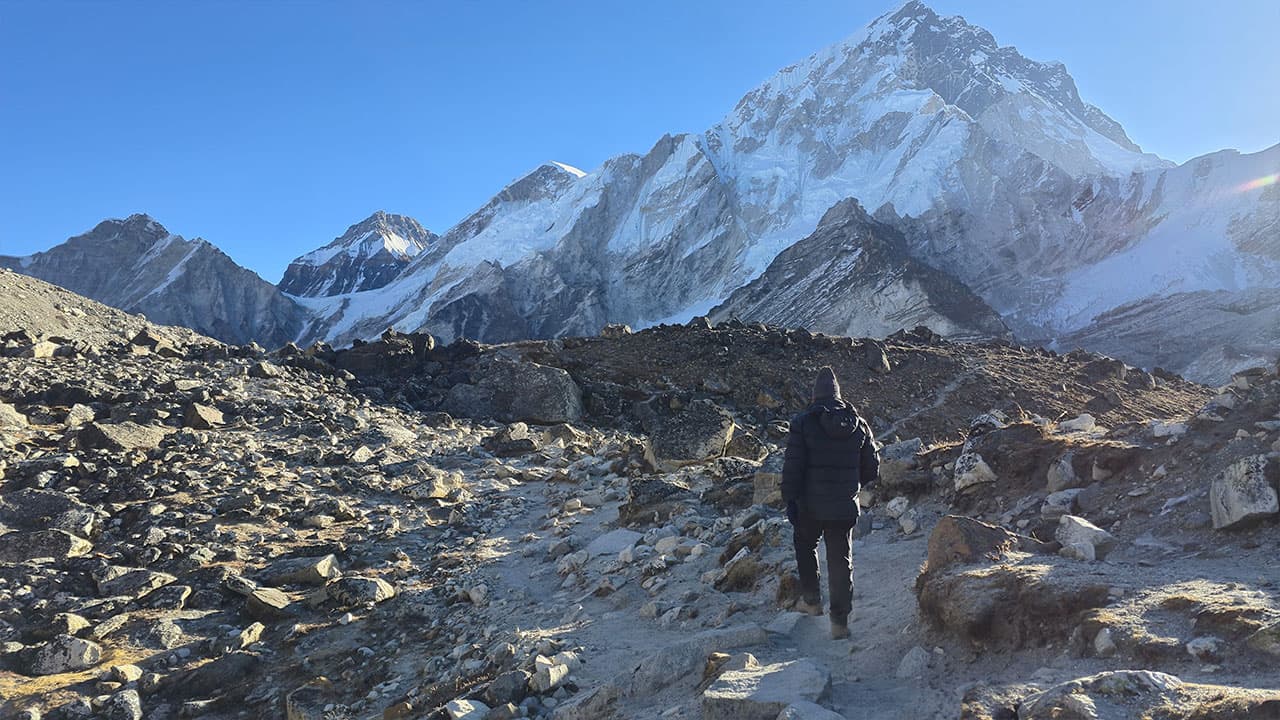
Many people dream about reaching Everest Base Camp, but they often forget one important thing before booking their trek package. A small planning mistake can slowly turn into an expensive problem during the journey. Some trekkers choose the cheapest package without reading what is included, while others buy unnecessary gear or pay extra money for food, flights, and transportation. In the Everest region, even simple items become costly because everything is carried by porters, yaks, or small aircraft. This is why packaging and careful budgeting are important.
The Everest Base Camp Trek is not only about walking through beautiful mountains and villages. It is also about understanding where your money goes during the trip. Many first-time trekkers think they can complete the journey with a small budget, but later they discover hidden costs that pile up every day. Extra charges for hot showers, mobile charging, bottled water, Wi-Fi, snacks, and delayed Lukla flights can quickly increase expenses. A standard Everest Base Camp trek package normally costs around USD 1,200 to 1,400, depending on services, group size, and trekking season.
One common mistake is believing that all Everest Base Camp packages are the same. In reality, every trekking company includes different services in its packages. Some provide domestic flights, permits, meals, guide service, airport pickup, and accommodation, while others leave many things for trekkers to pay for separately later. This confusion creates stress during the journey because trekkers suddenly face unexpected bills in remote mountain areas. Some people also skip travel insurance to save money, but a single helicopter rescue can cost thousands of dollars. Careful planning before the trek always saves money, time, and unnecessary problems.
This blog will explain the biggest Everest Base Camp Trek mistakes that often waste money for trekkers. It will help beginners understand how to compare trekking packages wisely and avoid spending more than necessary. The information is very clear, so even first-time travelers can understand every detail. You will learn about food costs, gear mistakes, porter services, trekking seasons, transportation expenses, and hidden charges that many people ignore before arriving in Nepal. By understanding these common mistakes early, trekkers can enjoy a safer, smoother, and more affordable Everest Base Camp journey with better planning.
1. Choosing the Cheapest Package Without Checking Inclusions
Many trekkers searching for Everest Base Camp packages usually focus only on the lowest price. At first, a cheap package may look attractive because it seems to save hundreds of dollars. However, many budget trekkers later discover that the package does not include important services needed during the journey. Some companies advertise very low prices online but exclude Lukla flights, permits, meals, porter services, or accommodation upgrades. After arriving in Nepal, trekkers are surprised when they must pay extra money for these missing services. In the end, the total cost becomes much higher than expected and creates stress before the trek even begins for many travelers.
One of the biggest problems is misunderstanding the word “inclusive package”. Some trekking companies include only basic accommodation and guide services while leaving food, airport transfers, and permits outside the package price. During the Everest Base Camp trek, food expenses alone can become expensive because meal prices increase with altitude. A simple plate of fried rice in Gorakshep may cost three times more than in Kathmandu. If meals are not included, trekkers may spend an extra USD 25 to 40 every day. Over a twelve-day trek, this becomes a large amount of unexpected spending for many people travelling on limited budgets during peak trekking seasons.
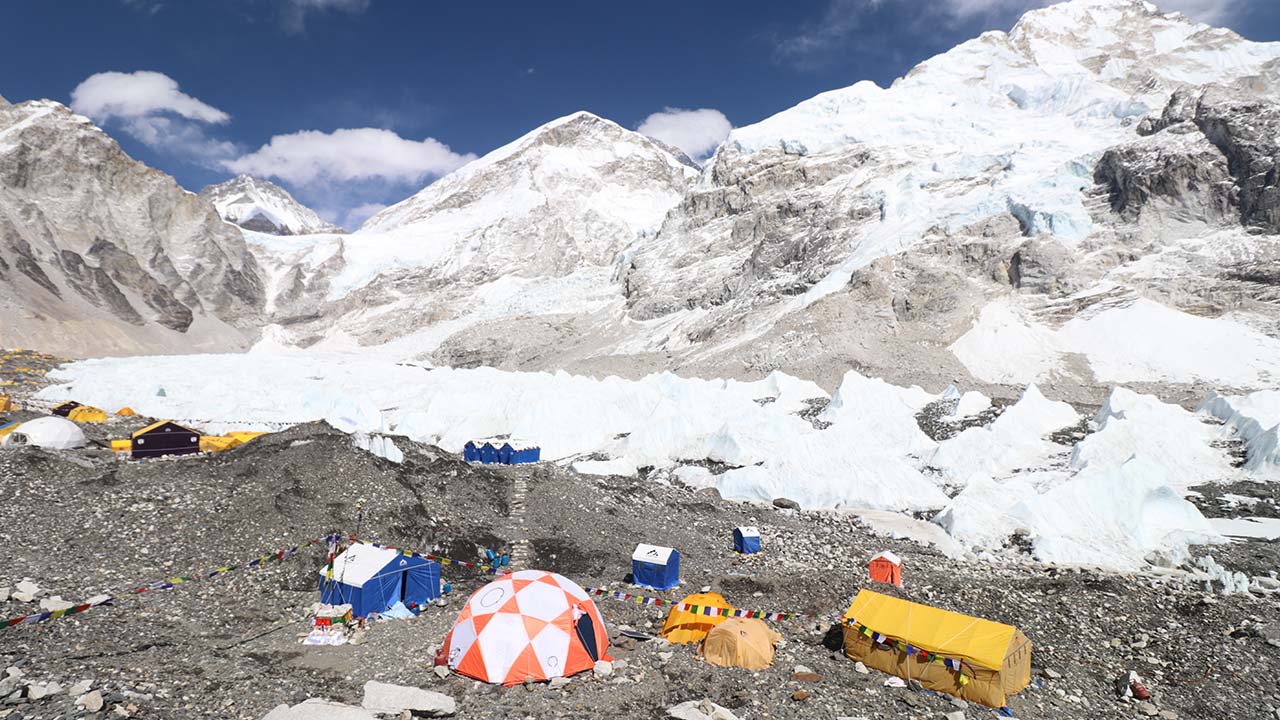
Eco Holidays Nepal and similar experience trekking companies usually explain their package details clearly before booking. Our standard Everest Base Camp trek packages often include permits, guide services, accommodation, domestic flights, and some meal arrangements. This helps trekkers to understand the real total cost before starting the journey. Some cheaper companies also use hidden conditions, such as charging extra money for flights from Kathmandu to Ramechhap during busy trekking months. Trekkers who do not read package details carefully later pay additional transportation and hotel expenses. A package that first looked affordable slowly becomes more expensive than a properly planned standard package with complete services included from the beginning.
Before booking any Everest Base Camp Trek, trekkers should carefully compare what each package actually includes instead of only checking the price. Reading detailed itineraries, asking questions, and checking company policies can prevent many financial surprises later. It is always smarter to pay slightly more for a clear and reliable package than to spend extra money every day during the trek. A well-planned package provides better comfort, fewer problems, and better safety throughout the journey. Careful booking decisions help trekkers to enjoy the Everest region peacefully without worrying constantly about unexpected costs and missing services later.
2. Ignoring Lukla Flight and Transportation Details
Transportation is one of the most confusing parts of the Everest Base Camp trek, especially for first-time trekkers visiting Nepal. Many people focus only on trekking days and mountain views while ignoring how they will reach Lukla safely and on time. Most Everest Base Camp journeys begin with a domestic flight from Kathmandu or Ramechhap to Lukla airport. During busy trekking seasons in spring and autumn, flights often operate from Ramechhap instead of Kathmandu because of heavy air traffic. Trekkers who do not understand this system are often surprised by sudden transportation changes, long driving hours, and extra hotel expenses before the trek even begins for many travelers.
The drive from Kathmandu to Ramechhap usually takes four or five hours, depending on road conditions and traffic. Many cheap trekking packages do not clearly mention this transportation detail before booking. As a result, trekkers later discover they must pay extra money for private vehicles, hotels, or meals near Ramechhap airport. Some trekkers also book international flights too close to their trekking dates without understanding that Lukla flights are heavily affected by weather conditions. Flight delays and cancellations are very common in the Everest region because mountain weather changes quickly. Even a single cancelled flight can increase costs for accommodation, food, and transportation in Kathmandu unexpectedly for budget travelers.
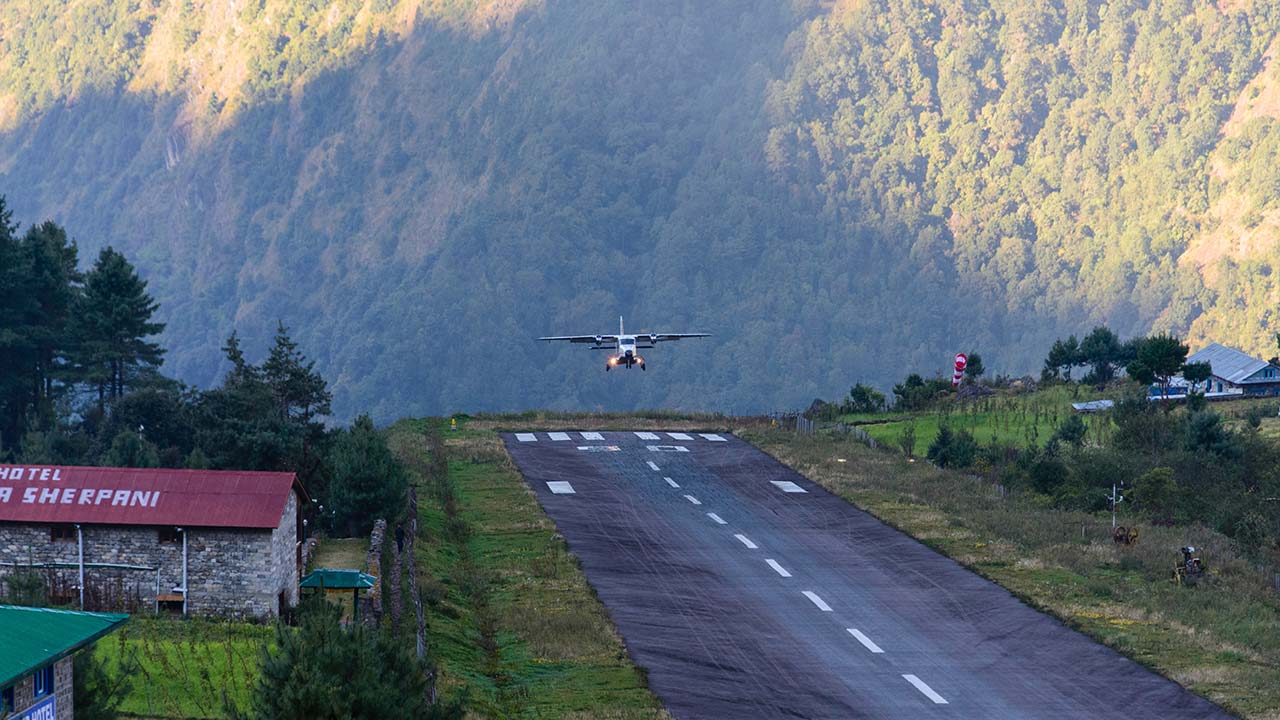
Another expensive mistake involves misunderstanding helicopter rescue and emergency transportation policies. Some trekkers wrongly believe their package automatically covers helicopter evacuation if they become sick or injured in the mountains. In reality, most trekking companies require proper travel insurance that includes high altitude emergency rescue coverage. Without insurance, a helicopter evacuation from the Everest region may cost several thousand dollars. Careful planning and flexible travel schedules can help to avoid these stressful and expensive situations during the Everest Base Camp journey for first-time trekkers.
Before booking any Everest Base Camp package, trekkers should carefully ask about Lukla flight arrangements, airport transfers, cancellation policies, and emergency rescue procedures. Understanding these transportation details early helps travelers to avoid confusion and unexpected expenses later. Reliable companies like Eco Holidays Nepal normally explain seasonal airport changes and transportation conditions clearly before the trek begins. Trekkers should also keep one or two extra days in Kathmandu after completing the trek because weather delays are most common in Lukla. Smart transportation planning not only saves money but also reduces stress and makes the entire Everest Base Camp experience smoother, safer, and more enjoyable for every traveler overall.
3. Not Understanding Food and Accommodation Costs
Many trekkers believe their biggest Everest Base Camp expense will be the trekking package itself, but daily food and accommodation costs can also become surprisingly expensive during the journey. As trekkers climb higher into the mountains, prices increase because all supplies are carried by porters, yaks, or small aircraft. A bottle of water, a plate of noodles, or even a simple cup of tea costs much more than in Kathmandu. Some trekkers book cheap packages without meals included and later realize they are spending large amounts of money every single day. Without proper planning, these small daily expenses slowly turn into a serious budget problem during the trek.
Food prices in the Everest region change depending on altitude and village location. In lower places like Phakding or Namche Bazaar, meals are more affordable, but prices rise sharply near Lobuche and Gorakshep. A basic breakfast may cost around USD 5 to 8, while lunch and dinner can cost even more at higher elevations. Trekkers who enjoy snacks, chocolate bars, soft drinks, or coffee often spend extra money without noticing. Some tea houses also charge separately for hot drinking water, phone charging, WiFi, and hot showers. The additional costs may look small individually, but together they can add more than USD 15 to 25 daily for many trekkers.
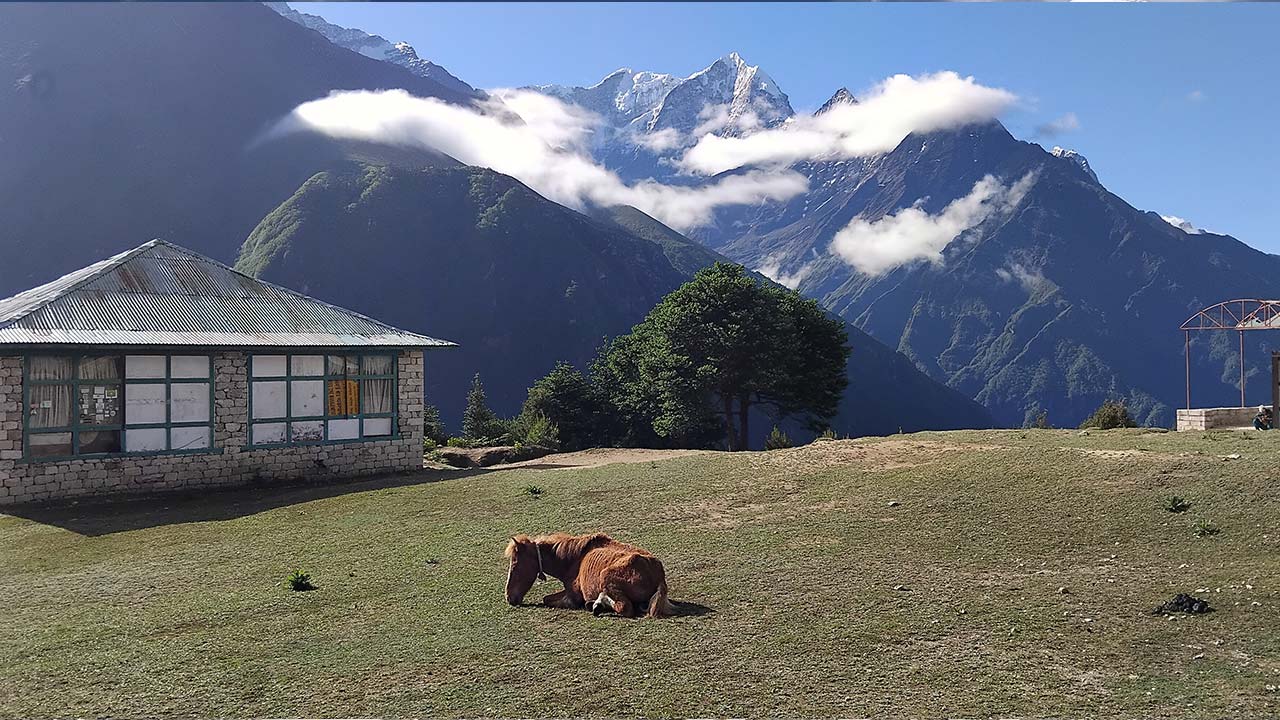
Accommodation misunderstanding is another common packaging mistake. Some trekking packages include only very basic tea house rooms with shared toilets and limited facilities. Trekkers expecting comfortable rooms with attached bathrooms are often disappointed after arriving in the mountains. During busy trekking seasons, better rooms become limited and more expensive. Some trekkers pay extra money to upgrade rooms or book private accommodations during their journey. Luxury lodges with heated rooms, better food, and modern facilities are available in some villages, but they can cost much more than standard tea houses. Without understanding accommodation standards early, trekkers often spend beyond their planned budget during the Everest Base Camp trek unexpectedly.
Before choosing any Everest Base Camp package, trekkers should carefully ask which meals and accommodation services are included in the total price. Understanding daily food prices and teahouse conditions helps travelers to prepare realistic budgets before arriving in Nepal. Experienced companies like Eco Holidays Nepal usually explain accommodation categories and meal arrangements clearly to trekkers before booking. Carrying reusable water bottles, basic snacks, and power banks can also reduce extra spending during the trek. Careful planning for food and accommodation not only saves money but also helps trekkers to enjoy a more comfortable, stress-free, and better organized Everest Base Camp adventure.
4. Renting or Buying the Wrong Trekking Gear
Many trekkers spend too much money before the Everest Base Camp trek because they buy unnecessary trekking gear without proper research. Some first-time trekkers believe they need expensive professional equipment for the journey, even though many items are rarely used during the trek. Others buy very cheap gear that breaks quickly in cold mountain conditions, forcing them to purchase replacements again in Kathmandu or Namche Bazaar. Overpacking is another common mistake because extra luggage often creates discomfort during trekking and increases the porter's weight. Careful gear planning is important because smart packing not only saves money but also makes the Everest Base Camp journey easier, lighter, and more comfortable for trekkers overall.
One common mistake is purchasing brand-new trekking clothes from expensive international stores before arriving in Nepal. Kathmandu already has many trekking shops where trekkers can rent or buy equipment at lower prices. Sleeping bags, down jackets, trekking poles, and crampons are commonly available for rent in Thamel. Renting is usually a better option for people who may not trek regularly in the future. However, some trekkers rent poor-quality gear without checking properly, which later causes problems in cold temperatures. Cheap gloves, weak shoes, and low-quality backpacks often become uncomfortable or damaged during the trek, creating extra expenses and stress in remote mountain areas, especially for beginners.
Another costly problem happens when trekkers forget small but important trekking items. Many people focus only on jackets and boots while ignoring water bottles, headlamps, rain covers, power banks, sunscreen, sunglasses, and first aid supplies. Buying these forgotten items in mountain villages becomes much more expensive than purchasing them in Kathmandu before the trek. Some trekking companies, including Eco Holidays Nepal, already provide basic items like sleeping bags and duffel bags within their packages. Trekkers who do not check package inclusions carefully may waste money buying items that are already available through the company. Understanding included equipment helps to avoid unnecessary shopping and reduces overall trekking costs for travelers significantly during preparation.
Before starting the Everest Base Camp Trek, trekkers should prepare a simple packing list based on weather conditions and trek duration instead of buying random equipment online. Comparing rental and purchase costs carefully can prevent unnecessary spending before arriving in Nepal. Comfortable trekking boots, warm layers, and reliable backpacks are more important than carrying many expensive gadgets or extra clothing. Trekkers should also test rented or purchased gear before beginning the journey to avoid problems later in remote areas. Smart gear planning saves money, reduces backpack weight, and helps trekkers enjoy a safer, smoother, and more comfortable Everest Base Camp Trekking experience from beginning to end successfully.
5. Misunderstanding The Real Role of Guides, Porters, and Insurance
Many trekkers book Everest Base Camp packages without fully understanding the guide, porter, and insurance services included in the price. This mistake often creates confusion, unexpected expenses, and safety problems during the journey. Some trekkers believe every package automatically includes an experienced guide and personal porter, but many budget packages provide only limited support. Others misunderstand porter sharing systems and later become frustrated when they must carry heavier backpacks themselves. Trekking in the Everest region is physically demanding, especially at high altitude, so proper support services are very important. Checking these details carefully before booking helps trekkers to avoid unnecessary spending and stressful situations during the Everest Base Camp adventure for many travelers.
Guides and porters have different responsibilities during the trek, but many first-time trekkers do not understand this clearly. A guide helps with navigation, accommodation management, safety monitoring, and local information, while a porter mainly carries luggage between villages. Some trekking packages include only a guide without porter support to keep package prices lower. Trekkers later discover they must either carry heavy bags themselves or hire porters separately at extra cost. Shared porter services are another common misunderstanding because one porter usually carries luggage for two trekkers. Travelers expecting personal porter support sometimes become disappointed after arriving in the mountains and learning the actual arrangements details during the trek unexpectedly.
Insurance mistakes can also become extremely expensive in the Everest region. Some trekkers purchase basic travel insurance without checking whether it covers high altitude trekking and emergency helicopter rescue above certain elevations. Others skip insurance completely to save money before the trip. However, altitude sickness, injuries, or bad weather can suddenly require emergency evacuation from remote mountain villages. Helicopter rescue in the Everest region may cost several thousand dollars without proper insurance coverage. Reliable trekking companies like Eco Holidays Nepal usually advise trekkers to buy insurance that specifically includes emergency rescue and high altitude medical support. Ignoring these important insurance details can create serious financial and safety risks during the Everest Base Camp journey for travelers.
Before booking any Everest Base Camp package, understanding porter sharing rules, luggage weight limits, and emergency procedures helps travelers to prepare better for the trek. Choosing licensed guides and experienced trekking companies also improves safety and overall trekking experience. Trekkers should always read insurance policies carefully to confirm rescue coverage for high-altitude trekking in Nepal. Proper planning for guide services, porter support, and travel insurance not only saves money later but also provides greater confidence, comfort, and peace of mind throughout the Everest Base Camp journey.
Smart Tips to Avoid Costly Everest Base Camp Trek Mistakes
Planning the Everest Base Camp Trek carefully can save a large amount of money and prevent many common travel problems later. Many trekkers lose money not because the trek is too expensive, but because they ignore small details while booking packages and preparing gear. Simple planning decisions before arriving in Nepal can make the journey smoother, safer, and more affordable. The following practical tips will help trekkers to avoid unnecessary spending and enjoy a better Everest Base Camp experience.
- Compare Package Inclusions Carefully: Do not choose a trekking package only because it looks cheap online. Always ask what is included in the total price, such as permits, Lukla flights, accommodation, meals, guide services, porter support, and airport transfers. A slightly expensive package may actually save more money later.
- Keep an Extra Emergency Budget: Weather delays in Lukla are very common during Everest treks. Trekkers should carry extra cash for additional hotel nights, meals, or transportation if flights get cancelled unexpectedly. Emergency backup money reduces stress during sudden travel changes.
- Book with Reliable Trekking Companies: Experienced companies like Eco Holidays Nepal usually provide clear information about services, safety, and trekking conditions. Reading reviews and checking the company experience helps travelers avoid hidden charges and poor quality service later.
- Rent Gear Instead of Buying Everything: Many trekking items, such as sleeping bags and down jackets, can be rented cheaply in Kathmandu. Renting helps to save money, especially for first-time trekkers who may not use expensive trekking equipment again in the future.
- Carry Reusable Water Bottles and Snacks: Bottled water and snacks become very expensive at higher elevations. Carrying reusable bottles, water purification tablets, and snacks from Kathmandu helps to reduce daily expenses during the trek significantly.
- Check Travel Insurance Properly: Always buy travel insurance that includes high altitude trekking and helicopter rescue coverage. Basic insurance without emergency rescue support can create serious financial problems during accidents or altitude sickness situations.
- Avoid Overpacking Unnecessary Items: Heavy luggage increases porter weight and creates discomfort during trekking. Carry only essential clothing and equipment needed for mountain weather conditions.
The Everest Base Camp trek becomes much more enjoyable when trekkers plan wisely and understand where their money is going. Smart budgeting, careful package comparison, and proper preparation help travelers to avoid stress and unexpected costs during the adventure. Small decisions made before the trek often create the biggest difference later in the mountains.