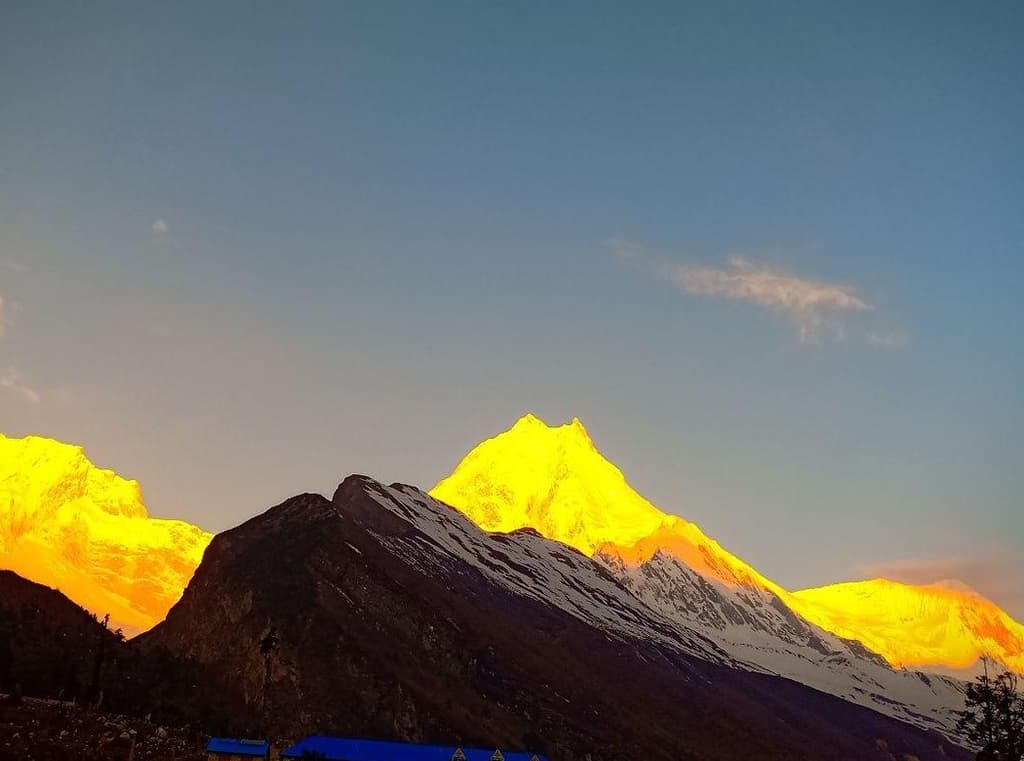

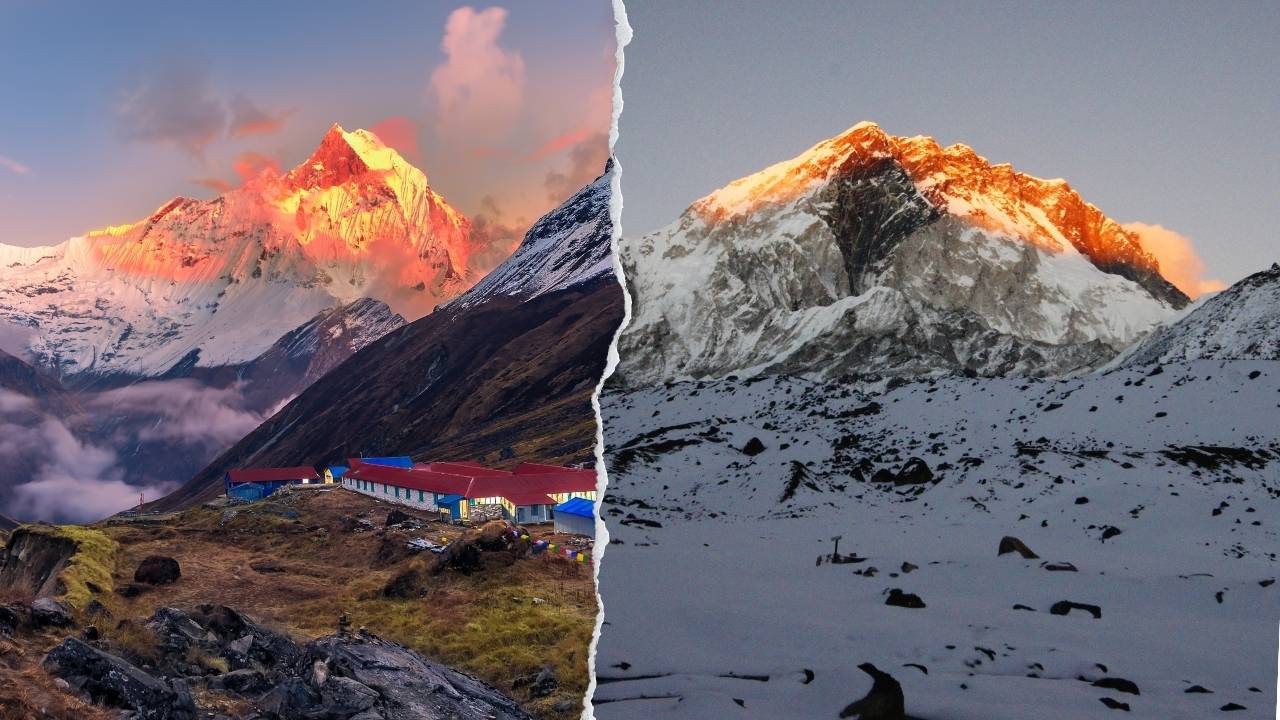
Trekking in Nepal is one of the most exciting travel experiences in the world. Every year, thousands of trekkers come to Nepal to walk through beautiful mountain trails, small villages, forests, and high passes. Among all the trekking routes, Everest Base Camp (EBC) and Annapurna Base Camp (ABC) are the two most popular and beloved treks. Both of these treks offer stunning mountain views, rich culture, and unforgettable adventure. But many trekkers who struggle between Everest Base Camp vs Annapurna Base Camp often ask which one is better?
The Everest Base Camp Trek takes you to the foot of the world's highest mountain, Mount Everest (8,848.86 m). It is a dream journey for adventure lovers and mountain climbers. The trail passes through famous Sherpa villages, ancient monasteries, deep valleys, hanging bridges, and giant glaciers. On the other hand, the Annapurna Base Camp Trek leads you to a natural mountain amphitheater surrounded by snow-covered peaks like Annapurna I (8,092 m), Machhapuchhre, Hiunchuli, and Annapurna South. This trek is known for its natural beauty, peaceful trails, and warm local culture.
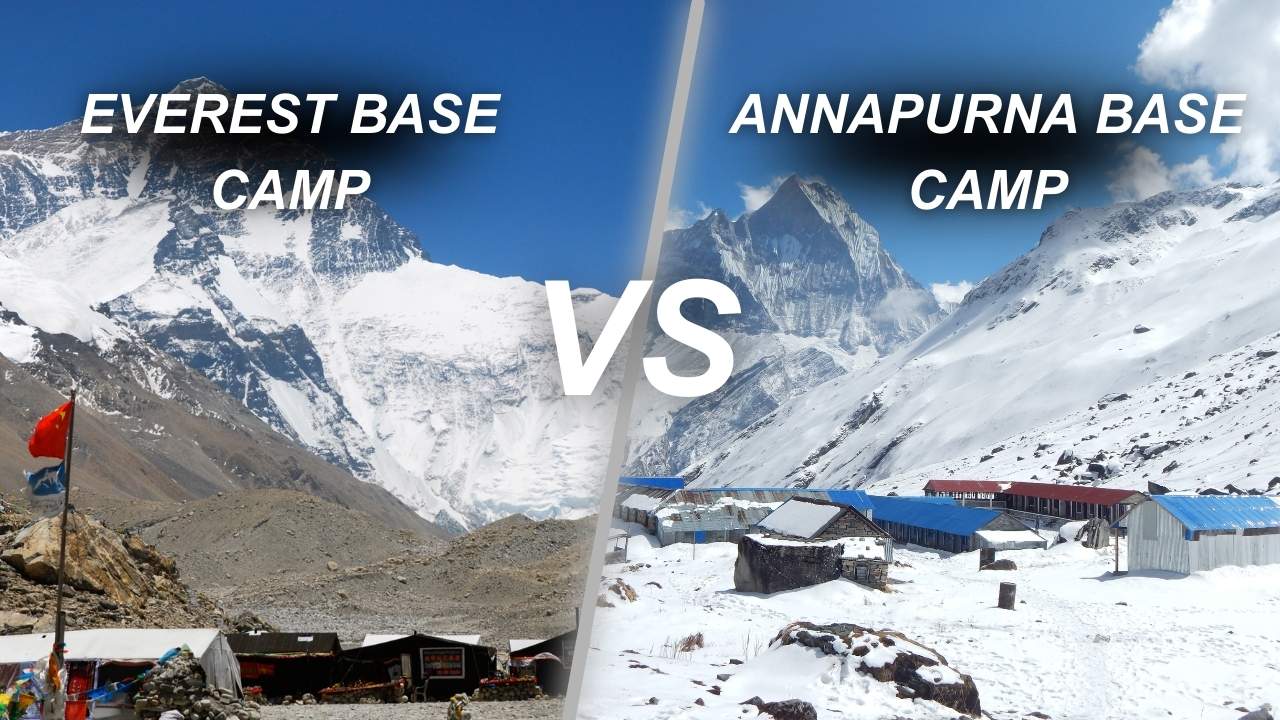
Both of these treks are organized by trusted companies like Eco Holidays Nepal, which provide well-planned itineraries, experienced guides, safe trekking services, and comfortable lodge arrangements. However, the trekking experience, difficulty level, cost, scenery, and travel time are quite different for each route.
In this blog, we will help you to understand all the prospects of Everest Base Camp vs Annapurna Base Camp, clearly, including the differences, advantages, and challenges of both treks. By the end, you will easily decide which trek suits your fitness level, budget, time, and travel goals best.
Quick Comparison of Everest Base Camp and Annapurna Base Camp
The Everest Base Camp (EBC) Trek and the Annapurna Base Camp (ABC) Trek are both world-famous journeys, but they offer very different trekking experiences. Understanding their basic features helps trekkers to choose the trek that best fits their time, fitness, and interests.
The Everest Base Camp Trek starts with a short but exciting flight from Kathmandu to Lukla (2,860m). From Lukla, trekkers walk through beautiful Sherpa villages like Phakding, Namche Bazaar, Tengboche, Dingboche, Lobuche, and finally reach Everest Base Camp (5,364 m). According to experienced trekking companies, the standard EBC itinerary takes 12 to 14 days, including the acclimatization days for safety. The highest point of this trek is Kala Patthar (5,550 m, which offers the best sunrise view above Mount Everest and other surrounding peaks. This trek is known for its dramatic landscapes, massive glaciers, high suspension bridges, and deep mountain valleys.
The Annapurna Base Camp Trek usually begins from Pokhara, after a scenic drive from Kathmandu. The trekking route passes through charming Gurung and Magar villages like Ghandruk, Chhomrong, Bamboo, and Deurali before reaching Annapurna Base Camp (4,130 m). Based on Eco Holidays' itineraries, this trek normally takes 7 to 10 days, making it shorter and more flexible. The highest altitude is lower than EBC, which makes ABC easier for many trekkers. The trek offers lush forests, terraced farmlands, waterfalls, and a close-up view of Annapurna and Machhapuchhre.
In summary, the Everest Base Camp Trek is longer, higher, and more adventurous, while the Annapurna Base Camp Trek is shorter, greener, and more comfortable. Both of these treks provide unforgettable Himalayan experiences, but the journey, challenge level,l and atmosphere are very different.
Everest Base Camp vs Annapurna Base Camp: Route, Scenery, and Natural Beauty
Both the Everest Base Camp (EBC) and Annapurna Base Camp (ABC) treks are famous for their natural beauty, but the type of scenery you see on each trek is quite different. Each route offers its own special charm, which makes both journeys unforgettable in their own way.
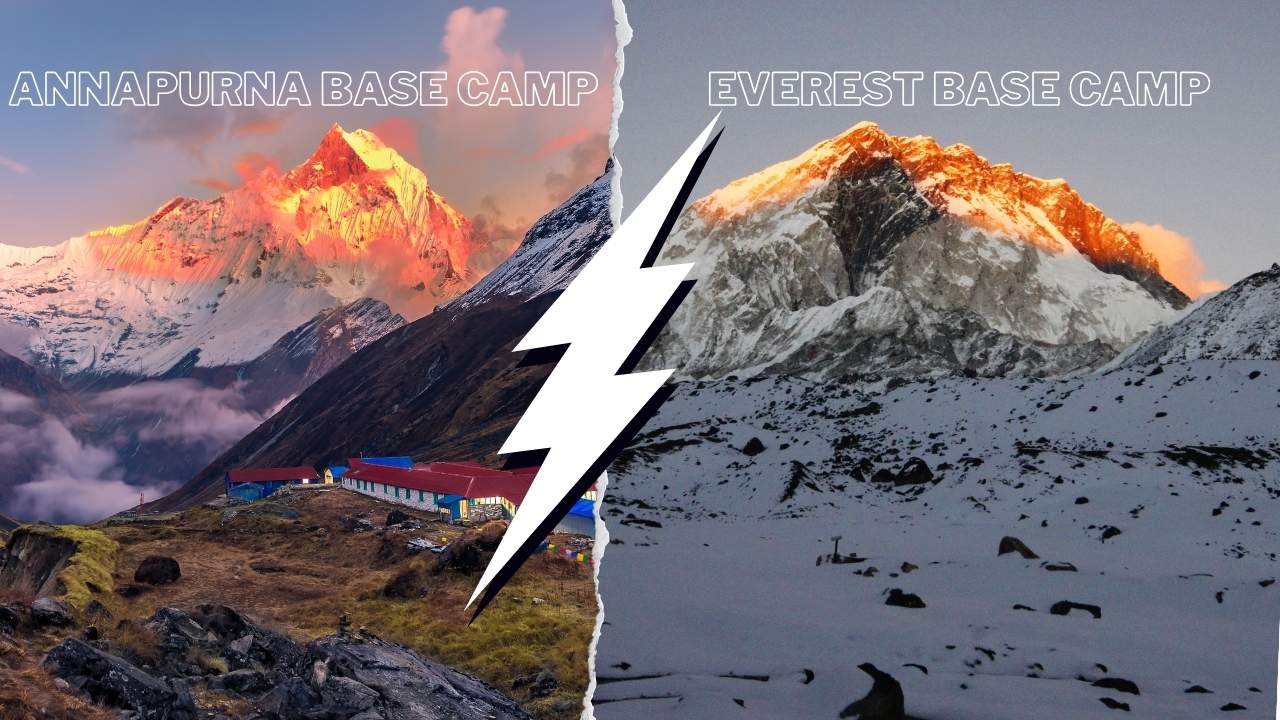
The Everest Base Camp Trek is known for its grand and dramatic landscapes. From the very first day, trekkers walk through deep river valleys, cross long suspension bridges, and slowly transit to rocky paths, icy glaciers, and wide open valleys. The trail passes through the beautiful Sagarmatha National Park, which is home to rare wildlife like musk deer, Himalayan thar, and colorful mountain birds. Along the way, trekkers enjoy breathtaking views of Mount Everest, Lhotse, Nuptse, Ama Dablam, Thamserku, and Pumori. One of the magical moments is standing at Kala Patthar, where the sunrise paints Mount Everest in golden light. The scenery feels wild, powerful, and truly majestic.
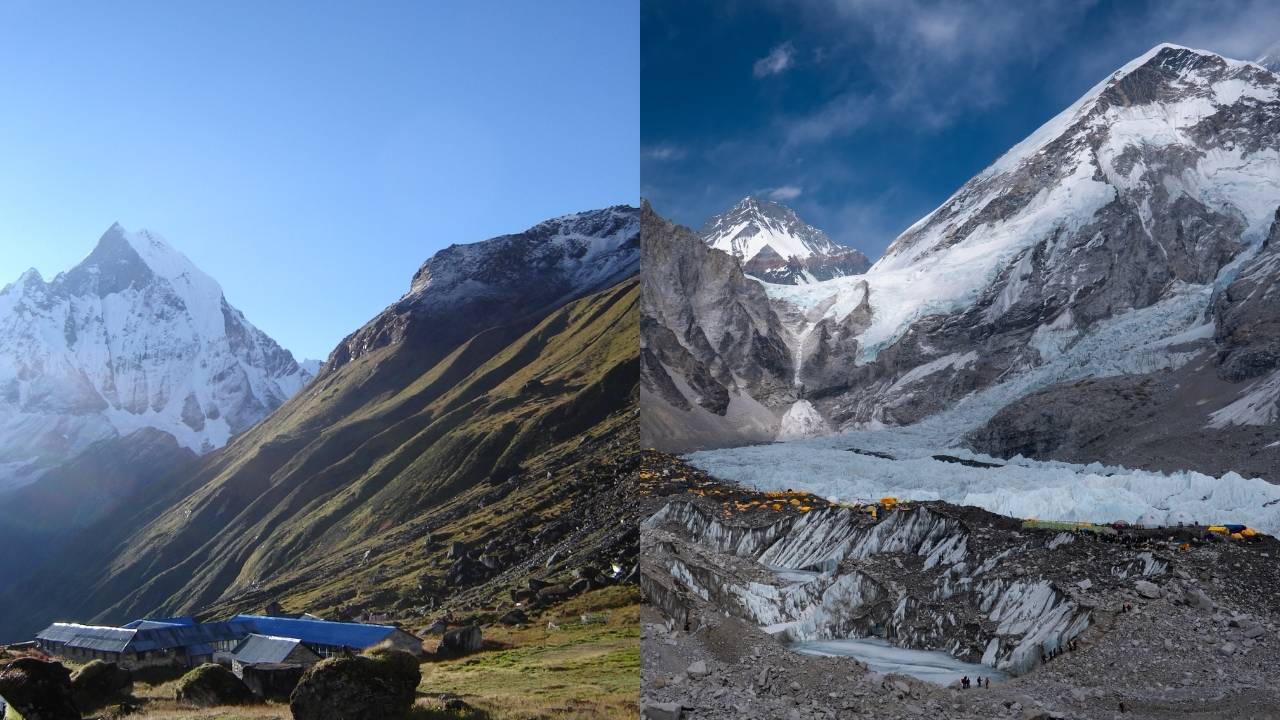
The Annapurna Base Camp Trek, on the other hand, is famous for its natural diversity and peaceful beauty. The trail moves through green hills, terraced farmlands, bamboo forests, and colourful rhododendron forests, especially during spring. You walk beside flowing rivers, cross small wooden bridges, and pass through welcoming villages. As you climb higher, the forest slowly disappears, and snow-covered peaks suddenly rise around you. At Annapurna Base Camp, trekkers are surrounded by a full circle of giant mountains like Annapurna I, Annapurna South, Hiunchuli, Machhapuchhre, and Gangapurna, creating a stunning natural amphitheater. The environment feels calm, fresh, and deeply refreshing.
Thus, in overall, the EBC offers bold, dramatic, and high mountain scenery, while the ABC provides colorful landscapes, rich greenery, and peaceful mountain beauty. Your choice in Everest Base Camp vs Annapurna Base Camp depends on whether you prefer raw Himalayan adventure or gentle natural charm.
Difficulty Level and Physical Challenge
The difficulty level is one of the most important factors when choosing between the Everest Base Camp(EBC) and Annapurna Base Camp (ABC) treks. Both treks require good physical fitness, but the level of challenge is different due to altitude, trek length, and daily walking hours.
The Everest Base Camp trek is considered moderate to challenging. According to many trekking agencies, trekkers usually walk 5 to 7 hours per day for nearly two weeks. The trail includes long uphill climbs, steep descents, rocky paths, and suspension bridges. The biggest challenge is the high altitude, as the trek goes above 5,000 meters, where oxygen levels are much lower. Even simple walking can feel tiring. The cold weather, thin air, and long trekking days make EBC more physically demanding. Trekkers need strong stamina, good lung capacity, and mental determination. Proper acclimatization days in places like Namche Bazaar and Dingboche help to reduce the difficulty, but the trek still requires solid preparation.
The Annapurna Base Camp trek is generally considered moderate and more beginner-friendly. The average daily walking time is 4 to 6 hours, and the total trek length is shorter. The highest altitude is 4,130 meters, which reduces the risk of severe altitude sickness. The trails include stone steps, forest paths, and gradual climbs. Although there are some steep sections, especially around Chhomrong, the overall route is less exhausting. The warmer climate, better oxygen levels, and shorter trekking days make ABC easier for families, first-time trekkers, and older travelers.
EBC is tougher, longer, and more physically demanding, while ABC is easier, shorter, and more comfortable. If you love big challenges and high-altitude adventures, the Everest Base Camp Trek is ideal. If you want a rewarding trek without extreme difficulty, the Annapurna Base Camp Trek is a better choice.
**You May Like: Featured Trekking in Nepal–Handpicked Himalayan journeys crafted for unforgettable mountain experiences**
Altitude, Acclimatization, and Health Safety
Altitude plays a very important role in both the Everest Base Camp (EBC) and Annapurna Base Camp (ABC) treks. As trekkers climb higher, oxygen levels decrease, which can cause health problems if proper care is not taken. Understanding altitude, acclimatization, and safety helps to make the trek enjoyable and safe.
The Everest Base Camp trek reaches a much higher altitude than ABC. The base camp itself is located at 5,364 meters, and the highest point of the trek, Kala Patthar, stands at 5,550 meters. At this height, the oxygen level is almost 50% lower than at sea level. This makes breathing harder than at sea level and increases the risk of Acute Mountain Sickness (AMS). Common symptoms of altitude sickness include headache, dizziness, nausea, loss of appetite, and difficulty sleeping. That's why Eco Holidays Nepal includes two acclimatization days in Namche Bazaar (3,440 m) and Dingboche (4,410 m). These rest days allow the body to slowly adjust to high altitude by reducing health risks.
The Annapurna Base Camp trek reaches a maximum altitude of 4,130 meters, which is significantly lower. Because of this, the risk of serious altitude sickness is much lower, although mild symptoms can still occur. The trekking pace is gradual, and the warmer temperatures make breathing easier. Eco Holidays also designs proper daily altitude gain, helping trekkers to adapt comfortably.
For both treks, health safety is a top priority. Eco Holidays provides experienced guides trained in first aid, regular health checks, flexible walking pace, and emergency support if needed. Trekkers are advised to drink plenty of water, eat well, walk slowly, and avoid alcohol.
To sum it up, Everest Base Camp Trek carries a higher altitude risk and requires careful acclimatization, while Annapurna Base Camp Trek is safer and more comfortable for most trekkers, especially for beginners and families.
Accommodation, Food, and Facilities in Everest Base Camp vs Annapurna Base Camp– Which Route Offers Better?
Accommodation, food, and trekking facilities play a big role in making a trek comfortable and enjoyable. Both the Everest Base Camp (EBC) and Annapurna Base Camp (ABC) treks offer tea house lodging, but the level of comfort and services can be slightly different.
During the Everest Base Camp trek, trekkers stay in tea houses and mountain lodges along the trail. These lodges usually provide basic but clean rooms, often with two single beds, blankets, and shared bathrooms. In lower areas like Lukla, Phakding, and Namche Bazaar, tea houses offer better comfort, including hot showers, WiFi, charging points, and private rooms. As altitude increases, facilities become more basic. Food options include dal bhat (rice, lentils, vegetables), noodles, pasta, soup, fried rice, potatoes, eggs, bread, pancakes, and tea or coffee. Prices rise as altitude increases because supplies are carried by porters and animals. Eco Holidays carefully selects comfortable and hygienic lodges to ensure safety and comfort.
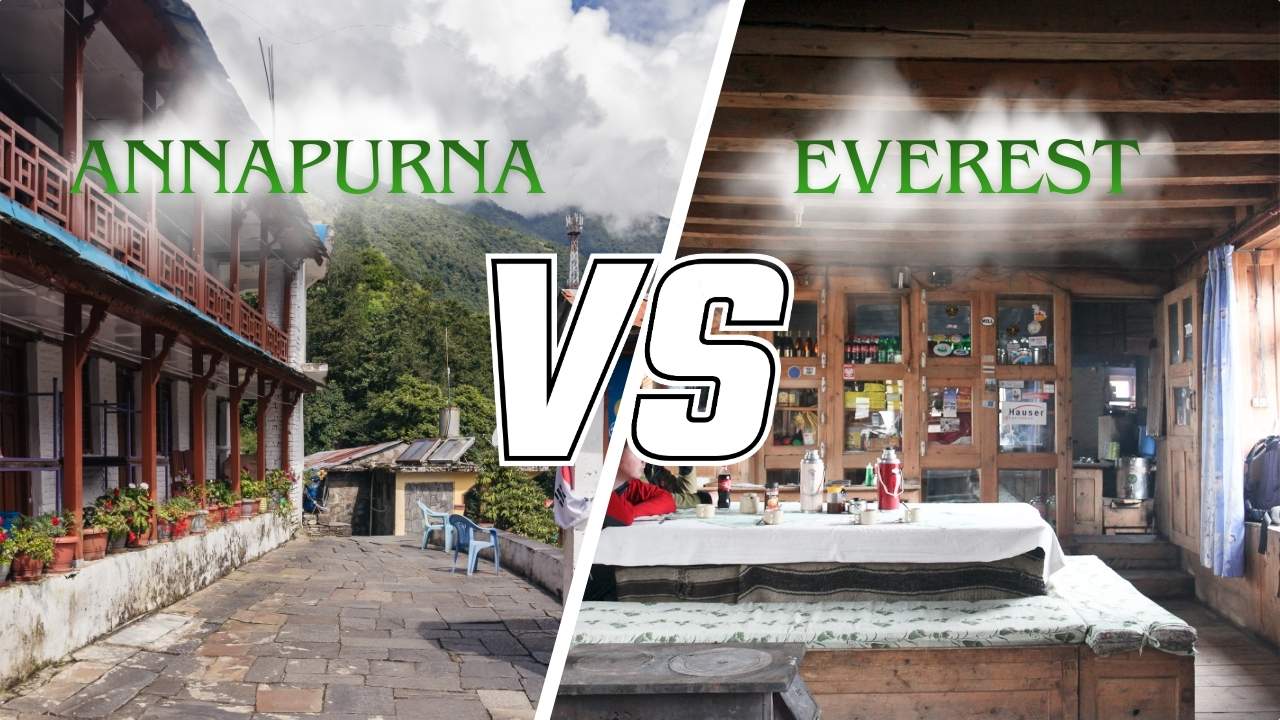
On the Annapurna Base Camp trek, accommodation is also in tea houses, but many trekkers find them slightly more comfortable and spacious, especially at lower elevations. Because the trail is closer to roads and villages, food supplies are easier to transport. This results in better food variety, fresher vegetables, and lower prices. Hot showers, WiFi, and charging facilities are more easily available along most of the route. The menu includes Nepali meals, Western food, snacks, and hot drinks, making meal times enjoyable and relaxing.
Overall, ABC offers better comfort, more food choices, and lower prices, while EBC provides a more remote and authentic mountain experience. Both treks provide clean lodging, warm meals, and friendly hospitality, making the journey pleasant and memorable.
Cost, Permits, and Overall Budget
The cost and budget of a trek are important factors for most travellers. The total expenses of the Everest Base Camp (EBC) and Annapurna Base Camp (ABC) treks depend on trek duration, transportation, accommodation, food, permits, guides, and porters. However, there is a clear cost difference between the two treks.
The Everest Base Camp trek is more expensive mainly because of the flight to Lukla. According to Eco Holidays Nepal, a round-trip flight between Kathmandu and Lukla usually costs around USD 350-450 per person. In addition, the longer trek duration (12-14 days) increases the cost for food, accommodation, and staff. The average full-package cost of the EBC trek cost ranges between USD 1,250 and USD 1,800, depending on group size, services, and season. Required permits include the Sagarmatha National Park Permit and Khumbu Rural Municipality Permit, which together cost around USD 45-50.
The Annapurna Base Camp trek is more budget-friendly. Instead of flights, trekkers travel by tourist bus or private vehicle to Pokhara, which costs much less. The trek is shorter (7-10 days, reducing overall expenses. According to Eco Holidays, the average ABC trek package costs between USD 700 and USD 1,100, depending on services and group size. Required permits include the Annapurna Conservation Area permit (ACAP) and TIMS Card, which cost about USD 45-50 in total.
Food, accommodation, and guide/porter costs are also cheaper in the Annapurna region. Because of easier transportation access, prices remain lower than in the Everest region. Thus, EBC is a premium trek with higher costs, while ABC is a more affordable option that still offers incredible mountain views and a trekking experience.
Best Time to Trek: Weather and Seasonal Comparison
Choosing the right season is very important for a safe and enjoyable trek. Both the Everest Base Camp (EBC) and Annapurna Base Camp (ABC) treks can be done throughout the year, but certain months offer the best weather, clear views, and safer trails.
Spring Season (March to May)
Spring is one of the best times for both treks. The weather is mild, the skies are mostly clear, and the temperatures are comfortable. In the Annapurna region, forests bloom with colorful rhododendron flowers, making the trail very beautiful. In the Everest region, spring offers excellent mountain views and stable trekking conditions. This is considered the most popular trekking season in Nepal. Day temperatures range between 10°C and 20°C at lower altitudes, and 5°C to -5°C at higher elevations.
**Learn More About: Is Spring the Best Time to Trek in Nepal? Clear skies, blooming forests, and busy teahouses, discover what spring trekking truly feels like.**
Autumn Season (September to November)
Autumn is another perfect trekking season. After the monsoon, the air is fresh, the skies are crystal clear, and the mountain views are sharp. Trails are dry and safe. Both EBC and ABC are extremely beautiful during this time. This season is also ideal for photography. Day temperatures are similar to spring, and weather conditions remain stable.
Winter Season (December to February)
Winter trekking is possible but more challenging, especially for EBC. Heavy snowfall, freezing temperatures, and icy trails can make the journey difficult. ABC is more suitable during winter because of the lower altitude and warmer climate, although snowfall can still occur near base camp.
Monsoon Season (June to August)
This season brings heavy rainfall, slippery trails, and cloudy views. However, ABC is still doable, while EBC becomes risky due to flight delays to Lukla. If you are planning your trek in this season, you will also need to have a flexible schedule as delays due to weather are expected.
**Note: Overall, spring and autumn are the best seasons for both treks, but ABC is more flexible for year-round trekking compared to EBC**
Final Comparison– Everest Base Camp vs Annapurna Base Camp, Which Trek Is Better For You?
Choosing between Everest Base Camp (EBC) and Annapurna Base Camp (AC) depends on your fitness level, time, budget,t and travel goals. Both treks are beautiful, but each suits different types of trekkers.
For Beginners and First-Time Trekkers
The Annapurna Base Camp trek is a better choice. It is shorter, easier, and lower in altitude, which makes it safer and more comfortable. The trails are well-marked, the facilities are better, and the walking hours are manageable. If you are new to trekking, ABC gives a wonderful Himalayan experience without extreme difficulty.
For Adventure Seekers and High-Altitude Lovers
The Everest Base Camp trek is perfect for those who love big challenges and high mountains. Standing close to Mount Everest and walking through famous Sherpa villages feels truly special. The dramatic landscapes, glaciers, and altitude adventure make EBC a dream trek for serious hikers.
For Budget Travelers
ABC is more affordable. With lower transport costs, shorter duration, and cheaper food and accommodation, it fits better for trekkers with a limited budget.
For Time-Limited Travelers
If you have less time, ABC is ideal because it can be completed in 7-10 days, while EBC requires 12-14 days.
For Comfort and Scenic Beauty
ABC offers better comfort, rich greenery, colorful forests, and peaceful villages, making it perfect for relaxed trekking and nature lovers.
For Iconic Himalayan Experience
EBC delivers the world-famous Everest experience, stunning glaciers, and classic mountain adventure that many trekkers dream of.
Final Verdict: Everest Base Camp vs Annapurna Base Camp- Which One Should You Choose?
There is no single best trek in this Everest Base Camp vs Annapurna Base Camp comparison. If you want comfort, greenery, shorter duration, and lower cost, choose Annapurna Base Camp. If you dream of reaching Everest, experiencing high altitude adventure, and walking legendary trails, then Everest Base Camp is the perfect choice.
Both treks, especially when organized by reputable agencies like Eco Holidays Nepal, promise a safe, memorable, and life-changing Himalayan journey.