
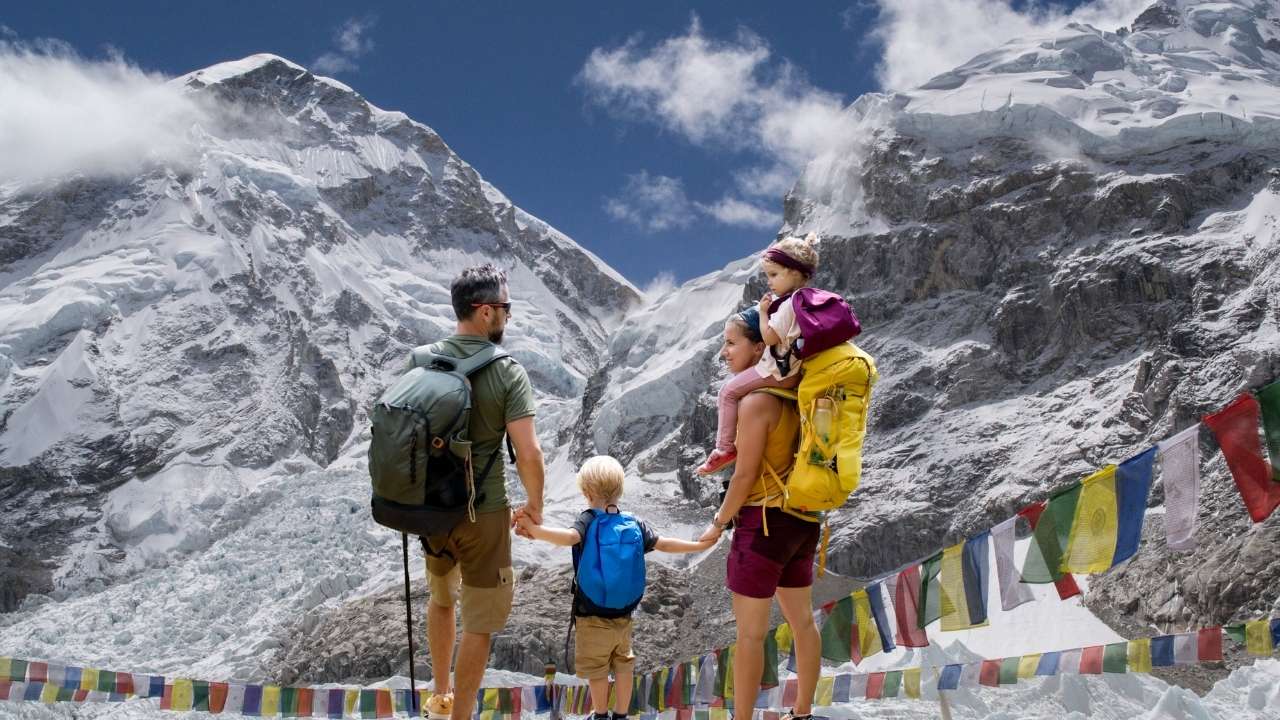
Have you guys dreamed of standing at Everest Base Camp with your family? Many parents ask, can we take our kids to Everest Base Camp? The simple answer is yes, it is possible. Each year, some families complete the Everest Base Camp trek with their children. However, this is not an easy holiday. The trail is long, and the weather can change quickly, and the air becomes thinner as you climb higher. That is why families need good planning before they begin. Children need to be healthy, active, and ready for many walking days. Parents also need to understand the risks, and they should know how to keep everyone safe. If you plan right, then the journey can become one of the happiest family adventures you will share.
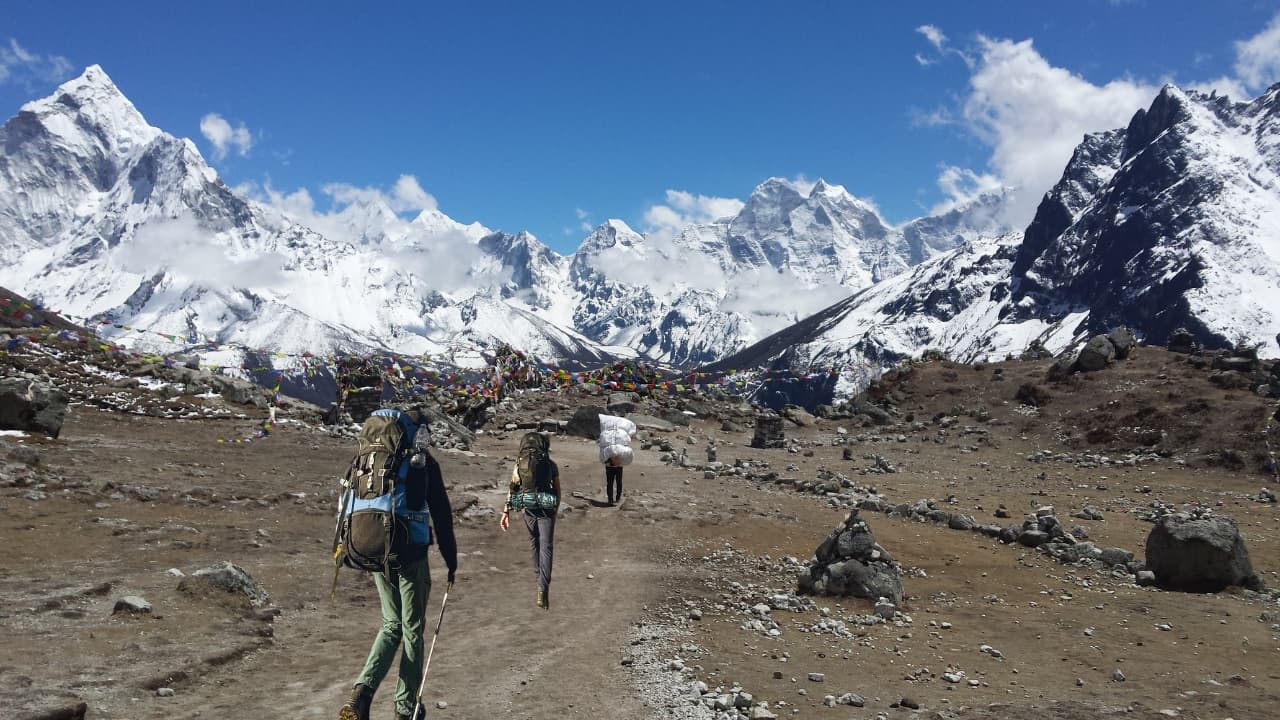
The Everest Base Camp trek is about 130 kilometers or around 80 miles for the full round trip. Most families take 12 to 14 days so they can walk slowly and rest well. The highest point is Everest Base Camp at 5,364 meters, while nearby Kala Patthar reaches 5,550 meters. Many family groups choose to skip Kala Patthar if their children feel tired. Walking slowly, taking rest days, and drinking enough water are the best ways to help the body adjust to the high altitude. Most children enjoy seeing mountain villages, colorful prayer flags, friendly yaks, and beautiful snow-covered peaks along the way.
Parents often worry about safety, which is normal. There is no official minimum age for the trek, but according to many trekking experts, children should be physically fit and able to enjoy long walks. Every child is different, so parents should never compare their child with others. If a child feels sick because of altitude during that time, the safest choice is to go down to a lower place. Reaching Everest Base Camp is exciting, but your child's health is always more important than finishing the trek.
In this blog guide, you will understand whether Everest Base Camp with kids is the right choice for your family. You will understand the best age, how to prepare, what to pack, the safest itinerary, common challenges, and helpful tips from experienced trekkers. By the end, you will have some idea to decide if this unforgettable family adventure is the right one for you and your children.
Is Everest Base Camp Safe for Kids?
Most parents wonder if Everest Base Camp is safe for kids. The answer is yes, but only when you plan your trip carefully. Children can enjoy this amazing trek if they are healthy, active and ready to walk for many days. Parents should never rush the journey because high mountains need slow travel. A well-planned family trek, a trained guide, and enough rest can make the adventure much safer. Before leaving home, you should visit your doctor and make sure your child is fit for high-altitude trekking.
The biggest challenge in the Everest Base Camp Trek is high altitude, not the walking itself. As you climb higher, the air has less oxygen, and your body needs some time to adjust. Children can get altitude sickness just like adults. Common altitude sickness signs include a headache, feeling sick, losing interest in food, being very tired, or having trouble sleeping. If these three signs become worse, you should stop climbing and go down to a lower place. You should never ignore these warning signs because your child's health always comes first.
A slow itinerary is one of the best ways to stay safe. Most family treks include rest days at Namche Bazaar and Dingboche so the body can adjust. Children should drink plenty of water, eat healthy meals, and stay warm every day. Good sleeping habits also help them to recover after walking. Parents should watch their children closely because younger kids may not always explain how they feel. Hiring an experienced guide is also a smart choice because guides know how to spot early signs of altitude sickness.
No one can promise a completely risk-free trek, but careful planning makes a big difference. You should choose the best trekking seasons, carry the right clothing, and never push your child to reach base camp if they feel unwell. Turning back is never a failure because safety is always the real success. With patience, good preparation, and smart decisions, many families enjoy a safe and unforgettable Everest Base Camp adventure together and return home with wonderful memories.
What Is the Best Age for Children to Trek to Everest Base Camp
Many of us wonder what the best age for children to trek to Everest Base Camp is. The truth is that there is no official minimum age. Every child grows differently, so the age alone cannot decide if the trek is right. A healthy, active, and confident child may do better than an older child who does not enjoy walking. Before making a plan for a trek, you should think about your children's fitness, health, and interests. The Everest Base Camp Trek is long, so children should enjoy spending many days outdoors and be ready for new challenges.
Many trekking experts believe that children around 10- 12 years old or older usually have a better chance of enjoying the journey. However, some younger children have also completed the trek with careful planning and strong family support. The most important thing is that children can walk for several hours without becoming too tired. They should also listen to their parents and guides during the trek. A positive attitude is just as important as strong legs because happy children often enjoy the experience much more.
Parents should never rush because of age or compare their children with others. Some children may love hiking while others may not enjoy long walks at all. Before booking your trip, you should take your child for practice walking on hills or easy trails near your house. This helps children build strength and confidence. A health checkup with a doctor is also a smart idea before visiting high mountains. If your child has health problems, then you should ask the doctor if high altitude trekking is a safe choice or not.
The best age for the Everest Base Camp Trek is the age when your child is healthy, prepared, and excited for adventure. There is no perfect number that fits every family. Walking slowly, taking enough rest, eating healthy food, and listening to your child's feelings are the best ways to enjoy the journey. When parents make smart decisions while putting safety first, then children can create wonderful memories that stay with them for many years ahead together.
How to Prepare Your Child Before the Everest Base Camp Trek
Preparing your child before the Everest Base Camp trek is very important. Good planning helps children to stay healthy, feel confident, and enjoy every day of the journey. You do not need difficult training, but you should help children to become stronger little by little. The following simple tips can make your family adventure safer and more enjoyable.
-
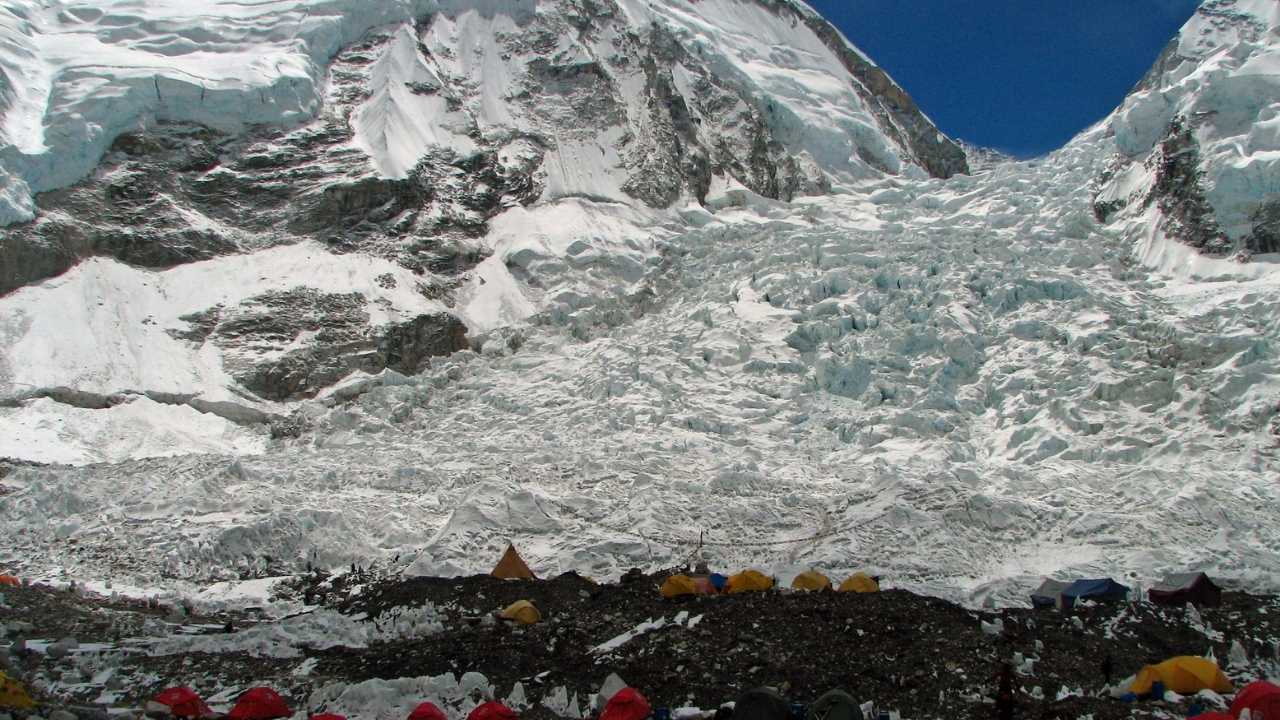
Practice Walking Regularly: You should take your child on walks several times each week. You should start with short walks and slowly make them longer. If it is possible, then practice on hills because the Everest trail has many uphill and downhill paths. This helps to build strength and confidence.
-
Visit a Doctor Before the Trek: A health check-up is a smart idea before travelling. You should ask the doctor if your child is healthy enough for high altitude trekking. This gives parents peace of mind before the journey.
-
Pack the Right Clothing: You should bring warm layers, a waterproof jacket, gloves, a warm hat, good trekking boots, warm socks, sunglasses, sunscreen, and a sleeping bag. The weather changes quickly in the mountains, so proper clothing keeps children safe and comfortable.
-
Teach Healthy Habits: Encourage your child to drink plenty of water, eat healthy meals, and sleep well before and during the trek. These simple habits help the body to adjust to high altitude.
-
Choose a Slow Itinerary: Plan enough rest days at Namche Bazaar and Dingboche. A slow schedule gives children time to adjust to the thinner air. You should never rush because safety is always more important than reaching Everest Base Camp. An experienced guide can also help your family to make good decisions during the trek.
With good preparation, your children can enjoy the Everest Base Camp trek with smiles and confidence. You should practice before the trip, pack wisely, follow healthy habits, and walk slowly every day. Always listen to your child, take breaks when needed, and always put safety first. Your careful planning helps your family to create wonderful mountain memories that will stay in your heart for many years.
Family-Friendly Everest Base Camp Itinerary
Many trekking companies recommend a 19-day family itinerary because children need more time to adjust to high altitude. The extra days include shorter walks, more rest, and gradual climbing, which makes the journey safer and more enjoyable for young trekkers.
-
Day 1: Arrive in Kathmandu (1,400 meters).
-
Day 2: Explore Kathmandu valley and prepare for the trek.
-
Day 3: Fly to Lukla (2,860 meters), then trek to Phakding (2,610 meters). It is about 8km from Lukla and takes 3-4 hours.
-
Day 4: Trek from Phakding to Jorsale (2,740 meters). The distance is about 7 km, and it takes 4-5 hours.
-
Day 5: Trek to Namche Bazaar (3,440 meters) from Jorsale. The distance is about 6km and takes 4-5 hours.
-
Day 6: Acclimatization Day at Namche Bazaar with a hike to Everest View Hotel.
-
Day 7: Trek from Namche Bazaar to Tengboche (3,860meters). The distance is about 10 km, and it takes 5-6 hours.
-
Day 8: Tengboche to Pangboche (3,985 meters). The distance is about 5km and takes 2-3 hours.
-
Day 9: Pangboche to Dingboche (4,410 meters). The distance is about 6km and takes 3-4 hours.
-
Day 10: Acclimatization day at Dingboche with a hike to Nangkartshang Peak.
-
Day 11: Trek from Dingboche to Thukla (4,620 meters). The distance is about 4km and takes 2-3 hours.
-
Day 12: Trek to Lobuche (4,910 meters). The distance is about 4km and takes 2-3 hours.
-
Day 13: Trek to Gorakshep (5,164 meters) from Lobuche, then visit Everest Base Camp (5,364 meters), then return to Gorakshep. The walking distance is about 15 km, and it takes 7-8 hours.
-
Day 14: Hike to Kala Patthar (5,550 meters), then descend to Pheriche (4,230 meters).
-
Day 15: Pheriche to Phortse (3,840 meters)
-
Day 16: Phortse to Khumjung (3,790 meters)
-
Day 17: Khumjung to Monjo (2,835 meters)
-
Day 18: Monjo to Lukla (2,860 meters)
-
Day 19: Fly back to Kathmandu
This longer itinerary spreads the climbing over more days, including two acclimatization days and shorter trekking stages with extra village stops. These changes help children to adjust to the thinner air, reduce tiredness, and make the Everest Base Camp trek safer and more comfortable for the whole family.
Another Comfortable Option for Families and Senior Trekkers
The 19-day itinerary above is not the only way to approach Everest Base Camp with your family. If you prefer a well-established itinerary with a comfortable pace, you can also consider our standard Everest Base Camp Trekking package.
This itinerary can be suitable for families with older children, travelers who prefer a more conventional trekking schedule, and senior trekkers who are comfortable with the physical demands of high-altitude trekking. The best itinerary ultimately depends on the age and trekking experience of the children, overall fitness, previous altitude experience, and how much time your family has available.
If you are traveling with younger children or would simply prefer more time to acclimatize, the 19-day customized itinerary above provides a slower alternative. For families with older children or travelers looking for a more streamlined itinerary, our regular Everest Base Camp Trekking package may be a better fit.
Packing List for Kids for Everest Base Camp Trek
Packing well is one of the best ways to help your child enjoy the Everest Base Camp trek. The weather in the Himalayas can change many times in one day. It may be warm during the afternoon but very cold in the morning and at night. Children can also get tired more quickly if they are too cold, too hot, or carrying heavy bags. Parents should pack only useful items and make sure everything fits properly before the trip. A good packing list helps children to stay warm, dry, healthy, and comfortable from the first until they return home.
-
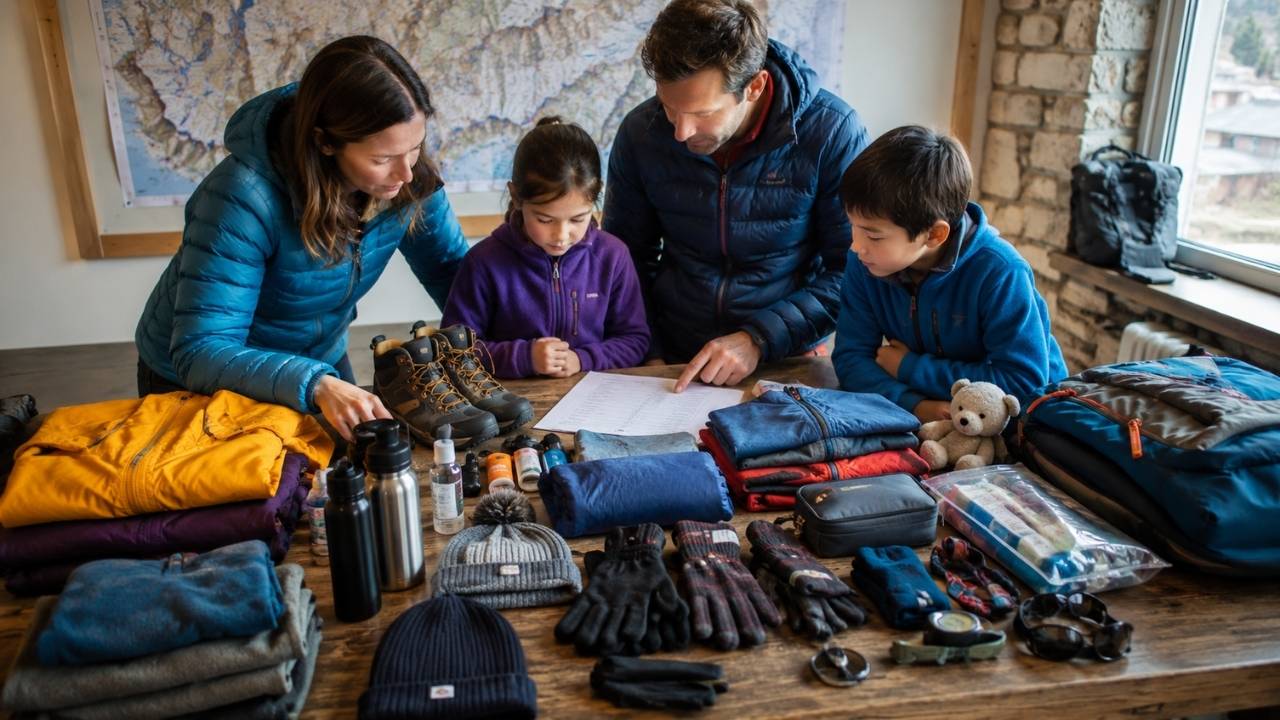
Warm Clothing: Dress your child in layers instead of one thick jacket. You should pack thermal clothes, a fleece jacket, a warm down jacket, a waterproof jacket, warm trekking pants, gloves, a wool hat, a neckwarmer, and several pairs of warm socks. Layers help children to stay comfortable because they can easily add or remove clothing as the weather changes during the day.
-
Comfortable Footwear: Choose sturdy trekking boots with good ankle support. Boots should fit well and be worn for several weeks before the trek to prevent blisters. You should pack light sandals or camp shoes for evenings in the tea houses so your child can rest their feet after a long day of walking.
-
Sleeping and Personal Care: You should carry a warm sleeping bag suitable for cold mountain nights. Pack sunglasses, sunscreen, lip balm and a sun hat because the sun is very strong at high altitude. These simple items protect your child's skin, lips and eyes during the trek.
-
Water, Food and Health Items: Carry a reusable water bottle or insulated bottle and remind your children to drink water often. You should also pack healthy snacks such as dried fruits, nuts, biscuits, or energy bars for extra energy. Bring personal medicines, a first aid kit, hand sanitizer, tissues, and wet wipes to handle small health needs on the trail.
-
Small Comfort Items: You should carry your child's favorite toy, story book, notebook, colored pencils, playing cards, camera, or binoculars, which can make the trek more enjoyable. These small items help children to relax in the evenings, stay entertained during bread and create happy memories throughout the Everest Base Camp adventure.
A smart packing list makes family trekking easier and safer. You should check every item before leaving home and let your child help with packing. Keep your backpack light and carry only what is truly needed. With the right clothing, useful gear, healthy snacks, and a few comfort items, your children can enjoy the Everest Base Camp adventure with confidence and return home with wonderful memories.
Challenges of Trekking to Everest Base Camp with Kids
Taking children to Everest Base Camp is an exciting adventure, but it also brings some challenges together. Parents should understand these challenges before starting the trek. When you know what to expect, it becomes much easier to solve problems and keep your family safe. The good news is that most challenges can be managed with careful planning, a slow itinerary, and good teamwork. Every family is different, so you should always listen to your child and adjust your plans when needed.
-
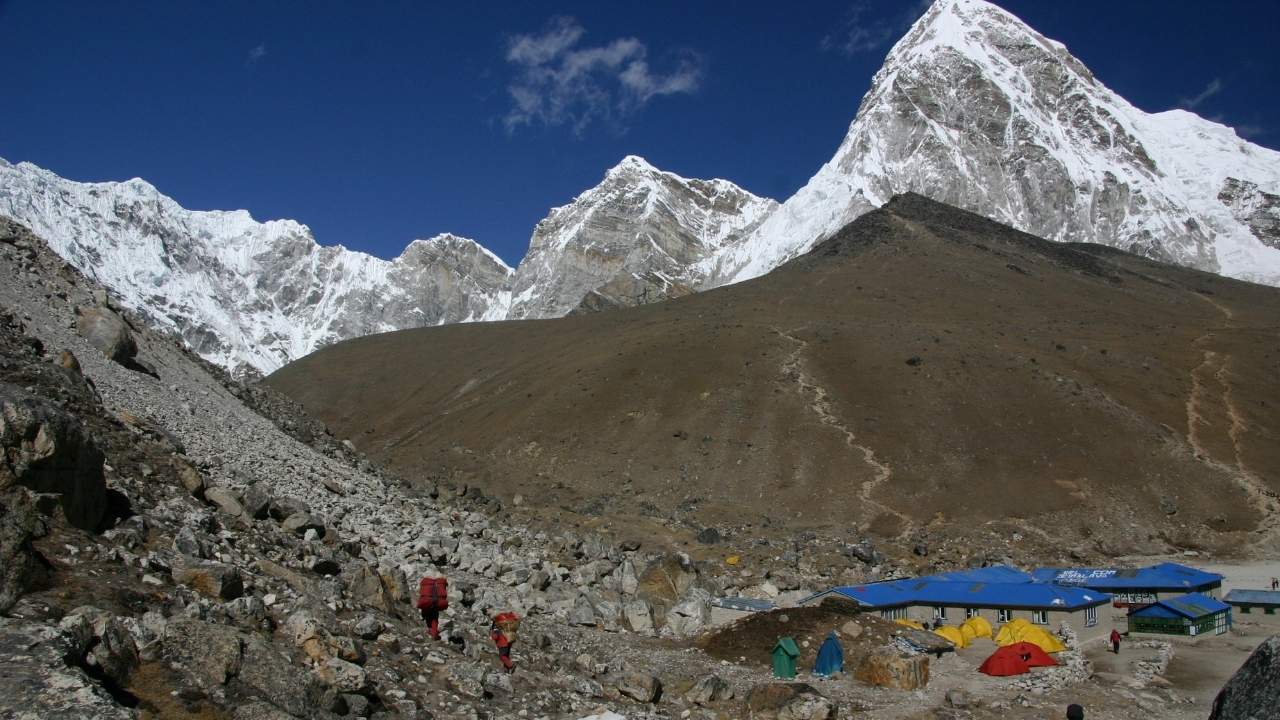
High Altitude: The biggest challenge is high altitude. As you climb higher, the air has less oxygen. Children may get headaches, feel tired, lose their appetite, or have trouble sleeping. You should walk slowly, take acclimatization days at Namche Bazaar and Dingboche, drink plenty of water, and go to a lower altitude if your child feels worse.
-
Long Walking Days: Some trekking days are long. They can make children feel tired. You should plan plenty of short breaks for snacks, drinks, and photos. You should encourage children with kind words instead of rushing them. A slower pace helps them to enjoy the journey and saves energy for the next day.
-
Cold Weather: Mountain weather changes quickly. It can be sunny one moment and cold or snowy the next. Dress your child in warm layers, waterproof clothing, gloves and a warm hat. You should change wet clothes as soon as possible to keep them warm and comfortable.
-
Simple Food and Limited Comfort: Tea houses serve healthy but simple meals such as rice, noodles, soup, potatoes, eggs, and porridge. Some children may miss their favorite foods. Pack healthy snacks from home and encourage them to drink enough water every day.
-
Staying Positive: Children may feel bored or miss home during the trek. You should talk with them, play simple games, and celebrate small achievements each day. A positive attitude makes the adventure more enjoyable for everyone.
With good planning, patience, and care, families can overcome these challenges. Always put your child's health before reaching Everest Base Camp. Safe choices, extra rest, and happy moments together will help your family to create unforgettable memories in the beautiful Himalayas.