
Yes, you can handle the Manaslu Circuit even if you have never trekked above 3,000 meters before. Previous high-altitude trekking experience can certainly make you more familiar with the challenges of thin air, long walking days, and changing mountain conditions, but it is not a requirement for completing the trek. What matters more is how well you prepare for the demands of the journey.
The Manaslu Circuit is a gradual journey into higher elevations rather than a sudden jump into extreme altitude. You begin in the lower valleys and gain elevation progressively as you move toward the Tibetan borderlands, giving your body time to adjust along the way. The biggest challenge comes toward the end of the trek, when the route crosses Larke La Pass at 5,106 meters.
That does not mean you need to have previously trekked at 5,000 meters. You do, however, need to take acclimatization seriously, maintain a steady pace, prepare your body for several hours of walking each day, and listen to your guide and your body as the altitude increases. So, if Manaslu would be your first trek above 3,000 meters, the answer is yes, but preparation matters more than previous altitude experience. The trek is demanding, but being a first-time high-altitude trekker does not automatically make it too difficult for you.
Can Manaslu Circuit Be Your First Trek Above 3,000 Meters?
Yes, the Manaslu Circuit can be your first trek above 3,000 meters, even if you have never trekked at 4,000 meters or higher. Previous high-altitude experience is useful, but it is not a prerequisite. What you cannot skip is proper preparation, gradual acclimatization, and a realistic understanding of what the trek demands.
Manaslu is different from a typical low-altitude hike because the challenge changes as you move deeper into the mountains. The trail begins in much lower valleys and gradually climbs through increasingly high and remote terrain before reaching the Larke La Pass at 5,106 meters. At these elevations, the thinner air affects everyone, regardless of how fit they are. Nepal Tourism Board advises trekkers to be alert to acute mountain sickness above 2,500 meters and recommends gradual ascent, controlled increases in sleeping altitude, and rest during the ascent.
This is why being physically fit does not automatically mean you will handle altitude well. Fitness can help you cope with long walking days, steep climbs, and fatigue, but your body's response to reduced oxygen at altitude is a separate issue. Someone who regularly runs or hikes can still develop altitude sickness if they ascend too quickly, while a less experienced trekker may adapt well when given enough time.
The itinerary therefore matters as much as your fitness. A well-paced Manaslu itinerary gives your body time to adjust instead of treating every day as a race toward the pass. Once you are above 3,000 meters, the Himalayan Rescue Association recommends keeping increases in sleeping altitude relatively gradual and allowing time for acclimatization.
So, Manaslu does not require you to arrive with a history of high-altitude trekking; it requires you to approach high altitude responsibly. If you are reasonably fit, have some experience with long-distance walking or hiking, allow sufficient time for acclimatization, and follow an appropriate itinerary, the lack of previous experience above 3,000 meters alone is not a reason to rule out the Manaslu Circuit.
What Makes Manaslu Circuit Difficult for First-Time High-Altitude Trekkers?
The Manaslu Circuit is not difficult simply because it is a high-altitude trek. Its difficulty comes from several challenges building on top of each other: the steady gain in elevation, long days on rugged trails, the crossing of Larke La Pass at 5,106 meters, changing mountain weather, and the remoteness of the route. For someone who has never trekked above 3,000 meters, understanding these factors is more useful than simply being told that Manaslu is “hard.”
The Gradual but Significant Increase in Elevation
One of the unusual things about the Manaslu Circuit is how dramatically the environment changes as you move along the route. You start trekking through the lower Budhi Gandaki Valley at relatively low elevation, where the landscape is warmer and greener. As the trail climbs toward Namrung, Lho, and Samagaon, the valley becomes increasingly alpine, and the air becomes noticeably thinner.
The elevation gain is gradual overall, but that does not mean it is effortless. Once you move above 3,000 meters, altitude begins to influence how your body performs. Walking at the same pace can feel harder, recovery can take longer, and even simple uphill sections require more effort than they would at lower elevations. Nepal Tourism Board considers altitude sickness a concern above 2,500 meters and emphasizes gradual ascent and acclimatization.
This is particularly important for first-time high-altitude trekkers. You are not expected to be accustomed to 4,000 or 5,000 meters before starting Manaslu. Instead, the trek gives you a progressive transition from lower elevations toward the high mountains. The mistake would be treating those early days as something to rush through simply because the altitude does not feel difficult yet.
Larke La Pass at 5,106 Meters
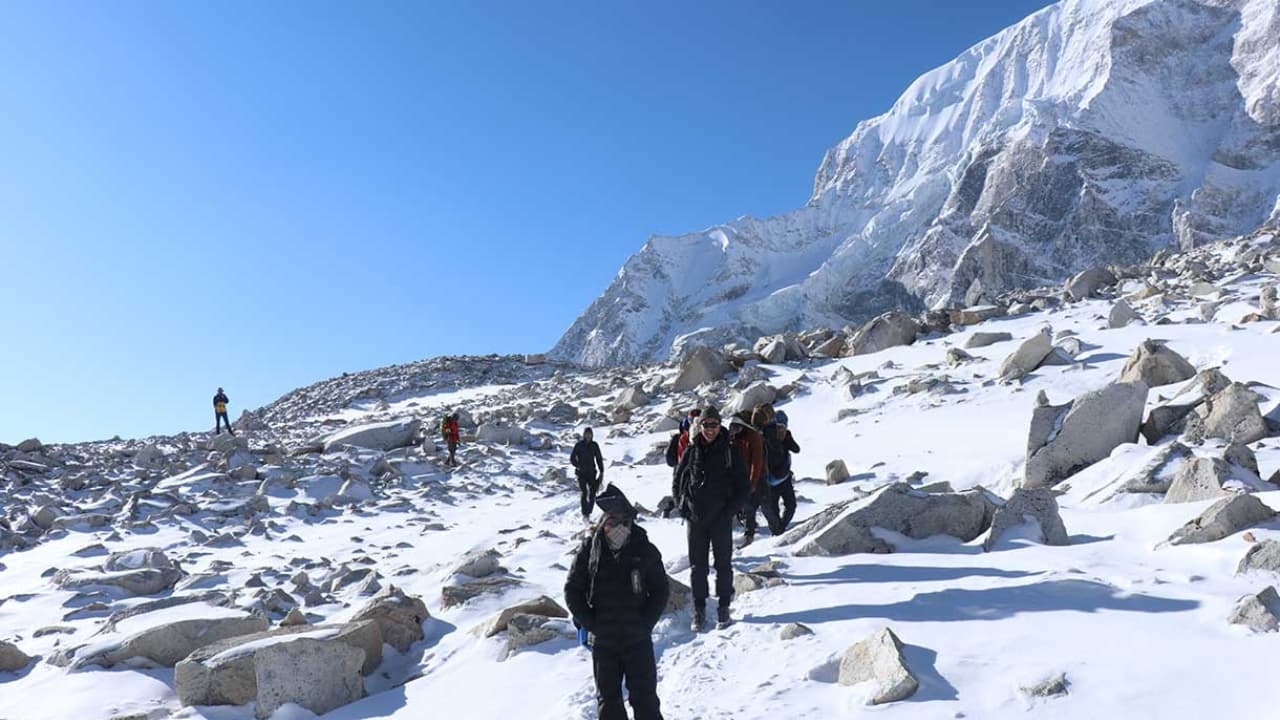
Larke La is where the different challenges of the Manaslu Circuit come together. At 5,106 meters, it is the highest point of the standard circuit and the defining physical challenge of the trek. The pass itself does not normally require technical climbing skills, but reaching it requires a long ascent from the high camp area followed by an equally demanding descent toward Bimthang.
Route itineraries commonly allow around 8 to10 hours for the crossing, although the exact duration varies with weather, trail conditions, pace, and individual fitness. The day generally begins very early, often before sunrise. Starting in the dark allows trekkers to make progress during the colder but generally more stable morning hours and leaves sufficient time for the pass crossing and long descent before conditions deteriorate later in the day.
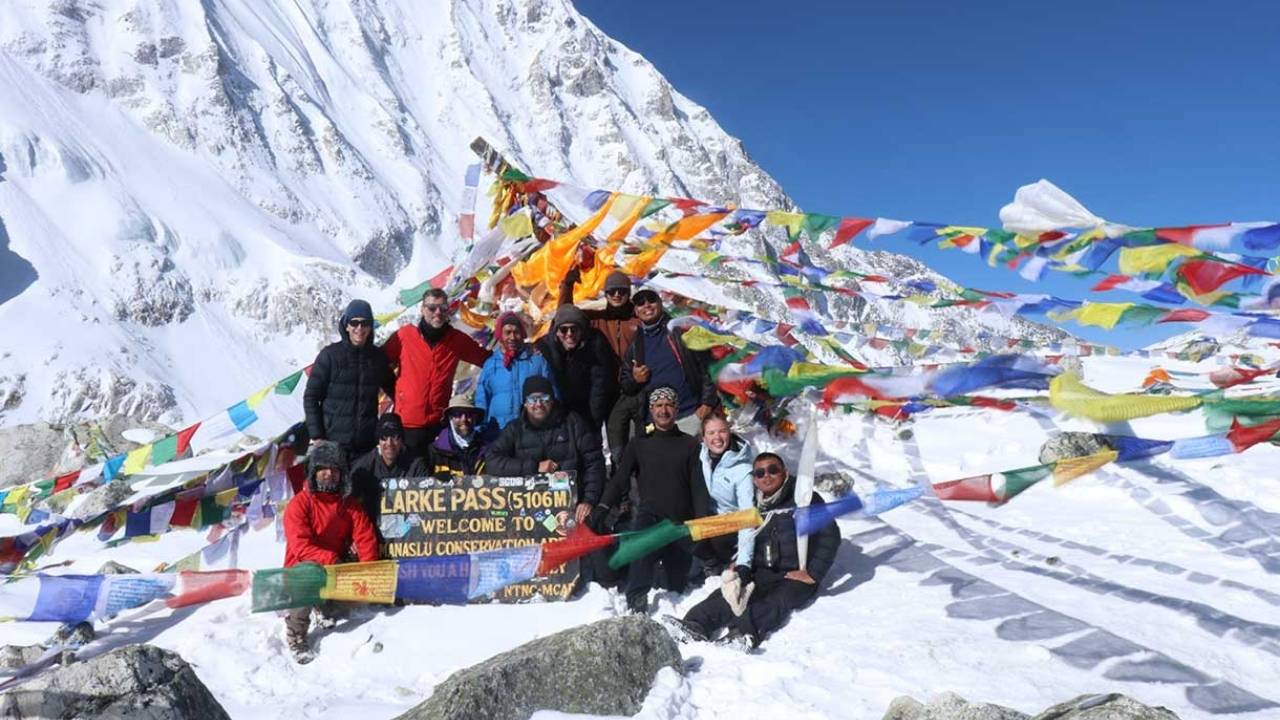
At this altitude, cold, wind, snow, and ice can make the crossing substantially more difficult. Conditions vary by season and year; a clear autumn crossing can look very different from a pass covered in fresh snow. Winter and early spring can bring significantly more snow and ice, while even during the main trekking seasons, conditions at the pass can change quickly. The descent is another part that first-time trekkers sometimes underestimate. Reaching the top does not mean the hard work is over.
After spending hours climbing at high altitude, you still have a long downhill section ahead of you. Descending on tired legs can be demanding on the knees and requires concentration, particularly when the trail is icy, snowy, or uneven. That combination makes Larke La physically and mentally demanding. You need enough endurance to keep moving for most of the day, enough patience not to rush the ascent, and enough mental discipline to maintain your pace when the altitude and cold begin to wear you down.
Long Trekking Days and Cumulative Fatigue
The Manaslu Circuit is a multi-day trek, so difficulty is not measured by one steep climb. It is also about what happens when you wake up the next morning and have to walk again.
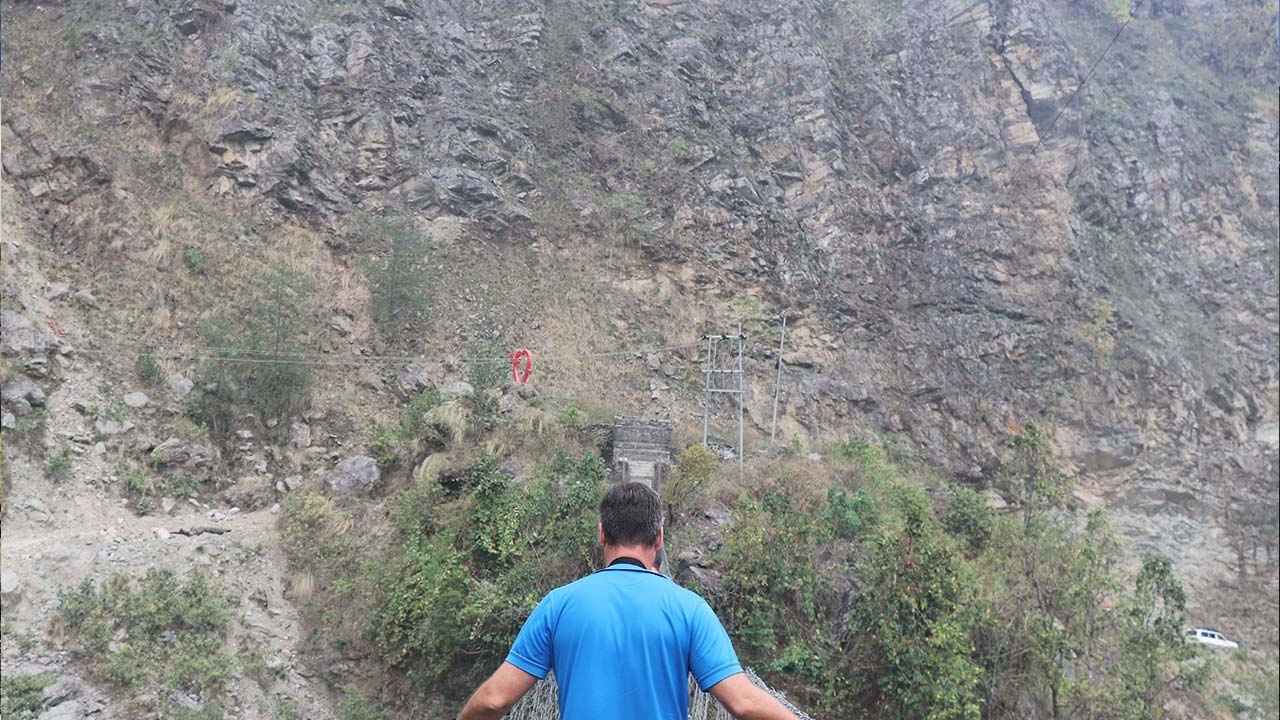
Most trekking days involve roughly 5 to 8 hours of walking, although some days are shorter and the Larke La crossing can be considerably longer. The trail itself is varied, with steep climbs, descents, stone sections, suspension bridges, narrow valley paths, and uneven mountain terrain.
For a first-time high-altitude trekker, cumulative fatigue can become more important than any individual section of trail. Your legs may feel tired after several days, while higher elevations can make recovery slower. This is why someone who can comfortably complete a long day hike at home may still find a two-week Himalayan trek challenging.
The solution is not necessarily to become exceptionally strong before the trek. It is to develop endurance. Training should prepare you to walk for several hours, recover overnight, and do it again the following day. That is much closer to the physical demand of Manaslu than simply being able to run a fast 5K or lift heavy weights in a gym.
The Remote Mountain Environment
Remoteness is another reason Manaslu can feel more demanding than a standard trekking route. As you move deeper into the circuit, settlements become smaller, and facilities become more basic, particularly at higher elevations. Accommodation is generally in teahouses or lodges, but comfort and services cannot be compared with those available in cities or developed trekking hubs.
Medical access is also limited compared with lower and more developed trekking areas. If a serious problem occurs, evacuation can be complicated by the terrain and weather, and helicopter access is dependent on suitable flying conditions. This is one reason why altitude symptoms and other health problems should be taken seriously rather than assuming that help is always nearby.
Weather adds another layer of uncertainty. Mountain conditions can change quickly, and temperatures drop significantly with elevation. Nepal Tourism Board notes that temperatures in Nepal generally decrease by around 6°C for every 1,000 meters of elevation gain, although actual conditions vary by location and season.
Communication and transportation are also less reliable than in heavily developed trekking regions. You should therefore approach Manaslu with the expectation that the mountain environment itself is part of the challenge. The limited infrastructure is part of what makes the route remote and rewarding, but it also means you need to be more self-sufficient and better prepared.
Altitude Is the Main Concern, Not Technical Climbing
There is an important distinction between high-altitude trekking and technical mountaineering. The standard Manaslu Circuit does not require you to climb a mountain summit using ropes, ice axes, or advanced mountaineering techniques. The challenge is primarily walking for long periods through demanding terrain while gradually adapting to increasingly high elevations.
The Larke La crossing can involve snow and ice depending on conditions, but in normal trekking conditions it is a pass crossing rather than a technical climbing route. For first-time high-altitude trekkers, this distinction matters. You do not need to arrive with mountaineering experience. You need the ability to walk for several hours, manage fatigue, tolerate cold and changing weather, and recognize when your body is not responding well to altitude.
Most importantly, physical fitness does not make you immune to altitude sickness. Fitness helps you handle the physical workload, but altitude adaptation is a separate process. Even an extremely fit person can develop altitude sickness if they ascend too quickly, while a reasonably fit trekker with a properly paced itinerary may acclimatize well. That is why Manaslu should not be approached as a race to reach Larke La.
The objective is to arrive at the pass after giving your body enough time to adapt, rather than trying to compensate for a lack of altitude experience with fitness alone. For someone attempting their first trek above 3,000 meters, this is the key point to remember: Manaslu is demanding, but its difficulty is manageable when you prepare for the actual challenges altitude, endurance, terrain, weather, and remoteness instead of worrying only about your lack of previous high-altitude experience.
What Kind of Trekker Is a Good Candidate for Manaslu?
You do not need to be an experienced mountaineer or someone who has already completed several high-altitude treks to be a good candidate for the Manaslu Circuit. A better way to judge your readiness is to look at how well you can handle the physical, mental, and practical demands of a long trek in a remote mountain environment. If you are wondering, “Am I actually ready for Manaslu?”, use the checklist below as a realistic starting point.
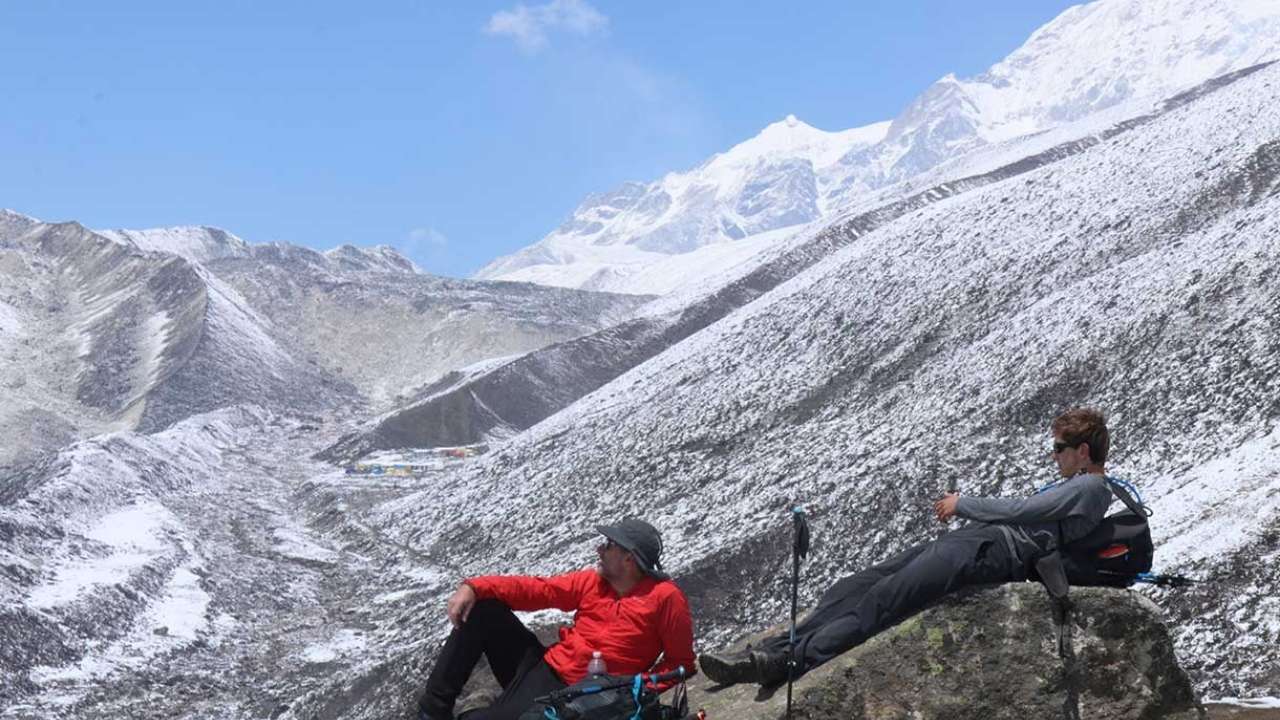
You May Be Ready for Manaslu If You Can:
-
Walk for 5 to 8 Hours in a Day: You should be reasonably comfortable spending most of a day on your feet. You do not need to walk continuously for eight hours without breaks, but several hours of trekking should be within your normal physical capacity.
-
Handle Several Consecutive Trekking Days: Manaslu is not a single difficult hike followed by several rest days. You will be walking repeatedly over many days, so your body needs to recover well enough to continue the following morning.
-
Walk Uphill for Extended Periods: The route contains substantial elevation gain and loss. Being comfortable with sustained uphill walking is more useful than simply being able to walk long distances on flat ground.
-
Train Consistently Before the Trek: You should build your endurance before arriving in Nepal rather than expecting the trek itself to become your training program. Regular walking, hiking, stair climbing, and cardiovascular exercise can help prepare you for the demands of the route.
-
Follow a Gradual Itinerary: A good candidate understands that reaching Larke La as quickly as possible is not the goal. You need to be willing to follow an itinerary that allows your body time to adapt to increasing elevation.
-
Accept Basic Mountain Accommodation: Higher sections of the Manaslu Circuit have limited facilities. Teahouses provide essential accommodation and meals, but you should not expect the comfort, heating, bathrooms, or services you would find in a city hotel.
-
Walk in Cold and Changing Weather: Mountain weather can change quickly, particularly at higher elevations. You should be prepared to walk in cold, wind, rain, snow, or changing trail conditions depending on the season.
-
Follow Your Guide's Altitude Advice: This is particularly important for first-time high-altitude trekkers. If your guide recommends slowing down, resting, drinking more, adjusting the itinerary, or descending because of concerning symptoms, you need to take that advice seriously.
You May Need More Preparation If:
-
You Rarely Exercise: If regular physical activity is not currently part of your routine, give yourself time to build endurance before attempting Manaslu.
-
You Have Very Little Hiking Experience: This does not automatically rule you out, but doing several shorter hikes before the trek can help you understand how your body handles elevation gain, uneven terrain, and long days on your feet.
-
You Struggle With Long Walking Days: If several hours of walking already leaves you exhausted, the consecutive trekking days of Manaslu may be particularly demanding. Building your walking endurance beforehand can make a significant difference.
-
You Want to Complete the Trek as Quickly as Possible: Manaslu is not a trek where rushing is a smart strategy. Trying to shorten the itinerary or push through difficult days can increase fatigue and make altitude adaptation more difficult.
-
You Are Uncomfortable With Remote Mountain Conditions: The Manaslu region becomes increasingly remote as you progress toward the high mountains. If limited facilities, basic accommodation, changing weather, and limited access to transportation make you uncomfortable, you should understand these conditions before committing to the trek.
So, Are You a Good Candidate?
If you can already manage long walks, are willing to train consistently, have enough time for a properly paced itinerary, and are comfortable with basic mountain conditions, you can be a good candidate for the Manaslu Circuit even without previous high-altitude trekking experience.
You do not need to tick every box perfectly before starting. The purpose of this checklist is to identify where you need preparation, not to create an arbitrary fitness test. Someone who has never crossed 3,000 meters but regularly hikes and trains can be better prepared for Manaslu than someone with previous altitude experience who has done little physical preparation.
The biggest red flags are a lack of basic endurance, an unwillingness to acclimatize gradually, and underestimating the remoteness of the route. If those areas describe you now, they are reasons to prepare more, not necessarily reasons to abandon the trek.
How to Make Manaslu Circuit Easier for Your First High-Altitude Trek
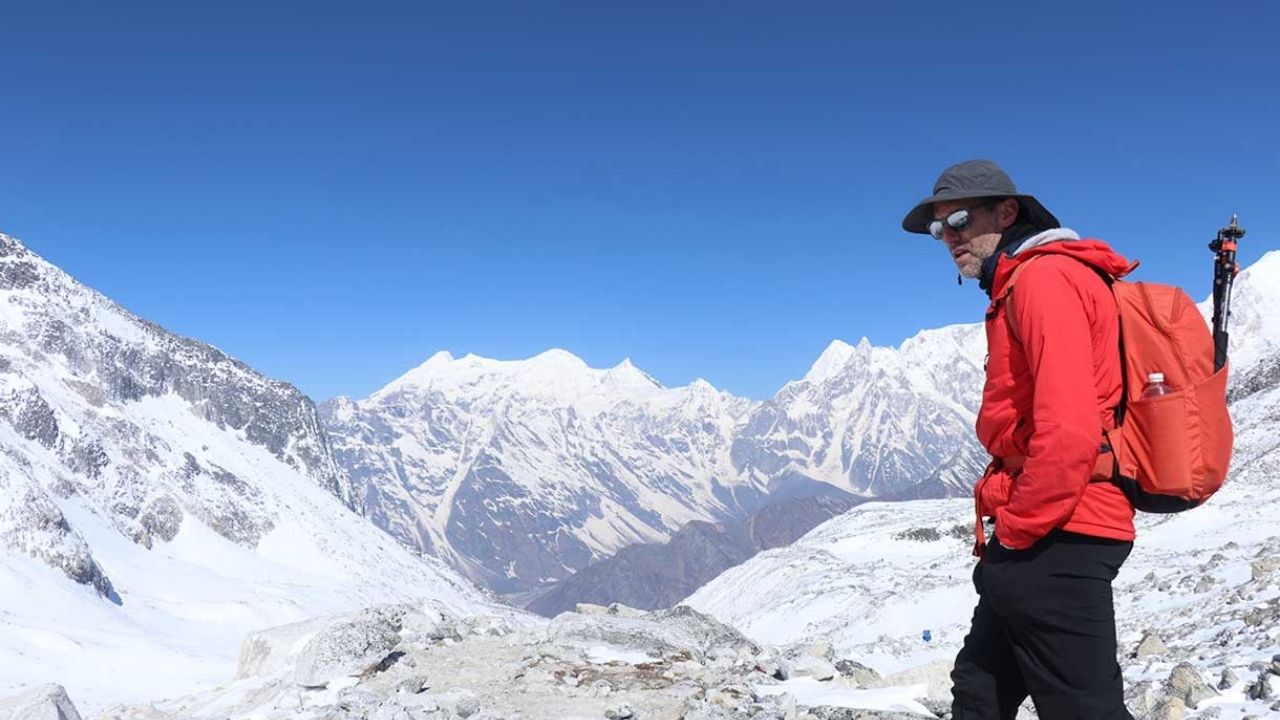
If Manaslu will be your first trek above 3,000 meters, you do not need to eliminate the difficulty; you need to prepare for it. Most of the challenges can be managed more comfortably when you give yourself enough time, follow a sensible itinerary, and respect the conditions of the mountain.
-
Choose a Properly Paced Itinerary: Do not choose an itinerary simply because it is the shortest or cheapest option. A well-planned itinerary should allow a gradual increase in sleeping altitude and include appropriate acclimatization time before the Larke La crossing. Giving your body time to adjust is particularly important when you have no previous high-altitude experience.
-
Train Before You Arrive: Build your endurance several weeks or months before the trek. Regular walking, uphill hiking, stair climbing, and cardiovascular training are more useful than trying to become exceptionally strong in the gym. Include longer walks and, as you get closer to the trek, occasional back-to-back hiking days so your body becomes accustomed to working while tired.
-
Keep Your Backpack Light: You will already be dealing with long walking days, steep sections, and reduced oxygen at higher elevations. Carrying unnecessary weight only adds to the workload. Pack what you genuinely need and use a porter if your trekking arrangement includes one.
-
Pace Yourself: You should not try to match the fastest person in your group. A sustainable pace is more valuable than speed on Manaslu. Walk slowly enough that you can maintain a steady rhythm, especially as the altitude increases.
-
Stay Hydrated and Eat Properly: You need enough fluids and calories to support several consecutive days of physical activity. Appetite can decrease at higher elevations, but that does not mean your body needs less energy. Eat regular meals, drink throughout the day, and avoid allowing dehydration or inadequate food intake to compound the effects of altitude and fatigue.
-
Take Acclimatization Seriously: An acclimatization day is not a wasted day. It gives your body additional time to adapt before you climb higher. Use these days for short hikes and exploration rather than treating them as opportunities to push farther up the mountain simply because you feel good.
-
Listen to Your Body: Do not ignore persistent headache, nausea, dizziness, unusual fatigue, difficulty walking normally, or other symptoms that could indicate altitude illness. Feeling strong and fit does not make you immune to altitude problems. If symptoms worsen, inform your guide immediately and follow appropriate medical advice.
-
Use a Licensed Guide: For a remote high-altitude trek such as Manaslu, experienced local support is valuable. A licensed guide can help you judge your pace, recognize changing conditions, manage the itinerary, and respond appropriately when altitude or weather becomes a concern.
-
Choose the Right Season and Keep Buffer Days: Good trekking conditions make the route considerably more manageable, while heavy snow, poor visibility, or unstable weather can make high passes more challenging. Your itinerary should also include some flexibility for weather, illness, or unexpected delays. A buffer day can be far more useful than an itinerary that leaves no room for change.
Should You Choose Manaslu Circuit as Your First High-Altitude Trek?
For a reasonably fit person who is comfortable with long days of walking, willing to train beforehand, and prepared to spend several days in a remote mountain environment, Manaslu Circuit can absolutely be a first high-altitude trek. You do not need to have previously trekked above 4,000 meters or crossed a Himalayan pass. What you need is enough preparation and enough time to allow your body to adapt.
The situation is different if you are completely new to multi-day trekking, rarely exercise, struggle with several hours of continuous walking, or expect a comfortable and highly serviced mountain holiday. In that case, starting with a shorter or lower-altitude trek may be a better introduction. Ghorepani Poon Hill or Langtang Valley, for example, can give you experience with multi-day Himalayan trekking before taking on the greater altitude and remoteness of Manaslu. Everest Base Camp can also be considered, but it remains a high-altitude trek in its own right and should not be treated as an easy alternative simply because it is more popular.
Ultimately, your previous altitude experience should not be the deciding factor. Your preparation, fitness, itinerary, acclimatization, and attitude toward the mountain matter much more. If you have never been above 3,000 meters, that does not mean Manaslu is beyond your reach. It simply means you should approach the trek knowing that altitude is something you need to adapt to, not something you can train away.
Prepare properly, take the ascent seriously, and give yourself enough time, and Manaslu can be a realistic first journey into the high Himalayas.