

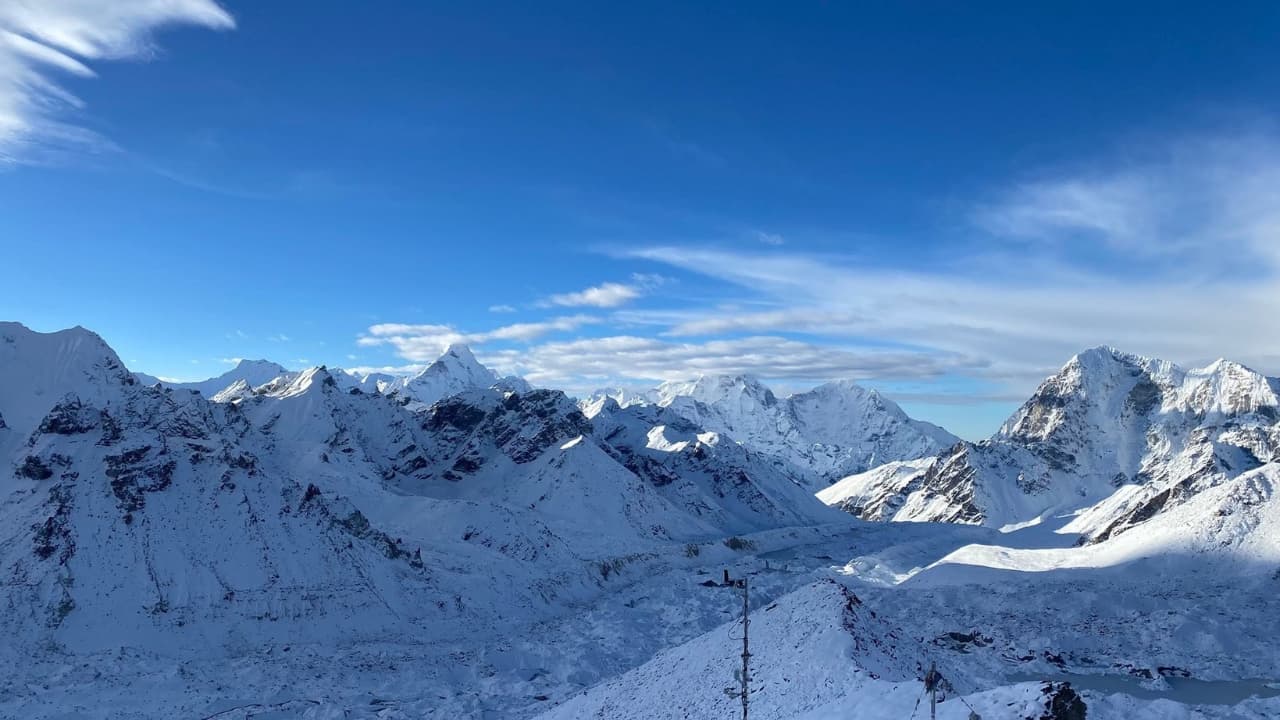
Many people dream of reaching Everest Base Camp, but one question comes up mostly: how fit do you actually need to be? Some people think only athletes can complete the trek, while others believe anyone can do it without training. The truth is somewhere in the middle. You do not need to run marathons, climb mountains every weekend, or spend hours in the gym. However, you do need a reasonable level of fitness to enjoy the journey and handle several days of walking in the Himalayas.
The Everest Base Camp Trek covers about 130 kilometers (80 miles) round-trip. It usually takes 12 to 14 days to complete. Trekkers walk for around 5 to 7 hours on most days, often on rocky trails, steep steps, and uneven ground. The route also reaches an altitude of 5,364 meters (17,598 feet) at Everest Base Camp and 5,550 meters (18,208 feet) at Kala Patthar. At these heights, the air contains much less oxygen than at sea level, making every step feel harder than normal.
The good news is that thousands of ordinary people complete the trek every year. Many of them are first-time trekkers without any special sports background. What helps them to succeed is not extreme strength or speed but steady endurance, good preparation, and the ability to walk comfortably for several hours each day. Building fitness before the trek can make the experience safe, easy, and far more enjoyable. It also helps to reduce fatigue and lowers the risk of injuries on the trail.
In this article, you will learn exactly what kind of fitness you actually need for EBC. We will look at endurance, cardiovascular fitness, leg strength, hiking practice, altitude challenges, and practical training methods. Whether you are an experienced hiker or a complete beginner, understanding the right type of fitness will help you to prepare with confidence and get the most from one of the world's most famous trekking adventures.
How Fit Do You Need to Be for the Everest Base Camp Trek?
One of the biggest misunderstandings about the Everest Base Camp Trek is that you need to be extremely fit to complete it. Many people imagine that only professional hikers, runners, or mountain climbers can reach Everest Base Camp. In reality, the trek is challenging, but it does not require elite-level fitness. Every year, people of different ages and backgrounds complete the journey. Some are experienced trekkers, while others are taking part in their first mountain adventure. The key requirement is having enough fitness to walk for several hours a day over many consecutive days.
The Everest Base Camp Trek is not a race. You do not need to move fast to succeed. In fact, walking slowly is often better, especially at higher elevations where the air becomes thinner. Most trekking days involve walking between 5 and 7 hours at a comfortable pace. Some days include long uphill climbs, rocky trails, suspension bridges,s and stone steps. Because the trek lasts nearly two weeks, your body needs the endurance to keep moving day after day. Being able to walk steadily without becoming exhausted is far more important than being fast or strong.
Another important thing to understand is that fitness and altitude are not the same. A very fit person can still struggle with high altitude, while someone with average fitness may adapt well and complete the trek successfully. This is why acclimatization days are included in most itineraries. These rest days allow the body to adjust to lower oxygen levels. Good fitness helps you to recover more quickly after walking, but it can not completely prevent altitude-related problems. Proper pacing, hydration, and acclimatization remain essential for everyone.
A good way to judge your readiness is to ask whether you can comfortably walk for several hours, climb hills or stairs without major difficulty, and stay active on consecutive days. If you can do these things, you already have a solid foundation. With a few weeks of focused training, most healthy people can improve their trekking fitness significantly. The goal is to build enough endurance, strength, and confidence to enjoy the experience, mountain views, and reach Everest Base Camp safely and comfortably. To plan your trek at the right time of year, read our guide on the best time of year for Everest Base Camp Trek.
Once you feel confident about your fitness, you can explore our Cheap Everest Base Camp Trek package designed for budget-conscious trekkers.
Why Endurance Is More Important Than Athletic Ability on the EBC Trek?
When people think about preparing for the Everest Base Camp Trek, they often imagine intense gym sessions, long runs, or difficult workout plans. While strength and fitness are helpful, endurance is the quality that matters most on the trail. Endurance is the ability to stay active for a long period without becoming overly tired. During the trek, you will not be running or competing against anyone. Instead, you will spend many hours walking at a steady pace through valleys, forests, villages, and mountain trails. Because of this, having good stamina is usually far more important than being fast, powerful, or naturally athletic.
A typical day on the Everest Base Camp Trek involves walking for five to seven hours, sometimes even longer, depending on the route and weather conditions. The trail includes uphill climbs, downhill sections, rocky paths, and countless stone steps. While none of these challenges require special athletic skills, they require the ability to keep moving comfortably throughout the day. Trekkers with strong endurance can maintain a steady pace, use their energy wisely, and arrive at their destination feeling less exhausted. They are also more likely to recover well overnight and be ready for the next day of trekking.
Another reason endurance is so important is due to the effect of altitude. As you gain elevation, the air becomes thinner and contains less oxygen. This makes physical activity feel more difficult than it would in lower elevations. Even a gentle uphill section can leave trekkers
breathing heavily. People with good endurance are often better prepared for these conditions because their bodies are used to working for extended periods. They can manage long days more comfortably, maintain a consistent pace, and handle physical fatigue more effectively throughout the trek.
The good news is that endurance can be improved by almost everyone. Regular walking, hiking, cycling, swimming, or light jogging can gradually build stamina over time. The goal is not to become an elite athlete but to prepare your body for several days of continuous activity. With consistent trekking and realistic expectations, endurance can make the Everest Base Camp Trek feel much more enjoyable, helping you focus on the experience, the scenery, and the achievement rather than constant exhaustion. You can also check the daily trekking distance on EBC to better understand what to expect each day.
Cardiovascular Fitness for Everest Base Camp: Training Your Heart and Lungs
Cardiovascular fitness is one of the most important parts of preparing for the Everest Base Camp Trek. It refers to how efficiently your heart and lungs work together to supply oxygen to your muscles during physical activity. When your cardiovascular fitness is good, you can walk longer distances, climb hills more comfortably, and recover more quickly after exercise. Since the EBC Trek involves many hours of walking every day, having a strong cardiovascular system can make the journey feel much easier and more enjoyable.
The Everest Base Camp route includes many uphill and downhill sections that require steady effort. As the trail gains elevation, the air becomes thinner and contains less oxygen. This means your body must work harder even when walking at a slow pace. Trekkers with better cardiovascular fitness often find it easier to maintain a steady rhythm and avoid becoming overly tired during long climbs. While fitness can not prevent altitude sickness, it can improve your overall trekking performance and help your body to cope better with the physical demands of the journey.

Fortunately, improving cardiovascular fitness does not require expensive equipment or complicated training plans. Simple activities such as brisk walking, hiking, cycling, jogging, swimming, or climbing stairs can be very effective. The key is consistency. Exercising three to five times each week and gradually increasing the duration of your workouts helps to build stamina over time. Many trekkers find that long walks on local trails are one of the best ways to prepare because they closely resemble the type of activity required during the trek. Training on hills can be especially useful because it strengthens both endurance and confidence.
A good goal before starting the Everest Base Camp Trek is to comfortably complete several hours of continuous activity without excessive fatigue. You should be able to walk uphill at a steady pace, recover within a reasonable time, and feel ready to be active again the next day. Building cardiovascular fitness takes patience, but the benefits are significant. Strong heart and lung fitness can help you to enjoy the mountain scenery, keep a positive mind, and complete the trek with greater comfort and confidence from beginning to end.
Building Strong Legs and Core Muscles for Long Mountain Days
While endurance and cardiovascular fitness are essential for the Everest Base Trek, strong legs and a stable core also play an important role. During the trek, your lower body does most of the work. Every step uphill, downhill, and across uneven trails relies on the strength of your legs. At the same time, your core muscles help to maintain balance, support good posture, and reduce strain on your back. You do not need the strength of a professional athlete, but having well-conditioned muscles can make it comfortable and less tiring.
The muscles used most frequently on the EBC route include the quadriceps, hamstrings, clavicles, glutes, and abdominal muscles. These muscles work together to help you to climb steep trails, descend rocky paths, and carry a daypack for several hours. Downhill sections are often more demanding than many people expect because they place extra pressure on the knees and upper legs. Trekkers with stronger leg muscles usually experience less discomfort and fatigue during these sections. Good muscle strength can also improve stability, helping to reduce the risk of slips and minor injuries on uneven trails.
Fortunately, building trekking strength does not require spending hours in a gym. Simple exercises performed consistently can produce excellent results. Squats, lunges, step-ups, calf raises, planks, and stair climbing are among the most effective exercises for EBC preparation. Walking uphill, hiking on local trails, or using stairs while carrying a light backpack can also strengthen trekking-specific muscles. The goal is not to lift extremely heavy weights but to develop functional strength that supports long periods of walking and climbing. Gradually increasing repetitions and workout duration allows the body to adapt safely over time.
Strong muscles also help to conserve energy during the trek. When your legs and core are well prepared, each step requires less effort, allowing you to walk more efficiently throughout the day. This becomes especially valuable at higher elevations where fatigue can develop more quickly. Combined with endurance and cardiovascular fitness, legs and core strength provide a solid foundation for a successful Everest Base Camp adventure. With regular training before the trek, most people can build the strength needed to handle the mountain trails with greater confidence and comfort.
**Also Read: Helicopter Tour to Everest Base Camp — A Complete Guide for a Quick and Easy EBC Experience**
Hiking Practice and Backpack Training: The Best Preparation for EBC
Many people preparing for the Everest Base Camp Trek spend a lot of time in the gym, use exercise machines, or follow fitness programs. While these activities can improve overall fitness, nothing prepares you for trekking as well as actual hiking. Walking on a trail teaches your body how to handle uneven ground, changing slopes, and long hours on your feet. It also helps you to become familiar with the type of movement you will repeat every day during the trek. If you can include regular hikes in your training plan, you will arrive in Nepal feeling far more prepared and confident.
Hiking is valuable because it combines several forms of fitness at the same time. It improves endurance, strengthens the legs, challenges the cardiovascular system, and develops balance. Unlike a treadmill or exercise bike, natural trails often include rocks, stairs, dirt paths, and gradual climbs. These conditions are much closer to what you will experience on the route to Everest Base Camp. Even short weekend hikes can help your body adapt to walking for longer periods and teach you how to manage your energy throughout the day.
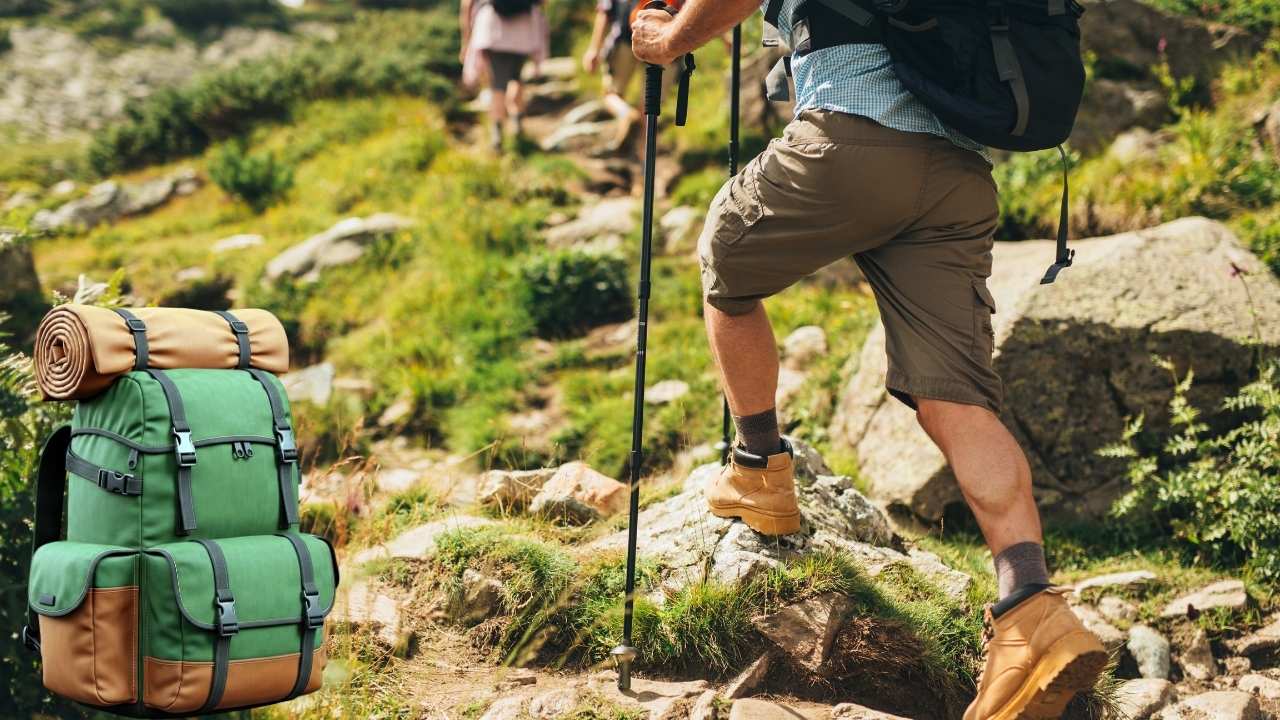
Backpack training is another important part of preparation. During the Trek, most people carry a daypack containing water, extra clothing, snacks, personal items, and essential trekking equipment. Although the pack is not extremely heavy, carrying it for several hours feels different from walking without one. Practicing with a backpack before the trek allows your shoulders, back, and legs to become accustomed to the extra load. Start with a light pack and gradually increase the weight until it feels comfortable. This simple habit can make a noticeable difference once you are on the mountain trails.
Hiking practice also provides an opportunity to test equipment before the trek begins. You can break in your trekking boots, adjust the backpack straps, and learn which clothing feels comfortable during long walks. These experiences help to prevent common problems such as blisters, discomfort, and poor gear choices. More importantly, regular hiking builds confidence. When you know you can walk for several hours with a backpack, the challenge of Everest Base Camp feels much more achievable. Consistent trail practice remains one of the most effective and realistic ways to prepare for this remarkable Himalayan adventure. For a complete list of what to carry, check out our detailed packing list for Everest Base Camp Trek.
Fitness and Altitude: What Good Fitness Can and Cannot Do
Many trekkers believe that being very fit will completely protect them from the effects of high altitude. This is one of the most common misunderstandings about the Everest Base Camp Trek or any high-altitude trek in Nepal. Good fitness is certainly helpful, but it does not make anyone immune to altitude sickness. Even veteran athletes can experience symptoms when they climb too high too quickly. At the same time, people with average fitness often reach Everest Base Camp successfully because they follow proper acclimatization practices. Understanding what fitness can and can not do is an important part of preparing for a safe and enjoyable trek.
As you climb higher into the Himalayas, the amount of oxygen in the air decreases. Your body must work harder to perform even simple activities such as walking uphill or climbing a short flight of steps. Good fitness helps because a stronger heart and lungs can deliver oxygen more efficiently throughout the body. Trekkers with better fitness levels often recover faster after long days of walking and may feel more comfortable carrying a backpack over difficult terrain. They can usually maintain a steady pace without becoming exhausted too quickly, which makes the overall trekking experience more enjoyable.
However, physical fitness cannot prevent altitude sickness. Acute Mountain Sickness, also often called AMS, can affect almost anyone regardless of age, strength, height, or athletic ability. Symptoms may include headache, dizziness, nausea, loss of appetite, and unusual fatigue. The best protection is proper acclimatization, which allows the body time to adjust to lower oxygen levels. This is why most Everest Base Camp itineraries include rest days at key locations. Drinking enough water, walking slowly, sleeping well, and listening to your body are just as important as fitness training before the trek.
The smartest approach is to combine good physical preparation with sensible altitude awareness. Train your endurance, strengthen your muscles, and improve your cardiovascular fitness before arriving in Nepal. At the same time, respect the mountain environment and avoid rushing to higher elevations. Fitness will help you to walk more comfortably and recover more efficiently, but acclimatization is what helps your body to adapt to altitude. When these two factors work together, you have the best chance of enjoying the trek safely and reaching Everest Base Camp with confidence.
**Before You Go: What Happens If You Get Sick on Everest Base Camp, Know the Risks, Symptoms, and Rescue Options if Illness Strikes on the Everest BASE Camp Trek**
Common EBC Fitness Mistakes and How to Avoid Them
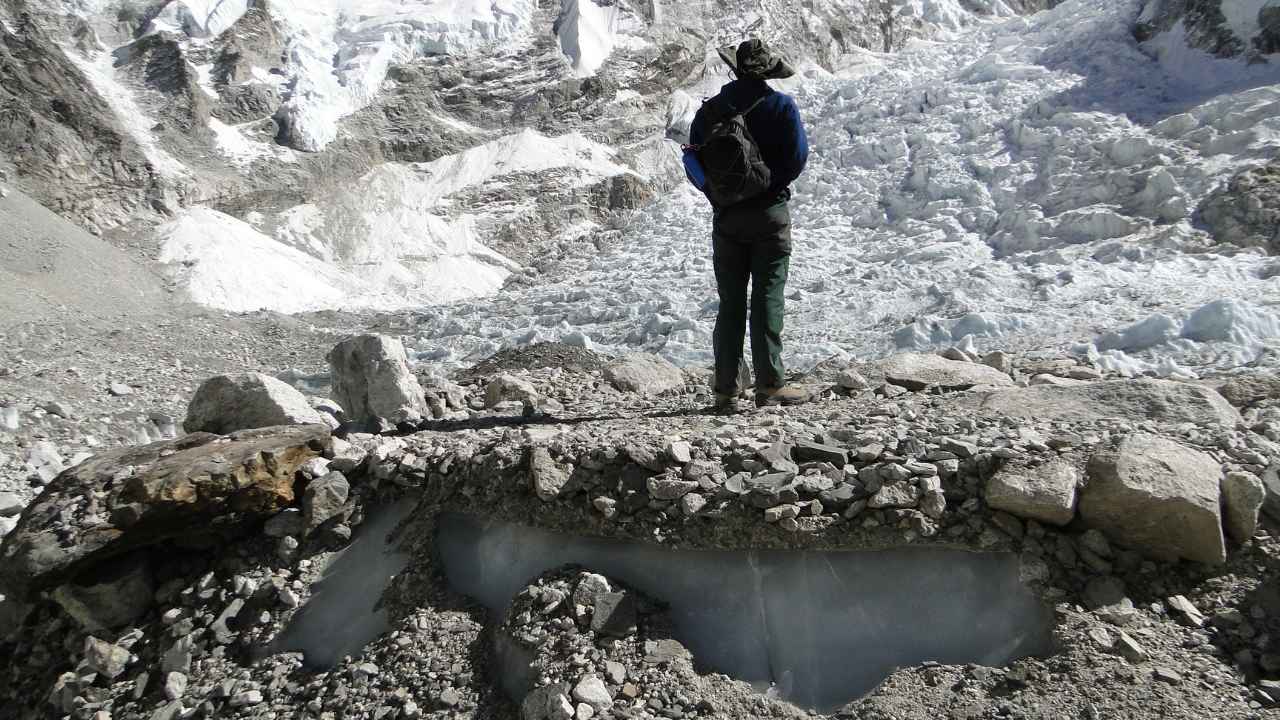
Many people worry about whether they are fit enough for the Everest Base Camp Trek, but the biggest problems often come from poor preparation rather than low fitness levels. Some trekkers train too little, while others train in the wrong way. A few even arrive believing that enthusiasm alone will carry them to Everest Base Camp. Understanding the most common fitness mistakes can help you to prepare more effectively, avoid unnecessary difficulties, and enjoy the trek with greater confidence.
-
Skipping Training Until the Last Minute: One of the most common mistakes is starting preparation only a few weeks before departure. Fitness improvements take time, and the body needs gradual training to build endurance and strength. Begin your preparation at least six to eight weeks before the trek to give yourself enough time to improve safely.
-
Focusing Only on Strength Instead of Endurance: Some people spend most of their time lifting weights but rarely practice long periods of walking. Strong muscles are helpful, but endurance is more important for EBC. Include regular walks, hikes, cycling sessions, or other activities that keep you moving for extended periods.
-
Ignoring Hill and Stair Training: Flat ground walking alone does not fully prepare you for mountain trails. The route to Everest Base Camp includes many uphill climbs and stone staircases. Adding hill walks or stair climbing to your training routine helps to prepare your legs for these challenges.
-
Never Practice With a Backpack: Carrying a daypack changes the way your body moves and uses energy. Trekkers who never train with a backpack may experience shoulder discomfort or fatigue. Practicing walking with a loaded backpack before the trek to become familiar with the extra weight.
-
Trying to Walk Too Fast on the Trek: Many beginners start too quickly because they feel energetic during the first few days. Walking too fast can increase fatigue and make altitude adjustment more difficult. Maintaining a slow and steady pace is usually the best strategy.
-
Believing Fitness Prevents Altitude Sickness: Good fitness improves trekking performance, but it does not prevent altitude sickness. Proper acclimatization, hydration,n and rest remain essential regardless of fitness level.
Preparing for Everest Base Camp does not require extreme athletic ability. By avoiding these common mistakes and following a balanced training plan, most people can develop the endurance, strength, and confidence needed for a successful and enjoyable Himalayan adventure. For inquiries regarding safety, booking policies, or gear lists, please visit our Contact Us page.
You may also like:
- 13 Things to Know before Everest Base Camp Trek
- How do you get to Everest Base Camp without trekking?
- Where is the best place to see Mount Everest?