

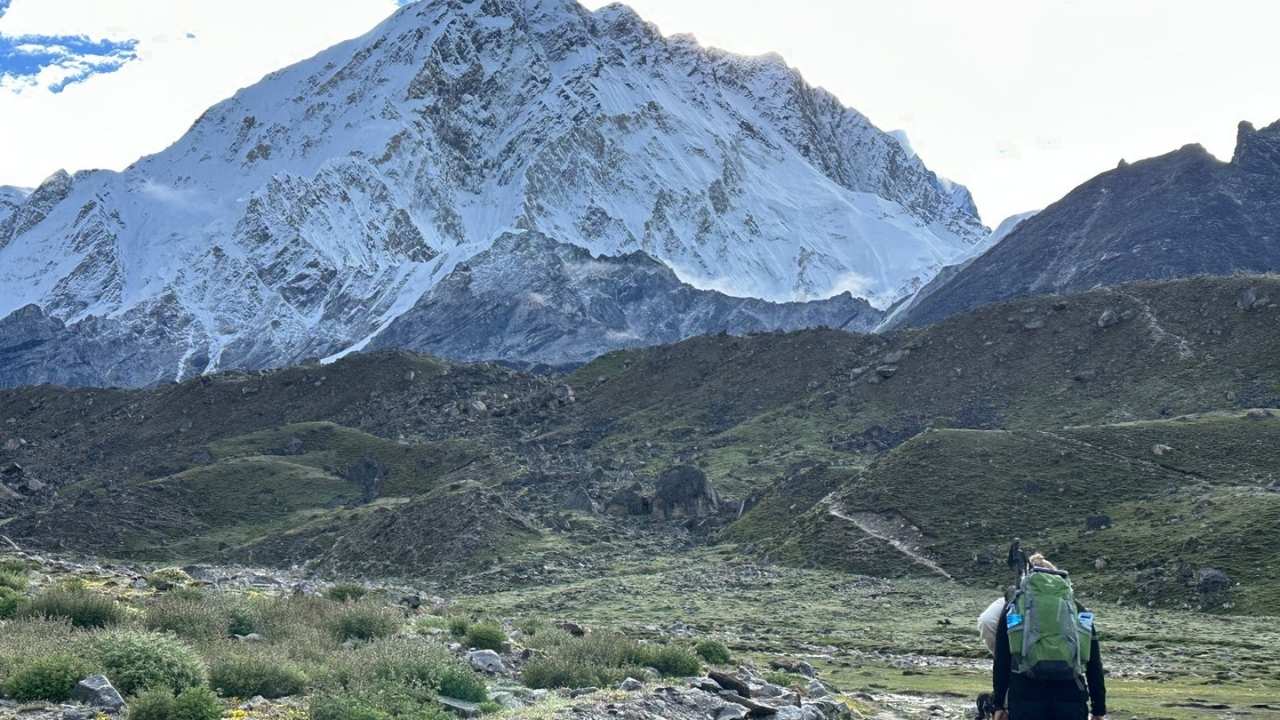
Most Nepal trekking packages include airport transfers, trekking permits, accommodation during the trek, a licensed guide, transportation, and meals on the trail. However, international flights, Nepal visa fees, travel insurance, personal expenses, tips, drinks, charging fees, hot showers, and emergency rescue costs are usually excluded unless specifically mentioned.
Planning a trekking adventure in Nepal is exciting, but understanding the cost of your trip can sometimes be confusing. One trekking company may advertise an Everest Base Camp Trek for under US$800, while another offers what appears to be the same itinerary for more than US$1,500. Naturally, one of the first questions trekkers ask is: What exactly is included in the trekking package price, and what will I need to pay for separately?
The answer is not always straightforward. Every trekking company designs its packages differently based on the level of service, accommodation, transportation, group size, and overall trekking experience they provide. While some packages cover almost everything from airport transfers to domestic flights, meals, permits, and accommodation, others only include the basic essentials, leaving trekkers to arrange or pay for additional services during the journey.
Understanding these inclusions and exclusions is important because the lowest advertised price does not always represent the best value. A package that appears more expensive may actually include permits, porter services, comfortable accommodation, or domestic flights that would otherwise become additional expenses. Comparing trekking packages without knowing what is included can lead to unexpected costs and make budgeting much more difficult.
This guide explains exactly what is typically included and excluded in a Nepal trekking package price, helping you understand where your money goes, compare different trekking packages fairly, and choose the option that best matches your budget and travel expectations.
What Does a Nepal Trekking Package Usually Include?
Most trekking packages in Nepal are designed to take care of the essential logistics required to complete the journey safely and comfortably. Although inclusions vary depending on the trekking route, duration, and package type, reputable trekking companies generally provide the core services that every trekker needs. These services save you the time and effort of arranging permits, transportation, accommodation, guides, and other important details on your own.
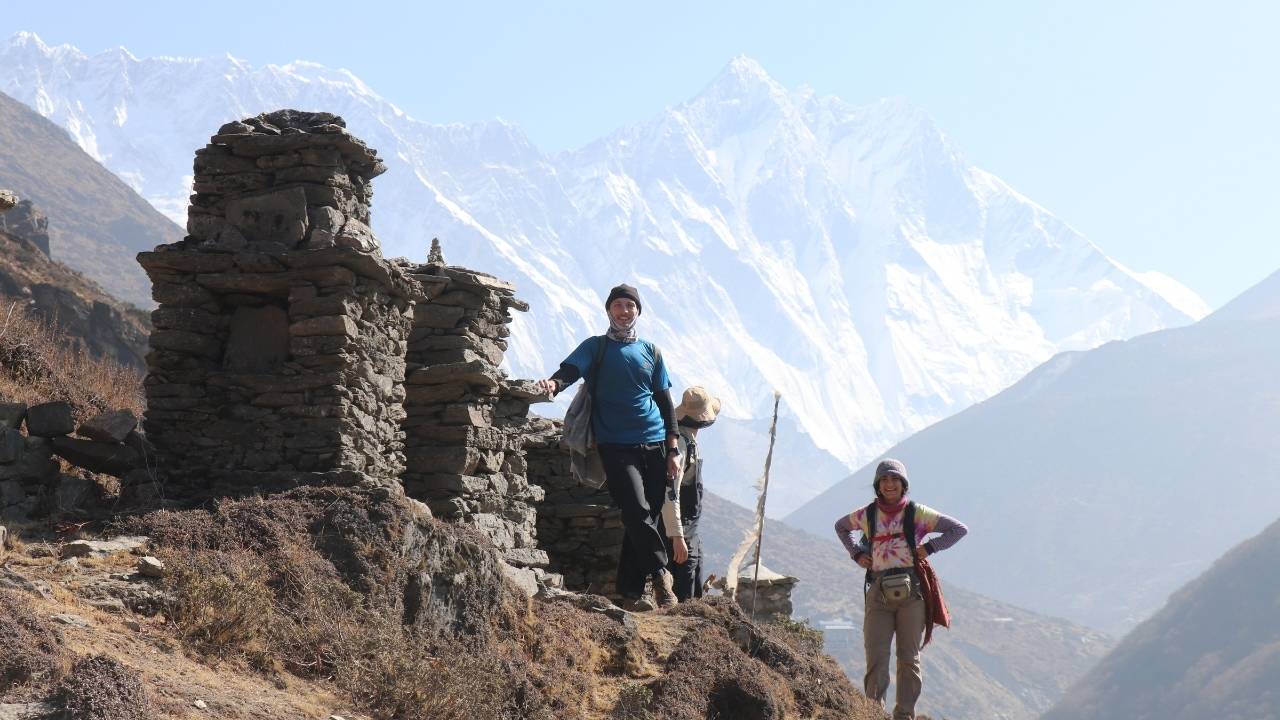
Below are the most common services included in a Nepal trekking package and why they are important for your trekking experience
Airport Pickup and Drop-off
For many international travelers, the trekking experience begins as soon as they land at Tribhuvan International Airport in Kathmandu. Most trekking packages include complimentary airport pickup and drop-off, making your arrival and departure much smoother. Upon arrival, a company representative usually meets you at the airport and transfers you to your hotel.
At the end of your trek, transportation back to the airport for your international departure is also commonly included. Some companies provide private airport transfers, where only you or your group travel in a dedicated vehicle, while others arrange shared transfers with other trekkers arriving around the same time. Private transfers offer greater comfort and flexibility, whereas shared transfers are a cost-effective option often found in group trekking packages.
Having airport transportation included eliminates the stress of finding a taxi after a long international flight, negotiating fares, or navigating an unfamiliar city.
**Discover More: Everest Base Camp Trek– Some Journeys Change Your Destination. This One Changes Your Perspective**
Trekking Permits
Every major trekking region in Nepal requires one or more government-issued permits before foreign trekkers can enter protected areas or national parks. These permits help fund conservation efforts, trail maintenance, local development projects, and visitor management throughout Nepal's trekking regions.
The permits included depend entirely on the trekking destination. Some of the most common permits include:
-
Annapurna Conservation Area Permit (ACAP) for treks in the Annapurna region.
-
Sagarmatha National Park Entry Permit for Everest region treks.
-
Khumbu Pasang Lhamu Rural Municipality Permit for visitors entering the Khumbu region.
-
Manaslu Restricted Area Permit (MRAP) for the restricted Manaslu region.
-
Manaslu Conservation Area Permit (MCAP) for conservation areas within the Manaslu region.
-
TIMS Card (Trekkers' Information Management System) where applicable, although it is no longer required for some trekking routes under current regulations.
Most reputable trekking agencies arrange all required permits before your trek begins. This saves you from visiting multiple government offices, completing paperwork, and understanding changing permit regulations, allowing you to focus on preparing for your adventure instead.
Licensed Trekking Guide
A professional trekking guide is one of the most valuable services included in many Nepal trekking packages. Licensed guides are authorized by the Government of Nepal and have completed training in trekking leadership, mountain safety, first aid, and responsible tourism.
Beyond leading the route, experienced guides help with navigation, monitor your health as you gain altitude, recognize early signs of Acute Mountain Sickness (AMS), coordinate accommodation, communicate with local tea houses, and respond quickly if unexpected situations arise.
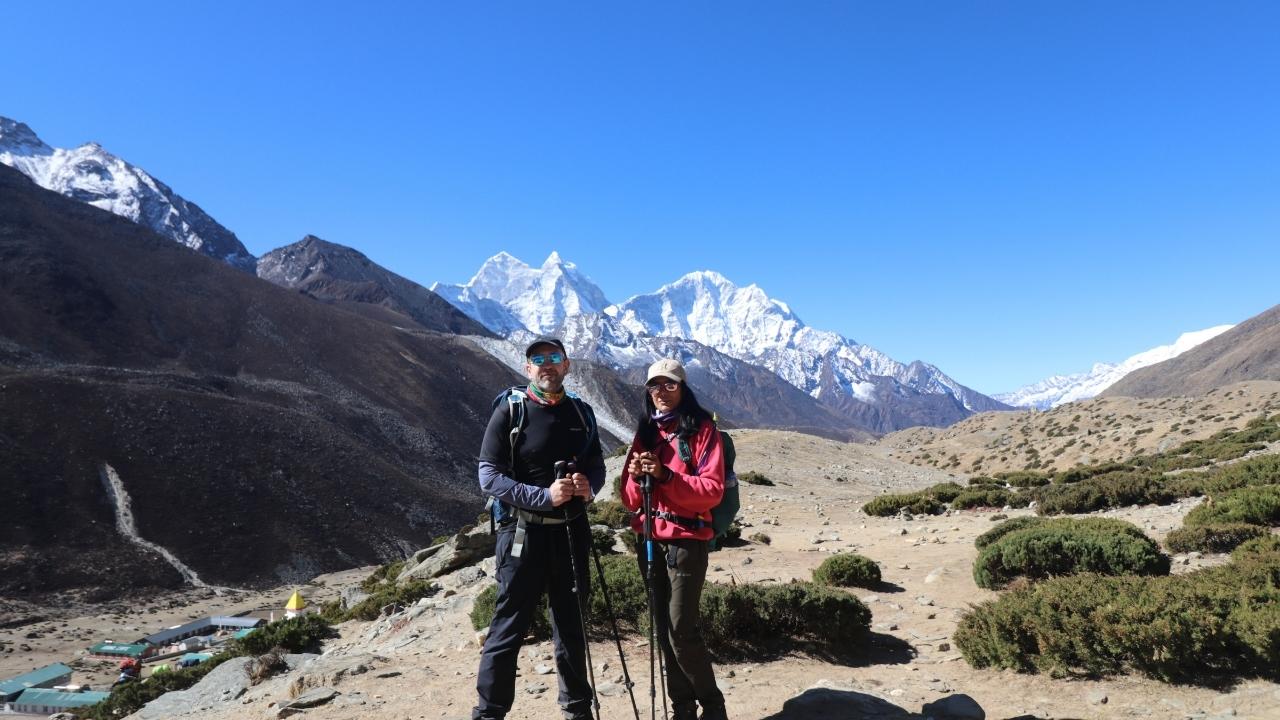
They also enrich your trekking experience by sharing insights into local culture, Buddhist monasteries, mountain history, wildlife, and the traditions of communities living along the trail. In recent years, trekking with a licensed guide has also become mandatory for foreign trekkers in many protected trekking regions of Nepal, making guided trekking not only beneficial but, in many cases, a legal requirement.
Porter Service (If Included)
Not every trekking package includes porter service, so it is important to check this before booking. When included, a porter carries the heavier portion of your luggage, allowing you to trek with only a light daypack containing water, snacks, a camera, and other daily essentials.
Most trekking companies follow a maximum weight limit for porters, typically around 20 to 25 kg, which is often shared between two trekkers. This generally means each trekker can pack around 10 to 12 kg in the provided duffel bag, although limits may vary between companies.
Hiring a porter not only makes the trek more comfortable but also helps reduce fatigue, conserves energy for higher elevations, and allows you to enjoy the scenery without carrying a heavy backpack throughout the journey.
Accommodation
Accommodation is another essential component included in most Nepal trekking packages. The type of accommodation depends on the trekking route and the package you choose.
In Kathmandu, packages commonly include one or more nights in a comfortable hotel before and after the trek. During the trek itself, accommodation is usually provided in traditional tea houses or mountain lodges, where trekkers stay in simple but comfortable twin-sharing rooms.
Most standard packages include twin-sharing accommodation, meaning two trekkers share one room. Solo rooms may be available in lower elevations for an additional cost, although they become increasingly limited in remote mountain villages.
Luxury trekking packages often upgrade accommodation to premium hotels in Kathmandu and higher-quality mountain lodges where available, offering larger rooms, private bathrooms, heated dining areas, and additional comforts.
Meals During the Trek
Many trekking packages include three meals a day throughout the trekking portion of the itinerary, helping trekkers maintain their energy while hiking at higher elevations. A typical package includes:
-
Breakfast
-
Lunch
-
Dinner
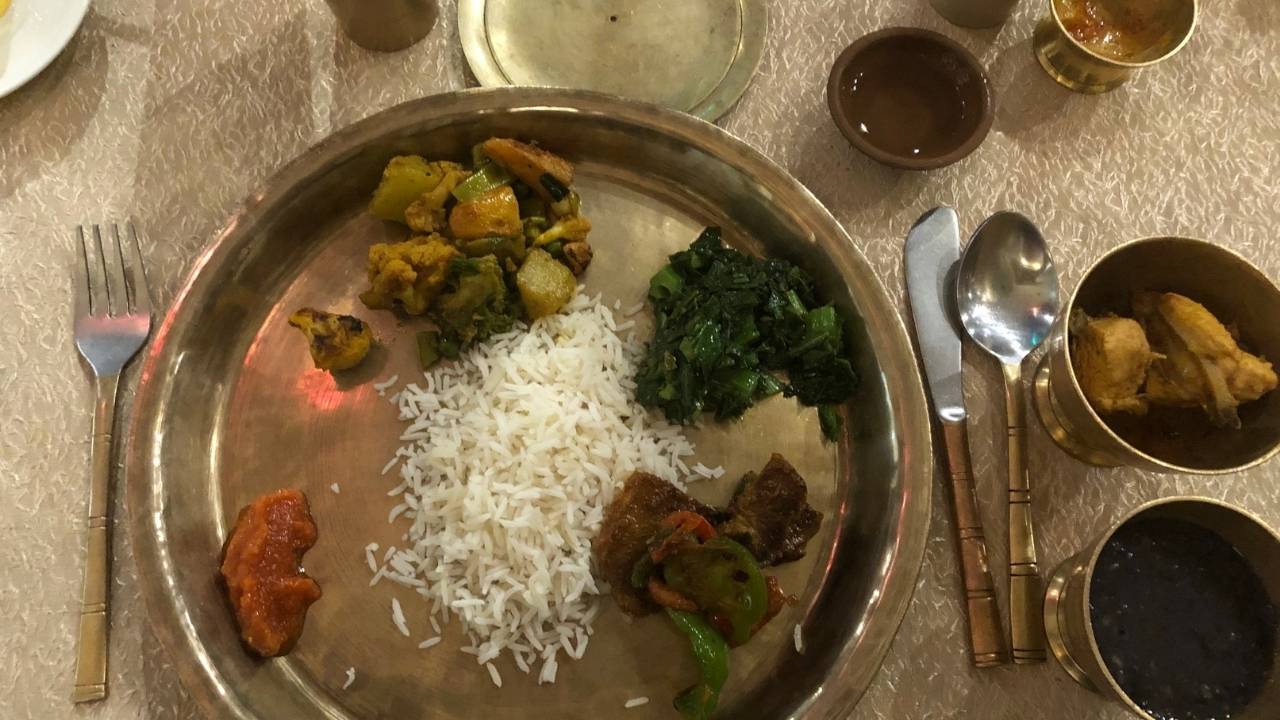
Meals are served in local tea houses and generally offer a surprisingly wide selection of dishes. Popular choices include Dal Bhat, fried rice, noodles, pasta, soups, potatoes, pancakes, eggs, porridge, momo, and seasonal vegetables. Vegetarian meals are widely available across Nepal's trekking routes, while vegan and gluten-free options may be available with advance notice, although choices become more limited at higher elevations.
The exact meal inclusions vary by trekking company, so it is always worth confirming whether drinks, desserts, and snacks are included before booking.
Ground Transportation
Transportation between cities and trekking trailheads is commonly included in Nepal trekking packages. The type of transportation depends on the destination, package category, and road accessibility.
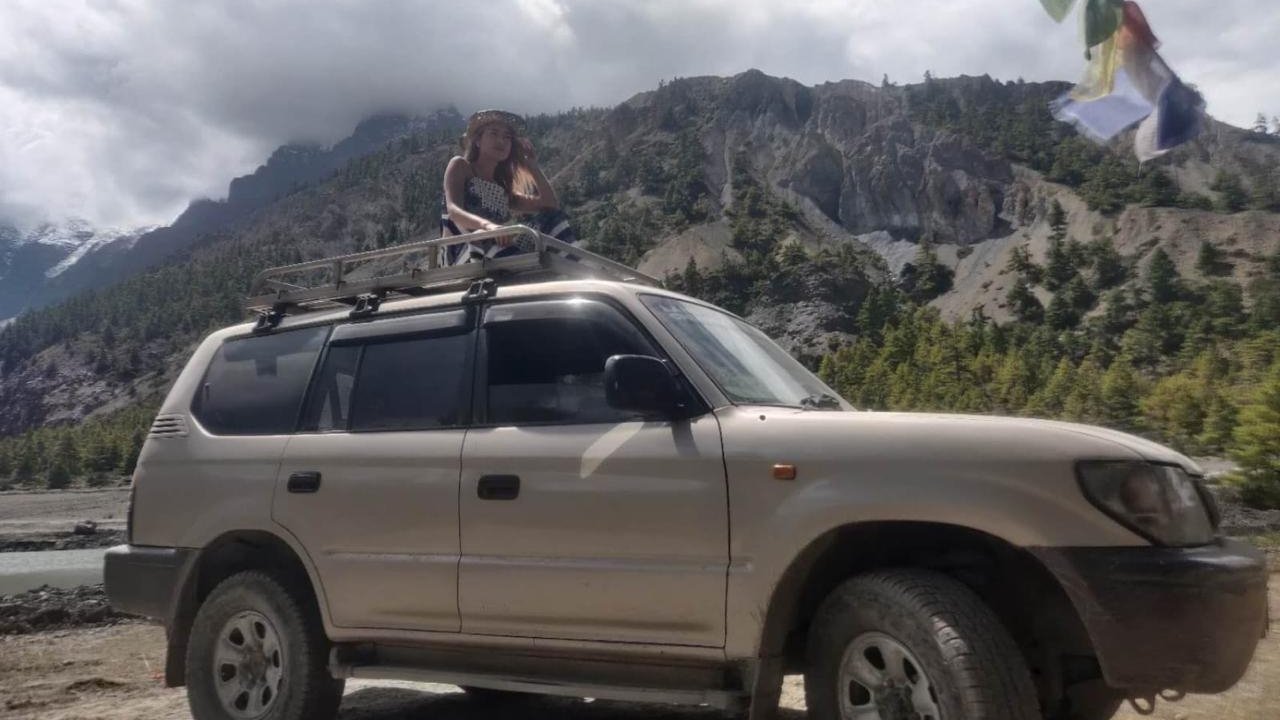
Budget-friendly packages often use comfortable tourist buses for routes such as Kathmandu to Pokhara. Standard and private packages may include private jeeps for greater flexibility and shorter travel times, especially on rough mountain roads. Common examples include:
-
Kathmandu to Syabrubesi for the Langtang Trek
-
Pokhara to Nayapul or Ghandruk for Annapurna treks
-
Kathmandu to Machha Khola for the Manaslu Circuit Trek
Premium trekking packages may also include domestic flights or helicopter transfers, particularly for destinations where road access is limited or where travelers prefer to reduce travel time.
Domestic Flights (When Required)
Some trekking destinations require domestic flights because road access is either unavailable or impractical. When these flights are part of the itinerary, they are often included in the trekking package price. Examples include:
-
Kathmandu or Ramechhap to Lukla for Everest region treks.
-
Pokhara to Jomsom for Lower Mustang.
-
Nepalgunj to Juphal for Dolpo treks.
-
Nepalgunj to Simikot for Humla and Mount Kailash journeys.
Because mountain weather can affect flight schedules, reputable trekking agencies also assist with flight management, rebooking, and itinerary adjustments when delays occur.
**Continue Reading: Manaslu Circuit Trekking– Hidden Valleys. Ancient Villages. One Unforgettable Journey**
Duffel Bag and Trekking Equipment
Many trekking companies provide basic trekking equipment to reduce the amount of gear you need to bring from home. Commonly provided items include:
-
Duffel bag
-
Sleeping bag
-
Down jacket
-
Trekking map
These items are usually loaned to trekkers for the duration of the trip and must be returned after the trek. Some companies require a refundable security deposit, while others provide the equipment free of charge as part of the package. Providing essential equipment helps travelers save money on gear purchases while ensuring they have items suitable for Himalayan trekking conditions.
Government Taxes and Service Charges
Government taxes and service charges are often overlooked when comparing trekking package prices, but they can represent a significant portion of the overall cost. Many reputable trekking companies include applicable expenses such as:
-
Government Value Added Tax (VAT)
-
Company service charges
-
Required permit fees
-
Administrative processing costs
When these charges are already included, you receive a clearer understanding of the total trip cost without unexpected fees later. Before booking, it is always worth confirming whether the advertised price is fully inclusive or whether taxes and additional government fees will be added separately.
What Is Usually NOT Included in a Nepal Trekking Package?
Although Nepal trekking packages cover most of the essential services needed to complete the journey, there are still several expenses that trekkers are generally expected to pay themselves. These exclusions vary slightly between trekking companies and package types, but they are considered standard throughout Nepal's trekking industry.
Understanding these additional costs before booking helps you prepare a realistic travel budget and prevents unexpected expenses during your adventure. Always review the package inclusions carefully, as premium or luxury trekking packages may cover some of the items listed below.
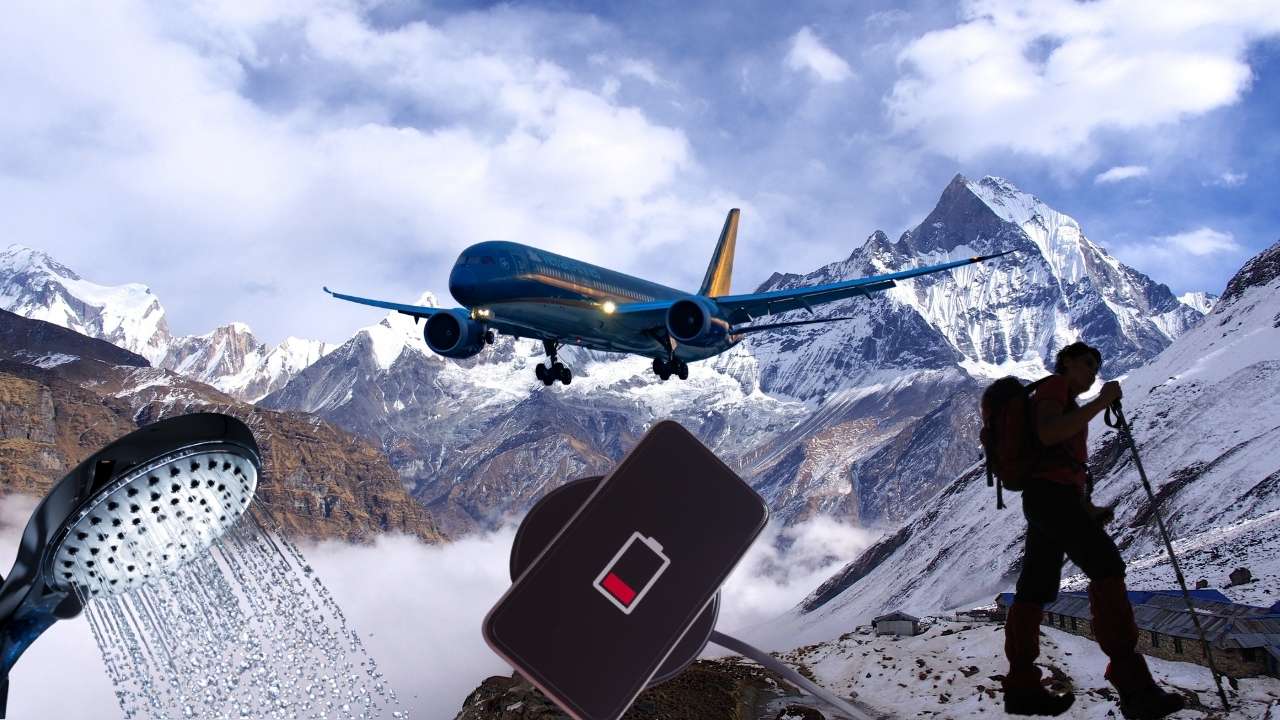
International Airfare
Almost all Nepal trekking packages begin after you arrive in Kathmandu, which means international airfare is generally not included in the package price. Trekkers are responsible for booking their own round-trip flights from their home country to Tribhuvan International Airport (TIA) in Kathmandu. Airfare varies considerably depending on your departure country, travel season, airline, and how far in advance you book your tickets.
Many trekking companies are happy to advise on the best arrival and departure dates to match your itinerary, but the flight booking itself is usually arranged independently by the traveler.
Nepal Entry Visa
The cost of obtaining a Nepal tourist visa is generally not included in trekking packages.
Most foreign nationals can obtain a Visa on Arrival at Tribhuvan International Airport in Kathmandu or at designated land border crossings. Travelers are required to present a valid passport, complete the necessary immigration procedures, and pay the applicable visa fee based on the length of their stay.
Since visa regulations and fees may change over time, it is always advisable to check the latest requirements before traveling to Nepal.
Travel Insurance
Travel insurance is one of the most important requirements for trekking in Nepal, yet it is almost never included in the package price. A comprehensive trekking insurance policy should provide coverage for:
-
Emergency helicopter evacuation
-
High-altitude trekking
-
Acute Mountain Sickness (AMS)
-
Emergency medical treatment
-
Hospitalization
-
Trip cancellation or interruption
-
Lost or delayed baggage
Medical evacuation by helicopter from remote mountain regions can cost several thousand US dollars, making travel insurance essential rather than optional. Most reputable trekking agencies also require proof of insurance before the trek begins, particularly for high-altitude routes such as Everest Base Camp, Annapurna Circuit, and Manaslu Circuit.
Personal Trekking Gear
While some trekking companies provide basic equipment such as a sleeping bag or down jacket, personal trekking clothing and accessories are normally the traveler's responsibility. Common items you should bring include:
-
Trekking boots
-
Moisture-wicking socks
-
Thermal base layers
-
Waterproof jacket
-
Gloves
-
Warm hat
-
Sunglasses with UV protection
-
Trekking poles
-
Day backpack
-
Water bottles or hydration system
If you do not own suitable equipment, many items can be rented or purchased in Kathmandu before your trek.
Snacks and Drinks
Meals may be included during the trek, but snacks and beverages purchased throughout the journey are usually paid separately. Popular personal purchases include:
-
Chocolate bars
-
Energy bars
-
Soft drinks
-
Bottled water
-
Fresh coffee
-
Tea beyond included meals
-
Beer and alcoholic beverages
As supplies are transported by porters, yaks, or mules into remote mountain villages, prices increase significantly with altitude. Carrying a few favorite snacks from Kathmandu can help reduce daily expenses during the trek.
Hot Showers
Many first-time trekkers are surprised to learn that hot showers are not typically included in standard trekking packages. Most tea houses charge a separate fee for using hot water, especially at higher elevations where heating water requires additional fuel or solar energy. Costs vary by location and altitude, with showers becoming more expensive as you climb higher into the mountains.
Some luxury lodges include private hot showers as part of the accommodation, but this is generally not the case on standard trekking routes.
Battery Charging
Charging electronic devices is another expense that is commonly excluded from trekking packages. Most tea houses charge a small fee for each device that needs charging, including:
-
Mobile phones
-
Cameras
-
Smart watches
-
Power banks
-
Tablets
Electricity becomes increasingly limited in remote mountain villages, with many lodges relying on solar power or small hydroelectric systems. Carrying a high-capacity power bank is often the most convenient way to reduce charging costs during longer treks.
Wi-Fi and Internet
Internet access is available in many trekking villages, but it is rarely included in the package price. Most tea houses offer Wi-Fi for an additional fee, while some trekking regions also provide paid internet services through local networks. Connection speeds can vary depending on weather, altitude, and the remoteness of the location.
Trekkers who need reliable communication should budget separately for internet access during the journey.
** Recommended for You: Langtang Valley Trekking– A Journey Through a Valley That Never Lost Its Spirit**
Laundry Service
Laundry services are generally not included in Nepal trekking packages. In larger towns such as Namche Bazaar, Manang, or Pokhara, basic laundry facilities may be available for an additional charge. However, as you move into higher and more remote villages, laundry services become increasingly limited or unavailable.
For longer treks, many trekkers simply wash lightweight clothing by hand when weather and facilities allow.
Tips for Guides and Porters
Gratuities for guides and porters are not included in the package price. Although tipping is not mandatory, it has become a well-established custom in Nepal's trekking industry and is greatly appreciated by trekking staff who work long days in challenging mountain conditions.
The amount varies depending on the length of the trek, group size, and the level of service provided. If you are satisfied with your guide and porter, tipping is a meaningful way to recognize their professionalism, hard work, and dedication throughout your journey.
Personal Expenses
Every trekker has individual spending habits, which is why personal expenses are excluded from most trekking packages. Examples include:
-
Souvenirs
-
Extra meals
-
Alcoholic beverages
-
Snacks
-
Shopping
-
Personal medicines
-
Bakery items
-
Donations at monasteries
-
Room upgrades
-
Additional accommodation due to itinerary changes
These costs vary from person to person, so it is advisable to carry sufficient cash in Nepalese Rupees, especially when trekking in remote regions where credit card facilities are limited.
Emergency Rescue Costs
Emergency rescue operations are generally not paid directly by trekking companies, making this one of the most important exclusions to understand before your trek. If a trekker develops severe altitude sickness, suffers an injury, or experiences another medical emergency, helicopter evacuation may be necessary.
While trekking agencies coordinate rescue logistics and communicate with rescue operators, the financial cost of the evacuation is typically covered through the traveler's insurance policy, not the trekking package itself.
Without appropriate travel insurance, helicopter rescue and emergency medical treatment can result in substantial out-of-pocket expenses. For this reason, purchasing insurance that specifically covers high-altitude trekking and emergency helicopter evacuation is considered essential before undertaking any Himalayan trek.
Why Are Some Nepal Trekking Packages More Expensive Than Others?
One of the biggest misconceptions among first-time trekkers is that all Nepal trekking packages are the same. In reality, two companies may offer the same itinerary at very different prices because the level of service, comfort, and safety can vary considerably.
Higher-priced trekking packages often include experienced government-licensed guides, porter services, better hotels in Kathmandu, higher-quality tea houses, private transportation, domestic flights, or even helicopter returns on selected itineraries.
Premium packages may also provide additional safety equipment such as oxygen cylinders, pulse oximeters, satellite phones, and comprehensive first-aid support, offering greater peace of mind in remote mountain environments. Accommodation standards, meal inclusions, and group size also influence the overall cost. Smaller groups provide a more personalized experience, while luxury lodges, private rooms, upgraded meals, and flexible transportation naturally increase operating expenses.
Likewise, companies that invest in fair wages, staff insurance, professional training, and strong safety protocols generally have higher operating costs than those offering basic budget services. When comparing trekking packages, it is important to look beyond the advertised price. Instead of asking, "Which package is the cheapest?", ask "What value does this package provide?"
A well-organized trekking package with transparent pricing, experienced staff, reliable logistics, and strong safety standards often delivers a far better overall experience than a cheaper package with numerous hidden costs or limited services. Taking the time to compare the inclusions, exclusions, and level of support will help you choose the trekking package that best suits your budget, expectations, and travel style.